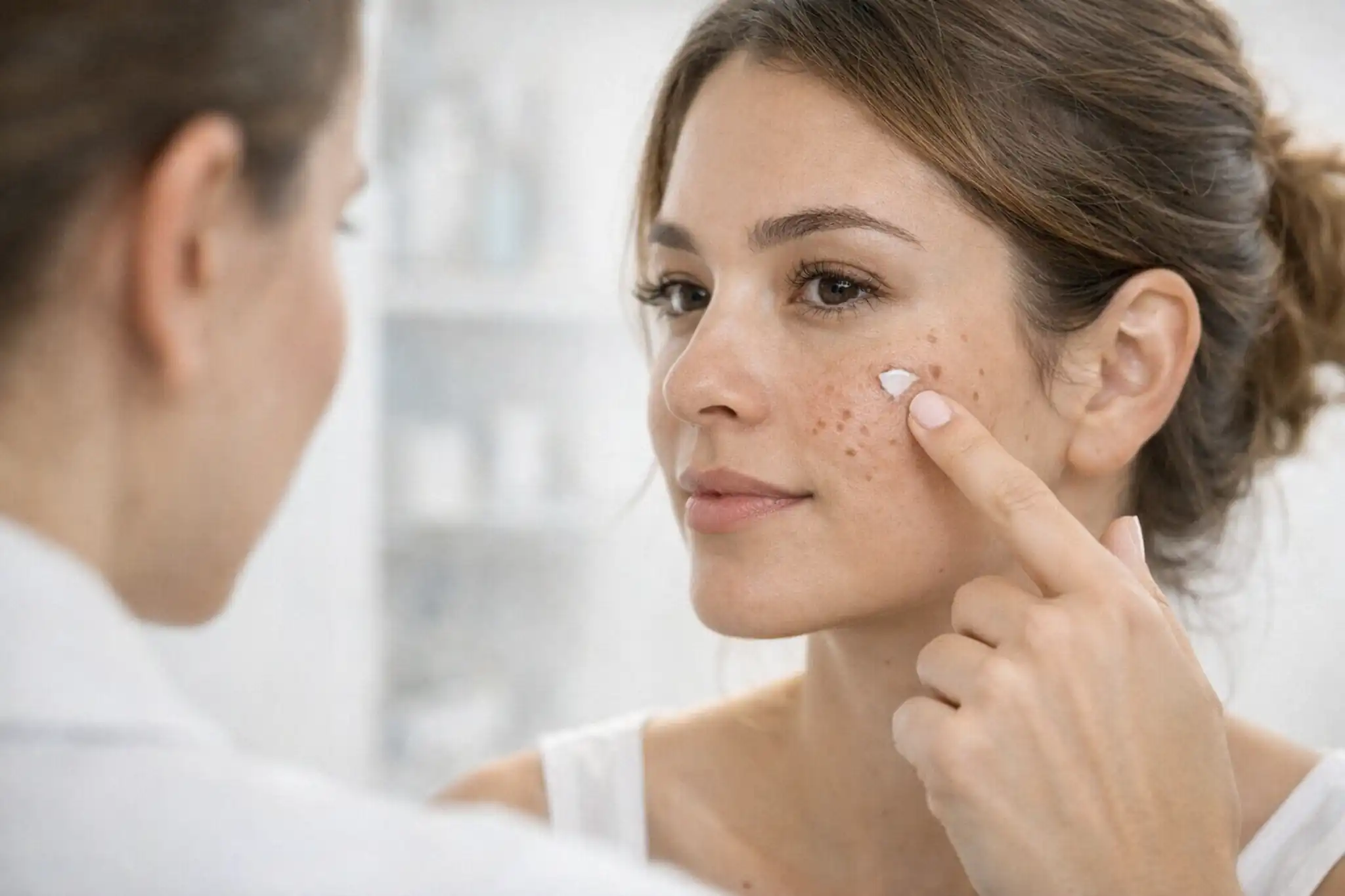
Tretinoin for Dark Spots: How It Works and What Results to Expect
Dark spots can be more stubborn than the breakout, rash, or irritation that caused them. You finally get the acne under control, and then you are left with marks that seem to hang around for months. That is why so many people look into tretinoin for dark spots and want to know whether it really works or if the internet is overselling it.
The honest answer is that tretinoin for dark spots can help, but it is not fast, and it is not the right tool for every kind of discoloration. It works best when you understand what kind of marks you have, use it consistently, and protect your skin from the sun every single day.
Table of Contents
Direct Answer: Does Tretinoin Help Dark Spots?
Yes, tretinoin for dark spots can help fade certain kinds of discoloration over time, especially post-acne marks and some uneven tone linked to sun damage. It works by speeding up skin cell turnover and supporting healthier skin renewal. Results are usually gradual, and sunscreen is a major part of whether treatment pays off.

What Is Tretinoin?
How tretinoin works on the skin
Tretinoin is a prescription retinoid, which means it is related to vitamin A. Doctors commonly prescribe it for acne, but it is also used for other skin concerns because it helps unclog pores, increase new skin cell production, and improve the way skin renews itself. MedlinePlus notes that topical tretinoin works by increasing production of new skin cells and unclogging pores, while newer reviews also describe effects on collagen synthesis and pigmentation.
That is one reason tretinoin for dark spots gets so much attention. It does not bleach skin in the way some fading agents do. Instead, it gradually helps the skin turn over and can make discoloration look lighter as older pigmented cells are replaced. It can also help acne at the same time, which matters because fewer breakouts often means fewer new marks.
Tretinoin vs over-the-counter retinol
Both tretinoin and retinol belong to the retinoid family, but they are not the same. Tretinoin for dark spots is prescription-only, while retinol is sold over the counter in many skin care products. The American Academy of Dermatology explains that tretinoin is a prescription topical retinoid, while retinol is a milder over-the-counter option often used for uneven tone, pigmentation, and texture.
In real life, that usually means tretinoin can be stronger and more effective, but it is also more likely to irritate your skin if you start too fast. Retinol may be easier for beginners, but tretinoin for dark spots is often the option people consider when they want a more medical-grade treatment plan.
What Kind of Dark Spots Can Tretinoin Help?
Post-inflammatory hyperpigmentation
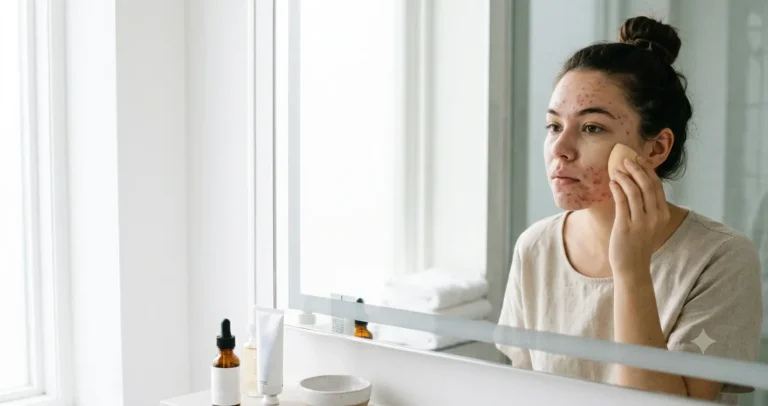
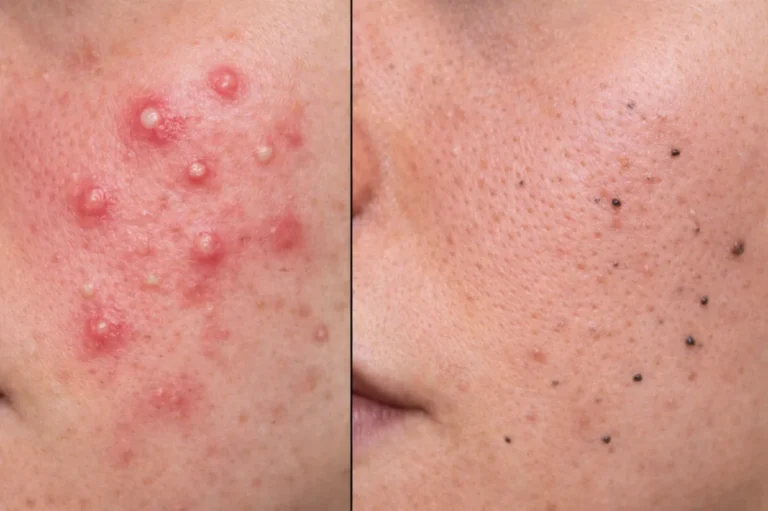
This is one of the most common reasons people try tretinoin for dark spots. Post-inflammatory hyperpigmentation, often called PIH, happens when your skin makes extra pigment after inflammation or injury. Acne is a major trigger, especially in people with skin of color. These marks are often brown, tan, or gray-brown and can stick around long after the pimple is gone.
For this type of discoloration, tretinoin for dark spots can be helpful because it supports acne control and may reduce hyperpigmentation over time. Reviews focused on skin of color note that topical retinoids should be considered early for acne with hyperpigmentation unless they are contraindicated.
Sun spots and uneven tone
Tretinoin is also used for dark spots and rough skin caused by sun damage. Mayo Clinic states that one topical tretinoin cream is used to treat fine wrinkles, dark spots, and rough facial skin caused by the sun, and that it works best as part of a larger sun-protection program.
That said, tretinoin for dark spots caused by years of sun exposure may not be the only thing you need. Some sun spots respond better to combination care, such as other topical fading agents or procedures done by a dermatologist.
Melasma
Melasma is more complicated than a basic dark mark after acne. It is often linked to hormones, pregnancy, or sun exposure, and it can be hard to treat. Tretinoin may be part of a melasma plan, but it is often used in combination products rather than alone. The AAFP review notes that triple-combination therapy that includes tretinoin is effective for moderate to severe melasma, but irritation is common and sunscreen remains essential.
So while tretinoin for dark spots can play a role in melasma care, it is usually not the whole answer.
What tretinoin cannot do well
This is where realistic expectations matter. Tretinoin for dark spots does not work overnight. It also does not do much for raised scars, and it is not the best standalone treatment for deep pitted acne scars. If your main issue is texture rather than color, you may need procedures instead of relying on one cream.
Tretinoin for Dark Spots: How It Works Over Time
Faster skin cell turnover
The first big job of tretinoin for dark spots is speeding up skin renewal. As your skin sheds older cells and brings new ones to the surface, some areas of excess pigment can become less obvious over time. MedlinePlus describes tretinoin as increasing production of new skin cells, which is part of why it is used for acne and uneven tone.
Gradual fading of pigment
The fading process is slow because pigment does not leave all at once. A dark mark has to move upward through the skin as turnover happens. The AAD notes that some hyperpigmentation fades on its own once the trigger stops, but this can take many months, and treatment can help speed that process.
That is why tretinoin for dark spots works best for people who can stay consistent. If you stop after a few weeks, you may only get irritation without enough time for visible pigment improvement.
Smoother, more even-looking skin
A good result from tretinoin for dark spots is not only about making a spot lighter. Over time, some people also notice that their skin looks smoother, more even, and less rough overall. That broader improvement is one reason tretinoin has stayed popular for decades.
Supportive effects on acne and acne-related marks
This point is easy to miss. Tretinoin for dark spots can help indirectly by reducing future acne lesions, which lowers the chance of getting fresh marks from new breakouts. Reviews on acne-associated hyperpigmentation stress that effective acne control is a key part of improving and preventing PIH.
How Long Does Tretinoin Take for Dark Spots?
What to expect in the first 2 to 4 weeks
The early stage of tretinoin for dark spots is often the most frustrating. During the first few weeks, your skin may feel dry, tight, flaky, or sting more easily. Mayo Clinic says irritation is common during the first two to three weeks, and MedlinePlus notes that acne can look worse in the first 7 to 10 days before it improves.
You may not see much fading yet. This is normal. Early treatment is often more about your skin adjusting than about dark spots disappearing.
What to expect by 6 to 12 weeks
By this stage, some people start to notice that tretinoin for dark spots is paying off. Skin tone may look a bit more even, newer marks may seem less intense, and acne may be improving too. Mayo Clinic says acne may take longer than 12 weeks for full improvement, and darker marks often lag behind acne itself.
What to expect after 3 to 6 months
This is when tretinoin for dark spots tends to make more sense to users who stick with it. MedlinePlus says improvement in sun-related dark spots may take 3 to 4 months or even up to 6 months, and the AAD notes that many dark spots fade slowly even after the cause stops.
If you have deeper discoloration, especially in darker skin tones, it can take longer than that. Some marks fade within months. Others may linger much longer.
Does Tretinoin Help With Acne Scars?
Tretinoin for acne scars vs dark spots
A lot of people mix these up. When someone asks, does tretinoin help with acne scars, they may really mean dark marks left after acne. Those are not the same as indented scars. Tretinoin for acne scars can help a little with very mild texture issues and support healthier skin renewal, but it is usually much better for discoloration than for deep textural scars.
Which scars may improve slightly
If you have very shallow roughness or mild post-acne texture changes, tretinoin for acne scars may give some support over time because tretinoin can influence collagen and dermal remodeling. But this tends to be gradual and modest.
Which scars usually need more than tretinoin
Ice pick, boxcar, and rolling scars usually need more than tretinoin for dark spots or tretinoin for acne scars alone. These scars often respond better to microneedling, lasers, subcision, TCA CROSS, or other in-office procedures. If you are searching for how to get rid of acne scars fast, that promise is usually unrealistic at home.
How to Use Tretinoin for Dark Spots Safely
Start slowly
The biggest mistake with tretinoin for dark spots is usually starting too aggressively. Many dermatologists advise easing in. The AAD recommends starting with the least intense formula possible and using it every other night at first, then slowly building up.
A thin layer is enough. More is not better. More often just means more irritation.
Apply it the right way
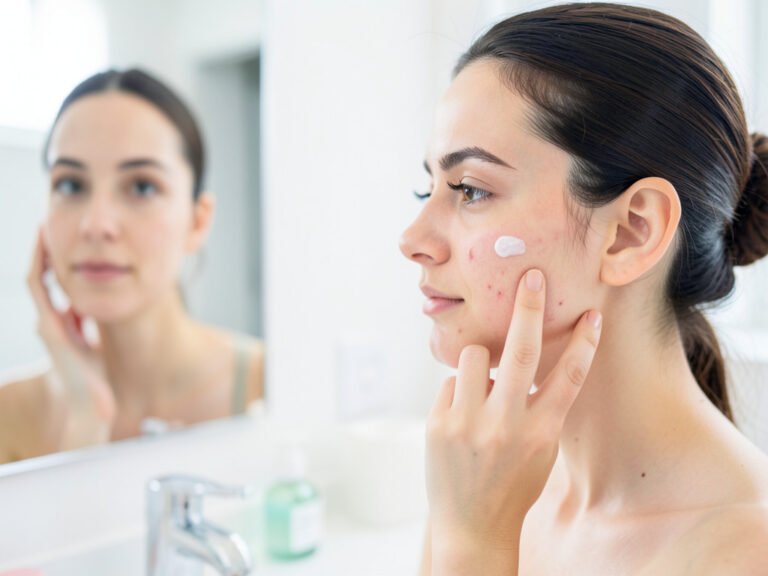
MedlinePlus says topical tretinoin is usually used daily at bedtime and should be applied in a thin layer to clean skin, avoiding the eyes, mouth, corners of the nose, and areas that are sunburned or affected by eczema.
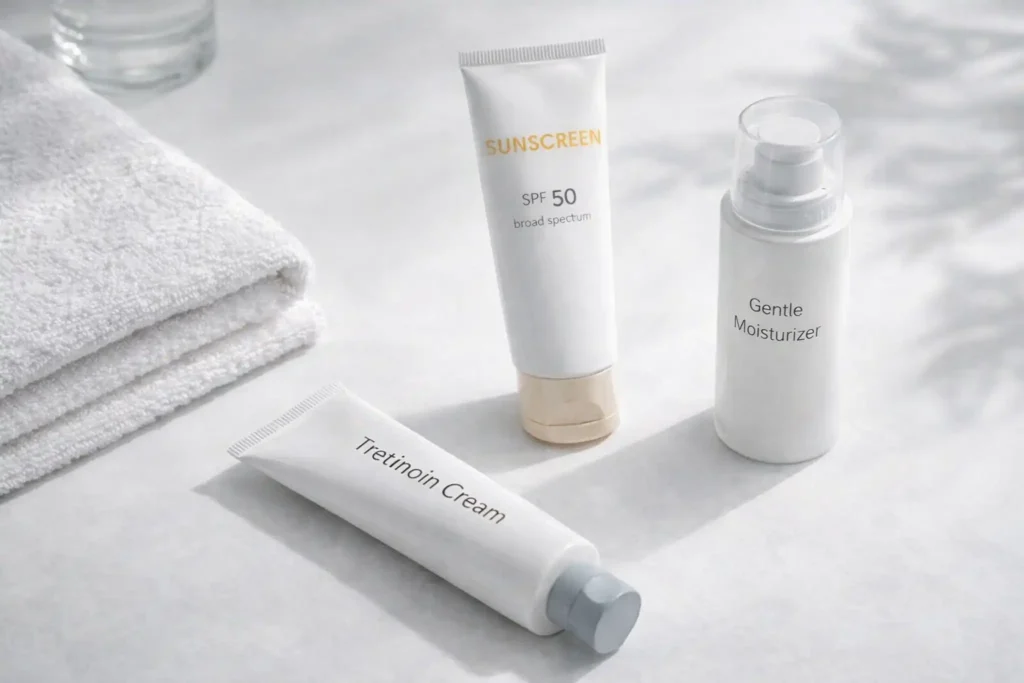
For many people, the safest routine for tretinoin for dark spots looks like this:
- Wash with a gentle cleanser
- Let the skin dry
- Apply a pea-sized amount or thin layer as directed
- Use moisturizer if your clinician recommends it
- Keep it off irritated or broken skin
Why sunscreen is non-negotiable
If you use tretinoin for dark spots without sunscreen, you make the job harder. Tretinoin can make skin more sensitive to sun, and sun exposure can keep dark spots active or make them worse. The AAD says effective treatment for hyperpigmentation begins with sunscreen, and Mayo Clinic stresses sun protection during tretinoin use.
This is not a small detail. For many people, sunscreen is the difference between progress and frustration.
Best Ingredients to Pair With Tretinoin for Dark Spots
Sunscreen
This is the most important pairing for tretinoin for dark spots. The AAD recommends broad-spectrum sunscreen and specifically highlights tinted sunscreen with iron oxide for some darker skin tones because visible light can worsen hyperpigmentation.
Azelaic acid
AAD guidance for fading dark spots includes azelaic acid as one ingredient that may help even skin tone. It can be a helpful partner in a broader routine, especially when acne and discoloration overlap.
Niacinamide
Niacinamide is often used as a supportive ingredient because it is usually gentler than stronger exfoliating acids and may help with skin barrier support and uneven tone. It is not a replacement for tretinoin for dark spots, but it may fit well in a routine built around reducing irritation and supporting consistent use. Some clinical literature also notes its role in improving hyperpigmented spots.
Gentle moisturizers
Mayo Clinic and MedlinePlus both note that moisturizers can help reduce dryness and irritation from tretinoin. That matters because you are more likely to stay consistent with tretinoin for dark spots if your skin barrier is not constantly raw.
Hydroquinone or other fading agents only when professionally guided
For stubborn pigmentation such as melasma, doctors may combine tretinoin with other fading treatments. But stronger combinations can also raise the risk of irritation, especially in darker skin tones. That is one reason dermatologist guidance matters.
Common Side Effects and How to Manage Them
The most common side effects of tretinoin for dark spots are dryness, peeling, burning, stinging, redness, and skin sensitivity. MedlinePlus and Mayo Clinic both list these reactions, especially early in treatment.
You can often manage mild side effects by using less product, applying it less often, using a bland moisturizer, and avoiding harsh scrubs or strong peeling products. Mayo Clinic also advises against using other irritating topicals on the same area close to tretinoin use unless your doctor tells you to.
What about purging? With tretinoin for dark spots, some people notice more visible acne at first, especially if they are also treating acne. MedlinePlus says acne may look worse in the first week or so before it improves.
When irritation means you need to pause and ask a professional
If you get severe burning, swelling, intense rash, blistering, or pain that does not settle, do not just push through. That is not the goal of tretinoin for dark spots. Mayo Clinic advises medical attention for more serious skin reactions, and MedlinePlus says to call your doctor for significant pain, rash, or severe discomfort.
Mistakes That Slow Down Results
A few habits can make tretinoin for dark spots much harder to tolerate or much less effective:
- Using too much product
- Applying it every night right away even if your skin is reacting badly
- Skipping sunscreen
- Combining it with too many strong acids or abrasive products
- Picking pimples while trying to fade the marks
- Quitting before you have given it enough time
Those mistakes matter because irritation itself can trigger more discoloration in some people, especially in skin of color.
Can You Use Tretinoin for Acne and Dark Spots at the Same Time?
Yes, and this is actually one of the most practical reasons doctors prescribe it. Tretinoin for acne helps keep pores clear and reduce breakouts, while tretinoin for dark spots may help the leftover marks fade over time. That makes it a useful two-part strategy for people dealing with both active acne and the aftermath of acne.
The key is not expecting everything to improve at the same speed. Acne may improve before the dark spots do. That lag can make people think tretinoin is not working when it actually is.
How to Get Rid of Acne Scars at Home: Where Tretinoin Fits In
When people search for how to get rid of acne scars at home, they are often talking about two different problems: dark marks and texture scars. For dark marks, tretinoin for dark spots can be one of the more evidence-based home options if it is prescribed and used correctly. For true pitted scars, home care is much less powerful.
That is also why the phrase how to get rid of acne scars fast can be misleading. Even the best topical routine usually works slowly. If you want faster results for deeper scars, procedures often do more than creams.
Who Should Be Careful With Tretinoin?
If you have very sensitive skin, eczema-prone skin, or skin that reacts strongly to active ingredients, you may need a slower start or a different treatment. The AAD notes that people with dryness, skin allergies, or a lot of facial redness may not be good candidates for retinoids without careful guidance.
Pregnancy needs special care too. MotherToBaby says only a small amount of topical tretinoin is likely to be absorbed when used correctly, but because some absorption can happen, the safest approach may be to avoid use during pregnancy. The AAD also states that retinoids should not be used during pregnancy.
If you are breastfeeding, planning pregnancy, or unsure how tretinoin for dark spots fits with your other treatments, it is smart to ask your doctor before using it.
When to See a Dermatologist
See a dermatologist if your dark spots are not improving, if you are not sure whether you have melasma, post-acne marks, or true acne scars, if your irritation is hard to control, or if you want stronger combination treatment. Dermatologist help matters even more if you have darker skin and want to reduce the risk of treatment-related hyperpigmentation.
Conclusion
Tretinoin for dark spots can be a very useful option, especially when the marks came from acne or when uneven tone is tied to sun damage. But it works gradually, not instantly. The people who get the most from tretinoin for dark spots are usually the ones who start slowly, stay consistent, use moisturizer when needed, and protect their skin from the sun every day.
If your skin is not improving, or if you are dealing with deep scars rather than dark marks, the next best step is to talk with a dermatologist and get a plan that actually matches the problem.
FAQ
How long does tretinoin for dark spots take to work?
Tretinoin for dark spots usually works slowly. Some people notice early changes in skin tone within 6 to 12 weeks, but more visible fading often takes 3 to 6 months, especially for stubborn marks. Sun protection and consistent use make a big difference.
Can tretinoin make dark spots look worse at first?
It can seem that way for some people. Tretinoin for dark spots often causes dryness, peeling, and irritation early on, and irritation can make skin look more uneven for a while. If the product is used too aggressively, that irritation may slow progress instead of helping it.
Is tretinoin for dark spots safe for daily use?
It can be, but only if your skin tolerates it and it is used as prescribed. Many people need to start slowly and build up. Tretinoin for dark spots is usually applied at bedtime in a thin layer, and daily use should follow your prescriber’s guidance rather than guesswork.
Does tretinoin help with acne scars or only dark marks?
Tretinoin for dark spots is usually more helpful for discoloration than for deep acne scars. If you are asking, does tretinoin help with acne scars, the answer is that it may offer mild support for shallow texture changes, but deeper rolling, boxcar, and ice pick scars usually need procedures.
Can I use vitamin C with tretinoin for dark spots?
Some people do, but many find it less irritating to separate them rather than use both on the same area at the same time. Mayo Clinic advises avoiding other topical medicines on the same area within 1 hour before or after tretinoin because irritation can increase. A common approach is vitamin C in the morning and tretinoin for dark spots at night, especially if your skin is sensitive.