Tretinoin for Acne Scars: Benefits, Results, and What to Expect
You finally get a breakout under control, then the marks stay behind. That part can feel even more annoying than the acne itself. If you have been looking into tretinoin for acne scars, the good news is that it can help in some cases, especially when your skin has dark marks, rough texture, or very shallow scarring.
Still, it is important to know what tretinoin can do, what it cannot do, and how long real results usually take.
Table of Contents
Why acne scars can feel so frustrating
The difference between a fresh breakout and the marks it leaves behind
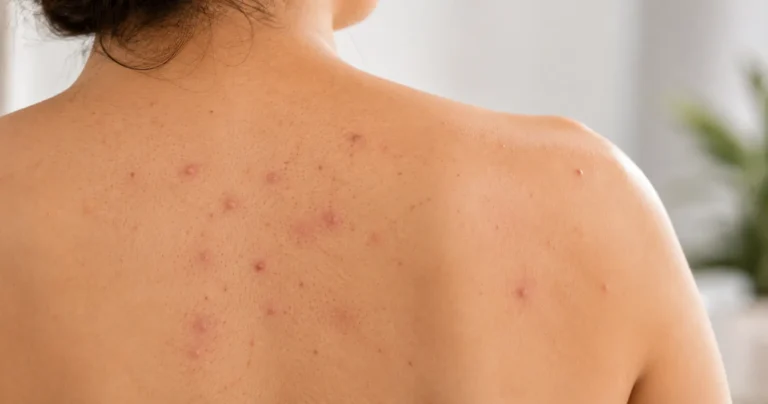
A pimple is temporary. The changes it leaves behind may not be. After acne heals, your skin can show:
- Red or brown marks
- Uneven texture
- Small dents or shallow depressions
- Larger, deeper scars in some cases
A lot of people call all of this “acne scars,” but not all post-acne marks are true scars. That matters because tretinoin works better for some types than others.
Why many people turn to tretinoin for acne scars
Tretinoin has been used for years to treat acne. It also helps skin renew itself more quickly, which is why many dermatologists use it for post-acne discoloration and early texture changes. If you want one treatment that may help with breakouts and leftover marks at the same time, tretinoin is often part of the conversation.
What tretinoin is and how it works on the skin
What tretinoin is
Tretinoin is a prescription-strength retinoid made from vitamin A. It comes in creams, gels, and lotions in different strengths. Unlike many over-the-counter retinol products, tretinoin is stronger and works more directly in the skin.
How tretinoin speeds up skin cell turnover
Your skin naturally sheds dead cells and makes new ones. Tretinoin speeds up that process. As old, damaged cells move off the surface faster, newer skin comes up underneath. Over time, this can help smooth the skin and fade leftover marks.
Why tretinoin is often used for both acne and post-acne marks
Tretinoin helps keep pores from clogging, which makes it useful for active acne. At the same time, it can help improve uneven tone and support collagen production, which is one reason it may help some acne scars look better over time.
Does tretinoin help with acne scars?
What tretinoin can improve
If you are asking, does tretinoin help with acne scars, the honest answer is yes, but mainly for certain types of post-acne changes.
Tretinoin may help with:
- Dark spots left after acne heals
- Red or brown post-acne marks
- Mild roughness
- Very shallow depressed scars
- Overall uneven texture
What tretinoin cannot fully remove on its own
Tretinoin is not a magic eraser. It usually does not fully remove:
- Deep ice pick scars
- Sharp boxcar scars
- Rolling scars with deeper skin damage
- Raised scars such as hypertrophic scars or keloids
For these, you may need in-office treatment like microneedling, laser resurfacing, chemical peels, subcision, or fillers.
Best scar types for tretinoin treatment
Tretinoin tends to be most helpful when your main issue is discoloration, fresh post-acne marks, or mild textural change. The earlier you start treating post-acne changes, the more helpful it may be.
Tretinoin for acne scars vs dark spots: what is the difference?
Acne scars vs post-inflammatory hyperpigmentation
True acne scars are changes in skin texture. They happen when inflammation damages the deeper layers of skin during healing. Dark spots are different. They are flat marks caused by extra pigment after inflammation. This is often called post-inflammatory hyperpigmentation.
How tretinoin for dark spots may help fade leftover discoloration
Tretinoin for dark spots can be especially useful because it helps pigmented skin cells shed faster. Over time, this can make brown marks left by acne look lighter and more even. This is one reason some people think tretinoin “removed” their scars, when it really faded discoloration rather than fixing deep texture.
Why texture changes and color changes need different expectations
Color changes often improve faster than texture changes. A flat dark mark may fade in a few months. A depressed scar usually takes longer and may only improve partly with tretinoin alone. Knowing that difference can save you frustration.
Benefits of tretinoin for acne scars
Smoother skin texture over time
Tretinoin encourages the skin to renew itself, which may help mild roughness and shallow uneven areas look smoother.
Fading of post-acne marks and uneven tone
One of the biggest benefits is improvement in leftover discoloration. If your “scars” are mostly dark marks, tretinoin may be a strong option.
Fewer breakouts, which may help prevent new scars
Tretinoin for acne is often helpful because it reduces clogged pores and may lower the number of new breakouts. Fewer breakouts can mean fewer chances for future acne marks and scars.
Support for collagen renewal in shallow scars
Tretinoin can help stimulate collagen in the skin over time. That does not mean it will fill in deep scars completely, but it may soften shallow scarring and improve overall skin quality.
What results to expect and how long it takes
Early changes in the first few weeks
During the first 2 to 6 weeks, your skin may feel drier, tighter, or more sensitive. Some people also notice peeling or a temporary increase in breakouts. This early stage does not mean tretinoin is failing.
What you may notice after 8 to 12 weeks
By this point, many people start seeing:
- Fewer clogged pores
- Less active acne
- Brighter-looking skin
- Some fading of post-acne marks
- A more even tone
Longer-term results after several months
For acne scars and dark spots, better results usually show up after 3 to 6 months, and sometimes longer. Texture changes often take the most time. The best results usually come from using tretinoin consistently, not aggressively.
Why patience matters with tretinoin
Tretinoin works slowly because skin remodeling is slow. The goal is steady improvement, not a fast dramatic change in one week.
Before-and-after expectations: what changes are realistic?
Mild scars vs deeper scars
If your post-acne changes are mild, you may notice smoother skin and lighter marks after a few months. If your scars are deep or older, improvement may be smaller with tretinoin alone.
Why results vary by skin type, scar type, and consistency
Your results depend on several things:
- The type of mark or scar
- How long you have had it
- Your skin tone and sensitivity
- How often you use tretinoin
- Whether you wear sunscreen daily
- Whether you still get active breakouts
Signs the product is working even before major visible changes
Even before scars look better, you may notice helpful signs such as:
- Smoother makeup application
- Fewer new pimples
- Less rough texture
- Brighter skin
- Slow fading around older marks
How to use tretinoin for acne scars safely
Starting slowly to reduce irritation
Start low and slow. Many people do best using tretinoin two or three nights a week at first. As your skin adjusts, you can increase use if your dermatologist recommends it.
How much to apply and when to apply it
You only need a pea-sized amount for your whole face. Apply it at night to clean, fully dry skin. Using too much will not make it work faster. It usually just makes irritation worse.
How to build a simple routine around tretinoin
A simple routine often works best:
Morning:
- Gentle cleanser
- Moisturizer
- Broad-spectrum sunscreen SPF 30 or higher
Night:
- Gentle cleanser
- Moisturizer, if needed
- Pea-sized amount of tretinoin
Some people do well with the “sandwich” method:
- Moisturizer
- Tretinoin
- Moisturizer
That can make treatment easier to tolerate, especially in the beginning.
Why sunscreen is essential every morning
Sun exposure can make acne marks darker and can also make irritated skin worse. If you skip sunscreen, you make it harder for tretinoin to improve post-acne discoloration. Daily sun protection is not optional if you want better results.
Common side effects and how to manage them
Dryness, peeling, redness, and sensitivity
The most common side effects are:
- Dry skin
- Flaking
- Mild burning or stinging
- Redness
- More sensitivity to skincare products
These effects are common when starting tretinoin, especially if you use too much or apply it too often.
How to reduce irritation without giving up too soon
You can make tretinoin easier to use by:
- Starting with fewer nights per week
- Using a gentle cleanser
- Avoiding scrubs and harsh exfoliants
- Adding a bland moisturizer
- Waiting until skin is fully dry before applying
- Using less product, not more
When side effects may mean you need medical advice
Talk to a healthcare professional if you have:
- Severe burning
- Cracked or swollen skin
- Oozing rash
- Ongoing irritation that does not improve after adjusting use
Who should be careful with tretinoin
Sensitive skin, eczema, or a damaged skin barrier
If your skin is already inflamed, very dry, or prone to eczema, tretinoin may be harder to tolerate. In that case, barrier repair may need to come first.
Pregnancy and breastfeeding considerations
Topical tretinoin is generally avoided during pregnancy unless a healthcare professional tells you otherwise. If you are pregnant, trying to become pregnant, or breastfeeding, it is smart to ask your doctor what is safest for your situation.

When tretinoin may not be the best first choice
Tretinoin may not be the best starting point if:
- Your skin is extremely reactive
- Your main issue is deep acne scarring
- You need faster improvement for a special event
- You cannot commit to regular sunscreen use
How tretinoin compares with other ways to treat acne scars
Tretinoin vs over-the-counter retinol
Here is a simple comparison:
| Treatment | Strength | Best For | Speed | Access |
|---|---|---|---|---|
| Tretinoin | Stronger | Acne, dark marks, mild texture | Faster than retinol for many people | Prescription |
| Retinol | Milder | Beginners, mild discoloration, maintenance | Slower | Over the counter |
Retinol can still help, but tretinoin is usually more effective when you want stronger results.
Tretinoin vs chemical peels and exfoliating acids
Chemical peels and acids may help brighten skin faster on the surface, but they do not replace tretinoin’s long-term effect on cell turnover and collagen support. In some routines, they may be combined carefully, but mixing too many actives can backfire.
Tretinoin vs in-office treatments for deeper scars
For deeper scarring, office procedures are often more effective than topical treatment alone. Tretinoin can still play a useful supporting role before or after procedures, depending on your dermatologist’s plan.
How to get rid of acne scars at home
What at-home care can realistically improve
If you want to know how to get rid of acne scars at home, the honest answer is that home care can help the most with:
- Dark spots
- Mild uneven texture
- Ongoing breakouts that may cause new marks
At-home care is less likely to fully fix deeper scars.
Habits that support healing and prevent new marks
Helpful habits include:
- Do not pick or squeeze acne
- Use sunscreen every day
- Stick to a gentle skincare routine
- Treat active acne early
- Use proven ingredients consistently
- Keep your skin barrier healthy with moisturizer
Home mistakes that can make scars and dark spots worse
Common mistakes include:
- Scrubbing too hard
- Using too many acids at once
- Picking at pimples
- Skipping sunscreen
- Expecting fast results and quitting too early
How to get rid of acne scars fast: what actually works?
Why there is no true overnight fix
There is no safe, real way to erase acne scars overnight. If you are searching how to get rid of acne scars fast, what you usually can do is choose the most effective option for your type of scar and start early.
The fastest options for deeper or stubborn scars
For deeper scars, the fastest visible improvement often comes from professional treatments such as:
- Microneedling
- Laser treatment
- Chemical peels
- Subcision
- Fillers for selected depressed scars
These options can work faster than tretinoin alone, but they still take time and often need more than one session.
When combining tretinoin with professional treatment makes sense
A dermatologist may recommend tretinoin as part of a larger plan. It can help control acne, improve tone, and prepare the skin while more targeted treatments address deeper scars.
Can you use tretinoin for acne and acne scars at the same time?
Why treating active breakouts matters for scar prevention
Yes, you can often use tretinoin for acne and acne scars at the same time. In fact, that is one of its biggest strengths. If you still break out, treating the acne is part of treating the scars, because every new inflamed pimple can leave another mark behind.
How tretinoin for acne may reduce future scarring
By helping prevent clogged pores and reducing repeated inflammation, tretinoin may lower the chance of future post-acne marks. It cannot guarantee that you will never scar again, but it can support prevention.
When combination treatment may be recommended
If acne is moderate or severe, tretinoin may be paired with other treatments such as benzoyl peroxide, topical antibiotics, azelaic acid, or oral medication. The best combination depends on your skin and acne pattern.
When to see a dermatologist
Signs your scars may need stronger treatment
It is worth seeing a dermatologist if:
- Your scars are deep, pitted, or widespread
- You have tried tretinoin for several months with little change
- Your skin becomes very irritated
- You still have frequent breakouts
- Your acne is affecting your confidence or daily life
When dark spots are not fading as expected
If dark spots stay stubborn, a dermatologist may check whether you are dealing with post-inflammatory hyperpigmentation, ongoing inflammation, irritation, or another skin issue. Sometimes adding the right treatment makes a big difference.
Questions to ask at your appointment
Helpful questions include:
- Are these true acne scars or mostly dark marks?
- Is tretinoin enough for my skin, or do I need another treatment?
- How long should I try this routine before expecting results?
- Which products should I avoid while using tretinoin?
- Would a procedure work better for my scar type?
Final takeaway
What tretinoin for acne scars can realistically do
Tretinoin for acne scars can be a very helpful treatment, especially if your skin has dark spots, mild uneven texture, or shallow post-acne changes. It can also help control acne, which may reduce the chance of getting new scars.
But it is not a complete fix for every scar type. Deep scars often need in-office treatment for the best results.
The value of consistency, sun protection, and a long-term plan
The biggest mistake people make is expecting tretinoin to work fast. The people who usually get the best results are the ones who use it consistently, protect their skin from the sun, and give it enough time to work.
If you are trying to decide whether tretinoin is right for your skin, start with realistic expectations and a simple routine. And if your scars are deeper or not improving, talking with a dermatologist can help you build a plan that actually matches your skin.
FAQ:
Does tretinoin help with acne scars or just dark spots?
Tretinoin can help with both, but it usually works best for dark spots, post-acne marks, and mild shallow scars. Deep acne scars often need stronger treatment like microneedling or laser procedures.
How long does tretinoin take to work on acne scars?
Many people start noticing some improvement in tone and breakouts after 8 to 12 weeks. More visible changes in acne marks and texture often take 3 to 6 months or longer.
Can tretinoin make acne scars worse before they get better?
Tretinoin does not usually make true scars worse, but it can cause dryness, peeling, and irritation early on. If your skin gets too irritated, marks may look more noticeable for a while, which is why slow use and moisturizer matter.
Can I use tretinoin for acne and dark spots at the same time?
Yes. Tretinoin for acne and tretinoin for dark spots often go hand in hand because the same treatment can help reduce breakouts while also fading leftover marks over time.
What is the best way to use tretinoin for acne scars safely?
Use a pea-sized amount at night, start only a few times a week, moisturize well, and wear sunscreen every morning. That gives your skin a better chance to improve without too much irritation.