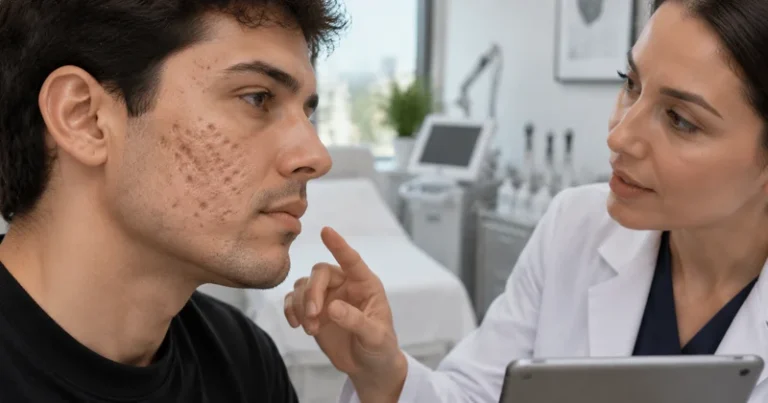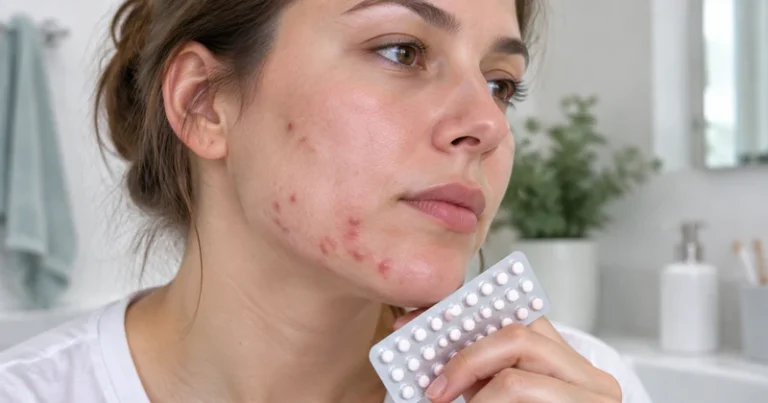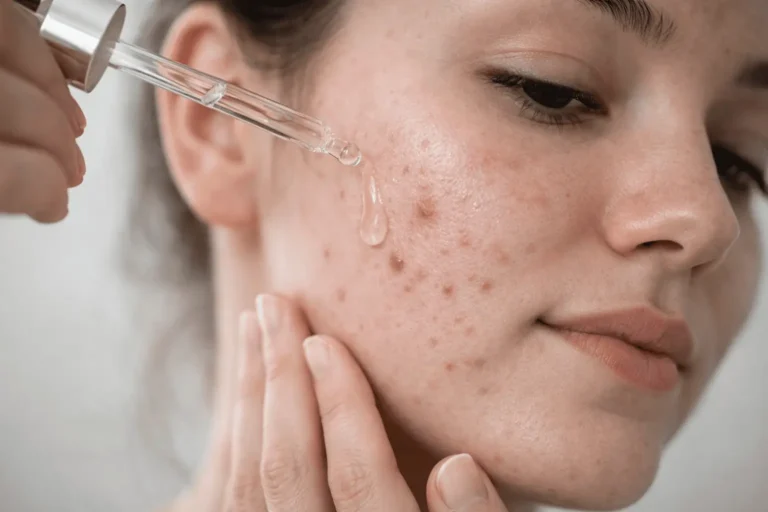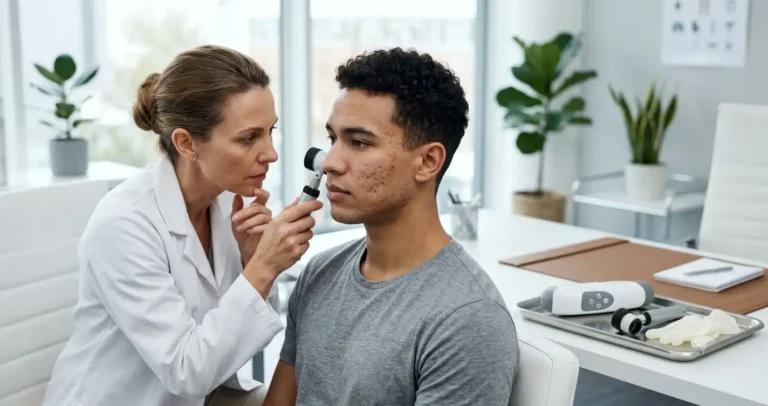
What Causes Fungal Acne? 7 Hidden Triggers Explained
An itchy crop of similar-looking bumps can seem to appear without warning. That often leads people to ask what causes fungal acne and whether something in their routine is responsible. The answer is usually not one dirty product, one meal, or one missed shower. Several conditions can make an oil-rich follicle more favorable to yeast overgrowth.
The short answer: What causes fungal acne is an overgrowth of Malassezia yeast within hair follicles, followed by inflammation. Heat, humidity, sweat, oil, occlusion, certain skin products, antibiotics, corticosteroids, and reduced immune defenses can increase the likelihood. These are risk factors, not proof that every acne-like bump is fungal.
Table of Contents
What Is Happening Inside the Hair Follicle?
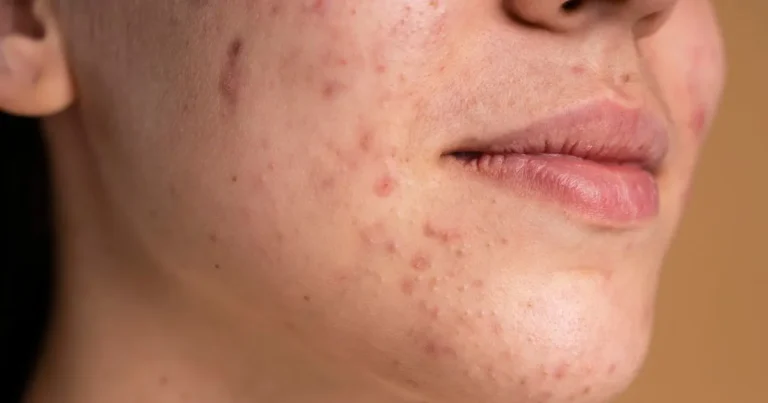
“Fungal acne” is the popular name for Malassezia folliculitis. It is not acne vulgaris, even though both conditions can create pimples on the face or body. Malassezia is a group of lipid-dependent yeasts that normally live on human skin. Their presence alone does not mean you have an infection or a skin disorder.
The problem develops when large numbers of yeast accumulate within the pilosebaceous unit—the hair follicle and its oil gland. Follicular invasion and the body’s inflammatory response can produce small papules and pustules. This biological process is the foundation of what causes fungal acne; the seven triggers below help create the environment in which it is more likely to happen.
Importantly, one exposure does not establish a diagnosis. You can sweat heavily, have oily skin, or take an antibiotic without developing Malassezia folliculitis. Conversely, a person with the condition may have several overlapping risk factors rather than one obvious cause.
What Causes Fungal Acne? The Trigger-and-Environment Connection
The most accurate explanation combines the organism, the follicle, and individual susceptibility. Malassezia needs lipids, while warm, humid, and occluded conditions can favor proliferation. Medications or health conditions may also change the balance that normally keeps the yeast from causing inflammation.
Think of the following seven items as evidence-supported contributors. They may trigger a first episode, worsen an existing eruption, or help explain recurrence, but none can confirm Malassezia folliculitis without considering the clinical pattern and, when needed, testing.
1. Hot and Humid Weather
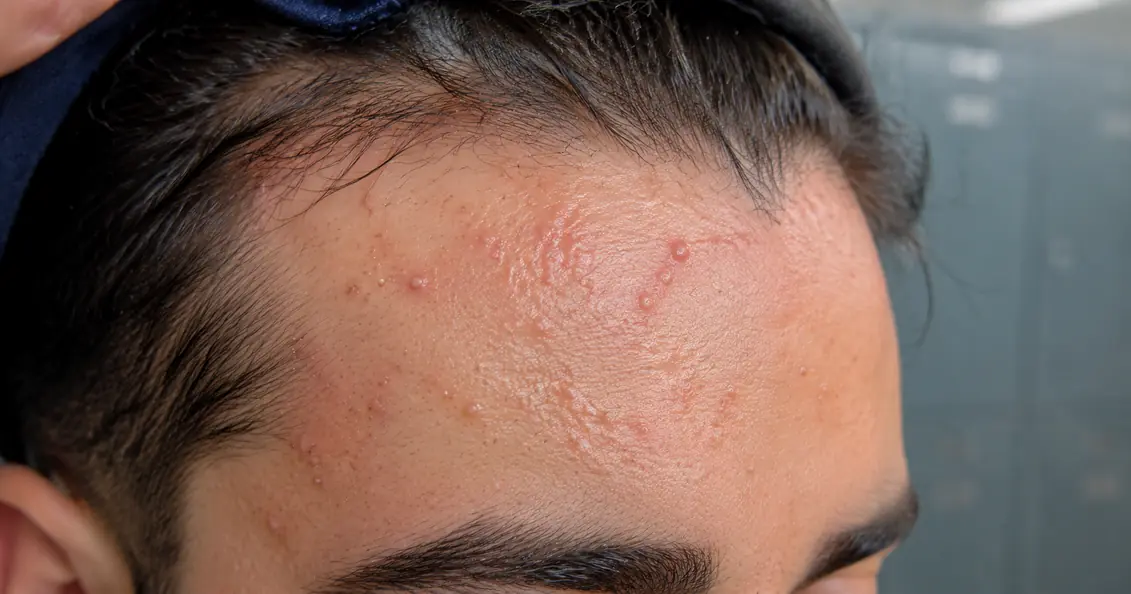
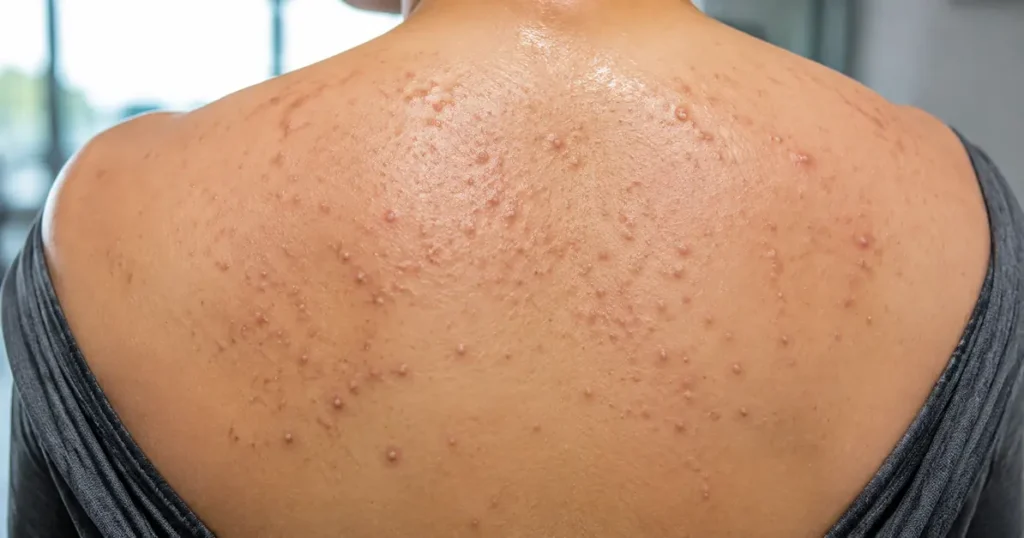
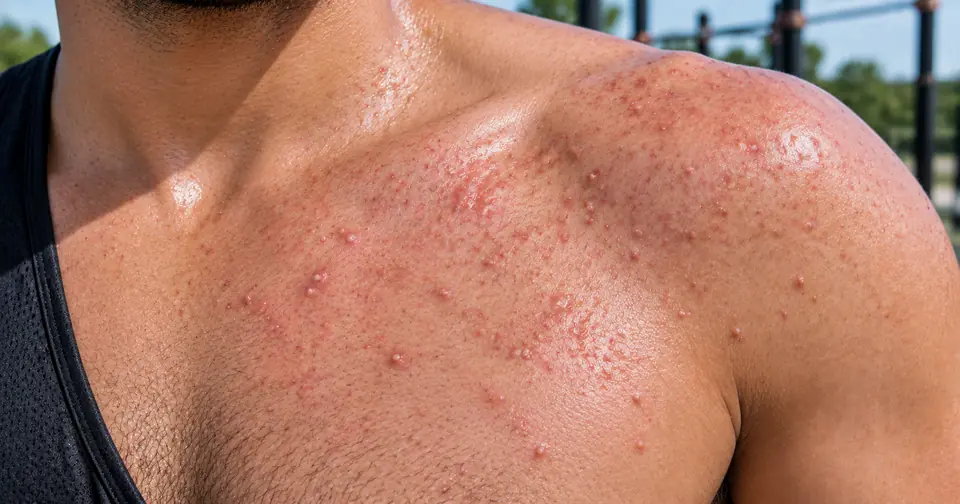
Malassezia folliculitis is more frequent in tropical climates and after exposure to hot, humid environments. Warmth and moisture make the skin surface and covered follicles more hospitable to yeast, especially on oil-rich areas such as the chest, upper back, shoulders, and forehead.
For someone noticing seasonal flares, weather may be one part of what causes fungal acne to return. That does not mean you need to avoid summer or outdoor activity. Cooling down when practical, choosing breathable clothing, and avoiding long periods in damp fabric can reduce the conditions that favor overgrowth.
2. Heavy Sweating and Prolonged Dampness
Sweat does not contain Malassezia and does not automatically cause folliculitis. The concern is the warm, moist environment produced by heavy sweating, particularly when perspiration remains trapped against the skin. People with hyperhidrosis, meaning excessive sweating, have a recognized increased risk.
Exercise, outdoor work, and protective uniforms can combine perspiration with heat and friction. In that setting, what causes fungal acne may be the full environment rather than the workout itself. Change out of wet clothing when you can, allow equipment to dry, and gently wash sweat-prone areas without harsh scrubbing.
3. Naturally High Sebum Production
Malassezia is lipid-dependent, meaning it relies on fats found on the skin. Higher sebum production can therefore create a more favorable food source and follicular environment. This helps explain why the eruption often affects oil-rich areas and is frequently recognized during adolescence and young adulthood.
Oily skin can contribute to what causes fungal acne, but it does not make the condition inevitable. Many people with oily skin never develop it. Trying to strip away every trace of oil with strong soap, alcohol, or repeated washing can damage the skin barrier, increase irritation, and make it harder to judge what is actually happening.
4. Tight Clothing and Follicular Occlusion
Occlusion occurs when clothing, equipment, or a product traps heat and moisture against the skin. Compression shirts, tight synthetic workout wear, backpack straps, helmets, pads, and heavy uniforms may create this environment. Friction can add irritation, although friction by itself does not prove a yeast-related disorder.
When evaluating what causes fungal acne on the shoulders, chest, or back, consider whether bumps follow a repeatedly covered or compressed area. A practical response might include breathable fabric, a clean shirt after sweating, regularly cleaned equipment, or short breaks from unnecessary occlusion. You do not need to discard all athletic gear or stop exercising.
5. Oily or Occlusive Skin and Hair Products
Heavy emollients and greasy sunscreens are recognized forms of follicular occlusion. Rich body products may hold oil, sweat, and heat against the chest or back. Hair oils, pomades, and conditioners can also reach the forehead, hairline, neck, or shoulders and complicate an acne-like eruption.
Product use may be one element of what causes fungal acne, but a single ingredient should not be blamed automatically. The finished formula, amount applied, body area, climate, and your individual skin response all matter. If a heavy product consistently seems to precede bumps in the same area, replacing it with a lighter option is more reasonable than banning a long list of ingredients.
6. Antibiotic Exposure
Antibiotics target bacteria, not Malassezia yeast. Broad-spectrum or prolonged antibiotic exposure may alter the normal microbial balance on skin and allow yeast to proliferate. This is one reason Malassezia folliculitis may be considered when presumed acne fails to improve or becomes a uniform, itchy eruption during antibiotic treatment.
Recent antibiotic use can help a clinician investigate what causes fungal acne in an individual case, but it is not a reason to discontinue treatment yourself. Antibiotics may be necessary for bacterial infections or selected acne cases. Contact the prescriber if a new rash develops, the original condition worsens, or you suspect a medication connection.
7. Corticosteroids or Reduced Immune Defense
Topical and systemic corticosteroids suppress inflammation and immune activity. Depending on the circumstances, they can aggravate or mask Malassezia folliculitis. Other forms of immune suppression—including certain medicines and health conditions—may also reduce the body’s ability to keep normally present yeast under control.
Steroid exposure or reduced immune defense can be part of what causes fungal acne, but an outbreak does not mean that you have an immune disorder. Do not abruptly stop a prescribed corticosteroid or immunosuppressive medicine. Ask the prescriber to review the eruption, particularly if it started after a medication change or is spreading quickly.
Why Several Triggers Often Act Together
Real-life flares rarely fit into one box. Imagine a humid afternoon workout in a compression shirt, followed by an hour in damp clothes. Heat, sweat, sebum, and occlusion act at the same time. In another case, antibiotics may change the skin’s microbial balance while a greasy body product traps moisture across the upper back.
This stacking effect explains why the answer to what causes fungal acne can differ from person to person. It also makes small, targeted changes more useful than an extreme routine overhaul.
| Contributing factor | How it may affect the follicle | Reasonable response |
|---|---|---|
| Heat and humidity | Favor a warm, moist environment | Cool down and use breathable clothing when practical |
| Heavy sweating | Prolongs moisture on covered skin | Change damp clothing and cleanse gently |
| High sebum | Supplies lipids used by Malassezia | Avoid aggressive oil stripping |
| Clothing or gear | Traps heat, sweat, and oil | Clean equipment and reduce unnecessary occlusion |
| Heavy products | May occlude oil-rich follicles | Consider a lighter formula if a pattern is consistent |
| Antibiotics | May alter microbial balance | Discuss new or worsening bumps with the prescriber |
| Steroids or immune suppression | May reduce control of yeast or mask inflammation | Seek individualized medical guidance |
Popular Causes That Are Not Well Established
Online explanations of what causes fungal acne often mix evidence about acne vulgaris, intestinal yeast, food sensitivities, and cosmetic ingredients. These are not interchangeable topics. A plausible theory is not the same as clinical evidence that a particular exposure causes Malassezia folliculitis.
Does Sugar or Diet Directly Cause Fungal Acne?
Current clinical reviews do not establish sugar, bread, dairy, peanuts, dietary yeast, or another specific food as a direct cause of Malassezia folliculitis. Eating yeast does not simply deliver Malassezia into your skin follicles. Research connecting high-glycemic diets with acne vulgaris should not automatically be applied to fungal folliculitis.
Diet is therefore not a confirmed answer to what causes fungal acne. A balanced eating pattern may support general health, but a restrictive “anti-yeast” diet should not replace diagnosis or appropriate treatment. Seek professional nutrition guidance if you are removing major food groups or have symptoms suggesting an allergy or another medical condition.
Is It Caused by Dirty Skin?
No. Malassezia normally lives on skin, including clean skin. Poor hygiene is not an adequate explanation for what causes fungal acne, and vigorous scrubbing cannot sterilize a follicle. Excessive washing, rough exfoliation, and strong antiseptics may instead cause irritation or contact dermatitis that looks like another breakout.
Basic hygiene still matters: gently remove sweat, wash frequently used clothing, and keep gear reasonably clean. The goal is to reduce prolonged moisture and occlusion, not to disinfect your body.
Can an Online Product Checker Identify Every Trigger?
No product database can diagnose Malassezia folliculitis or predict every person’s response. Many “fungal-acne-safe” lists classify ingredients using laboratory assumptions about yeast metabolism, but a finished cosmetic behaves differently from an isolated ingredient. Concentration, formulation, application site, and exposure time matter.
If you are using a checker to determine what causes fungal acne, treat its result as a hypothesis rather than proof. Change one suspected product at a time when practical, and avoid replacing an entire routine based only on a viral list.
How to Reduce Fungal Acne Triggers Safely
Reducing favorable conditions can help limit flares and may support prescribed treatment. Focus on changes that match your actual exposures:
- Change out of sweaty shirts, sports bras, or uniforms reasonably soon after heavy activity.
- Wash sweat-prone areas gently and pat them dry instead of scrubbing.
- Choose breathable clothing when your work, sport, and safety needs allow it.
- Clean and fully dry helmets, pads, straps, and other frequently used equipment.
- Consider lighter skin or hair products if heavy formulas repeatedly contact affected areas.
- Tell a prescriber when bumps begin after antibiotics, corticosteroids, or immune-suppressing treatment.
- Avoid squeezing lesions or layering several acne and antifungal products at once.
These steps address several parts of what causes fungal acne without promising prevention. Genetics, sebum production, climate, medical needs, and individual skin biology are not always controllable. A sensible routine should reduce avoidable exposure without blaming you for a condition that may recur.
Will Removing the Trigger Clear Fungal Acne?
Sometimes, but not always. Reducing heat, moisture, or occlusion may help a mild eruption settle and may lower recurrence risk. Once Malassezia folliculitis is established, however, trigger control alone may be insufficient. Confirmed cases often require an appropriate topical or oral antifungal selected with safety, extent, and medical history in mind.
Understanding what causes fungal acne helps with prevention, but it does not tell you which treatment is appropriate. Oral antifungals can cause side effects and interact with other medicines, so they should not be self-prescribed. Even topical products can irritate skin or delay correct care when the bumps are actually acne, bacterial folliculitis, or dermatitis.
Recurrence is common, including after successful treatment. A clinician may address
Recurrence is common, including after successful treatment. A clinician may address contributing factors and, in selected recurring cases, recommend maintenance treatment. That plan should follow a supported diagnosis rather than repeated experiments with anti-dandruff shampoo or athlete’s-foot cream.
Could the Bumps Be Regular Acne or Another Condition?
Yes. Malassezia folliculitis generally produces small, similar-looking follicular papules and pustules that often itch. Obvious blackheads and whiteheads are usually absent. Acne vulgaris more often includes a mixture of comedones, inflamed pimples, and sometimes deeper nodules. The two conditions can also occur together.
Because different disorders share triggers such as sweat and occlusion, an exposure history cannot prove what causes fungal acne. Bacterial folliculitis, heat rash, contact dermatitis, keratosis pilaris, and medication-related acneiform eruptions can resemble it. A clinician may examine follicular material under a microscope or use other testing when the diagnosis remains uncertain.
When to Consult a Dermatologist
Arrange an evaluation when bumps are persistent, repeatedly return, spread across a large area, itch intensely, or fail to improve with an appropriate acne routine. Seek advice sooner if you are immunosuppressed or if the eruption appeared after starting antibiotics, corticosteroids, or another medicine. Do not change prescribed treatment without guidance.
A dermatologist can investigate what causes fungal acne-like bumps in your case rather than relying on appearance alone. Prompt medical care is appropriate for fever, rapidly spreading redness, severe or increasing pain, large boils, or substantial drainage because these features may indicate a bacterial infection or another condition needing different care.
Frequently Asked Questions
Can Sweating Cause Fungal Acne?
Sweating can contribute, especially when heat and damp clothing keep moisture against oil-rich skin. It is only one part of what causes fungal acne, and many people sweat without developing it. Changing wet clothing and gently cleansing after heavy activity may reduce a favorable environment without requiring you to avoid exercise.
Can Antibiotics Trigger Fungal Acne?
Antibiotic exposure is a recognized risk factor because changing bacterial populations may make it easier for Malassezia to proliferate. A new itchy, uniform eruption during treatment deserves medical review, but it does not prove yeast is responsible. Never stop a prescribed antibiotic without contacting the prescriber.
Does Having Oily Skin Mean I Will Develop Fungal Acne?
No. When considering what causes fungal acne, sebum is only one factor. Malassezia uses skin lipids, so higher sebum production can increase susceptibility, but oily skin alone does not determine who develops folliculitis. Climate, sweating, occlusion, medications, immune function, and individual skin biology may all affect risk.
Can Sunscreen or Moisturizer Cause Fungal Acne?
Product occlusion can be part of what causes fungal acne. A greasy or highly occlusive formula may contribute by trapping oil, moisture, and heat, particularly on a sweat-prone area. That does not make all sunscreen or moisturizer unsafe. Sun protection remains important. If one product consistently precedes bumps, ask a dermatologist about a lighter alternative rather than abandoning sunscreen.
Does Eating Sugar or Yeast Cause Fungal Acne?
Reliable clinical evidence does not show that eating sugar or yeast directly causes Malassezia folliculitis. Claims that these foods “feed” yeast inside skin follicles oversimplify different biological systems. Dietary research involving acne vulgaris cannot automatically answer what causes fungal acne, so restrictive diets are not a substitute for medical assessment.
Conclusion
What causes fungal acne is an interaction between normally present Malassezia yeast, oil-rich follicles, environmental conditions, medications, and individual susceptibility. Heat, sweat, sebum, occlusion, heavy products, antibiotics, and reduced immune defenses can increase risk, particularly when several occur together.
Start with one or two reasonable changes that match your exposures. If the bumps persist, recur, or do not clearly fit the typical pattern, ask a qualified healthcare professional to confirm the diagnosis before adding antifungal or changing prescription treatment.
This article is for educational purposes and is not a diagnosis or a substitute for care from a qualified healthcare professional.
References:
- Draelos ZD, et al. “Malassezia Folliculitis Presentation, Diagnosis, and Treatment: A Review of ‘Fungal Acne.’” Journal of Drugs in Dermatology, 2026. PubMed
- DermNet. “Malassezia (Pityrosporum) Folliculitis.” DermNet
- Saunte DML, Gaitanis G, Hay RJ. “Malassezia-Associated Skin Diseases, the Use of Diagnostics and Treatment.” Frontiers in Cellular and Infection Microbiology, 2020. Full text
- Martínez-Ortega JI, et al. “Malassezia Folliculitis: Pathogenesis and Diagnostic Challenges.” Cureus, 2024. PubMed
- DermNet. “Topical Steroids (Corticosteroid Creams).” DermNet