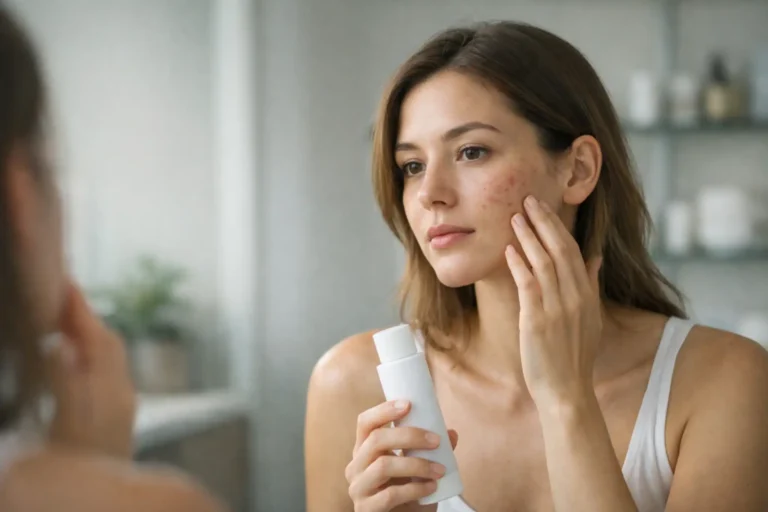
How to Get Rid of Acne Scars Fast: Treatments That May Improve Skin Sooner
Dealing with stubborn facial marks feels frustrating. You want smooth skin without waiting months.
This guide explores modern ways for improving your complexion. Perhaps you wonder about professional help versus natural methods.
Improving skin texture requires a correct approach. Many people search for effective ways for clearing blemishes within their residence.
We will cover doctor visits plus natural remedies. Let’s find a solution that works for your unique needs.
Achieving a clear facial surface requires consistent patience and dermatological knowledge. Different blemishes necessitate specific therapeutic tools.
Your personal confidence remains immensely significant. We share insights regarding lasers, peels, and creams.
Each method provides distinct benefits for your journey. Starting a new routine brings hope.
Most individuals desire visible changes within weeks. Sustained consistency ensures the most favorable outcomes.
Explore these options carefully. Understand what your surface needs before beginning any plan.
Table of Contents
Understanding the Different Types of Acne Scars
Acne scars vary in type, each needing a specific treatment. Knowing your scar type is key to picking the right treatment. This could be professional help or home care.
Atrophic Scars: Ice Pick, Boxcar, and Rolling
Atrophic scars are depressions in the skin due to lost tissue. They are common and include three main types:
- Ice Pick Scars: Deep, narrow, and small but deep, making them hard to treat.
- Boxcar Scars: Wider than ice pick scars, with sharp edges, found on cheeks and temples.
- Rolling Scars: Give skin a wavy look, shallow, and can be treated with collagen-boosting treatments.
Hypertrophic and Keloid Scars
Hypertrophic and keloid scars are raised due to too much collagen. Hypertrophic scars stay within the wound, while keloid scars grow beyond it. They can be itchy, painful, and grow over time.
Post-Inflammatory Hyperpigmentation vs. True Scarring
It’s important to tell the difference between PIH and true scarring. PIH is discoloration after an acne spot heals. It’s not a scar but a sign of inflammation. Treatments like tretinoin for dark spots can help with PIH.
| Scar Type | Description | Common Treatments |
|---|---|---|
| Atrophic Scars | Loss of skin tissue, resulting in depressions | Laser resurfacing, microneedling, tretinoin for acne scars |
| Hypertrophic/Keloid Scars | Raised scars due to excess collagen | Steroid injections, silicone gel, laser therapy |
| Post-Inflammatory Hyperpigmentation | Discoloration after acne healing | Tretinoin for dark spots, vitamin C, niacinamide |
Knowing the difference between acne scars and hyperpigmentation is crucial. There are many treatments for each type, from professional treatments to home care.
🔥 The 3 products dermatologists actually recommend (and yes, they work):
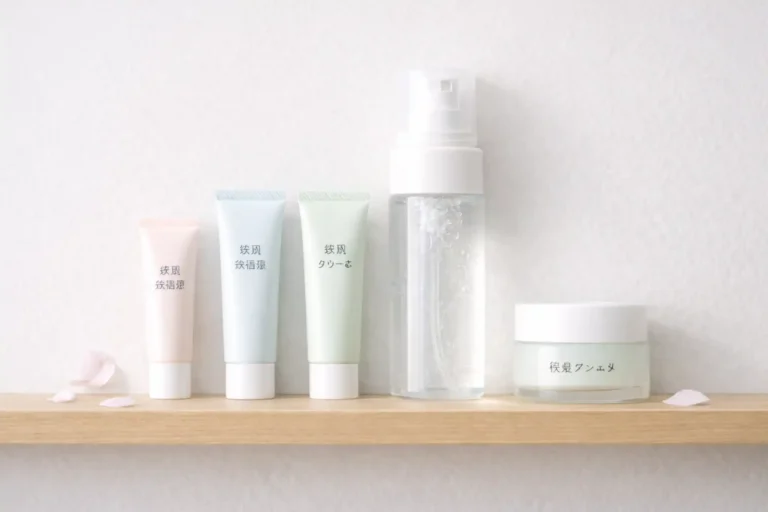
Stop guessing and start with what’s proven. La Roche-Posay Effaclar Duo(+) targets breakouts fast, Paula’s Choice 2% BHA Liquid Exfoliant keeps pores clear with daily use, and Hero Cosmetics Mighty Patch is the overnight fix everyone swears by. ✅ No prescription needed ✅ Affordable ✅ Backed by real clinical evidence.
How to Get Rid of Acne Scars Fast Using Professional Dermatological Procedures
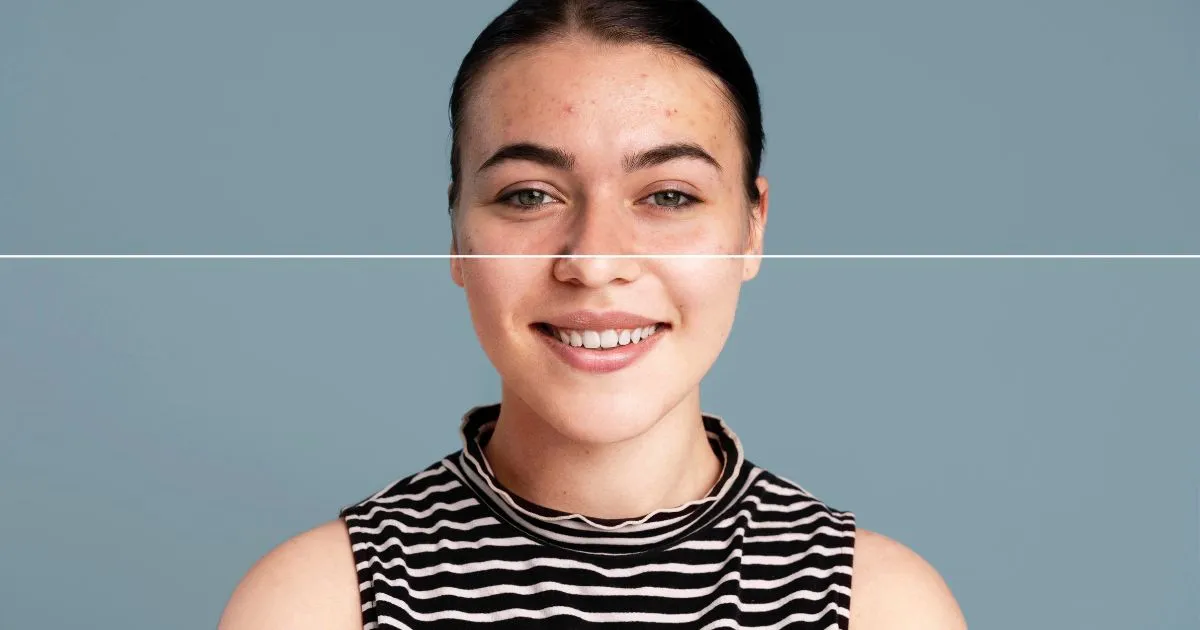
If you’re looking for a quick fix for acne scars, dermatological treatments can help. These advanced procedures can make a big difference in how your skin looks. They help renew your skin, improve its texture, and make scars less noticeable.
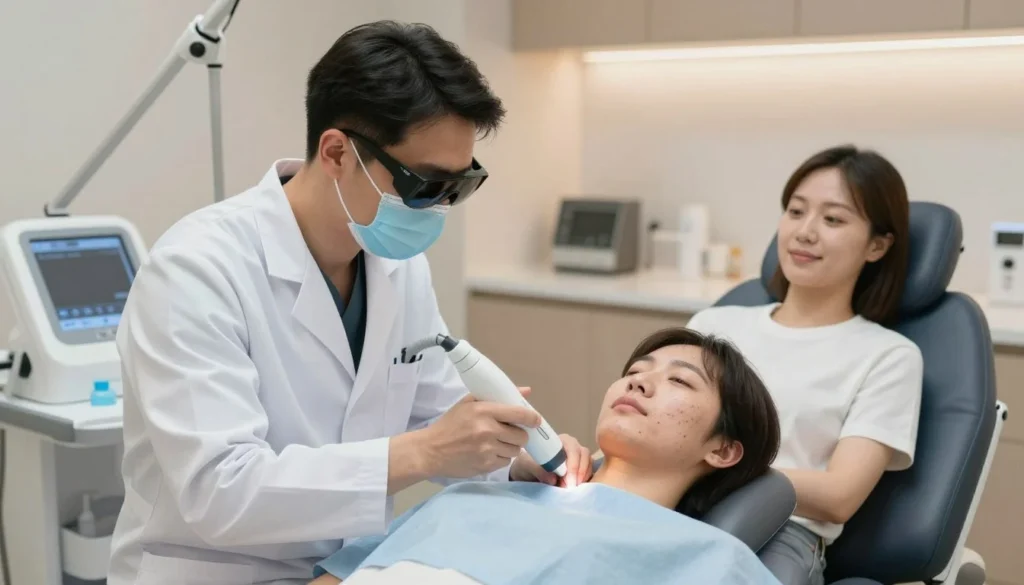
Laser Resurfacing for Texture Improvement
Laser resurfacing is a top choice for better skin texture and fewer acne scars. It uses laser technology to remove old skin layers. This encourages new collagen to grow.
Benefits of Laser Resurfacing:
- Improves skin texture
- Reduces fine lines and wrinkles
- Minimizes acne scars
Chemical Peels for Surface Renewal
Chemical peels are also great for acne scars. They apply a chemical solution to remove the top skin layers. This reveals smoother skin underneath.
The peel’s depth depends on the scar’s severity and your skin type. Deeper peels give more dramatic results but need longer to heal.
Microneedling to Stimulate Collagen Production
Microneedling is a gentle treatment that boosts collagen by making tiny skin injuries. This encourages your skin to heal and look better, reducing acne scars.
Key advantages of Microneedling include:
- Minimally invasive with little downtime
- Stimulates natural collagen production
- Can be used on various skin types
The Role of Tretinoin for Acne Scars and Skin Texture
Tretinoin is a strong solution from vitamin A for acne scars and skin texture. It’s a topical retinoid that boosts skin renewal and collagen production. This makes it a key player in improving skin health.
Does Tretinoin Help with Acne Scars?
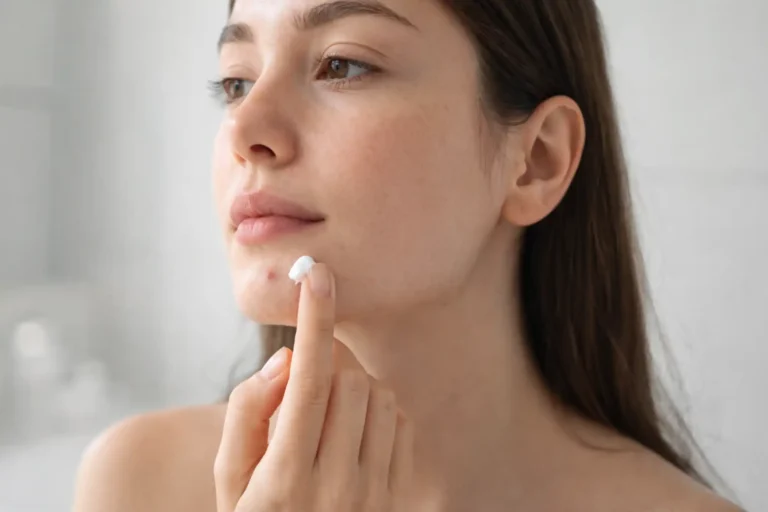
Tretinoin helps with acne scars by speeding up cell turnover. This fades scars over time. It also boosts collagen and skin elasticity, making skin look better.
Studies show tretinoin is great for atrophic scars. These scars are where skin tissue is lost. Tretinoin fills in these depressions, making skin smoother.
How Tretinoin for Dark Spots Works
Tretinoin is also good for dark spots or PIH after acne. It enhances cell turnover, removing pigmented cells from the skin’s surface. This helps even out skin tone and brighten it.
- Inhibits melanin production
- Promotes even skin tone
- Enhances skin brightness
Best Practices for Using Tretinoin for Acne
To get the most from tretinoin, follow these best practices. Start with a lower concentration to avoid irritation. Gradually increase as your skin gets used to it.
- Apply tretinoin at night to avoid daytime sun sensitivity
- Use a broad-spectrum sunscreen with at least SPF 30 daily
- Moisturize to counteract potential dryness and irritation
Effective Strategies on How to Get Rid of Acne Scars at Home
You can reduce acne scars at home with the right strategies. A good skincare routine and specific products can help a lot.
Incorporating Vitamin C and Niacinamide
Vitamin C and niacinamide are great for acne scars. Vitamin C brightens the skin and boosts collagen. Niacinamide makes the skin more elastic and smooth.
Products with these ingredients can be very helpful. Vitamin C serums or creams can fade dark spots. Niacinamide reduces inflammation and improves skin texture.
Choose vitamin C products with 10% to 20% concentration for best results. Niacinamide works well at 2% or more, but 5% to 10% is common.
The Importance of Daily Sun Protection
Protecting your skin from the sun is key to reducing acne scars. UV rays can make scars darker. Use a broad-spectrum sunscreen with at least SPF 30 every day, even on cloudy days.
Preventing further skin damage helps your skin heal and look better. Apply sunscreen last in your morning routine, before makeup.
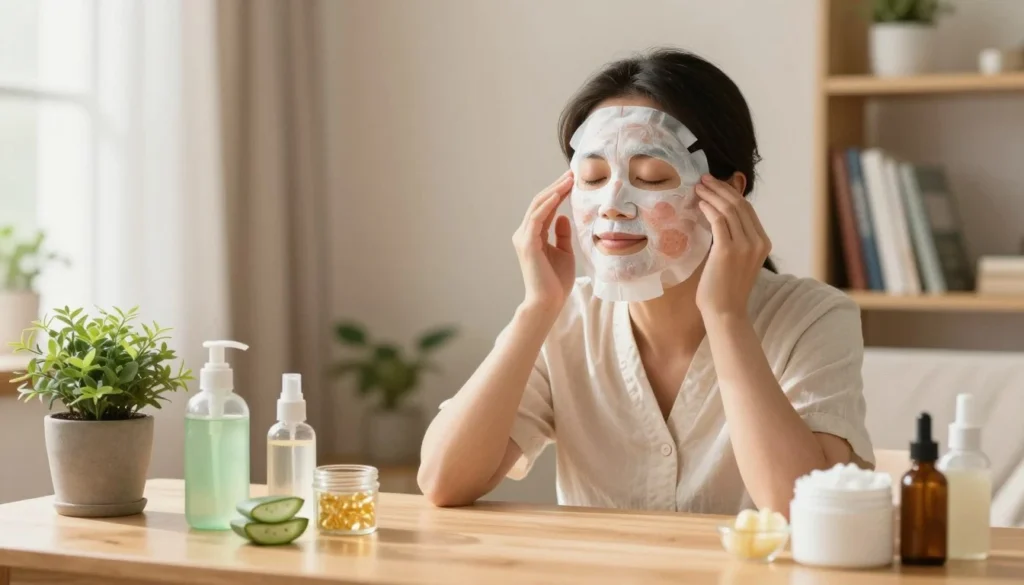
Exfoliation Techniques for Smoother Skin
Exfoliation is vital for smoother skin and reducing acne scars. It removes dead skin cells, promoting new cell growth.
- Chemical exfoliants with alpha-hydroxy acids (AHAs) or beta-hydroxy acids (BHAs) break down dead skin cells.
- Physical exfoliants, like gentle scrubs or brushes, should be used carefully to avoid irritation.
Exfoliate once or twice a week, based on your skin type and sensitivity. Always moisturize after exfoliating to keep your skin hydrated.
Lifestyle Adjustments to Support Faster Skin Healing
Clear skin is more than just treating scars; it’s about a whole lifestyle change. Your daily habits and choices greatly affect your skin’s health and healing.
Hydration and Its Impact on Skin Elasticity
Drinking enough water is key for skin elasticity and healing. Drinking at least eight glasses of water a day improves skin texture and reduces wrinkles. It’s important for skin health.
Hydration also aids in the skin’s repair process. When skin is hydrated, it can regenerate cells and heal faster. This helps reduce acne scars over time.
Nutritional Habits That Promote Collagen Synthesis
Eating foods rich in vitamins and minerals boosts collagen, which strengthens skin. Foods high in vitamin C, like citrus fruits and greens, are great for collagen production.
Omega-3 fatty acids in foods like salmon and walnuts also help. They reduce inflammation and promote healthier skin. A balanced diet with fruits, veggies, and lean proteins supports skin healing.
Managing Stress to Prevent Future Breakouts
Stress can really affect your skin, causing breakouts and worsening acne. Try stress-reducing activities like yoga, meditation, or deep breathing.
Also, getting enough sleep is vital for skin health. Aim for 7-8 hours of sleep each night. This helps your skin regenerate and repair itself. Managing stress and getting enough rest prevent future breakouts and help heal scars.
When to Seek Professional Help for Persistent Scarring
If over-the-counter treatments don’t work for acne scars, it’s time to see a dermatologist. You’ve probably tried many creams, gels, and serums. But if the scarring persists, it’s time for professional advice.
Identifying When Over-the-Counter Solutions Are Not Enough
If you’ve used over-the-counter treatments for a few months without seeing results, it’s time to get help. Signs that over-the-counter solutions are not enough include:
- Persistent scarring that doesn’t fade
- Scars that are deep or widespread
- Hyperpigmentation that doesn’t respond to topical treatments

Preparing for Your First Dermatologist Consultation
Before you see a dermatologist, prepare well. Gathering information about your skin concerns and treatments tried is helpful. Here’s how to prepare:
- List your skin concerns and the treatments you’ve used.
- Note any allergies or sensitivities you have.
- Prepare questions to ask the dermatologist.
| Treatment Option | Description | Benefits |
|---|---|---|
| Tretinoin Therapy | A topical retinoid derived from vitamin A | Promotes cell turnover, reduces appearance of fine lines and wrinkles |
| Laser Resurfacing | A non-surgical procedure using laser technology | Improves skin texture, reduces scarring |
| Chemical Peels | A solution applied to remove the top layers of the skin | Reveals smoother skin, reduces hyperpigmentation |
Knowing when to seek professional help and how to prepare for a dermatologist visit can help you achieve clearer skin.
🔥 The 3 products dermatologists actually recommend (and yes, they work):
Stop guessing and start with what’s proven. La Roche-Posay Effaclar Duo(+) targets breakouts fast, Paula’s Choice 2% BHA Liquid Exfoliant keeps pores clear with daily use, and Hero Cosmetics Mighty Patch is the overnight fix everyone swears by. ✅ No prescription needed ✅ Affordable ✅ Backed by real clinical evidence.
Common Mistakes to Avoid During Your Scar Treatment Journey
When treating acne scars, knowing common pitfalls is key. It’s not just about the right products or procedures. Avoiding harmful practices is also crucial for your skin’s health.
Over-Exfoliating and Damaging the Skin Barrier
Exfoliation is important for removing dead skin cells. But, overdoing it can harm your skin. It’s vital to find a balance that suits your skin.
Using tretinoin for scars is helpful, but too much exfoliation can be bad. Tretinoin boosts cell turnover and collagen. But, too much can weaken your skin’s barrier, leading to irritation.
“The key to successful scar treatment lies in patience and gentle care. Aggressive skincare routines can often do more harm than good.”
Ignoring the Need for Patience with Topical Treatments
Topical treatments like tretinoin take time to work. It’s important to be patient. Tretinoin gradually improves your skin by boosting collagen and cell turnover.
To get the most from tretinoin, stick to a consistent skincare routine. Give your skin time to adjust. Rushing can lead to disappointment and frustration.
| Common Mistake | Consequence | Recommendation |
|---|---|---|
| Over-exfoliating | Damages skin barrier, leading to irritation and dryness | Balance exfoliation with gentle skincare practices |
| Ignoring patience with topical treatments | Frustration due to unmet expectations, potential for increased side effects | Allow time for treatments like tretinoin to take effect |
By avoiding these common mistakes, you can improve your scar treatment. This will help you achieve smoother, healthier-looking skin over time.
Conclusion
Treating acne scars needs a mix of professional treatments, home care, and lifestyle changes. Knowing the types of scars and using treatments like laser and peels can help a lot. This way, you can make your skin look better.
Using tretinoin for dark spots and adding vitamin C and niacinamide to your routine is also good. To treat scars at home, keep up with a skincare plan. This includes daily sun protection and gentle exfoliation.
Being patient is important when dealing with acne scars. Avoid over-exfoliating and get professional help if scars don’t go away. With the right treatments and care, you can have smoother, healthier skin.
FAQ
Does tretinoin help with acne scars and overall skin texture?
Yes, does tretinoin help with acne scars is a common question with a positive answer. Tretinoin for acne scars works by speeding up cell turnover and boosting collagen production. This helps smooth out the skin’s surface. It’s very effective for shallow scars and texture issues.But, deeper scars like “ice pick” or “boxcar” scars might need Retin-A and professional treatments like microneedling.
How long does it take to see results when using tretinoin for dark spots?
Using tretinoin for dark spots, also known as post-inflammatory hyperpigmentation, requires patience. Some people see a brighter complexion in a few weeks. But, fading dark spots fully takes three to six months of daily use.For the best results, always use a high-quality sunscreen like EltaMD UV Clear. This prevents UV rays from darkening the spots further.
What are the best ways to learn how to get rid of acne scars at home?
To learn how to get rid of acne scars at home, focus on a multi-targeted approach. Use Vitamin C serums, like SkinCeuticals CE Ferulic, to brighten the skin. Also, use Niacinamide to strengthen the skin barrier.Regular, gentle exfoliation with Alpha Hydroxy Acids (AHAs) helps shed scarred cells. But, avoid over-exfoliating, as it can cause more inflammation.
Is it safe to use tretinoin for acne while I am still experiencing breakouts?
Absolutely. In fact, using tretinoin for acne is a top way to prevent scarring. It keeps pores clear and reduces deep, cystic breakouts. This minimizes skin damage that leads to permanent scars.Many dermatologists suggest starting a retinoid early to manage both active lesions and long-term skin health.
What is the difference between true acne scarring and post-inflammatory hyperpigmentation?
It’s key to know the difference before starting treatment. Post-inflammatory hyperpigmentation (PIH) are flat red or brown marks after a pimple heals. These often respond well to tretinoin for dark spots and chemical peels.True scarring, like atrophic or hypertrophic scars, changes the skin’s texture or depth. These may need more intense treatments like Fraxel laser resurfacing.
When should I stop home treatments and seek a professional dermatologist?
Seek a dermatologist if your scars are deep, raised, or if home treatments haven’t worked after six months. Keloid scars or deep ice pick scars usually need professional help. A dermatologist can offer treatments like TCA Cross, subcision, or chemical peels that reach deeper layers.
Can lifestyle changes really speed up the healing of my acne scars?
Yes, your internal health affects your skin’s repair. Keeping your skin well-hydrated improves elasticity, making scars less noticeable. A diet rich in antioxidants and Vitamin C supports collagen synthesis for filling in scars.Managing stress also helps, as it prevents hormonal changes that trigger breakouts and scarring.