What is fungal acne? a simple guide to signs, causes, and diagnosis
You might see tiny, stubborn bumps on your skin that won’t disappear. These spots can be itchy and show up in groups on your shoulders or chest. They look like pimples but need a special treatment to clear up.
This problem starts when yeast grows inside your hair follicles. It’s different from regular pimples because it loves warm, humid places or sweaty clothes.
Spotting this issue early is key to finding the right fungal acne treatment. Proper care makes a huge difference in your skin’s health. You can have a smooth and comfortable complexion again.
Doctors look for uniform bumps that don’t get better with usual medicine. Knowing what is fungal acne is the first step to relief. Once you know what triggers it, managing your skin becomes easier. The right cleansing routine can keep your pores healthy.
Table of Contents
Understanding what is fungal acne
Fungal acne, also known as pityrosporum folliculitis, is caused by too much yeast in hair follicles. It’s different from regular acne and needs its own treatment.
To understand fungal acne, knowing about the yeast that causes it is key.
Defining pityrosporum folliculitis
Pityrosporum folliculitis is when yeast in hair follicles causes inflammation. This yeast, called Malassezia, is usually harmless but can be a problem when it grows too much.
- It shows up as itchy papules or pustules.
- It’s more common in sweaty areas.
- It’s often mistaken for bacterial acne.
The role of Malassezia yeast
Malassezia yeast lives on our skin and eats our skin oils. When it grows too much, it can lead to skin problems.
Things that can make Malassezia yeast grow too much include:
- High humidity and temperature.
- Wearing tight clothes that trap sweat.
- Having an imbalance in skin bacteria.
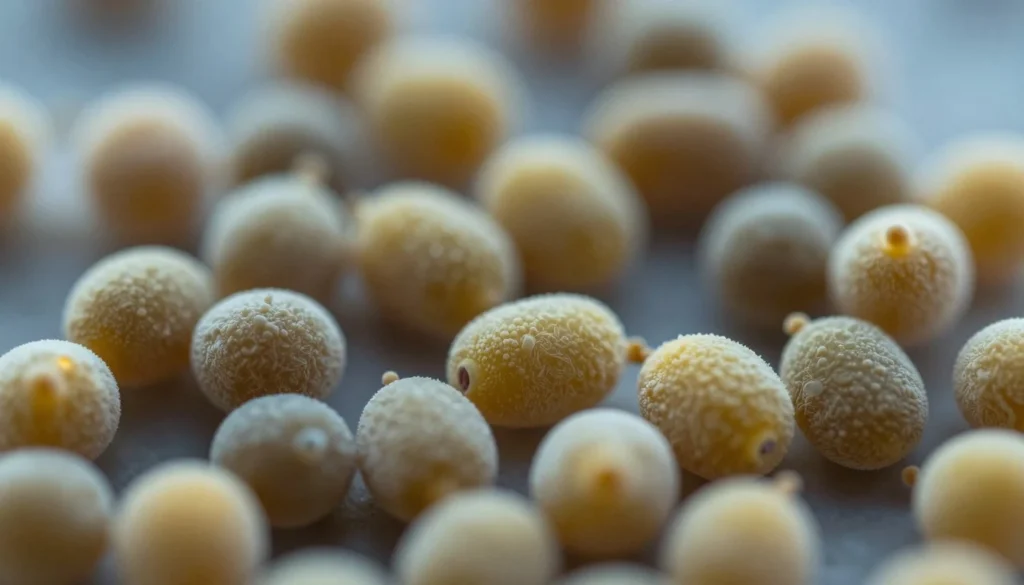
Knowing how Malassezia yeast affects fungal acne helps in finding the right treatment. By tackling the cause, you can control the condition and stop future breakouts.
The biological causes behind the condition
Understanding the causes of fungal acne is key to treating and preventing it. Fungal acne, or pityrosporum folliculitis, is more than a simple skin issue. It’s a complex problem influenced by many factors.
Environmental Factors and Humidity
Environmental factors, especially humidity, greatly affect fungal acne. High humidity is perfect for the Malassezia yeast to grow. When it’s humid, your skin’s moisture barrier weakens, letting yeast overgrow and cause acne.
To lower fungal acne risk, watch your environment. For example, using a dehumidifier in humid areas can keep your skin dry. This makes it harder for yeast to grow.
The Impact of Sweat and Occlusive Clothing
Sweat and tight clothing also play big roles in fungal acne. Sweat increases your skin’s moisture, which Malassezia yeast loves. Wearing tight clothes traps sweat, making acne worse.
Key factors to consider:
- Choose breathable fabrics to cut down sweat
- Shower right after working out or sweating a lot
- Stay away from tight clothes that hold moisture
How Antibiotics Disrupt Skin Flora
Antibiotics can also lead to fungal acne. They upset the skin’s natural balance, reducing good bacteria. This imbalance lets yeast grow too much, causing acne.
Use antibiotics wisely and look for other treatments. This helps keep your skin’s balance and reduces acne risk.
Identifying the signs and symptoms
Knowing the signs of fungal acne is key. It’s different from regular bacterial acne. This makes it a bit harder to spot.
The appearance of uniform papules
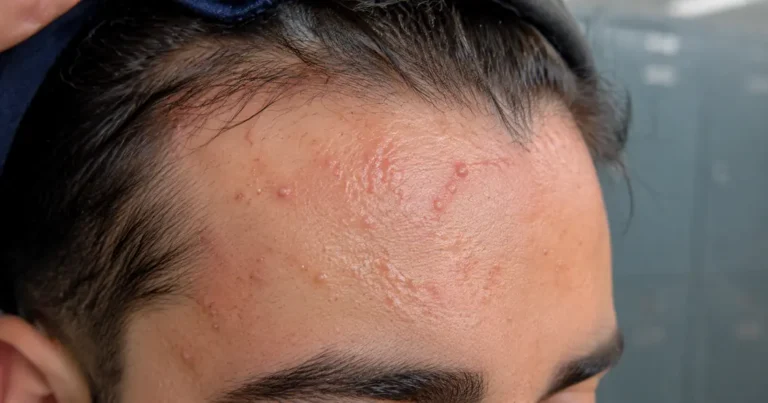
Fungal acne shows up as uniform papules. These are small, uniform bumps that often appear together. Unlike bacterial acne, fungal acne looks more alike.
Why fungal acne is often itchy acne
Fungal acne is known for being itchy. This itchiness is a big difference from bacterial acne. The itch comes from the fungal infection irritating the skin.
- Itchiness is a common complaint among those with fungal acne.
- The itch can range from mild to severe.
- Rubbing or picking at the area can make the irritation worse and may even cause an infection.
Common locations on the body
Fungal acne often shows up in sweaty areas. These are places where the skin folds or is covered by clothes. This creates a warm, moist spot perfect for fungi.
- The back
- The chest
- The shoulders
- The forehead and hairline
These spots get sweaty, oily, and sometimes trapped by clothes. This makes them more likely to get fungal acne.
How to distinguish fungal acne from bacterial acne
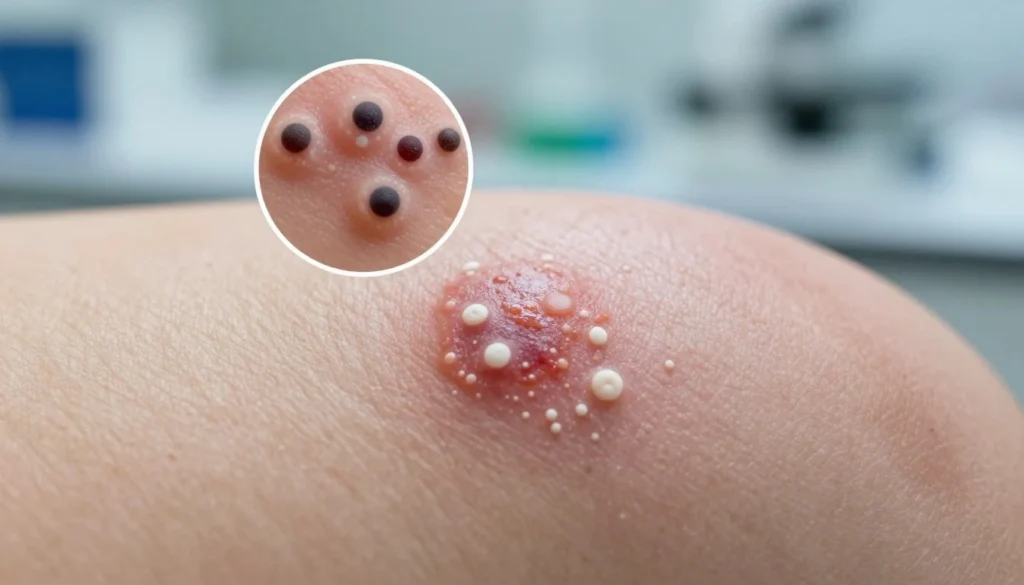
Knowing the difference between fungal and bacterial acne is key to choosing the right treatment. Fungal acne, also known as pityrosporum folliculitis, looks similar to bacterial acne. But, they have clear differences that help you tell them apart.
Differences in Lesion Shape and Size
Fungal acne has uniform papules or pustules that itch. These lesions are monomorphic, meaning they are all the same size and shape.
Bacterial acne, on the other hand, has different sizes and types of lesions. This variety makes it stand out from fungal acne.
| Characteristics | Fungal Acne | Bacterial Acne |
|---|---|---|
| Lesion Uniformity | Uniform papules or pustules | Varied lesion types and sizes |
| Itchiness | Often itchy | Typically not itchy |
| Common Locations | Upper back, chest, and shoulders | Face, back, and chest |
The Failure of Traditional Acne Treatments
Fungal acne doesn’t get better with antibacterial acne treatments. If your acne doesn’t improve with usual treatments, it might be fungal. Treatments like benzoyl peroxide and antibiotics don’t work on fungal infections.
Testing the Reaction to Antifungal Agents
Try antifungal treatments to see if you have fungal acne. Use over-the-counter creams or shampoos with ketoconazole on the affected area. If your acne clears up, it’s likely fungal.
Professional diagnosis and medical testing
If you’re dealing with ongoing acne-like issues, getting professional help is key. Fungal acne, or pityrosporum folliculitis, is hard to spot without the right tests.
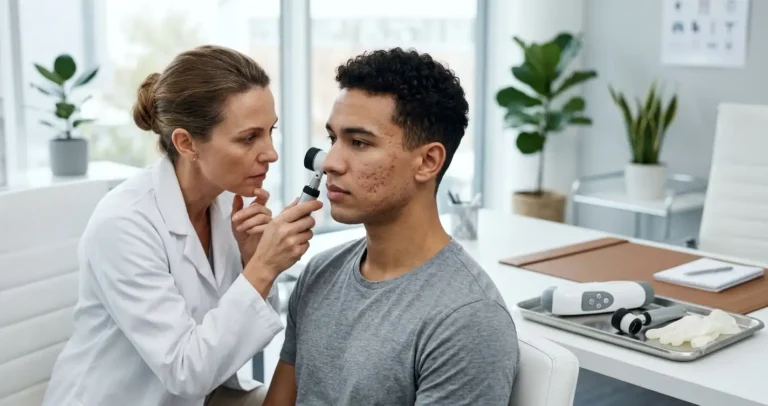
A dermatologist can give you a clear diagnosis. They use a physical check-up and specific tests. This is important because treating fungal acne is different from treating bacterial acne.
When to See a Dermatologist
Here are times when you should see a dermatologist:
- You’ve tried over-the-counter acne treatments without success.
- Your symptoms keep coming back or get worse.
- You keep getting acne-like breakouts.
A dermatologist can figure out what’s causing your symptoms. They’ll suggest the best treatment for you.
Skin Scrapings and KOH Preparations
Diagnosing fungal acne often involves skin scrapings and KOH (potassium hydroxide) tests. These tests check for fungal presence.
The process starts with gently scraping the affected area. This collects skin cells. Then, the cells are treated with KOH. The KOH breaks down skin cells, making it easier to see fungi under a microscope.
Wood’s Lamp Examination
The Wood’s lamp examination is another tool used for diagnosis. It shines a special ultraviolet light on the skin.
Some fungi, like Malassezia, glow under this light. While not a sure sign on its own, it helps when used with other tests.
Getting a professional diagnosis and the right medical tests ensures you get the right treatment for fungal acne.
Effective strategies for fungal acne treatment
You can fight fungal acne by using a mix of treatments that fit your skin. Treating fungal acne isn’t a one-size-fits-all job. You need to know what you’re dealing with and use the right treatments.
Over-the-Counter Antifungal Creams
OTC antifungal creams are a good start against fungal acne. They have ingredients like clotrimazole or terbinafine to fight the infection. It’s important to follow the instructions and be patient, as results may take time.
“Antifungal creams work well for mild to moderate fungal acne,” says Dr. Ozcan, a dermatologist. “If it still doesn’t improve, it may be a good idea to consult a doctor for further guidance.
Using Ketoconazole Shampoos as Body Wash
Ketoconazole shampoos, used for dandruff and scalp infections, can also treat fungal acne. Ketoconazole’s antifungal properties control Malassezia yeast, which causes fungal acne. When using ketoconazole shampoo as a body wash, mix it with water to avoid skin irritation.
Oral Medications for Persistent Cases
If fungal acne doesn’t get better with creams, oral antifungal meds might be needed. These are stronger and work from the inside out.
Consulting a Doctor for Prescription Antifungals
If your fungal acne is serious or doesn’t go away, see a doctor for stronger meds. A doctor can give you the right treatment. Prescription antifungals can have side effects, so it’s key to follow the doctor’s advice and report any problems.
Lifestyle adjustments to prevent future breakouts
Making a few simple changes can help prevent fungal acne. These changes can keep your skin healthy and clear. By adjusting your daily routine, you can avoid future breakouts.
Choosing Non-Comedogenic Skincare Products
It’s important to use non-comedogenic skincare products. These products don’t clog pores, which helps prevent acne. Look for products labeled “non-comedogenic” or “oil-free” to avoid breakouts.
Here is a comparison of comedogenic and non-comedogenic products:
| Product Type | Comedogenic | Non-Comedogenic |
|---|---|---|
| Moisturizers | Often contain oils that can clog pores | Lightweight, oil-free formulations |
| Sunscreens | May contain comedogenic ingredients like oxybenzone | Typically labeled as non-comedogenic or oil-free |
Managing Moisture and Hygiene After Exercise
After exercise, managing moisture and hygiene is key. Sweat can create an ideal environment for fungal growth. Showering as soon as possible after working out is crucial.
Using antifungal soap or body wash can help control fungal growth. Also, make sure your skin is dry before dressing to prevent moisture buildup.
The Importance of Breathable Fabrics
Wearing breathable fabrics is good for your skin. Fabrics like cotton allow for airflow and keep your skin dry. This reduces the risk of fungal acne. Avoid tight-fitting clothing made from synthetic materials that can trap moisture.
By making these lifestyle changes, you can reduce fungal acne and keep your skin healthy. These adjustments can help you maintain clearer, healthier skin.
Conclusion
Knowing what fungal acne is is key to treating and preventing it. You’ve learned that it’s caused by too much Malassezia yeast on your skin. This can happen due to sweat, certain clothes, and the environment.
Fungal acne shows up as uniform papules and can itch. It often appears on the chest and back. It’s important to tell it apart from regular acne because usual treatments might not work and could make it worse.
To stop fungal acne, try using non-comedogenic skincare and manage sweat after working out. Wearing clothes that breathe is also helpful. If you think you have it, see a dermatologist for the right diagnosis and treatment.
With the right steps, you can treat and manage fungal acne. This leads to healthier skin. In short, knowing about fungal acne helps you take care of your skin better.
FAQ
What exactly is the difference between regular breakouts and pityrosporum folliculitis?
Regular acne comes from bacteria and clogged pores. But, pityrosporum folliculitis, or fungal acne, is a yeast infection in hair follicles. It shows as small, uniform, red bumps that don’t form a head.
Why is my skin so irritated, and is itchy acne a common symptom?
Yes, itchy acne is a key sign of fungal acne. If your breakouts itch or sting, it’s likely fungal. This itch gets worse with heat, sweat, or humidity.
What are the most effective options for fungal acne treatment?
Treat fungal acne with antifungal agents, not benzoyl peroxide. Use Nizoral as a mask or body wash. Topical creams like Lotrimin AF also work. For tough cases, a doctor might prescribe Fluconazole.
How to clear fungal acne if traditional products are making it worse?
If you’re using heavy oils or fermented ingredients, stop. Switch to products like CeraVe Moisturizing Cream or Hada Labo Skin Plumping Gel Cream. They don’t feed the yeast.
Can taking antibiotics lead to a flare-up of fungal acne?
Yes, antibiotics can cause fungal acne. They kill good bacteria, letting yeast grow. If you’ve taken antibiotics and now have bumps, you might need a fungal treatment.
How does a dermatologist provide a professional diagnosis?
A dermatologist might do a skin scraping and KOH test to check for yeast. They might also use a Wood’s lamp to see if the skin glows yellowish-green, confirming fungal acne.
What lifestyle changes can I make to prevent future breakouts?
Wear breathable fabrics and shower after sweating to prevent yeast growth. Choose non-comedogenic skincare products without esters or polysorbates to avoid worsening fungal acne.