Pityrosporum folliculitis: understand symptoms, triggers, and how it is treated
When your “acne” keeps itching and won’t respond to acne products
It can be frustrating when you do everything “right” for acne and the bumps still keep showing up. If the breakout is itchy, looks very uniform, and seems to get worse with sweat or heat, you may be dealing with pityrosporum folliculitis instead of typical acne. This condition is often called fungal acne, even though that nickname is not medically exact.
Pityrosporum folliculitis can look a lot like acne at first glance, which is why many people spend weeks or months using standard acne products that do not help much. The good news is that once the right cause is recognized, treatment is usually more targeted and makes a lot more sense.
Table of Contents
What is pityrosporum folliculitis?
Why people call it fungal acne
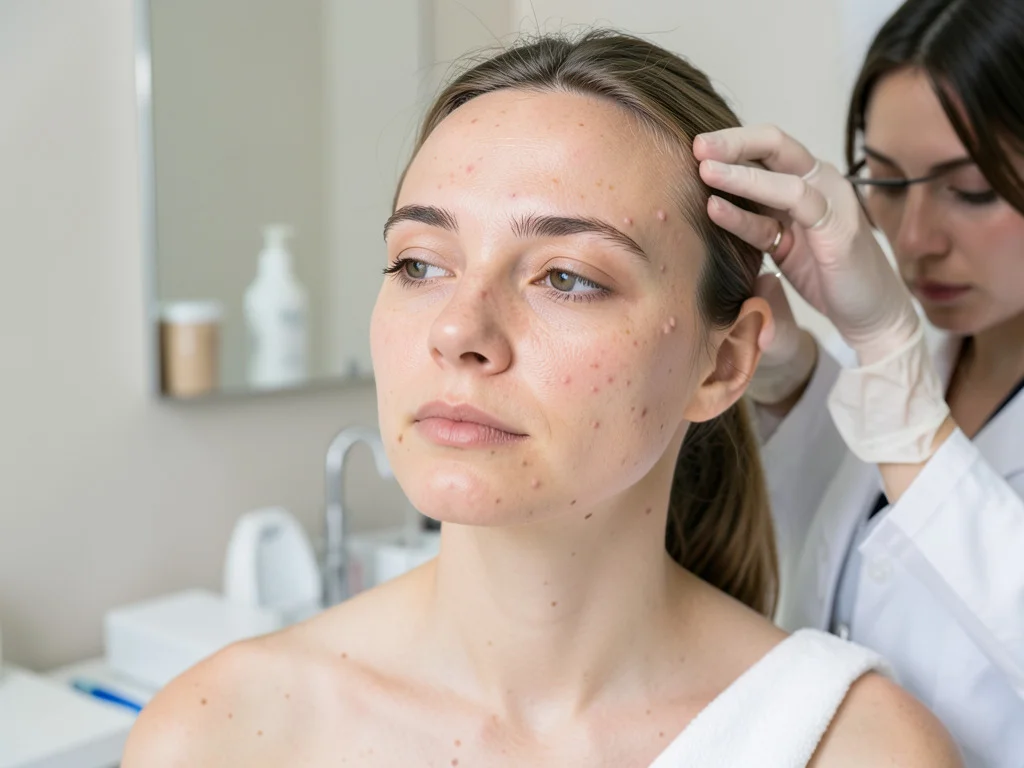
Pityrosporum folliculitis, also called Malassezia folliculitis, is an inflammation of hair follicles linked to an overgrowth of yeast that normally lives on the skin. Because it often causes acne-like bumps, many people call it fungal acne. That label is common online and in everyday conversation, but the condition is actually a type of folliculitis, not acne vulgaris.
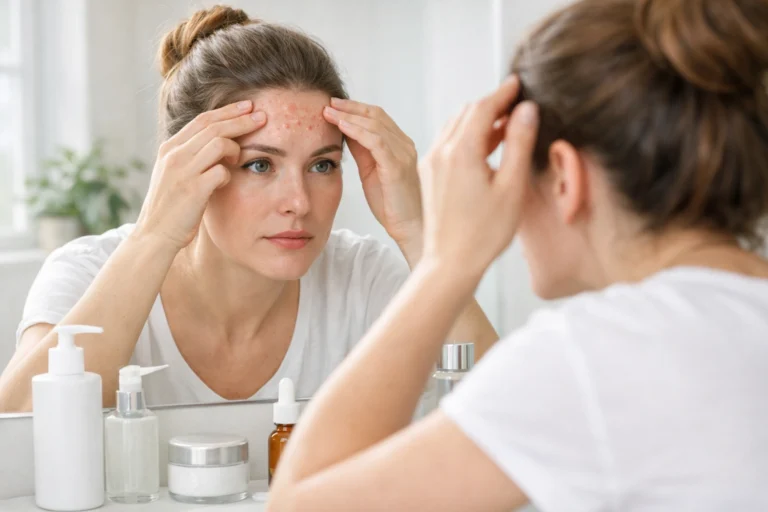
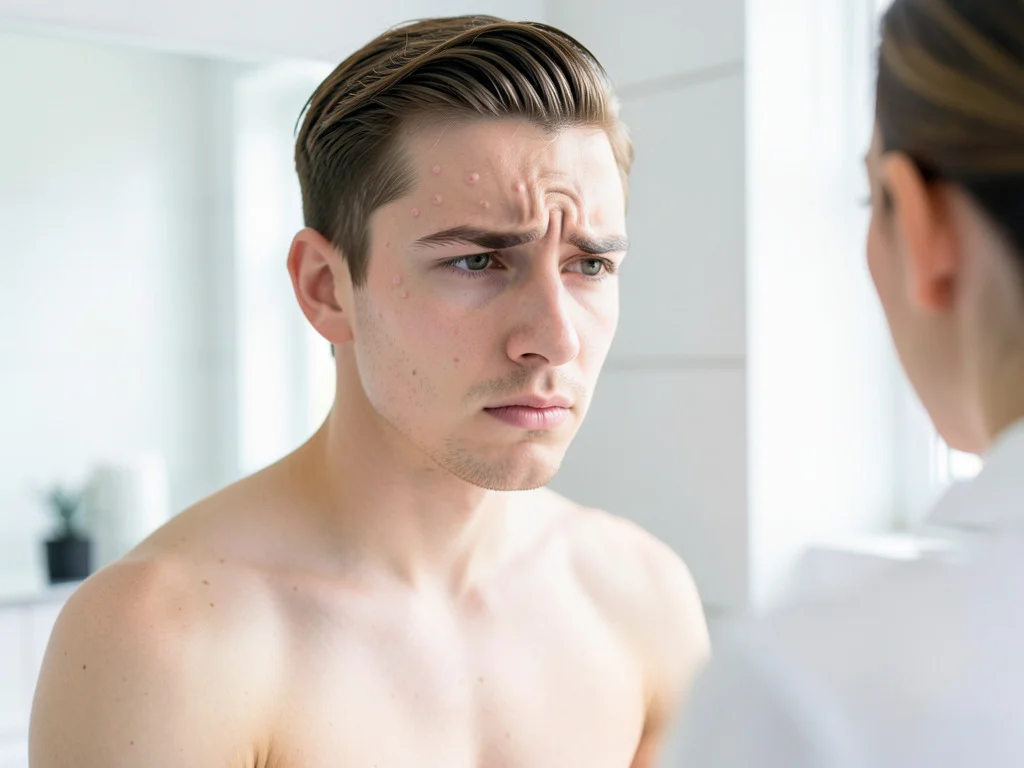
So, what is fungal acne in plain terms? It is usually a yeast-related breakout that creates small bumps and pustules that may look like pimples, especially on the forehead, chest, back, and shoulders. The main clue is that it often feels itchier than regular acne and tends to appear in clusters of bumps that look very similar to each other.
What is happening in the skin
Your skin naturally hosts microorganisms, including Malassezia yeast. Problems can start when that yeast grows too much around hair follicles, especially in warm, oily, sweaty, or occluded areas. That overgrowth can irritate the follicle and lead to an outbreak of small inflamed bumps.
This is one reason fungal acne treatment is different from standard acne care. Traditional acne products target clogged pores, bacteria, oil, or inflammation in acne vulgaris. Pityrosporum folliculitis has a different driver, so the approach has to match the cause.
🔥 The 3 products dermatologists actually recommend (and yes, they work):
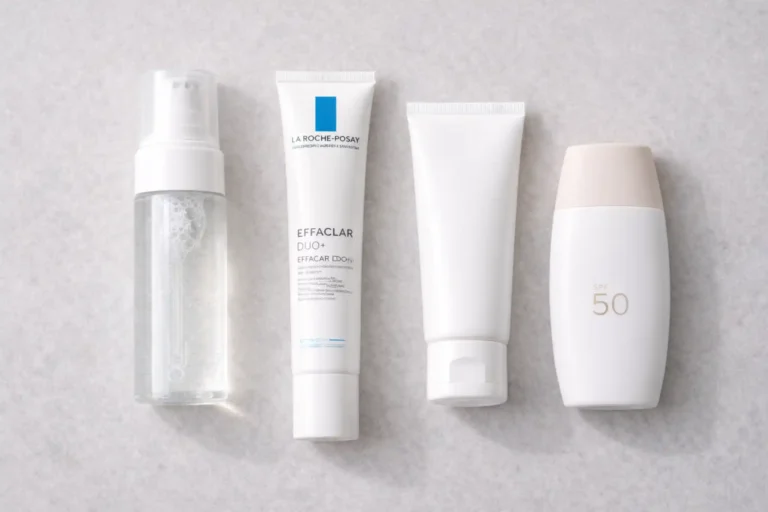
Stop guessing and start with what’s proven. La Roche-Posay Effaclar Duo(+) targets breakouts fast, Paula’s Choice 2% BHA Liquid Exfoliant keeps pores clear with daily use, and Hero Cosmetics Mighty Patch is the overnight fix everyone swears by. ✅ No prescription needed ✅ Affordable ✅ Backed by real clinical evidence
What does pityrosporum folliculitis look and feel like?
Common symptoms
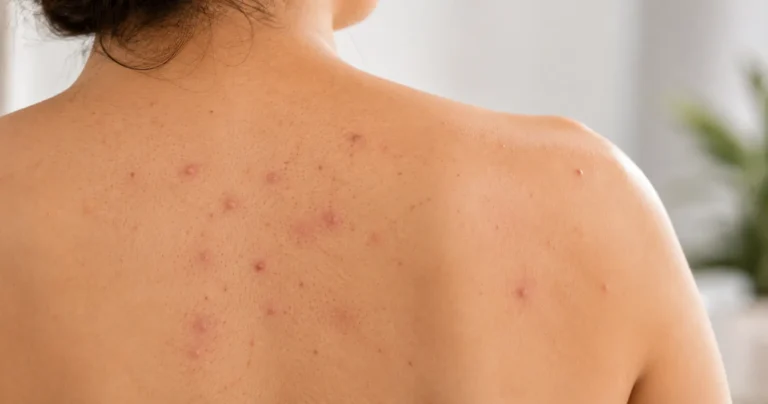
The rash usually shows up as small, fairly even bumps that can be red, skin-colored, or topped with tiny pustules. Many people notice that the spots are all about the same size, which is different from regular acne that often includes a mix of blackheads, whiteheads, inflamed pimples, and sometimes deeper cysts.
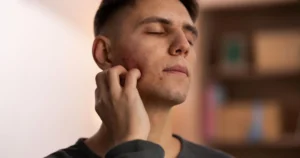
Itching is one of the biggest clues. Some people describe it as itchy acne, while others say the area burns, prickles, or feels irritated, especially when they sweat. The bumps can come on quickly and may flare in patches rather than appearing as a few random pimples.
Where it usually shows up
Pityrosporum folliculitis most often affects areas where oil, sweat, and heat can build up. Common spots include:
- Forehead and hairline
- Upper chest
- Upper back
- Shoulders
- Neck
- Upper arms
These locations are helpful clues because the pattern is often different from classic facial acne alone.
Why itchy acne is a clue
Regular acne can feel tender, but it is not usually described as strongly itchy. When a breakout keeps itching and looks very uniform, that raises suspicion for pityrosporum folliculitis or another form of folliculitis rather than everyday acne. It is not a perfect rule, but it is an important pattern to notice.
Pityrosporum folliculitis vs regular acne
Key differences that matter
At first glance, the two conditions can look similar. The difference is in the details. Pityrosporum folliculitis often causes monomorphic bumps, meaning they look very similar in size and shape. Acne vulgaris usually creates a mix of lesion types, including blackheads and whiteheads, and may also involve nodules or cysts. DermNet notes that comedones are not seen in Malassezia folliculitis, which helps separate it from acne vulgaris.
Another key difference is response to treatment. If you have been using standard acne products and the bumps are still itchy, stubborn, or getting worse in sweaty areas, that can point away from regular acne. It does not prove the diagnosis, but it is a strong reason to consider a different cause.
Table: Pityrosporum folliculitis vs acne vulgaris
| Feature | Pityrosporum folliculitis | Acne vulgaris |
|---|---|---|
| Main cause | Yeast overgrowth around hair follicles | Multifactorial skin condition involving clogged pores, inflammation, oil, and bacteria |
| Typical look | Small, uniform papules or pustules | Mixed lesions such as blackheads, whiteheads, papules, pustules, nodules |
| Itching | Common | Less common |
| Common areas | Forehead, hairline, chest, upper back, shoulders | Face, chest, back |
| Comedones | Usually absent | Common |
| What often helps | Antifungal treatment and trigger control | Acne-directed treatments such as retinoids, benzoyl peroxide, and other guideline-based options |
What triggers pityrosporum folliculitis?
Heat, sweat, and humidity
Warm, humid conditions create an ideal environment for yeast growth. That is why many people notice flares in the summer, after intense workouts, or when sweat sits on the skin for a long time. If your skin seems worse after exercise or in sticky weather, that pattern matters.
Antibiotics and disrupted skin balance
Antibiotics can reduce the normal bacteria that live on the skin, which may give yeast more room to grow. This is one reason some people develop fungal acne or see it worsen after a course of oral antibiotics for acne or another infection.
Oily or occlusive products
Heavy skin care or hair products can trap heat and moisture against the skin. DermNet lists occlusion from emollients and sunscreens as a risk factor, which helps explain why some people flare when they use thick moisturizers, greasy sunscreens, or products that sit heavily on the forehead, chest, or back.
Friction and tight clothing
Tight workout tops, sports bras, backpacks, or snug shirts can increase sweating and friction. That does not mean clothing directly causes the condition, but it can help create the warm, occluded environment that encourages flare-ups.
Other risk factors
Other factors linked with pityrosporum folliculitis include oily skin, high sebum production, heavy sweating, and immune suppression. Some people also notice it along with dandruff or seborrheic dermatitis, which are other skin problems associated with Malassezia yeast.
How pityrosporum folliculitis is diagnosed
Why self-diagnosis can be tricky
This condition is easy to mistake for acne, bacterial folliculitis, heat rash, or simple irritation. Because the treatments are not the same, guessing can keep the problem going longer than it needs to. If the bumps are spreading, recurring, or not improving with acne care, it is smart to get the rash looked at instead of continuing to experiment on your own.
What a dermatologist may look for
A dermatologist often starts with the pattern. They may ask where the rash appears, whether it itches, whether the bumps all look alike, and how your skin responded to prior acne products or antibiotics. Those details can strongly point toward pityrosporum folliculitis even before testing is considered.
Tests that may be used
In many cases, diagnosis is clinical, meaning it is based on the exam and history. When confirmation is needed, skin scrapings or other samples may be checked under the microscope, and DermNet notes that Malassezia can be revealed on testing. In select cases, biopsy or other office-based evaluation may be used.
Pityrosporum folliculitis treatment: what actually helps
Fungal acne treatment options
The main goal of fungal acne treatment is to lower the yeast overgrowth in the follicle and reduce the conditions that help it thrive. Depending on the case, treatment may include topical antifungal creams, washes, or shampoos used on the skin, and sometimes oral antifungal medicine for widespread or stubborn cases. Cleveland Clinic and DermNet both describe topical and systemic antifungal treatment as standard approaches.
In practice, a dermatologist may suggest an antifungal shampoo or wash for the chest, back, or hairline, especially if those are the main trouble spots. Some cases need prescription creams or oral treatment. The right choice depends on how extensive the rash is, how often it comes back, and whether there are other skin conditions happening at the same time.
What to expect during treatment
Many people start noticing improvement after targeted treatment begins, but the exact timeline varies. Mild cases may calm down faster than widespread or recurring ones. It is also important to finish treatment the way your clinician recommends, because stopping too soon or ignoring triggers can set the stage for another flare.
Recurrence can happen, especially if your triggers keep showing up. That does not mean treatment failed. It usually means the yeast-friendly conditions are still there, such as sweat, humidity, occlusion, recent antibiotics, or another Malassezia-related skin issue.
Why regular acne products may not work
This is where many people get stuck. Products designed for acne vulgaris may not address the yeast component of pityrosporum folliculitis. Some can also dry or irritate the skin, which can leave you with inflamed skin and the same itchy bumps. If you keep wondering how to clear fungal acne, the first step is understanding that acne treatment and fungal acne treatment are not always interchangeable.
That said, some people have both acne and pityrosporum folliculitis at the same time. If that is the case, treatment may need to address both conditions carefully rather than assuming every bump is coming from one single cause.
How to clear fungal acne without making it worse
Smart daily habits that support treatment
If you are trying to figure out how to clear fungal acne, daily habits matter. These simple steps can support treatment:
- Shower after sweating
- Change out of damp clothes quickly
- Wear breathable fabrics when possible
- Keep skin care simple and consistent
- Wash hats, pillowcases, and workout gear regularly
These steps will not replace medical treatment when you truly have pityrosporum folliculitis, but they can reduce the warm, sweaty buildup that tends to feed flare-ups.
Product habits to rethink
Heavy, oily, or very occlusive products may make the environment more favorable for yeast overgrowth. It can also help to step back from aggressive scrubs, too many acids, or layering a lot of active ingredients at once. When your skin is irritated, it becomes harder to tell what is helping and what is making the rash angrier.
If you are also dealing with scalp flaking or dandruff, that may be worth addressing too, since Malassezia can be involved in both problems. You may also want to read our guide on seborrheic dermatitis symptoms and treatment if that sounds familiar.
When home care is not enough
Home care is not enough when the rash is spreading, very itchy, painful, or simply not improving. It is also time to get help if you have already tried several acne products and nothing fits the pattern of regular acne. A correct diagnosis matters because bacterial folliculitis, acne, and pityrosporum folliculitis are treated differently.
For a clearer side-by-side comparison, you may also want to read acne vs folliculitis. And if your skin gets irritated easily, our guide on how to choose skin care products for acne-prone, sensitive skin can help you build a gentler routine while you sort out the cause.
🔥 The 3 products dermatologists actually recommend (and yes, they work):
Stop guessing and start with what’s proven. La Roche-Posay Effaclar Duo(+) targets breakouts fast, Paula’s Choice 2% BHA Liquid Exfoliant keeps pores clear with daily use, and Hero Cosmetics Mighty Patch is the overnight fix everyone swears by. ✅ No prescription needed ✅ Affordable ✅ Backed by real clinical evidence
Can pityrosporum folliculitis come back?
Why recurrence is common
Yes, it can come back. This is especially common if you live in a hot, humid climate, sweat heavily, use occlusive products, or need antibiotics from time to time. Recurrence can also happen when the diagnosis is delayed and the underlying pattern is never fully addressed.
Prevention tips
You cannot always prevent every flare, but you can lower the odds with a few practical habits:
- Shower soon after workouts.
- Change sweaty clothes as soon as you can.
- Avoid products that feel heavy and seem to worsen the rash.
- Pay attention to repeat triggers like heat, humidity, and friction.
- Follow your dermatologist’s maintenance plan if the condition tends to recur.
These steps are especially useful during summer, travel, sports seasons, or any time your skin is spending more time hot and damp.
When you should see a dermatologist
You should consider professional care if:
- Your breakout is very itchy
- The bumps are all similar and keep coming back
- Standard acne treatment is not helping
- The rash is spreading across the chest, back, shoulders, or forehead
- You recently took antibiotics and the breakout changed
- You are not sure whether you have fungal acne, acne, or another rash
A dermatologist can help sort out the difference and choose the right treatment instead of leaving you stuck in trial-and-error mode.
FAQ:
Is pityrosporum folliculitis the same as fungal acne?
Pityrosporum folliculitis is the medical name for a condition many people call fungal acne. It is a yeast-related inflammation of hair follicles that can look like acne, but it is not the same as acne vulgaris.
What causes pityrosporum folliculitis to flare up?
Common triggers include heat, humidity, sweating, tight clothing, heavy occlusive products, and antibiotic use. These factors can create conditions that help Malassezia yeast overgrow around the follicles.
How do you know if your acne is actually fungal?
A breakout may be more likely to be pityrosporum folliculitis if it is very itchy, made up of small similar-looking bumps, and located on the forehead, chest, back, shoulders, or hairline. A dermatologist can confirm the diagnosis if the pattern is unclear.
What is the best fungal acne treatment?
The best fungal acne treatment depends on the person, but it often includes topical antifungal products and, in some cases, oral antifungal medicine. Standard acne products alone may not help much if yeast overgrowth is the main issue.
How long does it take to clear fungal acne?
Some people improve fairly quickly once they start the right treatment, but timing varies based on how widespread or stubborn the rash is and whether triggers are still present. If it is not improving or keeps returning, follow up with a dermatologist.