Fungal acne treatment: learn the causes, symptoms, and best treatment options
If your skin keeps breaking out in tiny, itchy bumps that do not respond to regular acne products, you are not imagining things. That pattern can be frustrating, especially when you are doing everything you can to “treat acne” and nothing seems to work. In many cases, the problem may be fungal acne, not traditional acne.
The good news is that fungal acne treatment can help once you know what you are dealing with. The key is understanding the cause, spotting the symptoms, and choosing treatment options that fit this specific type of breakout.
Table of Contents
Why these breakouts may feel different from regular acne
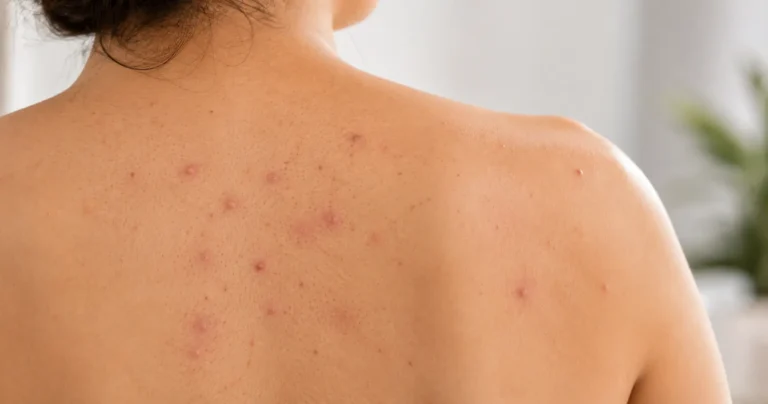
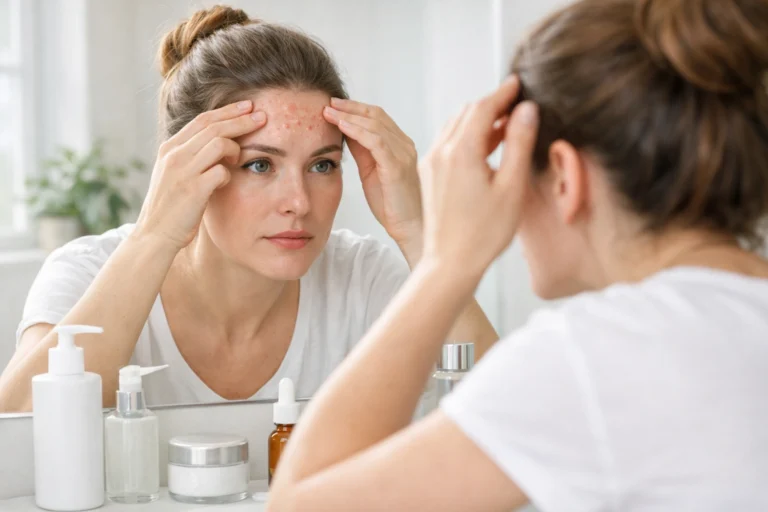
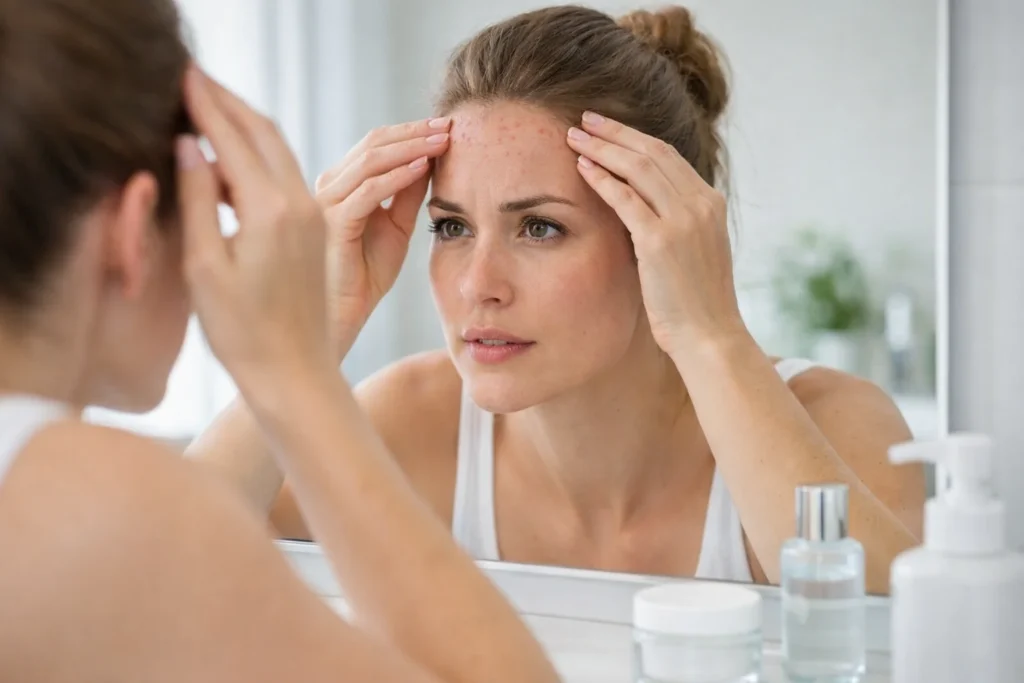
A lot of people first notice that something feels off. The bumps may be small, stubborn, and very similar in size. They may show up in clusters, especially on the forehead, chest, back, shoulders, or hairline. And unlike typical acne, they often itch.
That is why so many people start searching for terms like itchy acne, what is fungal acne, or how to clear fungal acne. They can tell their skin is reacting, but the usual acne routine is not solving it.
What is fungal acne?
Fungal acne is the common name for a condition called pityrosporum folliculitis, also known as Malassezia folliculitis. Even though it is called “acne,” it is not true acne.
Instead, it happens when yeast that normally lives on your skin grows too much and irritates the hair follicles. That irritation can lead to small, acne-like bumps. Because the bumps can look similar to regular pimples, fungal acne is often mistaken for acne vulgaris.
🔥 The 3 products dermatologists actually recommend (and yes, they work):
Stop guessing and start with what’s proven. La Roche-Posay Effaclar Duo(+) targets breakouts fast, Paula’s Choice 2% BHA Liquid Exfoliant keeps pores clear with daily use, and Hero Cosmetics Mighty Patch is the overnight fix everyone swears by. ✅ No prescription needed ✅ Affordable ✅ Backed by real clinical evidence
Why fungal acne is not true acne
Traditional acne usually involves clogged pores, excess oil, inflammation, and acne-causing bacteria. Fungal acne is different. It is linked to yeast overgrowth inside the hair follicles.
That difference matters because acne products made for blackheads, whiteheads, and cystic breakouts may not do much for fungal acne. In some cases, using the wrong products can leave your skin more irritated and inflamed.
Fungal acne vs regular acne
It is easy to confuse these two conditions, but there are a few clues that can help.
| Feature | Fungal Acne | Regular Acne |
|---|---|---|
| Bump size | Often small and very similar | Can vary in size |
| Itching | Common | Less common |
| Blackheads | Usually absent | Common |
| Whiteheads | Less common | Common |
| Usual areas | Forehead, hairline, chest, back, shoulders | Face, jawline, chest, back |
| Trigger pattern | Often worse with sweat, heat, and friction | Often linked to hormones, oil, and clogged pores |
Why itchy acne is a common clue
One of the biggest hints is itchiness. If your breakout feels itchy more than sore, fungal acne becomes more likely. Regular acne can be tender, especially if it is inflamed, but it usually is not described as very itchy.
Another clue: the bumps often look alike
Fungal acne usually creates many small bumps that look very similar to one another. Regular acne tends to be more mixed. You may see blackheads, whiteheads, red pimples, and even deeper nodules all at once.
Common signs and symptoms to watch for
Fungal acne often shows up in a pattern that feels repetitive and stubborn. You may notice:
- Small, uniform bumps
- Itching or mild burning
- Clusters on the forehead or hairline
- Breakouts on the chest, upper back, or shoulders
- Flares after workouts, sweating, or hot weather
- Little improvement with standard acne products
These bumps can sometimes have tiny white tops, but they do not usually behave like classic whiteheads. They often come in groups and can flare fast.
What causes fungal acne?
The yeast involved in pityrosporum folliculitis is normally present on healthy skin. Problems start when conditions allow it to overgrow.
Heat and humidity
Warm, damp environments make fungal acne more likely. That is one reason it often gets worse in summer or in humid climates.
Sweat and friction
Sweaty skin, tight clothing, sports bras, helmets, hats, and backpacks can trap heat and moisture against the body. That can create the perfect setting for flare-ups.
Oily skin and heavy products
Very rich moisturizers, greasy sunscreens, and heavy hair products may contribute by creating a more occlusive environment on the skin. Hair products are a common issue when bumps show up along the forehead, temples, neck, and upper back.
Recent antibiotic use
This is an important point. Some people develop fungal acne after using antibiotics, including antibiotics given for presumed acne. That can shift the balance on the skin and make yeast overgrowth more likely.
Other factors
You may be more prone to fungal acne if you:
- Have oily skin
- Sweat heavily
- Exercise often
- Live in a hot climate
- Have dandruff or seborrheic dermatitis
- Have a weakened immune system
Who is most likely to get fungal acne?
Anyone can get it, but it is especially common in teens and young adults. It also shows up a lot in people who work out often, wear tight athletic clothing, or spend long hours in heat and humidity.
If you have ever noticed that your “acne” gets worse after sweating or after using a new heavy product, fungal acne may be worth considering.
How to clear fungal acne safely
If you are trying to figure out how to clear fungal acne, start simple. You do not need to throw ten harsh products at your skin.
First steps you can take at home
A few simple habits can make a real difference:
- Shower after sweating
- Change out of damp clothes quickly
- Avoid tight, non-breathable fabrics when possible
- Keep heavy hair products away from the forehead and upper back
- Use gentle skin care instead of aggressive scrubs
These steps help reduce the warm, oily, humid conditions that can make fungal acne worse.
What not to do
Many people make the mistake of treating fungal acne like stubborn regular acne. That can backfire.
Try to avoid:
- Picking or squeezing the bumps
- Harsh scrubs
- Over-exfoliating acids
- Using multiple strong acne treatments at once
- Staying in sweaty clothes for hours
All of these can irritate your skin and make it harder to tell what is really helping.
Best fungal acne treatment options
Fungal acne treatment usually focuses on antifungal ingredients and reducing triggers.
Over-the-counter treatment choices
For mild cases, some people use over-the-counter antifungal products that are commonly sold for dandruff but may also be used on the skin when recommended by a healthcare professional.
Ingredients you may see include:
- Ketoconazole
- Selenium sulfide
- Zinc pyrithione
These products are often used as washes on areas like the chest, back, shoulders, or forehead. You should follow label directions carefully and stop if your skin becomes very irritated.
How to use these products carefully
Less is not always bad, and more is not always better. Strong products used too often can dry out and irritate your skin. That is why it helps to introduce one change at a time.
If you are unsure how often to use an antifungal wash or whether it is appropriate for your face, it is smart to ask a dermatologist rather than guess.
Prescription fungal acne treatment
If your breakout is severe, widespread, or keeps coming back, a dermatologist may prescribe stronger treatment. This may include:
- Prescription topical antifungal medicine
- Oral antifungal medicine in some cases
Prescription fungal acne treatment should be guided by a medical professional. Oral medicines are not a casual skin care step. They may interact with other medications or require extra caution depending on your health history.
Skin care mistakes that can make fungal acne worse
Sometimes the problem is not just what you are doing. It is also what you keep doing because you think the bumps are regular acne.
Heavy oils and rich products
Thick creams, oily hair products, and greasy leave-ins can be a problem for some people, especially if they end up on the forehead, neck, chest, or back.
Too much acne medicine
If you keep layering benzoyl peroxide, retinoids, scrubs, and acids without improvement, you may be irritating your skin barrier more than helping it.
Sweaty clothes left on too long
A post-workout shower really matters here. Tight, damp clothing can keep heat and friction close to the skin, which may fuel flare-ups.
A simple skin care routine for fungal acne-prone skin
A simple routine is often best when your skin is flaring.
Morning
Use a gentle cleanser if needed. Apply a lightweight moisturizer if your skin feels dry. Finish with sunscreen that feels breathable and comfortable on your skin.
After sweating
Rinse off or shower as soon as possible. Put on clean, dry clothing. If hats, helmets, or sports gear touch the affected area, clean them regularly.
Evening
Cleanse gently again. Use any antifungal treatment exactly as directed. Do not stack too many active ingredients unless your dermatologist tells you to.
If your skin feels overloaded, take a step back. Calm, consistent care usually works better than a complicated routine.
For related support, this is also a good time to read a guide on building a simple routine for acne-prone skin or a post about ingredients to avoid when your skin feels congested or irritated.
🔥 The 3 products dermatologists actually recommend (and yes, they work):
Stop guessing and start with what’s proven. La Roche-Posay Effaclar Duo(+) targets breakouts fast, Paula’s Choice 2% BHA Liquid Exfoliant keeps pores clear with daily use, and Hero Cosmetics Mighty Patch is the overnight fix everyone swears by. ✅ No prescription needed ✅ Affordable ✅ Backed by real clinical evidence
Prevention tips to reduce future flare-ups
Once your skin improves, prevention becomes the next goal.
Helpful habits include:
- Shower soon after exercise
- Change out of sweaty clothes quickly
- Wash pillowcases, hats, and workout gear often
- Avoid heavy hair products near breakout-prone skin
- Choose lighter skin care when possible
- Get recurring breakouts checked instead of repeatedly guessing
If you also deal with dandruff or scalp buildup, treating that may help reduce problems around the hairline and forehead too. That makes a related article on how dandruff and scalp buildup can affect facial breakouts a useful next read.
When to see a dermatologist
You should see a dermatologist if:
- The bumps are spreading
- The itching is strong or uncomfortable
- Home care is not helping after a few weeks
- The rash keeps coming back
- You are not sure whether it is fungal acne, regular acne, or something else
This matters because several skin conditions can look alike. Bacterial folliculitis, heat rash, and acne can all be confused with fungal acne. A proper diagnosis can save you time, money, and irritation.
A dermatologist can also help you choose the best fungal acne treatment for your skin type, symptoms, and medical history.
Conclusion
Fungal acne can be annoying, itchy, and confusing, but it is manageable once you understand what is going on. The biggest step is recognizing that pityrosporum folliculitis is not the same as regular acne. That means your treatment plan needs to match the cause.
Keep your routine simple. Reduce sweat, friction, and heavy buildup where you can. Use fungal acne treatment carefully, and do not keep pushing harsh acne products if your skin is clearly not responding.
If these breakouts keep coming back, get expert help. A dermatologist can help you confirm the cause and choose a plan that actually works. Then keep learning about your skin so you can prevent future flare-ups, not just react to them.
FAQ
What is fungal acne and how is it different from acne?
Fungal acne is the common name for pityrosporum folliculitis, a condition caused by yeast overgrowth in the hair follicles. It often causes small, similar-looking, itchy bumps. Regular acne is usually linked to clogged pores, oil, inflammation, and bacteria.
What is the best fungal acne treatment for mild cases?
Mild cases may improve with simple changes like showering after sweating, avoiding heavy products, and using over-the-counter antifungal washes with ingredients such as ketoconazole, selenium sulfide, or zinc pyrithione. It is best to use these products carefully and get medical advice if symptoms continue.
How long does it take to clear fungal acne?
Some people notice improvement within a few weeks after starting the right fungal acne treatment and cutting down on triggers. Others may need prescription care. If your skin is not improving, it is a good idea to see a dermatologist.
Can fungal acne go away on its own?
It can calm down in some cases, especially if the trigger goes away, but it often keeps coming back without the right treatment and skin care changes. Repeated flare-ups are a sign that it is worth getting checked.
What should you avoid if you have fungal acne?
Try to avoid heavy oily products, harsh scrubs, overusing acne treatments, and staying in sweaty clothes too long. Picking at the bumps can also make irritation worse.