How to Use Salicylic Acid for Acne Marks Safely
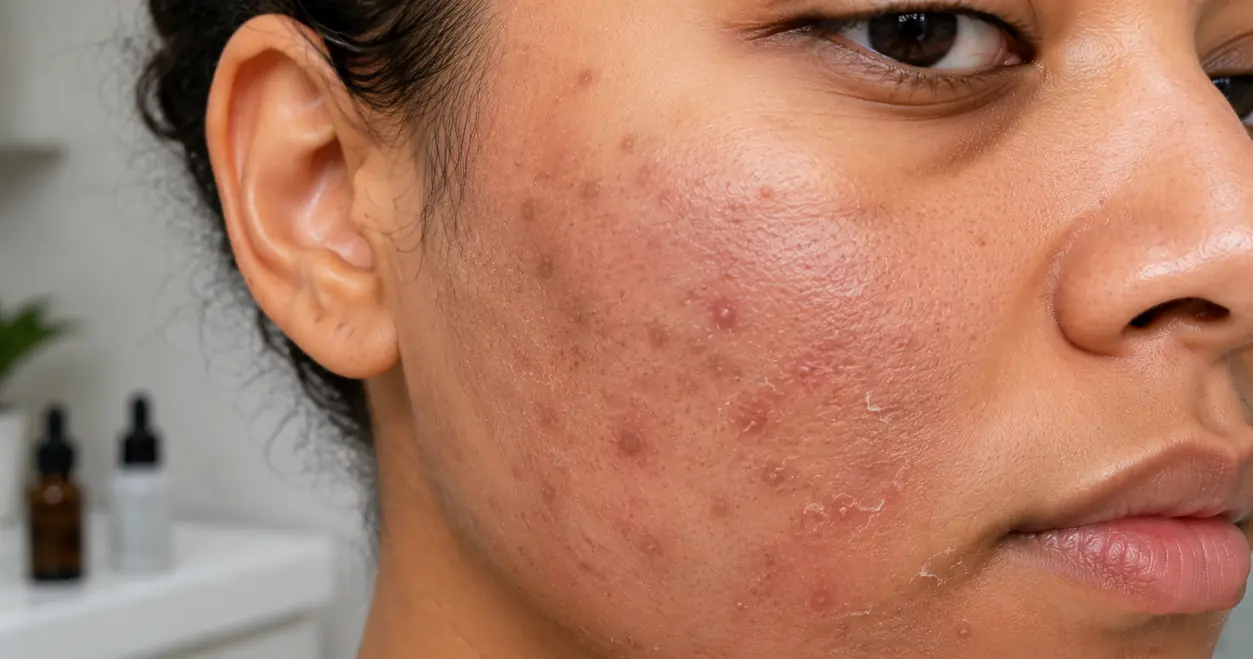
Learning how to use salicylic acid for acne marks starts with identifying what is actually on your skin. Salicylic acid may support gradual improvement in some flat dark marks while helping prevent clogged pores. It cannot fill indented scars or flatten raised scars. Use one appropriate product as labeled, moisturize, wear sunscreen, and avoid irritation.
This guide focuses on flat post-inflammatory hyperpigmentation (PIH) and explains why red marks or textural changes may need another approach.
Table of Contents
First, Make Sure You Are Treating an Acne Mark
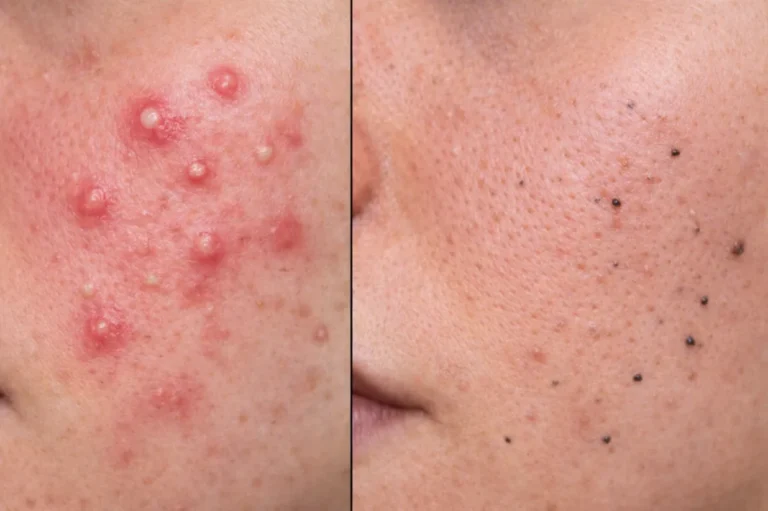
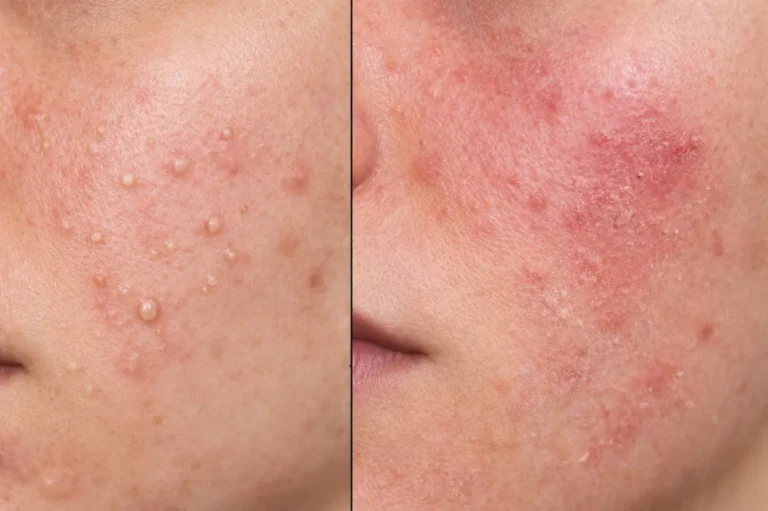
Before deciding how to use salicylic acid for acne marks, check whether the change is flat. Brown, gray, or darker flat spots are often PIH, while pink, red, or purple flat areas may be post-inflammatory erythema (PIE). An indentation or firm raised area is a true scar, not simply leftover color.
| What you see | Likely concern | Role of salicylic acid |
|---|---|---|
| Flat brown, gray, or darker spot | Post-inflammatory hyperpigmentation | May support gradual surface improvement and help prevent new acne, but pigment evidence is limited |
| Flat pink, red, or purple spot | Post-inflammatory erythema | Does not directly target the vascular color |
| Pit, depression, or uneven contour | Atrophic acne scar | Cannot replace lost tissue or release a tethered scar |
| Firm or raised area | Hypertrophic scar or keloid | Not an appropriate treatment; professional assessment is needed |
A mark and scar can coexist. A boxcar scar may also look brown; fading its color could make it less noticeable, but the depression remains. This distinction keeps how to use salicylic acid for acne marks focused on color and prevention—not aggressive exfoliation for an unchanged depression.
Who May Benefit From Salicylic Acid?
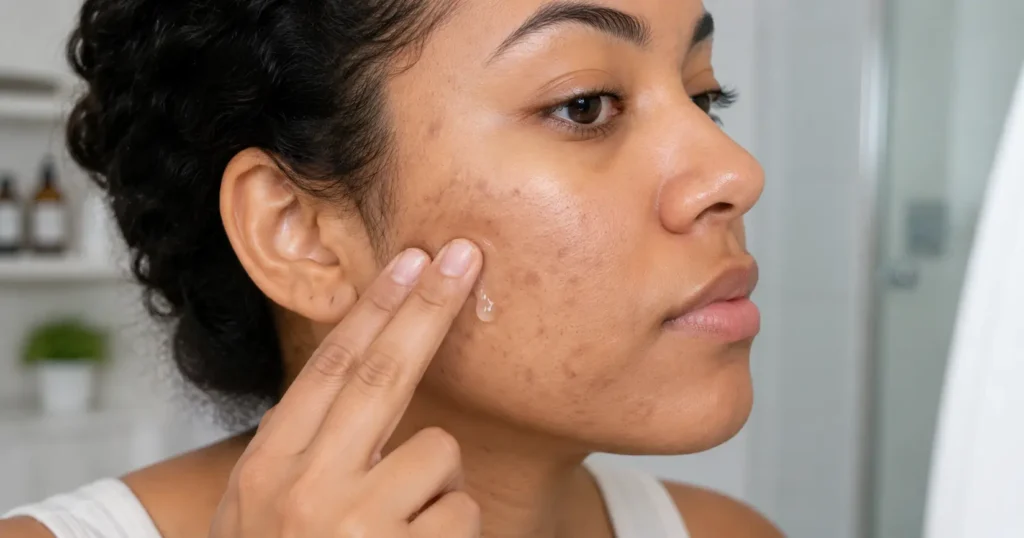
Salicylic acid is oil-soluble and helps loosen dead surface cells and material within clogged pores. The American Academy of Dermatology includes topical salicylic acid among conditionally recommended acne treatments and notes that it can help whiteheads and pimples. It is especially relevant when flat marks occur alongside blackheads, whiteheads, oily congestion, or mild recurring blemishes.
The logic behind how to use salicylic acid for acne marks is partly preventive: fewer inflamed blemishes can mean fewer new marks. It is not among the strongest established treatments for existing PIH. Reviews suggest professional salicylic peels may help selected cases, but studies are too small to promise that a home product will erase discoloration.
Salicylic acid may be a poor starting choice when skin is very dry, sunburned, broken, actively inflamed from eczema, or already stinging from other products. Deep, painful nodules or cysts also deserve a dermatologist’s attention because they carry a higher risk of scarring.
Choosing the Right Salicylic Acid Product
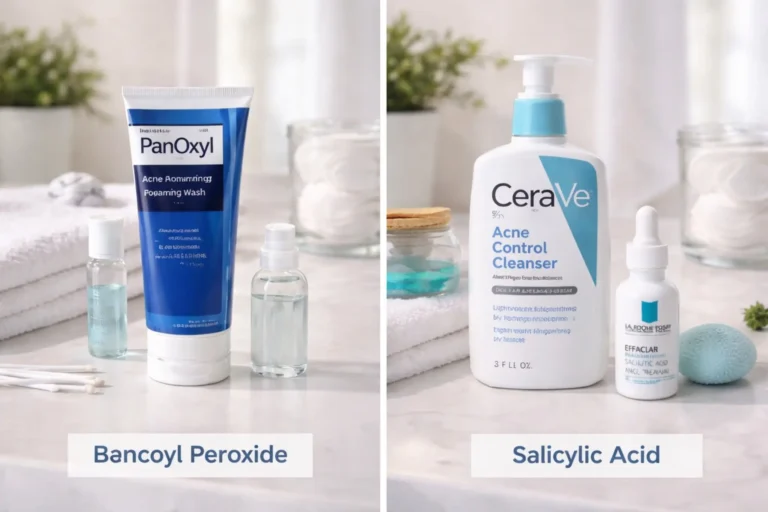
Knowing how to use salicylic acid for acne marks includes choosing one format. A cleanser has brief contact and may be easier to tolerate. A leave-on liquid, gel, lotion, or moisturizer provides longer exposure and may be more irritating.
| Product type | Practical advantage | Main limitation |
|---|---|---|
| Rinse-off cleanser | Short contact; may suit beginners or people prone to dryness | Less sustained exfoliation; still cannot repair scars |
| Leave-on liquid, gel, or serum | Longer contact and easy application over acne-prone areas | Greater potential for dryness, stinging, or product stacking |
| Moisturizer with salicylic acid | Combines hydration and an acne active in one step | Other ingredients and overall formula still determine tolerance |
| Professional chemical peel | Controlled, stronger surface treatment for selected patients | Requires trained supervision and has burn and pigment-change risks |
Read the label before looking at the percentage
FDA rules permit salicylic acid at 0.5% to 2% in over-the-counter products marketed as acne drugs. Percentage alone does not predict how your skin will react: the product’s vehicle, pH, contact time, other ingredients, and your skin barrier also matter.
When learning how to use salicylic acid for acne marks, check the Drug Facts panel or directions for where and how often to apply it. Avoid high-strength home peels; the FDA warns that unsupervised chemical peels can cause serious burns, infection, pigment changes, and scars.
If you are deciding how to use salicylic acid for acne marks for the first time, a single clearly labeled product is easier to evaluate than a cleanser, toner, serum, spot treatment, and lotion used together.
How to Use Salicylic Acid for Acne Marks Step by Step
The safest approach to how to use salicylic acid for acne marks is to confirm that the skin is intact, test the product on a small area, and follow its label. Introduce only one new active product, support the skin with moisturizer, and use broad-spectrum sunscreen. Reduce or stop use if persistent irritation develops.
1. Check the treatment area
Apply the product only where its label permits. Do not place it on an open pimple, picked skin, a cut, sunburn, or an area with active dermatitis. Avoid the eyes, lips, and other sensitive surfaces.
2. Test a small area first
Patch testing is part of how to use salicylic acid for acne marks safely. The FDA advises testing a beta hydroxy acid product on a small area before wider use. Some OTC labels suggest testing one or two affected spots for three days. Do not expand use after persistent stinging, significant redness, swelling, or another concerning reaction.
3. Cleanse gently
Use lukewarm water and a mild, non-comedogenic cleanser. Wash with your fingertips, then pat dry. If salicylic acid is in the cleanser, follow its rinse-off directions rather than adding a second medicated wash.
4. Use one salicylic acid product as directed
Apply the labeled amount in the labeled area. Many acne treatments are designed for a thin layer over acne-prone skin rather than a thick dab on each visible mark, but directions differ by formulation. More product will not make pigment fade faster and can increase inflammation.
5. Add a simple moisturizer
Choose a fragrance-free or low-irritant, non-comedogenic moisturizer that suits your skin. Moisturizer does not cancel the acne treatment. It can reduce dryness and support the barrier, making consistent use more realistic.
6. Protect the area every morning
Use a broad-spectrum, water-resistant sunscreen with SPF 30 or higher when outdoors. A non-comedogenic formula is less likely to contribute to clogged pores. For visible-light-related pigmentation, especially in medium to deep skin tones, a tinted sunscreen containing iron oxides may provide additional protection.
7. Track the correct outcomes
Judge how to use salicylic acid for acne marks by three separate changes: new breakouts, skin tolerance, and the color of older marks. Take an occasional photo in the same lighting. Daily mirror checks can make slow pigment changes difficult to recognize.
How Often Should You Use Salicylic Acid?
There is no universal schedule for how to use salicylic acid for acne marks. Follow the directions on your specific cleanser or leave-on product. FDA labeling for OTC acne treatments generally instructs users to begin cautiously and reduce frequency if bothersome dryness or peeling occurs.
Do not assume daily use is necessary. A rinse-off cleanser and a leave-on liquid create different exposure, while dry or reactive skin may tolerate less than oily skin. If your product’s directions allow gradual introduction, increase only when your skin remains comfortable and the extra use is needed.
Signs that the current schedule is too aggressive include persistent stinging, redness, tightness, cracking, excessive peeling, or worsening sensitivity. Scaling back is not failure; protecting the barrier can prevent inflammation from creating darker marks.
A Simple Morning and Evening Routine
A routine for how to use salicylic acid for acne marks does not need many steps. Consistency and tolerance matter more than the number of active ingredients.
Morning
- Wash with a gentle cleanser, or use your salicylic acid cleanser if its label and your tolerance support morning use.
- Apply a non-comedogenic moisturizer when needed.
- Finish with broad-spectrum, water-resistant SPF 30 or higher before outdoor exposure.
Reapply sunscreen as directed, especially after swimming or sweating. Sunscreen helps keep pigmentation from becoming darker, but it is not an instant fading treatment.
Evening
- Remove makeup and sunscreen gently.
- Cleanse without scrubbing.
- Use the salicylic acid product according to its instructions.
- Apply moisturizer.
If a leave-on formula stings when applied to damp skin, allow the face to dry fully first unless the label says otherwise. Do not add extra applications because you missed a previous one.
Can You Combine It With Other Acne Ingredients?
How to use salicylic acid for acne marks becomes more complicated when a routine already contains a retinoid, benzoyl peroxide, glycolic or lactic acid, a scrub, or an alcohol-heavy astringent. These products are not universally forbidden together, but combined irritation can outweigh any benefit.
Introduce one active at a time. If a clinician has prescribed adapalene, tretinoin, or another acne treatment, follow that plan instead of rearranging it around generic advice. Product labels for some prescription retinoids specifically caution that salicylic acid may increase irritation.
Depending on the products, separating actives into different routines or different days may improve tolerance. A dermatologist can help if you need several treatments for active acne and pigmentation. Do not use a professional-strength peel as another routine step.
How to Use Salicylic Acid for Acne Marks With Sunscreen
Any responsible explanation of how to use salicylic acid for acne marks must include sun protection. UV exposure can deepen or prolong PIH, while visible light can also contribute to pigmentation in some skin tones. The FDA advises sun protection when using beta hydroxy acid cosmetics.
Choose broad-spectrum SPF 30 or higher and follow its directions for application and reapplication. Look for “non-comedogenic” or “won’t clog pores.” A tinted formula with iron oxides may help protect against visible light, but the best sunscreen is one you can apply consistently and comfortably.
Sunscreen prevents additional darkening; it does not guarantee complete fading. Hats, shade, and avoiding intentional tanning provide added protection.
Signs You May Be Over-Exfoliating
Burning is not evidence that the product is removing marks. If how to use salicylic acid for acne marks has turned into a cycle of peeling and recovery, the routine is too aggressive.
Watch for:
- Persistent burning or stinging
- Increasing redness or warmth
- Tight, shiny, or unusually tender skin
- Cracking or heavy flaking
- Products that previously felt comfortable suddenly hurting
- New darkening after irritation
- More inflamed breakouts
Reduce or stop the salicylic acid according to the label and use a gentle cleanser and moisturizer. Contact a healthcare professional for severe or persistent irritation. Seek urgent care for trouble breathing, facial swelling, faintness, or another sign of a serious allergic reaction. Severe pain, blistering, or a suspected chemical burn also requires prompt medical advice.
Common Mistakes That Delay Improvement
Avoiding preventable errors is another part of how to use salicylic acid for acne marks safely:
- Using several salicylic products together: Total exposure matters even when each item looks mild.
- Scrubbing away pigment: PIH is not surface dirt, and friction can create more inflammation.
- Picking active pimples: Squeezing increases inflammation and the risk of marks and scars.
- Skipping moisturizer: Oily skin can still become dehydrated and irritated.
- Skipping sunscreen: Light exposure can work against improvement in dark marks.
- Changing products every few days: Acne treatments need time, and rapid changes hide the cause of irritation.
- Treating pits like dark spots: A topical exfoliant cannot lift a structural depression.
- Using concentrated peel solutions at home: Higher strength increases injury risk and does not make an unsuitable treatment appropriate.
When Should You Expect Results?
Realistic timing is part of understanding how to use salicylic acid for acne marks. According to the AAD, acne improvement may become noticeable after four to six weeks, while fuller clearing can take two to three months or longer. That timeline describes acne control, not guaranteed fading of every old mark.
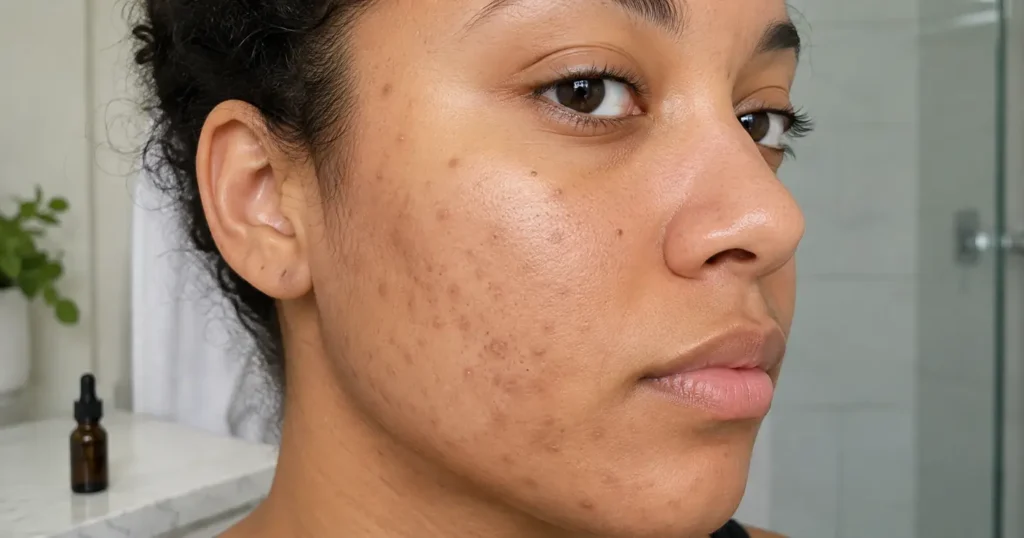
PIH often improves gradually over months after the inflammation is controlled. Deeper pigment can last longer. Skin tone, pigment depth, continuing breakouts, sun exposure, picking, and irritation all affect the course. PIE follows a different process and may not respond to salicylic acid.
Do not increase applications because a mark looks unchanged after a week. Compare monthly photographs taken at the same distance and in similar lighting. If acne is improving but the color remains, a more pigment-focused ingredient may be appropriate.
When Salicylic Acid Is Not Enough
Knowing how to use salicylic acid for acne marks also means recognizing when it is the wrong tool. See a dermatologist when you have:
- Deep, painful, nodular, or cystic acne
- Acne that is rapidly worsening or leaving scars
- Indented or raised scars
- Persistent red, purple, brown, or gray areas with an uncertain cause
- Darkening despite gentle care and sun protection
- Significant distress related to acne or its marks
- No improvement after consistent, correctly used OTC care
Depending on the diagnosis, a clinician may consider azelaic acid, a topical retinoid, another prescription pigment treatment, or a procedure. PIE may need a vascular-focused approach. Pitted scars may require microneedling, subcision, laser treatment, filler, focal chemical reconstruction, or a combination plan.
Pregnancy, Breastfeeding, and Other Precautions
Ask an obstetric clinician or dermatologist how to use salicylic acid for acne marks during pregnancy or breastfeeding. The AAD states that limited use during pregnancy is generally considered safe but recommends discussing it with a clinician. High-dose, widespread, or professional-strength exposure deserves particular caution.
Individual advice is also important if you have a salicylate allergy, a chronic skin condition, damaged skin, or prescription acne treatment. Avoid applying the product over a large area unless its label or your clinician specifically directs that use. Keep topical products away from children.
Frequently Asked Questions
Can I use salicylic acid on acne marks every day?
Daily use may suit some products and skin types, but it is not necessary or tolerable for everyone. How to use salicylic acid for acne marks depends on the specific label, product format, other active ingredients, and your response. Reduce frequency or stop if bothersome dryness, persistent stinging, redness, or peeling develops.
Should I apply salicylic acid before or after moisturizer?
How to use salicylic acid for acne marks around moisturizer depends on the product instructions. Many leave-on treatments go after cleansing and before moisturizer, while a salicylic acid moisturizer combines both steps. If sensitivity is a concern, ask whether applying moisturizer first fits your formula and treatment plan.
Can I use salicylic acid and a retinoid in the same routine?
Sometimes, but the combination can increase dryness and irritation. If a prescription retinoid is involved, follow its label and your clinician’s instructions. When learning how to use salicylic acid for acne marks, avoid introducing both products simultaneously; separating them may help, but the best schedule depends on the formulas and your skin.
How long does salicylic acid take to fade dark acne marks?
How to use salicylic acid for acne marks cannot create a guaranteed timeline. Acne may improve after several weeks, while PIH commonly changes over months. Evidence is stronger for unclogging pores than fading pigment. Breakouts, sunlight, picking, pigment depth, and irritation can extend the process.
Will salicylic acid improve pitted acne scars?
How to use salicylic acid for acne marks changes when the concern is a pit: salicylic acid cannot fill it or release tethering. A dermatologist should identify whether the scar is rolling, boxcar, or ice-pick before recommending a procedure. More acid will not turn surface exfoliation into deep repair.
Build a Routine Your Skin Can Tolerate
The central lesson in how to use salicylic acid for acne marks is simple: confirm that the concern is a flat mark, choose one appropriate product, follow its label, moisturize, and protect your skin from the sun. Preventing irritation and new acne is more useful than forcing rapid peeling. Ask a dermatologist about persistent discoloration, severe acne, or any indented or raised scar.
This article is for educational purposes and is not a diagnosis or a substitute for care from a qualified healthcare professional.
References:
- American Academy of Dermatology Association. “Acne: Diagnosis and Treatment.” https://www.aad.org/public/diseases/acne/derm-treat/treat
- American Academy of Dermatology Association. “American Academy of Dermatology Issues Updated Guidelines for the Management of Acne.” https://www.aad.org/news/updated-guidelines-acne-management
- American Academy of Dermatology Association. “How to Fade Dark Spots in Darker Skin Tones.” https://www.aad.org/public/everyday-care/skin-care-secrets/routine/fade-dark-spots
- American Academy of Dermatology Association. “10 Tips for Clearing Acne in Darker Skin Tones.” https://www.aad.org/public/diseases/acne/diy/skin-color
- American Academy of Dermatology Association. “Is Any Acne Treatment Safe to Use During Pregnancy?” https://www.aad.org/public/diseases/acne/derm-treat/pregnancy
- U.S. Food and Drug Administration. “Beta Hydroxy Acids.” https://www.fda.gov/cosmetics/cosmetic-ingredients/beta-hydroxy-acids
- U.S. Food and Drug Administration. “Topical Acne Drug Products for Over-the-Counter Human Use.” https://www.fda.gov/media/80442/download
- U.S. Food and Drug Administration. “FDA Warns Against Purchasing or Using Chemical Peel Skin Products Without Professional Supervision.” https://www.fda.gov/drugs/drug-alerts-and-statements/fda-warns-against-purchasing-or-using-chemical-peel-skin-products-without-professional-supervision
- Mar K, et al. “Treatment of Post-Inflammatory Hyperpigmentation in Skin of Colour: A Systematic Review.” https://pmc.ncbi.nlm.nih.gov/articles/PMC11514325/