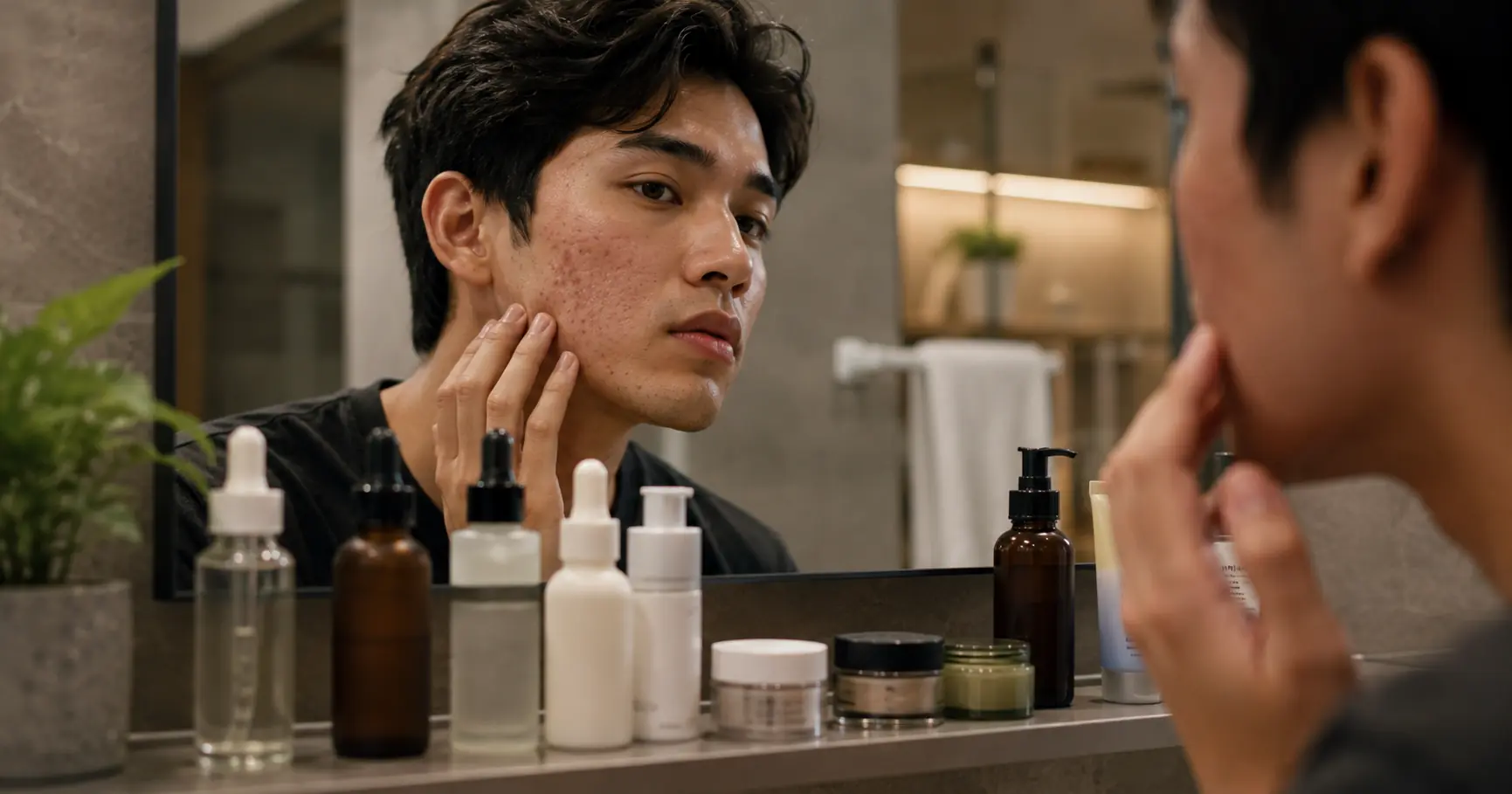
Top Products for Acne Scars That Actually Help Improve Skin Texture
Getting acne under control can feel like a huge relief, but many people find that the next problem sticks around much longer. Dark marks, red spots, rough patches, and uneven texture can stay on the skin long after the breakout is gone. That is why so many people start looking for products for acne scars once active acne begins to settle.
The hard part is knowing what to buy. There are serums, creams, exfoliants, retinoids, moisturizers, and spot-fading products, and they do not all do the same job. Some products for acne scars are better for dark marks, some are better for redness, and some are more useful for rough texture.
The most helpful products for acne scars usually include brightening serums, retinoids, exfoliating treatments, barrier-supporting moisturizers, and daily sunscreen. They can improve the look of post-acne marks and mild texture over time, but deeper scars often need professional treatment for more noticeable change.
Table of Contents
First, Know What Kind of Acne Scar You Have
Before buying anything, it helps to know what you are actually trying to improve. Many people call every leftover mark a scar, but there is an important difference between discoloration and true textural scarring.
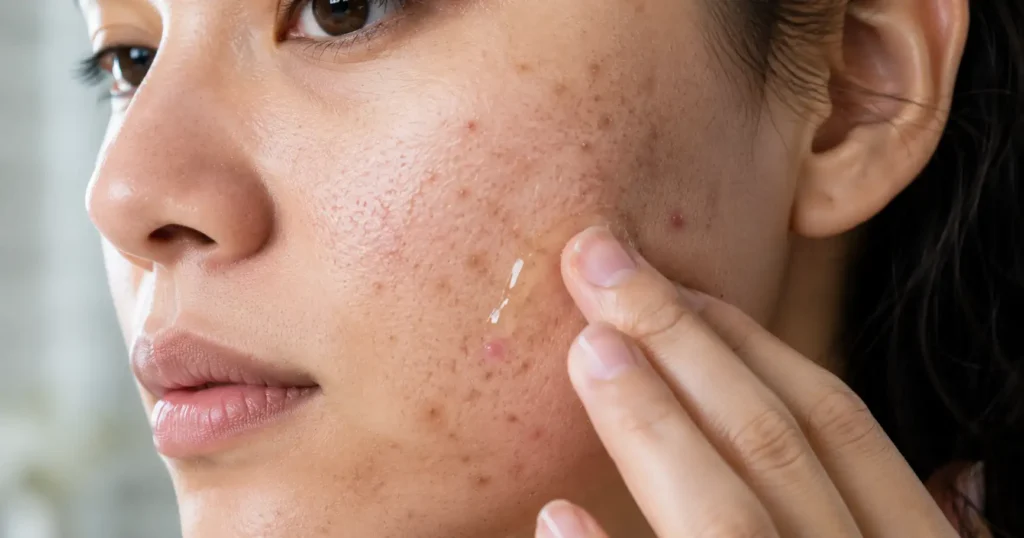
Flat acne marks are not the same as indented scars
Flat marks are usually the easiest concern to treat with products for acne scars. These marks may look:
- Brown or gray-brown
- Pink or red
- Slightly purple in some skin tones
These are often called post-acne marks. They are common after inflammation and can usually improve with time and the right routine.
True acne scars are different. They affect the texture of the skin and can include:
- Ice pick scars
- Boxcar scars
- Rolling scars
- Raised scars in some cases
Most over-the-counter products for acne scars can help the surface look smoother and more even, but they usually do not fully correct deep pitted scars.
Main post-acne concerns people shop for
People usually start searching for products for acne scars because of one or more of these concerns:
- Dark marks left after pimples
- Red or pink spots that linger
- Rough skin texture
- Skin that feels bumpy or uneven
- Enlarged-looking pores
- Shallow textural scarring
- Sensitive acne-scarred skin
Why skin texture takes longer to improve
Discoloration often fades faster than texture. That is because texture is not only about the skin surface. It also involves skin renewal and how the skin healed after inflammation. Some products for acne scars can improve the overall look of roughness, but visible texture changes often take longer and may not be dramatic without in-office treatment.
That does not mean skincare is useless. It simply means expectations should stay realistic. Good products can support smoother-looking skin, better tone, and a healthier skin barrier, which often makes acne scars look less obvious.
What Makes Products for Acne Scars Worth Buying?
Not every product marketed for acne scars is worth your money. The best products for acne scars usually do three things: they target the right concern, they fit acne-prone skin, and they are easy to use consistently.
The product should match the scar concern
Different concerns need different ingredients.
- Dark marks respond best to brightening ingredients
- Red marks often need calming and tone-evening support
- Rough texture usually needs retinoids or controlled exfoliation
- Ongoing acne needs treatment too, or new marks will keep forming
This is why one person’s favorite best serum for acne scars may not work well for someone else.
The formula should fit acne-prone skin
The best products for acne scars should not create new breakouts while trying to fix old ones. Look for formulas that are:
- Lightweight when possible
- Suitable for acne-prone skin
- Fragrance-free if your skin is sensitive
- Not overly greasy or heavy
The product should be easy to use consistently
Harsh routines often fail because people cannot tolerate them for long. A simple routine with a few well-chosen products for acne scars usually works better than a crowded routine full of strong actives.
Top Products for Acne Scars That Help Improve Skin Texture
There is no single best category for everyone, so it helps to understand what each type of product can do.
1. Retinoid treatments for uneven texture
Retinoids are among the most useful products for acne scars when texture is the main concern. This group includes retinol, retinal, and adapalene. They support skin renewal and can help improve the look of rough, uneven skin over time.
These are especially helpful if you still deal with mild breakouts because they may also help prevent new post-acne marks. The downside is that they can cause dryness, flaking, and irritation at first, so they need to be introduced slowly.
2. Vitamin C serums for dark acne marks
A vitamin C serum is a strong choice for brown marks and dull-looking skin. It is one of the most popular products for acne scars because it helps brighten uneven tone and can fit easily into a morning routine.
If you are mainly searching for the best serum for acne scars related to dark spots, vitamin C is often a good place to start. It works best when paired with daily sunscreen.
3. Niacinamide serums for redness, oil, and barrier support
Niacinamide is one of the most flexible ingredients in skincare for acne scarred skin. It can help with uneven tone, visible pores, excess oil, and barrier support. It is also often easier to tolerate than stronger actives.
For people with sensitive or oily skin, niacinamide-based products for acne scars can be a very practical option.
4. Azelaic acid products for red and brown marks
Azelaic acid is a great middle-ground option. It can help with both redness and discoloration, and many acne-prone people tolerate it well. It is also useful when the skin still breaks out from time to time.
Among over-the-counter products for acne scars, this is one of the most balanced choices for people who want one product that addresses several issues at once.
5. Tranexamic acid treatments for stubborn discoloration
When dark marks seem slow to fade, tranexamic acid can be helpful. It is often included in brightening formulas designed for uneven tone and lingering post-acne discoloration.
If stubborn pigment is your main issue, this can be one of the more targeted products for acne scars to consider.
6. Alpha arbutin products for pimple marks
Alpha arbutin is commonly used for post-pimple spots. It is often chosen by people who want brightening support without using something too harsh. If your “scars” are really flat dark marks, this may be a very good best product for pimple scars.
7. Glycolic acid exfoliants for rough surface texture
Glycolic acid can help loosen dull surface buildup and improve the look of roughness. This makes it one of the more useful products for acne scars when the skin feels uneven or looks tired.
That said, it is easy to overuse glycolic acid. Too much can leave skin irritated, which may make marks look worse rather than better.
8. Lactic acid products for dry or sensitive texture
If you want exfoliation but do not tolerate stronger acids well, lactic acid may be a better fit. It is often gentler than glycolic acid and can be useful for dry or sensitive skin.
Some people who do not do well with a strong pimple scar treatment cream find that a mild lactic acid product gives them smoother-looking skin with less irritation.
9. Mandelic acid products for acne-prone sensitive skin
Mandelic acid is another exfoliating option that can be helpful for acne-prone skin. Because it tends to be gentler, it is often a good choice for people who want products for acne scars but worry about overdoing it.
10. Peptide serums and creams for skin support
Peptides are not the first thing people think of when shopping for products for acne scars, but they can still be helpful. They support the skin barrier and can improve the overall look of stressed, tired skin.
They are not a replacement for texture-focused actives, and they will not fill deep scars, but they can make the skin feel healthier and more resilient.
11. Ceramide moisturizers for repairing the skin barrier
A lot of people focus so much on treatment that they forget about the barrier. A ceramide moisturizer is one of the most underrated products for acne scars, especially if your skin gets dry, flaky, or irritated from active ingredients.
Strong actives work better when the skin barrier is healthy. This is a key part of skincare for acne scarred skin that many people overlook.
12. Sunscreen as a must-have acne scar product
Sunscreen is not optional if you are trying to fade marks. UV exposure can make post-acne discoloration darker and slower to improve. That means sunscreen is one of the most important products for acne scars, even if it does not sound exciting.
Without daily sun protection, many other treatments simply will not give their best results.
13. Acne marks removal cream for discoloration support
An acne marks removal cream can be helpful if your main concern is leftover discoloration. These creams often focus on brightening or soothing ingredients. They may help marks look less noticeable over time, but “removal” is often an overstatement.
As with many products for acne scars, improvement is usually gradual rather than dramatic.
14. Pimple scar treatment cream for dry or irritated skin
A pimple scar treatment cream may be useful when the skin needs more moisture and support. Cream formulas are often better for dry or irritated skin than thin serums. They can also be a good choice if your routine already includes strong actives and you want something gentler.
15. Professional-grade or dermatologist-directed products
Some products for acne scars are stronger and may come from a dermatologist. These can include prescription retinoids, stronger pigment treatments, or other medical options. They may be worth discussing if your marks are stubborn or your texture is more severe.
Best Products for Acne Scars by Concern
The easiest way to shop is to match the product type to your main concern.
If you have dark brown marks
Look for:
- Vitamin C
- Tranexamic acid
- Alpha arbutin
- Azelaic acid
- Niacinamide
- Daily sunscreen
These products for acne scars are usually most helpful when your biggest issue is discoloration rather than deep texture.
If you have red or pink marks
Look for:
- Azelaic acid
- Niacinamide
- Centella asiatica
- Panthenol
- Barrier-repair moisturizer
- Gentle sunscreen
This kind of routine supports calmer-looking skin and may help lingering redness fade more comfortably.
If you have rough texture
Look for:
- Retinoids
- Glycolic acid
- Lactic acid
- Mandelic acid
- Peptides
- Moisturizer
These are the most texture-focused products for acne scars, though they still may not fully treat deeper pitted scarring.
If you still get active breakouts
Look for:
- Adapalene
- Salicylic acid
- Benzoyl peroxide when appropriate
- Non-comedogenic moisturizer
- Sunscreen
This matters because the best way to stop new scar marks is to reduce new acne.
How to Build a Routine With Products for Acne Scars
A smart routine does not need to be complicated. In fact, simple routines often work better because they are easier to stick with.
Morning routine for acne marks and texture
A basic morning routine can look like this:
- Gentle cleanser
- Brightening or calming serum
- Lightweight moisturizer
- Broad-spectrum sunscreen
If your main issue is dark marks, morning is a good time to use products like vitamin C or niacinamide.
Night routine for texture improvement
A night routine may look like this:
- Gentle cleanser
- Retinoid or exfoliant on selected nights
- Moisturizer
If you are using stronger products for acne scars, avoid layering too many active ingredients together at first. For example, do not use retinol, glycolic acid, and another strong exfoliant all on the same night unless your skin handles that well.
Weekly routine tips
- Take rest nights if your skin feels irritated
- Do not exfoliate every day unless your skin clearly tolerates it
- Watch for burning, stinging, flaking, or unusual redness
- Add one new product at a time
Serum, Cream, or Treatment: Which Product Type Should You Choose?
When a serum is the better choice
A serum is often best if you want a lightweight product with a more targeted active ingredient. Many people searching for the best serum for acne scars want something easy to layer under moisturizer and sunscreen. Serums are often a good fit for oily and acne-prone skin.
When a cream is the better choice
A cream may be better if your skin is dry, easily irritated, or already using strong actives. Creams often provide more comfort and barrier support. Some people do better with a pimple scar treatment cream or acne marks removal cream than with a stronger serum.
When a treatment product is better
If you still get active breakouts, or if your texture feels stubborn, a treatment product like adapalene may make more sense. Sometimes the best products for acne scars are the ones that also reduce future acne.
Common Mistakes When Buying Products for Acne Scars
It is easy to spend money on products that do not match your skin’s needs.
Buying based on the word “scar” alone
A label can say “scar” and still not be right for your concern. The ingredient list matters more than the marketing.
Using too many products at the same time
More is not always better. Too many products for acne scars can irritate your skin and make it harder to tell what is actually helping.
Skipping sunscreen
This is one of the biggest mistakes. If you are not wearing sunscreen, dark marks can stay longer, and many treatments become less effective.
Expecting deep scars to disappear with skincare
Even very good products for acne scars have limits. They can help the skin look smoother and more even, but deep indented scars often need procedures for meaningful change.
Ignoring active acne
If you keep getting breakouts, you may keep getting new marks. Acne control should still be part of your routine.
How Long Do Products for Acne Scars Take to Work?
Results depend on the type of concern and the product you choose.
Dark marks
Dark marks often take several weeks to months to improve. Consistency matters more than constantly switching products.
Red marks
Red marks may also take time. Gentle care, patience, and sun protection are important.
Rough texture
Texture usually improves more slowly than discoloration. Retinoids and exfoliating products for acne scars may help, but visible changes are often gradual.
Deep indented scars
These usually do not respond dramatically to skincare alone. A dermatologist may recommend in-office treatment if the scars are deeper or more severe.
When to See a Dermatologist
Sometimes over-the-counter care is not enough. It may be time to get professional help if you have:
- Deep indented scars
- Raised scars
- Painful or cystic acne
- Frequent recurring breakouts
- Dark marks that do not improve after steady care
- Strong irritation from multiple products
A dermatologist may talk with you about:
- Microneedling
- Chemical peels
- Laser treatments
- Subcision
- Prescription retinoids
- Fillers for selected scars
- Steroid injections for raised scars
Simple Buying Checklist Before You Choose
Before you buy new products for acne scars, run through this quick checklist:
Check the main active ingredient
Make sure it matches your main concern.
Check your skin type
Think about whether your skin is oily, dry, combination, sensitive, or very acne-prone.
Check irritation risk
Look out for heavy fragrance, strong alcohol-heavy formulas, or too many actives in one routine.
Check how it fits your current routine
Avoid piling on duplicate ingredients if you already use similar products.
Patch test before full use
Apply a small amount first and watch for burning, swelling, rash, or worsening irritation.
Final Thoughts on Choosing Products for Acne Scars
The best products for acne scars depend on what you are trying to improve. Dark marks, red spots, rough texture, and pitted scars do not respond the same way, so the right product for one person may not be the right one for another.
If you want better results, keep your routine simple. Pick one or two targeted products for acne scars, use them consistently, and do not skip sunscreen. Over time, that steady approach often works better than chasing every new product trend. And if your scars are deep, stubborn, or affecting your confidence in a major way, talking to a dermatologist can help you figure out the next step.
FAQ:
1. What products for acne scars work best for rough texture?
The best products for acne scars for rough texture usually include retinoids, glycolic acid, lactic acid, or mandelic acid. These ingredients help support skin renewal and smoother-looking skin. For deeper texture changes, over-the-counter products may help only a little, and professional treatment may be needed.
2. Can products for acne scars remove dark marks completely?
Some products for acne scars can fade dark marks very well, but results vary from person to person. Products with vitamin C, azelaic acid, tranexamic acid, alpha arbutin, or niacinamide may help improve discoloration over time. Daily sunscreen is also important because sun exposure can keep marks visible for longer.
3. Is a serum or cream better for acne scars?
It depends on your skin type and concern. A serum is often better if you want lightweight, targeted treatment, especially if you are looking for the best serum for acne scars. A cream may be better if your skin is dry, sensitive, or irritated and needs more barrier support.
4. How long should I use acne scar products before changing them?
Most products for acne scars need at least 6 to 12 weeks of regular use before you can judge them fairly. Some texture-focused products may take longer. If the product causes strong irritation, or if you see no improvement after a reasonable trial, it may be time to reassess your routine.
5. When should I stop using a product for acne scars?
You should stop using a product if it causes ongoing burning, swelling, rash, peeling that does not improve, or worsening breakouts. Even good products for acne scars are not right for every skin type. If irritation is severe or persistent, it is best to stop the product and consider getting advice from a dermatologist.