Salicylic Acid and Acne Treatment: Benefits and Best Uses for Clearer Skin
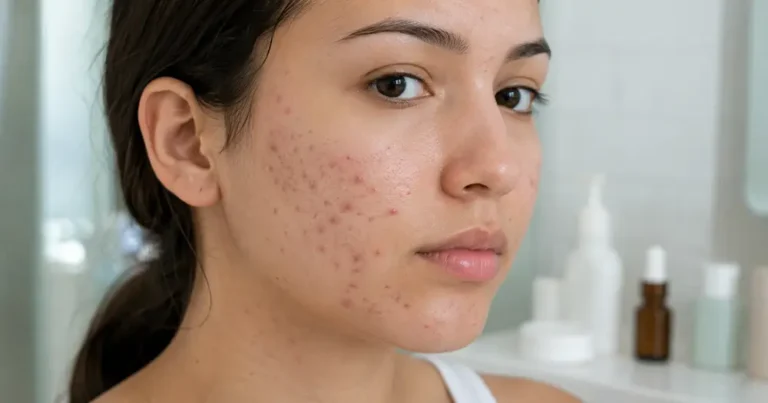
The connection between salicylic acid and acne treatment is strongest when breakouts involve blackheads, whiteheads, oily areas, and recurring clogged pores. This beta hydroxy acid helps loosen dead skin cells inside follicles. It can improve mild acne, but it will not clear every inflamed pimple or control deep nodules and cysts by itself.
Format matters as much as percentage. A cleanser offers short contact; a leave-on liquid provides longer exposure and can irritate more. This guide compares both, five available products, and benzoyl peroxide. Recommendations rely on current labels and formulas, not personal testing or guaranteed results.
Table of Contents
How Salicylic Acid Works on Acne-Prone Skin
Salicylic acid is a beta hydroxy acid (BHA) and a keratolytic ingredient. In plain language, it helps loosen and shed dead cells that can collect with oil inside a hair follicle. Clearing that material makes it harder for a blackhead or whitehead to remain plugged.
That action explains the role of salicylic acid and acne treatment for comedonal acne. It does not work primarily by killing acne-associated bacteria. It also cannot permanently shrink pores; a cleared follicle may simply look less noticeable once oil and debris are reduced.
Evidence for salicylic acid and acne treatment earned a conditional recommendation in the American Academy of Dermatology’s 2024 guideline. It is a reasonable option for many people, but the best choice varies with acne type, sensitivity, other treatments, and preference.
What Are the Benefits of Salicylic Acid for Acne?
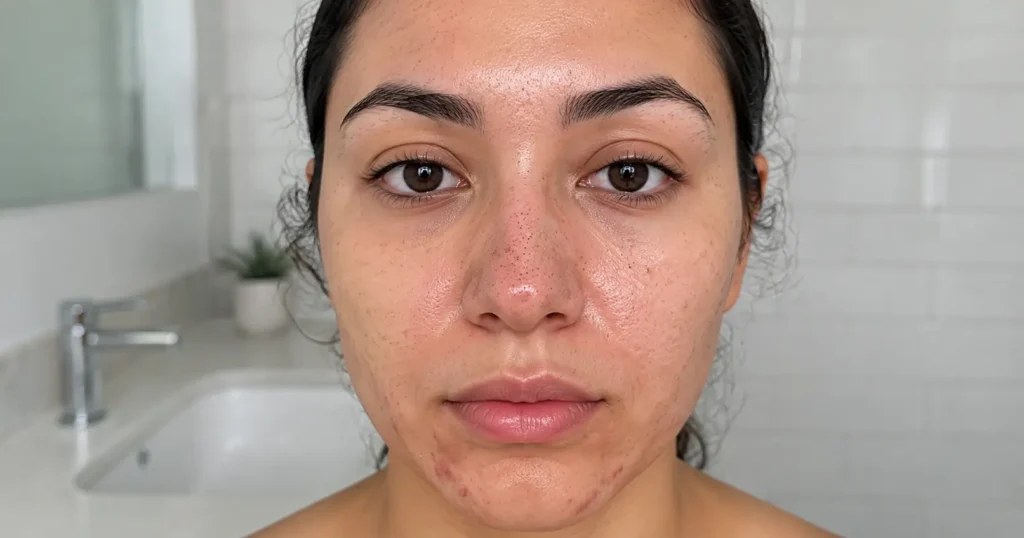
The main benefit of salicylic acid and acne treatment is clearing clogged pores, especially blackheads and whiteheads. It may reduce surface oiliness and help prevent congestion when used consistently. It is not a cure and is usually insufficient for deep, painful, scarring, or widespread inflammatory acne.
Useful roles for salicylic acid and acne treatment include:
- Treating a blackhead-prone nose, chin, or forehead.
- Reducing recurring whiteheads across an acne-prone area.
- Managing mild facial pimples when the product is tolerated.
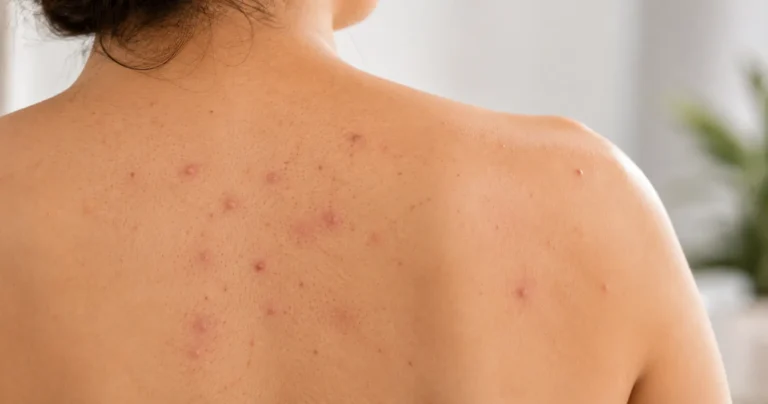
- Washing acne-prone skin on the chest, shoulders, or upper back with a product labeled for body use.
- Supporting an acne plan that uses a different active for another cause of breakouts.
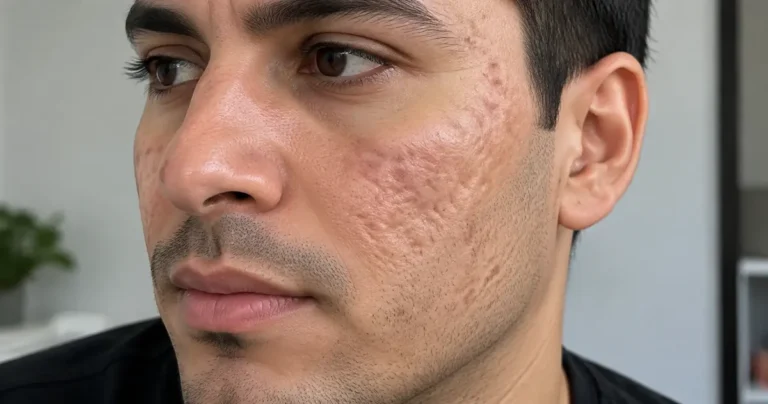
Salicylic acid can help prevent the clogged pores that start some blemishes, but it does not remove established indented or raised scars. Preventing new acne may reduce the chance of future marks; treating scars that already exist is a separate goal.
Salicylic Acid and Acne Treatment: Who Is Most Likely to Benefit?
Oily skin with visible blackheads and whiteheads is the clearest match. Combination skin may benefit from applying a leave-on product only to a congested T-zone or using a wash across the face. Skin does not need to feel squeaky-clean for the product to work.
The balance between salicylic acid and acne treatment is less straightforward when skin is dry, reactive, or already peeling from adapalene, tretinoin, benzoyl peroxide, or another medication. A rinse-off formula used less often may be easier to tolerate, but the label and prescriber’s directions should guide use.
The limits of salicylic acid and acne treatment become clear with deep nodules, cysts, rapidly worsening acne, or scarring. These situations need a dermatologist’s evaluation, not a stronger exfoliant.
Salicylic Acid Cleanser vs Leave-On Treatment
No format makes salicylic acid and acne treatment automatically better. Choose according to tolerable exposure and where acne appears.
| Format | Best suited to | Main advantage | Main limitation |
|---|---|---|---|
| Cleanser or wash | Beginners, oily skin, larger facial or body areas | Short contact time may reduce irritation | Rinsing limits exposure |
| Leave-on liquid, gel, or lotion | Persistent blackheads and recurring congestion | Longer contact with the acne-prone area | More likely to dry or sting |
| Spot treatment | One or two small, superficial blemishes | Easy to limit to a small area | Does little to prevent nearby clogged pores |
| Body wash or spray | Back, chest, and shoulder acne | Easier application over a larger area | May not control deep or widespread body acne |
For a first attempt at salicylic acid and acne treatment, a cleanser is often the simpler option. Massage it gently with your fingertips and rinse as directed. Brushes, grainy scrubs, and rough washcloths add friction without making the active ingredient work better.
A leave-on formula may suit stubborn congestion, but do not pair it automatically with an acid toner, peel, scrub, and medicated cleanser. More exfoliation can mean more inflammation. Spot products may help one superficial blemish, although area treatment is more logical for prevention.
How to Choose a Salicylic Acid Product
For salicylic acid and acne treatment, start with the Drug Facts panel on an OTC acne medication. The current US monograph permits 0.5% to 2% salicylic acid. Two percent is not automatically twice as effective as 1%; vehicle and contact time matter.
When shopping for salicylic acid and acne treatment, check these details:
- Format: A wash is less demanding than a leave-on treatment.
- Skin-type fit: Gel cleansers often suit oily skin; dry or reactive skin may prefer a less-stripping base.
- Fragrance: Fragrance-free is useful when scent irritates your skin.
- Other actives: Added AHAs, retinoids, benzoyl peroxide, scrubbing particles, or astringents may increase irritation.
- Acne-friendly labeling: Look for oil-free or noncomedogenic when relevant.
- Directions: Follow the package instead of copying another person’s routine.
Never use a wart or callus remover on facial acne. Those products can contain salicylic acid at concentrations and in vehicles designed for thick lesions, not pimples or normal facial skin.
Five Salicylic Acid Products Compared by Use Case
This salicylic acid and acne treatment shortlist covers different formats, not one universal winner. Formulas change, so confirm the package before buying.
| Product | Current format and active | Best fit | Important consideration |
|---|---|---|---|
| Neutrogena Oil-Free Acne Wash, Fragrance Free | Rinse-off face wash, 2% salicylic acid | A straightforward fragrance-free acne cleanser | A 2% wash can still dry sensitive skin |
| CeraVe Acne Control Cleanser | Gel-to-foam wash, 2% salicylic acid | Oily, blackhead-prone skin wanting ceramides and niacinamide | Hectorite clay and twice-daily label directions may be too drying for some users |
| La Roche-Posay Effaclar Medicated Gel Cleanser | Gel wash, 2% salicylic acid plus lipo-hydroxy acid | Oily skin seeking stronger oil-control positioning | Multiple exfoliating components may not suit reactive skin |
| Paula’s Choice Skin Perfecting 2% BHA Liquid | Leave-on 2% BHA exfoliant | Persistent congestion when a wash is not enough | Longer exposure increases dryness risk; check whether the package carries an OTC Drug Facts acne claim |
| Neutrogena Body Clear Body Wash | Body wash, 2% salicylic acid | Acne on the back, chest, and shoulders | A wash cannot replace medical care for painful or scarring body acne |
Best Fragrance-Free Acne Wash: Neutrogena Oil-Free Acne Wash
For fragrance-sensitive shoppers comparing salicylic acid and acne treatment, this oil-free 2% wash is a practical rinse-off choice. “Without over-drying” is a manufacturer claim, not a guarantee; follow Drug Facts directions and reduce use if irritation develops.
Best Cleanser With Ceramides: CeraVe Acne Control Cleanser
This 2% salicylic acid gel-to-foam cleanser also contains glycerin, niacinamide, three ceramides, and oil-absorbing hectorite clay. It is labeled noncomedogenic and free of added fragrance. Within salicylic acid and acne treatment, it makes the most sense for oily or congestion-prone skin that wants a rinse-off formula with barrier-supporting ingredients.
Best Oil-Control Cleanser: La Roche-Posay Effaclar Medicated Gel Cleanser
Within salicylic acid and acne treatment, Effaclar pairs 2% salicylic acid with lipo-hydroxy acid in a gel for oily, acne-prone skin. It targets excess oil and congestion but may be too active alongside another exfoliant or on peeling skin.
Best Leave-On Option: Paula’s Choice 2% BHA Liquid
This leave-on approach to salicylic acid and acne treatment provides longer exposure and may suit persistent blackheads. It is a cosmetic BHA exfoliant, so do not treat its claims as interchangeable with an OTC acne Drug Facts label. Introduce it without other new exfoliants.
Best Body-Acne Wash: Neutrogena Body Clear
For body-focused salicylic acid and acne treatment, Body Clear is an oil-free, noncomedogenic 2% wash labeled for the back, chest, and shoulders. It spreads more easily than spot gel. Deep, tender, extensive, or scarring body acne needs professional care.
How to Start Without Over-Irritating Your Skin
A good plan for salicylic acid and acne treatment starts with one active product—not a complete acid collection.
- Choose either a medicated cleanser or leave-on treatment.
- Follow its label, including frequency and areas to avoid.
- If your skin is sensitive, begin at the lowest label-permitted frequency rather than rushing to maximum use.
- Apply a fragrance-free, noncomedogenic moisturizer when your skin feels dry.
- Use a broad-spectrum, water-resistant SPF 30 or higher sunscreen during the day.
- Add no other new acne active until you know how your skin responds.
Mild dryness or brief stinging can occur, but persistent burning, marked redness, swelling, or peeling is a reason to stop or reduce use rather than “push through.” Skin of color may show irritation as purple, gray, dark brown, or increased discoloration rather than bright redness.
Can You Use Benzoyl Peroxide With Salicylic Acid?
Yes, salicylic acid and benzoyl peroxide can be part of the same acne plan because they target different processes, but using both at once can increase dryness and irritation. You do not have to layer them in the same session. Many people start one product first, then separate the ingredients by time of day or alternate them if their skin tolerates both.
The safest connection between salicylic acid and acne treatment involving benzoyl peroxide is a gradual one. For example, someone might use a salicylic cleanser at one time and a benzoyl peroxide product at another, following both labels. That is a general illustration, not a personalized schedule.
If a clinician prescribed another topical, follow those instructions before adding an OTC acid. People taking isotretinoin commonly have highly sensitive, dry skin and should not add salicylic acid without guidance from their dermatology team.
Benzoyl Peroxide vs Salicylic Acid
The better ingredient depends on the blemish type. Benzoyl peroxide reduces acne-associated bacteria and is often useful for inflamed pimples. Salicylic acid focuses more on clogged pores, making it particularly useful for blackheads and whiteheads.
| Feature | Salicylic acid | Benzoyl peroxide |
|---|---|---|
| Main action | Exfoliates and helps open clogged follicles | Reduces acne-associated bacteria and also helps with clogged pores |
| Often best for | Blackheads, whiteheads, oily congestion | Red, inflamed papules and pustules |
| OTC acne range | 0.5% to 2% | 2.5% to 10% |
| Common problems | Dryness, stinging, peeling | Dryness, burning, peeling, fabric bleaching |
| Can they be combined? | Yes, when introduced carefully | Yes, when introduced carefully |
For mixed acne, salicylic acid and acne treatment may need a second mechanism rather than a higher acid strength. The AAD guideline favors combining topical approaches that address different acne pathways, but tolerability and correct use remain essential.
A Simple Routine Using Salicylic Acid
A simple salicylic acid and acne treatment routine can include a medicated wash, noncomedogenic moisturizer, and broad-spectrum SPF 30 or higher sunscreen. With leave-on BHA, use a gentle nonmedicated cleanser.
At night, cleanse gently, use the leave-on treatment if directed, and moisturize. Separating it from a retinoid or benzoyl peroxide may improve tolerability. Do not alter prescription directions without asking the prescriber.
Consistency matters more than complexity. A routine built around salicylic acid and acne treatment should not leave your face raw, tight, or shiny from over-stripping.
Common Mistakes to Avoid
- Using salicylic acid in a cleanser, toner, serum, peel, and spot gel on the same day.
- Scrubbing blackheads or washing more often because skin feels oily.
- Assuming peeling proves the treatment is working.
- Applying a facial formula over large body areas without checking the label.
- Switching products every few days instead of assessing one routine.
- Using a wart remover, professional peel, or high-strength acid as a DIY acne product.
- Applying it near the eyes, lips, mucous membranes, or broken skin.
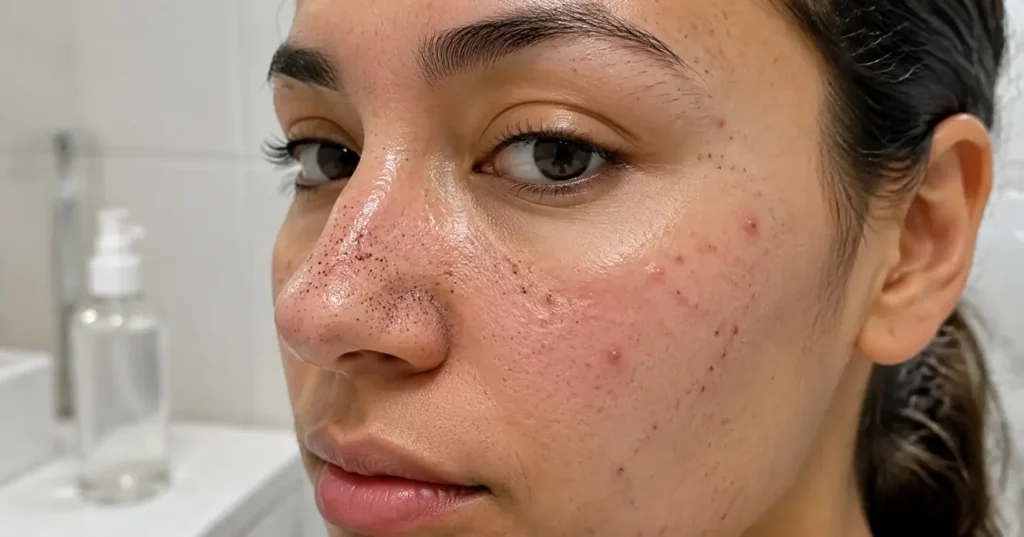
These mistakes can turn salicylic acid and acne treatment into an irritation cycle. Inflamed skin may sting more, tolerate less medication, and develop more noticeable post-inflammatory discoloration.
How Long Does Salicylic Acid Take to Work?
Do not judge an acne product after two or three days. The AAD advises giving an appropriate treatment at least four weeks; improvement often becomes noticeable around four to six weeks, and more clearing may take two to three months or longer.
The timeline for salicylic acid and acne treatment depends on the acne type, consistent use, product format, other treatments, and whether irritation interrupts the routine. If nothing improves after six to eight weeks of correct use, reassess the diagnosis and plan instead of automatically applying more.
Side Effects and Safety Considerations
Common problems include dryness, tightness, stinging, redness, and peeling. Stop using the product and seek advice if irritation is severe or does not settle. Avoid putting it on sunburned, broken, or infected-looking skin unless a clinician directs otherwise.
Safety in salicylic acid and acne treatment also includes rare hypersensitivity reports involving OTC salicylic acid or benzoyl peroxide products. The FDA could not identify whether active or inactive ingredients caused them. Stop use and seek urgent care for throat tightness, trouble breathing, faintness, hives, or swelling of the eyes, face, lips, or tongue.
During pregnancy, ACOG lists topical salicylic acid among usable OTC ingredients, while AAD guidance calls limited-time use generally safe. Ask an obstetric clinician or dermatologist about the exact product and area. While breastfeeding, avoid skin an infant could contact or ingest from and seek professional advice.
When to See a Dermatologist
Seek professional care when acne is deep, painful, nodular, cystic, rapidly worsening, causing scars or significant distress, or not improving with appropriate OTC treatment. Evaluation also matters if bumps are itchy, unusually uniform, concentrated around the mouth, or otherwise do not behave like typical acne.
The relationship between salicylic acid and acne treatment has clear limits. A dermatologist can confirm the diagnosis and combine treatments more effectively when a single store-bought product is not enough.
Frequently Asked Questions
Can I use salicylic acid every day?
Some products are labeled for daily use, but daily application is not appropriate for everyone. Product strength, rinse-off versus leave-on exposure, sensitive skin, and other actives all matter. Follow the Drug Facts directions and reduce frequency or stop if persistent dryness, burning, or peeling develops.
Is 2% salicylic acid too strong for sensitive skin?
It can be. Two percent is within the US OTC acne range, but being permitted does not mean every skin type will tolerate it. A lower-strength product, rinse-off format, or less frequent label-directed use may be easier. Patch testing can reveal irritation or allergy, although it cannot predict every facial reaction.
Can I use benzoyl peroxide with salicylic acid?
Yes, but introduce them gradually. When combining salicylic acid and acne treatment with benzoyl peroxide, consider using them at different times rather than layering both immediately. Stop and simplify the routine if significant irritation develops. Ask a dermatologist when prescription medication or severe acne is involved.
How long should I try a salicylic acid acne wash?
Unless irritation requires stopping sooner, give a correctly used wash about four to six weeks before judging early improvement. More clearing can require two to three months. If acne worsens, scars, or shows no improvement after six to eight weeks, seek professional guidance rather than continually increasing use.
Is topical salicylic acid safe during pregnancy?
ACOG includes topical salicylic acid among OTC ingredients that can be used during pregnancy, and AAD guidance supports limited-time use. Still, pregnancy is a good reason to review the exact product, application area, and routine with an obstetric clinician or dermatologist. Do not assume a professional-strength peel is equivalent to an OTC acne product.
The Bottom Line
The best use of salicylic acid and acne treatment is targeted and consistent: choose a cleanser for an easier starting point or a leave-on product for persistent congestion, then watch your skin’s tolerance. Blackheads and whiteheads are the clearest targets. For inflamed, deep, scarring, or persistent acne, choose professional evaluation over stronger DIY exfoliation.
This article is educational and does not provide a diagnosis or replace care from a qualified healthcare professional.
References:
- Reynolds RV, et al. “Guidelines of Care for the Management of Acne Vulgaris.” Journal of the American Academy of Dermatology (2024).
- American Academy of Dermatology. “Acne: Diagnosis and Treatment.”
- American Academy of Dermatology. “9 Things to Try When Acne Won’t Clear.”
- Electronic Code of Federal Regulations. “21 CFR Part 333 Subpart D—Topical Acne Drug Products.”
- American College of Obstetricians and Gynecologists. “Skin Conditions During Pregnancy.”
- U.S. Food and Drug Administration. “FDA Warns of Rare but Serious Hypersensitivity Reactions With Certain Over-the-Counter Topical Acne Products.”
- Neutrogena. “Oil-Free Acne Wash, Fragrance Free.”
- CeraVe. “Acne Control Cleanser.”
- La Roche-Posay. “Effaclar Medicated Gel Cleanser.”
- Paula’s Choice. “Skin Perfecting 2% BHA Liquid Exfoliant.”
- Neutrogena. “Body Clear Body Wash.”