Does Salicylic Acid Cause Purging? Signs, Timeline & What to Expect
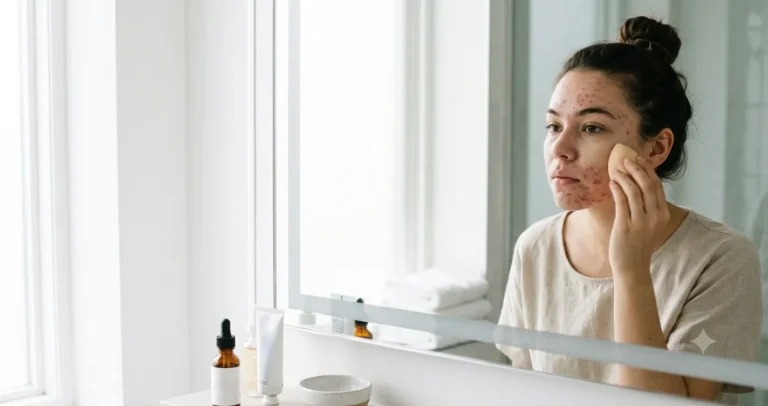
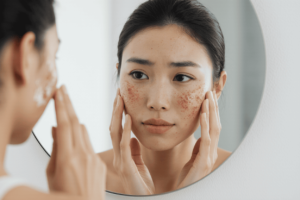
Starting a new acne product can sometimes lead to unexpected changes. If you notice more bumps or texture after using salicylic acid, you may wonder: does salicylic acid cause purging? Understanding the difference between purging, irritation, and a true breakout can help you decide what your skin needs.
Salicylic acid can cause temporary purging in some people, especially when it speeds up the clearing of clogged pores. However, redness, burning, or worsening acne may indicate irritation instead.
That is why it helps to know what normal purging looks like, how long it usually lasts, and which warning signs mean you should slow down or stop. Once you know what to watch for, you can make better choices and avoid making your skin more stressed than it already is.
Table of Contents
What Is Skin Purging?
Skin purging is a temporary increase in breakouts that can happen after you start a product that speeds up skin cell turnover or unclogs pores. Instead of trapped oil, dead skin, and debris staying hidden under the surface for longer, they come up faster.
That is why purging can feel confusing. The product is supposed to help your acne, but at first your skin may look worse before it looks better.
This usually happens with ingredients that affect the way skin sheds and renews itself. Salicylic acid is one of them. It is a beta hydroxy acid, often called a BHA, and it is especially helpful for oily skin, blackheads, whiteheads, and clogged pores because it can move into oil-filled pores more easily than some other exfoliating ingredients.
So, does salicylic acid cause purging because it is harming the skin? Usually no. When purging happens, it is often because the ingredient is speeding up the process of bringing pre-existing congestion to the surface. That is different from creating brand-new acne out of nowhere.
How Salicylic Acid Works on Acne-Prone Skin
To understand why purging can happen, it helps to know how salicylic acid for skin works.
Salicylic acid helps break apart the mix of oil and dead skin cells that can stick together inside pores. That matters because clogged pores are where many acne breakouts begin. When that buildup sits in the pore, it can turn into blackheads, whiteheads, or inflamed pimples.
Salicylic acid may help by:
- Loosening dead skin cells on the surface
- Clearing excess oil inside the pore
- Reducing the chance of clogged pores getting worse
- Supporting smoother skin texture over time
- Helping mild acne products work more effectively as part of a routine
Because of that, some people wonder: can salicylic acid cause acne at the beginning? In many cases, what looks like acne may actually be temporary purging as clogged pores come to the surface. But if the bumps are really clogged pores surfacing faster, it may be a short adjustment period rather than a true acne reaction.
✨ Clogged Pores? Give Your Exfoliation a Clear Purpose.
Paula’s Choice Skin Perfecting 2% BHA Liquid Exfoliant targets clogged pores and uneven texture with 2% salicylic acid in a lightweight, leave-on formula. A standout option to consider if you prefer leave-on exfoliation to a medicated wash.
Choose this or the salicylic acid cleanser—not both. Follow the label and avoid introducing it while your skin is irritated.
Does Salicylic Acid Cause Purging in Everyone?
No. Some people use salicylic acid and never purge at all.
Others may notice a mild breakout period for a few weeks, especially if they already have many clogged pores under the skin. The difference often comes down to what your skin was dealing with before you started.
You may be more likely to purge if:
- You have oily or acne-prone skin
- You already have lots of blackheads or whiteheads
- You started with a stronger product right away
- You increased use too quickly
- You added several active ingredients at once
- Your skin had a lot of hidden congestion before treatment
You may be less likely to purge if:
- Your pores are not very congested
- Your skin is already used to active ingredients
- You start slowly and keep the rest of your routine simple
- Your skin type is not acne-prone
So, does salicylic acid cause purging in every person who uses it? No. It depends on your skin, the product, the strength, and how often you apply it.
What Purging From Salicylic Acid Usually Looks Like
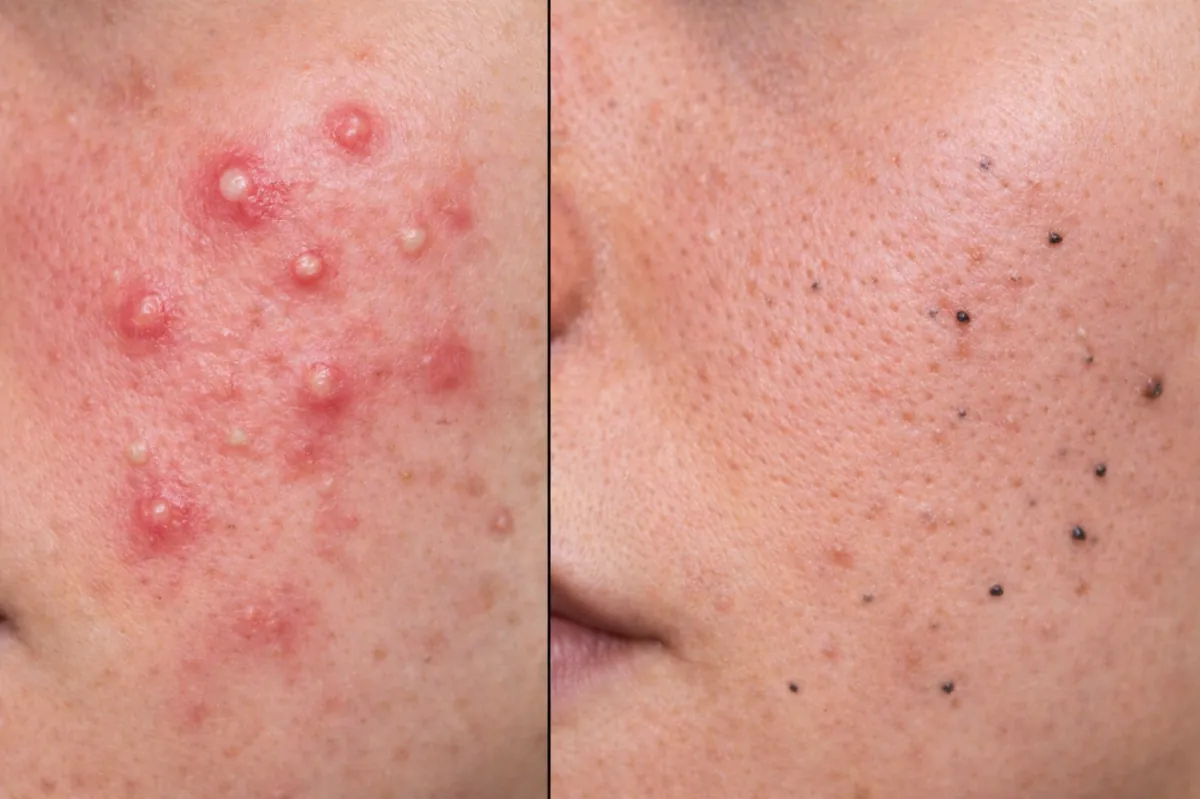
A normal purge usually has a pattern. It tends to show up in places where you already break out, not in random new areas. The spots are often small and superficial rather than deep and severe.
Common signs of skin purging include:
- Small whiteheads or tiny pimples
- Breakouts on the forehead, nose, chin, or other usual acne zones
- A rougher texture for a short time
- Clogged pores coming up faster than usual
- Improvement after a few weeks instead of ongoing decline
Purging often starts fairly soon after you begin using the product or after you increase the frequency. For some people, that is within a few days. For others, it may take one to two weeks.
What purging usually does not look like:
- A burning, stinging, or raw feeling
- Bright red irritation across the skin
- Severe peeling and cracking
- Swelling or itchy rash-like bumps
- Large painful cysts suddenly appearing everywhere
- Breakouts in unusual spots where you never get acne
This is where many people get stuck. They assume any breakout means the product is “working.” But not every reaction is a purge.
Salicylic Acid Purging vs Breakout: How to Tell the Difference
The best way to answer does salicylic acid cause purging in your case is to compare the timing, the location, and the type of breakout.
Salicylic Acid Irritation vs Purging Signs
If your skin is purging, you will usually notice a few clear patterns:
- The breakout starts soon after beginning salicylic acid
- It shows up mostly where you already tend to get acne
- The bumps are similar to your usual acne, just faster
- Your skin may still feel generally okay, not painfully irritated
- The flare begins to calm down within a few weeks
Signs it is more likely irritation
Irritation is different. Instead of speeding up clogged pores, the product is stressing the skin.
Watch for signs like:
- Tightness after each use
- Strong stinging or burning
- Dry patches that do not settle
- Redness that spreads beyond acne areas
- Flaking that feels uncomfortable, not mild
- Skin that feels damaged or overly sensitive
If that is happening, the issue may not be purging at all. It may be that you are using the product too often, the formula is too strong, or your skin barrier is struggling.
Signs it may be true acne worsening
Sometimes the problem is not the salicylic acid itself. It may be the full routine.
For example:
- A heavy moisturizer or sunscreen may be clogging pores
- You might be scrubbing too hard and causing more inflammation
- Hormonal acne may be flaring at the same time
- You may have added too many active products together
- The formula may contain ingredients your skin does not like
This is one reason people ask, can salicylic acid cause acne? Technically, the product may not be creating acne on its own, but the way it is used, or the products around it, can make your skin look worse.
How Long Does Salicylic Acid Purging Last?
This is one of the most important questions because time is one of the biggest clues.
In many cases, a purge lasts about 2 to 6 weeks. Mild purging may settle sooner. Some people notice the worst of it in the first 2 to 4 weeks, then gradual improvement after that.
A rough timeline may look like this:
Days 1 to 7
You may notice dryness, a little extra texture, or a few small bumps starting to surface.
Weeks 2 to 4
This is often when skin purging is most noticeable. Existing clogs may come up faster, especially in your usual problem areas.
Weeks 4 to 6
Many people begin to see things settle down. Fewer new spots appear, and old bumps start clearing.
After 6 weeks
If your skin is still getting steadily worse, it is time to question whether this is really a purge.
So, does salicylic acid cause purging that goes on for months? Usually not in a normal, healthy way. If the breakout period keeps dragging on, especially with redness or discomfort, you may be dealing with irritation, overuse, or a product mismatch.
Who Is More Likely to Purge?
Some skin types and acne patterns are more likely to go through a purge when starting salicylic acid.
You may be more likely to purge if you have:
- Oily skin
- Congested skin with many closed comedones
- Blackheads around the nose or chin
- Whiteheads that come and go often
- Mild to moderate acne that is mainly clogged-pore based
You may also purge when switching from a very basic routine to a more treatment-focused routine. If your skin has been holding onto lots of buildup, a pore-clearing ingredient can move that process along faster.
People with very sensitive or dry skin may be less likely to “purge” and more likely to become irritated instead, especially if they start too aggressively.
How to Use Salicylic Acid Without Making Skin Worse
If you are worried because does salicylic acid cause purging keeps coming up in your mind, the best approach is not to panic. It is to use it in a careful, controlled way.
Start slowly
This is one of the biggest factors.
Try to:
- Begin with a lower strength if possible
- Use it two or three times a week at first
- Increase only if your skin is handling it well
- Avoid applying multiple exfoliating products on the same night
Starting slow gives your skin time to adjust. It also makes it easier to tell whether the product is helping, purging, or simply irritating your skin.
🫧 Put Pore Care Into Your Cleansing Step.
Prefer an acne treatment you can rinse off? La Roche-Posay Effaclar Medicated Gel Cleanser brings 2% salicylic acid into your cleansing routine to help target breakouts and excess oil. ✨ A practical option if you prefer a wash to a leave-on exfoliant.
Follow the label, avoid combining it with another BHA, and don’t introduce it while your skin is burning or irritated.
Keep the rest of your routine simple
When trying a new active ingredient, less is often better.
A simple routine may include:
- A gentle cleanser
- A salicylic acid product used as directed
- A non-comedogenic moisturizer
- A daily sunscreen
That is enough for many people. You do not need a long routine packed with acids, scrubs, masks, and drying spot treatments.
Do not skip moisturizer
A lot of people think acne-prone skin should stay dry. That usually backfires.
When the skin barrier gets too dry and stressed, you may see more irritation, more redness, and sometimes more breakouts. A lightweight moisturizer helps support the barrier while using actives.
💧 Big on Hydration. Light on Your Skin.
Dryness making your skincare routine uncomfortable? Vanicream Daily Facial Moisturizer combines five ceramides and hyaluronic acid to hydrate and help retain moisture—all in a lightweight formula. ✨ A smart addition when your routine needs more moisture without another exfoliating acid.
Moisturizer won’t make an irritating treatment safe to keep using.
Patch test first
If you have sensitive skin, patch testing can save you a lot of trouble. Apply a small amount to one area for a few days before using it across the full face.
Benzoyl Peroxide vs Salicylic Acid: What’s the Difference?
People often compare benzoyl peroxide vs salicylic acid because both are common acne ingredients, but they do different jobs.
How benzoyl peroxide works
Benzoyl peroxide helps reduce acne-causing bacteria and can calm inflamed pimples. It is often used for red, angry breakouts.
How salicylic acid works
Salicylic acid focuses more on unclogging pores, clearing oil, and helping with blackheads, whiteheads, and rough texture.
Which one may be better?
It depends on the kind of acne you have.
Salicylic acid may be a better fit for:
- Blackheads
- Whiteheads
- Congested pores
- Oily skin
- Mild acne with texture
Benzoyl peroxide may be a better fit for:
- Red inflamed pimples
- Pus-filled spots
- Acne that seems more bacterial and inflammatory
Some people use both because their acne is mixed. They have clogged pores and inflamed pimples at the same time.
Can You Use Benzoyl Peroxide With Salicylic Acid?
Yes, some people can. But you need to be careful.
A very common question is can you use benzoyl peroxide with salicylic acid? The answer is sometimes, but not always at the same time and not always in the same routine from day one.
Using both may help if you deal with:
- Clogged pores
- Blackheads
- Whiteheads
- Inflamed pimples
- Acne on both oily and breakout-prone skin
But there is a downside. Both ingredients can be drying, and together they can push the skin too far.
Risks of combining them include:
- Redness
- Dryness
- Tightness
- Peeling
- Barrier damage
- More irritation that can look like worsening acne
If you want to try both, a safer approach may be:
- Use salicylic acid in the morning and benzoyl peroxide at night
- Or alternate days instead of layering them
- Start with one active first, then add the second later
- Watch closely for dryness and back off if needed
This matters because if your skin becomes irritated, it gets harder to tell whether does salicylic acid cause purging is even the right question. At that point, you may just be overloading your skin.
Common Mistakes That Make Purging Worse
Sometimes the purge itself is mild, but people accidentally make it worse.
Here are some of the biggest mistakes:
Using too much too soon
Applying salicylic acid every day right away can overwhelm the skin, especially if you are new to acids.
Adding several actives at once
If you start salicylic acid, retinol, exfoliating pads, and spot treatments together, you will not know what is helping or hurting.
Over-cleansing
Washing too often can leave skin tight and irritated, which may trigger more inflammation.
Picking at bumps
Purging spots are still spots. Picking can turn temporary bumps into marks, scabs, or scars.
Using harsh scrubs
Physical scrubs on already stressed skin can make things worse fast.
Expecting overnight results
Even when salicylic acid is a good fit, improvement usually takes time. Clearer skin is often about steady progress, not instant change.
What to Do If Salicylic Acid Causes Breakouts or Irritation
If you are stuck wondering, does salicylic acid cause purging or is this product just ruining your skin, take a step back and look at the full picture.
If it seems like purging
Try this:
- Stay consistent, but do not increase use too fast
- Reduce frequency if your skin feels dry
- Keep your routine basic and gentle
- Give it a few weeks if the signs match a normal purge
- Track where the spots appear and whether they improve
If it seems like irritation
Try this instead:
- Cut back on use or stop for a short time
- Focus on gentle cleanser, moisturizer, and sunscreen
- Avoid adding other strong actives
- Let the skin barrier calm down before trying again
If it seems like true acne worsening
Consider these questions:
- Is another product clogging your pores?
- Are you using too many acne treatments together?
- Are your breakouts showing up in unusual places?
- Is the product too strong for your skin type?
- Is there a hormonal pattern that salicylic acid will not fully control?
These questions matter because can salicylic acid cause acne is not always the best way to frame the issue. Sometimes the real issue is the full routine or the type of acne involved.
When to Stop Using Salicylic Acid
There are times when it makes sense to keep going carefully, and times when it makes sense to stop.
You should consider stopping or pausing if you have:
- Persistent burning
- Severe peeling
- Swelling
- Itching or rash-like bumps
- Deep worsening acne with no improvement
- Ongoing irritation after adjusting frequency
- No visible benefit after a fair trial
A fair trial does not mean forcing your skin through months of misery. It means giving the product a reasonable chance while watching for improvement and respecting clear signs of irritation.
When to See a Dermatologist
Home care can help a lot, but some cases need expert help.
It may be time to see a dermatologist if:
- Your acne is painful or cystic
- You are getting scars or dark marks easily
- You cannot tell whether it is purging, irritation, or another condition
- Over-the-counter products keep making your skin worse
- You have eczema, rosacea, or very reactive skin
- Chest, back, or jawline acne is severe or persistent
A dermatologist can help you sort out whether salicylic acid makes sense for your skin, whether another treatment would be better, and whether your bumps are even acne at all.
Does Salicylic Acid Cause Purging? Final Answer
So, does salicylic acid cause purging? It can, and for some people that short adjustment period is part of the process of clearing clogged pores. But not every breakout after starting salicylic acid is a purge, and not every purge should be pushed through without limits.
A normal purge tends to be temporary, shows up in your usual acne-prone areas, and improves within a few weeks. Irritation, on the other hand, often feels uncomfortable, spreads differently, and keeps getting worse if you continue.
The smartest approach is to start slow, keep the rest of your routine simple, moisturize well, and pay attention to how your skin responds. If things do not settle or your skin feels damaged, it is completely okay to pause and reassess.
If you are still unsure whether your skin is purging or reacting badly, take a close look at your routine and consider getting professional advice before pushing through.
FAQ:
1. Does salicylic acid cause purging every time you use it?
No. Does salicylic acid cause purging in some people? Yes. But many people never purge at all. It depends on how congested your pores are, your skin type, the product strength, and how often you use it.
2. How long does skin purging from salicylic acid last?
Skin purging often lasts about 2 to 6 weeks. If your skin keeps getting worse after that, especially with redness, burning, or unusual breakouts, it may be irritation or another problem instead of purging.
3. Can salicylic acid cause acne if my skin is sensitive?
It can seem that way. Sensitive skin may react with irritation, redness, and small bumps that look like acne. In that case, the issue may not be a true purge. Using the product less often or switching formulas may help.
4. Can you use benzoyl peroxide with salicylic acid in the same routine?
Some people can, but it should be done carefully. Can you use benzoyl peroxide with salicylic acid? Yes, sometimes, but combining them too quickly can cause dryness and irritation. Many people do better using them at different times or on alternate days.
5. How can I tell if salicylic acid is helping or hurting my skin?
Look at the timing, the type of bumps, and how your skin feels. If the breakout is mild, happens in your usual acne areas, and improves within weeks, it may be purging. If your skin burns, flakes heavily, turns very red, or keeps worsening, it may be too irritating for your skin.
6. Can salicylic acid cause breakouts before improving skin?
Salicylic acid may cause temporary breakouts that look like acne worsening, especially when clogged pores come to the surface. However, ongoing irritation, burning, or new breakouts in unusual areas may mean it is not purging.