Does Tretinoin Help With Acne Scars? What to Know Before You Try It
If you have looked in the mirror after acne finally cleared and felt disappointed that the marks stayed behind, you are not alone. Acne scars and dark spots can last much longer than the breakout itself, and that is often the most frustrating part.
Table of Contents
Why acne scars can feel so frustrating
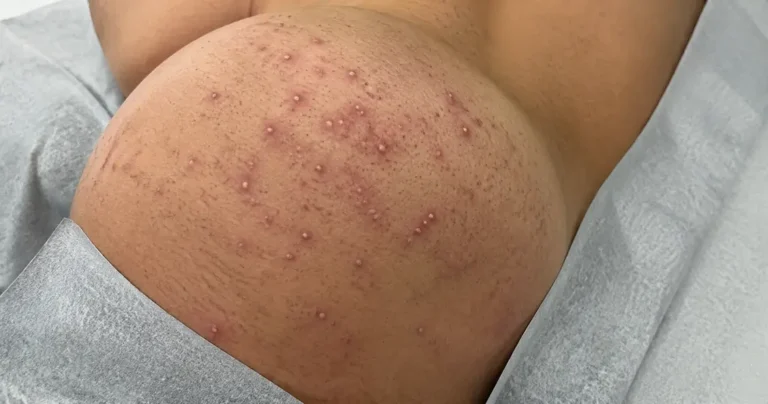
Acne does not always end when the pimples go away. For many people, the bigger problem is what gets left behind: uneven texture, dark spots, redness, or small dents in the skin. These changes can make your skin feel like it never fully healed.
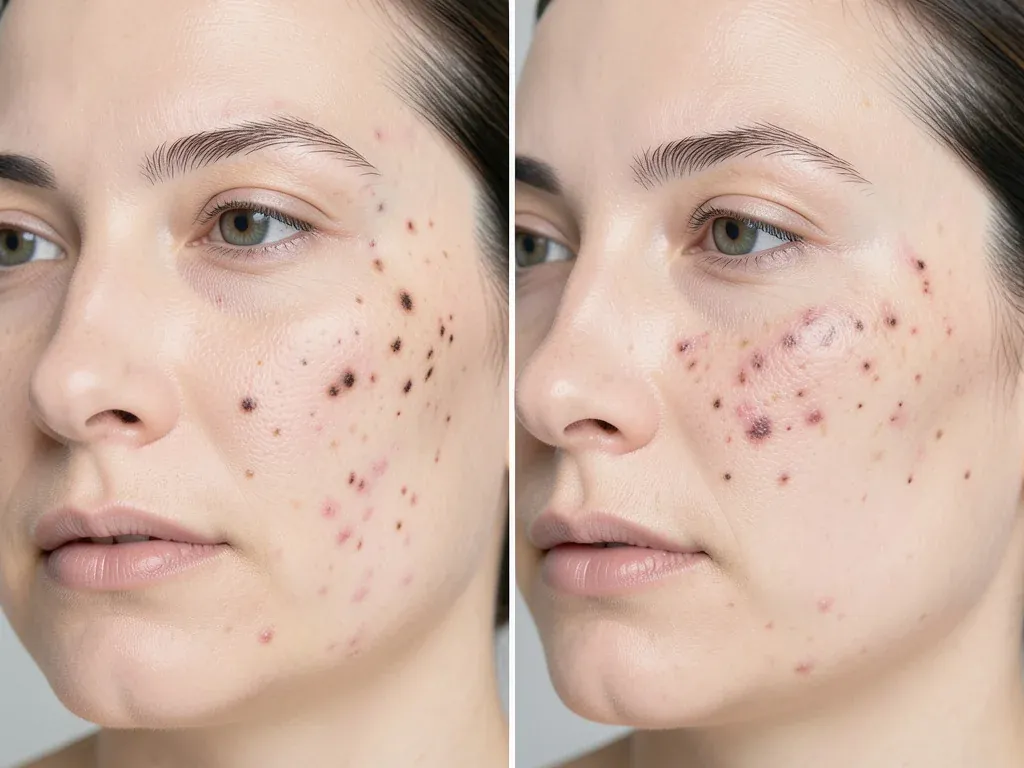
A quick, honest answer to whether tretinoin helps
Yes, tretinoin can help with some acne-related marks, but it is not a magic eraser. It tends to work best for post-acne dark spots, lingering discoloration, mild texture changes, and prevention of future breakouts that may lead to more scarring. It usually does not completely remove deep, indented scars on its own.
Why the answer depends on the type of mark you have
When people ask, does tretinoin help with acne scars, they are often lumping several different skin problems into one category. That matters because a flat brown mark, a red mark, and a true pitted scar are not the same thing. Tretinoin can improve some of these better than others.
Does tretinoin help with acne scars?
Tretinoin is a prescription retinoid, a vitamin A–based medication often used for acne and skin renewal. It speeds up how your skin sheds old cells and can improve how new skin forms over time.
What tretinoin can realistically improve
Tretinoin may help with:
- Post-inflammatory hyperpigmentation, which are the brown or darker marks left after acne
- Mild post-acne redness in some people
- Rough skin texture
- Fine, shallow acne marks that are not deeply indented
- Ongoing acne that could otherwise lead to new scars
What tretinoin will not erase on its own
Tretinoin is not likely to fully remove:
- Deep ice pick scars
- Boxcar scars with sharp edges
- Rolling scars that create visible dips
- Thick, raised acne scars
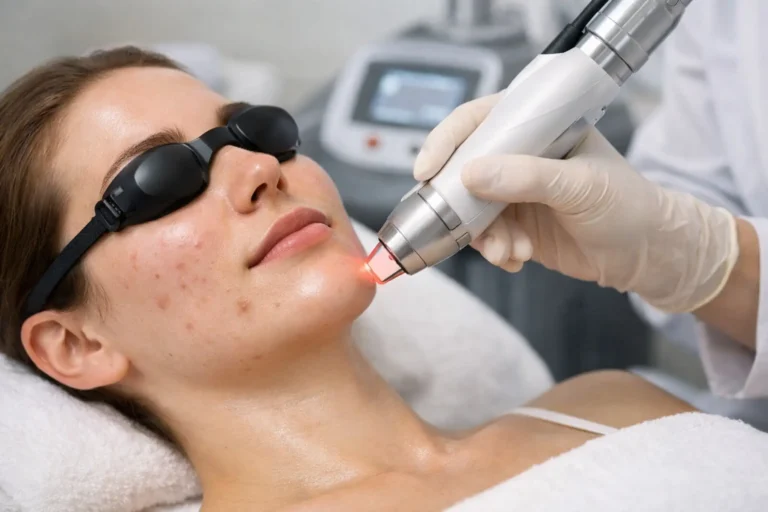
For those types of scars, office treatments such as microneedling, chemical peels, laser treatments, subcision, fillers, or other dermatologist-guided procedures are usually more effective.
Why tretinoin for acne can also help prevent future scars
One of the biggest benefits of tretinoin for acne is that it treats the breakout cycle itself. Fewer clogged pores and fewer inflamed pimples can mean less skin damage over time. That matters because the best way to deal with acne scars is often to stop new ones from forming.
Acne scars vs dark spots: know what you are treating
Before you spend months on a product, it helps to know what you are actually seeing.
Pitted or indented scars
These are true scars caused by damage deeper in the skin. They look sunken or uneven and often become more noticeable in side lighting. Tretinoin may soften their appearance a little over time, but it usually will not make them disappear.
Raised scars
Raised scars are thicker than the surrounding skin. They are less common on the face than pitted scars and often need a different treatment plan, such as steroid injections, silicone, or other targeted procedures.
Post-inflammatory hyperpigmentation and red marks
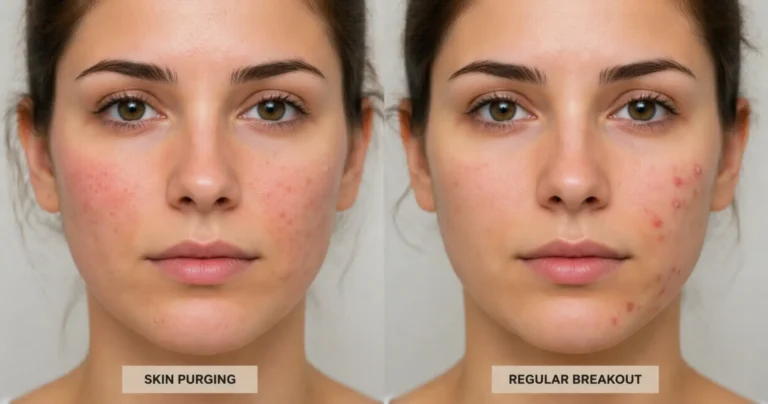
These are the flat spots left behind after a breakout heals. They are not true scars, even though many people call them that. Brown, tan, or deeper patches are common, especially in medium to deep skin tones. Red or pink marks may show up more on lighter skin.
Where tretinoin for dark spots fits in
This is where tretinoin for dark spots can be especially helpful. By speeding skin turnover, tretinoin can help pigmented cells fade more quickly. It may also improve the overall look of uneven skin tone when used consistently and paired with daily sunscreen.
How tretinoin works on post-acne marks and skin texture
Tretinoin does not “scrub” scars away. It works at the skin cell level, and that is one reason results take time.
Faster skin cell turnover
Your skin naturally sheds old cells and replaces them with newer ones. Tretinoin speeds up that process. That can help fade leftover pigment and reduce clogged pores that keep acne going.
Support for collagen over time
Tretinoin may also support collagen remodeling over time, which is one reason it can slightly improve shallow acne scarring and rough texture. This effect is slow and subtle, but it matters if you stick with treatment.
Why results are gradual, not overnight
Most people do not wake up one day with dramatically smoother skin after a week or two. Tretinoin is a long-game product. You are asking your skin to change how it behaves, and that takes patience.
Who may see the best results from tretinoin for acne scars
Tretinoin is not the best answer for every scar, but it can be a smart option for the right person.
Mild texture changes and newer scars
If your acne marks are shallow, recent, and not deeply indented, tretinoin for acne scars may make a visible difference over time.
Dark spots left after acne
This is one of the most common reasons people feel happy with tretinoin. If your “scars” are mostly flat brown marks or uneven tone, tretinoin may help them fade faster than doing nothing.
People still dealing with active breakouts
If you still get acne, tretinoin can do double duty. It may improve your current acne while also reducing the chance of new marks forming.
Cases where professional treatment is usually needed
You will usually need a dermatologist if you have:
- Deep pitted scars
- Significant texture changes
- Raised scars
- Acne that keeps flaring despite treatment
- Sensitive skin that cannot tolerate retinoids easily
How long tretinoin takes to work
This is one of the most important things to understand before you start.
What you may notice in the first few weeks
In the beginning, your skin may feel drier, tighter, flaky, or a little irritated. Some people also go through a temporary acne flare. This early phase can make it seem like tretinoin is not helping, even when it is part of the adjustment period.
When dark spots may start to fade
Many people start noticing gradual fading of post-acne marks after a couple of months of steady use. Some need longer, especially if the spots are deeper or the skin is easily irritated.
When texture changes may become easier to see
Texture changes usually take longer than pigment changes. It may take several months to notice smoother skin, and deeper scars usually need more than a topical medication.
Why consistency matters more than strength alone
Using tretinoin regularly matters more than jumping straight to the highest strength. A lower strength used consistently is often better than a stronger one you keep stopping because your skin gets irritated.
How to use tretinoin safely and get the most from it
Using tretinoin the right way can make a big difference in both results and comfort.
Start low and go slow
If you are new to retinoids, starting a few nights a week is often easier on your skin than jumping into nightly use. This approach can help you build tolerance and reduce peeling.
How much to apply and how often
You only need a thin layer over acne-prone or affected areas. More is not better. Applying too much usually leads to more irritation, not faster results.
A simple beginner schedule may look like this:
| Week | Frequency |
|---|---|
| 1 to 2 | 2 nights per week |
| 3 to 4 | Every other night if tolerated |
| 5 and beyond | Nightly if your skin is comfortable |
Best time to use it
Tretinoin is usually used at night on clean, fully dry skin. If your face is damp, irritation may be worse.
Moisturizer and sunscreen tips
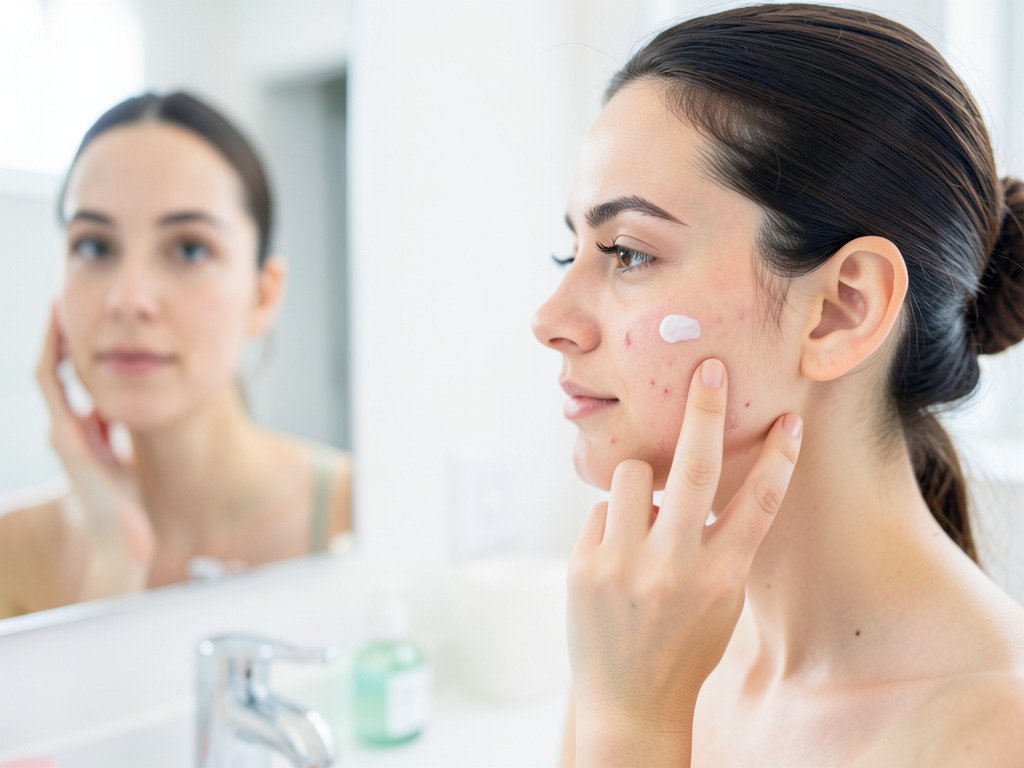
A gentle moisturizer can make tretinoin much easier to tolerate. Many people do well with the “sandwich” method: moisturizer, then tretinoin, then moisturizer again.
Daily sunscreen is non-negotiable. If you skip sun protection, dark spots may linger longer and irritation may get worse.
Common mistakes that make irritation worse
Try to avoid these common problems:
- Using too much product
- Starting every night right away
- Applying it on wet skin
- Mixing it with harsh scrubs
- Picking peeling skin
- Skipping moisturizer
- Forgetting sunscreen
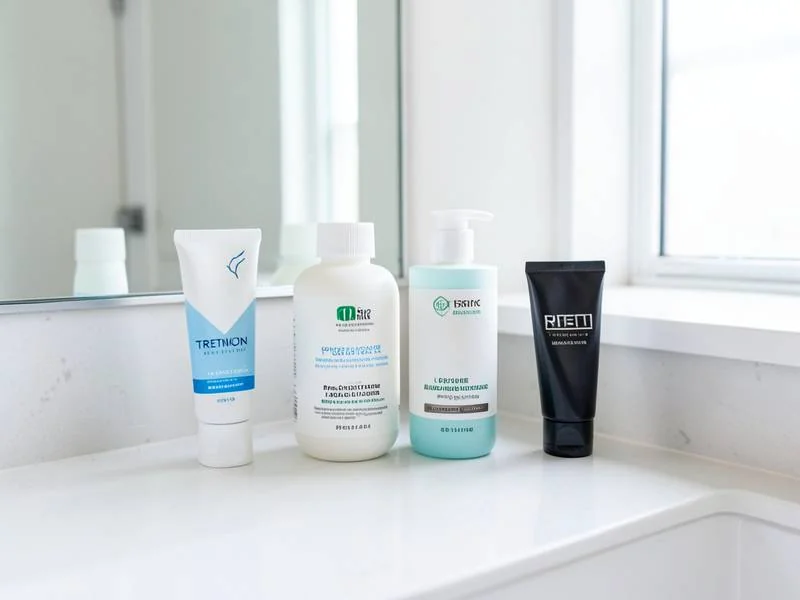
Side effects and precautions to know before you try it
Tretinoin can be very effective, but it is not gentle on every skin type at first.
Dryness, peeling, redness, and stinging
These are the most common side effects, especially during the first several weeks. Some dryness is common, but strong burning or swelling is a sign to slow down and get advice.
Sun sensitivity and why daily sunscreen matters
Your skin can become more sensitive to sunlight while using tretinoin. That does not mean you must stay indoors, but it does mean broad-spectrum sunscreen, hats, and smart sun habits matter even more.
When to pause and talk to a doctor
Pause use and get medical advice if you have:
- Severe burning
- Significant swelling
- Crusting or oozing
- A rash that keeps worsening
- Skin that becomes too irritated to maintain a routine
Pregnancy and other important safety notes
Topical retinoids are generally avoided during pregnancy. If you are pregnant, trying to become pregnant, or breastfeeding, check with your doctor before using tretinoin. You should also ask for guidance if you have eczema, rosacea, or very sensitive skin.
Tretinoin for acne scars compared with other options
Tretinoin is one option, but not the only one.
Tretinoin vs over-the-counter retinol
Retinol is usually gentler and easier to buy, but tretinoin is stronger and often works faster. If you have stubborn acne and post-acne marks, tretinoin may give more noticeable results. If your skin is extremely sensitive, retinol might be easier to tolerate.
Tretinoin vs adapalene
Adapalene is another retinoid that is often easier to tolerate and is available over the counter in the U.S. It can help with acne and some post-acne marks. Tretinoin may still be preferred when the goal is stronger turnover and more visible help with uneven texture or discoloration.
When azelaic acid, benzoyl peroxide, or exfoliating acids may help
Azelaic acid can be a great option for both acne and dark spots. Benzoyl peroxide helps active acne but is not a scar treatment on its own. Exfoliating acids can brighten and smooth the skin, but using too many active products with tretinoin at once may irritate your skin.
When procedures work better for deeper scars
If you are focused on true indented scars, in-office treatment is often the faster and more effective route. Tretinoin can still be useful as part of an overall plan, but it is usually not enough by itself.
How to get rid of acne scars at home
If you are searching how to get rid of acne scars at home, the honest answer is that home care can help some marks much more than others.
What home care can realistically improve
At-home care may help with:
- Dark spots
- Mild redness
- Rough or dull texture
- New breakouts that can lead to more marks
At-home care is much less effective for deep, pitted scarring.
A simple routine for acne-prone skin with marks
Morning:
- Gentle cleanser
- Optional azelaic acid or other dermatologist-approved brightening product
- Lightweight moisturizer
- Broad-spectrum sunscreen SPF 30 or higher
Night:
- Gentle cleanser
- Moisturizer if needed
- Tretinoin
- Another layer of moisturizer if your skin feels dry
Habits that help prevent scars from getting worse
The best “scar treatment” habits are often the least exciting:
- Do not pick or squeeze acne
- Treat breakouts early
- Use sunscreen every day
- Keep your routine gentle and consistent
- Avoid tanning
What to avoid, including picking and harsh scrubs
Scrubbing harder will not remove acne scars. In fact, aggressive exfoliation, rough cleansing brushes, and picking can make inflammation worse and increase the risk of more discoloration and scarring.
How to get rid of acne scars fast: what is realistic?
It is understandable to want fast results. Most people looking up how to get rid of acne scars fast want to know what actually works and what is just marketing.
Why “fast” usually means fading marks, not removing deep scars
Flat post-acne marks can improve within weeks to months, depending on your skin and routine. True pitted scars usually do not disappear quickly, especially with home treatment alone.
The quickest options for dark spots
For dark spots, the fastest improvements usually come from a smart combination of:
- Consistent sunscreen
- Tretinoin or another retinoid
- A dermatologist-approved brightening ingredient
- Ongoing acne control so new marks do not replace old ones
The quickest options for indented scars
For indented scars, faster visible improvement often comes from office procedures rather than creams. A dermatologist can help match the treatment to the scar type, which makes a big difference.
How to balance speed with skin safety
Trying too many strong products at once often backfires. Irritated skin may look darker, redder, and more uneven. A slower, steady routine is usually the fastest safe path in the long run.
When to see a dermatologist
Sometimes a prescription cream is enough. Sometimes it is just the first step.
Signs your scars need in-office treatment
Consider seeing a dermatologist if:
- Your scars are deep or widespread
- You have tried months of home care with little change
- Acne is still active
- The marks are affecting your confidence or daily life
- Your skin gets too irritated with self-treatment
Questions to ask before starting tretinoin
Useful questions include:
- Is this a true scar or a dark spot?
- What strength of tretinoin makes sense for my skin?
- How often should I start?
- What should I use with it and what should I avoid?
- Would another treatment help more than tretinoin alone?
Treatments often combined with tretinoin for better results
Dermatologists often combine tretinoin with other tools depending on your skin needs. That may include benzoyl peroxide for acne, azelaic acid for discoloration, or procedures for deeper scars.
Useful next steps for clearer, smoother skin
Tretinoin can be a very helpful part of an acne scar plan, but it works best when your expectations are realistic. If your main issue is dark spots, uneven tone, or ongoing breakouts, you may see real progress with time and consistency. If your scars are deep and indented, tretinoin may help support your skin, but it is usually not the full answer.
Internal link opportunity: your beginner’s guide to building a simple acne routine
If you are overwhelmed by products, read [Your Beginner’s Guide to Building a Simple Acne Routine] to create a routine that supports tretinoin instead of fighting against it.
Internal link opportunity: retinol vs tretinoin for acne-prone skin
Not sure whether to start with an over-the-counter product or a prescription? See [Retinol vs Tretinoin for Acne-Prone Skin] for a side-by-side breakdown.
Internal link opportunity: best sunscreen for acne-prone or post-acne skin
Since sunscreen is essential when treating post-acne marks, you may also want to read [Best Sunscreen for Acne-Prone or Post-Acne Skin] to find one you will actually use every day.
Closing takeaway and call to action
So, does tretinoin help with acne scars? It can, especially when the “scars” are really dark spots, uneven tone, mild texture changes, or acne that is still active. It is less effective for deep, indented scars, which usually need professional treatment. If you are thinking about trying tretinoin, start with a simple routine, be patient with the process, and talk with a dermatologist if your scars are deeper or your skin is easily irritated. For more practical skin guides, explore the related articles above and build a plan that fits your skin, not just the latest trend.
FAQ:
Does tretinoin help with acne scars or only dark spots?
Tretinoin can help both, but it tends to work better for dark spots and mild texture changes than for deep acne scars. If your skin has flat brown marks after acne, tretinoin is more likely to help. If you have deep pitted scars, you will usually need a dermatologist procedure for bigger results.
How long does tretinoin take for acne scars?
Tretinoin usually takes weeks to months, not days. Dark spots may start to fade after a couple of months of steady use, while texture changes can take longer. Deep scars often improve only a little with tretinoin alone.
Can tretinoin make acne scars look worse at first?
It can make your skin look more irritated at first, especially if you use too much or start too fast. Dryness, peeling, and temporary breakouts can happen early on. That does not always mean the treatment is failing, but severe irritation means you should slow down and get medical advice.
Is tretinoin for acne scars better than retinol?
Tretinoin is stronger than retinol and often gives more noticeable results, especially for acne and post-acne discoloration. Retinol may still be a good starting point if your skin is sensitive or you are not ready for a prescription product.
Can you use tretinoin with other acne scar treatments?
Yes, but it depends on what you are combining. Some people use tretinoin with azelaic acid, benzoyl peroxide, or dermatologist-guided procedures. The safest approach is to build your routine slowly so you do not irritate your skin and make the marks more noticeable.