Laser Acne Treatment: What to Know Before You Try It
When acne does not calm down with regular skincare, it is easy to start looking for stronger options. You may have tried cleansers, spot treatments, exfoliating acids, or prescription creams, but still deal with breakouts, red marks, rough texture, or scars that make your skin look uneven.
That is where laser acne treatment often comes into the conversation. It sounds advanced, and in some cases, it can be helpful. But it is not a magic fix, and it is not the right choice for every type of acne. Before booking a session, it helps to understand what lasers can do, what they cannot do, and what questions you should ask.
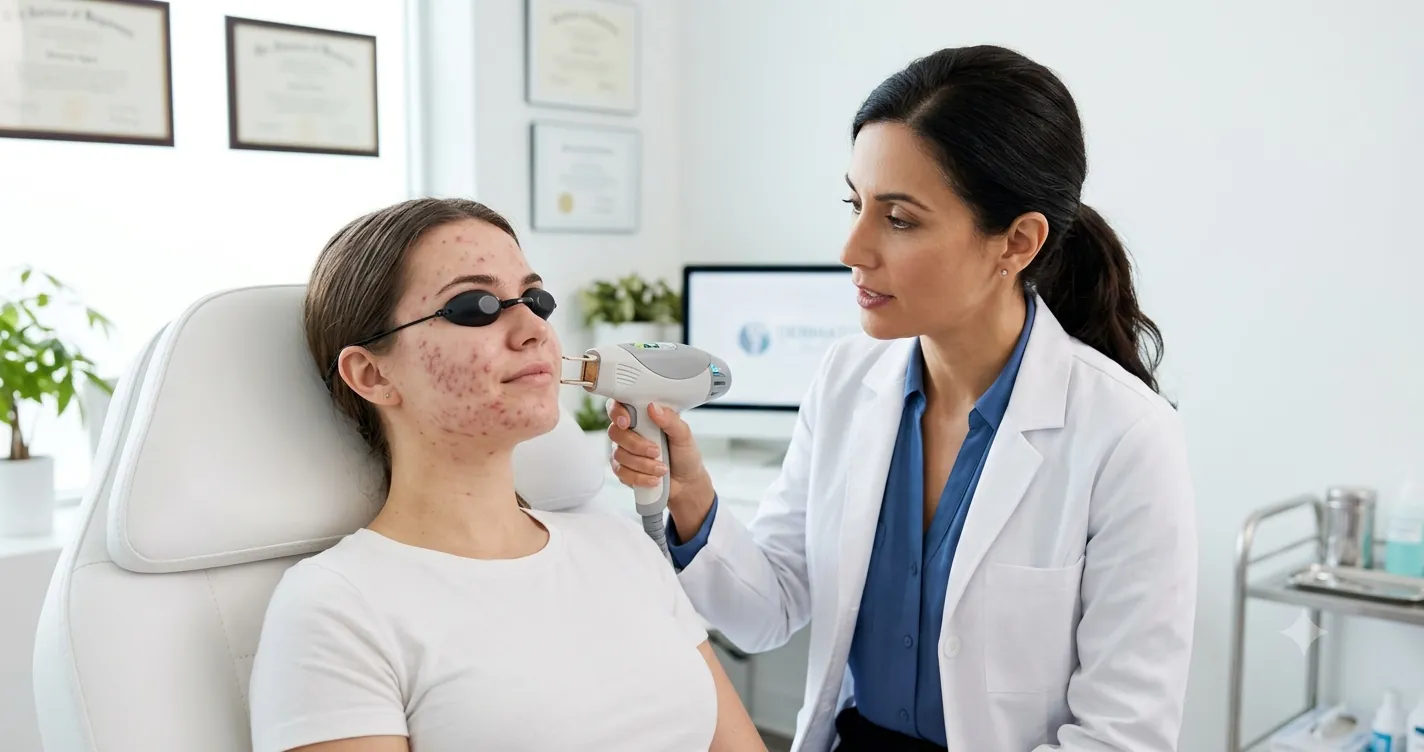
Laser acne treatment uses focused light-based technology to target acne-related concerns such as inflammation, redness, oiliness, bacteria, or acne scars. The right treatment depends on your acne type, skin tone, scar depth, medical history, and the device used by your provider.
Table of Contents
What Is Laser Acne Treatment?
Laser acne treatment is a professional skin procedure that uses controlled light energy to improve acne-related concerns. Depending on the device, it may target redness, active breakouts, oil glands, bacteria, or uneven texture caused by old acne scars.
A laser is not the same as a regular skincare product. It does not work by sitting on top of the skin like a cream or cleanser. Instead, it sends energy into specific layers of the skin. The goal may be to calm inflammation, improve skin texture, support collagen renewal, or reduce the look of acne marks.
There are different kinds of lasers, and they do not all work the same way. Some are gentle and have little downtime. Others are stronger and may require several days or more of healing. This is why laser acne treatment should always start with a proper consultation, not a quick guess.
Laser Treatment for Active Acne vs Acne Scars
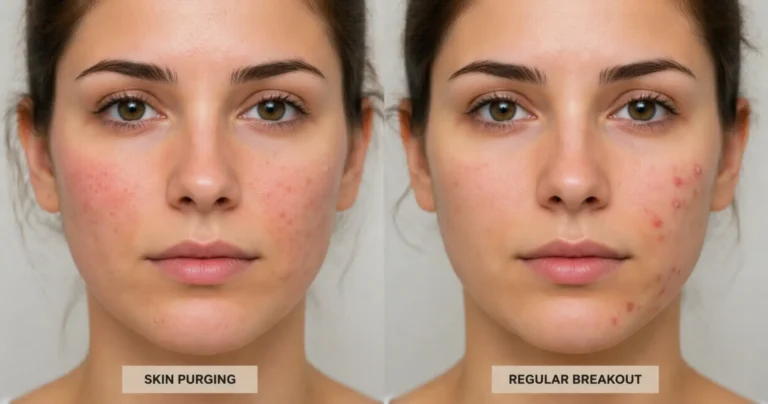
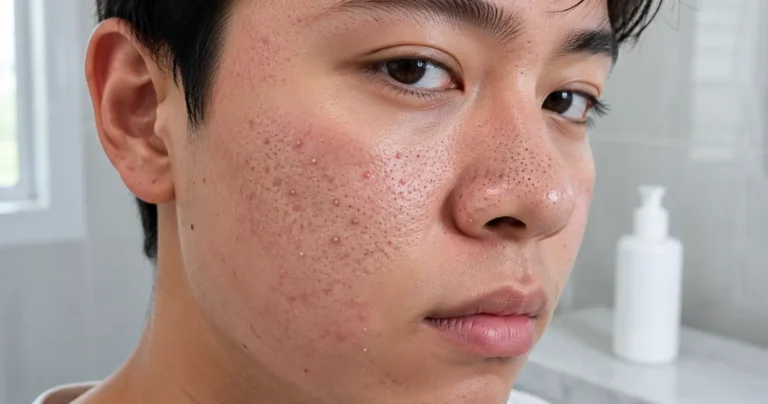
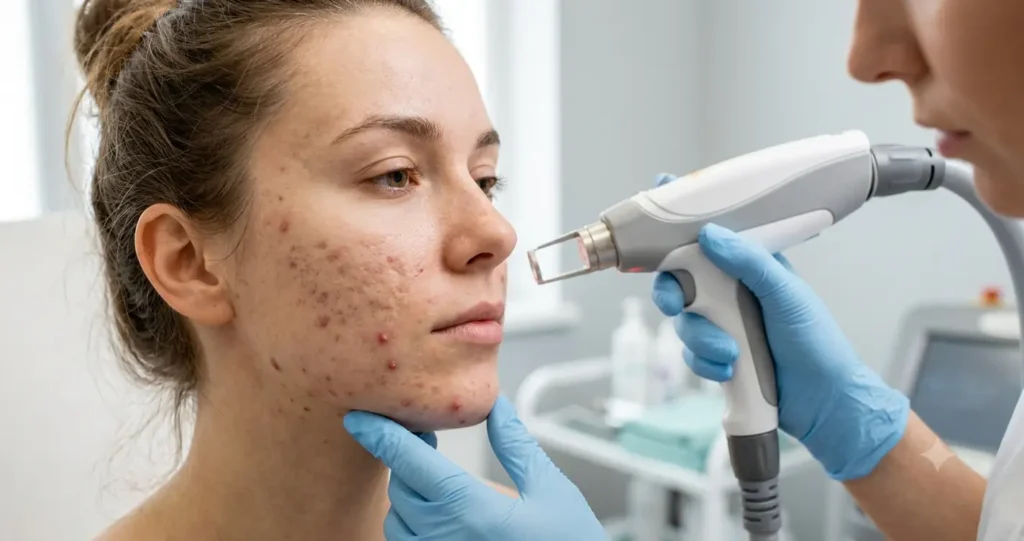
Active acne and acne scars are not the same problem. Active acne includes current pimples, clogged pores, red bumps, cysts, and inflammation. Acne scars are changes left behind after acne heals. They may look like shallow dents, deeper pits, uneven texture, or thick raised areas.
A treatment that helps redness may not improve deep scars. A resurfacing laser that helps scars may not be the best choice during a painful acne flare. This difference matters because many people search for laser treatment for acne scars when they actually have post-acne marks, or they search for acne lasers when their main concern is pitted texture.
Red or brown marks after pimples are usually color changes, not true scars. These may fade with time, sunscreen, topical products, or certain professional treatments. Pitted scars are more structural and usually need a deeper treatment plan.
🔥 The 3 products dermatologists actually recommend (and yes, they work):
Stop guessing and start with what’s proven. La Roche-Posay Effaclar Duo(+) targets breakouts fast, Paula’s Choice 2% BHA Liquid Exfoliant keeps pores clear with daily use, and Hero Cosmetics Mighty Patch is the overnight fix everyone swears by. ✅ No prescription needed ✅ Affordable ✅ Backed by real clinical evidence.
How Does Laser Acne Treatment Work?
The way laser acne treatment works depends on the device and the skin concern being treated. Some lasers focus on redness. Others heat deeper layers of skin. Some remove damaged outer layers. Some treat tiny sections of skin while leaving nearby skin untouched.
Targeting Acne-Related Inflammation
Some light-based treatments may help reduce acne-related redness and inflammation. This can be useful for people whose skin stays red after breakouts or who have inflamed blemishes that make the skin look irritated.
This does not mean a laser will clear every pimple. Acne is complex. Hormones, oil production, bacteria, clogged pores, medications, stress, and skin products can all play a role. Laser acne treatment may help one part of the acne cycle, but it may not remove every trigger.
Targeting Oil Glands and Bacteria
Some laser and light-based treatments are designed to affect acne-causing bacteria or reduce oil gland activity. This may help certain people with recurring breakouts, especially when regular topical products are not enough or are hard to tolerate.
Still, oil production is partly controlled by hormones and genetics. A laser may reduce oiliness for some people, but it does not always replace daily acne care. Many patients still need a cleanser, moisturizer, sunscreen, and sometimes prescription treatment.
Improving Skin Texture and Acne Scars
For acne scars, lasers often work by creating controlled injury in the skin. This may sound scary, but in professional care, controlled injury can encourage repair and collagen remodeling. Collagen is a support protein that helps skin look firmer and smoother.
Scar improvement is usually gradual. Deeper scars rarely change after one session. If your main concern is texture, your provider may recommend a series of sessions or combine lasers with other procedures.
Types of Laser and Light-Based Acne Treatments
There is no single device called “the acne laser.” Clinics may use different tools depending on the problem. Understanding the main categories can help you ask better questions.
Non-Ablative Laser Treatment
Non-ablative lasers work below the skin surface without removing the outer layer. They are often used when a provider wants to heat deeper tissue while keeping downtime lower than stronger resurfacing lasers.
This type of laser acne treatment may be used for certain acne concerns, mild scars, redness, or texture. It may require several sessions because the treatment is usually more gradual. The benefit is that recovery is often easier than with aggressive resurfacing.
Ablative Laser Resurfacing
Ablative lasers are stronger because they remove outer layers of skin. They are usually used more for acne scars, wrinkles, sun damage, and deeper texture concerns than for active acne.
Because they are stronger, they come with more downtime and higher risk. Redness, peeling, swelling, infection, color changes, and scarring are possible if the treatment is not done correctly or aftercare is poor. Ablative laser acne treatment should be performed by a skilled provider who understands your skin type.
Fractional Laser Treatment
Fractional lasers treat tiny columns or zones of skin while leaving surrounding skin untreated. This helps the skin heal from the nearby untouched areas. Fractional treatment may be ablative or non-ablative depending on the device.
Fractional lasers are often discussed for pitted acne scars and uneven texture. They may soften the look of scars over time, but they do not make skin perfectly smooth in one visit. The number of sessions depends on scar type, scar depth, skin tone, and healing response.
Pulsed Dye Laser and Redness-Focused Treatments
Some lasers are used mainly for redness and visible blood vessels. Pulsed dye laser is one example often discussed for red marks and vascular redness. This may help people whose acne has left lingering red spots.
Red marks are different from brown marks. Brown marks are often related to excess pigment, while red marks are linked more to blood vessels and inflammation. The best treatment depends on what kind of mark you have.
IPL and Light-Based Options
IPL stands for intense pulsed light. It is not technically the same as a laser, but many people group it with laser treatment face procedures because it is also a light-based treatment.
IPL may be used for redness, pigmentation, and certain acne-related concerns. It is not right for everyone, especially some darker skin tones or recently tanned skin. A good provider should explain whether IPL or a true laser is better for your concern.
Who May Be a Good Candidate for Laser Acne Treatment?
You may be a candidate for laser acne treatment if your acne or acne marks have not improved enough with regular care. It may also be considered if you have scars or redness that remain after breakouts have healed.
People with mild to moderate acne may benefit from certain light-based options, especially when acne keeps coming back despite a steady routine. People with shallow scars or uneven texture may also be candidates for resurfacing or fractional lasers.
Some people consider lasers because they cannot tolerate strong topical products. For example, acne creams may cause dryness, peeling, burning, or irritation. Even then, lasers are not automatically the best choice. Your provider should look at your skin, acne type, medications, and past reactions before recommending a plan.
Who Should Be Careful or Avoid It?
Not everyone should get laser treatment right away. If you have an active skin infection, open wounds, cold sores, or severely irritated skin, treatment may need to wait. Lasers on broken or infected skin can increase the risk of complications.
Recent tanning is also a concern. Tanned skin has more active pigment, which can raise the risk of burns or discoloration. If you use tanning beds or have had strong sun exposure, tell your provider.
Certain medications and medical conditions may also affect safety. Some drugs can make skin more sensitive to light. A history of isotretinoin use, poor wound healing, keloid scarring, pregnancy, or immune problems may change what treatments are safe for you. Do not hide medical details during your consultation.
Darker skin tones need special care with lasers. Some devices and settings carry a higher risk of hyperpigmentation, which means dark spots, or hypopigmentation, which means lighter spots. If you have medium to deep skin, choose a provider with real experience treating your skin tone safely.
Laser Acne Treatment Benefits
The benefits of laser acne treatment depend on the device and your skin concern. For some people, it may reduce redness and help inflamed skin look calmer. For others, it may improve the appearance of old acne scars and rough texture.
Laser treatment may also support a broader acne plan. For example, a dermatologist may use lasers along with topical products, oral medication, chemical peels, or microneedling. The plan depends on whether you are treating current acne, marks, scars, or a mix of concerns.
Another possible benefit is that professional treatment may help people avoid harsh home routines. Some people use too many scrubs, acids, and spot treatments because they are desperate for results. A guided plan can be safer than constantly irritating the skin at home.
That does not mean you should stop prescribed medication or skincare on your own. If you are using acne medication, ask your dermatologist how it should fit with any laser plan.
Risks and Side Effects to Know
Every procedure has risks. Common temporary effects after laser acne treatment may include redness, warmth, swelling, tenderness, dryness, or mild peeling. These effects may last a short time or longer depending on the strength of the treatment.
Stronger lasers can cause more downtime. Your skin may feel raw, tight, or sensitive while it heals. You may need to avoid makeup, workouts, sun exposure, or active skincare ingredients for a period of time.
Less common but serious risks include burns, blisters, infection, dark spots, light spots, scarring, and acne flare-ups. These risks are higher when the wrong device or setting is used, aftercare is ignored, or treatment is performed on skin that is not ready.
Provider skill matters a lot. Laser settings are not one-size-fits-all. Skin tone, scar type, acne activity, medication history, and healing ability should all guide the treatment.
What Results Can You Realistically Expect?
Most people need multiple sessions. One treatment may help, but it usually does not solve acne, marks, and scars all at once. A realistic plan may involve several visits spaced out over time.
Results also show at different speeds. Redness may calm sooner in some cases. Acne scar improvement usually takes longer because collagen remodeling is gradual. Your skin may continue changing for weeks or months after certain procedures.
Results vary for many reasons. Acne type, scar depth, skin tone, hormones, aftercare, device quality, and provider experience all matter. Someone with shallow scars may respond differently than someone with deep ice-pick scars. Someone with active hormonal acne may need medical acne control before focusing on scars.
A good provider will not promise perfect skin. The goal is improvement, not an unrealistic guarantee.
Laser Treatment Face Procedures vs Other Acne Treatments
A laser treatment face procedure is different from daily skincare. Skincare works slowly and consistently at home. Lasers work through controlled energy delivered during professional sessions. Many people need both.
Topical acne products may help prevent clogged pores, reduce bacteria, or calm inflammation. Lasers may help redness, oiliness, or scars depending on the device. If you stop all daily care after laser sessions, acne may return.
Oral acne medication may be needed for hormonal, cystic, or severe acne. If your acne is deep and painful, lasers alone may not be enough. A dermatologist may recommend prescription options first to control active breakouts, then treat scars later.
Chemical peels and microneedling are also used for acne marks and texture. Peels may help discoloration and surface texture. Microneedling may help certain scars by stimulating collagen. Some providers combine treatments, but combination plans should be chosen carefully to avoid irritation or pigment problems.
Laser Surgery for Acne Scars Price: What Affects Cost?
Many people search laser surgery for acne scars price before booking a consultation. Cost can vary widely because scar treatment is not one simple service.
The type of treatment affects price. Ablative resurfacing is often more expensive than lighter non-ablative treatments because it is more intensive and requires more skill, time, and aftercare. Fractional laser sessions may also vary by device and treatment depth.
The treatment area matters too. Treating only the cheeks may cost less than treating the full face. Treating back or chest scars may cost differently because the area is larger. Deeper scars may need more sessions, which increases total cost.
Provider experience and location also affect price. A board-certified dermatologist in a major city may charge more than a med spa. But cheaper is not always safer. With laser acne treatment, skill, device quality, and safety standards matter more than finding the lowest price.
Before choosing a clinic, ask what is included in the price. Consultation, numbing, follow-up, aftercare products, and touch-up visits may or may not be included.
Laser Acne Treatment, Laser Skin Tightening, and Wrinkle Lasers: Are They the Same?
People often see terms like laser skin tightening, laser treatment for wrinkles, acne scar laser, and facial laser treatment used together. These treatments can overlap, but they are not exactly the same.
A laser used for wrinkles may focus on collagen and resurfacing. A treatment for skin tightening may focus on heating deeper tissue. A treatment for acne scars may target texture and scar remodeling. A treatment for active acne may focus more on inflammation, bacteria, or oil-related triggers.
The same device may sometimes be used with different settings for different goals, but that does not mean every laser service is right for acne. Your consultation should be specific. Tell the provider whether your main concern is active pimples, red marks, brown marks, pitted scars, wrinkles, loose skin, or rough texture.
How to Prepare Before Your First Session
Before trying laser acne treatment, ask direct questions. What type of laser will be used? Is it meant for active acne, acne scars, or marks? Is it safe for your skin tone? How many sessions might you need? What downtime should you expect?
You should also ask what could go wrong. A trustworthy provider will explain risks, not avoid them. Ask what aftercare is required and what products you should stop before treatment.
Before your appointment, avoid tanning and follow the clinic’s instructions. You may be told to pause retinoids, exfoliating acids, scrubs, or certain acne products before treatment. Do not stop prescription medication unless your healthcare provider tells you to.
Tell your provider about medications, supplements, cold sores, pregnancy, recent procedures, allergies, and any history of scarring or pigment problems. These details help protect your skin.
🔥 The 3 products dermatologists actually recommend (and yes, they work):
Stop guessing and start with what’s proven. La Roche-Posay Effaclar Duo(+) targets breakouts fast, Paula’s Choice 2% BHA Liquid Exfoliant keeps pores clear with daily use, and Hero Cosmetics Mighty Patch is the overnight fix everyone swears by. ✅ No prescription needed ✅ Affordable ✅ Backed by real clinical evidence.
Aftercare Tips for Better Healing
After laser acne treatment, gentle care is important. Use a mild cleanser if your provider allows it. Keep the skin moisturized. Avoid scrubs, strong acids, retinoids, and harsh acne products until your provider says they are safe again.
Sun protection is one of the most important aftercare steps. Freshly treated skin is more vulnerable to sun damage and discoloration. Use sunscreen as directed, wear hats when needed, and avoid unnecessary sun exposure.
Do not pick at peeling or flaking skin. Picking can increase irritation, marks, infection, and scarring. Let the skin heal naturally.
Call the clinic if you notice severe pain, blisters, pus, fever, spreading redness, or unusual swelling. It is better to ask early than wait until a problem becomes worse.
Common Mistakes to Avoid
One common mistake is expecting one session to fix everything. Acne, marks, and scars are different concerns. They often need a plan, not a single appointment.
Another mistake is booking treatment during an active flare without proper evaluation. If you have painful cysts, infection, or severe irritation, your provider may need to calm the acne first.
Choosing a provider only because of price is also risky. Laser devices are powerful. Poor settings or poor technique can cause burns, pigment changes, and scars. Look for training, experience, clean clinic standards, and honest communication.
Finally, do not ignore maintenance skincare. Laser acne treatment can improve certain concerns, but it does not make your skin immune to future breakouts. A simple daily routine still matters.
When to See a Dermatologist First
See a dermatologist before laser treatment if you have painful cystic acne, scarring acne, acne that keeps returning, or dark marks that are getting worse. You should also get professional guidance if your skin is sensitive, reactive, or has reacted badly to procedures before.
A dermatologist is especially helpful if you have a darker skin tone and are worried about pigmentation. They can recommend safer devices, settings, and aftercare based on your skin.
You should also get checked if you are not sure whether your bumps are acne. Folliculitis, rosacea, irritation, and other skin conditions can look similar. The wrong treatment may waste money and make the skin worse.
Final Thoughts on Laser Acne Treatment
Laser acne treatment may help certain acne concerns, especially redness, uneven texture, and acne scars. It can be a useful option when chosen carefully and performed by a qualified provider. But it is not a guaranteed cure, and it is not the best first step for everyone.
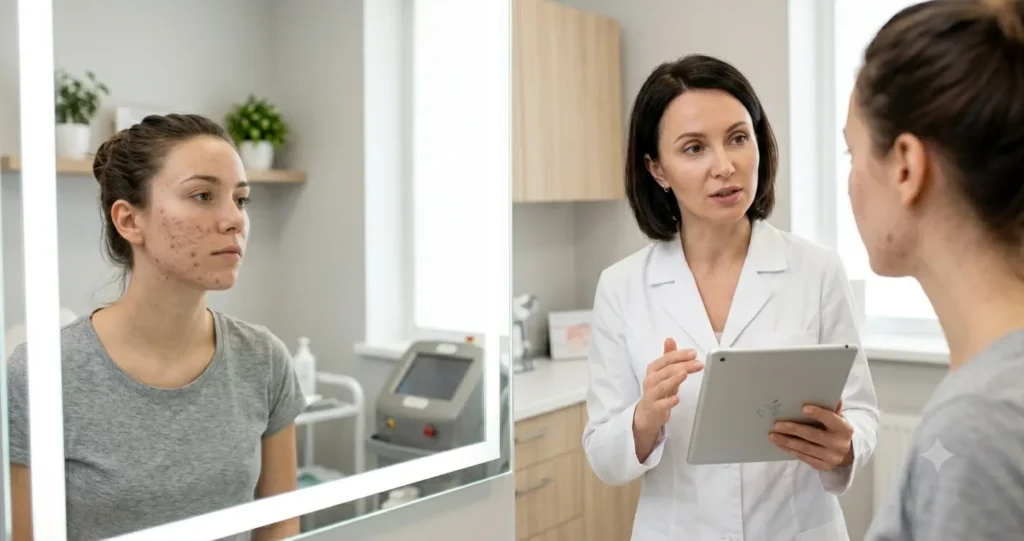
The smartest approach is to start with a clear diagnosis. Know whether you are treating active acne, red marks, brown marks, or scars. Ask about the device, risks, cost, downtime, and aftercare. If your acne is painful, severe, or leaving scars, book a consultation with a qualified dermatologist or trained laser provider before starting treatment.
FAQ
1. Is laser acne treatment safe?
Laser acne treatment can be safe when it is done by a qualified provider using the right device and settings for your skin. Risk depends on your skin tone, acne type, medical history, and aftercare. Burns, pigment changes, irritation, and scarring are possible, so a proper consultation is important.
2. How many laser acne treatment sessions do I need?
Most people need more than one laser acne treatment session. The number depends on whether you are treating active acne, redness, dark marks, or scars. Shallow marks may need fewer sessions than deeper pitted scars. Your provider should give you a realistic plan after examining your skin.
3. Does laser acne treatment remove acne scars completely?
No treatment can honestly promise to remove acne scars completely. Laser acne treatment may soften the look of scars, improve texture, and make skin look smoother over time. Deep scars often need multiple sessions or a combination plan with other treatments.
4. What is the difference between laser acne treatment and laser treatment for wrinkles?
Laser acne treatment focuses on acne-related concerns such as breakouts, redness, marks, or scars. Laser treatment for wrinkles usually focuses on collagen, fine lines, and skin resurfacing. Some devices overlap, but the settings and treatment plan should match your main skin concern.
5. Can I get laser acne treatment if I have dark skin?
Yes, some people with dark skin can get laser acne treatment, but the provider must choose the device and settings carefully. Darker skin tones may have a higher risk of dark spots or light spots after certain lasers. Choose a provider experienced with treating different skin tones safely.