Can Creatine Cause Acne? The Truth About Breakouts
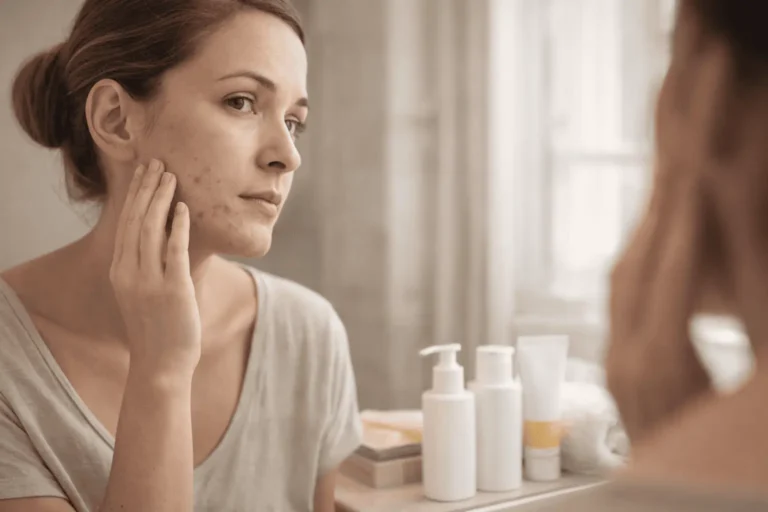
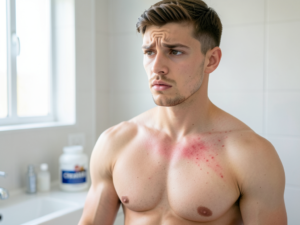
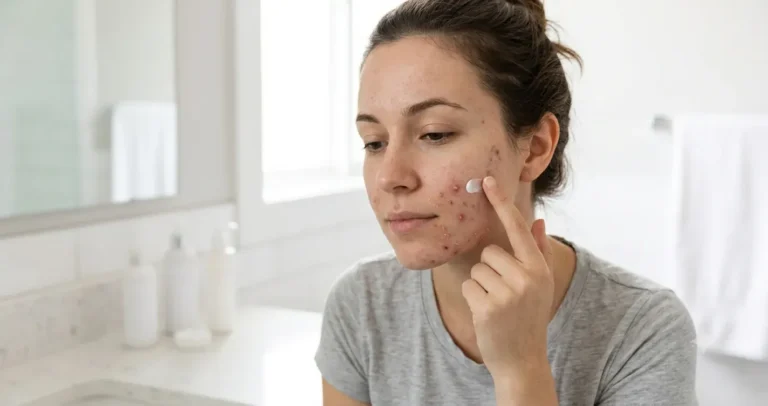
Can creatine cause acne? This is a common question among people who start using creatine supplements and notice new pimples or breakouts. Current evidence does not show that creatine directly causes acne, but workout habits, sweat, diet changes, and other factors may influence your skin.
Many athletes worry, can creatine cause acne when they see new blemishes. This fear might stop them from reaching their full potential. You want to keep your skin healthy as much as you want to build strength.
Short answer: Creatine is not proven to directly cause acne for most people. However, some users may notice breakouts due to changes linked to training, sweating, diet, or other supplements.
Table of Contents

To keep your pores clear while training, you need accurate info. We’ll look into the facts about gym supplements and their effects. Learn how to balance your training with a healthy, glowing skin today.
Understanding the Relationship Between Supplements and Skin Health
Supplements, like creatine, can affect your skin in many ways. It’s important to know how they impact your skin’s health. Supplements can change your body in ways that go beyond just muscle growth or better athletic performance. They can also change how your skin looks and feels.
Your skin is the biggest organ in your body. It can show changes in your health, including those from supplements. Things like hormonal changes, how well you stay hydrated, and how sensitive you are can affect how supplements impact your skin.
The link between supplements and skin health is complex. Some supplements can cause hormonal changes that might lead to acne. But, other supplements can help your skin by making it more hydrated and reducing inflammation.
It’s key to understand this relationship, especially if you’re thinking about taking creatine or other supplements. Knowing how they might affect your skin can help you make better choices. This way, you can avoid any negative effects on your skin.
Remember, everyone reacts differently to supplements. What might cause acne in one person might not affect another at all. So, it’s important to watch how your skin reacts to new supplements. If you notice any changes, you can adjust your routine to keep your skin healthy.
🔥 The 3 products dermatologists actually recommend (and yes, they work):
Stop guessing and start with what’s proven. La Roche-Posay Effaclar Duo(+) targets breakouts fast, Paula’s Choice 2% BHA Liquid Exfoliant keeps pores clear with daily use, and Hero Cosmetics Mighty Patch is the overnight fix everyone swears by. ✅ No prescription needed ✅ Affordable ✅ Backed by real clinical evidence.
Can Creatine Cause Acne? What the Research Says
Research does not show that creatine directly causes acne. However, some people report breakouts after starting creatine, which may be linked to other factors such as increased workout intensity, sweating, diet changes, or additional supplements.
Many studies have looked at creatine and acne. A key study in the Journal of Clinical and Aesthetic Dermatology found no big increase in acne for creatine users. But, results can differ based on skin type, hygiene, and diet.
Also, creatine is often taken with other supplements and workout plans. This makes it harder to say for sure. Some supplements might have extra stuff that could make acne worse. It’s key to think about your whole routine and lifestyle when dealing with breakouts.
Even though there’s not much direct proof, it’s important to remember that people react differently to supplements. Things like how much water you drink, what you eat, and your genes can affect your skin’s reaction to creatine.
In short, the science doesn’t show a clear link between creatine and acne. But, taking care of your health and what supplements you take can help avoid skin problems.
The Role of Hormones and Dihydrotestosterone (DHT)
Creatine’s effect on hormones, especially testosterone, is important for understanding its impact on skin issues like acne. It’s key to think about how it might change your hormonal balance when you take creatine.
There’s a lot of interest in how creatine affects hormones, including testosterone. Research shows that creatine can change hormone levels in different ways.
How Creatine Influences Testosterone Levels
Studies have found that creatine can change testosterone levels, but how much and in what way varies. Some studies suggest it might help keep testosterone levels steady or even slightly increase them during hard training.
It’s crucial to understand that individual responses to creatine can differ significantly. Things like your workout routine, diet, and genetics can affect how creatine changes your hormone levels.
The Link Between DHT and Skin Inflammation
Dihydrotestosterone (DHT) is a strong form of testosterone linked to skin problems like acne and inflammation. The connection between creatine and DHT levels is complex and not fully understood.
DHT is one of the hormones associated with acne in some people. While creatine has been discussed in relation to DHT levels, current evidence does not prove that creatine directly increases acne through this pathway. But, we need more research to really understand how creatine, DHT, and skin health are connected.
Maintaining a balanced hormonal profile is crucial for overall skin health. If you’re thinking about taking creatine, knowing its hormonal effects and watching how your skin reacts is important.
Common Misconceptions About Creatine Zits
The term “creatine zits” is often used online by people who notice pimples after starting creatine. However, these breakouts may come from changes around training, such as more sweat, friction, diet changes, or other supplements.
Distinguishing Between Creatine and Anabolic Steroids
Many think creatine is like steroids because of acne concerns. But, creatine is a natural substance in our muscles. It boosts muscle energy, not hormone levels like steroids do.
Creatine monohydrate is safe and boosts athletic performance, studies show. The mix-up with steroids comes from both enhancing performance, but in different ways.
The Impact of Training Intensity on Sweat and Breakouts
Harder training sessions can increase sweat, oil, and friction on the skin. These factors may contribute to clogged pores and breakouts, even if creatine itself is not the direct cause. Creatine can make workouts more intense, causing more sweat. This can clog pores and cause breakouts.
To avoid breakouts, keep your skin clean. Shower right after working out and use a gentle cleanser. Wearing loose, breathable clothes also helps reduce sweat.
Potential Triggers for Skin Issues While Supplementing
While creatine is generally safe, some people might face skin problems. It’s important to look at more than just the supplement. Other factors can also play a role in skin issues.
One key thing to think about is what’s in your creatine supplement. Many products have additives and sweeteners to make them taste better and mix well.
The Role of Additives and Sweeteners in Creatine Powders
Some people who notice breakouts after starting creatine may be reacting to other ingredients in flavored powders or supplement blends rather than creatine itself. Choosing a simple creatine monohydrate product with fewer additives can help identify potential triggers. Choosing a high-quality creatine monohydrate with minimal additives can lower this risk.
When picking a creatine supplement, find ones without artificial flavors, colors, and sweeteners. This can help avoid skin reactions.
Dehydration and Its Effect on Your Skin Barrier
Drinking enough water is key for healthy skin. Staying hydrated supports your skin barrier and overall skin health. However, dehydration alone does not prove that creatine causes acne. It is only one factor that may influence how your skin looks and feels. It’s important to drink plenty of water when taking creatine to help your body absorb it well and keep your skin hydrated.
Proper hydration supports skin elasticity and resilience, lowering the chance of breakouts and other skin problems. Staying hydrated is a simple yet effective way to support your skin health while using creatine supplements.
Can Creatine Affect Skin Health?
There’s more to creatine than just its effect on acne. Research shows it can also improve your skin’s hydration and elasticity. This means your skin might look better and feel more supple.
Cellular Hydration and Skin Elasticity
Creatine plays a role in cellular energy and hydration, but these effects do not mean it prevents or causes acne. Skin changes depend on many factors, including genetics, skincare routine, and lifestyle.
Hydrated skin can bounce back faster after stretching. This reduces the look of fine lines and wrinkles. It’s great for people who exercise a lot, as it helps protect their skin from exercise damage.
Antioxidant Properties and Skin Repair
Some research has explored possible antioxidant effects of creatine, but this does not directly answer whether creatine causes acne.
This is especially good for people who face environmental stress like UV rays and pollution. Adding creatine to your routine can help your skin stay young-looking and defend against damage.
Practical Tips to Prevent Breakouts While Using Supplements
To avoid breakouts with creatine, focus on hygiene, the right supplement, and a balanced lifestyle. These steps help reduce acne and skin problems linked to creatine use.
Maintaining Proper Hygiene After Intense Workouts
After hard workouts, your skin is more open to clogged pores and breakouts. Showering right after exercise helps by removing dirt and bacteria.
Use a gentle cleanser that fits your skin type. Choose products labeled ‘non-comedogenic’ to avoid clogged pores. Also, wash your workout clothes and towels often to prevent bacterial transfer.
Choosing High-Quality Creatine Monohydrate
The quality of your creatine supplement affects its side effects, including skin issues. Go for creatine monohydrate, the most studied and safe form.
When picking a creatine product, look at the label for additives and fillers. Some ingredients can cause skin reactions or interact with other supplements. Opt for products from trusted manufacturers to lower these risks.
The Importance of Hydration and Diet
Drinking enough water is key for healthy skin. Drink at least eight glasses of water a day to flush out toxins and keep your skin moist. Adjust your water intake based on your activity and the weather.
Eating a balanced diet with fruits, vegetables, and whole grains also helps your skin. Eating foods rich in omega-3 fatty acids, like salmon and walnuts, can reduce inflammation and improve skin health.
| Tips | Description | Benefits |
|---|---|---|
| Maintain Hygiene | Shower after workouts, use gentle cleansers | Reduces bacteria and sweat accumulation |
| Choose Quality Creatine | Opt for creatine monohydrate, check for additives | Minimizes risk of skin reactions |
| Stay Hydrated | Drink plenty of water | Flushes out toxins, keeps skin hydrated |
| Balanced Diet | Include fruits, vegetables, omega-3 rich foods | Supports skin health, reduces inflammation |
🔥 The 3 products dermatologists actually recommend (and yes, they work):
Stop guessing and start with what’s proven. La Roche-Posay Effaclar Duo(+) targets breakouts fast, Paula’s Choice 2% BHA Liquid Exfoliant keeps pores clear with daily use, and Hero Cosmetics Mighty Patch is the overnight fix everyone swears by. ✅ No prescription needed ✅ Affordable ✅ Backed by real clinical evidence.
Conclusion
So, can creatine cause acne? Current evidence does not show that creatine directly causes acne for most people. If breakouts appear after starting creatine, look at the full picture: workouts, sweat, diet, other supplements, and your skin sensitivity.
FAQ
Does creatine cause acne directly?
Current evidence does not show that creatine directly causes acne. If breakouts appear after starting creatine, other factors such as sweat, diet changes, training habits, or additional supplements may also play a role.Breakouts might happen when you start supplements. This is often due to more sweat, hormonal changes, or diet shifts, not the creatine itself.
What are “creatine zits” and why do people talk about them?
“Creatine zits” is a term people use when they notice pimples after starting creatine. These breakouts may be related to changes that happen around training, such as increased sweating, friction, diet changes, or other supplements. Sweat can clog pores, making it look like the supplement caused the acne.
Can you develop a creatine skin rash from supplementation?
A creatine skin rash is rare with pure creatine monohydrate. But, flavored pre-workouts or blends might cause reactions. If you get a rash, try a plain product like Optimum Nutrition Micronized Creatine Powder to avoid sensitivities.
A creatine skin rash is different from acne. Acne usually involves clogged pores and pimples, while a rash may involve redness, itching, or irritation.
Is creatine good for skin health and appearance?
Creatine is being studied for possible skin benefits, including hydration and cellular energy support. However, these effects are separate from the question of whether creatine causes acne. It boosts energy in cells, helping with repair and regeneration. It also hydrates skin from the inside, making it look better.
How does creatine influence hormones like DHT and skin inflammation?
Creatine and DHT are sometimes discussed together, but current evidence does not prove that creatine directly causes acne through DHT changes. Acne depends on several factors, including genetics, hormones, oil production, and skin sensitivity. But, for most, it’s not severe enough to cause big breakouts.
Does dehydration while taking creatine affect your skin barrier?
Yes, it can. Creatine pulls water into muscles. Without enough water, skin gets dry. This weakens the skin barrier, making it harder to fight off bacteria and look dull.
How can I prevent breakouts while maintaining my creatine routine?
To reduce the chance of breakouts while using creatine, focus on workout hygiene, avoid unnecessary additives in supplements, stay hydrated, and monitor changes after starting a new product.