Forehead Acne: Causes, Treatments, and Prevention Tips
If you are dealing with forehead acne, it can feel like it shows up at the worst time and refuses to leave. The good news is that forehead breakouts are common, and in many cases, they improve when you understand what is triggering them and use the right routine consistently.
Table of Contents
Why forehead acne can feel so frustrating
What forehead acne looks like
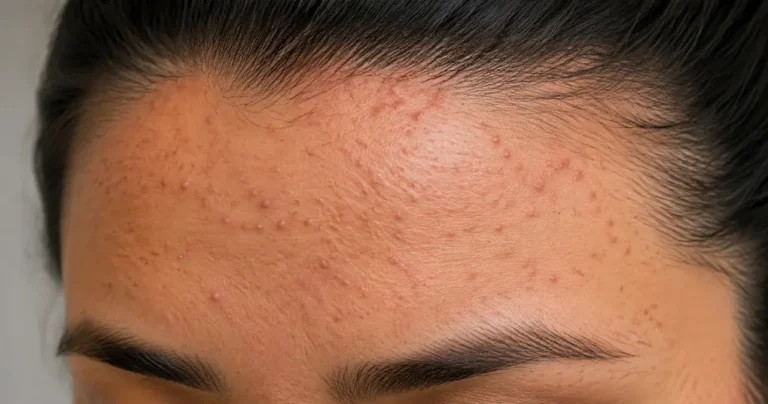
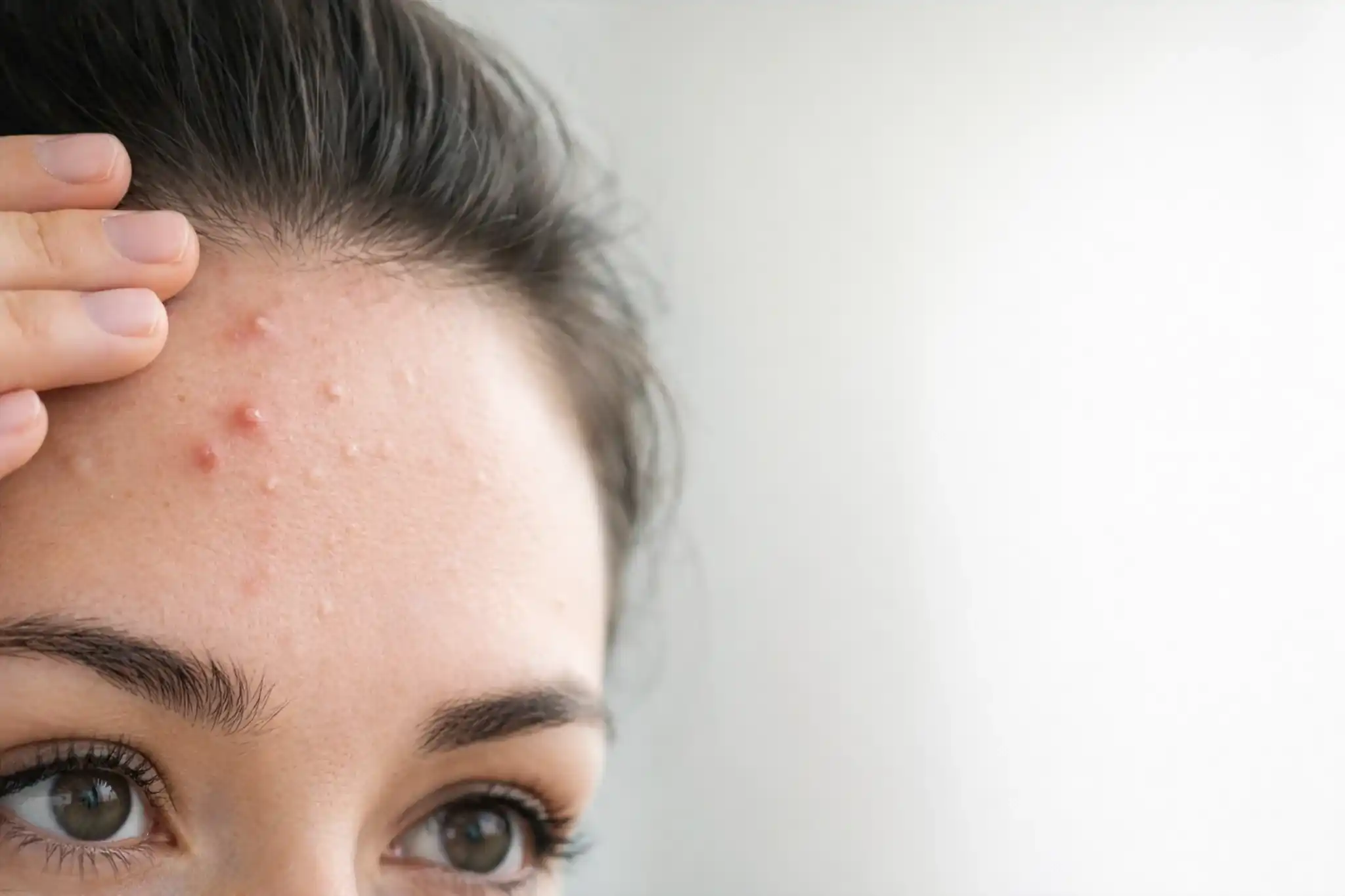
Forehead acne can show up in a few different ways. You might notice small clogged pores, red pimples, painful bumps under the skin, or clusters of little bumps on forehead skin that make it feel rough and uneven. Some breakouts are easy to spot, while others look more like tiny flesh-colored bumps that become more obvious in certain lighting.
Because the forehead is one of the oiliest parts of the face for many people, it is a common place for acne to start or keep coming back.
Why breakouts on the forehead often keep coming back
The forehead sits close to your hairline, so it is exposed to sweat, oil, hair products, hats, helmets, and anything else that touches the upper face. Pores in this area can clog more easily, especially if you have naturally oily skin or use styling products that leave residue behind.
This is one reason forehead acne often feels stubborn. Even if you treat the pimples themselves, the trigger may still be there every day.
The difference between a few pimples and ongoing acne
A random breakout before your period, after a stressful week, or during hot weather is not the same as ongoing acne. If your forehead keeps developing new bumps every week, or if old blemishes barely clear before new ones appear, that points to a pattern. A pattern usually means your skin needs more than spot treatment. It needs a routine and a closer look at what is causing the clogging or irritation.

What causes forehead acne?
Extra oil, dead skin cells, and clogged pores
Most forehead acne causes trace back to the same basic process. Your skin produces oil. Dead skin cells shed naturally. When oil and dead skin cells mix and get trapped inside a pore, the pore becomes clogged. That clog can stay small and turn into a whitehead or blackhead, or it can become inflamed and turn into a red pimple.
Sweat, heat, and friction from hats, helmets, and bangs
Sweat does not directly cause acne, but it can help create the kind of environment where pores clog more easily. Heat, friction, and trapped moisture can also irritate the skin. If you wear tight hats, helmets, headbands, or have bangs resting on your forehead all day, those factors may be contributing to repeat breakouts.
This is especially common in athletes, people who work out often, and anyone living in a hot or humid climate.
Hair products that can trigger forehead acne
Hair oils, pomades, leave-in conditioners, dry shampoo, waxes, and sprays can all collect near the hairline and forehead. When these products touch the skin regularly, they may clog pores and cause breakouts that cluster across the upper forehead or near the temples.
If your acne seems worse after styling your hair, or if you notice bumps mostly along the hairline, your products may be part of the problem.
Stress and the “why am I breaking out suddenly” question
If you have been wondering, why am I breaking out suddenly, stress may be one reason. Stress can affect hormones and oil production, and it can also change your habits. You may sleep less, touch your face more, skip your routine, or eat differently when life gets hectic.
A sudden breakout does not always mean something serious is wrong, but it usually means something changed. That change could be stress, a new product, hormonal shifts, or even more sweating than usual.
Hormones, puberty, periods, and adult acne changes
Hormones can influence how much oil your skin makes. That is why acne is common during puberty, around menstrual cycles, during pregnancy, and sometimes in adulthood. While the chin and jawline are often linked with hormonal breakouts, the forehead can also be affected.
For some people, hormonal changes make existing forehead acne worse. For others, it causes acne to appear after years of relatively clear skin.
Diet, sleep, and lifestyle factors that may play a role
Diet is not the only cause of acne, but certain patterns may make breakouts worse in some people. High-sugar diets, lack of sleep, smoking, and constant stress may all play a role. That does not mean one food causes acne for everyone. It means your overall habits can affect inflammation, hormones, and skin balance.
When little bumps on forehead may not be typical acne
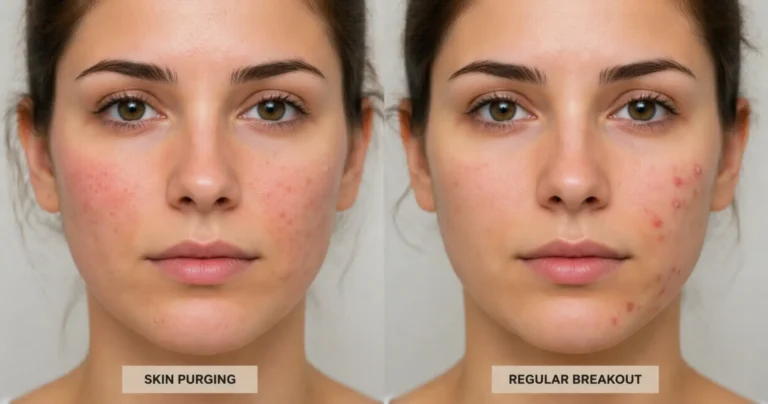
Not every rough patch is acne. Some people get tiny bumps that are itchy, very uniform in size, or spread quickly across the forehead. In that case, the issue may not be classic acne at all. It could be irritation, folliculitis, or another skin condition that looks similar but needs a different approach.
Is it really forehead acne or something else?
Little bumps on forehead: acne, irritation, or fungal folliculitis?
If you have little bumps on forehead skin that all look nearly the same, itch, and seem worse with sweat or humidity, they may not be traditional acne. One possible look-alike is folliculitis, which happens when hair follicles become inflamed. Some cases are linked to yeast overgrowth and are often called fungal acne online, although that term is not always medically precise.
Classic acne usually includes a mix of blackheads, whiteheads, and inflamed pimples. Folliculitis tends to look more uniform.
Acne vs rash vs allergic reaction
A rash or allergic reaction may cause redness, burning, itching, or peeling rather than clogged pores. If your forehead became irritated soon after starting a new product, that points more toward irritation or allergy than true acne.
When skin texture changes are not true pimples
Sometimes the skin feels bumpy because it is dry, irritated, or over-exfoliated. In other cases, tiny closed comedones create a rough texture without large pimples. The difference matters because harsh acne treatments can worsen irritation if acne is not the real problem.
Does acne location mean anything?
What your forehead breakouts can and cannot tell you
It is normal to wonder whether acne location reveals something specific about your health. In some cases, location gives clues. For example, forehead breakouts may suggest hair product buildup, sweat, or oilier skin. But location alone cannot diagnose the cause.
Acne on cheeks and what commonly triggers it
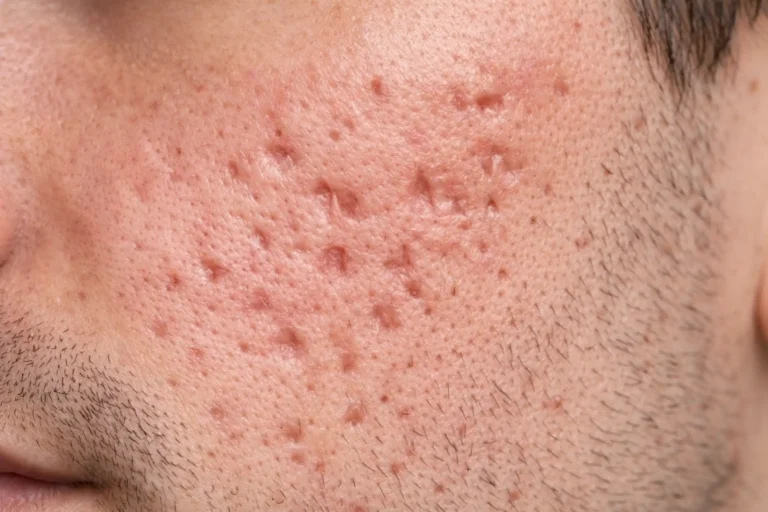
Acne on cheeks is often linked with things that touch the face, such as pillowcases, phones, makeup brushes, hands, or masks. It can also happen from clogged pores, hormones, or irritation from skincare products. If you have forehead acne and cheek acne at the same time, it may simply mean you are acne-prone overall, not that each area has a separate deep meaning.
Pimples on chin meaning: hormones, friction, and skin habits
When people search for pimples on chin meaning, they are often trying to figure out whether hormones are involved. Chin acne can be more common around hormonal shifts, but it can also be triggered by friction, shaving, lip products, touching the face, or heavy moisturizers.
Why face mapping is oversimplified
Face mapping sounds neat, but real skin is usually more complicated. Acne does not follow a perfect map. A breakout on your forehead does not automatically mean one exact internal problem, and a pimple on your chin does not prove a hormonal disorder. Skin is influenced by oil, genetics, products, habits, and hormones all at once.
Types of forehead acne you may notice
Whiteheads and blackheads
These are non-inflammatory types of acne. Whiteheads are clogged pores that stay closed. Blackheads are clogged pores that stay open, allowing the trapped material inside to darken at the surface. These are common forms of forehead acne and often respond well to ingredients that clear pores.
Red inflamed pimples
These bumps are more irritated and swollen. They may be tender and more noticeable than blackheads or whiteheads. Red pimples often form when clogged pores become inflamed by bacteria and irritation.
Deep, painful cystic breakouts
Cystic or nodular acne forms deeper under the skin. These breakouts are usually painful, slow to heal, and more likely to leave marks or scars. If you have this kind of acne often, home care alone may not be enough.
Tiny uniform bumps that itch or spread quickly
Tiny, similar-looking bumps can suggest folliculitis or irritation rather than regular acne. If they itch, spread fast, or do not respond to acne products, it is worth getting a professional opinion.
How to treat forehead acne at home
Start with a simple, gentle skincare routine
When your skin is broken out, it is tempting to throw everything at it. That usually backfires. A better plan is to use a simple routine that reduces clogged pores without damaging your skin barrier.
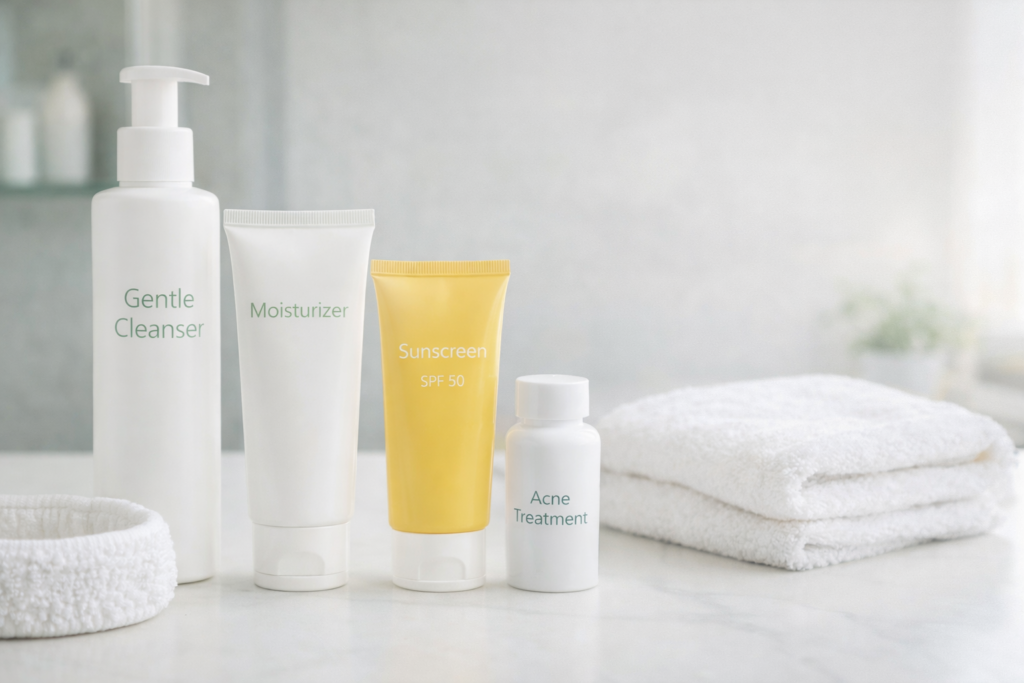
A basic routine often includes:
- A gentle cleanser
- One acne treatment ingredient
- A non-comedogenic moisturizer
- A broad-spectrum sunscreen during the day
Best cleanser choices for oily or acne-prone skin
Use a mild cleanser that removes oil, sweat, and sunscreen without leaving your skin tight or stripped. If your forehead gets greasy quickly, a cleanser made for oily or acne-prone skin may help. If your skin stings or peels easily, choose a gentler formula.
Avoid harsh scrubs and rough cleansing brushes. They can make forehead acne worse by irritating already inflamed skin.
How salicylic acid helps unclog pores
Salicylic acid is one of the most useful ingredients for clogged pores and small bumps. It helps exfoliate inside the pore, which makes it a strong option for blackheads, whiteheads, and rough texture on the forehead.
If you have mild forehead acne or a lot of little bumps on forehead skin, salicylic acid may be a good place to start.
⭐ Standout Pick for Clogged Forehead Pores: Paula’s Choice 2% BHA
Blackheads and whiteheads making your forehead look uneven? Paula’s Choice Skin Perfecting 2% BHA Liquid Exfoliant is worth considering when clogged pores are your main concern.
This leave-on formula uses 2% salicylic acid to help unclog pores and exfoliate built-up dead skin without a gritty scrub. Choose the 4 fl oz bottle for a full-size exfoliating step.
Introduce it gradually according to the label rather than starting several strong treatments together. Itchy, uniform bumps may have a different cause and deserve assessment before adding more acne products.
👀 Explore Paula’s Choice 2% BHA & Check Price ➜
When benzoyl peroxide may work better
Benzoyl peroxide helps reduce acne-causing bacteria and can calm inflamed pimples. It is often better for red, angry breakouts than for tiny clogged bumps alone. It can be very effective, but it may also dry the skin and bleach towels or pillowcases.
Using adapalene for stubborn or recurring breakouts
Adapalene is a retinoid that helps keep pores from clogging and supports long-term acne control. It is especially useful if your forehead acne keeps coming back or if you have a mix of blackheads, whiteheads, and inflamed pimples.
This ingredient does not work overnight. Many people need several weeks of steady use before they see clear improvement.
Moisturizer and sunscreen: why they still matter
A lot of people with acne skip moisturizer because they think it will make their skin oilier. In reality, a lightweight non-comedogenic moisturizer helps protect your skin barrier and can make acne treatments easier to tolerate.
Sunscreen matters too. Some acne treatments make skin more sun-sensitive, and sun exposure can worsen post-acne marks.
☀️ Keep Your Forehead Protected: EltaMD UV Clear SPF 46
Building a forehead-acne routine? Give daily sun protection a place alongside your treatment. EltaMD UV Clear Broad Spectrum SPF 46 provides broad-spectrum protection and contains 5% niacinamide, making it an option to consider for acne-prone skin.
Choose the untinted 1.7 oz version if you prefer sunscreen without added tint. This is your daytime protection step; it does not replace an acne treatment.
Apply as directed and reapply at least every two hours outdoors. For swimming or heavy sweating, choose a water-resistant sunscreen.
See EltaMD UV Clear SPF 46 & Check Price ➜
How long treatments usually take to work
Most acne treatments need time. You may see small changes in two to four weeks, but bigger improvement often takes six to eight weeks or longer. Acne can even seem slightly worse at first when you begin a retinoid or switch products. Consistency matters more than quick fixes.
Which treatment is right for your type of forehead acne?
Mild clogged pores and small bumps
If your forehead mostly has blackheads, whiteheads, and texture, a routine built around salicylic acid or adapalene may help most. Keep the rest of your routine gentle.
Inflamed pimples and frequent flare-ups
If you get red pimples often, benzoyl peroxide may be a better starting point. Some people also do well with adapalene at night and benzoyl peroxide in the morning, but that combination can be drying if started too fast.
Sensitive skin that gets dry easily
If your skin burns, flakes, or gets red easily, start with fewer active products. Use a gentle cleanser, moisturizer, and one treatment only a few nights a week at first. Slow progress is better than a damaged skin barrier.
💧 Forehead Feeling Tight? A Smart Choice for Daily Moisture
An oily forehead can still feel dry and uncomfortable during acne treatment. La Roche-Posay Toleriane Double Repair Face Moisturizer combines glycerin, niacinamide, and ceramide-3 to hydrate skin and support its moisture barrier.
Its fragrance-free, oil-free, non-comedogenic formula makes it worth considering when you want moisture without adding another exfoliating active. Select the non-SPF version for this recommendation.
Use it as your moisturizing step. Persistent burning or peeling calls for reducing irritating products, rather than simply applying more moisturizer.
Find Toleriane Double Repair & Check Amazon Price ➜
Forehead acne treatment comparison
| Treatment | Best for | Main benefit | Possible downside |
|---|---|---|---|
| Salicylic acid | Blackheads, whiteheads, little bumps on forehead | Helps unclog pores | Can dry or irritate sensitive skin |
| Benzoyl peroxide | Red inflamed pimples | Reduces acne-causing bacteria and inflammation | Can cause dryness and bleach fabrics |
| Adapalene | Recurring forehead acne, clogged pores, mixed acne | Helps prevent new clogged pores over time | May cause dryness, peeling, and early irritation |
| Gentle moisturizer | All acne types | Supports skin barrier and reduces treatment irritation | Heavy formulas may not suit very oily skin |
| Broad-spectrum sunscreen | Anyone treating acne | Helps protect skin and prevent dark marks | Some formulas may feel greasy if not chosen carefully |
Daily habits that help prevent forehead acne
Wash after sweating and workouts
After exercise or heavy sweating, wash your face as soon as you can with a gentle cleanser. Letting sweat, oil, and residue sit on the forehead for hours may make breakouts more likely.
Keep hair clean and off your forehead when possible
If your hair gets oily quickly, touches your forehead often, or holds styling product residue, it may be feeding your breakouts. Pulling hair back at home or while sleeping can sometimes help.
Check your shampoo, conditioner, pomade, and styling products
If your acne clusters near the hairline, review your hair products. Thick oils, waxes, and heavy leave-ins are common triggers. Switching to lighter products can make a real difference.
Change pillowcases, hats, and headbands regularly
Anything that collects sweat, oil, or product residue should be cleaned often. Dirty fabric does not cause acne by itself, but it can add to the buildup already sitting on your skin.
Avoid touching, rubbing, and picking
Touching your forehead throughout the day adds friction and transfers oil, sweat, and dirt. Picking at pimples also raises the risk of marks, longer healing time, and scarring.
Build a routine you can actually stick with
The best acne routine is not the most complicated one. It is the one you can follow every day. A few proven products used consistently usually work better than a shelf full of random treatments.
Common mistakes that make forehead acne worse
Overwashing and harsh scrubs
Washing your face too often can leave skin irritated and tight. Harsh scrubs can create more inflammation. Acne-prone skin usually does best with gentle cleansing twice a day and after sweating.
Using too many active ingredients at once
It is easy to layer acid toner, acne wash, retinoid, spot treatment, and exfoliating pads all in one routine. That can damage your skin barrier and make breakouts harder to control.
Popping pimples and picking at bumps
Popping pimples may seem satisfying in the moment, but it often pushes inflammation deeper and increases the chance of dark marks or scars.
Skipping moisturizer because you think your skin is too oily
Even oily skin needs hydration. When skin gets too dry, it can become irritated and harder to treat.
Expecting overnight results
If you stop every product after one week because it did not work fast enough, your skin never gets a fair chance to improve. Most forehead acne treatments need patience.
When home care may not be enough
Signs it may be time to see a dermatologist
You may need professional help if:
- Your acne is painful or deep
- You are getting scars or dark marks
- Store-bought treatments have not helped after about 8 to 12 weeks
- Your bumps itch, spread fast, or do not look like typical acne
- Breakouts are affecting your confidence or daily life
When breakouts are painful, deep, or leaving scars
Deep cystic acne can scar even if you do everything right. If your breakouts are large, tender, and keep returning in the same spots, prescription treatment may be the better path.
What prescription treatments a professional may discuss
A dermatologist may talk with you about stronger retinoids, prescription-strength benzoyl peroxide combinations, topical or oral antibiotics in some cases, hormonal treatment options for some adults, or isotretinoin for severe acne. The right treatment depends on the type of acne, your skin sensitivity, and your health history.
When sudden or severe acne deserves a closer look
If you are asking, why am I breaking out suddenly, and the change is dramatic, it may be worth reviewing recent products, medications, stress levels, menstrual changes, or other health factors with a medical professional. Sudden acne does not always signal a serious problem, but a big shift deserves attention.
Practical next steps for clearer skin
A simple 2-week reset for irritated, breakout-prone skin
If your skin feels overwhelmed, scale back for two weeks:
- Use a gentle cleanser morning and night
- Apply a light non-comedogenic moisturizer
- Use sunscreen every morning
- Add just one acne treatment, not several
- Stop scrubs, picking, and heavy hair products near the forehead
This kind of reset helps you figure out whether your skin is reacting to too many products or to true acne clogging.
A realistic 6- to 8-week plan for improving forehead acne
Weeks 1 to 2:
Start a simple routine and choose one main treatment such as salicylic acid, benzoyl peroxide, or adapalene.
Weeks 3 to 4:
Watch for early signs of progress like fewer new bumps, less oiliness, or smoother texture.
Weeks 5 to 8:
Stay consistent. Do not switch products too quickly. If your skin is improving, keep going. If it is worsening or staying the same, it may be time to adjust your plan.
Internal linking opportunity: building a gentle skincare routine for acne-prone skin
If your skin gets irritated easily, a guide on building a gentle skincare routine for acne-prone skin would be a helpful next read.
Internal linking opportunity: choosing the best ingredients for clogged pores
Readers who struggle with blackheads and texture may also want to learn more about choosing the best ingredients for clogged pores.
Internal linking opportunity: how to treat hormonal breakouts safely
If your acne tends to flare around your cycle or along the lower face, an article on how to treat hormonal breakouts safely could be useful too.
Final thoughts on managing forehead acne
Focus on consistency, not perfection
Forehead acne usually improves through steady habits, not perfect skin days. You do not need a complicated routine. You need the right one for your skin type, the patience to stick with it, and a willingness to remove triggers that keep clogging your pores.
What to remember if your skin is breaking out suddenly
If your forehead is breaking out all of a sudden, step back and look for changes. Think about stress, sweat, hormones, hair products, sleep, or a new skincare product. A simple routine and a little patience can go a long way. And if home care is not enough, seeing a dermatologist is a smart next step, not a last resort.
If you are ready to get your breakouts under control, start with one small change today and build from there. Your skin does not need perfection. It needs a plan that makes sense and works in real life.
FAQ
What is the fastest way to get rid of forehead acne?
There is no true overnight fix, but the fastest safe approach is to use a gentle cleanser, one proven acne treatment like salicylic acid, benzoyl peroxide, or adapalene, and avoid picking or using heavy hair products on the forehead. Most people need several weeks to see clear improvement.
Why do I have little bumps on forehead skin that will not go away?
These bumps may be closed comedones, irritation, or folliculitis. If they are itchy, very uniform, or seem worse with sweat, they may not be classic acne. If they do not improve with standard acne care, a dermatologist can help confirm what they are.
Does forehead acne mean I have a health problem?
Not usually. In many cases, forehead acne is linked to oil, clogged pores, sweat, hormones, or hair products. It does not automatically mean something is wrong internally. Still, sudden severe breakouts or acne that changes a lot may be worth discussing with a medical professional.
Is benzoyl peroxide or salicylic acid better for forehead breakouts?
It depends on the type of breakout. Salicylic acid is often better for clogged pores, blackheads, and rough texture. Benzoyl peroxide is often better for red inflamed pimples. Some people benefit from both, but using too many active ingredients at once can irritate the skin.
When should I see a dermatologist for forehead acne?
You should consider seeing a dermatologist if your acne is painful, deep, leaves scars, keeps coming back despite 8 to 12 weeks of home care, or if the bumps do not look like normal acne. Professional treatment can save time and help prevent long-term marks.
References