Acne on Cheeks: Causes, Triggers, and How to Treat It
Why cheek breakouts can feel so frustrating
Few skin problems are as annoying as waking up to a new breakout right in the middle of your face. Acne on cheeks can be hard to hide, slow to heal, and easy to irritate without meaning to.
It also tends to be confusing. Maybe your breakouts started out of nowhere. Maybe you have forehead acne too, or painful spots along your chin, and you are trying to figure out what it all means. The good news is that cheek acne usually follows patterns. Once you understand the likely causes and triggers, it gets much easier to treat it the right way.
This guide will help you understand what acne on cheeks usually looks like, what may be causing it, which treatments actually help, and when it may be time to get professional care.
Table of Contents
What does acne on cheeks usually look like?
Whiteheads, blackheads, papules, and pustules
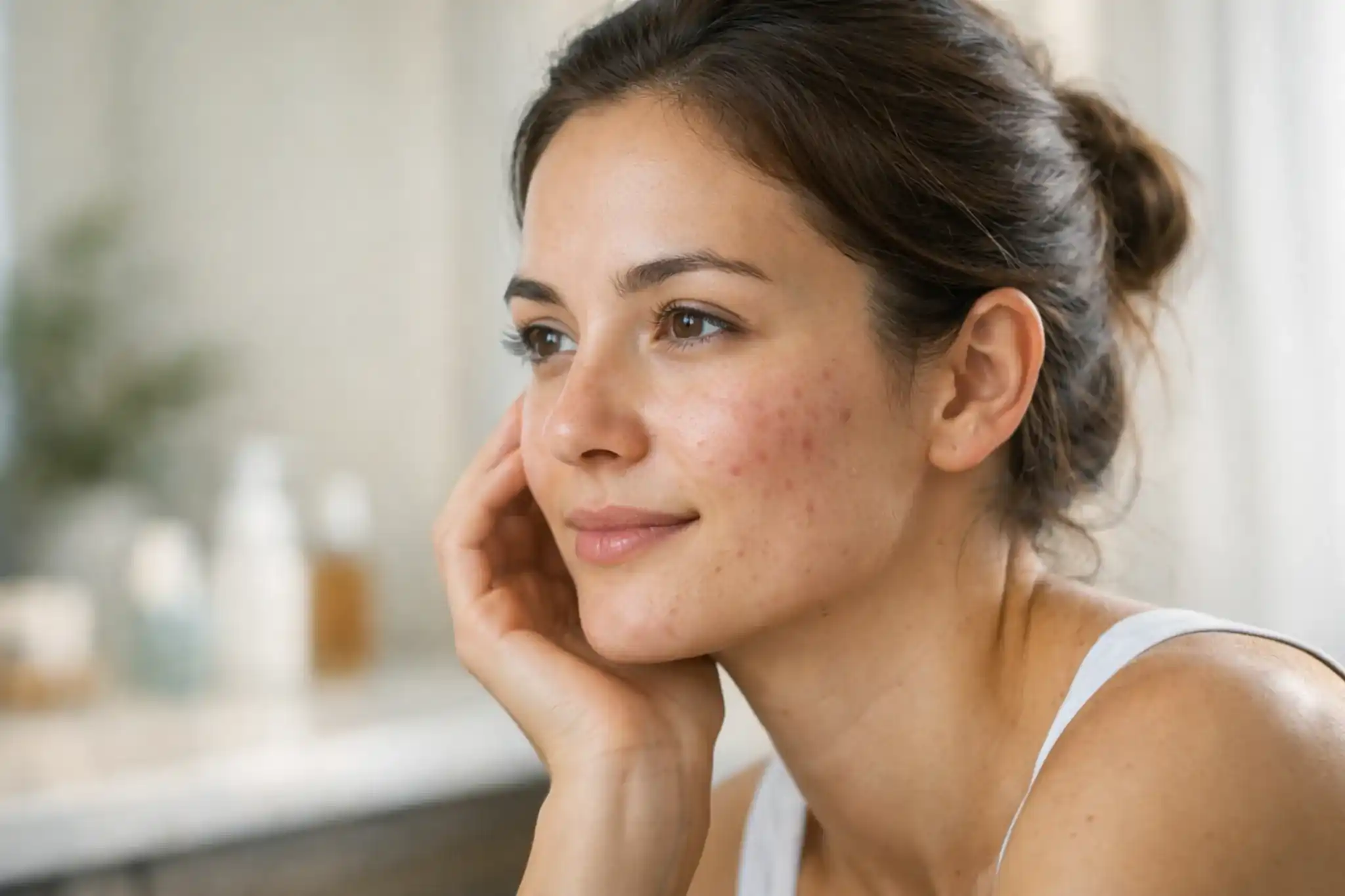
Cheek acne can show up in a few different ways. Some people mostly get whiteheads and blackheads, which form when pores get clogged with oil and dead skin cells. Others get red, swollen bumps called papules or pus-filled pimples called pustules.
These different types matter because treatment is not always one-size-fits-all. Small clogged bumps often respond well to ingredients that clear pores. Inflamed red pimples may need treatments that calm bacteria and swelling too.
Deep, painful bumps vs small surface breakouts
Some breakouts sit near the surface and heal fairly quickly. Others are deeper, more tender, and can linger for weeks. Deep bumps are often called nodules or cystic acne, and they carry a higher risk of leaving marks or scars.
If the skin on your cheeks feels sore, swollen, or hard under the surface, that usually points to a more inflamed form of acne than simple clogged pores.
When little bumps on forehead and cheek bumps may point to a different issue
Not every bump is classic acne. If you have many tiny, similar-looking bumps on the cheeks along with little bumps on forehead, it could still be acne, but it may also be irritation, folliculitis, or another skin condition that needs a different approach.
A clue is whether the bumps are all about the same size and whether they itch more than they hurt. Acne often comes in mixed forms, with blackheads, red pimples, and clogged pores all at once. Uniform, itchy bumps can suggest something else.
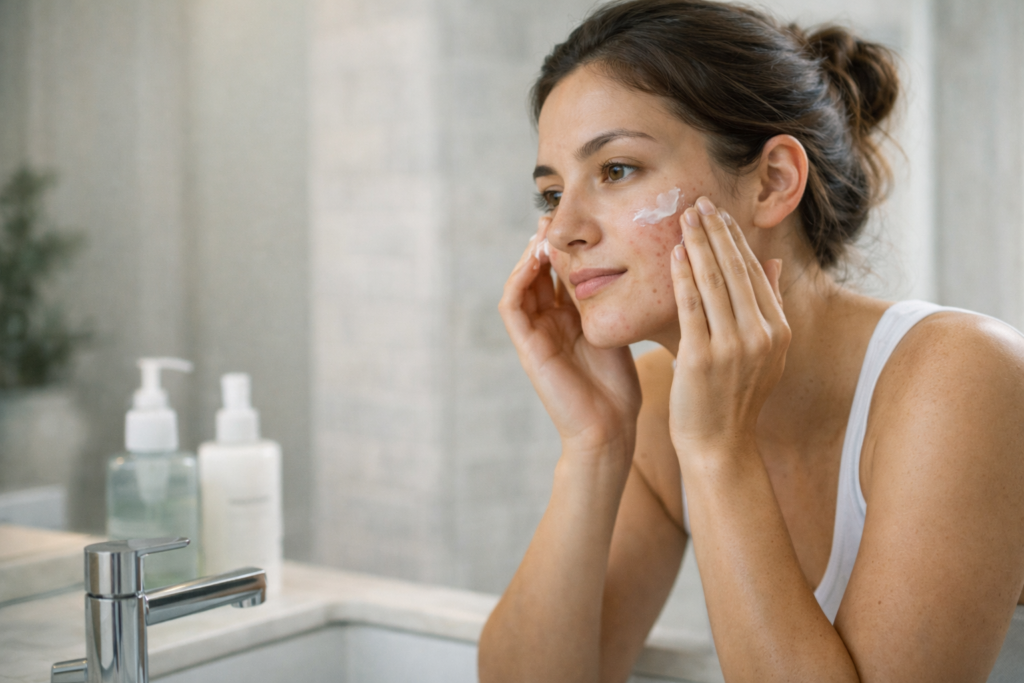
What causes acne on cheeks?
Excess oil, dead skin cells, and clogged pores
At its core, acne starts when pores become blocked. Your skin naturally makes oil, called sebum, to protect itself. When extra oil mixes with dead skin cells and gets trapped inside a pore, a clog forms. That is the starting point for many cheek breakouts.
Bacteria and inflammation
Once a pore is clogged, bacteria that normally live on the skin can multiply inside it. Your immune system reacts, and that is when redness, tenderness, and swelling can appear. This is why some pimples stay small while others become angry and inflamed.
Hormone shifts that can make cheeks break out
Hormones can increase oil production, which can make acne worse. This can happen during puberty, menstrual cycles, pregnancy, perimenopause, or times of high stress. Hormonal shifts are often linked with chin and jawline acne, but they can also play a role in acne on cheeks.
Skin irritation and a damaged skin barrier
Over-washing, scrubbing, harsh exfoliants, and using too many active products can weaken your skin barrier. When that happens, skin can become dry, stinging, inflamed, and more reactive. Irritated skin is not always acne, but barrier damage can make breakouts look worse and slow healing.
Genetics and acne-prone skin
Some people are simply more likely to get acne. If acne runs in your family, your skin may be more prone to clogged pores, excess oil, or stronger inflammatory responses.
🔥 The 3 products dermatologists actually recommend (and yes, they work):
Stop guessing and start with what’s proven. La Roche-Posay Effaclar Duo(+) targets breakouts fast, Paula’s Choice 2% BHA Liquid Exfoliant keeps pores clear with daily use, and Hero Cosmetics Mighty Patch is the overnight fix everyone swears by. ✅ No prescription needed ✅ Affordable ✅ Backed by real clinical evidence.
Common triggers that can make cheek acne worse
Phones, pillowcases, makeup brushes, and hands touching your face
Your cheeks come into contact with a lot during the day. Dirty phone screens, unwashed pillowcases, makeup brushes, and even resting your face in your hands can add sweat, oil, friction, and irritants to the skin.
This does not mean these things directly “cause” acne in every case, but they can make acne on cheeks worse if your skin is already acne-prone.
Heavy skin care, sunscreen, or makeup that may clog pores
Rich creams, thick makeup, and certain hair or skin products can trap oil and contribute to clogged pores, especially if they sit on the skin for long hours. Products labeled non-comedogenic are less likely to clog pores and are often a better choice for acne-prone skin.
Sweat, friction, and heat from masks or sports gear
Friction and trapped moisture can worsen breakouts. This is especially true if you wear face coverings, helmets, chin straps, or gear that rubs against the cheeks. Sweat left on the skin after exercise may also make clogged pores and irritation more likely.
Stress, poor sleep, and lifestyle changes
Stress can affect hormones and inflammation. Poor sleep may also make skin feel more reactive. That is one reason people often ask, why am I breaking out suddenly? A stressful week, travel, a change in routine, or even trying a few new products at once can tip acne-prone skin into a flare.
Diet patterns that may affect some people
Diet is not the whole story, but for some people, certain patterns seem to make acne worse. Foods with a high glycemic load, like sugary drinks and heavily refined snacks, may play a role in breakouts in some cases. Dairy may affect some people too, though not everyone notices a connection.
Why you might be asking, why am I breaking out suddenly?
Sudden breakouts often happen because something changed. Common reasons include:
- A new skin care or makeup product
- Increased stress
- Hormone shifts
- Sweaty workouts without cleansing afterward
- More face touching or friction
- Travel, climate, or sleep changes
- Stopping or starting certain medications
A sudden breakout does not always mean something serious, but it is worth looking for a new trigger.
Is it really acne? Conditions that can look similar
Folliculitis
Folliculitis happens when hair follicles become inflamed, often causing small bumps that can look acne-like. These bumps may be itchy and more uniform than typical acne.
Rosacea
Rosacea can cause redness and pimple-like bumps, especially in the center of the face. Unlike acne, it usually does not come with blackheads.
Perioral dermatitis
This rash tends to show up around the mouth and nose, but it can spread. It often looks like small inflamed bumps and may be triggered by steroid creams or irritating products.
Irritation bumps and allergic reactions
Sometimes the skin reacts to a product, fabric, or fragrance and develops rough, bumpy patches that mimic acne. These usually come with burning, itching, or peeling.
When small uniform bumps need a closer look
Here is a simple way to compare common possibilities:
| Condition | Common clues | Blackheads present? | Itching common? |
|---|---|---|---|
| Acne vulgaris | Mixed bumps, clogged pores, red pimples | Often yes | Sometimes |
| Folliculitis | Small similar bumps around follicles | Usually no | Often |
| Rosacea | Redness, flushing, sensitive skin | No | Sometimes |
| Irritation reaction | Burning, dryness, rash after product use | No | Often |
If you are unsure what you are dealing with, especially if treatments are not helping, a dermatologist can help sort it out.
Why do breakouts show up in different areas of the face?
Acne on cheeks vs forehead acne
The cheeks, forehead, chin, and jawline all have different patterns of oil, friction, and product exposure. Acne on cheeks is often linked to contact triggers, irritation, makeup, or general acne-prone skin. Forehead acne is often tied to excess oil, sweat, hats, hair products, and clogged pores near the hairline.
A closer look at forehead acne cause and oil buildup
A common forehead acne cause is oil buildup mixed with sweat and hair products. If you use styling creams, oils, pomades, or leave-in products, they can transfer to the forehead and clog pores. Wearing hats or headbands can add heat and friction too.
What pimples on chin meaning may suggest about hormones and irritation
Many people search for pimples on chin meaning because chin and jawline breakouts are often linked with hormones. That pattern can be real, but it is not a rule. Chin acne can also be worsened by face touching, shaving, lip products, or occlusive skin care.
Why location can offer clues but not a full diagnosis
Breakout location can give useful hints, but it does not tell the full story. You can have hormonal acne on your cheeks, friction acne on your chin, and clogged pores on your forehead at the same time.
How to treat acne on cheeks at home
Start with a gentle cleanser and simple routine
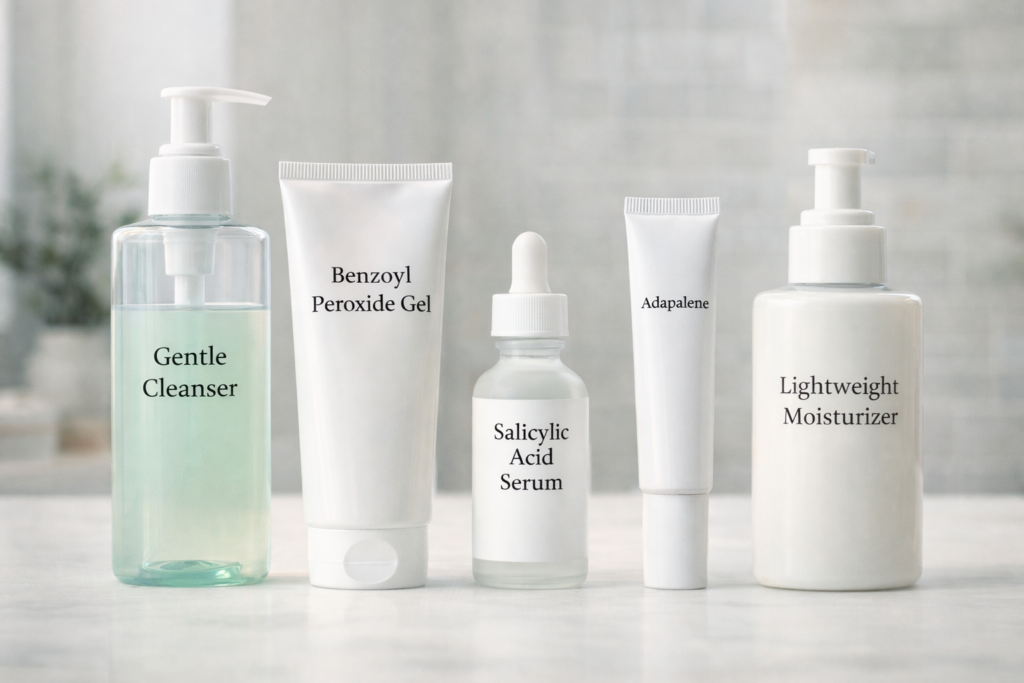
A simple routine usually works better than a complicated one. Start with a gentle cleanser, a light moisturizer, and one acne treatment. Keeping things simple makes it easier to tell what is helping and lowers the risk of irritation.
Best over-the-counter ingredients for cheek acne
Benzoyl peroxide
Benzoyl peroxide helps reduce acne-causing bacteria and inflammation. It can work well for red pimples and pustules. It may bleach fabrics and can be drying, so start slowly.
Salicylic acid
Salicylic acid helps unclog pores and is especially useful for blackheads, whiteheads, and rough texture. It can be a good choice if your acne on cheeks is mostly made up of small clogged bumps.
Adapalene
Adapalene is a retinoid available over the counter in the United States. It helps prevent clogged pores and supports long-term acne control. It often works well for mixed acne but can take several weeks to show full results.
Azelaic acid
Azelaic acid can help with acne, redness, and leftover marks. It is often a good option for people with sensitive skin or those dealing with post-acne discoloration.
How to choose the right treatment based on the type of breakout
- Mostly blackheads and whiteheads: try salicylic acid or adapalene
- Red inflamed pimples: try benzoyl peroxide or adapalene
- Sensitive skin with redness or marks: try azelaic acid
- Mixed breakouts: adapalene plus a gentle routine is often a strong starting point
How long it usually takes to see results
Acne treatment takes patience. Many people need at least 6 to 8 weeks to notice a clear difference, and 12 weeks is a more realistic time frame for judging whether a routine is working. Early dryness or a mild flare can happen, especially with retinoids.
A simple daily routine for acne on cheeks
Morning routine
- Wash with a gentle cleanser
- Apply acne treatment if using a morning-friendly product like benzoyl peroxide or azelaic acid
- Use a light non-comedogenic moisturizer
- Finish with broad-spectrum sunscreen
Night routine
- Remove makeup fully
- Cleanse gently
- Apply adapalene or another treatment, if using
- Moisturize
What to do if your skin is sensitive
Use fewer active products, not more. Start treatment every other night or a few times a week. You can also apply moisturizer before and after a retinoid if your skin gets dry easily.
How to avoid over-treating your face
Do not layer strong acids, scrubs, retinoids, and benzoyl peroxide all at once unless a clinician has told you how to do it safely. More products do not mean faster results.
Skin care and makeup tips that help prevent cheek breakouts
Look for non-comedogenic products
Choose makeup, sunscreen, and moisturizer labeled oil-free or non-comedogenic when possible. These are less likely to contribute to clogged pores.
Remove makeup fully before bed
Sleeping in makeup can trap oil, sweat, and debris against the skin. A proper nighttime cleanse matters.
Clean tools, brushes, and pillowcases regularly
Makeup brushes, sponges, and pillowcases collect oil and residue. Regular washing helps reduce buildup.
Be careful with fragranced or harsh products
Fragrance, alcohol-heavy toners, aggressive scrubs, and peel pads can irritate the cheeks. Acne-prone skin often does better with calm, consistent care.
Habits that may reduce future breakouts
Stop picking, squeezing, and scrubbing
Picking can push inflammation deeper, delay healing, and increase the risk of scarring or dark marks. Scrubbing does not clear acne. It usually just irritates the skin.
Keep your phone and anything touching your face clean
Wipe down your phone screen and change pillowcases often. These are small steps, but they can help reduce buildup on the cheeks.
Manage sweat after workouts
Wash your face or at least rinse off sweat soon after exercise. Staying in tight, sweaty gear for hours can make breakouts worse.
Supportive habits like sleep, stress control, and consistency
No lifestyle habit will replace acne treatment, but steady sleep, stress management, and sticking with a routine can support clearer skin over time.
🔥 The 3 products dermatologists actually recommend (and yes, they work):
Stop guessing and start with what’s proven. La Roche-Posay Effaclar Duo(+) targets breakouts fast, Paula’s Choice 2% BHA Liquid Exfoliant keeps pores clear with daily use, and Hero Cosmetics Mighty Patch is the overnight fix everyone swears by. ✅ No prescription needed ✅ Affordable ✅ Backed by real clinical evidence.
Common mistakes that can make acne on cheeks worse
Using too many active ingredients at once
This is one of the biggest mistakes. Overdoing acne products can leave your skin red, flaky, and more inflamed.
Switching products too often
When you jump from product to product every few days, you never give your skin enough time to respond.
Treating only when pimples appear
Acne treatment works best when it prevents new clogs, not just when it dries out a pimple that is already there.
Ignoring dryness, stinging, and barrier damage
If your skin burns, peels heavily, or feels tight all the time, your routine may be too harsh. Back off and focus on barrier support.
Expecting overnight results
Real acne improvement is slow. A routine that is helping may still take weeks to show it.
When home care may not be enough
Signs your acne may need professional treatment
Home care may not be enough if:
- You have painful deep bumps
- Acne is leaving scars or dark marks
- Over-the-counter products are not helping after 8 to 12 weeks
- Breakouts are severe, sudden, or spreading
- Acne is affecting your confidence or daily life
When to see a dermatologist for painful, cystic, or scarring acne
A dermatologist can help if your acne is deep, frequent, or likely to scar. The earlier you get help for severe acne, the better your chances of avoiding long-term marks.
Prescription options a clinician may discuss
Depending on your skin and health history, a clinician may discuss:
- Prescription-strength retinoids
- Topical or oral antibiotics
- Hormonal treatment options such as certain birth control pills or spironolactone
- Isotretinoin for severe or resistant acne
These treatments can be very effective, but they need proper medical guidance.
When sudden or severe breakouts deserve a closer evaluation
If you are asking why am I breaking out suddenly and the change feels dramatic, it may be worth looking into hormonal shifts, medication changes, hair and skin products, or another skin condition that is not acne.
Can cheek acne leave marks or scars?
Post-inflammatory dark marks and redness
Yes. Even when acne heals, it can leave behind post-inflammatory hyperpigmentation or lingering redness. These marks are not the same as scars, but they can take time to fade.
What helps marks fade
Sun protection matters a lot. UV exposure can make dark marks last longer. Ingredients like azelaic acid, retinoids, and gentle pigment-fading products may help over time.
How to lower the risk of permanent scarring
The best way to prevent scarring is to control inflammation early and avoid picking. Deep, painful acne is more likely to scar than small surface blemishes.
Final takeaway: what actually helps acne on cheeks
The most effective approach to acne on cheeks is usually simple and steady: use a gentle cleanser, pick one proven treatment, moisturize, wear sunscreen, and give it enough time to work.
It also helps to pay attention to triggers. Phones, pillowcases, friction, heavy products, stress, and sudden routine changes can all make breakouts worse.
If your acne is mild, over-the-counter care may be enough. If it is painful, scarring, or not improving after a fair trial, getting expert help is a smart next step.
Clearer skin usually does not come from the strongest routine. It comes from the right routine, done consistently. If your cheeks keep breaking out, start simple, track what changes, and take action before marks or scars have a chance to settle in.
FAQ:
Why do I keep getting acne on cheeks even when I wash my face?
Washing helps remove oil, sweat, and debris, but it does not fix every cause of acne. Acne on cheeks can also be driven by hormones, clogged pores, friction, makeup, stress, or irritating products. Washing too much can even make skin more irritated.
How long does it take for cheek acne treatments to work?
Most acne treatments need at least 6 to 8 weeks to show real improvement, and 12 weeks is often a better time to judge results. Acne care works slowly because it prevents new clogged pores as much as it treats current breakouts.
Is forehead acne treated differently from cheek acne?
The basic treatment is often similar, with ingredients like salicylic acid, benzoyl peroxide, and adapalene. The difference is usually in the trigger. A common forehead acne cause is oil, sweat, and hair product buildup, while cheek acne is often worsened by contact, friction, or makeup.
Do pimples on chin always mean hormones are the cause?
No. The phrase pimples on chin meaning often points people toward hormones, and hormones can be a factor, but they are not the only one. Chin breakouts can also be linked to irritation, face touching, shaving, and occlusive products.
When should I see a dermatologist for sudden breakouts?
See a dermatologist if your breakouts are painful, deep, scarring, or not getting better after 8 to 12 weeks of home treatment. It is also a good idea if you are wondering why am I breaking out suddenly and the flare is severe or comes with unusual redness, itching, or rash-like bumps.