Chest Acne Causes: What Triggers Breakouts and How to Treat Them
Chest breakouts can be annoying in a very specific way. They show up when you want to wear a lower neckline, a workout top, or a swimsuit, and they can be just as frustrating as facial acne. For some people, the bumps come and go with sweat or weather. For others, they seem to stick around no matter what body wash they use. That is why so many people start searching for chest acne causes when the problem will not settle down.
The tricky part is that chest acne causes are not always just one thing. You might be dealing with sweat, friction, hormones, clogged pores, heavy products, or even bumps that are not classic acne at all. The chest is an area where multiple triggers can overlap, which is why the right fix depends on what is really driving the breakouts.
Table of Contents
What Is Chest Acne?
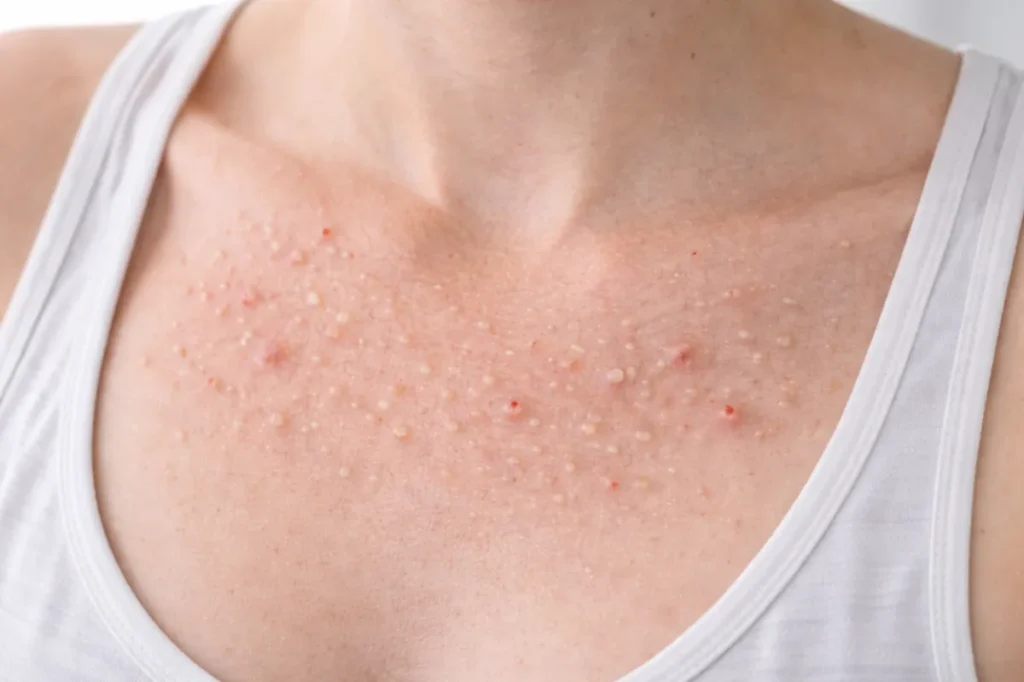
Before looking closely at chest acne causes, it helps to know what chest acne can actually look like. Some people get small whiteheads or blackheads. Others get red pimples, tender bumps, or patches of tiny rough spots. In more stubborn cases, the breakouts can be deeper, more inflamed, and slower to heal.
The chest is especially prone to breakouts because it deals with several acne-friendly conditions at once:
- Sweat
- Oil
- Friction from clothing
- Heat
- Hair and body product residue
- Occlusion from tight fabrics
This is why chest acne causes often overlap with body acne triggers in general. The chest is not exposed exactly like the face, and it is often covered for hours, which changes how the skin behaves.
Chest Acne Causes: The Most Common Triggers
When people ask about chest acne causes, they are usually looking for the most likely reasons their skin keeps flaring. These are the biggest ones to consider.
Sweat and trapped moisture
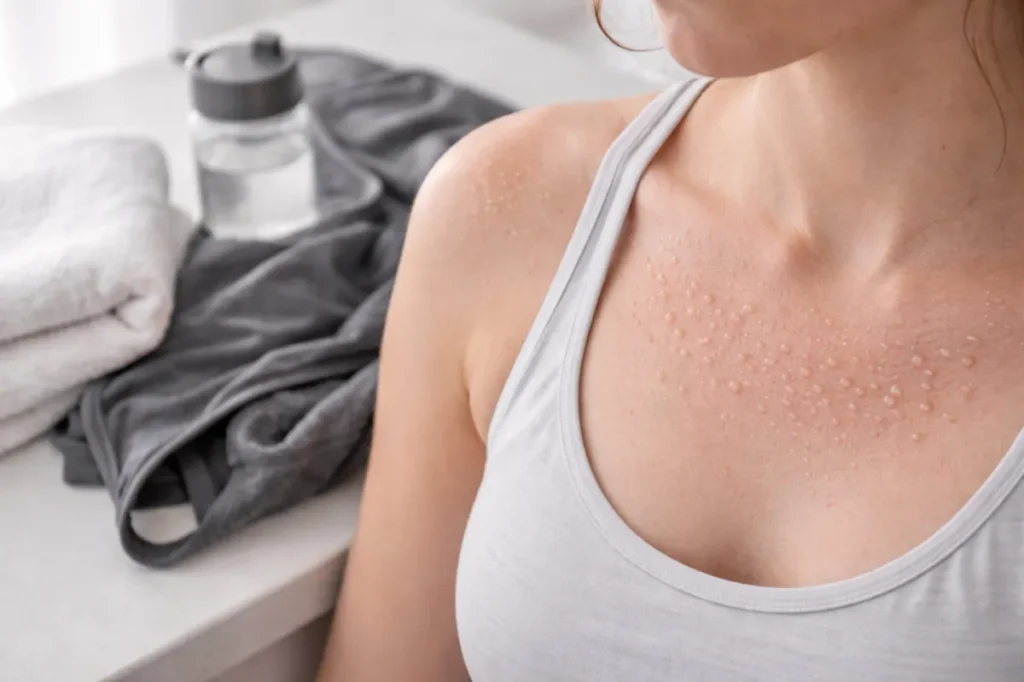
One of the most common chest acne causes is simple sweat. When sweat sits on the skin too long, especially under clothing, it can mix with oil, dead skin, and product residue. That can make pores more likely to clog and can also irritate the area.
This tends to happen after:
- Workouts
- Hot weather
- Long commutes in tight clothing
- Sleeping in sweaty clothes
- Staying in sports bras or fitted tops too long
If your breakouts get worse after exercise, sweat is one of the first chest acne causes to look at.
Friction and tight clothing
Friction matters more than many people realize. Tight shirts, sports bras, chest binders, synthetic fabrics, backpacks, and even seatbelts can rub the skin repeatedly. That rubbing can trap heat and make breakouts worse.
This is one reason chest acne causes are often linked to activewear. Even clean workout clothes can still create the kind of friction and trapped moisture that irritate acne-prone skin.
Hormonal changes
Hormones are another major part of chest acne causes. If you already get breakouts around your jawline, chin, or back during certain times of the month or during stressful periods, hormones may also be affecting the chest.
Hormonal shifts can increase oil production, which makes clogged pores more likely. For some people, this leads to recurring chest breakouts that seem to come in cycles.
Pore-clogging products
Heavy body lotions, oily sunscreens, fragranced creams, body oils, and even hair conditioner can all play a role in chest acne causes. A lot of people do not think about how much product touches the upper chest during a shower or while getting dressed.
Common product-related triggers include:
- Thick moisturizers
- Greasy sunscreen formulas
- Perfumed body sprays
- Hair conditioner rinsing down onto the chest
- Styling products transferring from hair to skin
If your chest started breaking out after a new product, it may be one of the more obvious chest acne causes in your routine.
Inconsistent showering after workouts
You do not need to panic and scrub the second you sweat, but letting sweat, oil, and bacteria sit on the chest for hours can make breakouts more likely. That is why delayed showering is often included in discussions about chest acne causes.
Dead skin and oil buildup
Like facial acne, chest acne often starts with clogged pores. Oil and dead skin cells can collect in the follicle opening, creating blackheads, whiteheads, or inflamed pimples. This is one of the most straightforward chest acne causes, especially if you tend to have oily skin or acne elsewhere too.
Heat and humidity
Warm weather often makes chest breakouts worse. More sweat, more oil, and more trapped moisture create the kind of conditions that push chest acne causes into action more easily.
Shaving or follicle irritation
Sometimes bumps on the chest are not classic acne at all. Shaving, friction, and irritated follicles can create bumps that look acne-like. This is why not all chest acne causes are standard acne triggers. Some involve follicle irritation or body breakouts that need a slightly different plan.
Stress and lifestyle habits
Stress may not be the only reason you are breaking out, but it can add to chest acne causes by influencing hormones, sleep, inflammation, and habits. Stress can also lead to picking, touching the area more often, or neglecting post-workout skin care.
Why Is My Chest Breaking Out All of a Sudden?
Sometimes the chest stays mostly clear for months, then suddenly starts flaring. When that happens, looking at recent changes can help uncover chest acne causes more quickly.
New products
A new lotion, sunscreen, perfume spray, detergent, fabric softener, or body wash can all be relevant. Even if a product is fine on your arms or legs, your chest may react differently.
Workout and clothing changes
If you recently started exercising more, wearing tighter tops, rewearing sports clothes, or spending more time in hot weather, those shifts can add directly to chest acne causes.
Hormonal shifts
A sudden flare can also happen around hormonal changes. Stressful periods, cycle changes, medication changes, or other hormone-related shifts may show up on the chest as well as the face.
Seasonal changes
Summer often brings out several chest acne causes at once: more sweating, more sunscreen, more humidity, and more tight athletic clothing. Travel can add another layer if you are using unfamiliar products or sweating more than usual.
Chest Acne vs Other Bumps: Could It Be Something Else?
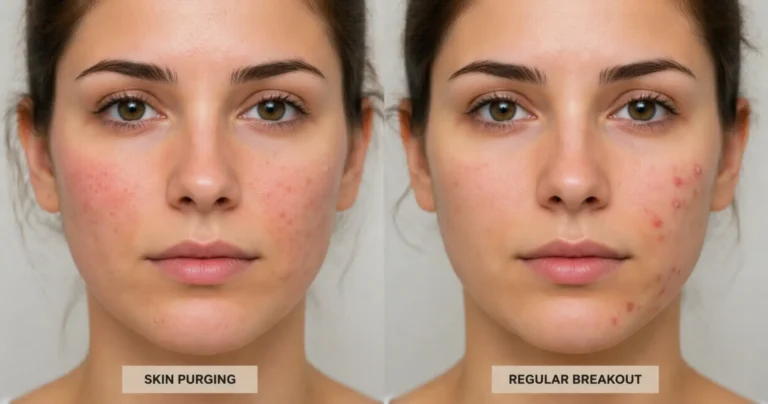
Not every chest bump is classic acne. This is one reason people get stuck trying product after product. They assume all chest acne causes must involve clogged pores, but sometimes the bumps come from something else.
Regular acne
Regular chest acne may include blackheads, whiteheads, red pimples, and inflamed bumps. This often links back to clogged pores, oil, hormones, and common chest acne causes like sweat or friction.
Folliculitis or fungal acne-like bumps
If the bumps are small, very similar in size, itchy, and show up in patches, folliculitis may be part of the picture. Sweat, heat, friction, and trapped moisture can contribute here too. These are still related to the general idea of chest acne causes, but the treatment path may be different from standard acne care.
Irritation or heat rash
Sometimes the area is more rash-like than acne-like. If the chest is very red, prickly, or irritated after heat and sweat, some of the bumps may be irritation rather than clogged pores.
Understanding this difference matters because you do not want to keep throwing strong acne products at a problem that is not really acne.
How to Treat Chest Acne Based on the Cause
The best way to deal with chest acne causes is to match the treatment to the trigger. That usually works better than using every acne product you can find.
Start with gentle cleansing
A simple cleanser is often a good place to begin. You want to remove sweat, oil, sunscreen, and product residue without scrubbing the skin raw.
Helpful habits include:
- Washing the chest after sweating
- Using a gentle body cleanser daily
- Avoiding rough loofahs or harsh scrubs
- Patting the area dry instead of rubbing hard
Gentle cleansing helps because many chest acne causes get worse when the skin is both clogged and irritated.
Use acne-fighting ingredients carefully
Two of the most useful ingredients for chest breakouts are salicylic acid and benzoyl peroxide.
Salicylic acid may help more when:
- You have clogged pores
- The bumps are small
- The skin feels oily
- Texture and whiteheads are the main problem
Benzoyl peroxide may help more when:
- The pimples are red and inflamed
- Body acne looks active
- Breakouts feel tender
- You tend to get pus-filled spots
Because the skin on the chest can still get irritated, do not assume more product means better results. Some of the worst chest acne causes become even worse when the skin barrier gets over-dried.
Shower after sweating
This step sounds basic, but it matters. One of the easiest ways to reduce common chest acne causes is to get sweat off the skin sooner instead of later.
Switch to lighter products
If you use thick body creams, heavy oils, or rich sunscreens, consider whether they may be part of your chest acne causes. Look for lighter, non-comedogenic products when possible.
Also think about hair care. Conditioner and styling products often touch the chest without people realizing it. Rinsing hair products off fully and washing the chest afterward can help.
Reduce friction
Since friction is one of the most common chest acne causes, small clothing changes can make a difference.
Try to:
- Change out of sweaty clothes sooner
- Wear breathable fabrics
- Wash sports bras and workout shirts after each use
- Avoid tight tops when the area is flaring
- Be mindful of straps rubbing the same area repeatedly
Keep your hands off the area
Picking, squeezing, and touching can make chest breakouts worse. They can also turn minor pimples into dark marks that last longer than the breakout itself.
Salicylic Acid or Benzoyl Peroxide for Chest Acne?
Because people often want fast results, this is one of the most useful questions to ask when sorting through chest acne causes.
When salicylic acid may be the better choice
Choose salicylic acid when the main problem looks like:
- Clogged pores
- Small bumps
- Whiteheads
- Oily skin
- Rough texture
This can be especially useful if the main chest acne causes seem linked to sweat, oil, and pore congestion.
When benzoyl peroxide may be the better choice
Choose benzoyl peroxide when the main problem looks like:
- Red inflamed pimples
- Tender body breakouts
- Repeated chest and back acne
- More active-looking acne rather than simple congestion
Can both be used?
Yes, sometimes. But if you use both, alternate them carefully instead of overloading the skin. For example, use one product on certain days and the other on alternate days. That approach helps manage chest acne causes without creating new irritation.
How to Get Rid of Chest Pimples Fast Without Making Them Worse
Many people searching chest acne causes are also trying to figure out how to get rid of pimples fast. The honest answer is that you can help chest acne improve faster, but you usually cannot force it to disappear overnight.
What helps quickly
A fast but safe approach usually includes:
- Showering soon after sweating
- Using one acne-targeting ingredient consistently
- Switching to lighter products
- Wearing clean, breathable clothing
- Leaving the bumps alone
This is also the most realistic answer to how to get rid of zits on the chest. Body acne often responds best to simple, consistent care.
What slows healing down
A few habits can keep chest acne causes active longer than necessary:
- Picking at bumps
- Staying in sweaty clothes
- Scrubbing too hard
- Using fragranced or greasy products
- Applying too many actives at once
- Ignoring product buildup from hair care
If you are wondering how to remove a pimples fast, resist the urge to squeeze. That usually increases redness and raises the chance of marks or scars.
Chest and Back Breakouts: Why They Often Happen Together
The chest and back often break out for the same reasons. That is because many chest acne causes are also common back acne triggers.
Shared reasons include:
- Sweat after workouts
- Tight clothing
- Hair product transfer
- Oilier skin on the body
- Delayed showering
- Friction from clothing or straps
That is why people asking about how to get rid of back pimples often need to look at the same habits that affect the chest. If both areas are breaking out, body-care routines, shower timing, and clothing choices matter even more.
Common Mistakes That Make Chest Acne Worse
Sometimes the issue is not just the original chest acne causes. It is also the way people respond to the breakouts.
Scrubbing too hard
This is very common. People think body acne needs stronger exfoliation, but harsh scrubbing often leaves the skin more inflamed.
Using too many actives at once
Layering salicylic acid, benzoyl peroxide, scrubs, strong washes, and spot treatments together can strip the skin.
Letting conditioner sit on the chest
Hair products are easy to miss, but they are a real part of chest acne causes for some people.
Staying in sweaty clothes
This is one of the most preventable chest acne causes. Even changing quickly after a workout can help.
Using fragranced or greasy products
Products that feel luxurious are not always ideal for breakout-prone chest skin.
Picking and squeezing
Chest skin can mark easily, so picking can leave behind discoloration even after the pimple is gone.
When to See a Dermatologist
At-home care can help many cases, but some chest acne causes need more expert support.
It may be time to see a dermatologist if:
- You have painful cysts
- You are getting dark marks or scars
- The bumps are very itchy or very uniform
- Over-the-counter products are not helping
- Breakouts are spreading
- You are not sure whether it is acne, folliculitis, or irritation
A dermatologist can help sort out whether the main chest acne causes in your case are hormonal, follicular, product-related, or something else entirely.
A Simple Way to Track Your Triggers
If you feel overwhelmed by all the possible chest acne causes, keep it simple. For two to four weeks, pay attention to patterns like:
- Did the breakout happen after workouts?
- Did you start a new lotion or sunscreen?
- Are the bumps worse after wearing tight clothing?
- Do they flare at certain times each month?
- Are chest and back breakouts happening together?
- Are the bumps itchy, uniform, or rash-like?
This kind of tracking can make chest acne causes much easier to spot than randomly switching products every few days.
Final Takeaway
The most common chest acne causes are sweat, friction, hormones, clogged pores, and heavy or pore-clogging products. In some cases, folliculitis-like bumps or irritation may also be involved, which is why the chest does not always respond to the same routine you use on your face.
The good news is that many chest acne causes are manageable once you identify the pattern. If your breakouts get worse with workouts, focus on sweat and clothing habits. If they started after a new lotion or sunscreen, simplify your products. If the bumps are red and inflamed, targeted acne treatment may help. If they are tiny, itchy, and uniform, it may be time to consider that the issue is not classic acne.
A simpler routine usually works better than an aggressive one. Cleanse gently, shower after sweating, use acne ingredients carefully, and watch for repeat triggers. Once you understand your own chest acne causes, it becomes much easier to calm the skin without making it more irritated.
FAQ:
1. What are the most common chest acne causes?
The most common chest acne causes are sweat, trapped moisture, friction from tight clothing, hormones, clogged pores, and heavy body or hair products. In some people, folliculitis-like bumps can also be part of the problem.
2. Why is my chest breaking out even though my face is clear?
That can happen because chest acne causes are often tied to body-specific triggers like sports bras, tight shirts, sweat, sunscreen, conditioner, and delayed showering after workouts. Your chest can react differently from your face.
3. How to get rid of pimples fast on the chest?
The safest answer to how to get rid of pimples fast is to keep the routine simple: shower after sweating, use a gentle cleanser, add salicylic acid or benzoyl peroxide if appropriate, and avoid picking. Fast improvement usually comes from consistency, not aggressive scrubbing.
4. Is salicylic acid or benzoyl peroxide better for chest acne?
It depends on the trigger. If chest acne causes seem linked to clogged pores and oil, salicylic acid may help more. If the pimples are red and inflamed, benzoyl peroxide may be a better fit.
5. How to get rid of back pimples if I also have chest acne?
If you want to know how to get rid of back pimples along with chest breakouts, look at the shared triggers. Sweat, tight clothing, hair products, and delayed showering are common chest acne causes and back acne triggers too. A simple body-acne routine often helps both areas at the same time.