Pimples on Chin Meaning: Common Causes and What They May Signal
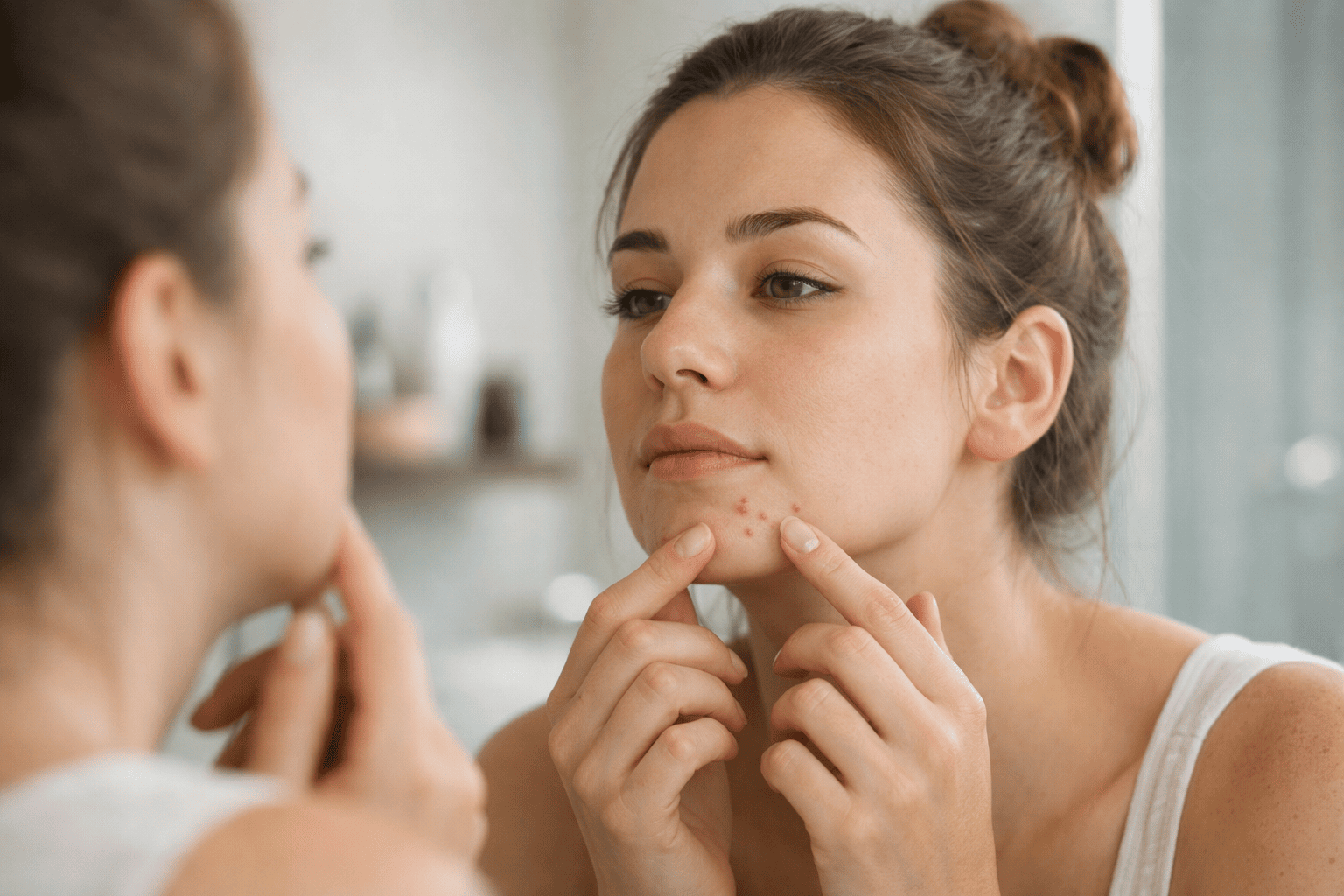
A breakout on your chin can feel oddly personal. It shows up where you can see it, touch it, and worry about it all day. The good news is that pimples on chin meaning usually comes down to a few common causes, not something mysterious. In most cases, chin pimples are linked to hormonal shifts, clogged pores, skin irritation, or everyday habits that keep the area inflamed.
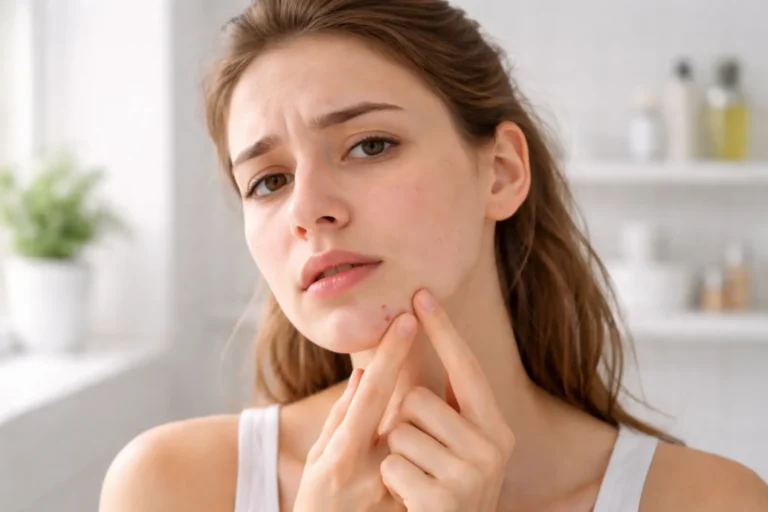
Your chin is one of the most common places to break out because it deals with a lot. Skin oil, sweat, friction, touching your face, lip products, shaving, and hormone-related acne can all show up there. If you keep getting the same type of pimple in the same area, your skin may be reacting to a pattern you have not noticed yet.
This guide will help you understand what chin breakouts may signal, how they compare with forehead acne and acne on cheeks, what you can do at home, and when it makes sense to get professional help.
Table of Contents
Pimples on chin meaning: what does it usually suggest?
The most common pimples on chin meaning is simple: the pores in that area are getting blocked and inflamed. That can happen from excess oil, dead skin cells, bacteria, irritation, or a mix of all four.
When a pimple shows up once in a while, it may not mean much. A single small breakout can happen after sweating, wearing heavy makeup, using a new product, or touching your face more than usual. But repeated chin breakouts often suggest one of these patterns:
- Hormonal acne, especially around your period or during hormone changes
- Product buildup from skincare, sunscreen, foundation, or lip balm
- Friction acne from masks, chin straps, helmets, or leaning on your hands
- Stress-related flare-ups that raise oil production and inflammation
- Ingrown hairs or irritation from shaving or hair removal
The key is not just where the pimple is, but how often it happens, what it looks like, and whether other parts of your face are breaking out too.
What causes pimples on the chin?
Hormonal shifts and the lower face
Hormones play a major role in lower-face breakouts. When androgen levels rise or your skin becomes more sensitive to them, oil glands can make more sebum. That extra oil mixes with dead skin and clogs pores.
This is why chin acne and jawline acne often flare:
- before a menstrual period
- during puberty
- in pregnancy
- around perimenopause
- after starting or stopping certain birth control methods
Hormonal breakouts are often deep, sore, and slow to heal.
Pore-clogging products
The chin sits close to products you may not think about. Foundation, concealer, sunscreen, face oils, and even thick lip balms can spread into the area. If a product is too heavy for your skin, it may trap oil and debris.
Some people also react to fragranced or irritating products. In that case, the issue is not only clogged pores but also inflammation.
Friction and pressure
Anything that rubs the chin can trigger breakouts. This can include:
- face masks
- helmet straps
- sports chin guards
- resting your chin in your hands
- holding a phone against your face
This type of breakout is sometimes called acne mechanica, and it often appears where pressure and sweat combine.
Stress, sleep changes, and sudden breakouts
If you have ever asked, why am I breaking out suddenly, stress may be part of the answer. Stress does not directly cause acne in every person, but it can make existing acne worse by increasing inflammation and affecting oil production. Poor sleep, travel, late nights, and changes in routine can make the skin more reactive too.
Sweat and exercise
Sweat alone does not cause acne, but it can contribute when it sits on the skin along with oil, bacteria, and friction. Tight workout gear or wiping your face with a dirty towel can make things worse.
Diet patterns
Diet is not the only reason for acne, but some people notice more breakouts with patterns like high-glycemic foods or large amounts of dairy. This does not mean everyone needs a strict acne diet. It means your skin may respond to certain habits, and tracking patterns can be helpful.
Shaving and hair removal
If you shave your chin or remove facial hair, you may be dealing with irritation or ingrown hairs rather than true acne. These bumps can look similar at first, but the treatment may be different.
Do pimples on the chin always mean hormones?
No. Hormones are common, but they are not the only explanation.
Signs your chin breakouts may be hormone-related include:
- they flare around the same time each month
- they cluster on the chin and jawline
- they are deep, tender, or cyst-like
- they are stubborn and keep coming back
Signs they may be more related to irritation or buildup include:
- the bumps started after a new skincare or makeup product
- they are smaller and more surface-level
- they appear where masks, phones, or hands touch your skin
- your skin also feels itchy, dry, or irritated
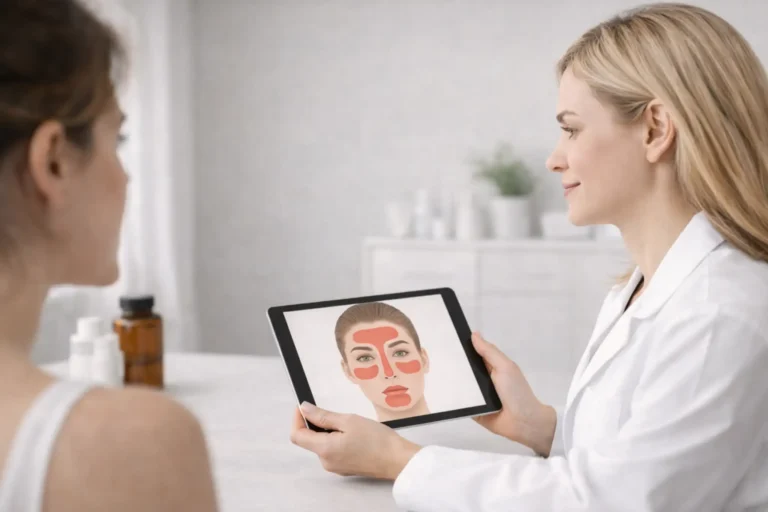
You may have heard of face mapping, the idea that each area of the face points to a specific internal cause. While breakout location can offer clues, it is often oversimplified. Chin pimples can suggest hormones, but they do not prove a hormone problem on their own.
What different types of chin bumps may signal
Not every bump on your chin is the same thing.
Whiteheads and blackheads
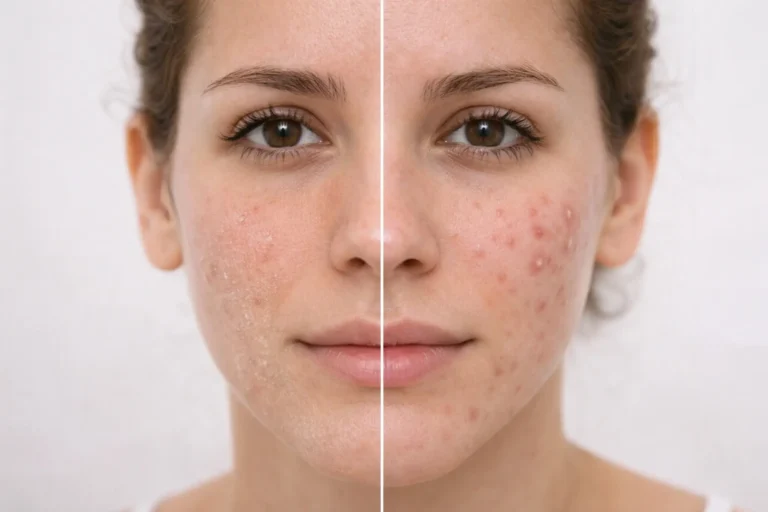
These are comedones, or clogged pores. Whiteheads are closed, while blackheads stay open at the surface. They often point to oil, dead skin buildup, and pore congestion.
Red inflamed pimples
These bumps are more irritated and may feel tender. They suggest inflammation and may respond to acne treatments like benzoyl peroxide or salicylic acid.
Deep, painful cyst-like bumps
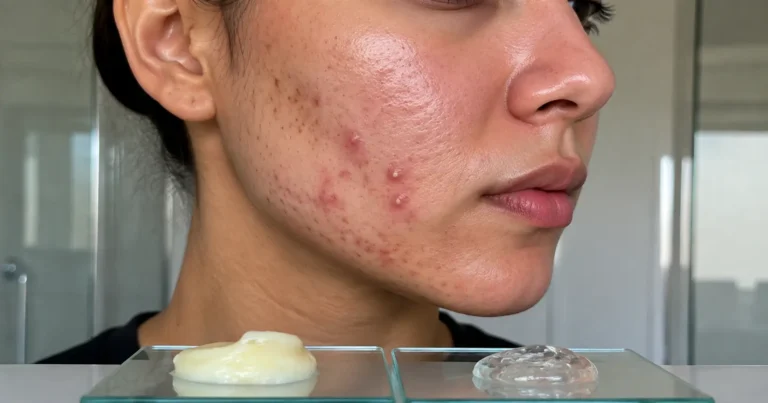
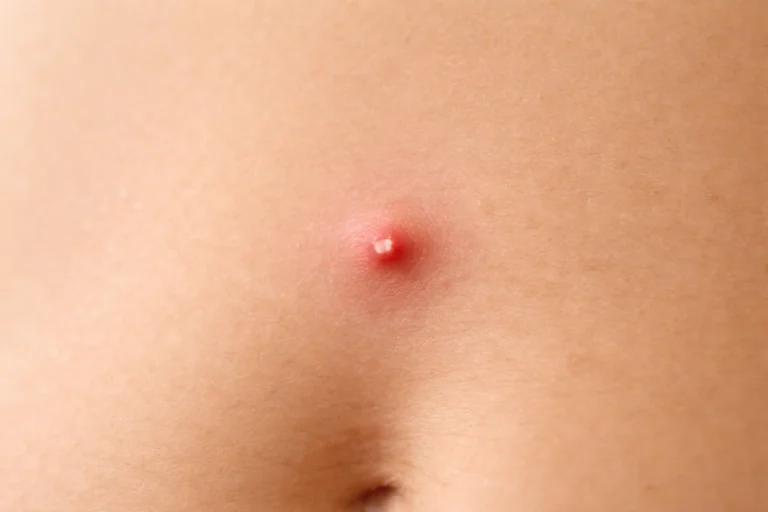
These are often linked with hormonal acne. They sit deeper in the skin, hurt more, and take longer to go away. Picking them can increase the risk of dark marks and scarring.
Tiny rough bumps
Small uniform bumps are not always acne. Sometimes they come from irritation, folliculitis, or product reactions.
Conditions that can look like acne
Several skin problems can mimic chin acne:
- Folliculitis, which involves inflamed hair follicles
- Razor bumps, caused by ingrown hairs
- Perioral dermatitis, which often causes small bumps around the mouth and chin and may worsen with steroid creams
If your chin bumps burn, itch, or do not respond to acne care, the problem may not be acne at all.
How chin acne compares with breakouts in other areas
Breakout location matters because it can point to different triggers.
Forehead acne cause
A common forehead acne cause is trapped oil mixed with sweat, hair products, and dead skin. The forehead also tends to have many oil glands, which makes congestion more likely.
Forehead acne and little bumps on forehead
If you have little bumps on forehead, think about hair oils, dry shampoo, hats, sweat, and not washing after workouts. Some forehead bumps may also be fungal folliculitis rather than classic acne.
Acne on cheeks
Acne on cheeks is often linked to friction and contact. Phones, pillowcases, dirty makeup brushes, and heavy cosmetics can all play a role. Cheek acne may also show up with mask use or if you touch your face often.
Location can offer useful clues, but it is not a diagnosis. Many people have a mix of causes happening at the same time.
If this sounds familiar, a related internal resource you could explore is a guide on forehead acne causes and little bumps on forehead. Another useful topic is a separate article on what acne on cheeks may signal and how to prevent it.
Why am I breaking out suddenly on my chin?
Sudden chin breakouts usually happen because something changed. Common triggers include:
- a new cleanser, serum, makeup, sunscreen, or lip product
- hormonal changes related to your cycle
- stopping or switching birth control
- more stress than usual
- travel, poor sleep, or schedule changes
- weather shifts, especially heat and humidity
- touching your face more often
- shaving differently or using a dull razor
Sometimes the trigger is hidden in plain sight. A rich lip balm that smears downward, a workout strap rubbing your chin, or a habit of resting your face in your hand can be enough to keep the cycle going.
How to treat chin pimples at home
For many people, a simple routine works better than an aggressive one. The goal is to unclog pores, calm inflammation, and protect your skin barrier.
A simple routine for acne-prone chin skin
Morning:
- Wash with a gentle cleanser
- Apply a lightweight, noncomedogenic moisturizer
- Use broad-spectrum sunscreen
Night:
- Cleanse gently
- Apply an acne treatment suited to your skin
- Moisturize again if needed
Best over-the-counter ingredients for chin breakouts
Benzoyl peroxide
Benzoyl peroxide helps reduce acne-causing bacteria and inflammation. It can work well for red, inflamed pimples. Start with a lower strength if your skin is sensitive.
Salicylic acid
Salicylic acid helps unclog pores and is especially helpful for whiteheads and blackheads. It can be useful if your chin feels bumpy or congested.
Adapalene
Adapalene is an over-the-counter retinoid that helps prevent clogged pores and supports long-term acne control. It can be very effective, but it takes patience and can cause dryness at first.
Azelaic acid
Azelaic acid can help with acne, redness, and post-acne marks. It is often a good option for sensitive skin or skin that gets dark marks after breakouts.
How to choose the right treatment
- Mostly clogged pores: try salicylic acid or adapalene
- Red inflamed pimples: try benzoyl peroxide
- Sensitive skin or leftover marks: try azelaic acid
- Recurrent deep cysts: home care may help only a little, and a dermatologist may be the better next step
How long does improvement take?
Most acne treatments need time. You may see early changes in 4 to 6 weeks, but a more realistic window is 8 to 12 weeks. That is why consistency matters more than constantly switching products.
Daily habits that can help prevent chin breakouts
Small habits make a big difference.
- Wash gently, not aggressively
- Avoid scrubbing or harsh cleansing brushes
- Keep your hands off your face
- Clean your phone regularly
- Change pillowcases often
- Choose noncomedogenic face and lip products
- Remove makeup before bed
- Shower or wash your face after sweating
- Use a clean razor and shave carefully
- Track breakouts in relation to your cycle, stress, and new products
If you notice repeated flares, keeping a simple skin journal can help connect the dots. That can be especially useful if you keep asking yourself, why am I breaking out suddenly.
Common mistakes that can make chin acne worse
A lot of acne frustration comes from doing too much, not too little.
Popping and picking
Picking can drive inflammation deeper, spread bacteria, and increase the chance of dark marks or scars.
Using too many actives at once
Stacking acids, retinoids, scrubs, and spot treatments can damage your skin barrier. When that happens, your skin may feel raw and look even more broken out.
Overwashing
Washing too often can strip your skin and make irritation worse. Twice a day is enough for most people.
Treating every bump as acne
This matters. If the problem is folliculitis, razor bumps, or perioral dermatitis, standard acne products may irritate it more.
Expecting overnight results
Acne treatment is slow. Quitting after one week often means you never get the benefit of the product.
When home care may not be enough
Sometimes chin pimples need more than drugstore care.
Consider seeing a dermatologist if:
- your acne is painful or deep
- it is leaving scars or dark marks
- it keeps coming back despite 8 to 12 weeks of home treatment
- the bumps are spreading or do not look like typical acne
- you think the breakout may be related to hormones
- your skin is becoming very irritated from self-treatment
A sudden severe breakout can also deserve a broader review, especially if it comes with other symptoms like major menstrual changes, excess facial hair growth, or rapid skin changes. Chin pimples can offer clues, but they do not confirm a diagnosis by themselves.
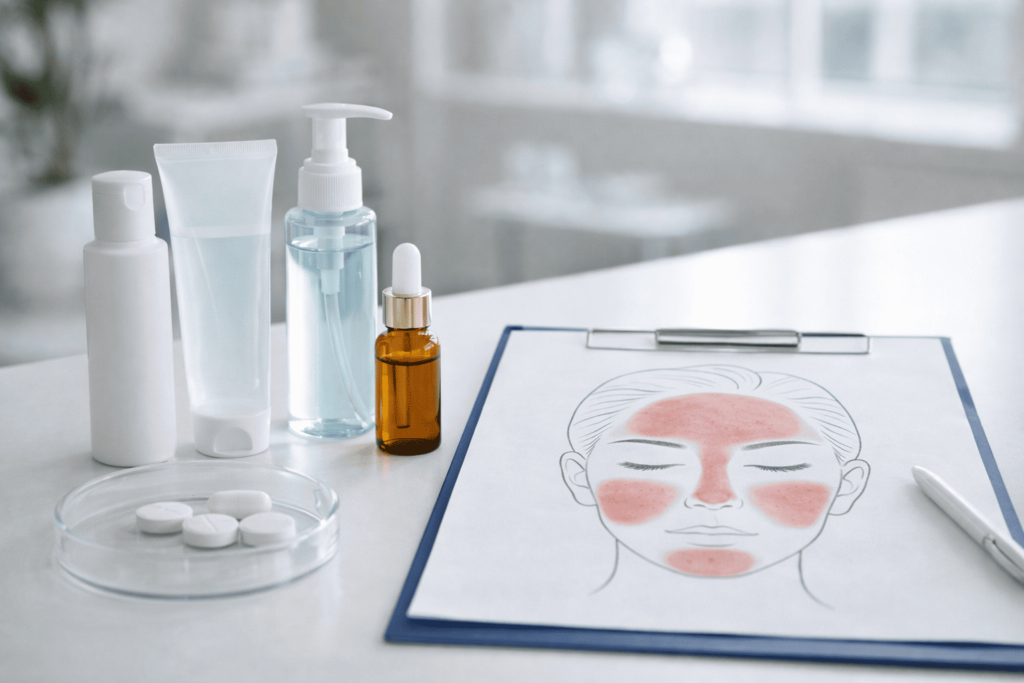
Treatments a dermatologist may recommend
A dermatologist can help confirm whether you have acne or something that only looks like acne. Treatment may include:
Prescription retinoids
These help prevent clogged pores and are often stronger or more targeted than over-the-counter options.
Topical or oral antibiotics
These may be used for selected inflammatory acne cases, usually for limited periods and often alongside other treatments.
Hormonal treatment options for some women
For women with hormone-driven acne, a dermatologist may discuss treatments such as certain birth control pills or spironolactone. These are not right for everyone, but they can be helpful in the right situation.
Cortisone injections
A dermatologist can sometimes inject a large, painful cyst to reduce swelling more quickly.
A professional treatment plan is often most helpful when your acne is scarring, cyclical, painful, or not responding to a simple routine.
Quick comparison table: chin pimples, forehead acne, and acne on cheeks
| Breakout area | Common causes | Typical look | Best first step | When to seek help |
|---|---|---|---|---|
| Chin | Hormonal shifts, friction, lip products, shaving, clogged pores | Deep sore bumps, red pimples, recurring lower-face breakouts | Gentle routine plus benzoyl peroxide, salicylic acid, adapalene, or azelaic acid depending on type | If bumps are painful, cyclical, scarring, or not improving after 8 to 12 weeks |
| Forehead | Sweat, hair products, oil, hats, pore congestion | Small bumps, whiteheads, oily shine | Review hair products, cleanse after sweating, use pore-clearing treatments | If bumps are itchy, uniform, or resistant, because they may not be classic acne |
| Cheeks | Phones, pillowcases, cosmetics, friction, touching face | Inflamed pimples or clogged pores across cheek area | Improve hygiene around face contact, simplify products, use gentle acne care | If acne spreads, scars, or seems related to ongoing irritation |
Related questions readers often ask
Can stress cause pimples on the chin?
Stress can make chin acne worse by increasing inflammation and affecting oil production. It may not be the only cause, but it can be a major trigger.
Why do I only break out on my chin and jawline?
That pattern often points to hormonal acne, but irritation, shaving, friction, or product transfer can also be involved.
Are chin pimples a sign of poor hygiene?
Usually no. Acne is not simply caused by being dirty. In fact, overwashing can sometimes make breakouts worse.
What if I have little bumps on my forehead and pimples on my chin at the same time?
You may be dealing with different triggers in different areas. For example, little bumps on forehead may come from sweat or hair products, while chin pimples may be more hormone-related or caused by friction.
How long should I try home treatment before seeing a dermatologist?
A fair trial is usually 8 to 12 weeks of consistent care, unless the acne is severe, painful, rapidly worsening, or causing scars sooner.
Final takeaway
When it comes to pimples on chin meaning, the usual answer is not one single hidden cause. Most chin breakouts come from some mix of hormones, clogged pores, friction, product buildup, or irritation. The pattern matters more than one pimple. If your breakouts are recurring, painful, or tied to clear monthly flares, there is a good chance your skin is giving you a clue about what needs to change.
Start with a simple routine, use proven acne ingredients consistently, and pay attention to triggers around your chin. If the problem keeps coming back or leaves marks behind, getting professional guidance can save you time, stress, and skin damage.
For your next step, you may want to read more about forehead acne causes, acne on cheeks, or build a simple routine for sudden breakouts that keep coming back.
FAQ:
What is the most common pimples on chin meaning?
The most common pimples on chin meaning is clogged pores mixed with inflammation. In many people, chin breakouts are also linked to hormone changes, especially when they keep returning around the same time each month.
Are chin pimples always hormonal?
No. Hormones are a common cause, but chin pimples can also come from friction, shaving, skincare products, makeup, lip balm transfer, or touching your face often. The timing and type of bump help tell the difference.
Is it safe to treat chin pimples at home?
Yes, mild chin acne can often be treated safely at home with a gentle cleanser, moisturizer, sunscreen, and over-the-counter treatments like benzoyl peroxide, salicylic acid, adapalene, or azelaic acid. If your skin becomes very irritated, reduce how often you use active products.
How do I know if chin pimples are different from other breakouts?
Chin pimples are more often linked to hormones, friction, and hair removal, while forehead acne is commonly tied to sweat and hair products, and acne on cheeks is often related to contact from phones, pillowcases, and cosmetics. Breakout location can give clues, but it does not confirm the cause.
When should I see a dermatologist for chin acne?
You should consider professional help if your chin acne is deep, painful, leaves scars, keeps returning, or does not improve after 8 to 12 weeks of consistent home care. You should also get checked if the bumps may not be acne at all.