Breaking Out After Microneedling? Best Aftercare Tips for Calmer, Clearer Skin
If you were hoping for a smoother glow and ended up with bumps instead, you are not alone. Breaking out after microneedling can feel frustrating, especially when you expected your skin to look better, not worse.
The good news is that not every post-treatment bump means something is wrong. In many cases, your skin is reacting to irritation, clogged pores, or aftercare mistakes that can be corrected with a gentler routine and better timing.
Table of Contents
Direct Answer: Is breaking out after microneedling normal?
A mild breakout after microneedling can happen, especially in the first few days. Small bumps, temporary congestion, and irritation may settle as your skin heals. But painful acne, spreading redness, pus, or worsening inflammation are not typical and may point to poor aftercare, product reactions, or infection.
What Does Breaking Out After Microneedling Look Like?
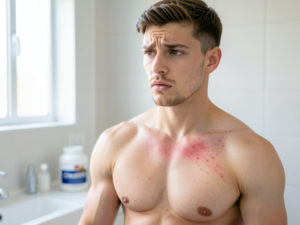
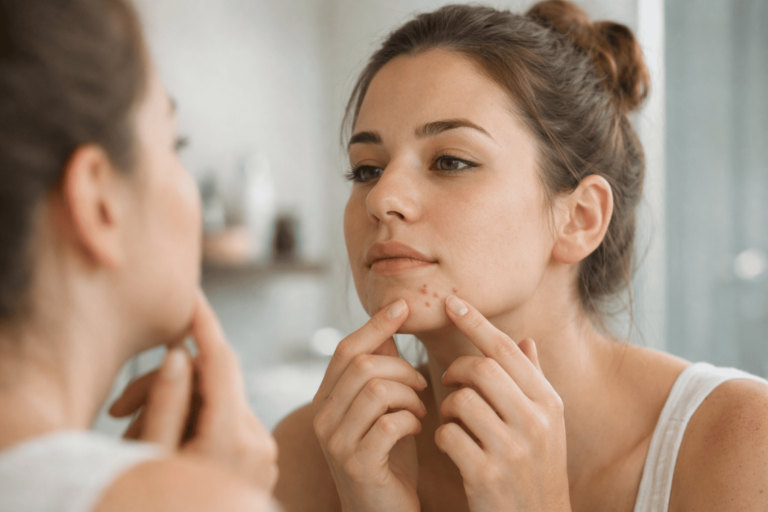
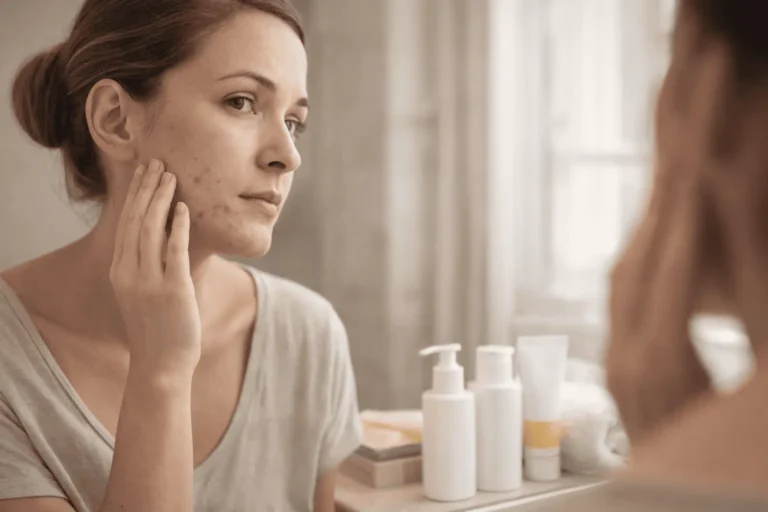
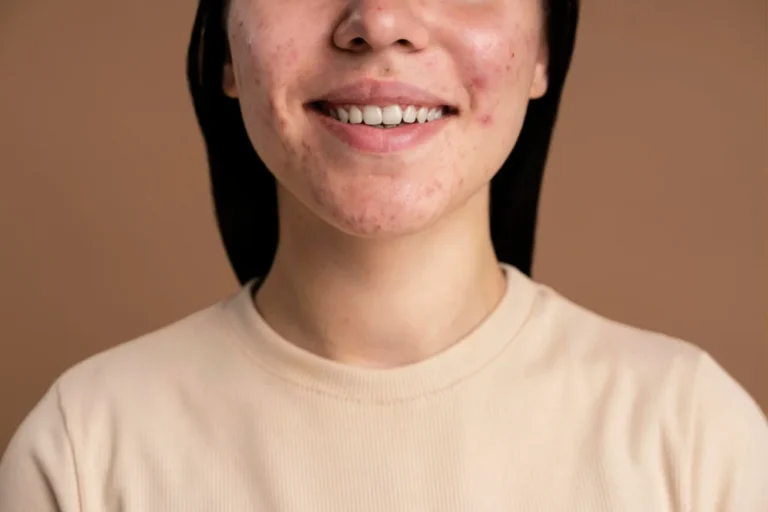
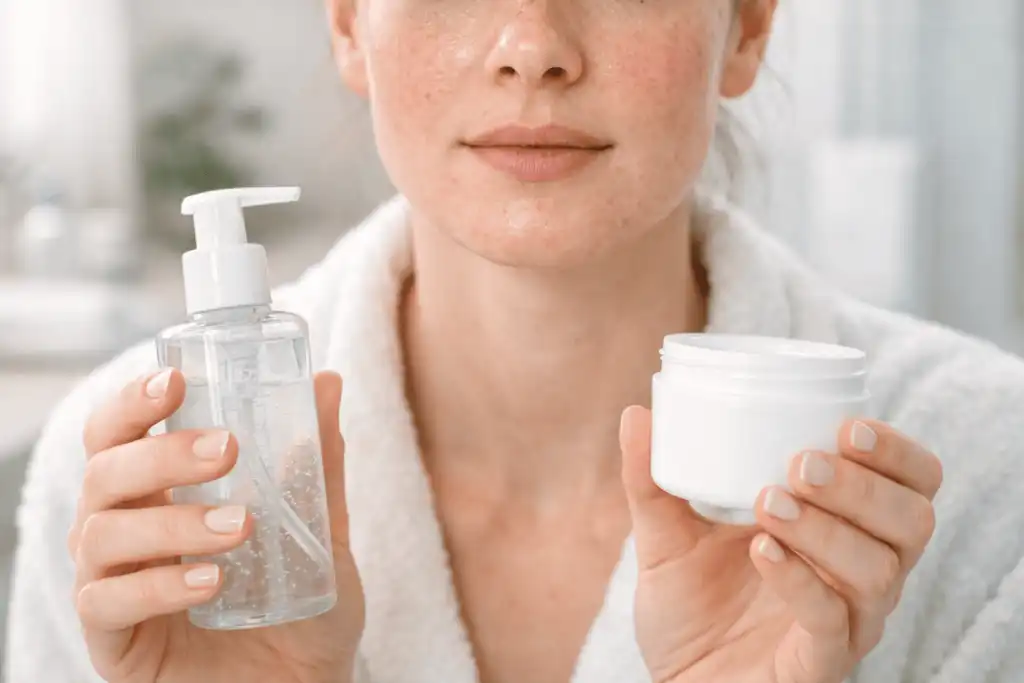
Post-treatment breakouts do not always look the same. Some people notice tiny flesh-colored bumps, while others see whiteheads, red pimples, or irritated patches that feel warm and itchy.
In the first 24 to 72 hours, you may also notice:
- Mild redness
- Tight, dry skin
- Small rough bumps
- Whiteheads or clogged pores
- Slight tenderness
- Extra shine from inflammation
A mild reaction usually stays limited and starts improving within a few days. A more serious reaction often gets worse instead of better and may include increasing pain, swelling, crusting, or pus.
🔥 The 3 products dermatologists actually recommend (and yes, they work):
Stop guessing and start with what’s proven. La Roche-Posay Effaclar Duo(+) targets breakouts fast, Paula’s Choice 2% BHA Liquid Exfoliant keeps pores clear with daily use, and Hero Cosmetics Mighty Patch is the overnight fix everyone swears by. ✅ No prescription needed ✅ Affordable ✅ Backed by real clinical evidence.
Is It Purging, Irritation, or Acne?
The hardest part is figuring out what kind of flare you are actually seeing. Many people assume every bump is purging after microneedling, but that is not always true.
What purging after microneedling usually means
Purging is a temporary increase in breakouts caused by faster skin turnover. It tends to bring up clogged material that was already forming under the skin. It is more commonly linked to products like retinoids or exfoliating acids than to microneedling alone.
How purging is different from clogged pores and inflamed acne
A true purge usually happens in areas where you normally break out and clears faster than a typical acne flare. Irritation breakouts, on the other hand, can appear in new places and often come with burning, stinging, or tenderness.
How to tell if the breakout may be a reaction to products or poor aftercare
This quick comparison can help:
| Reaction type | Common signs | Timing | What it may mean |
|---|---|---|---|
| Purging | Small breakouts in usual acne-prone areas | Within days | Faster turnover bringing existing clogs up |
| Irritation | Redness, stinging, rough bumps, sensitivity | Often within 24 to 48 hours | Skin barrier stress or product reaction |
| Acne flare | Whiteheads, inflamed pimples, deeper clogged pores | A few days later or longer | Occlusion, bacteria, sweat, or wrong aftercare |
Can Microneedling Cause Acne?
A common question is can microneedling cause acne. The short answer is that microneedling does not directly create acne from nothing, but it can trigger the conditions that make acne more likely in some people.
That is why people also ask, does microneedling cause breakouts? It can, especially when the skin barrier is open and more reactive right after treatment. Heavy products, dirty tools, makeup, sweat, and bacteria can all play a role.
There is also an important difference between causing irritation and causing a true acne flare. Irritation can create small red bumps that look acne-like. Acne flares are more likely when oil, clogged pores, and bacteria are already part of the picture.
Most Common Causes of a Breakout After Microneedling
Several things can lead to bumps after treatment. Some are easy to prevent, while others depend on your skin type and how the procedure was done.
Using heavy or pore-clogging products too soon
After microneedling, your skin is more absorbent and more vulnerable. Thick balms, heavy oils, or rich creams may trap heat and debris, especially if you are acne-prone.
Sweating, heat, and touching your face
Hot yoga, intense workouts, and steam can irritate freshly treated skin. Constant touching can transfer oil and bacteria from your hands to your face.
Makeup too early after treatment
Foundation, concealer, and powder can settle into irritated skin and clog pores. Even “clean” makeup can be too much right away.
Dirty pillowcases, phones, towels, or hands
Your skin has tiny channels after treatment. Anything dirty that touches your face can increase the risk of irritation or infection.
Harsh skincare ingredients after treatment
Strong acids, retinoids, benzoyl peroxide, scrubs, and alcohol-heavy toners can overwhelm healing skin.
Poor technique, over-treatment, or low-quality devices
At-home rollers, aggressive settings, or repeated passes can damage the skin barrier. That raises the chance of inflammation and delayed healing.
Skin that is already acne-prone or sensitive
If you already get clogged pores, oily skin, or active breakouts, you may be more likely to notice breaking out after microneedling than someone with calm, balanced skin.
Who Is More Likely to Experience Breaking Out After Microneedling?
Some people have a higher risk of post-treatment bumps than others.
You may be more likely to react if you have:
- Oily or acne-prone skin
- Active acne, especially inflamed acne
- A history of contact irritation from skincare
- Rosacea or a very sensitive skin barrier
- A routine that includes retinoids, exfoliating acids, or acne spot treatments
- An at-home microneedling device used too often or too deeply
- Treatment from an inexperienced provider
This does not mean you should never have microneedling. It does mean that skin prep, provider choice, and aftercare matter more.
Best Aftercare Tips for Calmer, Clearer Skin
If your goal is calmer, clearer skin, think simple, clean, and gentle. The first few days matter most.
Keep the routine simple for the first few days
Do not rush to fix every bump with acne treatments. The best first move is to protect your skin barrier.
Wash gently with a mild cleanser
Use lukewarm water and a gentle, fragrance-free cleanser once your provider says it is safe to wash. Avoid scrubbing brushes, washcloths, and foaming cleansers that leave skin tight.
Use a light, fragrance-free moisturizer
Look for a basic moisturizer that supports healing without feeling greasy. Ingredients like glycerin, ceramides, and hyaluronic acid are often well tolerated.
Protect skin with a non-irritating sunscreen when needed
If you are going outside, sun protection matters. Choose a broad-spectrum sunscreen that feels gentle and does not sting. Mineral formulas often work well for sensitive skin.
Keep hands, linens, and anything touching your face clean
Change your pillowcase, wipe your phone, use a clean towel, and keep your hands off your face as much as possible.
Avoid picking, scrubbing, or squeezing bumps
This is one of the fastest ways to create more inflammation and increase the risk of marks or infection.
Let the skin barrier recover before restarting active ingredients
Even if you usually use acne treatments every day, pause them until your skin feels calm again. Starting too early is a common reason a mild reaction turns into a bigger problem.
What to Avoid if You Are Breaking Out After Microneedling
Knowing what not to do can be just as helpful as knowing what to use.
Avoid these in the early healing window:
- Retinoids
- AHAs and BHAs
- Benzoyl peroxide
- Vitamin C if it stings
- Heavy oils or thick occlusive products if they clog your skin
- Hot showers and long steamy baths
- Saunas and steam rooms
- Hard exercise that causes heavy sweating
- Makeup until your skin settles
- DIY masks, peels, or exfoliating “fixes”
It is also smart to avoid trying five soothing products at once. Too many new products can make it harder to tell what is helping and what is making things worse.
How Long Does Breaking Out After Microneedling Last?
For many people, mild bumps improve within a few days. Redness often peaks early, then fades as the skin calms down.
Here is a rough guide:
- First 24 hours: redness, warmth, tightness, mild swelling
- Days 2 to 3: small bumps, dryness, rough texture, possible whiteheads
- Days 4 to 7: gradual improvement if aftercare is gentle
- Beyond 1 week: lingering acne, worsening bumps, or pain may need professional advice
If breaking out after microneedling keeps getting worse after several days, or if the bumps become painful and inflamed, the issue may be more than simple healing.
Does Microneedling Help Acne in the Long Run?
Many people also ask, does microneedling help acne? It can help in some situations, but the answer depends on whether you mean active acne or acne scars.
Microneedling is often more useful for acne scars, uneven texture, and post-acne marks than for treating active inflamed breakouts. In fact, doing microneedling over active acne can spread irritation and make healing harder.
So, does microneedling help acne itself? Sometimes it may improve skin texture and support overall skin renewal, but it is usually not the first choice for calming an active acne flare. For current breakouts, treatments aimed at oil control, inflammation, and bacteria are often a better fit.
Timing matters too. Skin with active pustules, cysts, or severe inflammation usually needs to calm down before microneedling becomes a smart option.
🔥 The 3 products dermatologists actually recommend (and yes, they work):
Stop guessing and start with what’s proven. La Roche-Posay Effaclar Duo(+) targets breakouts fast, Paula’s Choice 2% BHA Liquid Exfoliant keeps pores clear with daily use, and Hero Cosmetics Mighty Patch is the overnight fix everyone swears by. ✅ No prescription needed ✅ Affordable ✅ Backed by real clinical evidence.
Safe Ways to Calm Skin if You Notice a Breakout After Microneedling
When you see bumps, your instinct may be to treat them fast. But freshly treated skin often responds better to less, not more.
Gentle cooling and barrier-friendly skincare
A cool compress can help calm heat and swelling. Keep it clean, soft, and brief. Follow with a light moisturizer that supports the barrier.
When to pause strong products
If your skin feels hot, stings, or looks extra red, pause exfoliants and acne actives. Even products that usually work well can irritate healing skin.
When a simple routine is better than trying too many fixes
For a few days, a basic routine is often enough:
- Gentle cleanse
- Light moisturizer
- Sunscreen in the daytime
That is usually better than layering serums, spot treatments, masks, and oils all at once.
Signs your skin is healing versus getting worse
Healing skin often looks less red each day and feels more comfortable over time. Skin that is worsening may become more swollen, more painful, itchier, or more broken out.
When Should You Contact a Professional?
A few small bumps may not be urgent, but some symptoms should not be ignored.
Contact a dermatologist or your treatment provider if you notice:
- Severe swelling
- Increasing pain
- Pus-filled lesions
- Yellow crusting
- Spreading rash
- Fever
- Strong burning that does not improve
- Breakouts that continue getting worse after several days
It is especially important to get help if you suspect infection or an allergic reaction. And if you have a history of severe acne, eczema, rosacea, or pigment changes after skin irritation, professional guidance is a safer path than guessing.
Common Mistakes That Make Breaking Out After Microneedling Worse
Some of the most common mistakes happen because people want results fast. That is understandable, but healing skin needs patience.
Restarting acne treatments too early
Your normal retinoid or spot treatment may be too harsh right after microneedling.
Using too many soothing products at once
Layering multiple creams, oils, and serums can clog pores or trigger irritation.
Assuming every bump is purging
Not every reaction is a detox or purge. Sometimes it is simply irritation or congestion.
Choosing microneedling during an active acne flare
This increases the chance of extra inflammation and a rougher recovery.
Ignoring hygiene before and after treatment
Dirty tools, pillowcases, and hands can make a manageable issue much worse.
Practical Aftercare Routine by Timeline
A simple timeline can make aftercare easier to follow.
First 24 hours
Keep your skin clean and untouched as much as possible. Avoid workouts, sweating, hot water, makeup, and all strong actives. Use only what your provider recommended for immediate recovery.
Days 2 to 3
Start gentle cleansing if advised. Use a light moisturizer and keep your routine basic. Watch for signs that redness is fading instead of intensifying.
Days 4 to 7
If your skin is calming down, continue the simple routine. You may slowly return to more of your usual products, but do not rush. If bumps are still active, stay gentle longer.
When to slowly return to your normal skincare routine
Go one step at a time. Restart one active product first, not everything together. If your skin stings, burns, or breaks out more, back off and give it more time.
Conclusion
Breaking out after microneedling does not always mean the treatment failed. In many cases, it is a short-term reaction linked to irritation, congestion, or aftercare choices that can be improved with a simpler routine and better skin protection.
The key is to stay gentle, keep everything clean, and avoid the urge to over-treat. If your skin looks worse instead of better, or if symptoms seem severe, check in with a qualified professional. If you are planning another session, use what you learned this time to build a safer aftercare plan for calmer, clearer skin.
FAQ:
Is breaking out after microneedling always a sign something went wrong?
No. Mild bumps, temporary congestion, and light irritation can happen during healing. But worsening pain, pus, strong swelling, or spreading redness are not typical and should be checked by a professional.
How long does a breakout after microneedling usually last?
A mild breakout after microneedling often improves within a few days to a week. If it keeps worsening after several days or lasts longer than expected, irritation, infection, or a poor product match may be involved.
Can microneedling cause acne if you already have acne-prone skin?
It can trigger conditions that make breakouts more likely, especially if you have oily or acne-prone skin. Heavy products, sweat, bacteria, or treating active acne too soon can all raise the risk.
Is purging after microneedling real or is it usually irritation?
It can be real in some cases, but many post-treatment bumps are actually irritation or clogged pores. A purge usually shows up where you normally break out and clears faster than a typical acne flare.
Does microneedling help acne or only acne scars?
Microneedling is usually more helpful for acne scars, texture, and post-acne marks than for active inflamed acne. If you still have active breakouts, it is often better to calm those first before considering microneedling.