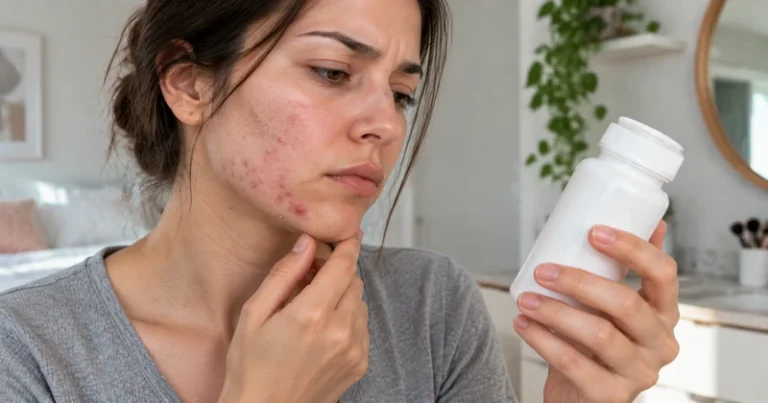
Why do I have back acne? common causes and what may be triggering it
If you keep getting breakouts on your shoulders or upper back, it is normal to feel confused. You may shower every day, wear clean clothes, and still wonder why the bumps keep coming back. Back acne is common, but it often has more than one cause, which is why it can feel stubborn.
The short answer is this: back acne usually happens when oil, dead skin cells, sweat, friction, and inflammation build up around hair follicles. Hormones, workouts, tight clothing, heavy hair products, and acne-prone skin can all play a role, so the real trigger is often a mix of things rather than one single cause.
Table of Contents
What is back acne?
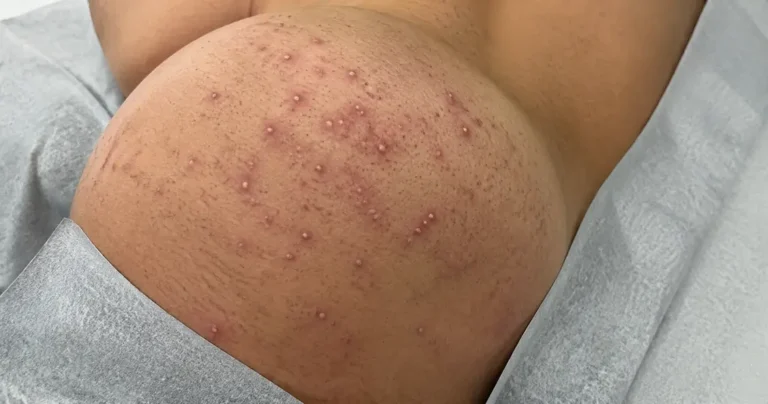
Back acne is acne that forms on the upper back, shoulders, and sometimes the chest. It can show up as whiteheads, blackheads, red bumps, pus-filled pimples, or deeper painful lumps. The back is a common acne site because it has many oil glands and hair follicles, which makes it easier for pores to get blocked.
Some people only get a few back pimples once in a while. Others deal with recurring body acne that keeps coming back in the same areas, especially after sweating, exercising, or wearing tight clothing. When that pattern repeats, it usually points to ongoing triggers instead of a one-time flare.
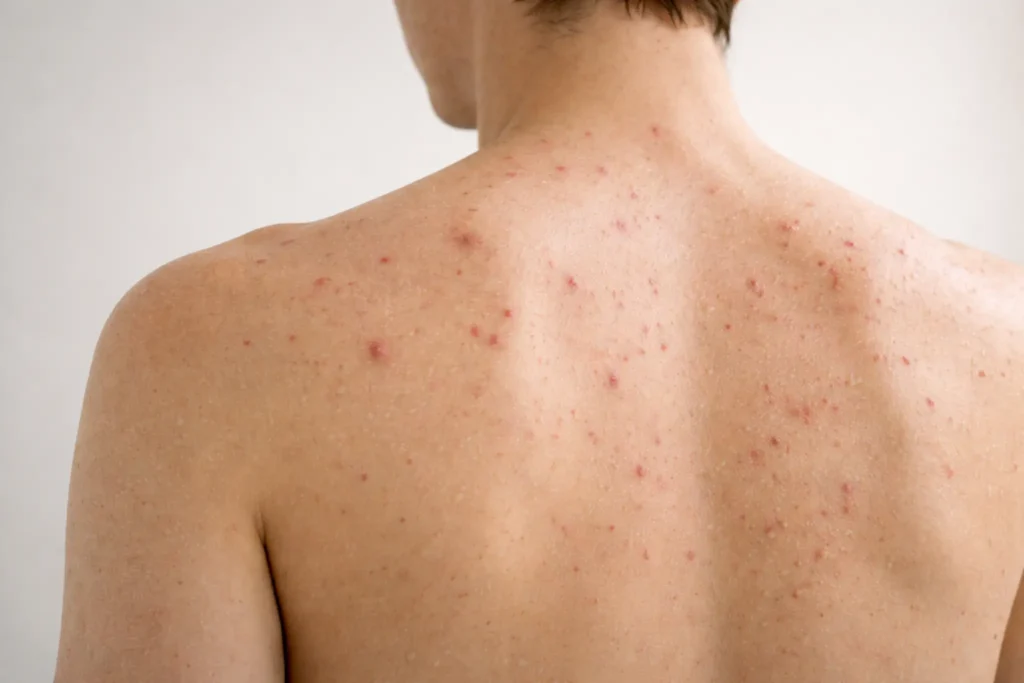
Quick Answer: Why do I have back acne?
If you are asking why do I have back acne, the most likely answer is that your pores are getting blocked and irritated. Extra oil, dead skin cells, trapped sweat, friction from clothing or gear, and hormone shifts can all create the kind of environment where breakouts form and keep returning.
That is why back acne can happen even when you are clean. Acne is not just about hygiene. It is a skin condition linked to how your follicles behave, how much oil your skin makes, and how your daily habits affect heat, sweat, and irritation on your back.
Why do I have back acne even if I keep my skin clean?
A lot of people assume acne means dirty skin, but that is not how acne works. Acne develops when hair follicles become plugged with oil and dead skin cells, then become inflamed. Washing helps remove sweat and surface buildup, but it cannot fully stop acne if your pores are still clogging or your skin is being irritated every day.
The back can also be harder to manage than the face. The skin is thicker, the area is harder to reach, and it often stays covered by clothes for long hours. That means sweat, heat, and rubbing can stay trapped against the skin longer than you realize.
In other words, if you keep asking yourself why do I have back acne, the answer may have less to do with not washing enough and more to do with what happens after you sweat, what your clothes feel like, and what products touch your skin every day.
What causes zits on back?
The basic process behind acne is fairly simple. Oil and dead skin cells collect inside a follicle, the opening gets blocked, and inflammation follows. Once that happens, you can get different types of acne lesions depending on how irritated or deep the blockage becomes.
Here are the most common causes behind what causes zits on back:
- Excess oil production that makes pores more likely to clog
- Dead skin cell buildup that stays trapped in the follicle
- Inflammation that turns a clogged pore into a red or painful bump
- Sweat and heat that sit on the skin too long
- Friction from tight tops, sports bras, backpacks, or straps
- Product residue from hair care or body care that touches the back
Some people are also simply more acne-prone than others. If your skin tends to make more oil or your family has a strong history of acne, breakouts may happen more easily even if your habits are fairly good.
The most common triggers behind back acne
Once you understand the basic acne process, the next step is looking at your real-life triggers. This is often where the answer to why do I have back acne becomes clearer.
Tight workout clothing and synthetic fabrics
Tight fabric can trap heat and sweat against your skin. When clothing rubs against already warm skin, irritation can make acne more likely, especially if you already have acne-prone skin. Dermatologists even have a name for this pattern: acne mechanica.
Sitting in sweaty clothes too long
After a workout, your skin may stay warm and damp under clothing. That combination of sweat, oil, and friction can set up the perfect conditions for back breakouts. It does not mean sweat alone causes acne, but it can clearly make breakouts worse when it stays trapped on the skin.
Hair products running onto the back
Conditioner, leave-in creams, oils, pomades, and styling products can coat the skin on your shoulders or upper back. If those products are heavy or pore-clogging, they may contribute to repeated breakouts in the exact spots where the residue lands.
Thick lotions, sunscreens, and body products
Not every body product causes acne, but rich or greasy formulas can be a problem for acne-prone skin. If your breakouts started after a new lotion or sunscreen, pay attention to the timing. That kind of pattern can help explain what causes zits on back for you specifically.
Not rinsing well after shampoo and conditioner
A simple habit can matter more than people think. If hair products sit on your back during a shower and are not rinsed off well, they can keep touching the same acne-prone areas every day. Washing your back after rinsing out conditioner can help reduce leftover residue.
Stress and hormone shifts
Stress does not create acne all by itself, but it may worsen existing acne in some people. Hormone shifts can also increase oil production, which makes clogged pores more likely. That is one reason acne often flares during puberty and around certain hormonal changes in adulthood.
Family history and acne-prone skin
Sometimes the trigger is not a mistake you are making. Some people are simply more likely to break out because of their skin type, oil production, or family history. If acne runs in your family, your skin may react more strongly to common triggers like sweat and friction.
Can hormones be the reason?
Yes, hormones can absolutely be part of the answer. During puberty, rising androgen levels can stimulate the sebaceous glands and increase oil production. That extra oil helps set the stage for clogged pores and inflamed breakouts on the face, chest, and back.
Hormones may also matter in adulthood. Some women notice that back or chest acne gets worse around their menstrual cycle. Others may develop adult acne that flares with hormonal changes, even if their teenage acne was mild.
If your breakouts feel predictable, such as worsening around the same time each month, hormones may be an important part of why you are breaking out. That does not mean hormones are the only cause, but they may be one major piece of the pattern.
Why is my chest breaking out too?
If you are also wondering why is my chest breaking out, the answer is often very similar to back acne. The chest, like the back, has oil glands and often stays covered by clothing. Sweat, friction, product residue, and hormone-related oil production can affect both areas at the same time.
That is why chest and back breakouts often travel together. Tight workout gear, sports bras, heat, sunscreen, and hair products can all touch both zones. When both areas flare together, it is often a clue that your triggers are broad body-acne triggers rather than something unique to one spot.
Back acne vs other skin conditions
Not every bump on your back is acne, and that matters. If you treat the wrong condition like acne, you may get very little improvement.
Back acne vs folliculitis
Folliculitis is inflammation of the hair follicles. It can look like acne, but the bumps are often more uniform and may feel itchy or tender. Folliculitis can happen from friction, blockage, shaving, or germs, so it can overlap with some acne triggers while still being a different problem.
Back acne vs heat rash
Heat rash is more directly related to overheating and trapped sweat. It tends to appear quickly in hot conditions and may sting or itch more than classic acne. Acne usually lingers longer and may include whiteheads, blackheads, and recurring inflamed pimples.
Back acne vs fungal acne
People often use the term “fungal acne” for a yeast-related follicle problem. These bumps may be itchy and often look very similar in size. If your breakout is unusually itchy, very sudden, or not improving at all with a regular acne routine, a dermatologist can help sort out whether it is actually acne.
Habits that can make back acne worse without you realizing it
Sometimes your routine is feeding the problem without you noticing. These habits can keep back acne going even when you are trying to fix it.
Scrubbing too hard
It is tempting to think rough exfoliation will clear clogged pores faster, but harsh scrubbing can irritate the skin and worsen inflammation. More force does not mean better results.
Picking or popping pimples
If you keep searching how to remove a pimples, remember that squeezing them is one of the easiest ways to make things worse. Picking can drive inflammation deeper, delay healing, and increase the risk of dark marks or scars.
Wearing unwashed workout clothes again
Sports bras, gym shirts, towels, and compression gear can keep sweat, oil, and friction close to the skin. Reusing them without washing may add to irritation, especially if you already break out after exercise.
Repeating products that irritate your skin
A product does not need to be “bad” to be bad for your skin. If a certain lotion, sunscreen, or hair product keeps lining up with flares, that product may simply not work well for your skin type.
Using too many acne products at once
It is easy to overdo acne care when you feel frustrated. But trying several strong products at the same time can dry and irritate your skin, which may make back acne harder to calm down. Dermatologists advise giving treatments time to work instead of changing them every week.
How to figure out what is triggering your back acne
If you want a real answer to why do I have back acne, look for patterns instead of guessing. Acne triggers are easier to spot when you think about timing.
Ask yourself:
- Does it get worse after workouts?
- Did it start after a new lotion, sunscreen, or hair product?
- Does it flare under bra straps, backpack straps, or tight shirts?
- Does it worsen around your period or during stressful weeks?
- Is your chest breaking out at the same time?
It can help to keep a simple note on your phone for two to four weeks. Track workouts, clothing, product changes, and when flare-ups happen. You do not need a perfect diary. You just need enough detail to notice a pattern. This can help you choose a more targeted plan instead of randomly switching products. This pattern-based approach is an inference from established acne triggers and common flare timing.
How to get rid of back pimples once you know the cause
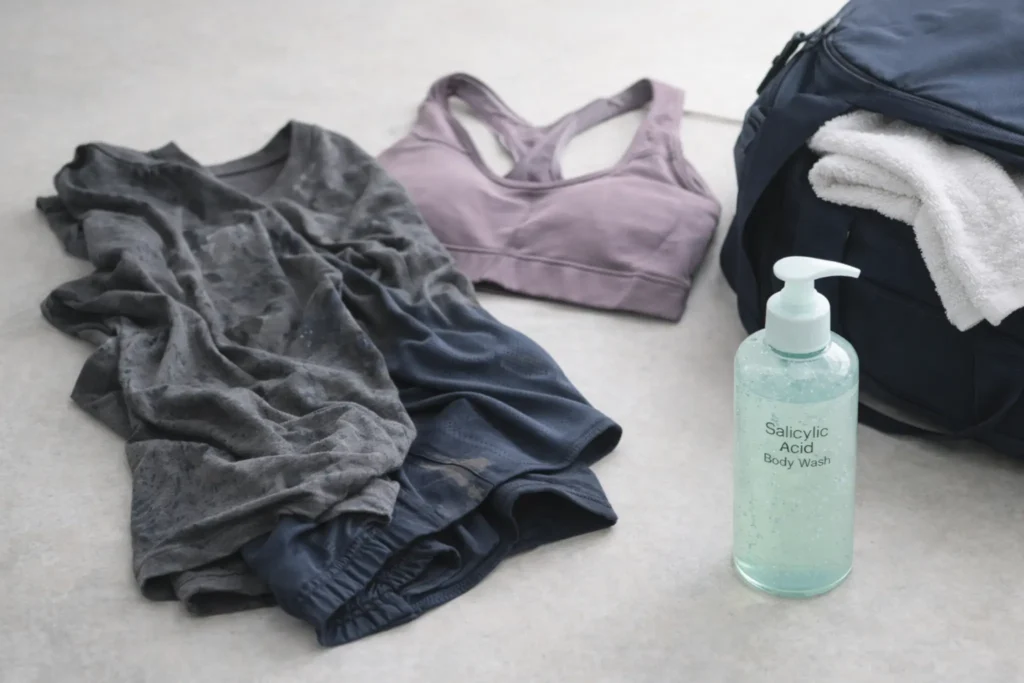
Once you identify the likely trigger, your routine gets much easier. If the main issue is friction and sweat, focus on showering after exercise, changing out of damp clothes, and choosing more breathable fabrics. If residue is the problem, rethink the hair and body products that sit on your skin.
If you are wondering how to get rid of back pimples, over-the-counter acne washes are often a useful next step. Benzoyl peroxide and salicylic acid are common ingredients used for acne care, and they can help mild to moderate back acne when used consistently.
The key is consistency. Back acne usually does not clear overnight. Most acne treatments need several weeks before you can judge them, and it often takes longer than people expect to see clear improvement.
How to remove a pimples safely
If you are dealing with a single swollen bump, you may still wonder how to remove a pimples quickly. The safest answer is usually to leave it alone and use a steady acne routine instead of squeezing it. Popping may feel tempting, but it often creates more redness, more swelling, and more chance of marks.
A better goal is to reduce inflammation and prevent new breakouts. That means gentle cleansing, avoiding friction, and staying consistent with products that are meant for acne-prone skin. If a bump is very painful, deep, or keeps coming back in the same spot, that is a good reason to get professional advice.
When back acne may need professional treatment
Sometimes the answer to why do I have back acne is simple, but the treatment is still not. If you have deep painful bumps, widespread breakouts, dark marks, or signs of scarring, it is smart to see a dermatologist sooner rather than later. Severe acne is more likely to leave lasting scars, and earlier treatment can help reduce that risk.
You should also get help if you have been consistent with a sensible home routine and nothing is improving after several weeks. Prescription treatments may be needed, and a dermatologist can also tell whether your bumps are truly acne or something else, such as folliculitis.
How to prevent future flare-ups
Prevention matters just as much as treatment. Even if you calm your current breakouts, the same triggers can keep bringing them back.
Here are simple ways to lower the odds of new flare-ups:
- Shower after sweating when possible
- Change out of damp clothes quickly
- Choose looser, breathable workout wear
- Keep hair products off your shoulders and back
- Wash towels, gym tops, and sports bras regularly
- Avoid harsh scrubbing and frequent product changes
- Stick with a simple routine long enough to judge it fairly
If you have been asking why do I have back acne, this is where the answer becomes practical. Once you know your likely triggers, prevention stops feeling random. You can make a few focused changes instead of trying everything at once.
Conclusion
Back acne is common, but it is rarely caused by just one thing. Oil, dead skin cells, sweat, friction, hormones, and everyday product choices can all work together to create the same frustrating pattern. That is why the best way to deal with it is to look at the whole picture, not just the bumps themselves.
If you keep wondering why do I have back acne, start by looking at your workouts, clothing, shower timing, and products. Small pattern clues often point to the real trigger. And if your acne is painful, scarring, or not improving, get help early so you can treat it before it leaves long-term marks.
FAQ
Why do I have back acne all of a sudden?
A sudden flare can happen after a new workout routine, tighter clothing, a new sunscreen or hair product, more sweating, medication changes, or hormonal shifts. If the change was sudden, look at what changed in your routine in the last few weeks.
Can sweating cause back acne?
Sweat alone is not the whole story, but trapped sweat, heat, oil, and friction can make breakouts more likely. That is why back acne often gets worse after workouts or long periods in tight, damp clothing.
Why do I have back acne but not face acne?
Your back has many oil glands, stays covered longer, and is more likely to deal with sweat and friction from clothes, straps, or sports gear. That makes it possible to break out on your back even if your face is mostly clear.
Why is my chest breaking out too?
The chest and back share many of the same acne triggers, including sweat, tight clothing, hormones, and residue from products. If both areas flare together, it often points to shared body-acne triggers instead of two separate problems.
When should I see a dermatologist for back acne?
You should see a dermatologist if your acne is deep, painful, spreading, leaving marks or scars, or not improving after a steady home routine. A dermatologist can also check whether the bumps are actually acne or another skin condition.