How to Get Rid of Acne Scars: Best Treatments That Actually Help
If you are trying to learn how to get rid of acne scars, you are not alone. Many people finally get their breakouts under control, only to realize the marks, dents, or rough texture stay much longer than the acne itself. That can be discouraging, especially when every product label seems to promise smooth skin in a few days.
The good news is that there are real options. The less exciting news is that how to get rid of acne scars depends on the kind of scar you have. Flat dark spots need a different plan than deep pits, and raised scars need a different plan from both. Dermatology sources consistently note that no single treatment works best for everyone and that scar type, skin type, and scar severity all matter.
If you want the short answer, how to get rid of acne scars comes down to matching the treatment to the mark. Flat dark or red marks often improve with sunscreen and topical products like retinoids, azelaic acid, or hydroxy acids. Pitted or raised scars usually need professional treatment for bigger change.
Table of Contents
What Are Acne Scars and Why Do They Happen?
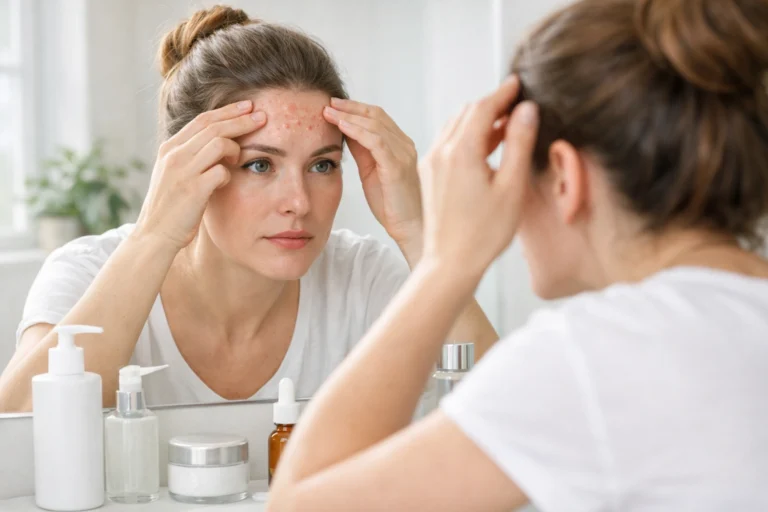
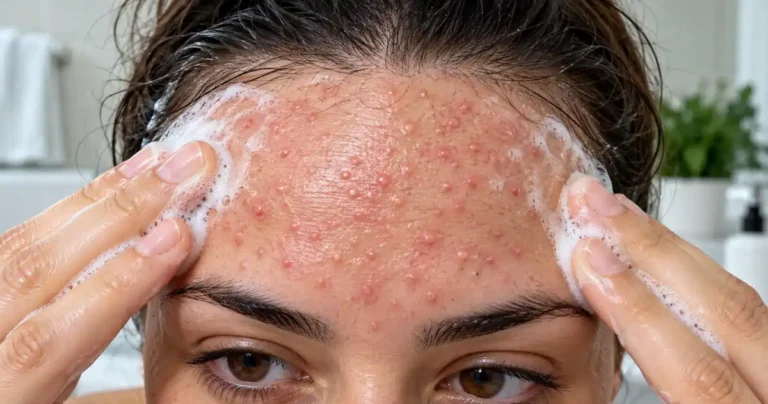
To understand how to get rid of acne scars, it helps to know why they form in the first place. Acne can trigger a lot of inflammation in the skin. When that inflammation goes deep enough, it can damage collagen and other support tissue. As the skin heals, it may leave a depression, a raised scar, or a patch of pigment behind.
Deeper breakouts tend to carry a higher risk. Cysts, nodules, and inflamed pimples are more likely to leave pimple scars than a small clogged pore. Picking, squeezing, or delaying treatment can also increase the chance that a breakout will leave a lasting mark. The American Academy of Dermatology says early acne treatment can help reduce the risk of scarring.
That is why how to get rid of acne scars is partly about treatment and partly about prevention. If your acne is still active, preventing new scars matters just as much as improving old ones.
🔥 The 3 products dermatologists actually recommend (and yes, they work):
Stop guessing and start with what’s proven. La Roche-Posay Effaclar Duo(+) targets breakouts fast, Paula’s Choice 2% BHA Liquid Exfoliant keeps pores clear with daily use, and Hero Cosmetics Mighty Patch is the overnight fix everyone swears by. ✅ No prescription needed ✅ Affordable ✅ Backed by real clinical evidence.
Acne Scars vs Acne Marks: What Is the Difference?
One of the biggest mistakes people make when looking up how to get rid of acne scars is calling every leftover spot a scar. Many are not true scars.
Acne marks
These are flat changes in color left after inflammation. They may look:
- red or pink
- brown
- gray-brown
- purple in some skin tones
These marks are often called post-inflammatory erythema or post-inflammatory hyperpigmentation. DermNet explains that post-inflammatory hyperpigmentation happens after skin inflammation and is especially common in darker skin tones.
True scars
These involve a change in the skin’s structure. They may look like:
- pits or dents
- a wavy uneven surface
- a thick raised area
This difference matters because how to remove acne scars depends on whether you are treating color or structure. Flat marks often respond much better to home care than deep pitted scars do.
Types of Acne Scars
If you want clear answers on how to get rid of acne scars, you need to know the main scar types.
Ice pick scars
These are narrow, deep scars that look like tiny holes in the skin. They often extend deeper than they appear on the surface.
Boxcar scars
These are broader, indented scars with more defined edges. They may be shallow or deep.
Rolling scars
These create a wave-like uneven look because the skin is tethered down below the surface.
Hypertrophic or raised scars
Instead of losing collagen, some people form extra scar tissue. That can create thick, raised areas.
In general, flat marks respond best to home care, mild textural change may improve somewhat with strong topical routines, and deeper pitted or raised scars often need office-based treatment for meaningful change. That is a core part of understanding how to get rid of acne scars in a realistic way.
How to Get Rid of Acne Scars at Home
Many people start by asking how to get rid of acne scars at home, and that makes sense. Home care is more affordable, easier to start, and less intimidating than procedures.
At-home care can often help with:
- dark spots after acne
- lingering redness
- overall skin tone
- mild rough texture
- preventing new acne that can lead to new scars
At-home care usually does less for:
- deep pitted scars
- scars tethered under the skin
- thick raised scars
So if you are thinking about how to get rid of acne scars at home, the goal should be improvement, not perfection. Home care is often a strong first step, but it is not always the full answer.
Why sunscreen matters so much
Sunscreen is one of the most useful tools in any plan for how to get rid of acne scars, especially when dark spots are part of the problem. The AAD recommends a broad-spectrum, water-resistant sunscreen with SPF 30 or higher. It also notes that tinted sunscreen with iron oxide can give better protection against the visible light that can worsen dark spots.
That means if you are trying to figure out how to get rid black spots from acne, sunscreen is not optional. Without it, marks can linger longer and become more stubborn.
A simple home routine
A basic routine for how to get rid of acne scars at home often looks like this:
Morning
- gentle cleanser
- treatment serum if needed
- moisturizer
- sunscreen
Evening
- gentle cleanser
- retinoid or another treatment product
- moisturizer
You do not need a complicated 10-step routine. In many cases, a simpler routine gives better results because your skin stays calmer and you are more likely to keep using it.
Best Topical Treatments for Acne Scars
When people ask how to get rid of acne scars, they often hope one product will solve everything. That usually is not how it works. Topicals are best used to match a specific need.
Retinoids
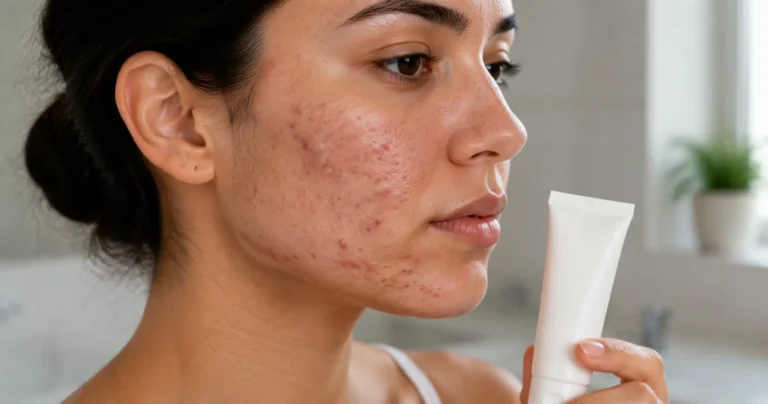
Retinoids are one of the most useful topical tools for how to get rid of acne scars, especially if you still have acne. DermNet says topical retinoids can help with post-inflammatory hyperpigmentation, may reduce the severity of existing scarring, and often take 12 weeks or longer to show improvement. The NHS also lists topical retinoids among acne treatments.
Retinoids may help by:
- increasing cell turnover
- improving overall skin texture
- fading some post-acne marks
- reducing new breakouts that could leave more scars
They are most useful for flat marks and mild textural change. They are much less helpful if you are trying to learn how to get rid of acne scars that are deep or sharply indented.
Azelaic acid
Azelaic acid is a strong option if your main concern is post-acne discoloration, redness, or ongoing acne. The NHS notes that azelaic acid is often used as an alternative when retinoids are too irritating. The AAD says it can also help treat the dark spots that appear when acne clears.
If your main question is how to get rid black spots from acne, azelaic acid is one of the most practical ingredients to consider.
Exfoliating acids
Glycolic acid, lactic acid, and salicylic acid can help with roughness, surface dullness, and some post-acne marks. Mayo Clinic notes that glycolic acid and lactic acid help remove dead skin cells and can improve the look of acne scars and pores.
These can be useful if you are trying to learn how to get rid of acne scars that are mild and mostly surface-level. They are not a full fix for deep scarring.
Vitamin C and niacinamide
Vitamin C can help brighten uneven tone. Niacinamide can support the barrier and calm visible redness. Neither is likely to transform a pitted scar, but both can support a more even look. In a smart routine for how to get rid of acne scars, they are often supporting players rather than the main treatment.
Silicone products for raised scars
For raised scars, silicone gels or sheets may help in some cases. The AAD says silicone gel sheets may help flatten a keloid, and its scar treatment guidance notes corticosteroid injections are widely used for raised scars and keloids.
That said, silicone is usually not the answer if you want to know how to get rid of acne scars that are pitted.
How to Get Rid Black Spots From Acne
A lot of people searching how to get rid of acne scars are really trying to fade dark spots after acne. That is a different problem from true scarring, and it often responds better to topical care.
To improve dark spots:
- Use sunscreen every day.
- Treat acne early so new marks stop forming.
- Consider a retinoid, azelaic acid, or an exfoliating acid.
- Avoid picking, scrubbing, or overusing strong products.
- Give the process time.
Dark spots often last longer than people expect. DermNet notes that post-inflammatory hyperpigmentation follows skin inflammation, and skin that gets irritated easily can develop more pigment after inflammation. That is one reason harsh DIY care can backfire.
So if your real concern is how to get rid black spots from acne, focus on sun protection, gentle treatment, and patience instead of aggressive scrubbing.
🔥 The 3 products dermatologists actually recommend (and yes, they work):
Stop guessing and start with what’s proven. La Roche-Posay Effaclar Duo(+) targets breakouts fast, Paula’s Choice 2% BHA Liquid Exfoliant keeps pores clear with daily use, and Hero Cosmetics Mighty Patch is the overnight fix everyone swears by. ✅ No prescription needed ✅ Affordable ✅ Backed by real clinical evidence.
How to Remove Acne Scars With Professional Treatments
Sometimes the best answer to how to get rid of acne scars is not another cream. Professional treatments can do much more for deep or structural scars.
Chemical peels
Chemical peels remove controlled layers of skin and can help with pigment and some textural irregularity. Mayo Clinic lists chemical peels as one option that may improve the appearance of acne scars.
Microneedling
The AAD says microneedling can diminish acne scars, dark spots, uneven texture, and tone by stimulating collagen. It also notes that microneedling is minimally invasive and safe for all skin tones when properly performed.
If you are wondering how to get rid of acne scars that are shallow or moderately textured, microneedling is one of the better-known office treatments.
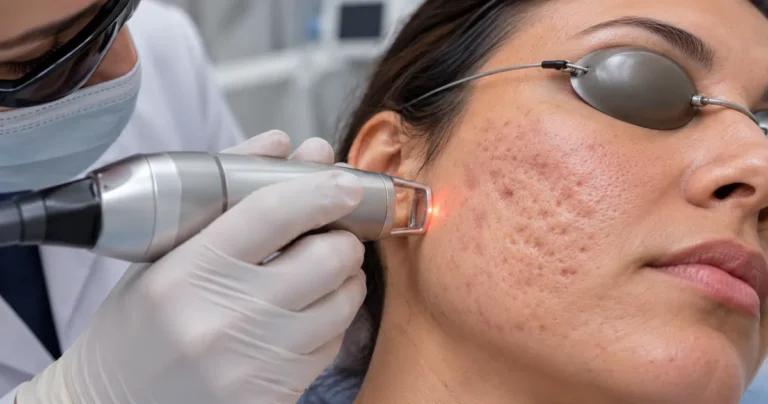
Laser treatments
Laser treatment can improve some acne scars, but the AAD stresses that you should have a medical consultation first. The right laser depends on your skin type, scar type, and overall health.
Subcision
Mayo Clinic explains that subcision uses needles under the skin to loosen the fibers below a scar. This is especially relevant for certain rolling scars. If your question is how to get rid of acne scars caused by tethering under the skin, subcision may matter more than any cream.
Fillers
Mayo Clinic says soft tissue fillers can be injected under indented scars to plump the skin. Results are usually temporary, but fillers can help selected depressed scars look smoother.
Steroid injections for raised scars
For raised scars or keloid-like scars, corticosteroid injections are a common treatment. AAD guidance says these injections can reduce the size of a raised scar, and studies show they can reduce scar size by 50% or more, though most people need more than one treatment.
This is why the best answer to how to get rid of acne scars often depends on which scar you have, not which treatment is trending.
Which Acne Scars Treatment Works Best for Each Scar Type?
If you want a more direct answer on how to get rid of acne scars, here is the practical version.
For dark spots
Best first steps:
- sunscreen
- azelaic acid
- retinoids
- glycolic or lactic acid in some routines
For red marks
Best first steps:
- sunscreen
- gentle retinoid use
- niacinamide
- azelaic acid for some people
For shallow pitted scars
Best options:
- retinoids for overall support
- microneedling
- some peels, depending on skin type
For deep pitted scars
Best options:
- subcision
- fillers in selected cases
- punch techniques or laser, depending on the scar
For raised scars
Best options:
- silicone support in some cases
- corticosteroid injections
- dermatologist-guided treatment
The key point is simple: acne scars treatment works best when it matches the scar type.
Can You Really Remove Acne Scars Completely?
This is one of the biggest questions behind how to get rid of acne scars. In real life, complete removal is not always possible. Improvement is usually the more realistic goal.
Mayo Clinic says acne scars are stubborn and that one or a combination of treatments may improve the appearance of your skin depending on scar type, skin type, and severity. The AAD makes a similar point by emphasizing individualized plans.
That may sound less exciting than “erase scars,” but it is more honest. Many people can get smoother, more even-looking skin. The skin may not return to exactly how it looked before acne, but visible improvement is very possible.
How to Remove Pimple Scars Naturally: What Helps and What Does Not
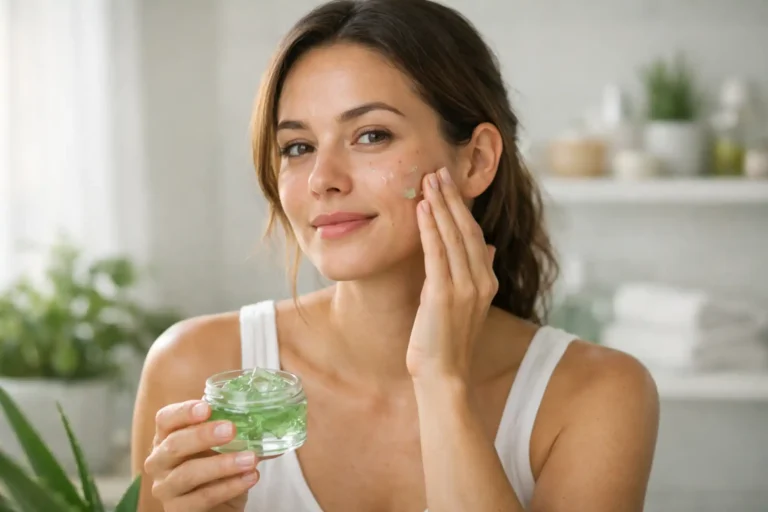
Many people also search how to remove pimple scars naturally because they want gentle, affordable options. Natural care can support healing, but it usually works better for post-acne marks than for deep scars.
Gentle habits that may help include:
- wearing sunscreen daily
- keeping the skin barrier healthy with moisturizer
- avoiding picking
- using a simple routine consistently
- treating active acne early
If you are trying to learn how to remove pimple scars naturally, it is important to stay realistic. Natural care is more likely to help with discoloration and overall skin recovery than with deep structural scarring. For deeper scars, professional care usually does more.
Daily Habits That Help Prevent New Acne Scars
Any good plan for how to get rid of acne scars should also help stop new ones from forming.
Treat acne early
The AAD says treating acne when you first notice it can help reduce the risk of scars.
Avoid picking and squeezing
This can make inflammation worse and raise the chance of scarring.
Use non-irritating products
A damaged skin barrier can make dark spots linger longer.
Wear sunscreen every day
This helps prevent dark marks from becoming more obvious.
Stay consistent
Switching products every week makes it harder to know what works.
These daily habits may sound basic, but they are a big part of how to get rid of acne scars over the long run.
Common Mistakes People Make
A lot of frustration around how to get rid of acne scars comes from avoidable mistakes.
- Using too many strong products at once
- Scrubbing the skin aggressively
- Ignoring ongoing acne
- Expecting one cream to fix deep scars
- Quitting before enough time has passed
Mayo Clinic notes that many acne medications take four to eight weeks to show results and that clearing can take much longer. DermNet says improvement with topical retinoids may take 12 weeks or longer. That means early impatience is common, but it can derail progress.
How Long Does It Take to See Results?
If you are serious about how to get rid of acne scars, expect the process to take time.
For dark spots and red marks, early fading may begin over weeks to a few months, depending on your routine and your skin. For retinoids, DermNet says improvement may take 12 weeks or longer. For acne treatments more broadly, Mayo Clinic notes that results often take four to eight weeks, with full clearing taking much longer.
For deeper scars, office treatments may need multiple sessions. Microneedling, peels, lasers, and injections often work gradually instead of all at once. Mayo Clinic also notes that some filler and Botox-type options are temporary and may need repeat treatment.
A better way to track progress is to take photos once a month in the same lighting. That gives you a fairer view than checking the mirror every morning.
When to See a Dermatologist
You do not need a dermatologist for every post-acne mark, but sometimes professional help is the best move.
Consider making an appointment if:
- your scars are deep or widespread
- the scars are raised
- you still have active acne
- over-the-counter care is not helping
- the scarring affects your confidence or daily life
The AAD says the best acne-scar results often require in-depth knowledge of the skin and the right treatment for each scar type. That is especially true if your concern goes beyond simple discoloration.
Conclusion
The most honest answer to how to get rid of acne scars is that there is no one treatment that works for every kind of scar. Flat marks often improve with sunscreen, retinoids, azelaic acid, and gentle exfoliating ingredients. Shallow scars may improve with a mix of home care and procedures. Deep pitted scars and raised scars usually need dermatologist-guided treatment for stronger results.
If you are working on how to get rid of acne scars, start by figuring out what kind of mark you have. Keep your routine simple, protect your skin from the sun, and treat active acne early. If your scars are deeper or not improving, getting expert help can save you time, money, and frustration.
FAQ
1. How do you get rid of acne scars fast?
There is usually no truly fast way to handle how to get rid of acne scars. Dark spots may fade faster than pitted scars, and professional treatments like microneedling, laser, or subcision may work better than home care for deeper scars. Even then, improvement usually takes time and sometimes more than one session.
2. What is the best acne scars treatment for pitted scars?
The best acne scars treatment for pitted scars often involves professional care rather than creams alone. Depending on the scar type, dermatologists may use microneedling, subcision, fillers, laser treatment, or punch techniques. Topical products can still support the skin, but they usually do not fully correct deeper pits.
3. How to get rid black spots from acne safely?
The safest way to handle how to get rid black spots from acne is usually daily sunscreen plus proven topical ingredients like azelaic acid or retinoids, while avoiding picking and harsh irritation. Tinted sunscreen with iron oxide may offer added help for dark spots because it protects against visible light as well as UV.
4. Can you learn how to remove acne scars at home without a dermatologist?
Yes, for some cases. If the issue is mostly flat discoloration or mild roughness, a home routine may help. But if you are trying to learn how to remove acne scars that are deep, indented, or raised, home care usually has limits and a dermatologist may be the better next step.
5. Does how to remove pimple scars naturally really work?
How to remove pimple scars naturally can help a little when the problem is leftover marks rather than true deep scars. Gentle habits like sunscreen, moisturizing, avoiding picking, and staying consistent may support fading and healing. Natural care is much less likely to change deep structural scars in a major way.