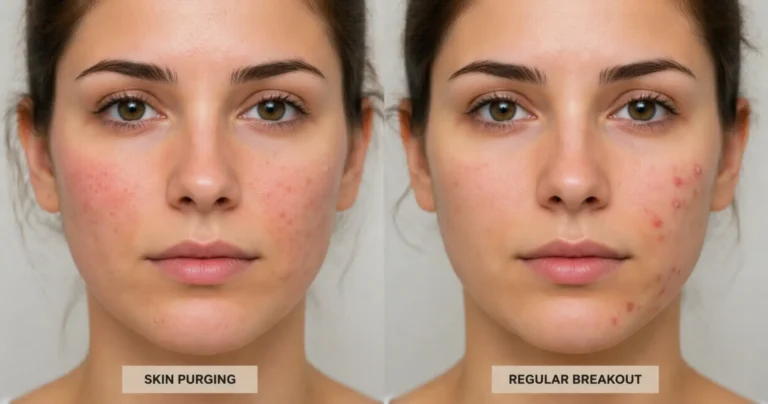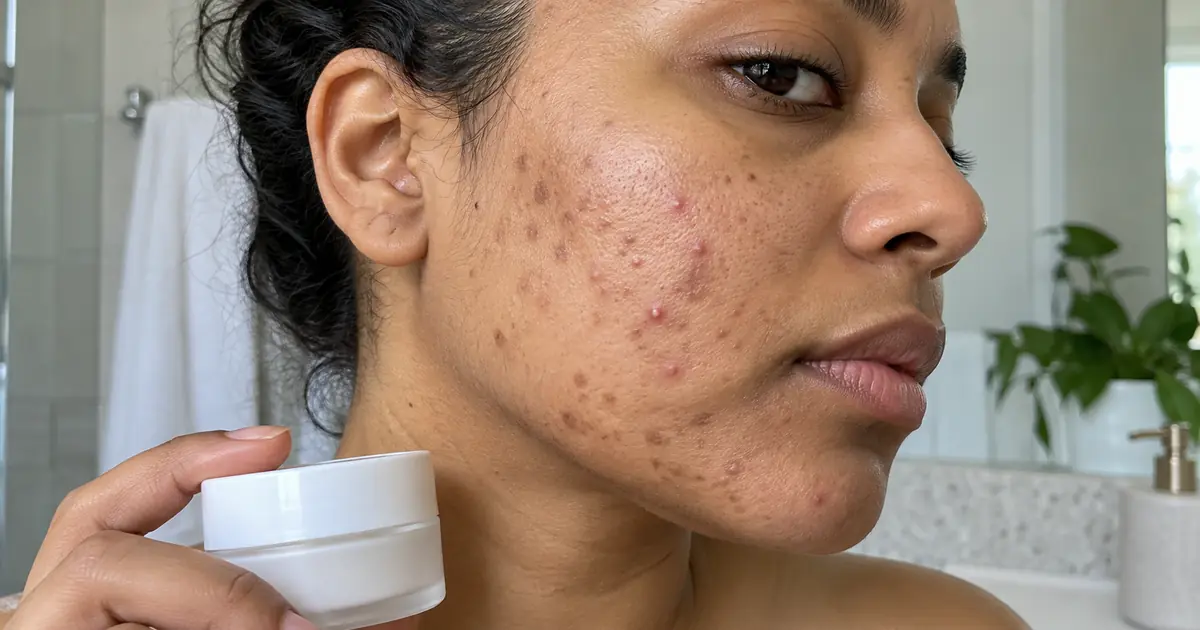
Dermatica Azelaic Acid: Does It Fit Your Prescription Routine?
If you already use a customized Dermatica treatment, buying another active ingredient can be surprisingly complicated. Dermatica azelaic acid comes as a separate Clarifying Azelaic Acid Cream, while some personalized prescriptions already include azelaic acid alongside other medicines. Before choosing between the 15% and 20% creams, check what is in your current bottle and whether your skin is tolerating it.
Quick answer: Dermatica’s standalone azelaic acid cream may complement some personalized routines, but it is not automatically necessary. Review your current prescription for azelaic acid, tretinoin, or other active ingredients first. Dermatica recommends using its separate cream in the morning when you also use a personalized evening formula, but your prescriber’s advice should take priority.
Here is how to compare the products, avoid duplicate treatment, and decide whether another purchase makes sense.
Table of Contents
What Is Dermatica Azelaic Acid—and Is It Prescription?
Dermatica sells Clarifying Azelaic Acid Cream in two concentrations: 15% and 20%. It is presented on the company’s US website as a standalone skincare product. That is distinct from Dermatica’s personalized treatment service, through which a clinician may supply a prescription formula based on an individual’s needs.
The distinction matters more than the packaging. Buying the standalone cream does not mean you are receiving the same medication or treatment plan as another subscriber. And using a customized prescription does not mean you automatically need the cream as an additional step.
Clarifying Cream vs Personalized Formula
A standalone Dermatica azelaic acid product has a published ingredient list and a selectable concentration. A personalized formula may contain several active medications, and its directions are specific to the person receiving it. For example, Dermatica publishes a patient leaflet for a prescription lotion combining tretinoin and azelaic acid. That example proves the ingredient can already be included, not that it appears in everyone’s formula.
If a seller describes a product as FDA-regulated, do not interpret that phrase as proof that the specific cream is FDA-approved. Regulatory classification and approval are different matters. Likewise, published research on another prescription azelaic acid formulation is not a clinical trial of Dermatica’s exact cream.
Ingredients and Realistic Benefits
The published ingredient list includes azelaic acid, squalane, dimethicone, glycerin, and ceramides NP, AP, and EOP, among other formulation ingredients. Dermatica markets the cream for blemishes, uneven-looking tone, and dark spots, and describes it as fragrance-free.
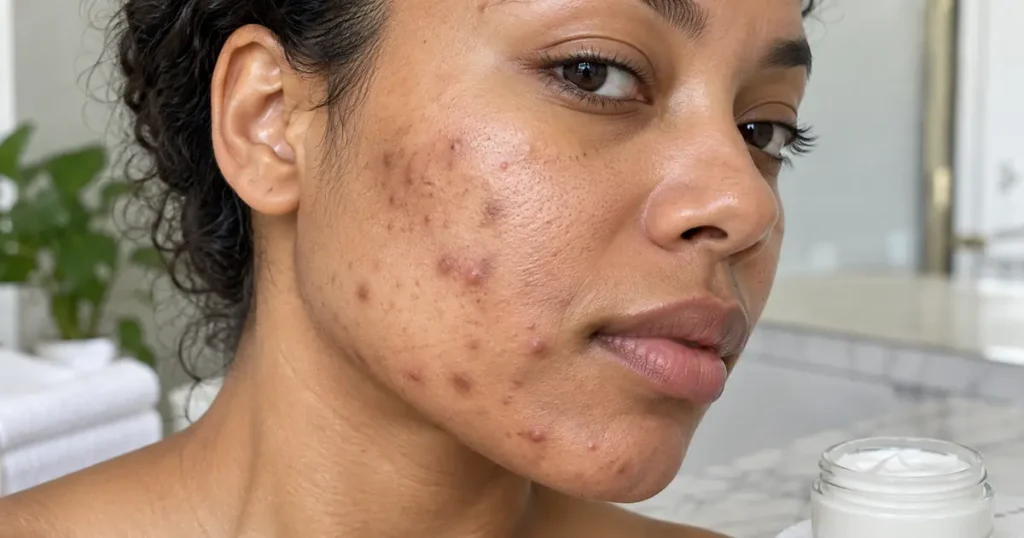
Azelaic acid has established uses in dermatology, including appropriate acne and pigmentation care. It may help some flat post-acne dark marks while an appropriate routine controls further breakouts. But the Dermatica formulation has not been shown to erase deep ice-pick or rolling scars. The American Academy of Dermatology distinguishes flat discoloration from scars that alter skin texture.
For more on why texture and color need different expectations, read what tretinoin can and cannot improve for acne scars.
Dermatica Azelaic Acid 15% vs 20%: Which Fits?
The percentages identify how much azelaic acid the formulas contain, not how quickly an individual’s skin will improve. Dermatica positions its 15% strength toward beginners and people experiencing sensitivity from retinoids, while describing the 20% option as intended for more experienced users.
| Buying question | 15% cream | 20% cream |
|---|---|---|
| Stated azelaic acid strength | 15% | 20% |
| Manufacturer’s suggested audience | Beginners or more sensitive skin | Experienced users; not very sensitive skin |
| Could cause irritation? | Yes | Yes |
| Proven to work better for every person? | No | No |
| Listed US size and price, October 10, 2026 | 1 fl oz; $24.95 | 1 fl oz; $24.95 |
Choosing 20% merely because it is stronger overlooks the rest of the routine. If you already have dryness from tretinoin, even a lower-strength additional product may be too much. Conversely, someone who tolerates azelaic acid well may still have no reason to add it if their prescription already addresses the concern.
Clinical evidence for azelaic acid cannot establish that Dermatica’s 20% cream outperforms its 15% cream in a direct comparison; no verified head-to-head trial of these two finished products was identified. Treat the brand’s strength guidance as product positioning, not as a guaranteed outcome.
Is Dermatica Azelaic Acid Already in Your Prescription?
Check the active ingredients printed on your current treatment, not just the treatment name. Dermatica’s personalized formulations are not necessarily identical across subscribers or across time. A routine that once contained one medication may be updated after clinical review.
A Three-Part Prescription Check
- Read the current bottle label. Look for azelaic acid and its concentration, plus ingredients such as tretinoin. Do not rely on an old bottle or a screenshot of someone else’s formula.
- Review your treatment information. Compare the label with the current instructions in your Dermatica account or prescription documentation.
- Ask before adding a duplicate. If azelaic acid is listed—or you cannot confirm the ingredients—contact the prescribing team and ask whether a separate 15% or 20% cream would serve a useful purpose.
Dermatica’s own tretinoin-and-azelaic-acid patient leaflet shows why this check is worthwhile. Adding a second azelaic acid product on top of an existing combination could increase exposure and irritation without addressing a new need. Never increase a prescription strength, amount, or frequency on your own.
How to Use Dermatica Azelaic Acid With a Prescription Routine
According to Dermatica’s current standalone-cream directions, people not using a personalized formula are instructed to apply one to two pumps to clean, dry skin morning and evening, followed by moisturizer if needed and morning sunscreen. When a personalized formula is also used, Dermatica says to apply the standalone cream only once daily in the morning. This is manufacturer guidance, not an individual prescription.
If your current clinician has given different instructions, or if your prescription already contains azelaic acid, confirm the plan before introducing the separate product. Do not simply copy a sample routine from a product page.
Example Morning Routine, Only if the Extra Cream Is Appropriate
- Wash with a gentle cleanser and allow skin to dry as directed.
- Use the standalone cream only if your treatment team agrees it belongs in the routine; follow the product instructions rather than guessing the amount.
- Apply a compatible moisturizer if skin needs it.
- Finish with broad-spectrum SPF 30 or higher sunscreen; reapply about every two hours outdoors and after swimming or sweating as directed.
For stubborn dark marks, the AAD also recommends considering tinted sunscreen containing iron oxides to help protect against visible light. An ordinary untinted broad-spectrum sunscreen still provides important ultraviolet protection but may not offer that additional visible-light benefit.
As an Amazon Associate, we earn from qualifying purchases.
☀️ Want everyday UV protection for an acne-prone routine?
Neutrogena Clear Face Liquid Lotion Sunscreen SPF 50
✅ Broad-spectrum SPF 50 protection.
✅ Oil-free and fragrance-free formula.
✅ Formulated for acne-prone skin.
This sunscreen supports UV protection; it does not remove acne scars or replace a prescribed treatment. It is not a tinted iron-oxide sunscreen, so consider that limitation if visible-light-related pigmentation is your priority. Follow the label and stop use if irritation occurs.
👉 Check Neutrogena Clear Face SPF 50 on Amazon US
Example Evening Routine
Cleanse gently, then apply your personalized prescription exactly as directed by the prescriber. Use a suitable moisturizer if recommended. Do not add the standalone azelaic acid cream to the same evening routine just because your skin seems comfortable. Dermatica’s general advice for people with a personalized evening formula is to keep its separate cream in the morning, if approved as an addition.
Dermatica Azelaic Acid With Tretinoin and Other Actives
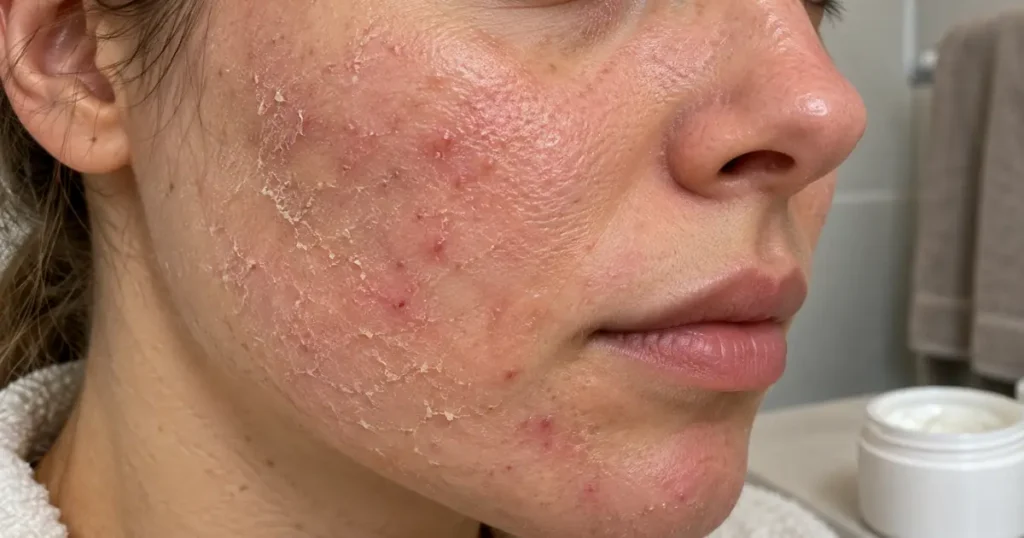
Tretinoin is a prescription retinoid used for certain acne and skin concerns. It can cause dryness, peeling, and stinging, particularly when treatment begins or changes. Azelaic acid can also irritate skin, so separating application times does not eliminate the possibility of cumulative irritation.
Dermatica azelaic acid is therefore not a universal add-on to tretinoin. You might already be using a combined prescription formula, or your clinician might prefer to adjust an existing treatment instead. The appropriate choice depends on the precise prescription, tolerance, and intended outcome—not simply on whether two ingredients are sometimes used together.
Salicylic acid exfoliants, strong AHAs, benzoyl peroxide, and other acne treatments also deserve a place in the medication review. Their use is not universally prohibited, but stacking active products without a plan can make it difficult to identify the cause of irritation. For a more focused explanation of prescription retinoids and pigmentation, see our guide to tretinoin for dark spots.
If pregnant or planning pregnancy, avoid topical retinoids unless your clinician provides an appropriate alternative plan. ACOG lists topical azelaic acid among ingredients used for acne during pregnancy, but that does not make a combined tretinoin-and-azelaic-acid prescription safe. If pregnant or breastfeeding, discuss your exact products with your obstetrician and prescriber before using them.
What Does Dermatica Azelaic Acid Cream Feel Like?
The manufacturer describes Dermatica azelaic acid as a lightweight cream. The formula contains squalane and dimethicone, which can influence slip and the way the product spreads, plus glycerin and ceramides associated with moisturizing formulations. The packaging uses an airless pump.
Those specifications are verified, but they do not prove how the cream will feel on your face. It may sit differently under sunscreen or makeup depending on the other products you use. A richer moisturizer on top may feel comfortable to one person and too heavy to another.
Look beyond descriptions like “lightweight” or “barrier-supporting.” Helpful supporting ingredients do not eliminate the possibility of stinging, itching, dryness, or redness from the active treatment. If you are sensitive to a known ingredient, read the current full label before buying.
Do You Need Moisturizer After Dermatica Azelaic Acid?
Dermatica says moisturizer can follow its separate cream if needed. Moisturizer is not a mandatory extra treatment, but it may help reduce discomfort when a prescription routine leaves skin dry. A simple fragrance-free moisturizer is usually a more sensible addition than another exfoliating serum when skin already feels tight.
Choose a texture that suits your skin, pay attention to known sensitivities, and remember that moisturizer cannot make an unsuitable prescription combination risk-free. A simple, non-comedogenic moisturizer may help skin feel more comfortable without adding another treatment active.
💧 Need straightforward hydration alongside your routine?
Vanicream Daily Facial Moisturizer
✅ Contains hyaluronic acid and five ceramides.
✅ Fragrance-free and non-comedogenic.
✅ Designed for daily facial hydration without an exfoliating active.
Moisturizer may improve comfort, but it cannot prevent every medication reaction. For severe or persistent irritation, speak with your prescriber rather than relying on a cream to cover up the problem.
👉 Check Vanicream Daily Facial Moisturizer on Amazon US
When Dermatica Azelaic Acid Might Not Be a Good Addition
Sometimes the better decision is to avoid buying another treatment product. Consider holding off and discussing your routine with a clinician when:
- Your current prescription already contains azelaic acid, or the active ingredients are unclear.
- You have ongoing burning, scaling, significant dryness, or a damaged skin barrier.
- You use several exfoliants or prescription medications and cannot identify their separate roles.
- You have a known allergy or sensitivity to an ingredient in the cream.
- Your main concern is a deep pitted scar rather than a flat pigmented mark.
- Pregnancy or breastfeeding makes the current prescription plan uncertain.
If a new nonprescription product causes persistent stinging or irritation, stop the suspected product and contact a clinician if symptoms do not settle. Follow professional advice for any prescribed medication. Seek prompt medical attention for severe swelling, blistering, or symptoms of a serious allergic reaction.
If you are shopping mainly to improve structural scarring, start by choosing products for different acne-scar concerns rather than expecting azelaic acid to fill indented scars. Acne that is painful, rapidly worsening, or leaving scars also merits a dermatologist’s assessment.
Dermatica Azelaic Acid Price, Size, and Buying Considerations
As checked on October 10, 2026, Dermatica’s US store lists both Clarifying Azelaic Acid strengths at $24.95 for 1 fl oz. The brand lists the product as available in the United States. Shipping, discounts, stock, and the final checkout cost can change, so confirm them directly at purchase.
To judge value, compare the cost with the problem you want solved: does the existing prescription already treat it, does your skin tolerate the plan, and would sunscreen or moisturizer be a more useful purchase? Dermatica azelaic acid is not automatically better value simply because it contains a higher percentage of active ingredient.
Buy the standalone cream through the manufacturer’s verified store if you choose it. It is a different purchase from a customized prescription, and you should not substitute an unrelated Amazon azelaic acid product for medication your clinician has prescribed. No verified Amazon affiliate link to the Dermatica cream is being recommended here.
Frequently Asked Questions
1. Does My Dermatica Personalized Prescription Already Contain Azelaic Acid?
It might. Dermatica publishes a prescription leaflet for a combined tretinoin-and-azelaic-acid formula, but not every prescription contains the same ingredients. Check your current bottle label and treatment information. If the details are unclear, ask the prescribing team before adding another product.
2. Is Dermatica Azelaic Acid 15% Gentler Than 20%?
Dermatica positions 15% for beginners or more sensitive users and 20% for experienced users. Either strength may cause irritation, and concentration alone does not predict your individual response. There is no verified direct trial proving one finished Dermatica formula will suit your skin better.
3. Can I Use Dermatica Azelaic Acid With Tretinoin?
Some professionally designed regimens contain both ingredients, but that does not mean you should add them together independently. Check whether your existing prescription already contains azelaic acid and ask your prescriber about timing and tolerance. Pregnant patients should avoid tretinoin-containing topical routines unless the clinician provides an appropriate alternative.
4. Should I Apply Moisturizer Before or After Dermatica Azelaic Acid?
Dermatica’s standalone cream instructions place moisturizer afterward, if needed. However, a personalized medication may have different instructions. If you use both products, follow your prescribing team’s directions rather than changing application order to address irritation on your own.
5. How Long Should I Wait Before Judging Whether Dermatica Azelaic Acid Helps?
Expect gradual changes, not overnight clearing. Improvement in acne or post-inflammatory pigmentation can take weeks to months, depending on the concern and treatment. Dermatica’s prescription leaflet mentions an initial improvement window for a particular combined prescription, but it should not be treated as a guaranteed timeline for its standalone cream. Seek advice if symptoms worsen or results remain disappointing.
Conclusion
Dermatica azelaic acid can be a reasonable option for selected acne and pigmentation concerns, but the first step is checking your current prescription—not selecting the strongest cream. Confirm whether azelaic acid is already included, assess irritation, and ask the prescribing team whether a separate morning product adds value. If it does not, a gentle routine with sunscreen may be the better choice.
Medical disclaimer: This article is educational and does not diagnose skin conditions or replace care from a qualified professional. Seek individualized advice about prescription combinations, pregnancy, breastfeeding, significant irritation, or persistent acne.
References:
- Dermatica — Clarifying Azelaic Acid 15–20% Cream. Official formula, ingredients, strengths, price, size and directions.
 Dermatica
- Dermatica — Tretinoin and Azelaic Acid Lotion: Patient Information Leaflet. Example prescription combination, warnings and directions. Dermatica
- American Academy of Dermatology — Acne: Diagnosis and Treatment. Evidence-based acne therapies.
- American Academy of Dermatology — Acne Scars: Signs and Symptoms. Distinguishing discoloration from structural acne scars. American Academy of Dermatology
- American Academy of Dermatology — How to Fade Dark Spots in Darker Skin Tones. Pigmentation management and sunscreen guidance. American Academy of Dermatology
- American College of Obstetricians and Gynecologists — Skin Conditions During Pregnancy. Pregnancy-related topical acne-treatment guidance. ACOG
- U.S. FDA — Azelex 20% Azelaic Acid Cream Prescribing Information. Prescription azelaic acid information; not evidence of approval for Dermatica’s formulation. FDA Access Data
- Vanicream — Daily Facial Moisturizer. Official moisturizer formulation and directions. Vanicream™
- Neutrogena — Clear Face Liquid Lotion Sunscreen Broad Spectrum SPF 50. Official sunscreen information. Neutrogena