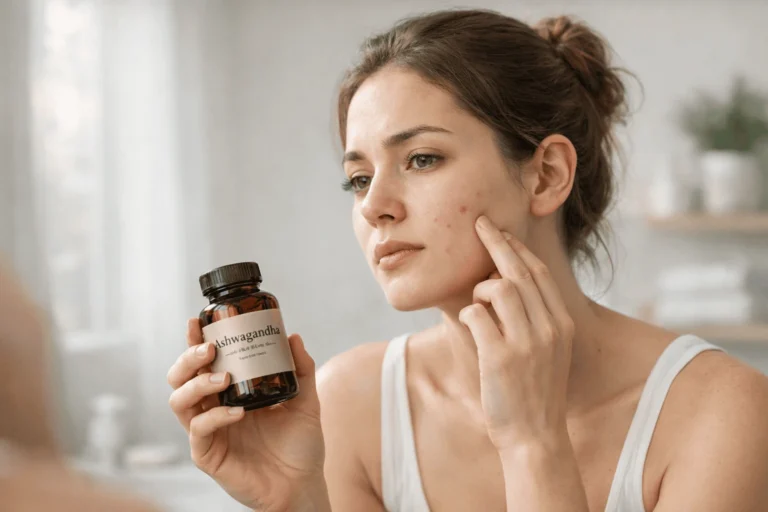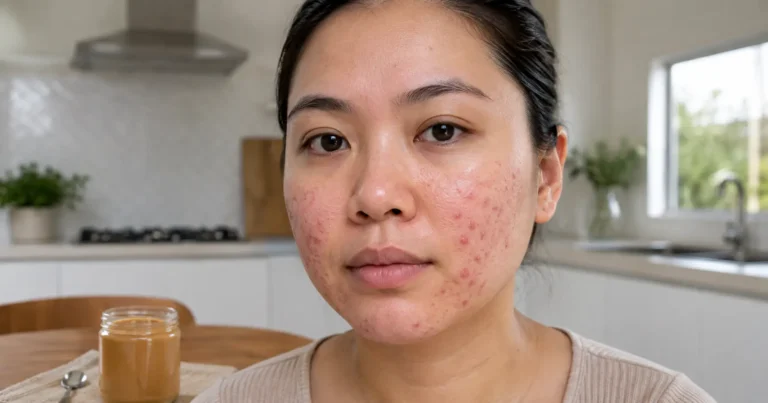
Is Beef Tallow Good for Acne? Best Alternatives for Breakout-Prone Skin
If you are wondering is beef tallow good for acne, the most responsible answer is that there is not enough reliable clinical evidence to recommend it as an acne treatment. Tallow may soften dry skin by forming a rich, oily layer, but it does not contain an established acne-fighting active. Its heavy texture may also be a poor match for some breakout-prone faces.
That does not prove tallow clogs everyone’s pores. It means online benefits are ahead of the research, while established acne-friendly moisturizers offer clearer labeling and more predictable textures. This guide helps you judge the trend and choose an alternative. Product suggestions rely on current formulas and manufacturer information, not personal testing or paid placement.
Table of Contents
What Is Beef Tallow Skin Care?
Beef tallow is fat rendered from cattle tissue and purified into a semisolid ingredient. In skin care, it may be sold alone, whipped into a balm, or combined with oils, waxes, fragrance, essential oils, or antioxidants. “Tallow balm” may not be pure tallow, and products can behave differently on skin.
Tallow is mainly a mixture of fatty substances. That can make it an emollient, which softens skin, and an occlusive, which slows water loss by leaving a surface film. For shoppers asking is beef tallow good for acne, neither property establishes that it clears blackheads, reduces inflammation, or prevents pimples.
The question is beef tallow good for acne cannot be answered from its traditional use or fatty-acid profile alone. What matters is whether well-designed human studies show meaningful benefits and acceptable risks in people with acne. At present, that direct evidence is missing.
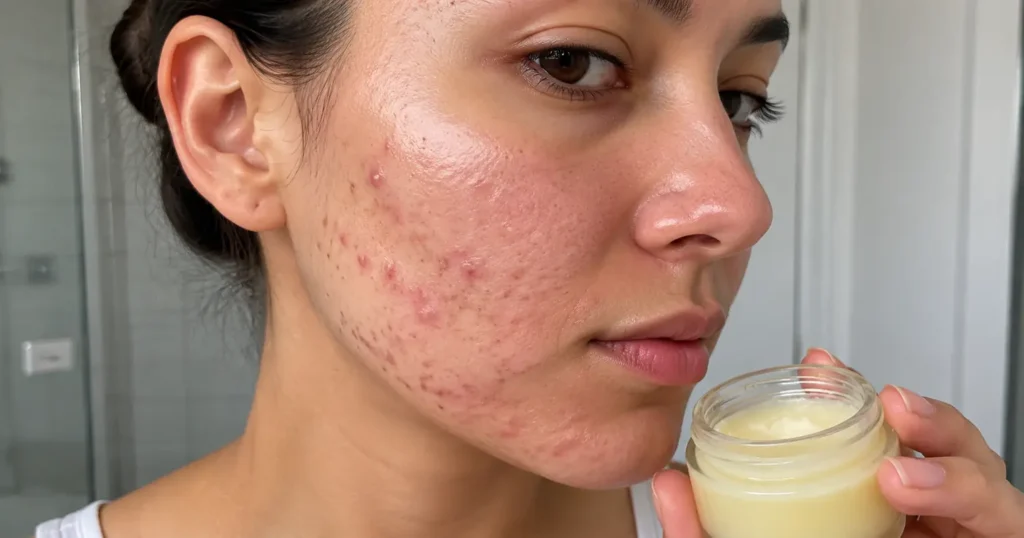
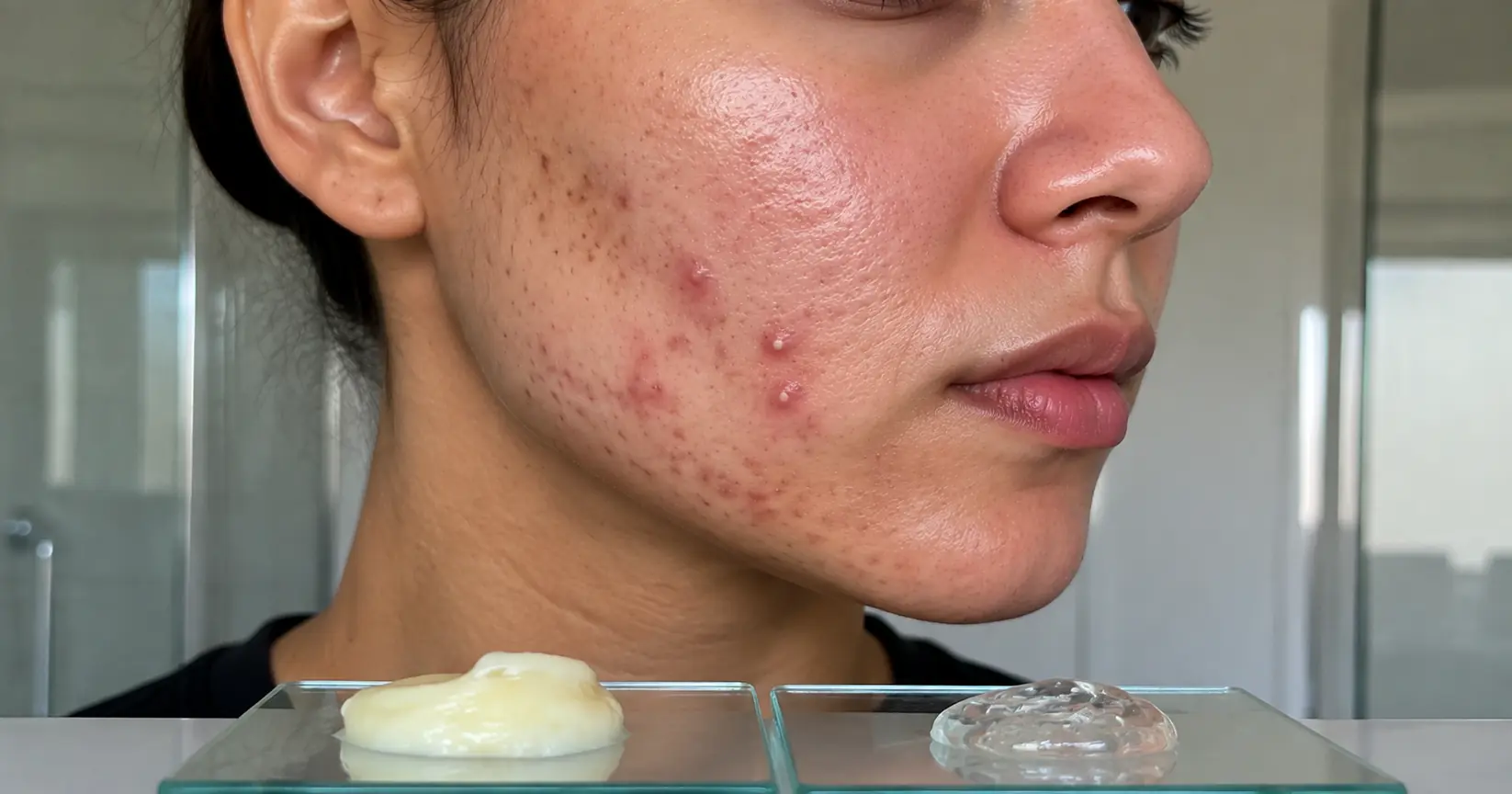
Is Beef Tallow Good for Acne According to Research?
No dependable clinical evidence currently shows that topical beef tallow treats acne. A 2024 scoping review found limited, highly varied research on tallow and skin, with much of the relevant evidence coming from laboratory, animal, or non-tallow studies. A 2025 analysis likewise concluded that evidence does not support the many dermatologic claims promoted on social media.
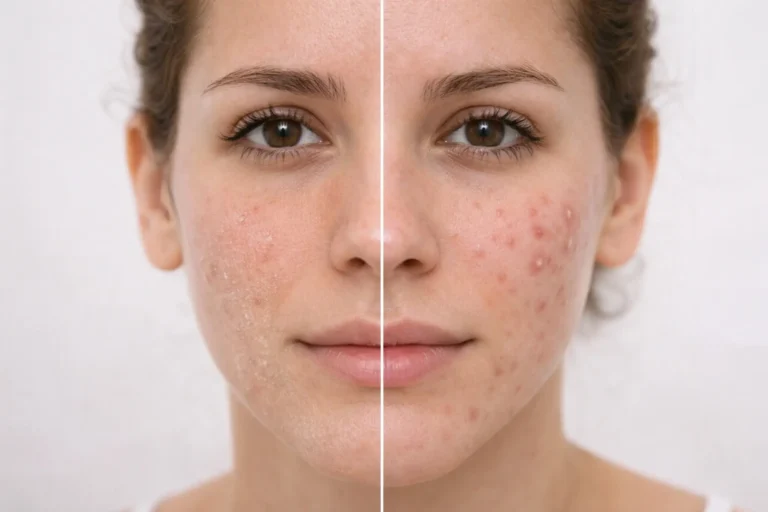
To answer is beef tallow good for acne, this evidence gap is decisive. Acne involves clogged follicles, excess oil, inflammation, and activity from Cutibacterium acnes. Evidence-supported topical treatments target these processes. Plain tallow has not been shown in controlled trials to do so.
When people ask is beef tallow good for acne, they may be combining two separate questions:
- Can a rich fat reduce tightness or flaking? Possibly, because oily emollients can soften the skin and limit moisture loss.
- Can that fat treat acne? There is insufficient evidence to say yes.
A product can make dry skin feel smoother without improving breakouts. The answer to is beef tallow good for acne does not change simply because it relieves tightness. A suitable moisturizer may help you tolerate acne medication, but it does not automatically become acne treatment.
Can Beef Tallow Cause Acne?
Beef tallow may contribute to breakouts in some people, especially when a heavy balm sits on oily, congestion-prone areas. However, there are no strong human studies proving that tallow is universally comedogenic. Skin response also depends on the complete formula, the amount used, other products, climate, friction, and individual susceptibility.
This uncertainty is why a universal answer to is beef tallow good for acne would be misleading. Tolerating a tiny amount on dry cheeks does not prove it suits someone with forehead comedones. One breakout does not prove every formula affects everyone alike.
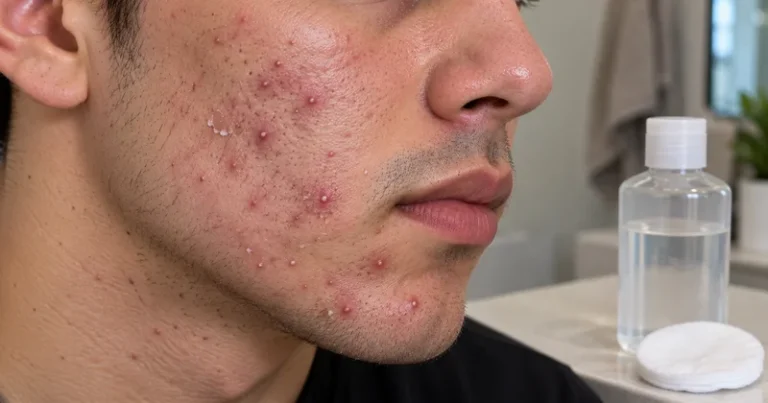
Watch for new closed bumps, whiteheads, or inflamed pimples where you apply it. If the trial leaves you asking is beef tallow good for acne because bumps appeared, stop rather than judging from one comfortable first night.
A Tallow Breakout Is Not “Purging”
Skin “purging” is commonly used to describe a temporary acne flare after certain ingredients speed cell turnover or help clear clogged pores. Plain tallow is not a retinoid or exfoliating acid and has no established mechanism that would make acne surface faster.
If bumps steadily increase, do not assume worsening means the product is working. In this situation, the answer to is beef tallow good for acne is practical: stop it and simplify your routine. Seek professional guidance for painful, deep, spreading, or scarring acne.
What About the Claimed Benefits of Beef Tallow for Skin?
Online claims go far beyond what research verifies. The most plausible benefit is moisturization: a fatty balm can reduce roughness and tightness. That may explain why is beef tallow good for acne gets enthusiastic anecdotal answers, but comfort is not evidence of acne clearance.
The claimed benefits of beef tallow on the face may also be overstated in these ways:
- “It is the same as human sebum.” Tallow and human skin oil share some broad lipid categories, but they are not identical substances. Similarity does not prove compatibility or acne benefit.
- “It contains natural retinol.” Beef fat should not be treated as a measured, clinically active retinoid product. Tallow does not replace adapalene, prescription retinoids, or other proven acne care.
- “It repairs the skin barrier.” Occlusion may reduce water loss, but that is not the same as demonstrating barrier repair in clinical studies of acne-prone skin.
- “It is antibacterial, so it clears pimples.” Laboratory observations about individual fatty acids cannot establish that a finished tallow balm treats acne on a person’s face.
- “Natural means gentle.” Natural substances can irritate skin or trigger allergy. When evaluating is beef tallow good for acne, count added essential oils and fragrance as additional variables.
Asking is beef tallow good for acne requires separating plausible cosmetic effects from treatment claims. Softer-feeling skin is a reasonable cosmetic outcome; fewer acne lesions has not been established.
Who Should Be Especially Cautious With Tallow for the Face?
You may want to skip tallow or test it very conservatively if you have oily skin, frequent blackheads or whiteheads, acne along the hairline, or a history of breaking out from rich balms and oils. Hot, humid weather and products layered under tight masks or helmets can make a heavy texture feel even more occlusive.
Sensitive skin also needs caution. A short ingredient list does not guarantee against irritation, and tallow blends may contain fragrant botanicals or essential oils. For these readers, is beef tallow good for acne may be less important than whether the blend triggers burning, itching, or a rash. Ask a clinician before using a trend-based product to treat eczema, rosacea, a persistent rash, or an uncertain condition.
For someone using benzoyl peroxide, salicylic acid, adapalene, tretinoin, or isotretinoin, dryness can make a moisturizer useful. But is beef tallow good for acne is still the wrong shortcut: a noncomedogenic, fragrance-free moisturizer matched to your skin type is usually the more predictable choice.
How to Test Beef Tallow Without Committing Your Whole Face
The American Academy of Dermatology recommends testing a new skin-care product on a small area twice daily for seven to 10 days to look for redness, itching, swelling, or another immediate reaction. Use the amount and contact time you would normally use. Stop if a reaction develops.
This home test can help reveal irritation or allergy, but it cannot reliably predict clogged pores. It therefore cannot settle is beef tallow good for acne. If it is comfortable and you continue, introduce only this product, use a small amount on a limited facial area, and track changes for several weeks. Avoid broken or infected-looking skin.
Do not test a new tallow balm at the same time as several actives. Otherwise, you may not know what caused burning or new bumps. For anyone still asking is beef tallow good for acne after a symptom-free arm test, remember that facial oiliness and follicles differ from the skin on the arm.
Best Alternatives to Beef Tallow for Breakout-Prone Skin
If your shopping question is is beef tallow good for acne, the best alternative is not necessarily the product with the shortest ingredient list. Look for a usable texture, a noncomedogenic or oil-free label, and hydration without acne-cure claims. Fragrance-free options can be easier for reactive skin.
These five current products cover different needs. Formulas can change, so check the label before buying.
| Product | Best fit | Useful formula features | Keep in mind |
|---|---|---|---|
| Neutrogena Hydro Boost Hyaluronic Acid Gel Cream Fragrance Free | Normal to dry skin that prefers a light feel | Fragrance-free gel cream with hyaluronic acid; described as quick-absorbing and non-greasy | Not positioned as an acne treatment; very oily skin may prefer an even lighter gel |
| CeraVe PM Facial Moisturizing Lotion | A balanced nighttime lotion | Oil-free and noncomedogenic; contains three ceramides, hyaluronic acid, and niacinamide | Niacinamide or other ingredients can still irritate an individual user |
| Vanicream Daily Facial Moisturizer | Sensitive, combination, or dry acne-prone skin | Noncomedogenic; contains glycerin, hyaluronic acid, ceramides, and squalane; no fragrance or botanical extracts listed | Squalane is lightweight for many users but no moisturizer is breakout-proof |
| La Roche-Posay Toleriane Double Repair Matte | Oily or combination skin seeking less shine | Oil-free, noncomedogenic gel lotion with glycerin, niacinamide, and ceramide-3 | Matte finishes can feel insufficient if acne treatment has made skin very dry |
| Differin Oil Absorbing Moisturizer SPF 30 | Daytime moisture plus sunscreen in an acne routine | Lightweight, oil-free, fragrance-free, noncomedogenic moisturizer with broad-spectrum SPF 30 | Sunscreen needs adequate application and reapplication; it does not replace nighttime moisture if you are dry |
Best Lightweight Pick: Neutrogena Hydro Boost Gel Cream
This fragrance-free gel cream offers hydration without a balm-like finish. Hyaluronic acid is a humectant that helps attract water into the outer skin layer. The formula is marketed for normal to dry skin and quick absorption.
If is beef tallow good for acne is really a search for relief from medication-related tightness, a water-based gel cream may deliver that comfort with less heaviness. It still does not treat acne, and personal tolerance matters.
Best Barrier-Supporting Lotion: CeraVe PM Facial Moisturizing Lotion
CeraVe PM combines ceramides, hyaluronic acid, and niacinamide in an oil-free, noncomedogenic lotion. Ceramides are lipids naturally present in the skin barrier; hyaluronic acid supports hydration. The texture sits between a gel and rich cream.
For anyone comparing is beef tallow good for acne with a familiar lotion, CeraVe PM is a sensible option when acne actives cause mild dryness but a heavy occlusive feels excessive. Despite its name, it need not be limited to nighttime, but it contains no sunscreen.
Best Minimalist-Style Pick: Vanicream Daily Facial Moisturizer
Vanicream’s facial lotion combines glycerin, hyaluronic acid, five ceramides, and squalane. It is labeled noncomedogenic and excludes fragrance, essential oils, and botanical extracts. That cannot guarantee zero reactions, but it removes variables found in scented tallow blends.
For reactive skin, is beef tallow good for acne is less useful than choosing around your actual triggers. Animal-derived and plant-derived do not automatically mean safer. A short routine is more useful than chasing a “clean” label, which has no standard medical definition.
Best Matte Option: La Roche-Posay Toleriane Double Repair Matte
This lightweight gel lotion is designed for oily and combination skin. It is labeled oil-free, noncomedogenic, fragrance-free, and free of drying alcohol, with glycerin, niacinamide, and ceramide-3 among its highlighted ingredients.
It may suit someone who dislikes tallow’s shine and weight. If treatment causes peeling or stinging, a matte moisturizer may not feel rich enough. Choose for your skin now, not how oily it was before treatment.
Best Daytime Pick With SPF: Differin Oil Absorbing Moisturizer SPF 30
This lightweight broad-spectrum SPF 30 moisturizer is labeled noncomedogenic, oil-free, fragrance-free, and suitable for use with Differin Gel. If is beef tallow good for acne led you to seek one daytime product, this adds protection that plain tallow lacks. Sun exposure can make post-acne marks more persistent, especially in deeper skin tones.
Apply and reapply it according to the label, especially outdoors. If adequate use feels uncomfortable, choose a separate noncomedogenic sunscreen you can use correctly.
How to Choose the Right Alternative
Instead of asking only is beef tallow good for acne, match the moisturizer to the job you need it to do:
- Identify your current skin feel. Oily skin often prefers a gel; combination skin may prefer a lotion; treatment-dried skin may need a cream.
- Read the front and back labels. Prioritize “noncomedogenic,” “won’t clog pores,” or “oil-free.” If fragrance bothers you, choose “fragrance-free,” not merely “unscented.”
- Separate moisture from acne treatment. Moisturizer reduces dryness; proven actives such as benzoyl peroxide, salicylic acid, and adapalene address acne through different mechanisms.
- Change one item at a time. That makes irritation or breakouts easier to trace.
- Consider total cost per use. A reasonably priced lotion you apply consistently is a better buy than an expensive balm you abandon.
When comparing labels, is beef tallow good for acne becomes a practical purchasing question rather than a debate about what is “natural.” The strongest choice is the product with the right texture, tolerability, and acne-friendly labeling for your routine.
What to Do If Tallow Seems to Be Causing Breakouts
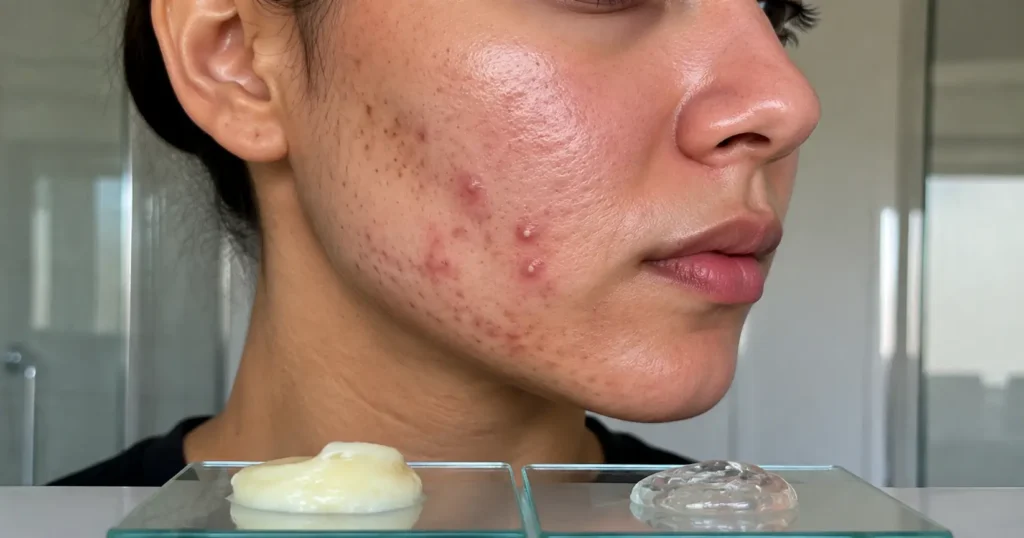
Stop the suspected product and return to a gentle cleanser, familiar noncomedogenic moisturizer, and sunscreen. At that point, is beef tallow good for acne has an individual answer: it is not helping your routine. Do not scrub, squeeze, or add strong acids to “detox” pores; irritation can worsen active acne.
Mild product-related bumps may not disappear overnight. Continue acne medication only as directed; ask the prescriber or pharmacist if irritation makes the plan hard to follow.
See a dermatologist when acne is deep, painful, rapidly worsening, scarring, causing significant distress, or not improving with appropriate over-the-counter care. Seek prompt help for substantial facial swelling, blistering, trouble breathing, or another severe reaction.
Frequently Asked Questions
Is beef tallow comedogenic?
There is not enough direct human research for a universal pore-clogging verdict. When deciding is beef tallow good for acne, do not rely on online comedogenicity ratings that may not predict facial use. Formula, amount, skin type, and routine matter. A product specifically labeled noncomedogenic is the more cautious purchase.
Can beef tallow cause acne even if it is grass-fed?
Yes, breakouts are still possible. “Grass-fed” describes how the cattle were raised; it does not prove that the finished balm will not clog pores or irritate skin. Purification, added oils, fragrance, packaging, and your individual skin response matter more to facial tolerability. Grass-fed is not a recognized acne-treatment standard.
Does beef tallow contain retinol that can treat acne?
Do not treat beef tallow as a natural retinol product. Retinoids used for acne have identified active ingredients, controlled formulations, dosing directions, safety information, and supporting clinical evidence. Tallow does not provide a dependable substitute. If retinoids interest you, discuss pregnancy considerations, irritation, and product choice with a qualified clinician.
How long should you test beef tallow before applying it to your whole face?
Test a small skin area twice daily for seven to 10 days to screen for redness, itching, or swelling. A successful test does not prove the product will not cause facial acne. If you proceed, apply a small amount to one limited facial area and introduce no other new products while watching for delayed bumps.
Is beef tallow better than a ceramide moisturizer for acne-prone skin?
Current evidence does not show that it is. When the question is is beef tallow good for acne, a fragrance-free, noncomedogenic ceramide moisturizer offers clearer acne-friendly labeling and ingredients commonly used to support the skin barrier. Neither one replaces acne treatment, but the ceramide formula is usually the more evidence-aligned first choice.
The Bottom Line
So, is beef tallow good for acne? There is no reliable proof that it clears acne, and its rich texture may not suit congestion-prone skin. If you need moisture, start with a fragrance-free, noncomedogenic gel, lotion, or cream matched to your skin type. Choose one product, test it carefully, and give an established acne routine time to work.
This article is for educational purposes and does not diagnose a skin condition or replace care from a qualified health professional. A dermatologist can help when the diagnosis is uncertain or breakouts are severe, painful, scarring, or persistent.
References:
- Zani MB, et al. “Tallow, Rendered Animal Fat, and Its Biocompatibility With Skin: A Scoping Review.” Cureus (2024).
- Alavi A, et al. “Beef Tallow-Based Skincare Claims in Social Media: A Cross-Sectional Analysis.” Journal of Cosmetic Dermatology (2025).
- American Academy of Dermatology. “Moisturizer: Why You May Need It If You Have Acne.”
- American Academy of Dermatology. “How to Test Skin Care Products.”
- American Academy of Dermatology. “How to Control Oily Skin.”
- Neutrogena. “Hydro Boost Hyaluronic Acid Gel Cream Fragrance Free.”
- CeraVe. “PM Facial Moisturizing Lotion.”
- Vanicream. “Daily Facial Moisturizer.”
- La Roche-Posay. “Toleriane Double Repair Matte Face Moisturizer for Oily Skin.”
- Differin. “Oil Absorbing Facial Moisturizer With SPF 30.”