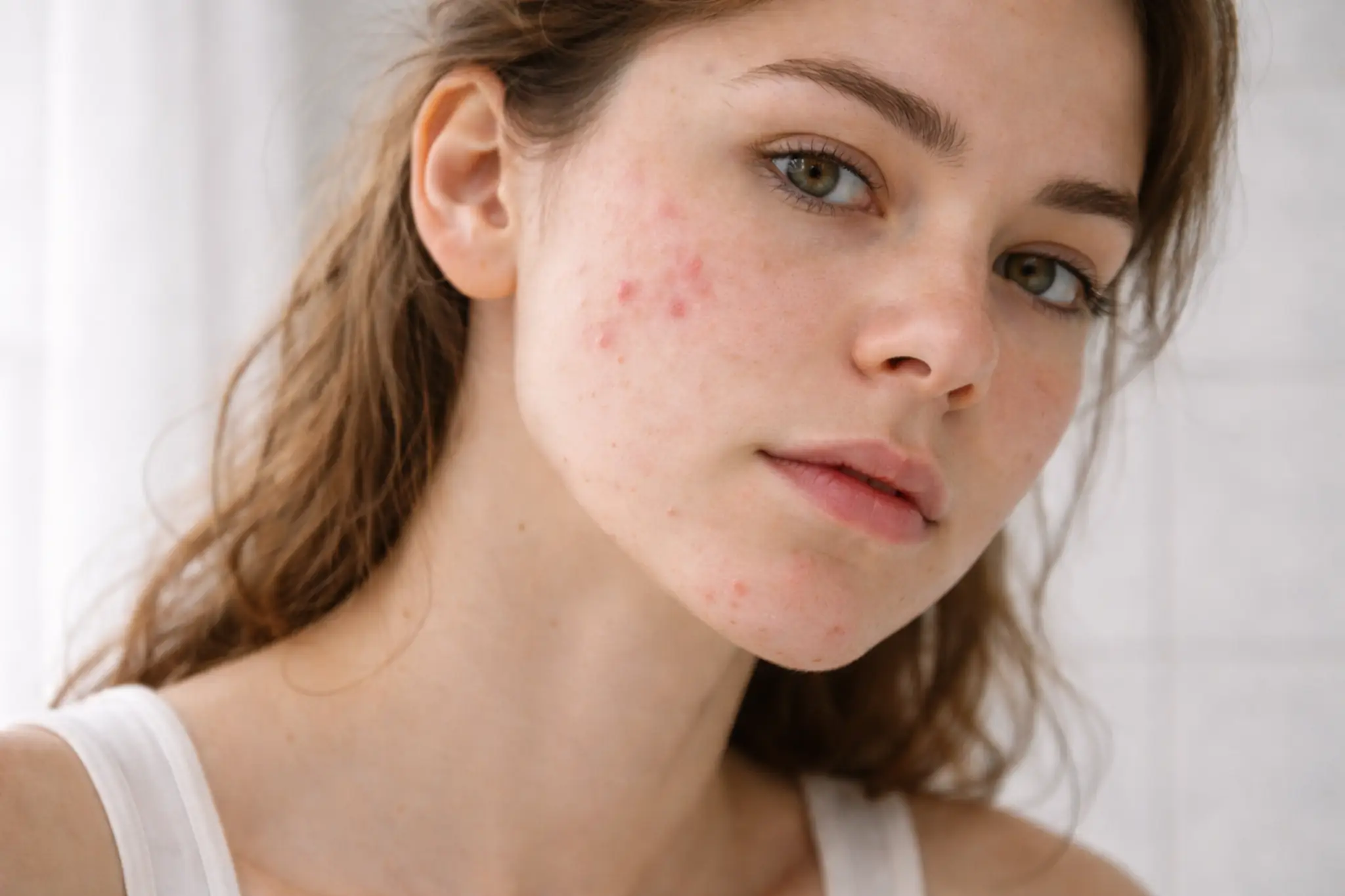
Cheek Acne Causes: What Triggers Breakouts and How to Treat Them
Breakouts on your cheeks can be especially frustrating because they are hard to hide and often take their time fading. You may feel like your forehead is clear, your chin is manageable, and then your cheeks keep breaking out anyway. That pattern leads a lot of people to ask about cheek acne causes and what is different about this area.
Cheek breakouts are often linked to a mix of clogged pores, daily contact, skin products, and lifestyle habits. Things like makeup, sunscreen, dirty pillowcases, your phone, hair products, stress, and sweat can all play a role. In some people, hormones and diet patterns also add to the problem.
Cheek acne is often caused by repeating triggers rather than one random event. The exact reason depends on where the bumps show up, what kind they are, and what keeps touching or irritating your skin. That is why a smart routine starts with looking at patterns instead of guessing.
Table of Contents
Why the Cheeks Break Out So Easily
Your cheeks deal with a lot every day. They come into contact with pillowcases, towels, makeup brushes, phones, hair, hands, sunscreen, moisturizer, and sometimes masks or sports gear. That long list helps explain why cheek acne causes can be harder to figure out than people expect.
The cheek area can also trap product buildup more easily if you wear foundation, layered skincare, or rich sunscreens. If those products are not fully removed at night, pores may stay clogged. Add stress, sweat, and face touching, and breakouts can start to make more sense.
Cheek acne can be different from chin acne or forehead acne. Chin breakouts often raise more questions about hormones. Forehead breakouts may connect more with hair products or oily skin across the T-zone. The cheeks often reflect repeated contact and daily habits, though hormones can still be part of the story.
That is why looking at cheek acne causes usually means thinking about your routine, not just your skin type.
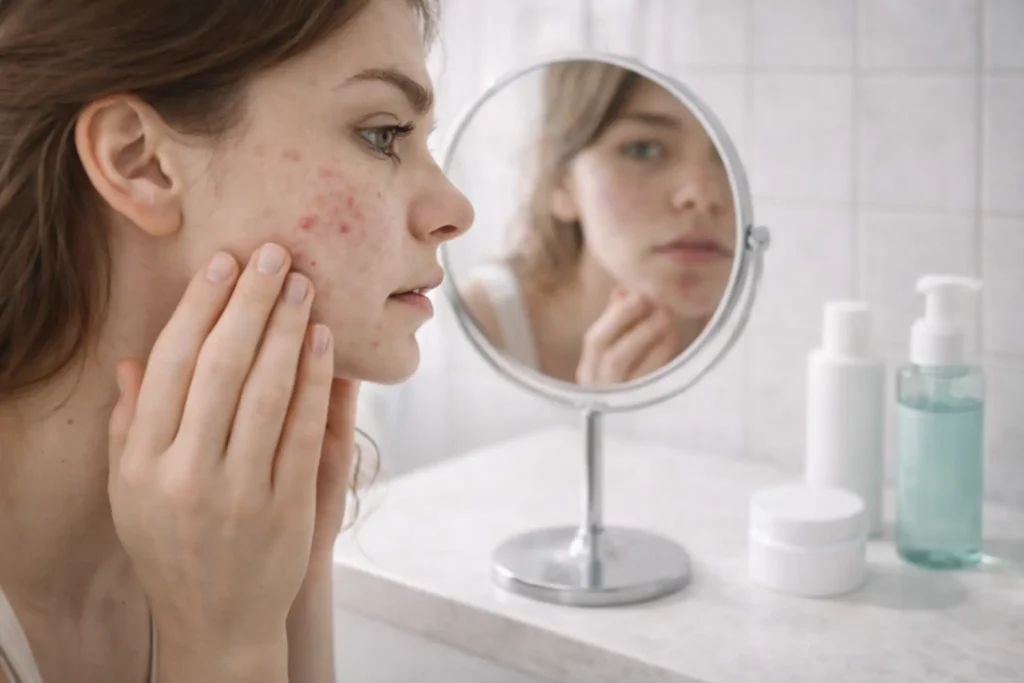
10 Common Cheek Acne Causes
There is no single answer for everyone, but these are some of the most common reasons cheeks break out.
1. Pore-clogging skincare or makeup
One of the biggest cheek acne causes is using products that are too heavy for your skin. Foundation, concealer, rich moisturizers, sunscreen, and cream blush can all build up if they do not suit your skin well.
Sometimes the problem is not one product on its own. It is the full stack of cleanser, serum, moisturizer, sunscreen, primer, and makeup layered on top of each other day after day.
2. Not fully removing makeup or sunscreen
If makeup or sunscreen stays on your skin overnight, clogged pores become more likely. This is especially true on the cheeks, where product often sits the longest.
You do not need to scrub your face hard, but you do need a consistent cleansing routine. In many cases, one of the real cheek acne causes is simply leftover product that never gets fully removed.
3. Dirty pillowcases and face towels
Your pillowcase touches your cheeks for hours every night. If it collects sweat, oil, hair products, and bacteria, it can keep irritating the same area over and over again.
Face towels can cause a similar issue if they are reused too many times. This is one of the easiest cheek acne causes to overlook because it feels small, but repeated contact matters.
4. Touching your face often
Resting your face in your hands, leaning on your palm at a desk, or picking at bumps can transfer oil, dirt, and irritation to your cheeks. It can also make small clogged pores more inflamed.
This habit is easy to miss because most people do it without thinking. Still, it is one of the more common cheek acne causes, especially when breakouts are worse on one side.
5. Phones pressed against the skin
If one cheek breaks out more than the other, your phone may be part of the answer. Screens collect oil, makeup, and bacteria, then press directly against the skin.
This does not mean your phone is the only cause, but it can be a repeating trigger. When people ask, why am i breaking out on my cheek more on one side, phone contact is one of the first things worth checking.
6. Hair products and hair oils
Leave-in conditioner, hair oil, styling cream, and spray can transfer from your hair to your cheeks, especially if your hair touches your face during the day or while you sleep.
This is one of the more sneaky cheek acne causes because the problem may come from a product you never even apply to your face.
7. Stress and poor sleep
Stress and poor sleep can make skin harder to manage. They may increase inflammation, affect oil production, and make you more likely to fall back into habits like picking or skipping your routine.
If your cheeks flare during stressful weeks, this may be part of the pattern. Stress alone may not explain every breakout, but it often adds pressure to skin that is already acne-prone.
8. Hormonal shifts
Hormones are often linked more strongly with chin and jawline acne, but they can still play a role in cheek breakouts. If your acne gets worse around your period, during times of stress, or after birth control changes, hormones may still be involved.
This matters because not all cheek acne causes come from surface contact. Sometimes internal changes make your skin more reactive overall.
9. Diet patterns that may worsen acne in some people
Food is not the only cause of acne, but in some people, patterns high in sugary drinks, refined carbs, whey protein, or some dairy products may make breakouts worse.
That does not mean one meal causes cheek acne overnight. It means a longer pattern may make acne-prone skin harder to calm.
10. Sweat, heat, and friction
Sweat and rubbing can trigger or worsen cheek breakouts. Masks, chin straps, helmet padding, sports gear, and warm weather can all increase friction and trap moisture against the skin.
If your breakouts get worse after workouts or long hours in gear, that is a clue. In some cases, irritation from friction is one of the main cheek acne causes.
Why Am I Breaking Out on My Cheek?
A lot of people want a quick answer to why am i breaking out on my cheek, but the best answer usually comes from the pattern. Start by looking at the exact location, timing, and type of bump.
If you break out more on one side, think about what touches that side more often. You may sleep on that side, use your phone there, rest your hand there, or have hair products transfer there more easily.
If both cheeks are breaking out, it may point more toward makeup, skincare, sunscreen, pillowcases, sweat, hormones, or overall irritation. When you are trying to figure out cheek acne causes, the location can tell you a lot.
It also helps to ask whether the breakout is new or ongoing. A sudden flare-up often points to something that changed recently. A long-term issue often points to a repeating habit or routine problem.
Why Am I Breaking Out Suddenly?
If you keep wondering, why am i breaking out suddenly, think about the last few days or weeks instead of only the last 24 hours. Skin often reacts with a delay, which can make the trigger less obvious.
Ask yourself:
- Did you start a new skincare or makeup product?
- Have you been sleeping less?
- Are you more stressed than usual?
- Did you travel recently?
- Are you sweating more?
- Have you changed your diet or workout routine?
- Did you stop washing pillowcases as often?
Sudden cheek breakouts are not always caused by deep acne problems. Sometimes they come from irritation, contact, or product overload. That is why it helps to stay calm and avoid throwing too many new treatments at your skin at once.
Looking at cheek acne causes works best when you focus on what changed, not just what hurts the most right now.
Types of Cheek Breakouts and What They May Mean
The type of bump matters. It can help you narrow down what may be going on.
Whiteheads and clogged pores
These are small closed bumps that often point to congestion, product buildup, or slower pore turnover. Heavy makeup or rich skincare can be part of the reason.
Inflamed red pimples
These are more classic acne spots. They may show up when clogged pores become inflamed. Stress, irritation, hormones, and picking can all make them worse.
Deep sore bumps
These painful bumps sit under the skin and often take longer to heal. They may point more strongly to inflammation and hormonal influence, even if your breakouts are showing up on the cheeks.
Tiny uniform bumps
If your bumps are all about the same size and appear in clusters, irritation or follicle-related issues may be part of the picture. Sometimes what looks like acne is not standard acne at all.
Bumps that may not be acne
Not every cheek bump is acne. Folliculitis, irritation, perioral dermatitis, rosacea, or product reactions can all look similar. If nothing seems to work, the problem may not be acne in the first place.
This is important because one reason people stay stuck with cheek acne causes is that they may be treating the wrong condition.
How to Treat Cheek Acne Safely
Once you have a better sense of what may be causing your breakouts, treatment gets simpler. You do not need a shelf full of products. You need a routine that is gentle, consistent, and built around proven ingredients.
Cleanse gently
Wash your face once or twice a day with a mild cleanser. If you wear makeup or heavy sunscreen, make sure you remove it properly without scrubbing your skin raw.
Use salicylic acid or benzoyl peroxide
These common acne ingredients can help in different ways. Salicylic acid helps unclog pores. Benzoyl peroxide can help reduce acne-causing bacteria and calm inflamed spots.
Start slowly, especially if your cheeks get irritated easily. Overdoing treatment can make redness and dryness worse.
Consider adapalene for recurring breakouts
If your breakouts keep returning, adapalene may help prevent clogged pores over time. It is not a fast fix, but it can be useful for long-term control.
Moisturize without clogging pores
A light, non-comedogenic moisturizer helps protect the skin barrier. Many people skip moisturizer when they break out, but dry irritated skin often becomes harder to manage.
Think beyond fast fixes
People often search how to remove pimples fast or how can i get rid of pimples because they want a spot gone right away. A pimple patch or targeted treatment may help a single bump look calmer, but preventing new ones matters more than winning one emergency.
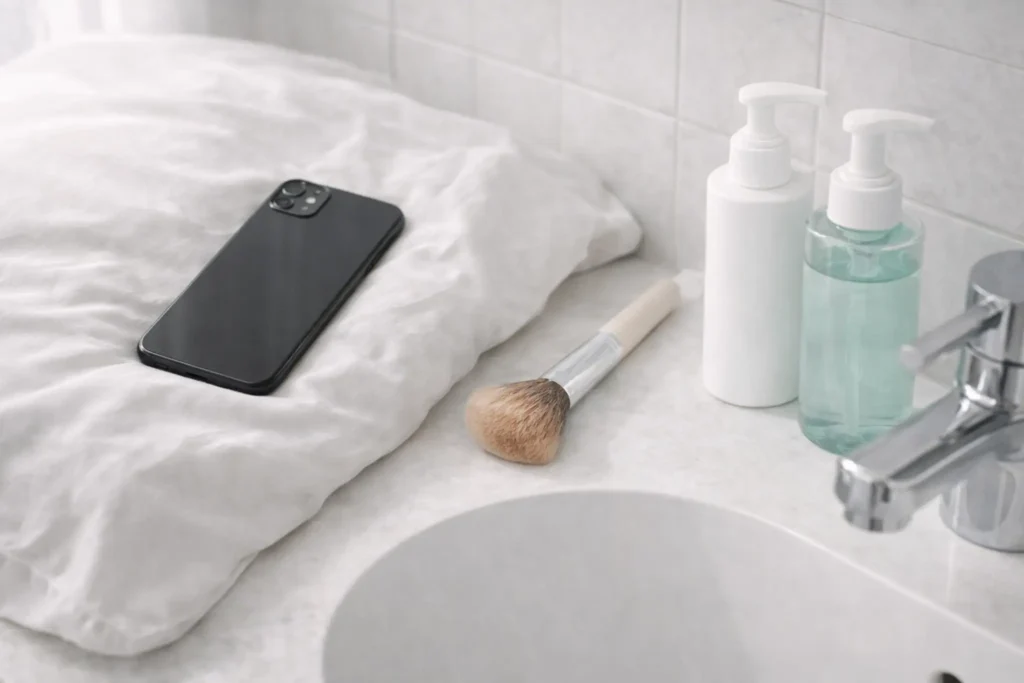
Daily Habits That Help Prevent Cheek Breakouts
The cheeks usually respond well when daily friction and product transfer go down. Small habits really do matter here.
Helpful prevention steps include:
- Clean your phone screen regularly
- Change pillowcases often
- Wash face towels more often
- Clean makeup brushes and sponges
- Keep hair products away from your cheeks
- Tie hair back if it rubs your face
- Avoid touching and picking
- Remove makeup and sunscreen fully
- Choose non-comedogenic skincare and makeup
- Cleanse after heavy sweating
These steps help because many cheek acne causes come from repeated contact rather than just oil alone.
Common Mistakes That Make Cheek Acne Worse
It is easy to make things worse while trying to make them better. That happens a lot with cheek breakouts because they are so visible.
Using too many products at once
People often pile on acids, spot treatments, masks, scrubs, and serums all at once. That can irritate the skin barrier and increase redness.
Over-exfoliating
If your skin feels rough, exfoliation may seem helpful. But too much exfoliation can make cheeks sting, peel, and break out more.
Sleeping in makeup
This is one of the clearest routine mistakes behind repeated cheek breakouts. Leftover product can keep clogging pores night after night.
Picking at pimples
Picking increases inflammation, slows healing, and raises the chance of dark marks or scars. It also turns a small issue into a bigger one very quickly.
Ignoring lifestyle triggers
Sometimes people only spot treat the bumps and never look at the habits behind them. If your phone, pillowcase, hair oil, or stress routine keeps staying the same, the acne may do the same.
When to See a Dermatologist
Home care can help many mild cases, but some breakouts need more than over-the-counter products. You should consider seeing a dermatologist if the bumps are painful, deep, leaving marks, or not improving after several weeks of steady care.
It is also smart to get help if:
- The acne is scarring
- You are getting frequent deep painful bumps
- Nothing is improving with a simple routine
- You think a rash or irritation is being mistaken for acne
- The breakouts are affecting your confidence or daily life
A dermatologist can help sort out whether you are dealing with acne, folliculitis, perioral dermatitis, rosacea, or another issue. That matters because treating the wrong thing is one of the biggest reasons people stay stuck.
Conclusion
The most common cheek acne causes usually come down to a mix of product buildup, repeated contact, friction, and everyday habits. Makeup, sunscreen, pillowcases, phones, hair products, stress, and sweat can all add up, especially if your skin is already prone to clogged pores.
The good news is that cheek breakouts often improve when you simplify your routine and reduce the triggers that keep touching your skin. Start with gentle cleansing, basic acne treatment, and small habit changes you can actually keep. If cheek acne causes still feel hard to pin down after that, track your patterns and get professional help if the breakouts keep coming back.
FAQ
1. What are the most common cheek acne causes?
The most common cheek acne causes include pore-clogging skincare or makeup, not fully removing sunscreen, dirty pillowcases, phone contact, face touching, hair products, stress, sweat, and friction. In some people, hormones and diet patterns also play a part.
2. Why am I breaking out on my cheek more on one side?
If you are asking why am i breaking out on my cheek more on one side, look at daily contact first. Your phone, pillowcase, hand, or hair may touch that side more often. One-sided breakouts often point to a repeating habit rather than a random flare-up.
3. Why am I breaking out suddenly on my cheeks?
If you feel like why am i breaking out suddenly is the main question, think about recent changes. A new product, more stress, poor sleep, travel, sweating, diet changes, or dirty pillowcases can all cause a sudden flare-up.
4. How can I get rid of pimples on my cheek fast?
If you are wondering how can i get rid of pimples, use gentle cleansing, a targeted acne treatment, and avoid picking. A pimple patch may help some surface spots look calmer. But long-term improvement comes from preventing new breakouts, not only treating one bump fast.
5. When should I worry about recurring cheek acne?
You should pay more attention if your cheek acne is painful, deep, keeps coming back, leaves marks, or starts to scar. If a simple routine and over-the-counter products are not helping, it is a good idea to see a dermatologist.