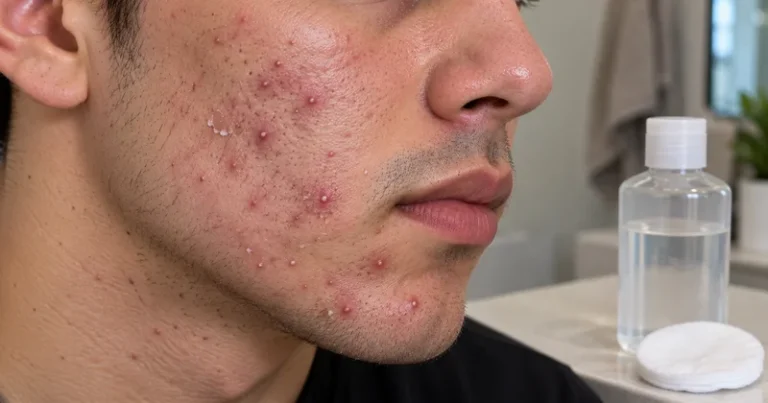
Foods That Cause Acne: What to Avoid for Clearer Skin
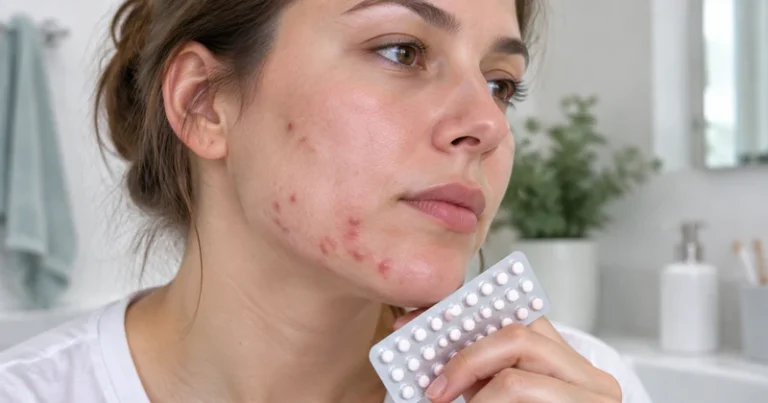
If you deal with breakouts often, it is normal to wonder whether your meals are part of the problem. Many people start looking at foods that cause acne after they notice flare-ups around the same time they have more sugary snacks, fast food, or protein shakes. That question makes sense, but the answer is usually more layered than one “bad” food.
Acne is not caused by food alone. Your hormones, skin type, family history, stress, sleep, and skincare habits all matter too. Still, some foods that cause acne may make breakouts worse in certain people, especially when those foods affect blood sugar, inflammation, or hormone signals in the body.
Some eating patterns may make acne more likely, especially when they include lots of added sugar, refined carbs, or certain dairy products. But not all foods that cause acne affect every person the same way. The goal is not to fear food. The goal is to spot patterns, make smart swaps, and support clearer skin in a realistic way.
Table of Contents
What Acne Really Is and Why Food Is Only One Piece
Acne happens when pores get clogged with oil, dead skin cells, and debris. At the same time, bacteria and inflammation can make those clogged pores turn into whiteheads, blackheads, red bumps, or deeper painful spots. That is why acne can look different from person to person.
When people search for foods that cause acne, they are often trying to explain breakouts that feel random. But food is only one piece of a bigger picture. Hormonal shifts can increase oil production. Genetics can make you more acne-prone. Stress can raise inflammation. Heavy or pore-clogging skincare can also make breakouts worse.
That means your skin may not improve just by removing a single food. On the other hand, if your eating pattern is part of the problem, changing it can help reduce one of the pressures on your skin. Thinking about foods that cause acne works best when you also look at sleep, stress, skincare, and overall routine.
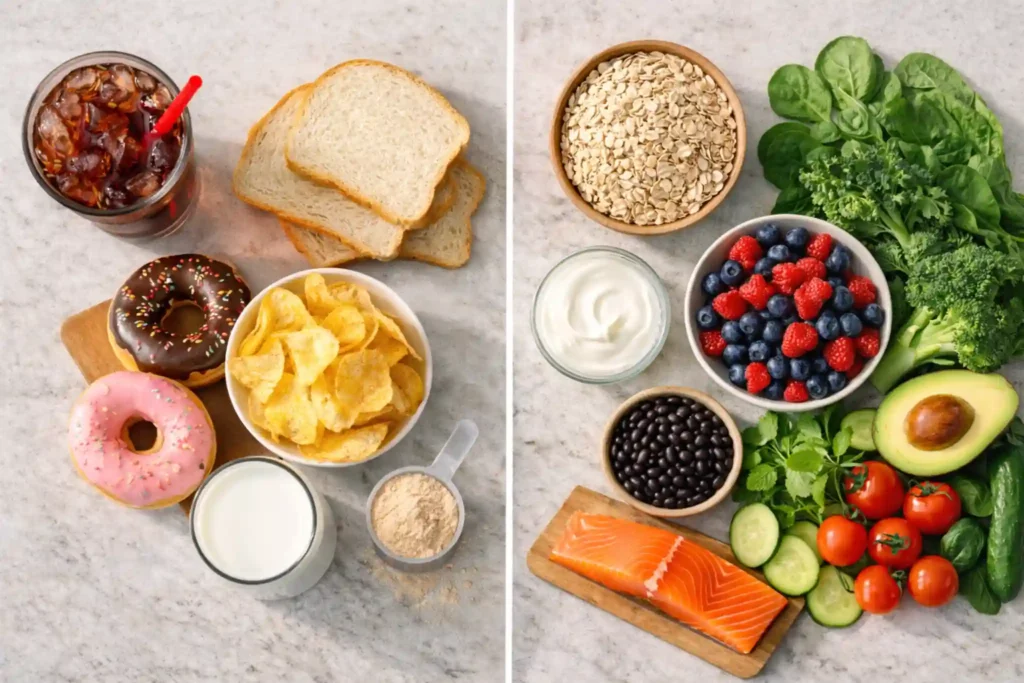
Why Some Foods That Cause Acne May Make Breakouts Worse
Researchers do not think acne comes from greasy food touching your skin from the inside. Instead, the bigger concern is how some foods affect your body after you eat them. Many foods that cause acne seem to have one thing in common: they may push blood sugar up fast or influence hormones tied to oil production.
When blood sugar rises quickly, your body releases more insulin. Higher insulin levels can increase signals that tell your skin to produce more oil. That can set the stage for clogged pores and inflammation. This is one reason high-glycemic eating patterns get so much attention in acne discussions.
Some foods that cause acne may also affect insulin-like growth factor 1, often called IGF-1. This hormone-related signal can encourage oil production and skin cell growth inside pores. If those cells build up too quickly, pores can clog more easily.
Still, the link is not exactly the same for everyone. One person may notice more breakouts after sweet coffee drinks, while another may react more to skim milk or whey protein. That is why lists of foods that cause acne should guide you, not control you.
9 Foods That Cause Acne or May Trigger Breakouts in Some People
Below are common examples of foods that cause acne or seem to make acne worse in some people. You do not need to cut all of them forever. Use this list to notice patterns.
1. Sugary drinks
Soda, energy drinks, sweet tea, flavored coffee drinks, and bottled juices can flood your system with added sugar very quickly. Because liquid sugar is easy to consume in large amounts, these drinks are often high on the list of foods that cause acne.
They can spike blood sugar fast and may leave you hungry again soon after. If you drink them often, they may be one of the easiest places to make a skin-friendly change.
2. Candy, desserts, and sweet snacks
Cookies, cakes, donuts, pastries, and candy are common foods that cause acne concerns because they often combine sugar, refined flour, and low fiber. That mix can lead to quick blood sugar swings.
A single dessert once in a while is not the whole story. Trouble usually shows up when sweet snacks become a daily habit and replace more balanced meals.
3. White bread and refined carbs
White bread, bagels, many crackers, and some boxed snack foods are highly processed carbs. These are often discussed as foods that cause acne because they digest quickly and may raise blood sugar more than whole-grain options.
The same can be true for some low-fiber cereals and instant baked goods. Swapping these foods more often than not can be helpful.
4. Sugary breakfast cereals and pastries
A breakfast of frosted cereal, sweet coffee, and a pastry can leave you full for an hour and hungry soon after. It also creates the kind of quick sugar rise that puts these meals on many foods that cause acne lists.
Breakfast matters because it sets the tone for your whole day. A more balanced breakfast may help you avoid a cycle of cravings and energy crashes.
5. Fast food meals
Burgers, fries, fried chicken sandwiches, and combo meals are not always direct acne triggers on their own. But fast food often comes with refined carbs, sugary drinks, and highly processed ingredients. That is why many people include them when talking about foods that cause acne.
It is less about one burger and more about a pattern built around low-fiber, high-glycemic, ultra-processed meals.
6. Chips and packaged snack foods
Chips, cheese crackers, puffs, and similar snack foods are easy to eat in large amounts. They usually do not offer much fiber or protein, and they can keep you reaching for more. That makes them another possible example of foods that cause acne in a broader dietary pattern.
If you pair these snacks with soda or sweets, the overall effect may be stronger.
7. Some dairy foods, especially skim milk
Dairy is one of the most debated groups linked to foods that cause acne. Not everyone breaks out from dairy, and some people tolerate it just fine. But skim milk has been flagged more often than other dairy foods in acne discussions.
One possible reason is that dairy may influence hormone-related pathways in a way that affects oil glands. This does not mean dairy is “bad.” It just means it may be worth paying attention to if your acne seems stubborn.
8. Whey protein shakes
Whey protein is a common supplement for muscle gain and workout recovery. But for some people, it belongs on the list of foods that cause acne, especially when breakouts start after regular use.
Whey may affect hormones involved in oil production. If you started a protein powder around the same time your skin got worse, that timing matters.
9. “Healthy” foods that still spike blood sugar quickly
Not every trigger comes in an obvious junk food package. Some smoothies, granola bars, sweetened yogurt, dried fruit-heavy bowls, or “natural” snacks can still be high in sugar. These can act like foods that cause acne if they send your blood sugar up fast and become a frequent habit.
That does not mean these foods are always a problem. It means labels like “healthy” do not tell the whole story.
Does Sugar Make You Break Out?
A lot of people ask, “Does sugar make you break out?” The honest answer is that it can contribute, especially if you eat a lot of added sugar often. Sugar is one of the most talked-about factors behind foods that cause acne because it may affect insulin levels and inflammation.
Natural sugar in whole fruit is different from a diet built around candy, soda, and desserts. Fruit comes with water, fiber, and other nutrients that slow digestion and support overall health. Added sugar in processed foods tends to hit your system faster and often comes without those benefits.
So yes, sugar may play a role, but context matters. One cookie is not the same as a steady pattern of sweet drinks, desserts, and low-fiber snacks every day. When people react to foods that cause acne, it is usually the long-term pattern that matters more than a single treat.
Foods That Make You Break Out: Common Patterns to Watch For
If you are trying to spot foods that cause acne, do not focus only on one ingredient. Look for patterns. Many of the foods most often linked to breakouts share a few traits:
- They are high in added sugar
- They contain refined carbs with little fiber
- They are heavily processed
- They are easy to overeat
- They replace more balanced meals
This matters because acne often responds to your overall routine, not just one item. For example, a person may think pizza is the issue, but the bigger pattern could be late nights, stress, soda, and fast food during a busy week. Another person may blame chocolate when the more consistent problem is a daily sweet coffee and pastry breakfast.
When you think about foods that cause acne, look at what happens over one to four weeks, not just after one meal. Skin changes take time. New breakouts can also show up days after a trigger, which makes the connection harder to notice.
What to Eat Instead: Foods for Clear Skin That May Be More Skin-Friendly
It helps to know what to limit, but it also helps to know what to eat more often. If you are cutting back on foods that cause acne, try replacing them with foods that support steadier energy and a more balanced eating pattern.
Some helpful options include:
- Oats, quinoa, brown rice, and other high-fiber carbs
- Beans, lentils, and chickpeas
- Eggs, chicken, turkey, tofu, and fish
- Vegetables of all kinds
- Berries, apples, oranges, and other whole fruits
- Nuts, seeds, avocado, and olive oil
These foods are not magic cures. There is no single best food for spots that clears acne overnight. But they may help by supporting more stable blood sugar, better fullness, and a more consistent routine.
If you are looking for foods for clear skin, think in terms of simple meal balance. A plate with protein, fiber, healthy fat, and slower-digesting carbs often works better than a meal built around refined starch and sugar.
Best Food for Spots: What a More Balanced Day of Eating Can Look Like
You do not need a perfect diet. You need a pattern you can repeat. Here is what a day with fewer foods that cause acne might look like.
Breakfast ideas
Try oatmeal with berries and nuts, eggs with whole-grain toast, or plain yogurt with seeds and fruit if dairy works well for you. If dairy seems to trigger you, try a balanced non-dairy option with low added sugar.
Lunch ideas
A grain bowl with chicken or beans, a turkey sandwich on whole-grain bread, or a salad with salmon and quinoa can work well. The goal is to avoid a lunch that leaves you hungry again an hour later.
Snack ideas
Good snack choices include apple slices with peanut butter, hummus with carrots, roasted chickpeas, or a handful of nuts with fruit. These are often more helpful than packaged snacks linked with foods that cause acne.
Dinner ideas
Dinner can be simple: grilled fish with rice and vegetables, tofu stir-fry, bean chili, or chicken with sweet potato and salad. You do not need fancy recipes to support your skin.
Easy swaps
Here are a few realistic swaps:
- Soda to sparkling water or unsweetened tea
- Sugary cereal to oats
- Pastries to eggs and toast
- Chips to roasted nuts or popcorn
- Whey protein to another option if you notice a clear link
The point is not restriction. The point is making it easier to eat in a way that does not lean so heavily on foods that cause acne.
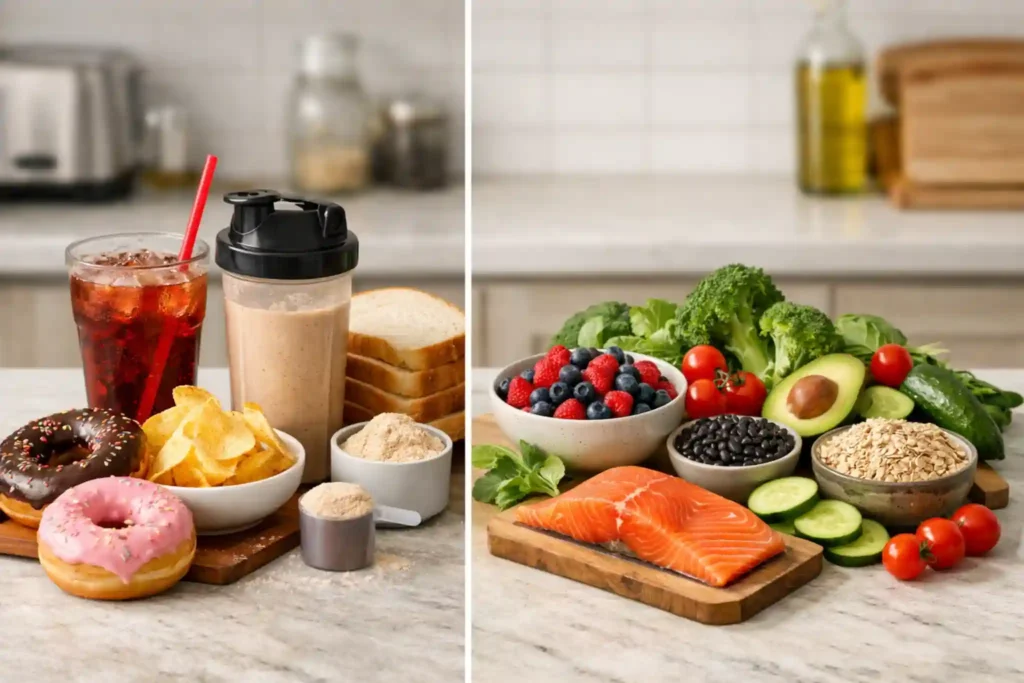
How to Figure Out Whether Foods That Cause Acne Affect Your Skin
The best way to test foods that cause acne is to keep it simple. Do not cut out ten foods at once. That usually leads to stress, confusion, and a plan you cannot keep up with.
Start with a basic food and skin journal. Write down what you eat, when breakouts appear, where they show up, and anything else that may matter, like stress, sleep, your period, or a new skincare product. This helps you avoid blaming the wrong thing.
Then choose one likely trigger to reduce for two to four weeks. Common starting points include sugary drinks, skim milk, or whey protein. If your skin improves, you may have found a useful clue. If nothing changes, that food may not be one of your main foods that cause acne.
Be patient. Skin does not reset overnight. If you want clearer answers, change one variable at a time and give it enough time to show an effect.
Common Mistakes People Make When Cutting Out Acne Trigger Foods
People often become too strict too fast. They read about foods that cause acne and remove dairy, gluten, sugar, chocolate, fried food, fruit, and anything fun all at once. That usually creates frustration and does not tell you what was actually affecting your skin.
Another mistake is expecting instant results. Even if a food is contributing to acne, it may take several weeks to notice a difference. One cleaner day of eating will not erase a breakout right away.
Some people also ignore the rest of the acne picture. You can reduce foods that cause acne and still keep breaking out if your skincare products clog pores, your pillowcase stays dirty, your stress is high, or your hormones are shifting.
Finally, do not replace one issue with another. Cutting out desserts but living on ultra-processed “health” bars and sweet protein drinks may not help much. Focus on your overall pattern, not just labels.
When Breakouts Are Probably Not Just About Food
Sometimes food matters, but it is not the main driver. If you get breakouts around your period, along your jawline, or during stressful times, hormones may be the bigger issue. If your skin changed right after a new moisturizer, sunscreen, makeup product, or hair product, that may be more important than foods that cause acne.
Friction can matter too. Tight hats, sweaty workout clothes, sports gear, and constantly touching your face can all make breakouts worse. Poor sleep can also affect stress hormones and recovery, which may show up on your skin.
This is why acne can feel confusing. More than one thing is often happening at once. Looking at foods that cause acne can be helpful, but it works best as part of a bigger check-in.
When to See a Dermatologist
You should consider professional help if your acne is painful, deep, leaving marks, or causing scarring. You should also get help if you have tried changing foods that cause acne, improved your routine, and still are not seeing progress.
A dermatologist can tell you whether you are dealing with acne, folliculitis, rosacea, or another skin issue that only looks similar. They can also guide you toward treatments like benzoyl peroxide, retinoids, prescription creams, or other options that go beyond diet.
If breakouts are hurting your confidence or making you avoid photos, social events, or daily life, that matters too. Acne is not just cosmetic. Getting support is worth it.
Conclusion
Lists of foods that cause acne can be useful, but they work best when you use them with common sense. Sugar-heavy drinks, refined carbs, some dairy products, and whey protein may be worth watching, especially if you notice a pattern. At the same time, acne is rarely about one food alone.
A better approach is to reduce likely triggers, build balanced meals, and track what your skin does over time. If you suspect foods that cause acne are part of your story, start small, stay consistent, and give your skin time to respond. And if breakouts keep coming back, reach out to a dermatologist so you can get a plan that fits your skin.
FAQ
1. Do foods that cause acne affect everyone the same way?
No. Foods that cause acne do not affect everyone in the same way. One person may break out more from sugary drinks, while another notices a stronger link with skim milk or whey protein. Your skin, hormones, and overall routine all matter, so it is best to watch your own patterns.
2. How long does it take to notice if foods that cause acne are affecting my skin?
It usually takes at least two to four weeks to get a useful clue. Acne does not always appear the same day you eat a trigger food. If you are testing foods that cause acne, change one thing at a time and track your skin for a few weeks instead of expecting instant results.
3. Does greasy food cause acne, or is that a myth?
Greasy food itself is not always the direct cause. The bigger issue is that many greasy or fast foods are also highly processed and often come with refined carbs and sugary drinks. That is why they may show up in conversations about foods that cause acne, even though the full pattern matters more than the oil alone.
4. Can cutting out dairy help with acne?
It can help some people, but not everyone. If dairy seems related to your breakouts, try reducing one type first, such as skim milk, and watch your skin for a few weeks. Some people notice improvement, while others do not. Dairy can be one of the possible foods that cause acne, but it is not a universal trigger.
5. What are the best foods for clear skin if I break out often?
There is no single perfect food, but a balanced pattern can help. Aim for meals with protein, fiber, healthy fats, vegetables, and slower-digesting carbs like oats, beans, and whole grains. These choices may be more helpful than relying on foods that cause acne such as sugary drinks, pastries, and heavily processed snacks.