Effaclar Duo Acne Spot Treatment: Uses, Benefits, and What to Know
Effaclar Duo acne spot treatment was sold in the United States as a leave-on acne treatment with 5.5% benzoyl peroxide and lipo-hydroxy acid. La Roche-Posay has now discontinued this U.S. formula, although remaining stock may still be available through Amazon and other third-party sellers.
This guide explains how the formula works, its main benefits and side effects, how to use it correctly, whether it helps with acne scars, and what to check before buying any remaining stock.
🛒 Looking for a current La Roche-Posay acne treatment?
The Amazon listing below is for Effaclar Duo+M Multi-Target Acne Treatment with 0.5% salicylic acid—not the discontinued U.S. Effaclar Duo formula with 5.5% benzoyl peroxide. Check the product name and active ingredient before ordering.
Check Effaclar Duo+M on Amazon
Table of Contents
What Is Effaclar Duo Acne Spot Treatment?
Quick answer: Effaclar Duo acne spot treatment is a dual-action formula from La Roche-Posay that combines benzoyl peroxide with lipo-hydroxy acid to fight active breakouts and prevent new ones from forming. It’s designed for acne-prone and sensitive skin, and it’s one of the most recommended OTC spot treatments by dermatologists in the United States.
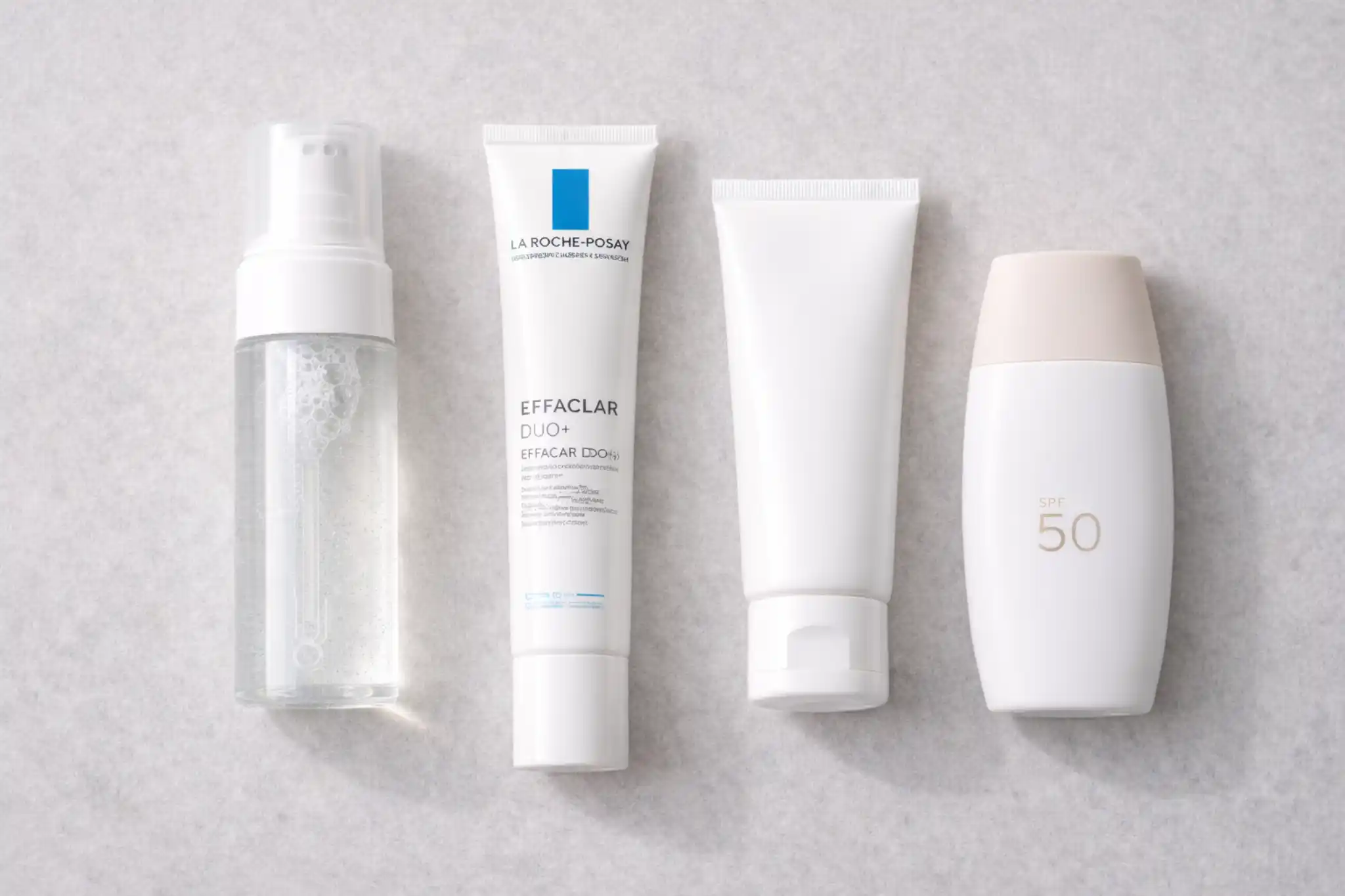
Effaclar Duo acne spot treatment is part of La Roche-Posay’s Effaclar line, which is specifically developed for oily, acne-prone, and sensitive skin types. The product is a lightweight cream that functions as both a spot treatment for existing breakouts and a preventative measure against new ones.
What sets it apart from many other acne treatments is its combination of two active ingredients working together — hence the name “Duo.” This dual-action approach targets acne from more than one angle, which is one reason it tends to work where single-ingredient products fall short.
The Key Active Ingredients
The two primary active ingredients in Effaclar Duo acne spot treatment are:
- Benzoyl peroxide (5.5%) — An antimicrobial agent that kills acne-causing bacteria directly inside the pore
- Lipo-hydroxy acid (LHA) — A gentle exfoliating acid derived from salicylic acid that promotes cell turnover and helps clear pore-clogging debris
Together, these ingredients address the two main drivers of acne: bacterial overgrowth and blocked follicles. The formula also includes La Roche-Posay’s thermal spring water, which is known for its soothing, anti-irritant properties — a useful addition given that benzoyl peroxide can be harsh on its own.
How It Differs From Other La Roche-Posay Acne Products
La Roche-Posay makes several acne-focused products under the Effaclar name, which can make it confusing to choose the right one. The Effaclar Duo acne spot treatment is specifically formulated as a leave-on treatment meant to be applied directly to blemishes or breakout-prone areas. It’s not a face wash, not a toner, and not a mask — it’s a targeted treatment you apply after cleansing and leave on the skin.
How Effaclar Duo Acne Spot Treatment Works
What Benzoyl Peroxide Does for Acne
Benzoyl peroxide is one of the most well-studied and clinically supported acne treatments available without a prescription. It works by releasing oxygen into the pore, which creates an environment that Cutibacterium acnes — the primary bacteria responsible for inflammatory acne — cannot survive in. Unlike topical antibiotics, benzoyl peroxide kills bacteria directly rather than simply suppressing their growth, which means bacteria are less likely to develop resistance to it over time.
At 5.5%, the concentration in Effaclar Duo is effective without being as aggressively drying as the 10% formulas you’ll find in some older OTC products. This makes it more tolerable for daily use and better suited for people with sensitive skin.
How Lipo-Hydroxy Acid Supports Exfoliation
Lipo-hydroxy acid, or LHA, is a lipophilic derivative of salicylic acid. Because it’s fat-soluble, it can penetrate the lipid-rich environment inside the hair follicle more effectively than regular salicylic acid. Once inside the pore, it breaks down the mixture of dead skin cells and sebum that forms a comedone. This gentle exfoliating action helps keep pores clear and reduces the likelihood of new blockages forming.
LHA also works more slowly and superficially than glycolic or lactic acid, making it less likely to cause the redness and peeling that stronger exfoliants can trigger.
The Dual-Action Approach Explained
The combination of benzoyl peroxide and LHA in a single formula is what makes Effaclar Duo acne spot treatment genuinely effective as a dual treatment. Benzoyl peroxide targets the bacterial cause of inflammatory acne, while LHA targets the structural cause — the clogged pore itself. Addressing both simultaneously means you’re not just treating the visible pimple; you’re also working on preventing the next one from forming in the same spot.
Key Benefits of Effaclar Duo Acne Spot Treatment
Targets Active Breakouts Fast
One of the most consistent pieces of feedback from users of Effaclar Duo is that it visibly reduces the size and redness of active pimples within 12 to 24 hours for many people. The benzoyl peroxide works relatively quickly on surface-level inflammatory acne, making it useful as both an overnight treatment and a same-day spot treatment.
Helps Prevent Future Pimples
Because LHA keeps pores exfoliated and clear, regular use of Effaclar Duo acne spot treatment can reduce the frequency of new breakouts over time, not just address the ones that are already there. This preventative dimension is one of the things that distinguishes it from basic spot treatments that only react to existing pimples.
Suitable for Sensitive and Acne-Prone Skin
La Roche-Posay developed this formula specifically with sensitive skin in mind. The inclusion of thermal spring water helps buffer some of the potential irritation from benzoyl peroxide, and the overall formula is non-comedogenic, fragrance-free, and allergy-tested. For people who have found other benzoyl peroxide products too harsh, Effaclar Duo is often a more manageable option.
Non-Comedogenic and Lightweight Formula
The texture of Effaclar Duo acne spot treatment is a light, fast-absorbing cream rather than a thick paste or heavy gel. This makes it comfortable to wear under moisturizer and, if needed, under makeup. It doesn’t feel greasy or heavy on the skin, which is particularly important for oily skin types who already deal with excess shine.
La Roche-Posay Effaclar Duo Review: What the Formula Offered
Potential Benefits
The discontinued U.S. Effaclar Duo formula combined 5.5% micronized benzoyl peroxide with lipo-hydroxy acid. Benzoyl peroxide targeted red, raised pimples, while lipo-hydroxy acid helped exfoliate the skin and clear clogged pores.
According to La Roche-Posay, the formula was oil-free, fragrance-free, non-comedogenic, and fast-absorbing. It could be applied directly to individual pimples or spread in a thin layer over acne-prone areas.
Limitations to Consider
Even at a 5.5% concentration, benzoyl peroxide can cause dryness, redness, peeling, or irritation, particularly when you first start using it. It can also bleach towels, pillowcases, and clothing.
The treatment may not be enough on its own for deep, painful, or persistent cystic acne. Another limitation is availability: because the U.S. formula has been discontinued, products sold through Amazon or other third-party sellers may come from remaining stock. Check the seller, packaging seal, expiration date, and ingredient list before use.
How Long Could Results Take?
La Roche-Posay stated that the formula could provide visible results in less than three days. The brand also reported a 60% reduction in acne after 10 days in a consumer test. These are manufacturer-reported results rather than guaranteed outcomes, and your results may vary depending on your skin and the severity of your acne.
How to Use Effaclar Duo Acne Spot Treatment Correctly
Step-by-Step Application Guide
- Cleanse the affected skin thoroughly with a gentle cleanser, then pat it dry.
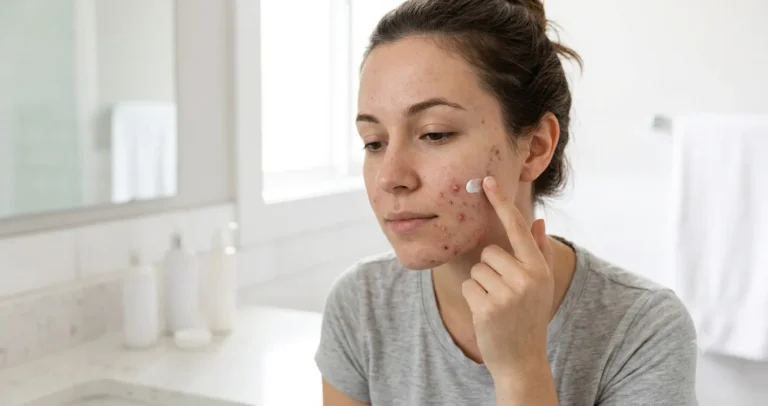
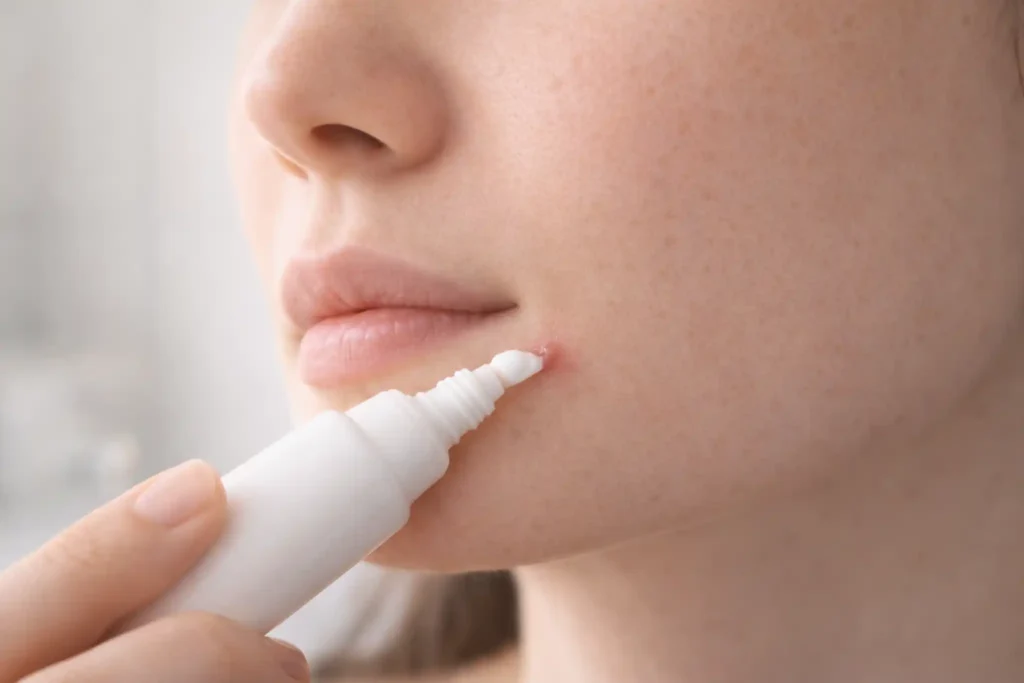
- Apply a thin layer of Effaclar Duo directly to individual pimples or across the affected area. Avoid the eyes, lips, and broken or irritated skin.
- Start with one application daily to see how your skin responds. If the product is well tolerated, follow the package directions regarding any gradual increase in frequency.
- Apply a lightweight, non-comedogenic moisturizer afterward if your skin feels dry or tight.
- Use broad-spectrum sunscreen during the day, especially if your skin becomes dry or irritated.
Using It as a Spot Treatment vs. All-Over Treatment
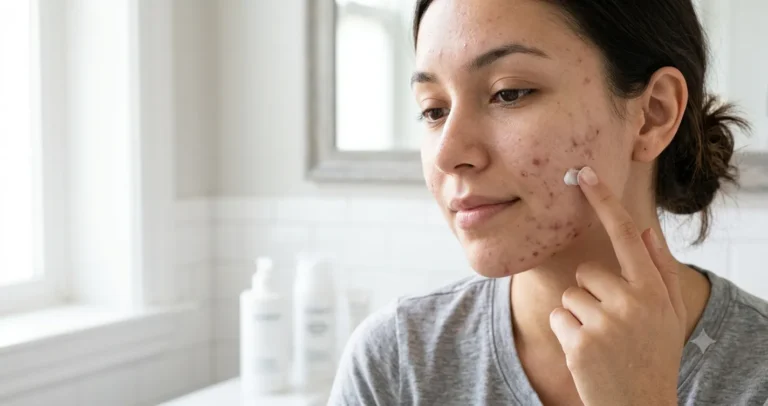
Effaclar Duo acne spot treatment could be used either on individual pimples or across an affected area. For one or two isolated pimples, apply a thin layer directly to each blemish. If breakouts repeatedly develop across a larger area, such as the forehead or chin, apply a thin layer over that affected area rather than covering unaffected skin. Start once daily and monitor your skin for dryness or irritation before increasing the frequency according to the package directions.
How to Layer It in Your Skincare Routine
Apply Effaclar Duo after cleansing and before your moisturizer. Using it in the same routine as exfoliating acids or another strong acne treatment may increase dryness, peeling, or irritation.
Benzoyl peroxide is not automatically incompatible with every retinoid—adapalene and benzoyl peroxide are combined in some approved acne treatments. However, when using separate products, introduce one active at a time and follow the product labels or your dermatologist’s instructions. If irritation develops, use the products at different times of day or on alternate nights.
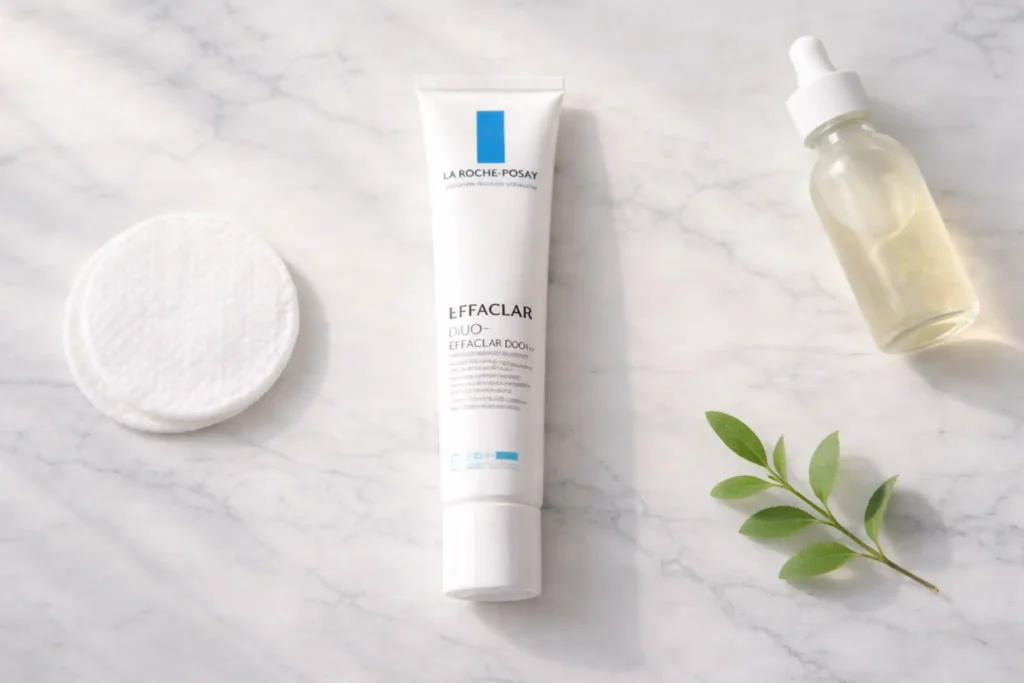
Effaclar Duo Acne Spot Treatment vs. Effaclar Duo+M
What Is the Difference Between the Two Formulas?
The discontinued U.S. Effaclar Duo acne spot treatment was an over-the-counter acne treatment formulated with 5.5% benzoyl peroxide and lipo-hydroxy acid. It was designed to target inflammatory pimples, blackheads, whiteheads, and clogged pores.
Effaclar Duo+M is a different product sold in several international markets. It is a daily corrective moisturizer for oily, acne-prone skin and does not contain benzoyl peroxide. Its formula includes ingredients such as niacinamide, salicylic acid, and lipo-hydroxy acid, along with microbiome-focused technology.
Effaclar Duo+M targets blemishes, clogged pores, excess oil, and post-acne marks. However, post-acne marks are different from indented or raised acne scars.
Which Formula Is Right for You?
The two products are not interchangeable. If you specifically want a benzoyl peroxide treatment, Effaclar Duo+M is not the same as the discontinued U.S. Effaclar Duo acne spot treatment.
Effaclar Duo+M may be more relevant if your main concerns are mild blemishes, oily skin, clogged pores, and post-acne marks. Always check the ingredient list and country of origin before purchasing, especially through Amazon, because Effaclar formulas can vary between markets.
Who Should Use Effaclar Duo Acne Spot Treatment?
Best Skin Types for This Product
The discontinued U.S. Effaclar Duo formula was primarily designed for oily and acne-prone skin. It may be suitable for people dealing with:
- Red, raised pimples
- Blackheads and whiteheads
- Clogged pores
- Mild to moderate breakouts that respond to over-the-counter benzoyl peroxide
Although La Roche-Posay listed the product as suitable for sensitive skin, that does not mean it will be irritation-free for everyone. People with dry or reactive skin should introduce it gradually and monitor for redness, peeling, or excessive dryness.
When to Choose a Different Treatment
Consider a different treatment if you have deep, painful nodules or cysts, widespread acne, worsening breakouts, or signs of scarring. These concerns may require an evaluation by a dermatologist and a treatment plan that goes beyond an over-the-counter spot treatment.
You should also seek professional advice if your acne does not improve after six to eight weeks of consistent treatment or if irritation makes the product difficult to continue using.
Does Effaclar Duo Acne Spot Treatment Help With Acne Scars?
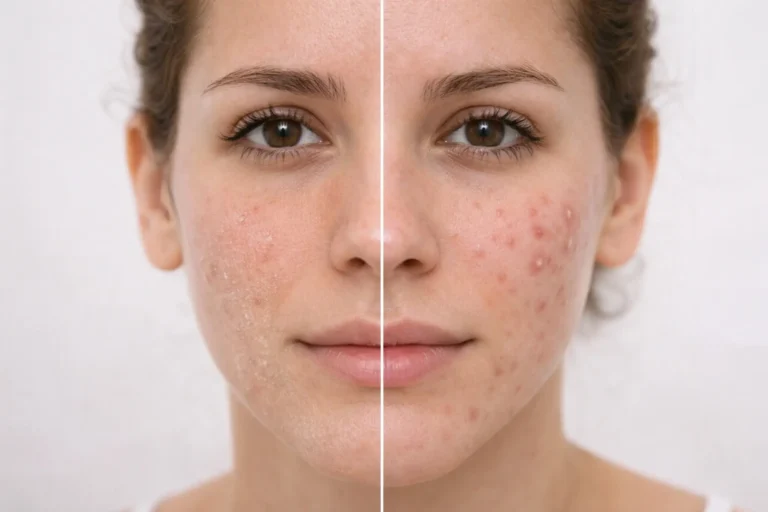
The short answer is no. The discontinued U.S. Effaclar Duo acne spot treatment was designed to treat active acne and clogged pores, not repair existing acne scars. By helping control breakouts, it may reduce the risk of new scars forming, but it cannot fill indented scars or flatten raised scars.
It is also important to separate true acne scars from post-acne marks. Flat red, pink, brown, or gray spots left after a breakout are often post-inflammatory discoloration rather than permanent scars. Effaclar Duo+M is marketed for blemishes and post-acne marks, but it should not be presented as a treatment for indented or raised acne scars.
If you have noticeable pitted or raised scars, a dermatologist can identify the scar type and recommend an appropriate treatment.
Potential Side Effects and Precautions
Dryness and Sensitivity From Benzoyl Peroxide
Effaclar Duo acne spot treatment contains 5.5% benzoyl peroxide, which can cause dryness, redness, peeling, stinging, or burning. These effects may be more noticeable when you first start using the product or increase how often you apply it.
Reduce the frequency of use if mild irritation develops. Stop using the product and seek medical help if you experience severe swelling, hives, trouble breathing, or another sign of a serious allergic reaction.
How to Minimize Irritation
- Start with one application daily rather than immediately using it several times a day.
- Apply a thin layer. Using more product will not clear acne faster and may increase irritation.
- Follow with a gentle, non-comedogenic moisturizer if your skin feels dry or tight.
- Avoid applying it around the eyes, lips, nostrils, or on broken and already-irritated skin.
- Wash your hands after application and allow the treatment to dry before it touches towels, clothing, or bedding.
Is Effaclar Duo Acne Spot Treatment Still Worth Buying?
How It Compares to Other Top Spot Treatments
Because the original U.S. Effaclar Duo formula has been discontinued, deciding whether it is still worth buying depends on the condition and source of the remaining stock.
It may still be an option if you previously used the 5.5% benzoyl peroxide formula successfully and can find a sealed, unexpired product from a reliable seller. First-time buyers may prefer a current acne treatment that is easier to verify and replace when it runs out.
| Product | Active Ingredient | Best Suited For | Availability |
|---|---|---|---|
| Original Effaclar Duo | 5.5% Benzoyl Peroxide + LHA | Red pimples, blackheads, whiteheads, and clogged pores | Discontinued; remaining stock only |
| La Roche-Posay Effaclar Multi-Target Acne Treatment | 0.5% Salicylic Acid | Clogged pores, recurring blemishes, and post-acne marks | Current product |
| La Roche-Posay Effaclar BPO Multi-Target Acne Treatment | 5.5% Micronized Benzoyl Peroxide | Moderate, stubborn, and inflamed acne | Current product |
| Clean & Clear Persa-Gel 10 | 10% Benzoyl Peroxide | A higher-strength benzoyl peroxide spot treatment | Currently available |
| Paula’s Choice 2% BHA Liquid | 2% Salicylic Acid | Blackheads, oily skin, and congested pores | Currently available |
| Differin Gel | 0.1% Adapalene | Long-term acne treatment and breakout prevention | Currently available |
There is no single best on-the-spot treatment for every type of acne. The original Effaclar Duo acne spot treatment may appeal to people who already know that its benzoyl peroxide formula works for their skin. However, a currently available salicylic acid, benzoyl peroxide, or adapalene treatment may be a more practical choice for first-time buyers.
If benzoyl peroxide feels too drying and you want to compare a sulfur-based option, read our De La Cruz acne treatment guide.
Conclusion
The discontinued U.S. Effaclar Duo acne spot treatment combined 5.5% micronized benzoyl peroxide with lipo-hydroxy acid to target red pimples, blackheads, whiteheads, and clogged pores. It could be used on individual blemishes or applied in a thin layer across affected areas.
If you already own a sealed and unexpired tube, follow the package directions and introduce it gradually to reduce the risk of irritation. If you are buying remaining stock through Amazon or another third-party seller, check the seller, packaging seal, expiration date, and complete ingredient list before using it.
The newer Effaclar treatments are not identical replacements for the discontinued U.S. formula. Choose an alternative according to its active ingredient and the type of acne you want to treat. Consult a dermatologist for deep, painful, persistent, or scarring acne.
FAQ
How fast does Effaclar Duo acne spot treatment work?
La Roche-Posay stated that the discontinued U.S. formula could provide visible results in less than three days. The brand also reported a 60% reduction in acne after 10 days in a consumer test. These were manufacturer-reported results rather than guaranteed outcomes, so individual results may vary.
Can I use Effaclar Duo acne spot treatment every day?
The original directions allowed the product to be applied one to three times daily. Start with one application daily and use only a thin layer on the affected area. Reduce the frequency if you experience excessive dryness, peeling, or irritation, and always follow the directions printed on your product packaging.
Can Effaclar Duo bleach towels or clothing?
Yes. The original Effaclar Duo contained benzoyl peroxide, which can bleach hair, towels, pillowcases, and colored fabrics. Wash your hands after application and allow the product to dry before it touches clothing or bedding.
What replaced the original U.S. Effaclar Duo acne spot treatment?
The discontinued U.S. Effaclar Duo contained 5.5% micronized benzoyl peroxide and lipo-hydroxy acid. La Roche-Posay now offers different acne treatments in the United States, including Effaclar BPO Multi-Target Acne Treatment with 5.5% benzoyl peroxide and Effaclar Duo+M Multi-Target Acne Treatment with 0.5% salicylic acid.
These products are not interchangeable. Check the complete product name, active ingredient, and ingredient list before purchasing.
Can sensitive skin use Effaclar Duo acne spot treatment?
La Roche-Posay listed the discontinued formula as suitable for sensitive skin. However, its 5.5% benzoyl peroxide could still cause dryness, redness, peeling, stinging, or burning. Start with a small amount once daily and stop using it if you develop severe irritation or signs of an allergic reaction.