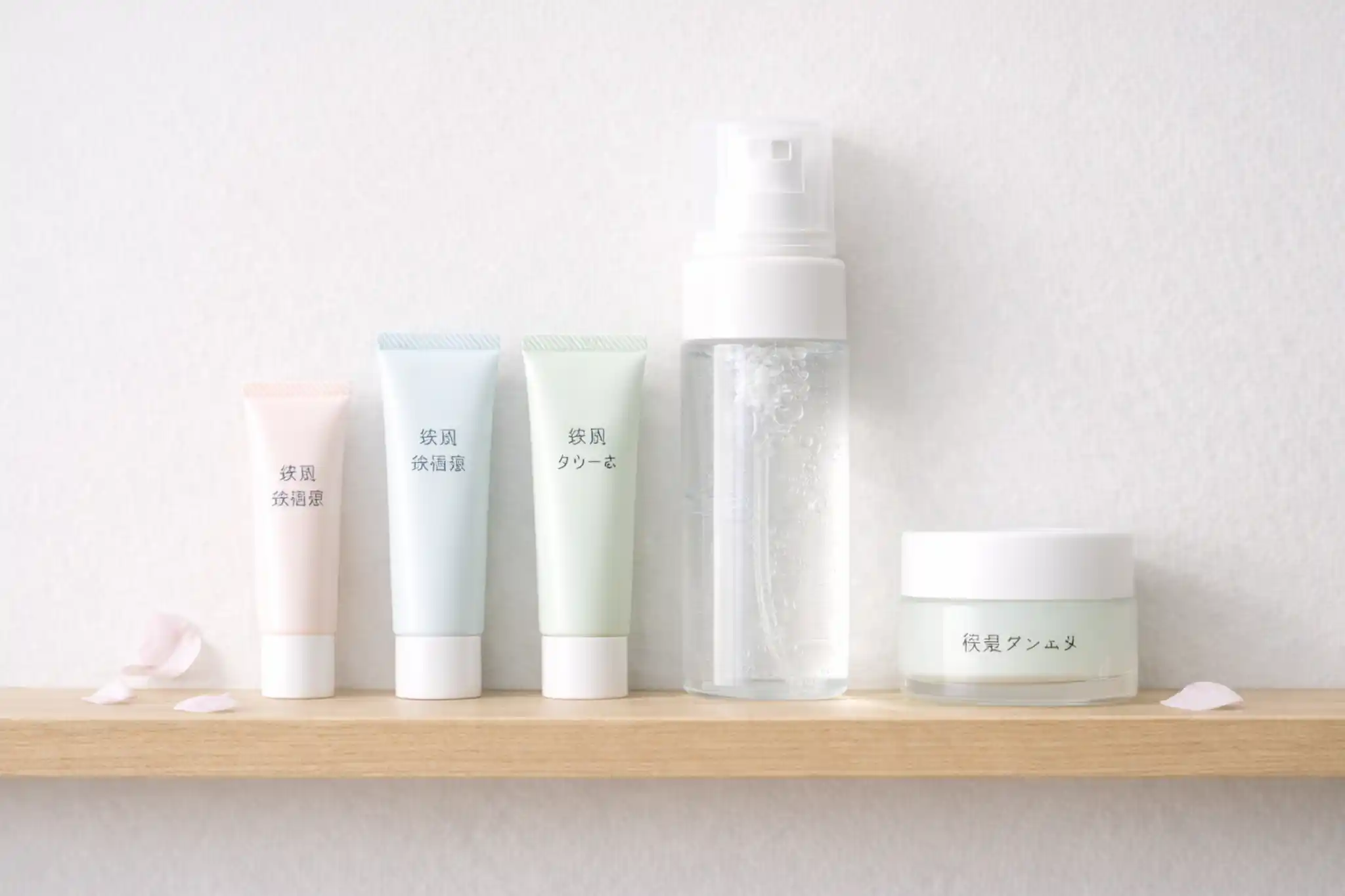
7 Best Japanese Treatment for Acne Products to Try This Year
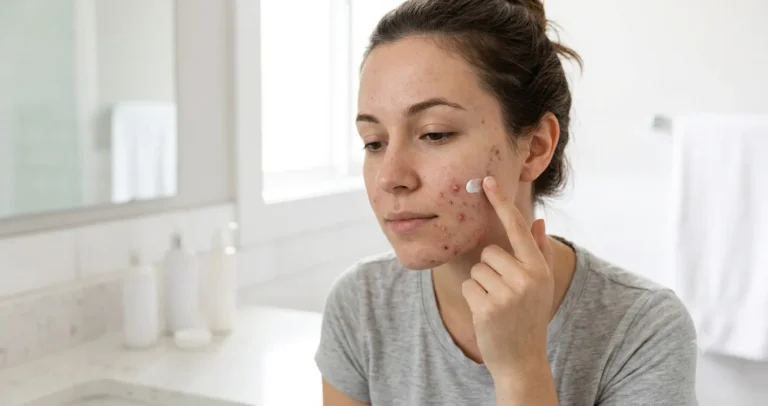
If you’ve been scrolling through skincare communities lately, you’ve probably noticed more people talking about Japanese acne treatments. And for good reason — Japanese skincare has a reputation for being thoughtfully formulated, gentle on the skin barrier, and quietly effective in ways that flashier Western brands sometimes aren’t. Whether you’re dealing with persistent breakouts, oily skin, or the dark spots that acne leaves behind, there’s likely a Japanese treatment for acne that fits your skin’s needs better than what you’re currently using.
This guide covers seven of the best options worth trying, what makes them effective, and how to build them into a routine that works for oily and combination skin types.
Quick answer: The best Japanese treatments for acne include products from brands like Mentholatum Acnes, Rohto, Curel, and Hada Labo. These formulas focus on clearing breakouts, controlling oil, soothing irritation, and addressing post-acne marks — often using gentler ingredient profiles than comparable Western products.
Table of Contents
Why Japanese Acne Treatments Are Worth Your Attention
What Makes J-Beauty Acne Care Different
Japanese skincare — often called J-beauty — approaches skin health from a long-term perspective. Rather than using the highest possible concentration of an active ingredient and hoping for the best, Japanese formulas tend to prioritize skin tolerance and consistent daily use. The goal is gradual, sustained improvement without sacrificing your skin barrier in the process.
This philosophy translates directly into how Japanese acne treatments are designed. You’ll find lower concentrations of actives used alongside soothing and hydrating ingredients to minimize irritation. Products are typically lightweight, absorb quickly, and are designed to layer comfortably with other skincare steps — which matters a lot for people whose skin tends to react badly to heavy or harsh treatments.
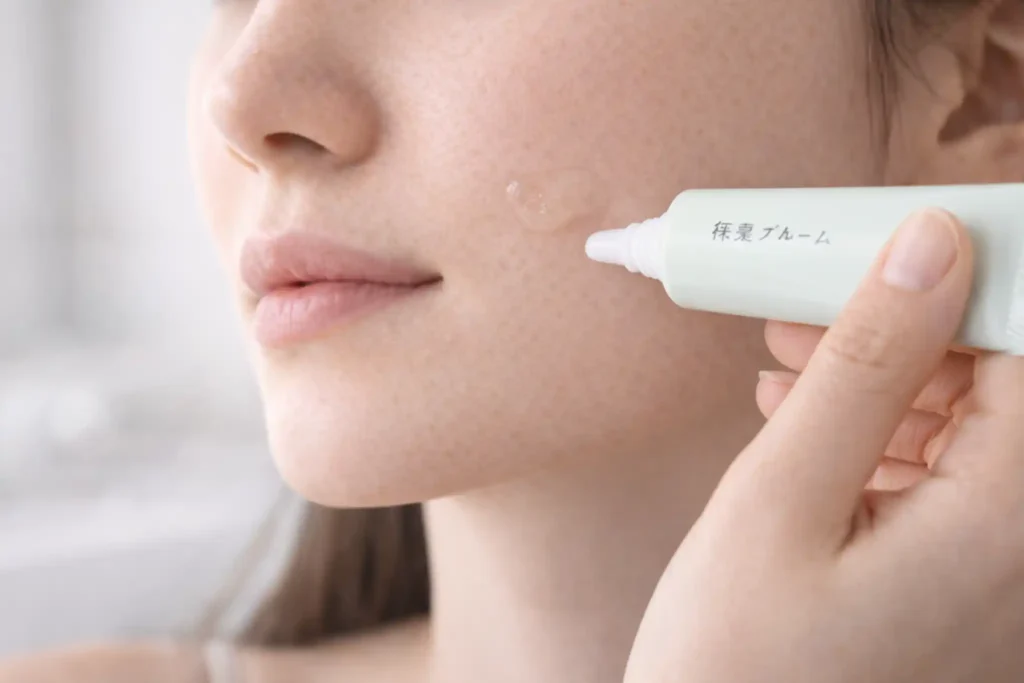
Key Ingredients Commonly Found in Japanese Acne Products
Several ingredients appear consistently across high-performing Japanese acne treatment products:
- Isopropylmethylphenol (IPMP) — A powerful antiseptic that targets acne-causing bacteria, widely used in Japanese OTC acne formulas
- Salicylic acid — Used at regulated concentrations in Japan for exfoliating inside pores and clearing comedones
- Niacinamide — A multitasker that reduces sebum production, fades post-acne marks, and supports the skin barrier
- Tranexamic acid — Commonly found in Japanese brightening products, particularly useful for post-acne hyperpigmentation
- Dipotassium glycyrrhizate — A licorice-derived anti-inflammatory ingredient that calms irritated, breakout-prone skin
- Witch hazel — Used for astringent and pore-tightening effects in toners and lotions
Understanding what to look for on a Japanese skincare label helps you make smarter choices, even when the product descriptions are primarily in Japanese.
What to Look for in a Japanese Treatment for Acne
Ingredients That Target Breakouts
When evaluating a Japanese treatment for acne, look for products that include at least one antibacterial ingredient — typically IPMP or salicylic acid — alongside something that supports the skin barrier like ceramides, hyaluronic acid, or niacinamide. A product that only dries out the skin without protecting the barrier tends to cause more problems than it solves over time.
Formulas for Oily and Combination Skin
Japanese skincare for oily skin tends to favor lightweight water-based gels, lotions, and emulsions over thick creams. These textures deliver hydration without adding heaviness or contributing to congestion. For Japanese skincare for combination skin, look for products that hydrate dry areas without tipping oily zones further toward excess sebum production — gel-type moisturizers and oil-free formulas are your best bet here.
How Japanese Skincare Philosophy Approaches Acne
In Japan, acne is generally treated as both a skin condition to be managed and a signal that the skin’s balance needs attention. Hydration is emphasized even for oily and acne-prone skin, because dehydrated skin often overproduces oil to compensate. This is one reason why so many Japanese acne treatments include moisturizing steps alongside acne-fighting actives — it’s a built-in part of the approach rather than an afterthought.
🔥 The 3 products dermatologists actually recommend (and yes, they work):
Stop guessing and start with what’s proven. La Roche-Posay Effaclar Duo(+) targets breakouts fast, Paula’s Choice 2% BHA Liquid Exfoliant keeps pores clear with daily use, and Hero Cosmetics Mighty Patch is the overnight fix everyone swears by. ✅ No prescription needed ✅ Affordable ✅ Backed by real clinical evidence.
The 7 Best Japanese Treatment for Acne Products
1. Mentholatum Acnes Sealing Jel
Mentholatum Acnes Sealing Jel is one of the most popular pimple cream Japan offerings available, and it’s a strong first pick for good reason. This gel-type spot treatment contains isopropylmethylphenol and thymol as its antibacterial actives, along with allantoin to soothe irritated skin around the blemish. The formula dries down to a barely-there finish that stays put over pimples without feeling sticky or obvious under makeup.
It works best as a targeted spot treatment applied directly to active breakouts. Most users notice visible reduction in redness and size within two to three days. It’s gentle enough for daily use and suitable for all skin types, including sensitive skin.
Best for: Active pimples and inflammatory breakouts
2. Rohto Mentholatum Acnes Medicated Cream
The Rohto Mentholatum Acnes Medicated Cream is a cult-favorite in Japan’s drugstore acne category and one of the most recognized japanese acne cream products internationally. It uses isopropylmethylphenol as its primary active, supported by vitamin E and moisturizing agents to prevent excessive dryness during treatment.
The cream texture is slightly richer than the sealing gel, making it a better fit for nighttime use or for people whose skin tends toward dryness even in breakout-prone areas. It’s particularly effective for mild to moderate acne that involves redness and surface inflammation.
Best for: Mild to moderate acne, nighttime spot treatment, skin prone to dryness alongside breakouts
3. Curel Acne Moisture Gel
Curel is a Japanese brand specifically developed for sensitive, easily irritated skin, and its Acne Moisture Gel reflects that focus clearly. The formula targets breakouts while simultaneously reinforcing the skin’s ceramide barrier — a combination that’s particularly useful for people whose acne is worsened by a compromised or reactive skin barrier.
The gel is fragrance-free, lightweight, and absorbs quickly without leaving a heavy residue. It contains salicylic acid for gentle exfoliation inside pores, alongside ceramide precursors that support barrier repair. For people with Japanese skincare for combination skin needs — where some areas are prone to dryness and others to breakouts — this is an especially smart option.
Best for: Sensitive and combination skin, acne alongside skin barrier concerns
4. Hada Labo Gokujyun Acne Care Lotion
Hada Labo is one of the most recognized names in Japanese skincare internationally, best known for its hyaluronic acid-forward hydration products. The Gokujyun Acne Care Lotion extends that hydration focus into acne territory, combining hyaluronic acid for moisture with salicylic acid for pore exfoliation and niacinamide for sebum control and brightening.
This is a toner-style lotion — a lightweight liquid applied after cleansing that prepares the skin for subsequent steps. It’s one of the most useful products for japanese skincare for oily skin because it delivers meaningful hydration without any heaviness, while the salicylic acid keeps pores from congesting over time.
Best for: Oily skin, daily hydration and pore maintenance, post-acne mark prevention
5. Transino Whitening Essence EX II
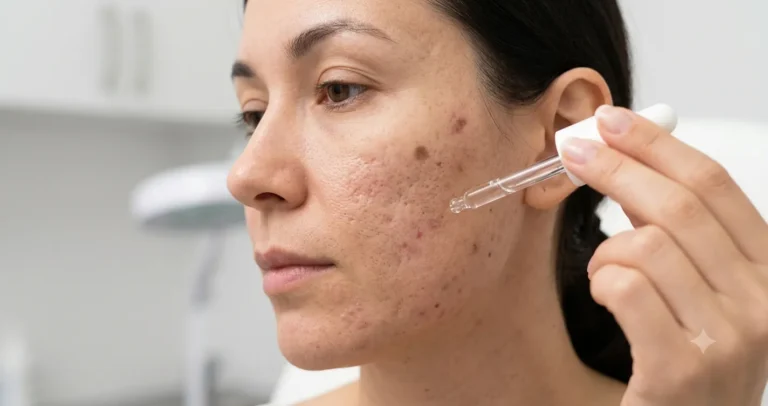
Acne doesn’t end when the pimple heals — the dark marks it leaves behind can linger for months. Transino Whitening Essence EX II is a well-regarded Japanese brightening serum that addresses post-acne hyperpigmentation directly. Its key active is tranexamic acid, a brightening ingredient with strong clinical backing for reducing melanin production in areas of inflammation-driven discoloration.
This is not an acne treatment in the traditional sense — it won’t clear active breakouts. But for anyone who struggles with stubborn post-acne marks, it’s one of the most targeted and effective options in the Japanese skincare market. It layers well over other treatments and works consistently with continued daily use.
Best for: Post-acne dark spots, hyperpigmentation, uneven skin tone after breakouts
6. Biore Sarasara Aqua Rich Watery Essence SPF 50+
Sun protection is a non-negotiable part of any acne routine — UV exposure darkens post-acne marks and slows healing. Biore Sarasara Aqua Rich Watery Essence has earned a near-legendary reputation in skincare communities worldwide for being a genuinely pleasant sunscreen to wear on acne-prone and oily skin.
The formula uses UV filters in an ultra-lightweight water-gel base that absorbs instantly, leaves no white cast, and doesn’t contribute to congestion or breakouts. For japanese skincare for oily skin, this is one of the few sunscreens that doesn’t feel like a burden to put on every morning. When your sunscreen is comfortable to wear, you’re far more likely to actually use it consistently — which is what makes the difference in preventing the hyperpigmentation that acne leaves behind.
Best for: Daily sun protection for oily and acne-prone skin, preventing post-acne mark darkening
7. Shiseido Uno Foam Whip Face Wash
Cleansing is the foundation of any acne routine, and the Shiseido Uno Foam Whip Face Wash is one of the most effective and well-tolerated options in Japanese drugstore skincare for acne-prone and oily skin. It produces an exceptionally dense foam that removes excess oil, makeup residue, and environmental buildup without stripping the skin of moisture.
The formula is designed specifically for men’s skincare in Japan but works equally well for any skin type dealing with excess oil and congestion. The dense foam limits the mechanical friction needed to cleanse effectively, which reduces the risk of irritating active breakouts during the cleansing step. It rinses completely clean and leaves skin feeling balanced rather than tight.
Best for: Daily cleansing for oily and acne-prone skin, removing excess sebum without over-stripping
Japanese Skincare for Oily Skin: Tips for Building a Routine
Morning Routine Suggestions
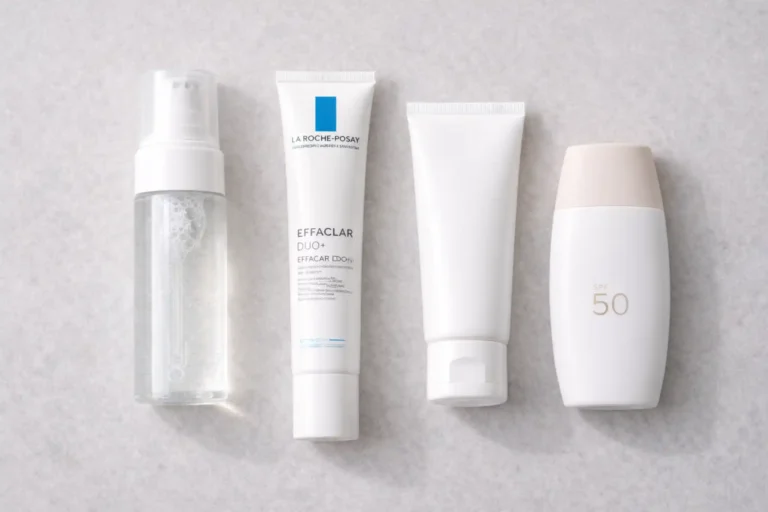
A morning routine built around japanese skincare for oily skin should prioritize oil control, lightweight hydration, and strong sun protection. A simple and effective sequence looks like this:
- Gentle foaming cleanser — Remove overnight sebum buildup without stripping
- Acne care lotion or toner — Hydrate and prep the skin with lightweight moisture (Hada Labo Gokujyun Acne Care Lotion works well here)
- Lightweight gel moisturizer — Keep skin balanced without adding heaviness
- Sunscreen — Apply Biore Sarasara or a comparable lightweight SPF as the final step before going outside
Evening Routine Suggestions
The evening routine is where most of your active treatment work happens:
- Double cleanse if you wore sunscreen or makeup — An oil cleanser followed by a foaming cleanser
- Acne spot treatment — Apply Mentholatum Acnes Sealing Jel or Rohto Acnes Medicated Cream directly to active blemishes
- Brightening serum if needed — Apply Transino Whitening Essence to post-acne marks after spot treatment
- Moisturizer — Seal everything in with a non-comedogenic, lightweight gel or emulsion
Japanese Skincare for Combination Skin: What Works Best
Balancing Oily and Dry Zones
Japanese skincare for combination skin requires a slightly more strategic approach than a strictly oily or dry skin routine. The most effective method is to treat different zones differently — applying more astringent or oil-controlling products to the T-zone while using gentler, more hydrating formulas on the cheeks and other drier areas.
Products like the Curel Acne Moisture Gel work particularly well for combination skin because the ceramide-based formula delivers barrier support where it’s needed without over-hydrating oily zones.
Lightweight Layering Techniques
The Japanese skincare principle of layering multiple lightweight products rather than relying on a single heavy product is particularly well-suited to combination skin. Instead of a thick all-in-one moisturizer, try layering a hydrating lotion and a light gel — each in small amounts — to give different areas of your face what they need without tipping the balance in either direction.
Common Mistakes to Avoid With Japanese Acne Treatments
- Overloading on active ingredients. Japanese skincare philosophy favors consistency over intensity. Using multiple strong actives at once is more likely to irritate your skin than improve it faster.
- Skipping moisturizer because your skin is oily. Dehydrated oily skin produces more sebum to compensate. Keeping skin properly hydrated with a lightweight, non-comedogenic formula actually helps control oil over time.
- Expecting results in a few days. Most japanese acne treatment products — especially preventative ones — need four to six weeks of consistent use to show their full effect. Give them time.
- Ignoring sunscreen. This is especially important when using products with salicylic acid or brightening actives that increase photosensitivity.
- Buying products without checking ingredients. Not every Japanese skincare product is formulated for acne-prone skin. Always check for non-comedogenic labeling or review the ingredient list before adding a new product to your routine.
🔥 The 3 products dermatologists actually recommend (and yes, they work):
Stop guessing and start with what’s proven. La Roche-Posay Effaclar Duo(+) targets breakouts fast, Paula’s Choice 2% BHA Liquid Exfoliant keeps pores clear with daily use, and Hero Cosmetics Mighty Patch is the overnight fix everyone swears by. ✅ No prescription needed ✅ Affordable ✅ Backed by real clinical evidence.
Where to Buy Japanese Acne Treatment Products in the US
Finding japanese treatment for acne products in the US has become much easier in recent years. Your best options include:
- Amazon — Carries a wide selection of Japanese skincare products, often with Prime shipping. Check that the seller is reputable to ensure you’re getting authentic products.
- YesStyle — A popular online retailer specializing in Asian beauty with a large Japanese skincare selection
- Stylevana — Another reliable Asian beauty retailer with good availability of Japanese drugstore brands
- Kinokuniya bookstores (select US cities) — Some locations carry Japanese beauty products alongside books and food
- Japanese grocery stores — In cities with large Japanese communities, local Japanese supermarkets like Mitsuwa or Marukai often stock popular drugstore skincare brands directly
Prices for most of these products are very reasonable — many fall in the $8 to $20 range, which makes trying a few different options without overspending entirely practical.
Conclusion
Japanese treatment for acne products bring a different but highly effective approach to breakout care. From targeted antibacterial spot treatments like Mentholatum Acnes Sealing Jel to barrier-supportive options like Curel Acne Moisture Gel and brightening solutions like Transino, the Japanese skincare market offers something useful at every stage of the acne journey — from active breakouts to the marks they leave behind.
The products on this list are a strong starting point whether you’re new to J-beauty or looking to upgrade specific steps in your existing routine. Start with one or two products that target your most pressing concerns, build consistency, and give your skin the time it needs to respond. Japanese skincare rewards patience — and your skin is likely to thank you for it.
FAQ
1. Are Japanese acne treatments suitable for sensitive skin? Many japanese acne treatment products are specifically formulated with sensitive skin in mind. Brands like Curel and Hada Labo prioritize gentle, barrier-supportive ingredients alongside their acne-fighting actives. That said, patch testing any new product before full facial use is always a smart habit, regardless of how gentle the formula is claimed to be.
2. Can I use Japanese acne treatments alongside Western skincare products? Yes. Most japanese treatment for acne products layer well with Western skincare staples. The main thing to watch is avoiding too many active ingredients at once — for example, if you’re already using a retinoid or strong benzoyl peroxide product from a Western brand, introducing multiple Japanese actives at the same time increases the risk of irritation. Add new products one at a time and give your skin a week or two to adjust between additions.
3. Is Japanese skincare for oily skin really effective at controlling shine? Yes — japanese skincare for oily skin is particularly well-regarded for oil control. Japanese formulas tend to use lightweight textures and oil-absorbing ingredients that manage sebum without over-drying. Products like Hada Labo’s acne lotion and Biore’s sunscreen are specifically designed with oily skin comfort in mind, and consistent use genuinely helps regulate shine over time.
4. Where can I find pimple cream from Japan if I don’t live near a Japanese store? Online retailers are your best option. Pimple cream Japan products like Mentholatum Acnes and Rohto Acnes are widely available through Amazon, YesStyle, and Stylevana. Shipping times and prices vary, but most products arrive within one to two weeks and are priced very affordably even with international shipping factored in.
5. How long does it take for Japanese acne treatments to show results? For active spot treatments like Mentholatum Acnes Sealing Jel, many users see visible improvement on individual pimples within two to three days. For broader routine-level improvements — fewer new breakouts, less oiliness, fading of post-acne marks — expect four to eight weeks of consistent use before you can fully evaluate whether a product is working for your skin.