Best Acne Treatment for Sensitive Skin That Actually Works
Having acne and sensitive skin at the same time can feel unfair. You want to treat pimples, clogged pores, and redness, but many acne products make your face burn, peel, sting, or feel tight. When that happens, it becomes hard to know whether the product is helping or simply irritating your skin.
The best acne treatment for sensitive skin is not always the strongest one. Sensitive skin often needs a slower, gentler plan that treats breakouts while protecting the skin barrier. If your routine makes your face raw or painful, it may be too harsh, even if the ingredients are popular.
The best acne treatment for sensitive skin is usually simple, non-comedogenic, low-irritation, and introduced slowly. It should include barrier support, gentle cleansing, sunscreen, and one acne treatment at a time. If acne is painful, hormonal, spreading, or leaving scars, a dermatologist can help you choose safer options.
Table of Contents
Why Sensitive Skin Needs a Different Acne Treatment Plan
Sensitive acne-prone skin can be oily, dry, combination, or reactive. Some people assume sensitive skin is always dry, but that is not true. You can have oily skin that breaks out easily and still reacts badly to strong products.
Signs of sensitivity may include redness, stinging, burning, itching, tightness, peeling, or rash-like bumps. If these symptoms happen often, your skin may not tolerate a typical aggressive acne routine.
The best acne treatment for sensitive skin respects the skin barrier. Your skin barrier is the outer protective layer that helps keep moisture in and irritants out. When it is damaged, even normal products can sting.
A damaged barrier can make acne care harder. You may apply a treatment for pimples, then your skin burns, flakes, and becomes more inflamed. This can lead to more redness and sometimes more bumps.
Stronger does not always mean better. Over-cleansing, scrubbing, using several acids, and layering strong spot treatments can backfire. A gentler plan may take longer, but it is often easier to stay consistent with.
What Causes Acne in Sensitive Skin?
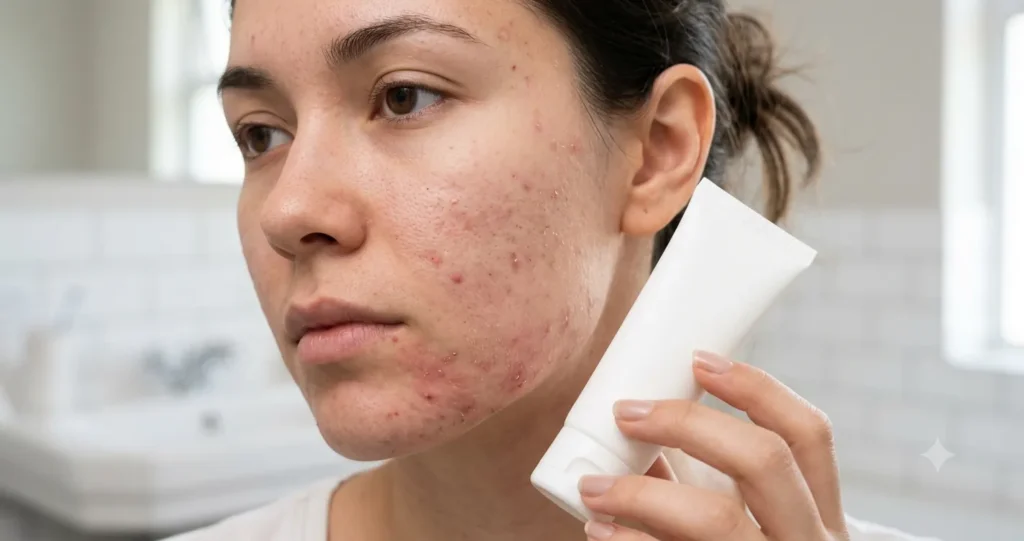
Acne usually starts when pores become clogged with oil, dead skin cells, and debris. Bacteria and inflammation can also play a role. Sensitive skin can have the same acne process, but it may react more strongly to products, weather, friction, or over-treatment.
Some breakouts come from irritation. Fragrance, harsh scrubs, drying alcohol-heavy formulas, and too many active ingredients can trigger redness and bumps. These bumps may look like acne, but the skin may actually be inflamed or irritated.
Hormonal acne is another common issue. It often appears around the chin, jawline, and lower face. The bumps may feel deep, sore, and stubborn. Some people notice flares before their period or during stressful times.
Hormonal acne may not respond well to spot treatments alone. The best acne treatment for sensitive skin may need to include medical guidance if the acne is deep, recurring, or linked to hormone changes.
It is also important to know that not every bump is acne. Folliculitis, rosacea, perioral dermatitis, allergic reactions, and irritation can look similar. Treating every bump like acne may make sensitive skin worse.
What to Apply on Pimples When Your Skin Is Sensitive
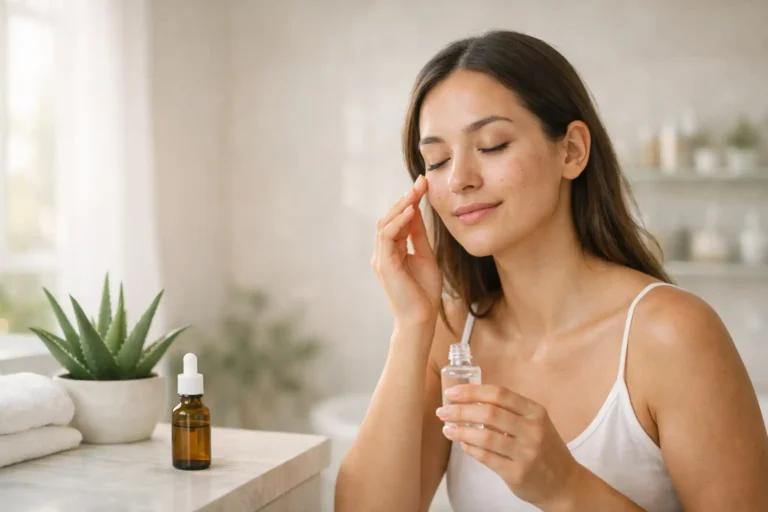
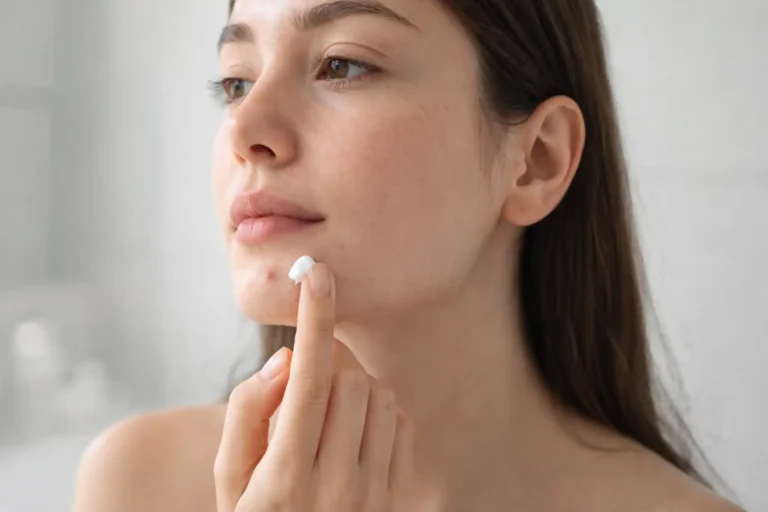
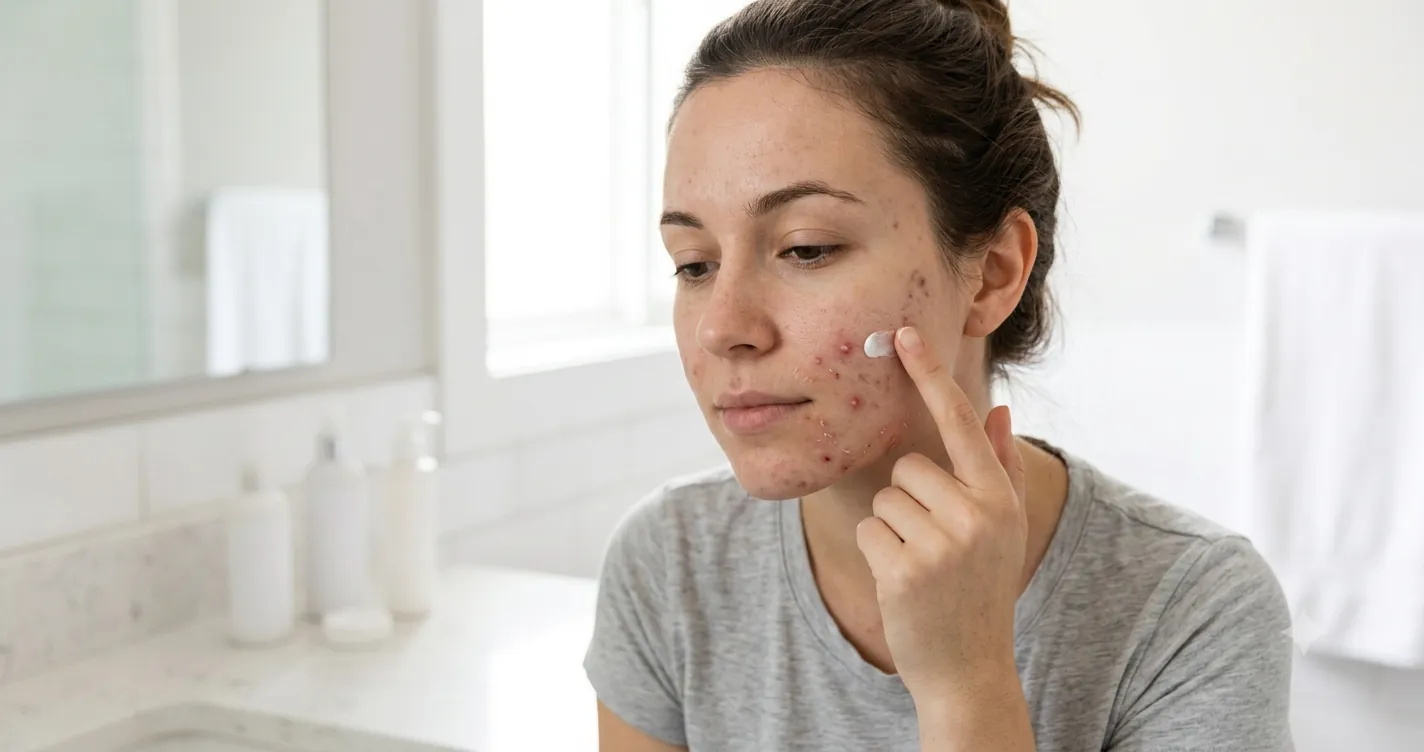
If you are wondering what to apply on pimples, start small. Sensitive skin usually does better with a tiny amount of product applied only where needed. Covering the whole face with a strong drying treatment can irritate healthy skin around the pimple.
A gentle spot treatment may help calm a small blemish without damaging the surrounding area. The best acne treatment for sensitive skin should reduce the look of breakouts without leaving your face cracked, raw, or painfully dry.
Some ingredients may help sensitive acne-prone skin when used carefully. These include azelaic acid, low-strength benzoyl peroxide, gentle salicylic acid, sulfur, and niacinamide. Tolerance varies, so what works for one person may not work for another.
Avoid harsh home remedies. Do not apply toothpaste, lemon juice, baking soda, rubbing alcohol, harsh scrubs, or essential oils to pimples. These can burn, irritate, or damage sensitive skin.
A pimple is already inflamed. Treating it with something harsh may make it redder, darker, or slower to heal.
Best Acne Treatment for Sensitive Skin: Ingredient Options
The best acne treatment for sensitive skin depends on your acne type and how reactive your skin is. Instead of using every popular ingredient, choose one main active and introduce it slowly.
Azelaic Acid
Azelaic acid may help blemishes, redness, and post-acne marks. It is often considered a useful option for sensitive acne-prone skin because it can be gentler than some stronger acne ingredients.
Still, azelaic acid can sting or tingle for some users, especially at first. Start slowly and avoid layering it with several other actives.
Benzoyl Peroxide in Lower Strengths
Benzoyl peroxide can help inflamed pimples, but it can also cause dryness and peeling. Sensitive skin may tolerate lower strengths better than higher strengths.
If you try it, use a small amount and avoid applying it to irritated areas. It can also bleach towels, pillowcases, and clothing.
Salicylic Acid in Gentle Formulas
Salicylic acid can help clogged pores, blackheads, and small bumps. It works well for some oily acne-prone skin types.
For sensitive skin, daily use may be too much. The best acne treatment for sensitive skin may use salicylic acid only a few times per week or in a mild formula.
Sulfur
Sulfur may help oily, blemish-prone skin. It is often found in masks or spot treatments. Some people with sensitive skin tolerate it well, while others find it drying.
Use it carefully and avoid combining it with too many other drying products.
Niacinamide
Niacinamide can support the skin barrier, help with redness, and improve the look of uneven tone. It may also help some people with oil balance.
It is not a full acne treatment for everyone, but it can be useful in a sensitive skin routine.
Retinoids
Retinoids can help acne by reducing clogged pores over time. They can be very helpful, but they may also irritate sensitive skin.
If you want to use a retinoid, introduce it slowly. A dermatologist can help if you have sensitive skin, cystic acne, or a history of irritation.
Best Products for Zits: What to Look For
The best products for zits are not always the most aggressive. For sensitive skin, the basics matter a lot.
Start with a gentle cleanser. Look for a mild, low-foam, fragrance-free cleanser when possible. Your face should feel clean, not tight or squeaky.
Next, use a lightweight moisturizer. Many people with acne avoid moisturizer, but that can make irritation worse. A non-comedogenic moisturizer can support your barrier and help you tolerate treatment.
Then choose one targeted acne product. This may be a spot treatment or a thin-layer treatment, depending on your breakout pattern. The best acne treatment for sensitive skin should fit into your routine without causing constant burning.
Sunscreen is also important. Acne treatments and irritation can make marks look darker or last longer. Choose a lightweight, non-comedogenic sunscreen that feels comfortable enough to use daily.
Texture matters too. Gels may feel light but can be drying. Creams may feel soothing but can be too heavy for some people. Lotions often sit between the two. Choose based on how your skin actually reacts.
How to Clear Acne Without Damaging Sensitive Skin
If you want to know how to clear acne without making sensitive skin worse, build a simple routine first. Do not start with five new products. Start with cleanser, moisturizer, sunscreen, and one acne treatment.
Introduce one new product at a time. This helps you know what is helping and what is causing irritation. Patch testing can also be useful if your skin reacts easily.
Use acne treatments slowly. Try every other night or a few times per week at first, unless your doctor gives different advice. Increase only if your skin stays comfortable.
The best acne treatment for sensitive skin should never require you to push through severe burning or rawness. Mild dryness can happen, but pain is a warning sign.
Protect your barrier by avoiding hot water, rough scrubs, and constant exfoliation. If your skin becomes raw, painful, or very flaky, pause strong actives and focus on gentle care until it calms.
Morning Routine for Sensitive Acne-Prone Skin
A morning routine should be simple. First, cleanse gently or rinse with water. If your skin is oily in the morning, a mild cleanser may help. If your skin is dry or irritated, water may be enough.
Next, apply a calm treatment or moisturizer. Some people use niacinamide, azelaic acid, or a dermatologist-recommended treatment in the morning. If your skin is reactive, moisturizer alone may be better on some days.
Finish with sunscreen. This step matters if you have acne marks, redness, or irritation. Sun exposure can make discoloration look worse and can make treated skin more sensitive.
A simple morning routine can make the best acne treatment for sensitive skin easier to tolerate because it keeps the skin supported during the day.
Night Routine for Sensitive Acne-Prone Skin
At night, remove sunscreen and makeup gently. If you wear makeup or heavy sunscreen, you may need a gentle double cleanse. Avoid rubbing hard or using rough cloths.
After cleansing, apply your acne treatment carefully. Use a small amount. Do not layer benzoyl peroxide, salicylic acid, retinoids, and exfoliating acids all at once unless a dermatologist tells you to.
Then moisturize. This step helps reduce dryness from acne treatment and supports the barrier overnight.
The best acne treatment for sensitive skin often works better when paired with moisturizer, not when used on stripped, dry skin.
Pill for Acne: When Topical Products Are Not Enough
Sometimes topical products are not enough. A pill for acne may be considered when acne is moderate to severe, cystic, hormonal, painful, or leaving scars. It may also be discussed when acne does not improve with consistent topical care.
Common categories to discuss with a dermatologist include oral antibiotics, hormonal options, and isotretinoin. These are medical treatments and should be chosen based on your health history, acne type, pregnancy status, side effects, and other personal factors.
Do not start or stop prescription acne medication without medical advice. A pill for acne can be helpful for the right person, but it is not the right choice for everyone.
Even with oral medication, sensitive skin still needs gentle topical support. Cleanser, moisturizer, and sunscreen remain important.
Hormonal Acne and Sensitive Skin
Hormonal acne can be frustrating because it often keeps coming back in the same areas. Common signs include deep pimples on the chin or jawline, cycle-related flares, adult acne, and sore bumps that do not respond well to regular spot treatments.
For this type, the best acne treatment for sensitive skin may involve more than a cleanser or spot cream. Hormonal acne can be driven by internal factors, so professional treatment may be needed.
Spot treatments can help individual pimples, but they may not prevent the next flare. If you keep getting painful cysts or acne that leaves marks, speak with a dermatologist.
Also seek care if acne comes with irregular periods, sudden changes, or other symptoms. Your skin may be giving clues that need a medical review.
Common Mistakes With Sensitive Acne Treatment
One common mistake is using too many acne products at once. This can damage the barrier and make skin look red, shiny, tight, or flaky.
Another mistake is quitting moisturizer. Moisturizer does not automatically cause acne. The right non-comedogenic moisturizer can make the best acne treatment for sensitive skin easier to use.
Harsh “drying” products are also a problem. Strong alcohol formulas, rough scrubs, and high-strength actives may flatten a pimple for a short time but irritate the whole area.
Some people treat irritation like acne. If bumps appear with burning, itching, or rash-like redness, the issue may not be normal acne. Continuing acne products may make it worse.
Switching routines too quickly is another mistake. Consistency matters, but not at the cost of severe irritation. If your skin hurts, adjust the routine.
Sensitive Skin Acne Treatment by Acne Type
For small clogged pores, a gentle salicylic acid product or slow retinoid introduction may help. Keep moisturizer in the routine to prevent dryness.
For red inflamed pimples, low-strength benzoyl peroxide or sulfur may help some people. Avoid using several drying treatments together.
For dry, peeling acne-prone skin, barrier repair comes first. Reduce active frequency and use a gentle moisturizer until your skin feels calmer.
For deep cystic acne, see a dermatologist. The best acne treatment for sensitive skin in this case may require prescription support or a pill for acne.
For post-acne marks, sunscreen is essential. Gentle ingredients like azelaic acid or niacinamide may help over time. Avoid picking, because picking can make marks and scars worse.
How to Choose the Best Acne Treatment for Sensitive Skin Before Buying
Before buying, read the label carefully. Look at active ingredients, fragrance, alcohol-heavy formulas, usage directions, and warnings. Do not buy only because a product is trending.
Choose one main acne active. This makes it easier to identify what your skin likes or dislikes. Buying several treatments at once can lead to irritation and confusion.
Trial sizes and good return policies can be helpful. Sensitive skin can be unpredictable, so testing a smaller size may save money.
Avoid exaggerated claims. No product can guarantee overnight clearing, and no one product works for everyone. The best acne treatment for sensitive skin is the one your skin can tolerate while still helping your acne type.
When to See a Dermatologist
See a dermatologist if your acne is painful, deep, spreading, or leaving scars. You should also get help if your skin becomes severely irritated from products or if you suspect hormonal acne.
Professional care is also important during pregnancy or breastfeeding, because some acne treatments may not be recommended. Ask before using strong actives or prescription products.
If your bumps may not be acne, a dermatologist can diagnose the issue. Rosacea, folliculitis, dermatitis, and allergies may need different treatment.
A dermatologist can also help you decide whether a pill for acne or prescription cream is safer than trying more over-the-counter products.
Final Thoughts on the Best Acne Treatment for Sensitive Skin
The best acne treatment for sensitive skin is gentle, steady, and matched to your acne type. It should treat breakouts without destroying your skin barrier. A simple routine with cleanser, moisturizer, sunscreen, and one careful acne treatment is often the best place to start.
Do not chase harsh products just because they promise fast results. Sensitive skin needs patience. Start slowly, watch your skin’s reaction, and protect your barrier every day.
If acne is painful, hormonal, persistent, or leaving marks, do not keep guessing. A dermatologist can help you build a plan that is safer, clearer, and better suited to your skin.
FAQ
1. What is the best acne treatment for sensitive skin?
The best acne treatment for sensitive skin is usually gentle, non-comedogenic, fragrance-free when possible, and introduced slowly. Ingredients like azelaic acid, low-strength benzoyl peroxide, gentle salicylic acid, sulfur, or niacinamide may help, but tolerance varies. Severe or painful acne should be checked by a dermatologist.
2. What should I apply on pimples if my skin burns easily?
If your skin burns easily, apply a small amount of gentle spot treatment only on the pimple. Avoid toothpaste, lemon juice, alcohol, baking soda, essential oils, and harsh scrubs. The best acne treatment for sensitive skin should not cause severe burning, swelling, or rawness.
3. Can hormonal acne be treated with skincare alone?
Mild hormonal acne may improve with skincare, but deeper recurring chin or jawline acne often needs medical help. A dermatologist may discuss topical prescriptions, hormonal options, or a pill for acne depending on your health history and acne type.
4. How can I clear acne without irritating sensitive skin?
To learn how to clear acne without irritation, keep your routine simple. Use a gentle cleanser, lightweight moisturizer, sunscreen, and one acne treatment at a time. Start slowly, avoid harsh scrubs, and pause strong actives if your skin becomes raw or painful.
5. Are the best products for zits always drying products?
No. The best products for zits are not always drying. Sensitive skin often needs acne treatment plus barrier support. A harsh drying product may shrink one pimple but cause peeling, redness, and more irritation. A balanced routine is usually better.