How to Get Rid of Acne Scars Naturally: What Can Actually Fade at Home
If you are searching for How to Get Rid of Acne Scars Naturally, the first thing to check is whether the leftover change is actually a scar. Flat brown, gray, red, or pink marks can gradually fade because they are color changes after inflammation. Indented or raised scars are different: they reflect a structural change in the skin and usually cannot be erased with aloe vera, rosehip oil, honey, or another natural remedy.
That distinction changes what “natural” care can realistically do. How to Get Rid of Acne Scars Naturally is therefore less about finding one miracle ingredient and more about matching expectations to the type of mark or scar.
Gentle skincare, sun protection, avoiding picking, and controlling new acne can support fading and prevent new damage. But if the skin has a pit, a rolling depression, a sharp boxcar edge, or a raised scar, home remedies have clear limits.
Table of Contents
How to Get Rid of Acne Scars Naturally: First Check Whether It Is Actually a Scar
People often use “acne scar” to describe anything left behind after a breakout. Medically, flat color changes and true scars are not the same problem.
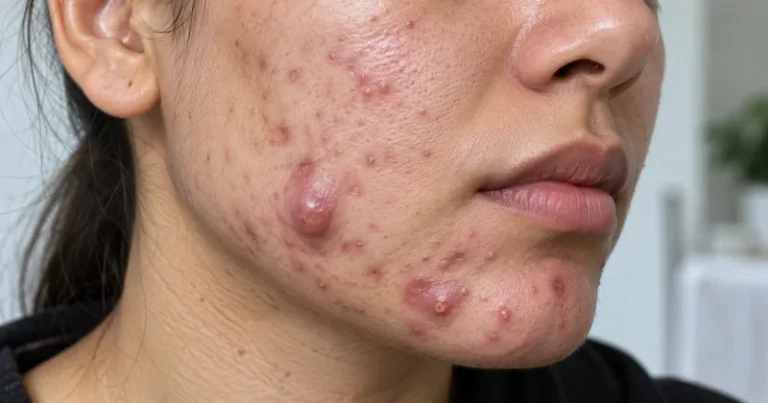
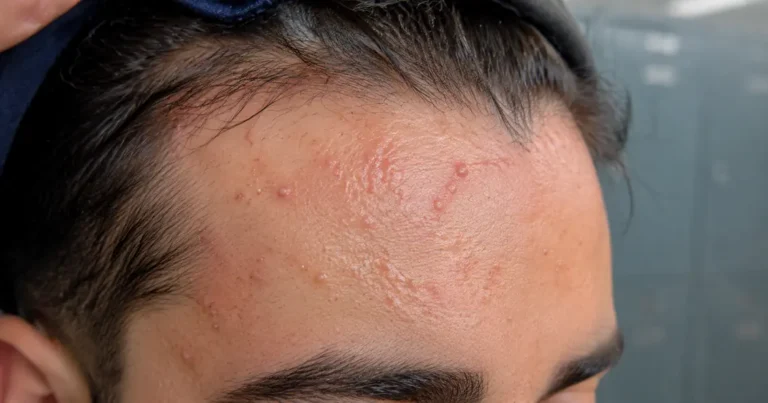
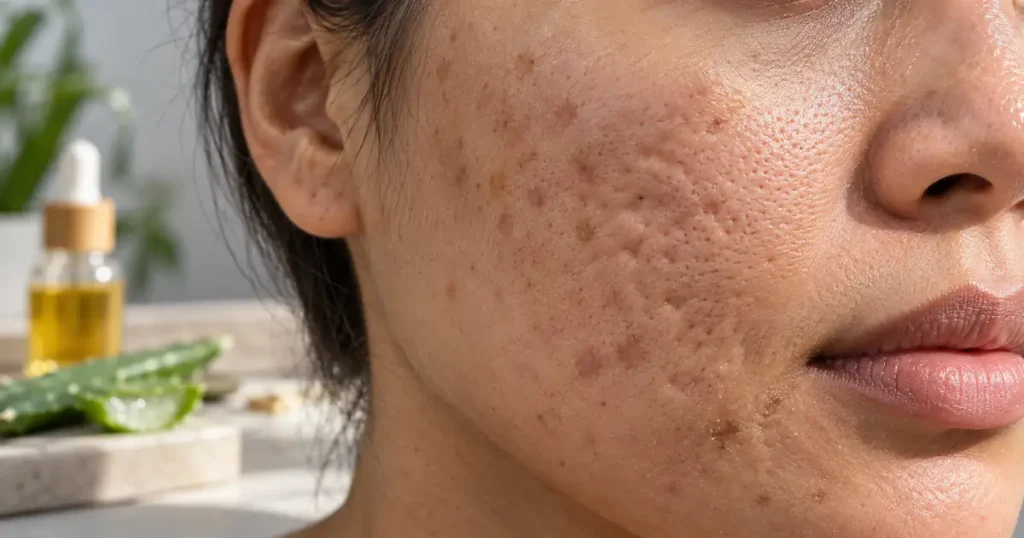
Flat brown, gray, red, or pink marks
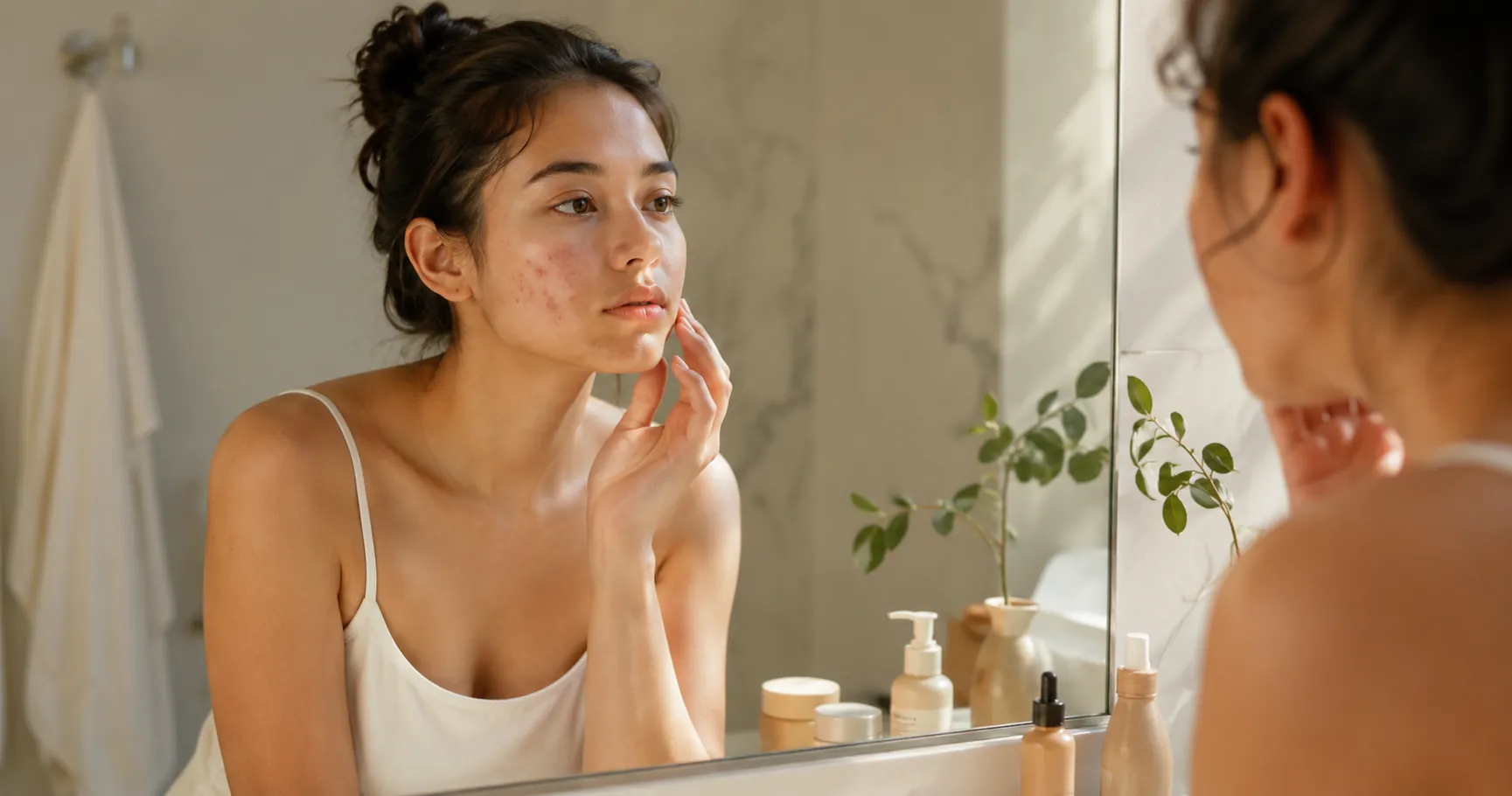
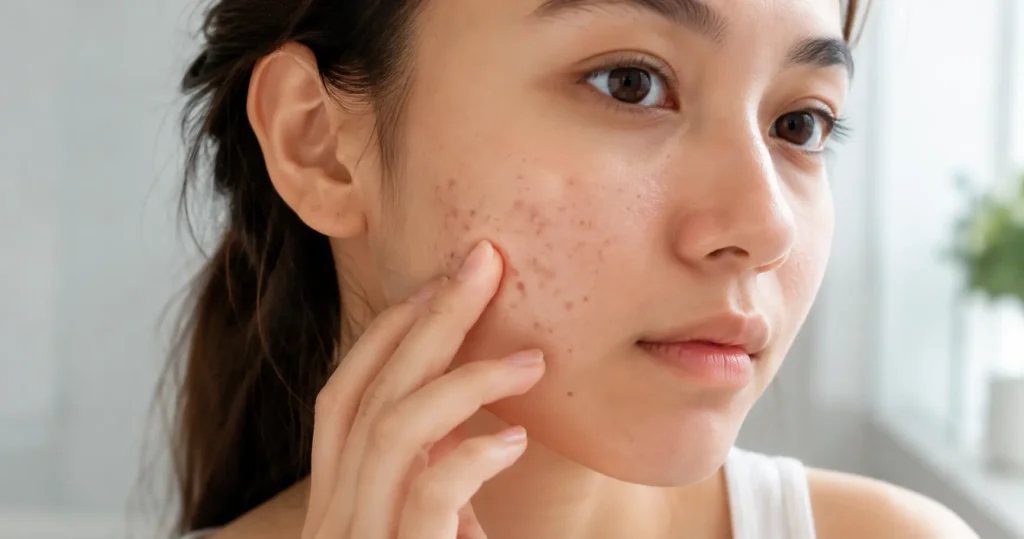
A flat brown, tan, gray-brown, or blue-gray area after acne is often post-inflammatory hyperpigmentation (PIH). Red or pink marks can also remain after inflammation. These areas do not create a dent or bump in the skin.
AAD explains that PIH is not a true acne scar and can fade over time. DermNet notes that sunlight can darken PIH, which is one reason sun protection matters while the mark is fading.
Indented scars
True depressed scars form when the skin does not replace enough collagen during healing. Common types include:
- Ice-pick scars: narrow, deep depressions.
- Boxcar scars: broader pits with more defined edges.
- Rolling scars: wider, wave-like depressions that can be tethered below the surface.
These are structural changes. An oil or gel may moisturize the surface, but it cannot simply replace the missing tissue or release tethered scar bands.
Raised scars
Some acne scars form excess tissue instead of losing it. Hypertrophic scars and keloids sit above the skin surface and behave differently from flat marks and pitted scars.
If you are trying to learn How to Get Rid of Acne Scars Naturally, identifying which of these categories you have is more useful than choosing a remedy first.
Can Acne Scars Fade Naturally Without Treatment?
Some post-acne changes can fade naturally, but established structural scars usually remain. For anyone asking How to Get Rid of Acne Scars Naturally, this is the most important limit to understand before choosing a remedy.
AAD notes that discoloration associated with acne scars often becomes less visible with time, while the scar itself remains. That is why a person may honestly say that a “scar” faded when what improved was primarily the surrounding color rather than the indentation.
For flat PIH, time is a real part of improvement. The skin gradually processes excess pigment after inflammation settles. How quickly that happens varies with skin tone, depth of pigment, ongoing acne, sun exposure, and irritation.
For a true boxcar, rolling, ice-pick, hypertrophic, or keloid scar, time may soften the appearance somewhat, but natural fading is not the same as reversing the altered structure.
This distinction prevents a common mistake: spending months testing oils and kitchen remedies on a scar type that is unlikely to respond to them.
How to Get Rid of Acne Scars Naturally When You Mainly Have Dark Marks
If the leftover areas are flat, natural fading has a much more realistic role. In this situation, How to Get Rid of Acne Scars Naturally mostly means supporting normal fading and preventing the marks from becoming darker or more inflamed.
Protect the marks from ultraviolet exposure
Sunscreen is not a natural scar remover, but it is one of the most practical tools for post-acne pigmentation. DermNet notes that PIH can become darker with ultraviolet exposure and recommends broad-spectrum sun protection on exposed areas.
Choose a sunscreen you can use consistently. If your skin is acne-prone, a non-comedogenic formula may be easier to fit into your routine.
The reason this matters is simple: fading and re-darkening can happen at the same time. Protecting the area helps prevent UV exposure from working against the progress your skin is already making.
Keep cleansing gentle
You do not need to scrub pigment off. Harsh scrubs, rough brushes, and repeated exfoliation can create new irritation, which can trigger more inflammation and more discoloration.
A mild cleanser, comfortable moisturizer, and consistent sunscreen may sound less exciting than a home-remedy list, but they create a better environment for gradual fading.
Prevent new breakouts
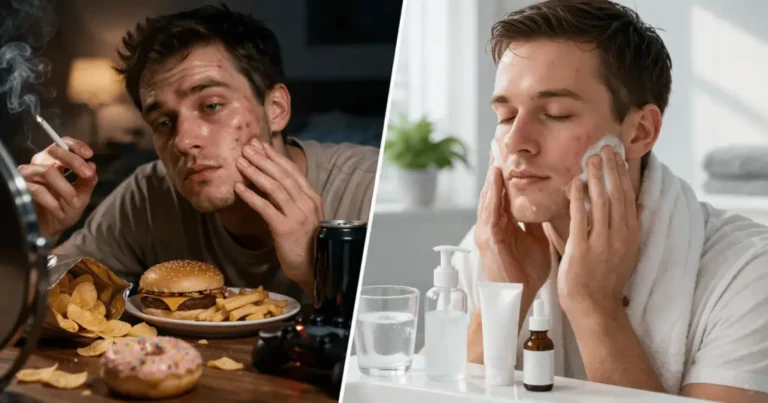
Every new inflamed pimple can leave another mark or scar. Managing active acne therefore matters even in an article about old scars.
If breakouts are still frequent, the most useful next step may be controlling the acne rather than adding another scar remedy.
Do not pick or squeeze
Picking increases trauma and inflammation. AAD identifies picking, squeezing, scratching, and touching acne as behaviors that increase the risk of scars and discoloration.
If the main problem is flat marks, preventing new ones is just as important as trying to fade the old ones.
Does Aloe Vera Help Acne Scars?
Aloe vera can feel soothing or moisturizing, but there is not reliable evidence that it erases established acne scars. Aloe is often suggested in guides about How to Get Rid of Acne Scars Naturally, but soothing the surface is not the same as changing scar structure.
Cleveland Clinic includes aloe vera among natural ingredients commonly promoted for acne scars but notes that there is no reliable way to remove true acne scars naturally at home.
That is an important distinction: an ingredient can make dry or irritated skin feel better without remodeling an ice-pick, rolling, boxcar, or raised scar.
If you like aloe and your skin tolerates it, you can think of it as supportive skincare rather than scar reconstruction.
Avoid assuming that “natural” means irritation-free. Botanical products can still trigger stinging, redness, or contact reactions in some people. Stop using a product that clearly irritates your skin.
Does Rosehip Oil Help Acne Scars?
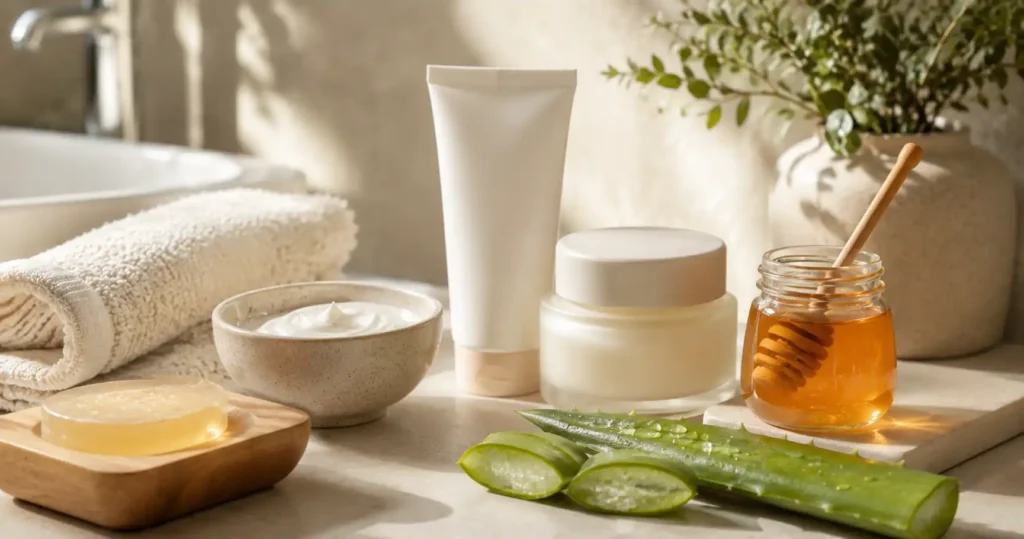
Rosehip oil is popular for post-acne marks, but evidence that it can remove established acne scars is limited. It also appears frequently in advice about How to Get Rid of Acne Scars Naturally, so it is worth separating its moisturizing role from claims of scar removal.
As an oil, it can reduce dryness and make the skin surface feel smoother. That may improve the way texture looks temporarily, especially if the skin was flaky. What it cannot reasonably be expected to do is lift a tethered rolling scar, fill a narrow ice-pick pit, or rebuild deep missing tissue.
There is also a causation problem with anecdotal results. Post-acne marks often fade over months. If someone starts rosehip oil at the same time that the mark is naturally fading—or while using sunscreen, vitamin C, acids, or other products—it can be difficult to know which factor caused the change.
Cleveland Clinic lists rosehip seed oil among natural remedies promoted for acne scars but does not consider natural home remedies a reliable way to remove established scarring.
If you use rosehip oil, treat it as an optional emollient, not as a substitute for an evidence-based scar assessment.
What About Honey, Tea Tree Oil, and Other Natural Remedies?
Natural ingredients can have legitimate skincare properties without being proven acne-scar treatments. A useful way to evaluate How to Get Rid of Acne Scars Naturally is to ask whether a remedy is being claimed to soothe skin, fade discoloration, or physically remodel scar tissue.
| Remedy | What it may reasonably do | What it is not proven to do |
|---|---|---|
| Aloe vera | Soothe or moisturize some skin | Fill pitted scars |
| Rosehip oil | Provide emollient support | Rebuild deep lost tissue |
| Honey | Provide moisturizing properties in cosmetic use | Remove established acne scars |
| Tea tree oil | Has more relevance to acne than to old scar structure | Correct indented or raised scars |
Cleveland Clinic specifically cautions that commonly promoted remedies such as aloe vera, honey, tea tree oil, black seed oil, and rosehip seed oil are not reliable ways to get rid of true acne scars at home.
This does not mean every natural ingredient is useless. It means the claim needs to match what the ingredient can realistically do.
Natural DIY Remedies to Skip
Some DIY treatments create more risk than benefit, especially if your main concern is discoloration.
Skip:
- Lemon juice.
- Baking soda.
- Harsh salt or sugar scrubs.
- Undiluted essential oils.
- Aggressive homemade acid peels.
These approaches can irritate the skin barrier and increase inflammation. On pigment-prone skin, irritation itself can leave more discoloration behind.
If a remedy burns, stings strongly, or leaves persistent redness, that is not evidence that it is “working.”
The safest version of How to Get Rid of Acne Scars Naturally is not a recipe for the strongest household acid. It is a plan that avoids new injury while the skin heals.
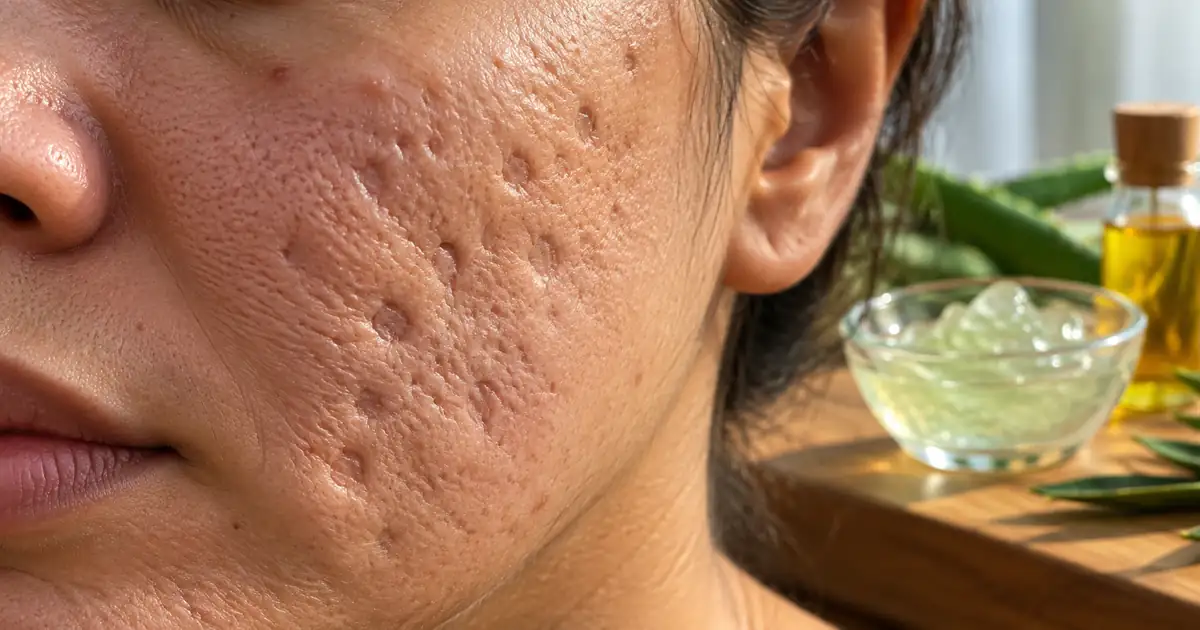
How to Get Rid of Acne Scars Naturally Without Making Marks Worse
A simple routine is usually more defensible than layering multiple natural remedies.
Morning
- Cleanse gently if needed.
- Apply moisturizer if your skin needs it.
- Finish with broad-spectrum sunscreen.
Evening
- Cleanse gently.
- Use one optional, well-tolerated supportive product if you want one.
- Moisturize.
The routine does not need aloe, honey, rosehip oil, and tea tree oil at the same time. Introducing several products together makes it harder to identify what is helping and what is irritating your skin.
If you still have active acne, keep the acne-control plan separate and evidence-based. Preventing the next inflamed breakout may do more for your long-term skin appearance than adding another scar oil.
What Actually Helps if You Want More Than Natural Fading?
Once you move beyond strictly natural remedies, there are evidence-based at-home options that can help selected post-acne concerns.
Retinoids, azelaic acid, and some exfoliating acids may help with acne, post-inflammatory discoloration, and selected mild texture concerns. They still do not behave like in-office procedures for deep structural scarring.
For a broader look at conventional home options, see broader at-home acne scar treatment options.
You can also review topical options for acne marks and mild scarring if you are willing to go beyond natural remedies.
The important distinction is that “home treatment” and “natural treatment” are not synonyms. How to Get Rid of Acne Scars Naturally should not be expanded to include every at-home medication or procedure simply because it can be used outside a clinic.
A topical retinoid may be used at home, but it is not a natural remedy. Keeping those categories separate makes the evidence easier to understand.
When Natural Acne Scar Care Has Reached Its Limit
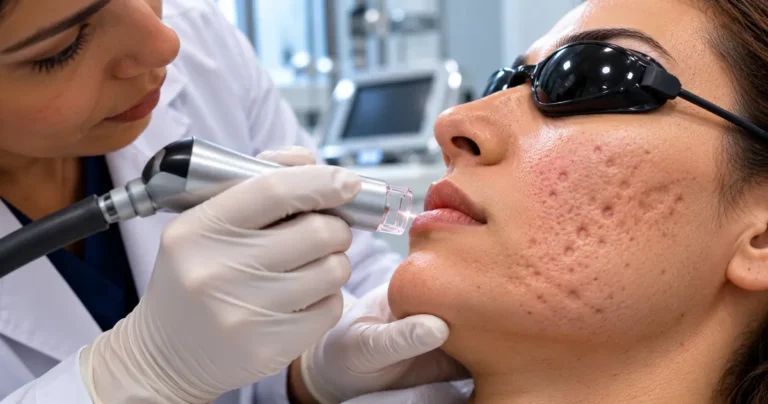
Natural care is unlikely to meaningfully correct deep ice-pick scars, pronounced boxcar scars, tethered rolling scars, or thick raised scars. At that point, How to Get Rid of Acne Scars Naturally has reached a practical limit because the remaining problem is structural rather than simply a fading color change.
AAD explains that acne-scar treatment is individualized according to scar type and may involve procedures such as microneedling, laser treatment, fillers, radiofrequency, scar surgery, or combinations of treatments.
Recent systematic evidence on atrophic acne scars likewise centers on procedural approaches—including microneedling, radiofrequency, lasers, subcision, fillers, and combination treatments—rather than botanical home remedies.
That does not mean everyone needs a procedure. It means that a structural scar deserves a structural treatment discussion if the scar bothers you enough to seek more improvement.
Professional assessment is especially reasonable when:
- The scars are clearly indented or raised.
- Acne is still producing new scars.
- The scar pattern is mixed.
- You are unsure whether the concern is a scar or discoloration.
- Months of gentle home care have not changed the texture.
- The scars are affecting your confidence or quality of life.
For more detail, see how a dermatologist matches treatment to scar type.
Frequently Asked Questions
Can acne scars completely fade naturally?
Flat post-acne marks can fade substantially over time, especially when new inflammation and sun exposure are controlled. True indented or raised scars usually do not disappear naturally because the skin structure has changed.
If you are researching How to Get Rid of Acne Scars Naturally, first determine whether the concern is color change or altered texture.
Does aloe vera remove acne scars?
There is not reliable evidence that aloe vera removes established acne scars. It may feel soothing or moisturizing if your skin tolerates it, but that is different from rebuilding missing collagen in a pitted scar or flattening a raised scar.
Does rosehip oil remove pitted acne scars?
Rosehip oil is not proven to remove pitted acne scars. It can moisturize the skin and may make a dry surface look smoother, but an oil cannot release a tethered rolling scar or refill a deep ice-pick or boxcar depression.
How long do post-acne dark marks take to fade naturally?
There is no single timeline. Some marks fade faster than others, and deeper pigment can last much longer. Skin tone, sun exposure, ongoing inflammation, and repeated irritation all affect the process. Consistent sun protection is especially important because UV exposure can darken PIH.
When should I stop trying natural remedies and see a dermatologist?
Consider professional assessment when scars are indented or raised, acne is still causing new scars, the diagnosis is unclear, or the texture has not improved despite time and gentle care. A dermatologist can identify the scar type and explain which treatments are realistic for that structure.
Conclusion
The answer to How to Get Rid of Acne Scars Naturally depends on what acne actually left behind.
Flat post-acne discoloration has genuine natural fading potential. Gentle cleansing, controlling new breakouts, avoiding picking, and protecting the skin from the sun can support that process.
Aloe vera, rosehip oil, honey, and similar remedies may have supportive skincare roles, but they should not be presented as ways to replace missing tissue, release tethered scars, or flatten excess scar tissue.
Start by identifying whether the concern is flat color or altered texture. That first distinction makes How to Get Rid of Acne Scars Naturally a realistic decision process instead of a search for a universal home remedy.
If it is flat, protect the skin and give it time. If it is indented or raised and you want meaningful structural improvement, a professional scar assessment is a more realistic next step.
This article is for educational purposes only and is not a diagnosis or a substitute for care from a qualified healthcare professional.
References:
- American Academy of Dermatology — Acne Scars: Signs and Symptoms
- American Academy of Dermatology — Acne Scars: Overview
- American Academy of Dermatology — Acne Scars: Consultation and Treatment
- Cleveland Clinic — Get Rid of Acne Scars With These Dermatologist-Approved Solutions
- DermNet — Postinflammatory Hyperpigmentation
- PMC — Minimally Invasive Interventions for Atrophic Acne Scars: Systematic Evidence Review and Network Meta-Analysis