Does Microneedling Help Acne? Best Options for Smoother, Clearer Skin
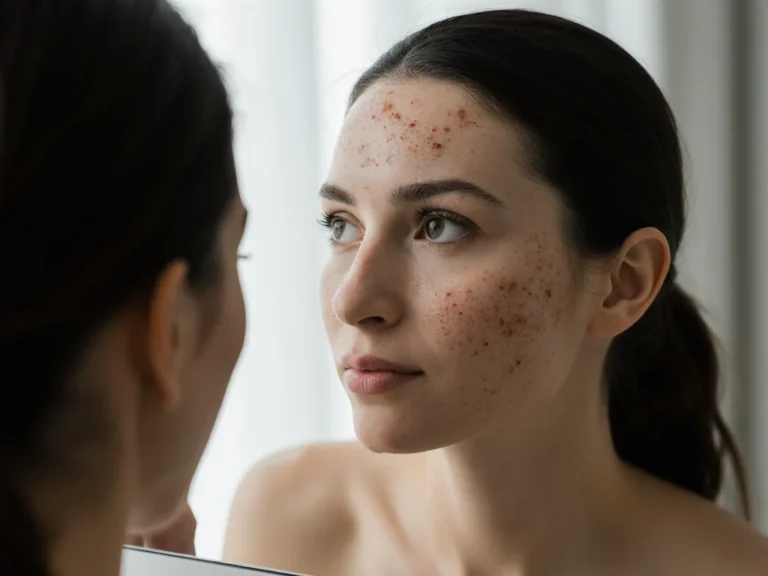
If you have acne, rough texture, or stubborn marks that stay long after a breakout fades, it makes sense to wonder whether microneedling can help. Many people hear good things about it, but the answer depends on what kind of acne problem you are trying to treat. Active breakouts, red marks, and deeper scars do not all respond the same way.
Does microneedling help acne? It can help some acne-related concerns, but not all of them. In most cases, microneedling works better for acne scars, uneven texture, and enlarged-looking pores than for active inflamed pimples. If you still have frequent breakouts, you usually need to calm the acne first before moving on to scar treatment.
Table of Contents
What Is Microneedling and How Does It Work?
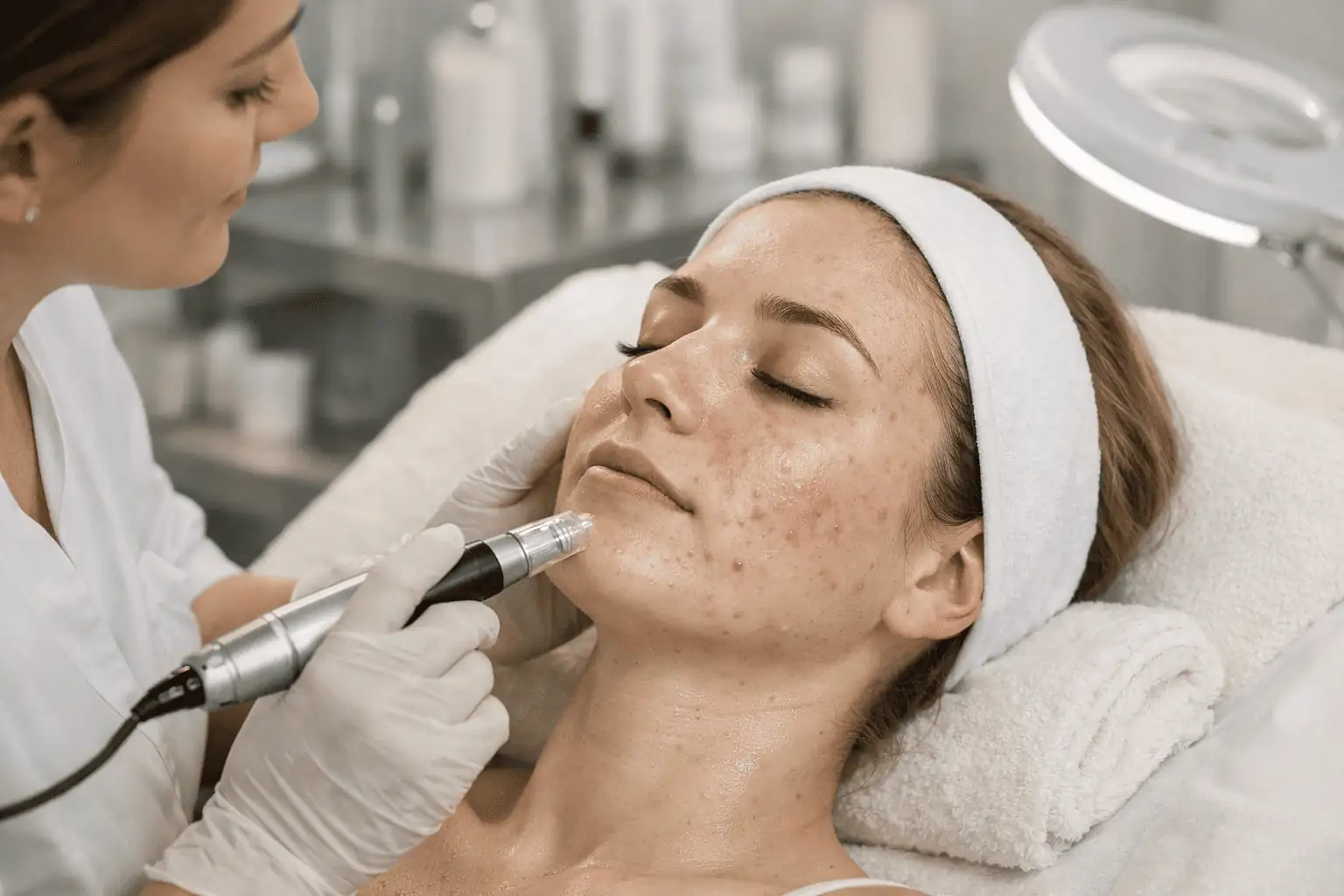
Microneedling is a skin treatment that uses very small needles to create tiny, controlled injuries in the top layers of the skin. Those micro-injuries signal your skin to repair itself.
As your skin heals, it produces more collagen and elastin. These are the building blocks that help skin look firmer, smoother, and more even. That is why microneedling is often used for acne scars, fine lines, and texture problems.
This matters because many acne scars form when the skin loses support under the surface. If your skin can rebuild some of that support over time, shallow depressed scars may look softer.
There is also a big difference between professional treatment and at-home tools. A licensed provider can use safer technique, better depth control, and cleaner equipment. At-home rollers are usually much more limited and can irritate the skin if used the wrong way.
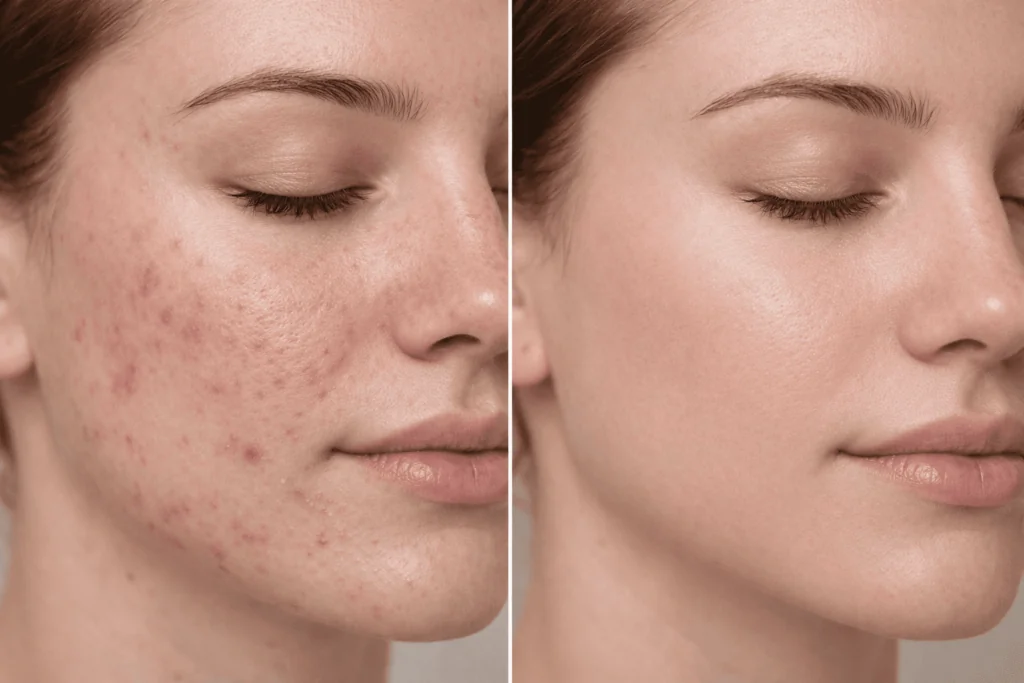
Does Microneedling Help Acne or Acne Scars?
This is where a lot of confusion starts. When people ask, does microneedling help acne, they may mean one of two very different things.
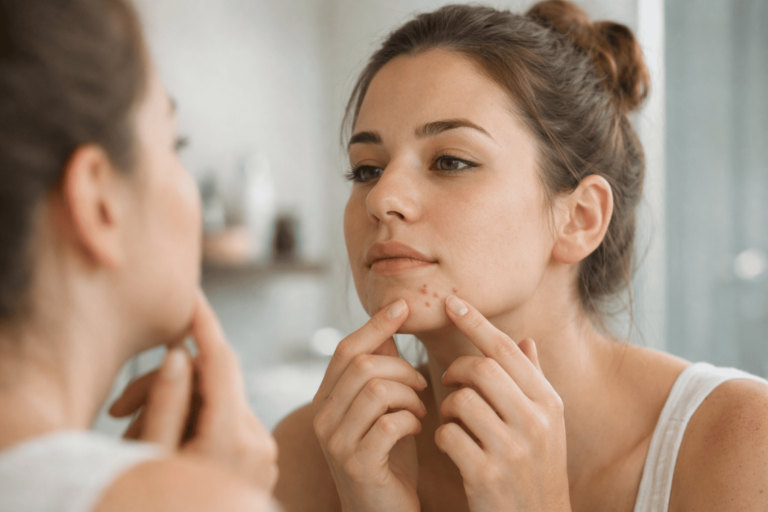
Sometimes they mean active acne, like whiteheads, swollen pimples, or cysts. Other times they mean the marks left behind, such as pitted scars, rough texture, or uneven skin after breakouts heal.
In general, does microneedling help acne is best answered like this: it may help the after-effects of acne more than the active disease itself. It is usually more useful for scars and texture than for fresh inflamed breakouts.
Scar types that may respond best
Microneedling often works best for:
- Rolling scars
- Boxcar scars
- Mild surface unevenness
- Skin that looks rough or slightly sunken after acne heals
These scars often sit closer to the surface and may improve as collagen remodeling happens over several sessions.
Concerns that may respond less well
Microneedling is usually less helpful for:
- Deep ice pick scars
- Severe cystic acne
- Ongoing inflamed breakouts
- Skin with infection, open lesions, or major irritation
If your acne is still active and painful, treating the inflammation first is usually the better step.
Who Is a Good Candidate for Microneedling?
You may be a good candidate if your acne is mostly under control and your main concern is what the acne left behind. That includes shallow scars, rough texture, and uneven-looking skin.
Many skin tones can do well with microneedling when it is done carefully by an experienced professional. It can be a useful option for people who want a non-surgical treatment with short downtime.
Still, there are times when you should wait or avoid it.
When to delay or avoid treatment
You may need to hold off if you have:
- Active cystic acne
- Open pimples or infected spots
- A rosacea flare, eczema flare, or broken skin barrier
- Recent irritation from strong acids, retinoids, or over-exfoliation
- A history of poor wound healing or frequent skin infections
If you are on prescription acne treatment, timing matters too. Some people need a dermatologist’s guidance before starting microneedling, especially if their skin is already reactive.
Best Options for Smoother, Clearer Skin
If you are asking does microneedling help acne, you are probably also asking which version is worth trying. Not every option is equal.
Professional microneedling for acne-prone skin
This is the most common choice for mild to moderate acne scars and uneven texture. A trained provider can adjust depth based on the scar type, skin area, and how sensitive your skin is.
Professional treatment is usually the best place to start if your goal is smoother skin. It is more controlled, more hygienic, and more likely to give steady results.
RF microneedling for texture and scars
RF microneedling combines needles with radiofrequency energy. This may be used for deeper texture changes, acne scars, and skin tightening.
It is not automatically the best choice for everyone, but it may be recommended if your scars are more stubborn or your skin needs more than standard surface remodeling.
Microneedling with PRP
Some clinics combine microneedling with PRP, often called platelet-rich plasma. The idea is to support healing and improve recovery.
Some people choose it because they want a more advanced treatment plan, but it is usually more expensive. It may be worth discussing if you have scar-focused goals and want to compare options.
At-home dermarollers
At-home tools are widely sold, but they are not the same as office-based treatment. They usually do not reach the same depth, and they come with a higher risk of irritation, poor sanitation, and user error.
If your skin is acne-prone, aggressive home use can backfire. It can leave you wondering, does microneedling cause breakouts, when the real issue is the tool, the pressure, or poor aftercare.
Quick comparison of the main options
| Option | Best for | Main limit |
|---|---|---|
| Professional microneedling | Mild to moderate acne scars, texture | Needs multiple sessions |
| RF microneedling | Deeper texture issues, tougher scars | Higher cost |
| Microneedling with PRP | People wanting a more advanced scar plan | Added expense |
| At-home dermaroller | Very mild texture support only | Higher irritation and hygiene risk |
If you still have active breakouts, the best option may be to treat the acne first and come back to microneedling later.
Can Microneedling Cause Acne?
This is one of the biggest concerns people have. Can microneedling cause acne? Not in the same direct way that hormones, oil buildup, or clogged pores can. But it can lead to bumps or breakouts in some situations.
That is why people search does microneedling cause breakouts after treatment. The procedure itself is not creating acne out of nowhere, but your skin may react badly if the timing, aftercare, or products are wrong.
A few common reasons this happens include:
- Heavy or pore-clogging products used too soon
- Sweating right after treatment
- Bacteria from unclean tools, hands, pillowcases, or makeup brushes
- Treating over active acne
- A damaged skin barrier that becomes irritated and congested
So while does microneedling help acne can be true for scars, it is also fair to ask whether the process can trigger a setback if your skin is not ready.
Breaking Out After Microneedling: What Is Normal and What Is Not?
Breaking out after microneedling does happen for some people, but not every bump is true acne. Right after treatment, your skin may look red, feel warm, and show small raised areas. That does not always mean a real breakout.
A breakout after microneedling may look like:
- Tiny clogged bumps
- A few whiteheads
- Inflamed pimples
- Patchy roughness from irritation
Sometimes this is a short reaction from products or heat. Other times it is a true acne flare.
Common reasons for a breakout after microneedling
Here are the most common causes of breaking out after microneedling:
- Heavy skincare too soon
Rich creams, oils, and occlusive products can trap sweat and debris when the skin is still healing. - Sweating and gym exposure
Heat, friction, and bacteria right after treatment can irritate freshly treated skin. - Touching your face
Even clean-looking hands can spread bacteria and trigger inflamed spots. - Dirty tools or pillowcases
This matters even more with at-home devices. - Treating active acne
Needling over inflamed pimples can spread irritation and make the skin angrier.
If the breakout is severe, painful, widespread, or lasts longer than expected, it is smart to check in with a skin professional.
Purging After Microneedling: Is It Real?
A lot of people talk about purging after microneedling, but the term is often used too loosely. Purging usually refers to treatments that speed up skin cell turnover and bring clogged pores to the surface faster.
Microneedling does not always fit that pattern in the same clear way. What many people call purging after microneedling is often irritation, congestion, or a reaction to products used right after treatment.
That matters because the response is different. If you think you are purging, you may wait it out. But if your skin is reacting to a heavy serum, dirty tool, or poor aftercare, waiting may only make things worse.
In many cases, bumps after treatment are better described as:
- Temporary irritation
- Product-related congestion
- A true acne flare
- Follicle irritation from heat or friction
So if you are asking does microneedling help acne, do not assume every post-treatment bump is a normal part of the process.
Pros and Cons of Microneedling for Acne-Prone Skin
Microneedling can be a strong option, but only when it matches the right skin concern.
Main benefits
The main upsides include:
- Smoother-looking skin texture
- Softening of shallow acne scars
- Support for natural collagen remodeling
- Short downtime compared with more aggressive resurfacing treatments
- Possible improvement in the look of enlarged pores
For the right person, does microneedling help acne can be answered with a clear yes when the focus is scar repair and texture.
Main drawbacks
There are real downsides too:
- Temporary redness and swelling
- Risk of irritation
- Possible breakouts if aftercare is poor
- Need for several sessions
- Limited help for deep scars
- Not usually the best first treatment for active inflamed acne
That balance is important. Does microneedling help acne is not a simple yes-or-no question because the result depends on your skin’s current condition.
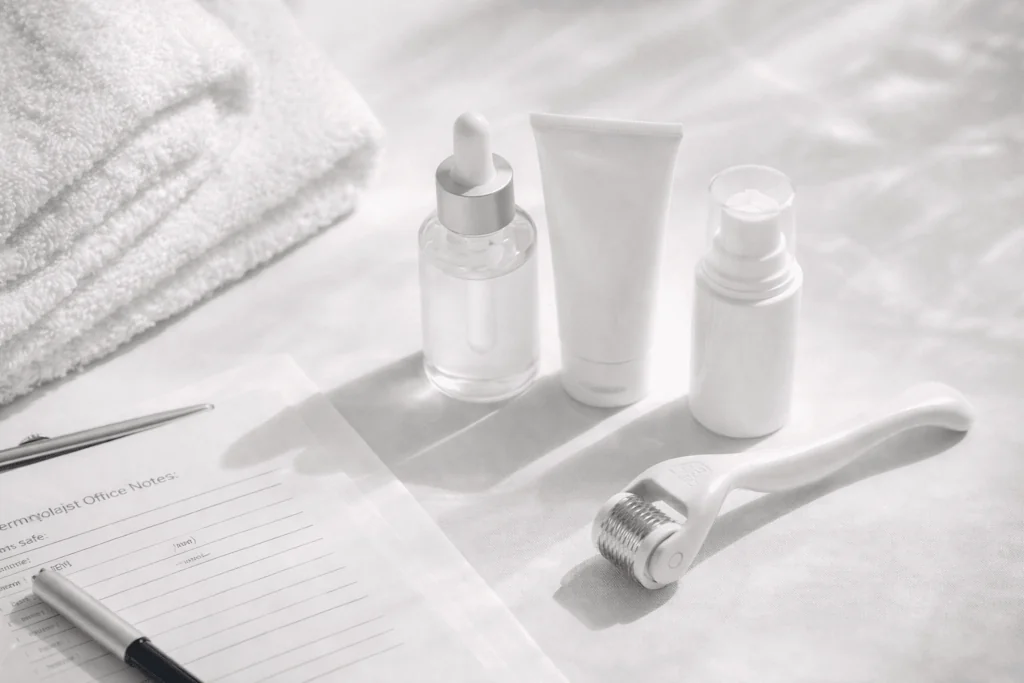
What to Expect Before, During, and After Treatment
Before treatment, your provider may ask you to stop certain strong actives for a short time. This can include exfoliating acids, retinoids, and irritating acne products, depending on your skin.
During a professional session, your skin is cleaned, and a numbing cream may be used. The device passes over the skin in a controlled pattern. The treatment is usually quick, though deeper scar work may take more time.
Afterward, your skin may look pink or red, similar to a mild sunburn. It may feel tight, warm, or dry for a short period.
Visible changes usually take time. You may notice some early glow, but real scar improvement often builds over several sessions. Many people need a series of treatments spaced out over time for the best results.
That is another reason does microneedling help acne should be framed with realistic expectations. It is not a one-time instant fix.
Aftercare Tips to Lower the Risk of Breakouts
If you are worried about does microneedling cause breakouts, aftercare matters almost as much as the treatment itself.
Keep your routine simple and gentle right after treatment. Your skin needs time to recover.
Smart aftercare basics
Focus on:
- A gentle cleanser
- A simple, non-irritating moisturizer
- Clean pillowcases and towels
- Daily sunscreen once your provider says it is okay
- Avoiding sweat, heat, and friction for the recommended period
Products to avoid right after treatment
For a short time, many people should avoid:
- Retinoids
- Exfoliating acids
- Harsh acne spot treatments
- Scrubs or cleansing brushes
- Heavy oils if they tend to clog your pores
If you ignore aftercare, you may end up with breaking out after microneedling and assume the treatment failed when your skin really just needed a gentler recovery period.
Common Mistakes That Can Make Results Worse
Even a promising treatment can go wrong with poor technique or bad timing.
Some of the most common mistakes include:
- Using at-home devices too aggressively
- Microneedling over active pimples
- Restarting strong products too soon
- Booking sessions too close together
- Choosing a provider with weak sanitation standards
- Expecting microneedling to replace acne control treatment
These mistakes also explain why people later ask, can microneedling cause acne, or report a breakout after microneedling. Often, the issue is not the concept of microneedling itself. It is how, when, and where it was done.
When Microneedling Is Not the Best First Choice
Sometimes the best answer to does microneedling help acne is, not yet.
If your skin is still getting frequent inflamed pimples, painful cysts, or widespread clogged pores, you usually need to control the acne first. Starting microneedling too early can increase irritation and make your skin harder to manage.
Better first-step options for active acne may include:
- A consistent acne treatment plan
- Topical prescription or over-the-counter products chosen for your skin
- Professional chemical peels in the right cases
- Light-based treatments guided by a dermatologist
- A barrier-repair routine if your skin is overtreated
Once breakouts are calmer, microneedling may make more sense as the next phase for scars and texture.
How to Choose the Best Provider or Device
If you decide to move forward, the provider matters a lot.
Look for someone who has real experience with acne-prone skin and scar-focused treatment. Ask how they handle active breakouts, what they recommend for aftercare, and whether they think your skin should be stabilized first.
Good questions to ask
You can ask:
- Am I a good candidate right now?
- Is my main concern active acne or acne scarring?
- How many sessions might I need?
- What kind of downtime should I expect?
- What products should I stop before and after treatment?
- What signs of irritation or infection should I watch for?
Red flags to avoid
Be cautious if a provider:
- Wants to needle over inflamed acne
- Pushes treatment without discussing your current breakouts
- Gives no aftercare plan
- Downplays hygiene
- Promises instant scar removal
That kind of careful screening can help answer does microneedling help acne in a way that is specific to your skin, not just general advice.
Final Verdict: Does Microneedling Help Acne?
So, does microneedling help acne? Yes, but mostly when the real problem is acne scars, rough texture, and uneven skin after breakouts heal. It is usually not the best first treatment for active, inflamed acne.
If your breakouts are still ongoing, focus on calming the acne first. If your skin is stable and your main issue is the marks left behind, microneedling may be one of the better options for smoother, clearer-looking skin. Talk with a qualified dermatologist or licensed skin professional to figure out whether it fits your skin right now.
FAQ:
Does microneedling help acne scars faster than active acne?
Yes, in most cases does microneedling help acne is better answered for scars than for active breakouts. It usually works more on texture and shallow depressed scars, while active acne often needs a different treatment plan first.
Can microneedling cause acne if you already have acne-prone skin?
It can lead to breakouts in some people, especially if the skin is treated too early, aftercare is poor, or pore-clogging products are used right after treatment. So can microneedling cause acne is not the perfect phrasing, but it can contribute to flare-ups.
How long does a breakout after microneedling last?
A mild breakout after microneedling may settle within several days to around two weeks, depending on the cause. If bumps are getting worse, feel painful, or keep spreading, it is a good idea to get professional advice.
Is purging after microneedling normal?
Purging after microneedling is often not true purging. Many post-treatment bumps are actually irritation, congestion, or a reaction to products used during healing. That is why it helps to keep aftercare simple and gentle.
Is professional microneedling better than at-home devices for acne scars?
Usually, yes. Professional treatment is more precise, more hygienic, and better suited for real acne scar work. At-home devices may help only very mild texture concerns and can raise the risk of irritation if they are used the wrong way.