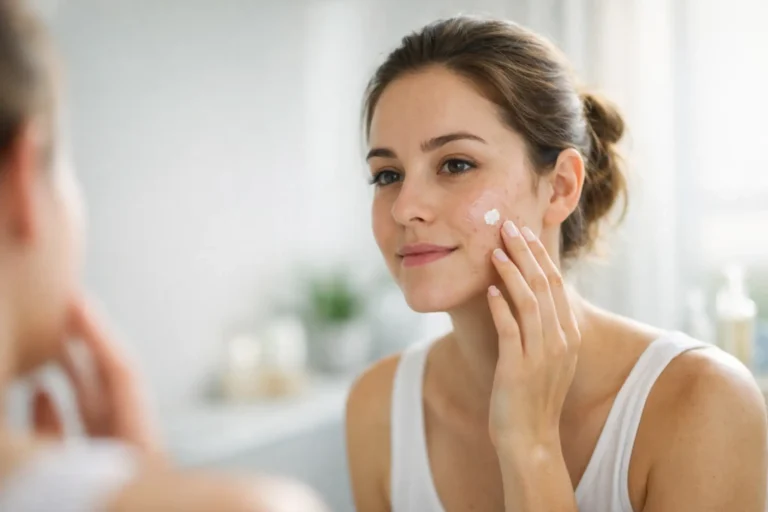
Little Bumps on Forehead: Causes, Treatment, and How to Prevent Them
If you keep noticing little bumps on forehead skin that never seem to fully go away, you are not alone. These tiny bumps can be annoying, hard to cover, and confusing to treat. Some are true acne. Others come from sweat, hair products, irritation, or even a yeast overgrowth that looks like acne. The good news is that once you figure out what kind of bumps you have, it gets much easier to choose the right treatment and avoid making them worse.
Table of Contents
Why little bumps on the forehead can be so frustrating
A quick look at why these bumps show up so often
The forehead is one of the most common places for breakouts. It has a lot of oil glands, it gets covered by hats and bangs, and it is often exposed to sweat, sunscreen, makeup, and hair products. That mix makes it easy for pores to clog or for the skin to get irritated.
Many people also notice that forehead bumps can linger longer than expected. They may not always turn into big pimples, but they can leave your skin looking rough, uneven, or constantly congested.
Why the forehead is more prone to breakouts than other areas
Your forehead is part of the T-zone, which usually makes more oil than the cheeks. More oil means a higher chance of clogged pores, especially if dead skin cells build up on the surface. Add in friction from helmets, sports headbands, or tight hats, and the risk goes up even more. That is one reason forehead acne is such a common complaint.
🔥 The 3 products dermatologists actually recommend (and yes, they work):
Stop guessing and start with what’s proven. La Roche-Posay Effaclar Duo(+) targets breakouts fast, Paula’s Choice 2% BHA Liquid Exfoliant keeps pores clear with daily use, and Hero Cosmetics Mighty Patch is the overnight fix everyone swears by. ✅ No prescription needed ✅ Affordable ✅ Backed by real clinical evidence.
What are little bumps on the forehead?
The difference between forehead acne, clogged pores, and skin irritation
Not all forehead bumps are the same. Some are closed comedones, which are tiny clogged pores under the skin. Some are inflamed acne pimples. Others are caused by irritation from products, sweat, or rubbing. There are also small itchy bumps that may be linked to yeast on the skin rather than classic acne.
What closed comedones, inflamed pimples, and rash-like bumps can look like
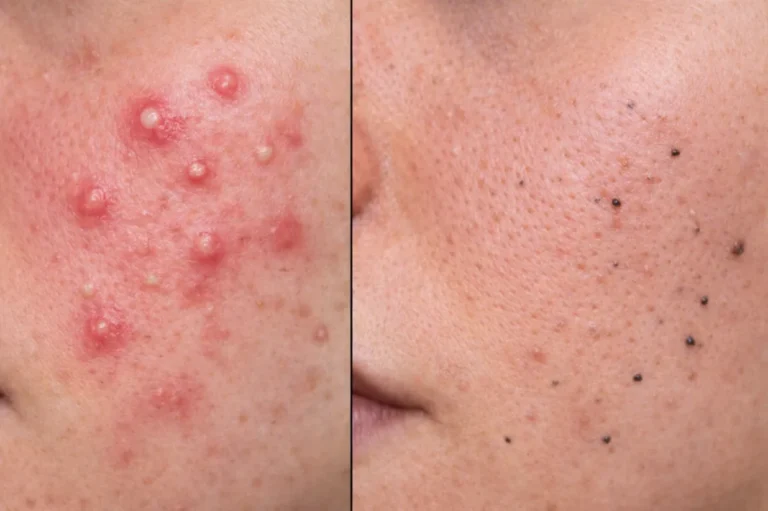
Closed comedones usually look like small flesh-colored or white bumps. They may feel rough but are often not very red or painful.
Inflamed pimples tend to be red, tender, and more noticeable. They can happen when clogged pores become irritated.
Rash-like bumps are often tiny and grouped together. They may itch more than they hurt. That pattern can point to irritation, heat rash, or a yeast-related breakout.
Why not every bump is the same problem
This matters because the wrong treatment can backfire. A strong acne product may help clogged pores but make irritated skin worse. On the other hand, treating every cluster of bumps like a rash may not help true acne at all. Knowing the difference is the first step to getting clearer skin.

What causes little bumps on the forehead?
Excess oil and clogged pores
One of the top causes of little bumps on forehead skin is clogged pores. Oil, dead skin, sunscreen, and makeup can collect inside the pore opening. When that material gets trapped, small bumps form.
Sweat, heat, and friction from hats, helmets, and bangs
Sweat can mix with oil and debris on the skin. Heat and friction can also irritate the surface and worsen breakouts. This is common if you wear baseball caps, bike helmets, headbands, or anything that presses on your forehead for long periods.
Hair products and the link between styling products and forehead acne cause
A major forehead acne cause is hair care. Pomades, oils, dry shampoo, leave-in conditioners, and styling creams can sit along the hairline and forehead. These products may clog pores or trigger irritation. If your bumps are worst near your hairline, your hair routine could be part of the problem.
Hormonal shifts and stress
Hormones can increase oil production, which raises the chance of clogged pores. Stress may also play a role by affecting inflammation and oil levels. This does not mean stress directly “causes” acne in everyone, but it can make breakouts more likely in people who are already prone to them.
Overwashing, harsh products, and damaged skin barrier
It is easy to assume that bumps mean your skin is dirty, but scrubbing harder usually does not help. In fact, over-cleansing or using harsh toners can damage your skin barrier. When that happens, your skin may become inflamed, dry, and even more breakout-prone.
Yeast-related bumps often mistaken for acne
Some people get small, itchy, uniform bumps on the forehead from an overgrowth of yeast that normally lives on the skin. This is often called “fungal acne,” though it is not true acne. It tends to flare with sweating, humidity, and occlusive products.
Why you may wonder, why am i breaking out suddenly
If you are asking, why am i breaking out suddenly, think about what recently changed. New hair products, a new workout routine, hot weather, stress, hormones, heavier sunscreen, or even a stronger skin care routine can all trigger forehead bumps. Sudden breakouts often follow a shift in products, habits, or environment.
Are your forehead bumps acne or something else?
Signs the bumps may be typical forehead acne
Your bumps may be standard forehead acne if they:
- Are mixed in size
- Include blackheads, whiteheads, or red pimples
- Feel clogged more than itchy
- Get worse with oily products or missed cleansing after sweating
Signs the bumps may be fungal acne, contact irritation, or heat rash
They may be something else if they:
- Are all about the same size
- Itch more than they hurt
- Show up suddenly after a new product
- Flare after heat and sweat
- Look more like a rash than individual pimples
When acne on the forehead appears along with acne on cheeks or jawline breakouts
If you also have acne on cheeks, your breakouts may be linked to a broader acne pattern rather than a forehead-only trigger. Cheek acne can be connected to makeup, dirty phone screens, pillowcases, or a general tendency toward clogged pores. When the forehead, cheeks, and chin are all involved, a consistent acne routine may be more helpful than only spot treating one area.
What pimples on chin meaning may suggest compared with forehead breakouts
People often search for pimples on chin meaning because chin breakouts are commonly linked with hormones. Forehead breakouts, by contrast, are more often tied to oil, sweat, hair products, and clogged pores. That does not mean hormones never affect the forehead, but the pattern can give clues about what is going on.
Common types of little bumps on the forehead
Closed comedones
These are tiny clogged pores under the skin. They often make the forehead feel rough or bumpy. They are one of the most common forms of little bumps on forehead skin.
Small inflamed pimples
These are red, swollen bumps that may hurt when touched. They often develop when clogged pores become irritated and inflamed.
Milia
Milia are tiny, firm white bumps caused by trapped keratin. They are not the same as acne. They do not usually respond to acne treatments the way clogged pores do.
Fungal-acne-like bumps
These bumps are usually small, similar in size, and sometimes itchy. They often appear after sweating or in humid weather.
Irritation bumps from products or friction
These bumps may show up after a new moisturizer, sunscreen, hair product, or anything that rubs against the skin. They can feel sore, itchy, or just unusually rough.
How to get rid of little bumps on forehead skin
Start with a gentle skin care routine
A simple routine is often the best place to start:
- Use a gentle cleanser twice a day
- Apply a light, non-comedogenic moisturizer
- Wear sunscreen every morning
- Add one acne treatment at a time
You do not need a long routine. In many cases, fewer products lead to less irritation.
Best over-the-counter ingredients to look for
Salicylic acid
Salicylic acid helps unclog pores and is especially useful for tiny bumps and blackheads. It can work well if your forehead feels rough and congested.
⭐ Standout Pick for Clogged Pores: Paula’s Choice 2% BHA Liquid
Tiny forehead bumps making your skin feel rough and congested? If clogged pores are the cause, Paula’s Choice Skin Perfecting 2% BHA Liquid Exfoliant is worth a closer look.
Its leave-on formula contains 2% salicylic acid to help remove built-up dead skin and unclog pores without abrasive scrubbing. The full-size 4 fl oz bottle is a practical option for readers who want a dedicated exfoliating step rather than another cleanser.
Introduce it gradually, follow the label, and avoid starting several strong treatments together. It is not a treatment for milia or yeast-related folliculitis, and irritated skin needs a gentler approach.
👀 Explore Paula’s Choice 2% BHA & Check Price ➜
Benzoyl peroxide
Benzoyl peroxide helps reduce acne-causing bacteria and calm inflamed pimples. It may be helpful if your bumps are red or tender, but it can also dry the skin.
Adapalene
Adapalene is a retinoid that helps prevent clogged pores and supports skin cell turnover. It is often one of the best options for recurring forehead bumps, especially closed comedones.
Azelaic acid
Azelaic acid can help with mild acne, uneven tone, and post-breakout marks. It is often a good choice if your skin is sensitive or you are dealing with both bumps and redness.
How to introduce acne treatments without making irritation worse
Go slowly. Start with one active ingredient two or three nights a week, then increase as your skin adjusts. Using several strong treatments at once can dry out the skin and make bumps look worse before they improve.
A basic example:
- Morning: gentle cleanser, moisturizer, sunscreen
- Night: gentle cleanser, treatment, moisturizer
How long it usually takes to see improvement
Most forehead bumps do not clear overnight. You may start to notice small changes in 4 to 6 weeks, but fuller improvement often takes 8 to 12 weeks. Consistency matters more than using the strongest product possible.
Simple home care tips that can help
Wash after sweating
If you work out or sweat a lot, wash your face soon after. Letting sweat sit on the skin can make bumps worse.
Keep hair and hair products off your forehead
Try to keep oily or heavy hair products away from the hairline. If you wear bangs, pin them back at home now and then to reduce contact with the skin.
Choose non-comedogenic skin care and sunscreen
Look for products labeled non-comedogenic or oil-free. These are less likely to clog pores, though no label can guarantee a product will work for every person.
👀 Looking for Daily SPF for Acne-Prone Skin? Consider EltaMD UV Clear
A forehead-care routine needs sun protection as well as targeted treatment. EltaMD UV Clear Broad-Spectrum SPF 46 is an oil-free facial sunscreen formulated for acne-prone and sensitive skin.
The untinted 1.7 oz pump is a convenient option for readers who want a dedicated facial sunscreen without added tint. Its role here is clear: daily UV protection—not clearing clogged pores or treating an unidentified rash.
Apply as directed on the label and reapply at least every two hours outdoors. Individual skin tolerance can vary, so introduce it without changing several other products at once.
☀️ Discover EltaMD UV Clear SPF 46 & Check Price ➜
Avoid picking, squeezing, and scrubbing
Picking can cause more inflammation, more bumps, and a higher chance of dark spots or scarring. Harsh scrubs can also damage your skin barrier.
Change pillowcases, hats, and headbands regularly
Anything that touches your forehead often should be kept clean. Built-up oil, sweat, and product residue can transfer back onto your skin.
A quick comparison of common forehead bump causes and what may help
Comparison table: type of bump, likely cause, common signs, and first-step treatment
| Type of bump | Likely cause | Common signs | First-step treatment |
|---|---|---|---|
| Closed comedones | Clogged pores, oil, dead skin | Tiny flesh-colored bumps, rough texture | Gentle cleanser, salicylic acid, adapalene |
| Inflamed acne pimples | Clogged pores plus inflammation | Red, tender bumps | Benzoyl peroxide, adapalene, gentle skin care |
| Fungal-acne-like bumps | Yeast overgrowth, sweat, humidity | Small same-size bumps, often itchy | Reduce occlusive products, keep skin dry, consider medical advice if it persists |
| Irritation bumps | New products, friction, overwashing | Burning, redness, itch, rash-like bumps | Stop the trigger, use bland moisturizer, simplify routine |
| Milia | Trapped keratin | Tiny firm white bumps | Do not squeeze, consider professional evaluation if they do not fade |
Mistakes that can make forehead bumps worse
Using too many active ingredients at once
It is tempting to throw everything at the problem, but layering acids, retinoids, scrubs, and spot treatments can overwhelm your skin.
Treating every bump like the same kind of acne
A clogged pore, an irritated rash, and yeast-related bumps do not always need the same approach. If treatment seems to make things worse, the original cause may be different than you thought.
Heavy pomades, oils, and leave-in products near the hairline
These products are a hidden trigger for many people. Even if your face products are acne-friendly, your hair products may still be causing problems.
Skipping moisturizer because your skin feels oily
Oily skin still needs moisture. Without it, your skin can become irritated and less able to tolerate acne treatment.
Oily Forehead but Tight, Dry-Feeling Skin? Try a Smarter Moisturizing Step ⭐
Skipping moisturizer can leave an already demanding acne routine feeling even less comfortable. La Roche-Posay Toleriane Double Repair Face Moisturizer offers a lightweight, oil-free formula with ceramide-3, niacinamide, and glycerin to hydrate and support the skin barrier.
Its fragrance-free, non-comedogenic formula makes it a useful option to consider when you want moisture without adding another exfoliating acid or acne medication.
Choose the 3.38 fl oz non-SPF version for this recommendation. It supports hydration rather than treating every type of forehead bump, and individual tolerance still matters.
See Toleriane Double Repair & Check Today’s Price ➜
Expecting overnight results
Most effective treatments need time. Stopping and switching products too quickly can make it hard to tell what is helping.
How to help prevent little bumps on the forehead
Build a simple, consistent routine
A steady routine usually beats an aggressive one. Cleanse gently, treat consistently, moisturize, and protect your skin with sunscreen.
Manage sweat and friction
If hats, helmets, or workout gear trigger breakouts, try cleaning them more often and removing them when you can. Washing your face after exercise can also help.
Watch for product triggers
Take a closer look at your shampoo, conditioner, styling cream, dry shampoo, sunscreen, and makeup. If your breakouts started after a new product, that product is worth reviewing first.
Support your skin barrier
Your skin barrier helps keep moisture in and irritation out. Use fragrance-free, gentle products when possible, and avoid over-exfoliating.
Lifestyle habits that may help reduce flare-ups
Lifestyle is not the whole story, but small habits can help:
- Try to manage stress in realistic ways
- Get enough sleep
- Remove makeup fully at night
- Avoid touching your forehead often
When home care may not be enough
Signs you should consider a dermatologist visit
You may want to see a dermatologist if:
- Your bumps are not improving after 8 to 12 weeks
- They are painful, very itchy, or spreading
- You are getting dark marks or scars
- You are not sure whether it is acne, irritation, or something else
When bumps are itchy, spreading, painful, or not improving
Itchy forehead bumps may point away from classic acne. Spreading bumps or painful deeper breakouts can also need a closer look. Some rashes, infections, or skin conditions can mimic acne and need different treatment.
Prescription treatment options a professional may discuss
Depending on what is causing the bumps, a dermatologist may suggest:
- Prescription-strength retinoids
- Topical or oral acne medications
- Anti-inflammatory treatments
- Treatment for yeast-related folliculitis
- Extraction of milia when appropriate
Why getting the right diagnosis matters
The right diagnosis saves time and frustration. This article can help you understand common causes, but it cannot diagnose your skin. If home care is not working, professional evaluation is the safest next step.
Internal linking opportunities
A guide to building a simple skincare routine for acne-prone skin
If you are not sure where to start, read our guide to building a simple skincare routine for acne-prone skin. It can help you choose the right order of products and avoid overdoing it.
How to choose non-comedogenic sunscreen for oily or breakout-prone skin
Sunscreen is important, but the wrong formula can feel heavy. Our article on how to choose non-comedogenic sunscreen for oily or breakout-prone skin can help you find lighter options that fit your routine.
Acne types explained: blackheads, whiteheads, papules, and fungal acne
Still unsure what kind of bumps you have? Our breakdown of acne types explained: blackheads, whiteheads, papules, and fungal acne can help you compare common patterns.
Final takeaway
The most important next steps if you want clearer skin and fewer forehead bumps
Little bumps on forehead skin are common, but they are not all caused by the same thing. For many people, the biggest triggers are clogged pores, oil, sweat, friction, and hair products. Start with a gentle routine, use proven over-the-counter ingredients carefully, and give your skin time to respond. If the bumps are itchy, spreading, painful, or simply not getting better, it may be time to see a dermatologist.
The sooner you match the treatment to the actual cause, the sooner you can move toward smoother, calmer skin. For your next step, explore one of the related skin care guides above and build a routine that supports clearer skin without overwhelming it.
FAQ:
FAQ
What causes little bumps on forehead skin that are not red?
Small non-red bumps are often closed comedones, also called clogged pores. They can happen when oil, dead skin, sunscreen, or hair products build up in the pores. Milia and mild irritation can also cause similar bumps.
How long does it take to get rid of little bumps on forehead breakouts?
Most treatments need time. You may see early improvement in 4 to 6 weeks, but many people need 8 to 12 weeks of steady care to see clearer skin. Switching products too fast can slow progress.
Is it safe to pop tiny forehead bumps?
No. Popping or picking can make inflammation worse and raise the chance of dark marks or scarring. It is better to use gentle treatments that help unclog the pores over time.
How can I tell if my forehead bumps are acne or fungal acne?
Typical acne often includes a mix of whiteheads, blackheads, and red pimples. Fungal-acne-like bumps are usually small, similar in size, and often itchy. If you are unsure or not improving, a dermatologist can help tell the difference.
When should I see a dermatologist for little bumps on forehead skin?
You should consider professional help if the bumps are painful, very itchy, spreading, leaving marks, or not improving after 8 to 12 weeks of home care. A dermatologist can check for acne, irritation, milia, or other skin conditions that look similar.