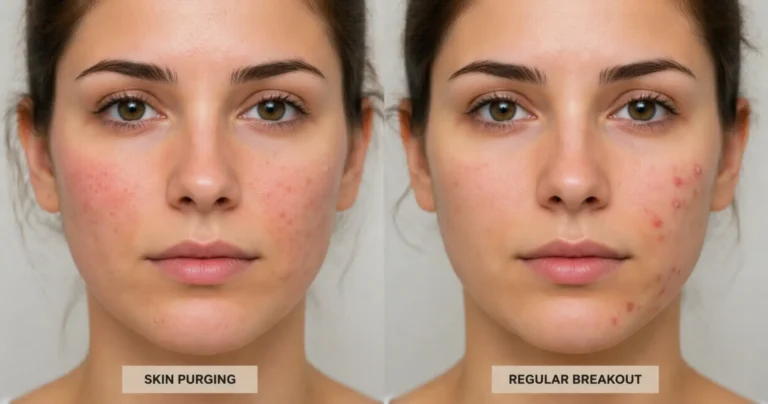
Foods That Make You Break Out: What Could Be Triggering Acne
If you feel like your skin gets worse after certain meals, you are not imagining things. For some people, foods that make you break out can play a real role in acne flare-ups. Food is not the only reason acne happens, but it can be one piece of the puzzle. The good news is that once you know what may be affecting your skin, you can make smarter choices without following a harsh or confusing diet.
Table of Contents
Why your breakouts may have more to do with food than you think
A quick look at the connection between diet and acne
For years, people were told that food had nothing to do with acne. That idea has changed. Experts now know that diet may affect acne in some people, especially when it comes to foods that raise blood sugar quickly or certain dairy products. That does not mean one candy bar causes instant pimples, but your usual eating pattern may influence how oily, inflamed, or breakout-prone your skin becomes over time.
Why food triggers are different from person to person
Your skin does not react exactly like someone else’s skin. One person may eat ice cream and notice no change, while another may get more clogged pores or painful pimples after having dairy several times a week. Hormones, stress, sleep, genetics, and skincare all affect how your body responds. That is why the goal is not to fear food. It is to learn what your own skin seems to tolerate well.
What actually causes acne?
How oil, dead skin cells, bacteria, and inflammation work together
Acne starts when pores become blocked with oil and dead skin cells. Inside that clogged pore, bacteria can grow and trigger inflammation. That can lead to whiteheads, blackheads, red bumps, pus-filled pimples, or deeper, painful spots.
When diet affects acne, it usually does so indirectly. Certain foods may increase oil production, affect hormone signals, or raise inflammation, which can make clogged pores more likely or existing acne harder to calm down.
The difference between clogged pores, pimples, and deeper cystic acne
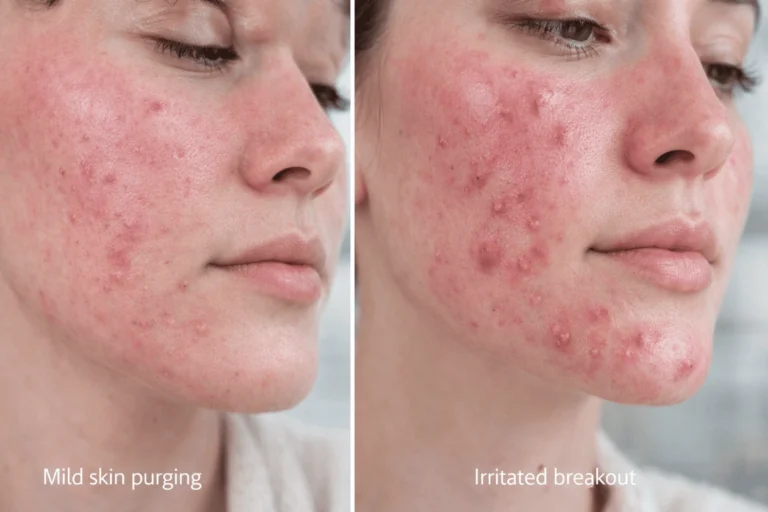
Not every breakout looks the same.
Clogged pores include blackheads and whiteheads.
Inflamed pimples are red, swollen, and sometimes tender.
Cystic acne is deeper under the skin, often painful, and more likely to leave marks or scars.
This matters because mild congestion may respond to simple home care, while deeper acne often needs stronger treatment.
Why hormones, stress, and skincare still matter too
Even if you suspect foods that make you break out, food is rarely the whole story. Hormonal shifts, stress, heavy pore-clogging products, sweating, not removing makeup, and even picking at your skin can make acne worse. It helps to look at your habits as a full picture instead of blaming every new spot on what you ate last night.
🔥 The 3 products dermatologists actually recommend (and yes, they work):
Stop guessing and start with what’s proven. La Roche-Posay Effaclar Duo(+) targets breakouts fast, Paula’s Choice 2% BHA Liquid Exfoliant keeps pores clear with daily use, and Hero Cosmetics Mighty Patch is the overnight fix everyone swears by. ✅ No prescription needed ✅ Affordable ✅ Backed by real clinical evidence.
Do foods really make you break out?
What current research suggests about diet and acne
Research suggests that some dietary patterns may worsen acne, especially diets high in refined carbohydrates, sugary drinks, and certain dairy products. There is also growing interest in the link between whey protein supplements and breakouts.
That said, food does not “cause” acne in the same way bacteria or clogged pores do. A better way to think about it is this: food may trigger or worsen acne in people who are already prone to it.
Why food is not the only cause, but can be a trigger
You may have a genetic tendency toward acne, but your daily routine can still change how strong that acne becomes. Diet may raise the chances of flare-ups, make them more inflamed, or slow the healing process. So if you have been wondering whether does sugar make you break out or could dairy cause acne, the honest answer is that it can for some people, but not for everyone.
How to tell the difference between a possible trigger and a coincidence
A breakout that appears once after a party does not prove a food trigger. Look for patterns instead.
Ask yourself:
- Do breakouts happen often after eating the same kind of food?
- Are you getting more inflamed pimples, not just one random spot?
- Does your skin improve when that food is reduced for several weeks?
Patterns matter much more than one meal.
Foods that make you break out most often
Sugary foods and drinks: does sugar make you break out?
Sugar itself is not rubbed onto your skin, but foods high in sugar can affect your body in ways that may worsen acne. Sugary drinks, candy, sweet coffee drinks, pastries, and desserts can lead to quick blood sugar spikes. Those spikes may increase hormone signals that push your skin to make more oil.
So, does sugar make you break out? It can, especially if you regularly eat a lot of highly sweetened foods and already tend to get acne.
Refined carbs and high-glycemic foods
Some foods are not obviously sweet but still raise blood sugar fast. These are often called high-glycemic foods. Common examples include:
- White bread
- Sugary cereal
- White rice
- Chips
- Crackers
- Many baked goods
- Fast food buns and fries
These foods may act a lot like sugary foods inside the body, which is why they often show up on lists of foods that make you break out.
Dairy products: could dairy cause acne?
This is one of the most common questions people ask, and for good reason. Could dairy cause acne? In some people, yes. Milk seems to get the most attention, especially skim milk. Researchers think dairy may influence hormones involved in oil production and inflammation.
Dairy does not trigger acne in everyone. Still, if your skin is stubborn and you notice breakouts around your jawline, cheeks, or chin, dairy may be worth looking at more closely.
Milk, cheese, yogurt, and the question can dairy cause spots
When people ask, can dairy cause spots, they are usually thinking about milk first. Cheese and yogurt may affect people differently. Some notice trouble with all dairy, while others mainly react to milk or protein shakes made with dairy.
Fermented dairy like yogurt may be better tolerated by some people than milk, but this is not a rule. What matters most is your own pattern.
Whey protein and workout supplements
Whey protein may be a hidden trigger, especially if you started using it around the same time your acne got worse. Whey is made from milk and may affect insulin and growth-related hormone signals in a way that can encourage breakouts in acne-prone skin.
If your skin changed after starting gym supplements, whey is one of the first things worth questioning.
Fast food and highly processed foods
Fast food tends to combine several acne-linked factors at once: refined carbs, added sugar, unhealthy fats, and low fiber. Eating it once in a while is not guaranteed to harm your skin, but a diet built around highly processed foods may make acne harder to control.
Chocolate: myth, mixed evidence, and what may really be going on
Chocolate has a messy reputation. It may not be chocolate itself in every case. The issue may be the sugar, dairy, or overall processing in some chocolate products. Dark chocolate with less sugar and no milk may affect skin differently than milk chocolate candy.
So chocolate is not always a direct villain, but the type and amount may matter.
Why these foods may affect your skin
Blood sugar spikes and increased oil production
When your blood sugar rises quickly, your body responds by releasing more insulin. That can increase signals that make oil glands more active. More oil means pores can clog more easily, especially if you are already acne-prone.
Insulin, IGF-1, and hormone-related changes
Two important players in the diet-acne conversation are insulin and IGF-1. These hormone-related signals may affect skin cell growth and oil production. Diets high in sugar and refined carbs, and sometimes dairy, may push these signals higher. That may help explain why certain foods seem to trigger breakouts in some people.
Inflammation and how it may worsen existing acne
Acne is an inflammatory condition. If your usual diet tends to support more inflammation, breakouts may look redder, angrier, and slower to heal. Food is only one part of inflammation, but it is one part you can work on.
Why some people react strongly while others do not
Genetics, hormone levels, gut health, stress, and even how sensitive your oil glands are may change how your skin responds. This is why your friend may eat pizza every weekend without trouble while your skin flares after a few days of processed food.
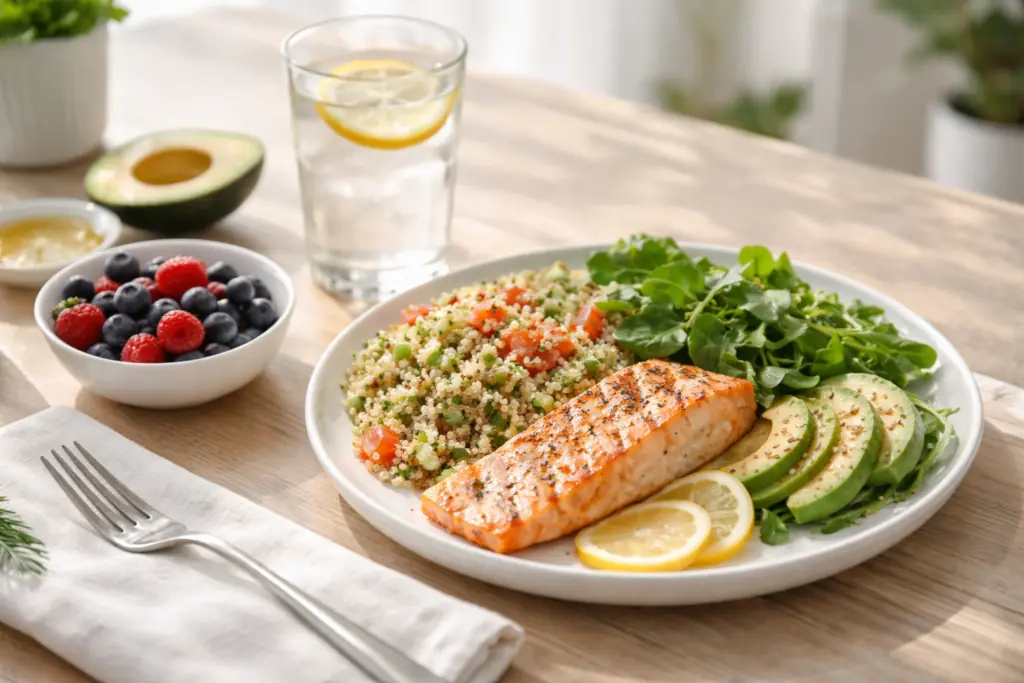
Best food for spots: what to eat more often
Foods that help spots by supporting steadier blood sugar
There is no single magic best food for spots, but there are eating patterns that are kinder to acne-prone skin. Foods that digest more slowly help keep blood sugar steadier. That may lower some of the internal signals tied to breakouts.
High-fiber foods, whole grains, beans, and legumes
Fiber helps slow digestion and supports steadier energy. Helpful choices include:
- Oats
- Quinoa
- Brown rice
- Lentils
- Chickpeas
- Black beans
- Whole grain bread with minimal added sugar
These are simple foods that help spots because they support blood sugar balance better than highly refined carbs.
Skin-friendly proteins and healthy fats
Protein helps you feel full and supports repair. Good options include:
- Eggs
- Chicken
- Turkey
- Fish
- Tofu
- Tempeh
- Beans
- Lentils
Healthy fats may also support skin health. Try:
- Avocados
- Nuts
- Seeds
- Olive oil
- Fatty fish like salmon or sardines
Fruits and vegetables rich in antioxidants
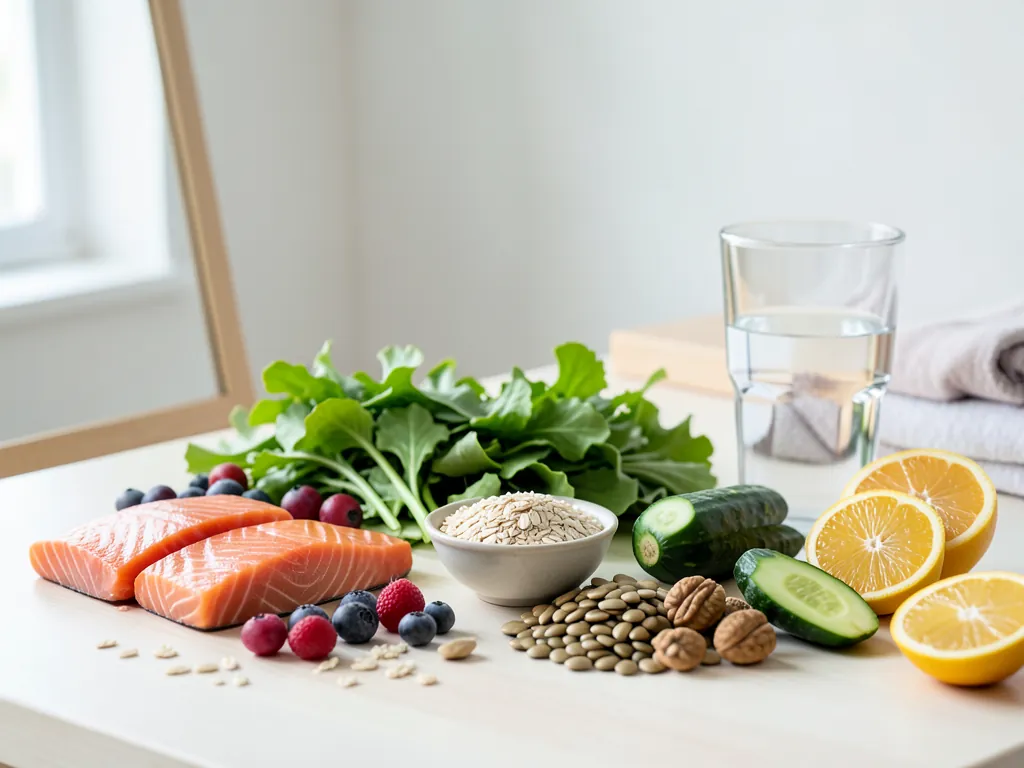
Colorful produce gives your body vitamins, minerals, and antioxidants that support overall skin health. Good options include berries, oranges, leafy greens, carrots, tomatoes, sweet potatoes, and bell peppers. These are not miracle cures, but they are smart basics if you want more foods that help spots.
Omega-3 foods and anti-inflammatory choices
Omega-3 fats may help support a calmer inflammatory response. You can get them from:
- Salmon
- Sardines
- Trout
- Chia seeds
- Flaxseeds
- Walnuts
An eating pattern that includes more anti-inflammatory foods may help your skin look calmer over time.
Water and hydration: what it can and cannot do for acne
Drinking water is good for your body and skin, but it does not flush acne away. Hydration helps support normal skin function, but it is not a direct acne treatment. Think of water as a helpful habit, not a cure.
🔥 The 3 products dermatologists actually recommend (and yes, they work):
Stop guessing and start with what’s proven. La Roche-Posay Effaclar Duo(+) targets breakouts fast, Paula’s Choice 2% BHA Liquid Exfoliant keeps pores clear with daily use, and Hero Cosmetics Mighty Patch is the overnight fix everyone swears by. ✅ No prescription needed ✅ Affordable ✅ Backed by real clinical evidence.
Foods that help spots without overcomplicating your diet
A simple acne-friendly breakfast, lunch, dinner, and snack approach
You do not need a perfect meal plan. Keep it simple.
Breakfast:
Greek-style dairy-free yogurt or oatmeal with berries and chia seeds
Lunch:
Grilled chicken or chickpea bowl with brown rice, greens, cucumbers, and olive oil
Dinner:
Salmon, roasted vegetables, and quinoa
Snack:
Apple with almond butter or carrots with hummus
This kind of pattern gives you protein, fiber, and healthier fats without leaning heavily on common trigger foods.
Easy swaps for common trigger foods
Small swaps can be easier than strict rules:
- Sugary cereal instead of oats with fruit
- Soda instead of sparkling water or unsweetened tea
- White bread instead of whole grain bread
- Whey shake instead of pea or soy protein
- Ice cream every night instead of a less sugary dessert a few times a week
You do not have to remove everything. Start with the foods you eat most often.
How to build meals that support clearer skin over time
A simple way to build meals:
- Start with protein
- Add fiber-rich carbs
- Include healthy fat
- Add a fruit or vegetable
This helps you avoid the fast blood sugar spikes that may make acne worse.
A simple way to find out if food is triggering your acne
Keep a food and skin journal
A food and skin journal can help you spot patterns you would otherwise miss. Write down:
- What you eat
- When you eat it
- Stress levels
- Sleep quality
- Menstrual cycle timing if relevant
- New breakouts and where they appear
Over a few weeks, patterns may start to show up.
How long to test one change before judging results
Skin does not change overnight. Give one food change about 4 to 6 weeks before deciding whether it helps. Acne takes time to form under the skin, so judging results after three days is usually too soon.
Why elimination should be careful, not extreme
Cutting out many foods at once makes it hard to know what actually helped. It can also lead to stress, poor nutrition, or an unhealthy relationship with food. A smarter approach is to test one likely trigger at a time.
When to consider dairy, whey, or sugary foods first
If you want to start somewhere, these are often the most practical first tests:
- Milk or dairy-heavy foods
- Whey protein supplements
- Sugary drinks
- Frequent sweets
- Refined carb-heavy meals
These are some of the most commonly discussed foods that make you break out.
Common mistakes to avoid when changing your diet for acne
Cutting out too many foods at once
This usually leads to frustration. Start small. One change is easier to track and maintain.
Expecting results overnight
Even if food is part of the problem, acne often takes weeks to improve. Be patient and consistent.
Blaming one food for every breakout
Breakouts can come from hormones, stress, sleep loss, heavy skincare products, or skin picking. Avoid turning food into the only explanation.
Replacing trigger foods with equally processed “health” foods
A “healthy” granola bar or protein snack can still be highly processed and sugary. Read labels and keep an eye on how your skin responds.
Ignoring sleep, stress, hormones, and skincare habits
You can eat well and still break out if the rest of your routine is working against you. Gentle cleansing, non-comedogenic skincare, enough sleep, and stress support all matter.
When home care may not be enough
Signs your acne may need professional evaluation
Home care may not be enough if:
- Acne is painful or deep
- You are getting scars or dark marks
- Breakouts are getting worse
- Over-the-counter products are not helping after several weeks
- Acne is affecting your confidence or mental health
When breakouts could be linked to hormones or another health issue
If your breakouts are mostly along the jawline, worsen around your period, or come with irregular cycles or excess facial hair, hormones may be playing a role. In those cases, food changes alone may not be enough.
What a dermatologist or healthcare professional may recommend
A dermatologist may suggest:
- Benzoyl peroxide
- Adapalene
- Prescription creams
- Oral antibiotics
- Hormonal treatment
- Isotretinoin for severe acne
A healthcare professional can also help you avoid unnecessary food restrictions and make a plan that is realistic and safe.
Why severe, painful, or scarring acne should not be ignored
Deep acne can leave long-term marks even after the breakout fades. Getting help earlier may reduce scarring and make treatment easier.
Practical next steps for clearer skin
Start with the most likely trigger foods
If you suspect foods that make you break out, begin with the most common patterns: sugary drinks, refined carbs, dairy, or whey protein. Choose one target and track it for several weeks.
Focus on consistency instead of perfection
You do not need a flawless diet to improve your skin. What matters more is what you do most of the time. A steady routine usually works better than strict rules you cannot keep.
Pair food changes with a simple, gentle skincare routine
Use a gentle cleanser, a light moisturizer, and non-comedogenic sunscreen. If your skin tolerates it, acne-fighting ingredients like salicylic acid, benzoyl peroxide, or adapalene may help. Food changes work best when combined with basic skincare.
Internal linking opportunities to related acne diet, skincare routine, and hormonal acne content
For readers who want to go deeper, natural next reads could include:
- a beginner’s guide to building an acne-friendly skincare routine
- how hormonal acne differs from regular breakouts
- what to eat for clearer skin on a simple weekly meal plan
If you have been trying to figure out which foods that make you break out may be affecting your skin, start with patterns, not panic. A few focused changes can tell you a lot. Pay attention, stay patient, and get professional help if your acne is painful, scarring, or not improving. Your skin does not need perfection. It needs a plan that actually fits your life.
FAQ
Can foods that make you break out cause acne right away?
Usually not right away. Acne often forms over days or weeks, so a breakout is more likely linked to your overall pattern than one single meal. Some people do notice flare-ups after certain foods, but it is best to look for repeated patterns.
How long does it take to notice skin changes after cutting out a trigger food?
Give it about 4 to 6 weeks. Skin needs time to cycle, and acne under the surface does not disappear instantly. Tracking your skin during that time gives you a more accurate picture.
Is dairy worse for acne than sugar?
It depends on the person. Some people seem more sensitive to dairy, while others break out more from sugary foods or refined carbs. If you are unsure, test one likely trigger at a time instead of removing everything at once.
What is the best food for spots if you want clearer skin naturally?
There is no single best food for spots, but meals built around fiber-rich carbs, lean protein, healthy fats, fruits, and vegetables are a strong place to start. Foods that support steady blood sugar are often more helpful than highly processed foods.
Should you stop eating entire food groups to get rid of acne?
Not unless a healthcare professional tells you to. Extreme restriction can be hard to maintain and may not help. A more balanced approach is to test one possible trigger at a time while keeping the rest of your diet varied and nutritious.