How to Get Rid of Acne Scars at Home: What Can Really Help
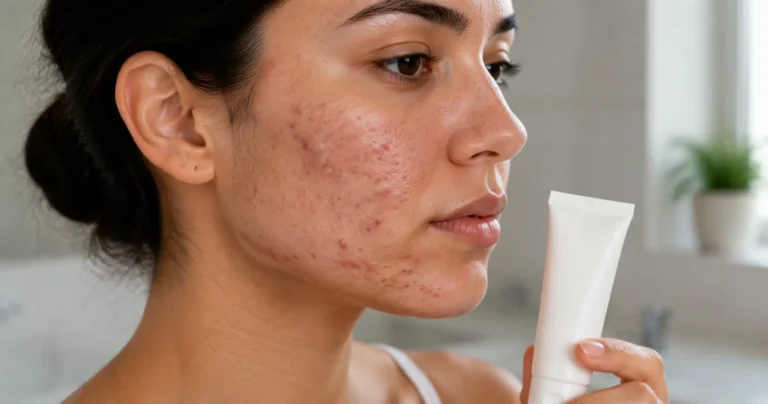
If your breakouts are gone but the reminders are still on your face, you are not alone. A lot of people look in the mirror and feel frustrated that acne seems to leave a mark long after the pimples heal. The good news is that some post-acne marks can improve at home. The harder truth is that not every scar responds the same way.
If you want to know how to get rid of acne scars at home, the first step is knowing what kind of mark you have. Dark spots and red marks often fade with time and the right routine. Deep dents in the skin usually improve more slowly and may need treatment from a dermatologist. This guide walks you through what can truly help at home, what takes patience, and where tretinoin fits in.
Table of Contents
Why acne scars can feel so hard to move past
Acne can affect more than your skin. Even after the active breakouts stop, leftover marks can keep you feeling self-conscious. That is part of why acne scars feel so discouraging. You may feel like you already did the hard part, but your skin still does not look the way you hoped.
It also gets confusing fast. Some products promise quick fixes. Some social media advice makes it sound like one ingredient can erase scars in a week. In real life, skin healing is slower than that. Home care can absolutely help in many cases, but the results depend on whether you are dealing with discoloration, texture changes, or both.
Acne scars or acne marks? Know what you are treating first
The difference between acne scars and dark spots
This is the most important part of the whole topic. Many people use the word scars to describe any mark left behind after acne, but not all of those marks are true scars.
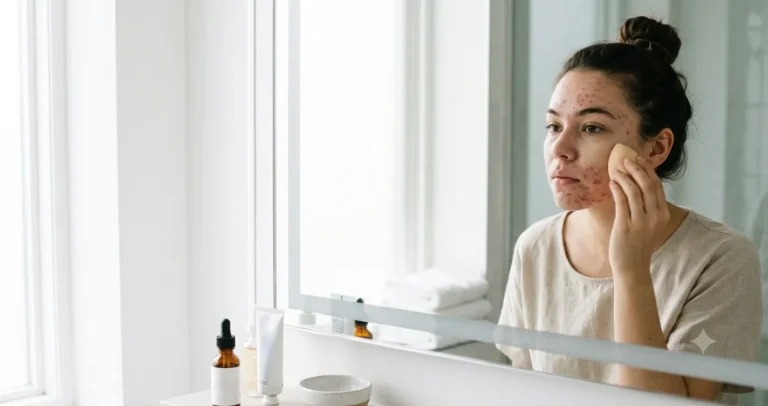
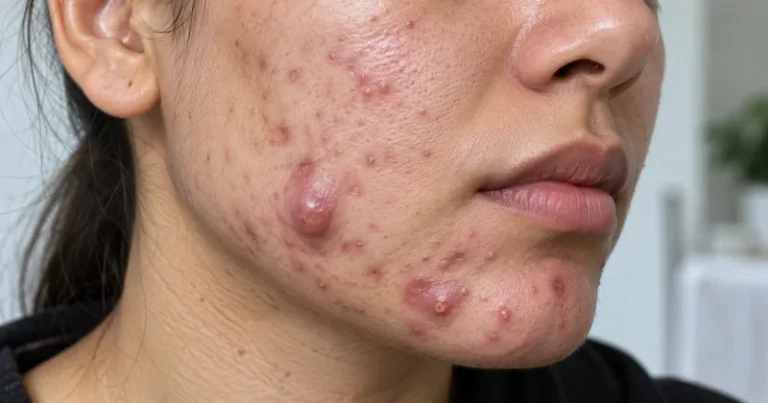
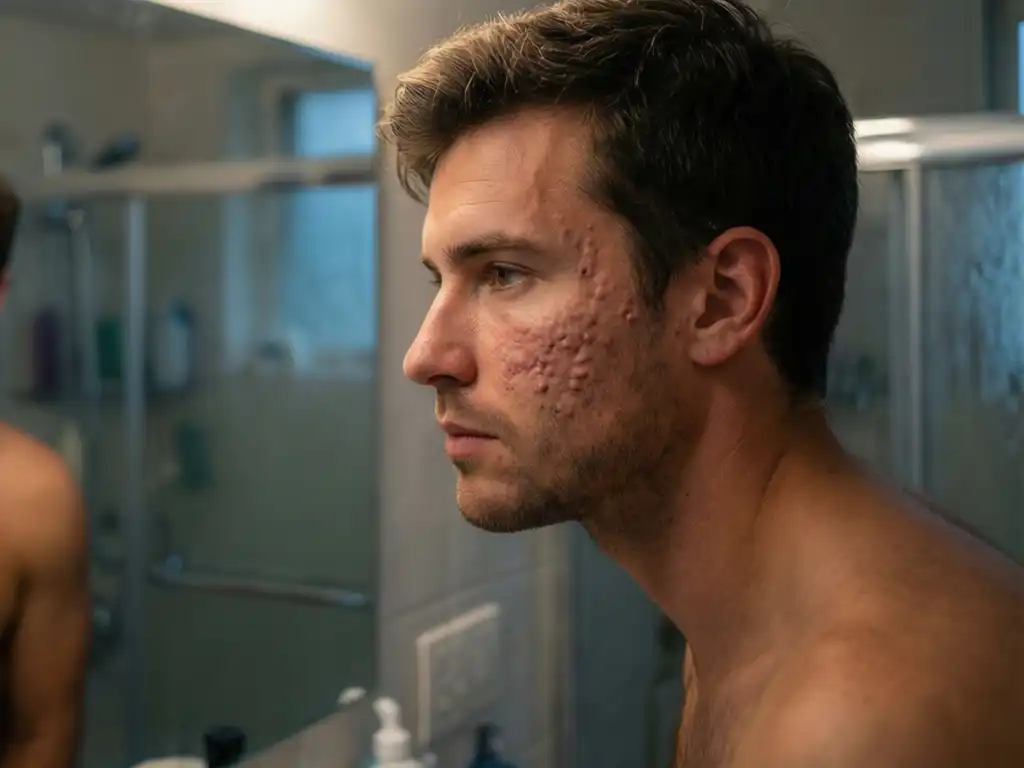
Dark brown, tan, or gray marks after a breakout are often post-inflammatory hyperpigmentation. Red or pink spots can happen too, especially in lighter skin tones. These are signs of inflammation left in the skin after acne heals. They are not the same as a scar that changes the skin’s texture.
True acne scars are changes in the skin structure. That means the skin may look indented, uneven, or raised. These usually do not fade completely with simple skin care alone.
Knowing the difference matters because it helps you choose the right goal. If you are treating dark spots, home care can often make a meaningful difference. If you are treating deep indented scars, home care may still support your skin, but you may need to adjust your expectations.
Common types of acne scars
The most common types of acne scars include:
- Ice pick scars: small, narrow, deep holes in the skin
- Boxcar scars: wider dents with clearer edges
- Rolling scars: soft, wave-like uneven texture
- Dark marks after acne: flat spots of discoloration
- Red marks after acne: flat pink or red areas after inflammation
- Raised scars: thickened areas that sit above the skin surface
Flat dark or red marks are often the most responsive to at-home treatment. Indented or raised scars are harder to treat without professional procedures.
🔥 The 3 products dermatologists actually recommend (and yes, they work):
Stop guessing and start with what’s proven. La Roche-Posay Effaclar Duo(+) targets breakouts fast, Paula’s Choice 2% BHA Liquid Exfoliant keeps pores clear with daily use, and Hero Cosmetics Mighty Patch is the overnight fix everyone swears by. ✅ No prescription needed ✅ Affordable ✅ Backed by real clinical evidence.
Can you really learn how to get rid of acne scars at home?
What home care can help with
Home care can help more than people think, but it helps in specific ways.
At home, you can often:
- Fade dark spots left behind by acne
- Reduce redness over time
- Improve overall skin tone
- Support smoother-looking skin on the surface
- Prevent new scars by controlling active breakouts early
- Protect healing skin so marks do not get darker
This is where consistency matters most. Skin usually changes slowly. The goal is not to attack your face with strong products. The goal is to help your skin heal without making it more inflamed.
What home care usually cannot do
There are also clear limits.
Home treatments usually cannot:
- Remove deep indented scars
- Flatten raised scars completely
- Deliver overnight results
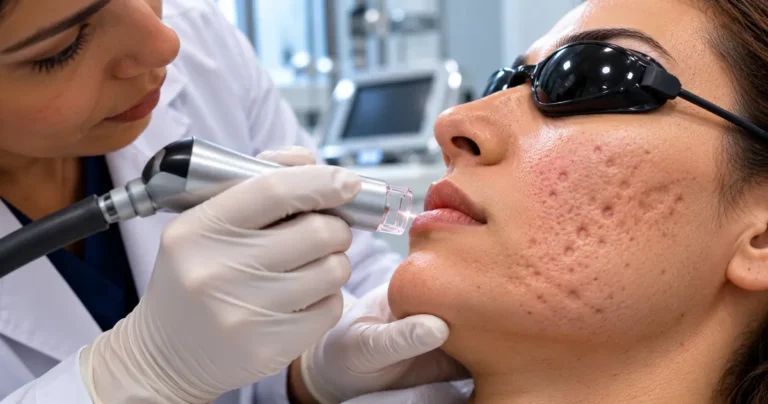
- Replace procedures like laser treatment, subcision, or microneedling for severe texture changes
So yes, you can improve certain post-acne marks at home. But if you are trying to erase deep texture changes, home care is more about support than full correction.
The home routine that gives you the best chance of improvement
Daily sunscreen is non-negotiable
If you do nothing else, wear sunscreen every day. This is one of the most important things you can do for post-acne marks.
Sun exposure can make dark spots last longer and appear deeper. Even if you are using great treatment products, skipping sunscreen can work against you. Ultraviolet light and visible light can both worsen discoloration in some people.
Look for a broad-spectrum sunscreen with SPF 30 or higher. If your skin is acne-prone, a lightweight, non-comedogenic formula usually feels better and is easier to use every day. Tinted mineral sunscreens can be especially helpful for people dealing with stubborn dark marks.
Gentle cleansing and barrier support
A gentle cleanser and a basic moisturizer may sound boring, but they are part of what makes acne scar care work. When your skin barrier is irritated, inflamed, or dry, marks can look worse and active treatments can sting more.
Choose a mild cleanser that removes oil, sunscreen, and dirt without leaving your skin tight. Follow with a moisturizer that helps seal in water and calm the skin. Ingredients like glycerin, hyaluronic acid, ceramides, and squalane can support the barrier.
Healthy skin tends to tolerate scar-fading ingredients better. That means you are more likely to stick with your routine and see results.
Don’t pick, scrub, or over-treat your skin
A lot of people accidentally make acne marks worse while trying to fix them.
Picking at pimples can push inflammation deeper, increase the chance of scarring, and leave darker marks behind. Harsh scrubs can create more irritation. Using too many acids, retinoids, and spot treatments together can damage the skin barrier and slow healing.
If you want better results, be gentler than you think you need to be.
Best at-home ingredients for acne scars and post-acne marks
Retinoids: where tretinoin fits in
Tretinoin is one of the most talked-about ingredients for acne and post-acne marks, and for good reason. It is a prescription retinoid that speeds up skin cell turnover and helps keep pores clear. That is why doctors often prescribe tretinoin for acne.
When people ask about tretinoin for acne scars, the answer depends on what kind of scar they mean. Tretinoin may help fade discoloration and improve very mild texture changes over time. It can also support collagen activity in the skin, which is why some people use tretinoin for acne scars as part of a long-term plan. But it does not erase deep indented scars at home.
So, does tretinoin help with acne scars? It can help some acne-related marks look better, especially dark spots and shallow unevenness, but it is not a quick fix for deep scars.
Tretinoin for dark spots can be helpful because it encourages old pigmented skin cells to shed and newer skin to come to the surface. The catch is that tretinoin can also cause dryness, peeling, and irritation, especially in the first several weeks. If you overuse it, you may trigger more inflammation, which can make marks look worse before your skin settles down.
A few smart rules can make tretinoin easier to use:
- Start slowly, such as two to three nights a week
- Use only a pea-sized amount for your whole face
- Apply it to fully dry skin
- Follow with moisturizer
- Wear sunscreen every morning
If you are curious about using it long term, you may also want to read our guide on how to use tretinoin safely for beginners.
Azelaic acid
Azelaic acid is a great option for people who want something that helps with both acne and discoloration. It can support a more even skin tone and may help calm inflammation. That makes it especially useful if you are dealing with active breakouts and leftover dark marks at the same time.
Many people find azelaic acid easier to tolerate than stronger exfoliants. It can still sting at first, but it is often a solid choice for sensitive or redness-prone skin.
Alpha hydroxy acids and salicylic acid
Exfoliating acids can help improve the look of post-acne marks by loosening dead skin cells on the surface.
Alpha hydroxy acids, such as glycolic acid or lactic acid, are often used to brighten dull skin and improve uneven tone. Salicylic acid is oil-soluble, so it can also help unclog pores and support acne control.
These ingredients can be useful, but they are easy to overdo. If your skin gets red, stings, or starts peeling, using more will not make it heal faster. It usually means your routine needs to be simplified.
Niacinamide and other supportive ingredients
Niacinamide is not the most dramatic ingredient, but it can still be helpful. It may support a more even-looking skin tone, reduce excess oil in some people, and strengthen the skin barrier.
Other supportive ingredients include:
- Ceramides for barrier support
- Hyaluronic acid for hydration
- Centella asiatica for soothing care
- Licorice root extract for brightening support
These ingredients are not miracle scar removers. They are helpful because calm, hydrated skin often looks better and tolerates stronger treatments more easily.
A simple step-by-step routine for morning and night
Morning routine
Your morning routine should focus on protection and calm support.
- Wash with a gentle cleanser, or rinse with water if your skin is very dry.
- Apply a treatment if you use one in the morning, such as azelaic acid or niacinamide.
- Use a lightweight moisturizer.
- Finish with broad-spectrum sunscreen SPF 30 or higher.
If dark spots are your main concern, this routine can go a long way when used daily. If your skin is sensitive, keep it very simple.
Night routine
Your night routine is where you can use treatment products more actively.
- Cleanse gently to remove sunscreen, oil, and dirt.
- Apply tretinoin or another treatment product on the nights you use it.
- Follow with moisturizer.
If you are new to retinoids or acids, do not start everything at once. Add one active ingredient at a time and give it a few weeks before deciding whether your skin can handle more.
A simple example schedule could look like this:
- Monday and Thursday: tretinoin
- Tuesday and Saturday: azelaic acid or a mild exfoliant
- Other nights: moisturizer only
That kind of slow schedule often works better than trying to do too much too soon. If you need help building the basics first, check out our guide to creating a simple skincare routine for acne-prone skin.
How to get rid of acne scars fast: what is realistic and what is not
This is the question almost everyone asks, and it makes sense. If you are searching how to get rid of acne scars fast, you probably want to know what will actually make a visible difference soon.
Here is the honest answer: flat dark marks may begin to improve within several weeks if you are consistent with sunscreen and treatment. More noticeable fading often takes a few months. Red marks may also soften over time, though the timeline varies. Deep acne scars usually do not improve fast at home.
A few things affect how quickly you may see change:
- The type of mark or scar
- Your skin tone
- Whether you still have active acne
- How consistently you use sunscreen
- How well your skin tolerates treatment
- Whether you keep picking at breakouts
So when people talk about getting rid of acne scars fast, the more realistic goal is this: stop new damage, help marks fade sooner, and avoid habits that make scars worse.
🔥 The 3 products dermatologists actually recommend (and yes, they work):
Stop guessing and start with what’s proven. La Roche-Posay Effaclar Duo(+) targets breakouts fast, Paula’s Choice 2% BHA Liquid Exfoliant keeps pores clear with daily use, and Hero Cosmetics Mighty Patch is the overnight fix everyone swears by. ✅ No prescription needed ✅ Affordable ✅ Backed by real clinical evidence.
At-home treatments compared
| Treatment | Best for | Can help with | How long results may take | Main caution |
|---|---|---|---|---|
| Sunscreen | All skin types | Preventing marks from getting darker | Ongoing daily use | Must use every day |
| Tretinoin | Acne, dark marks, mild texture concerns | Faster skin turnover and gradual fading of discoloration | Several weeks to months | Dryness, peeling, irritation |
| Azelaic acid | Dark spots, redness, acne-prone skin | Tone evening and calming inflammation | Several weeks to months | Mild stinging possible |
| AHAs or salicylic acid | Surface texture, clogged pores, mild marks | Exfoliation and brighter-looking skin | Weeks to a few months | Overuse can irritate skin |
| Niacinamide | Sensitive or easily irritated skin | Barrier support and mild tone improvement | Several weeks | Results are usually subtle |
When home care is not enough
Signs you may need a dermatologist
Sometimes the best next step is not another serum. It is getting expert help.
You may want to see a dermatologist if:
- You have deep ice pick, boxcar, or rolling scars
- You have raised scars
- Your acne keeps returning and causing new marks
- Home treatment has not helped after several months
- The scars are affecting your confidence or quality of life
You do not need to wait until your skin is “bad enough” to ask for help. If it is bothering you, that is reason enough to discuss options.
Treatments a dermatologist may discuss
For deeper texture changes, a dermatologist may recommend treatments such as:
- Microneedling
- Chemical peels
- Laser treatments
- Subcision
- Fillers for selected scars
These treatments are more targeted than home care. They also come with different costs, recovery times, and skin type considerations, so they should be personalized.
Skin care mistakes that can make acne scars look worse
A lot of frustration comes from doing things that seem helpful but actually slow progress.
Skipping sunscreen is one of the biggest mistakes. Without daily sun protection, dark spots can linger much longer.
Picking at pimples is another major problem. It increases inflammation and raises the chance of both discoloration and true scarring.
Using too many strong products at once is very common. You may think combining exfoliating acids, tretinoin, benzoyl peroxide, and scrubs will speed things up. In reality, that can leave your skin red, dry, and harder to heal.
Harsh scrubs and cleansing brushes can also irritate the skin. Acne-prone skin usually does better with gentle care.
Another mistake is expecting tretinoin to work overnight. Tretinoin for acne scars and dark spots can be helpful, but it often takes weeks before your skin adjusts and longer before fading becomes obvious.
Stopping too soon is also common. Some people quit because of early dryness or because they do not see fast improvement. Sometimes the answer is not quitting completely. It is using the product less often, moisturizing better, and giving your skin time to respond.
If dark marks are your main concern, you may also want to read our article on how to fade dark spots from acne without damaging your skin.
who are not dealing with true scars, but with leftover discoloration that needs patience and the right routine.
Final takeaway
If you have been wondering how to get rid of acne scars at home, the most important thing to know is that results depend on what you are actually treating. Dark spots and red marks often improve with a gentle routine, daily sunscreen, and proven ingredients like tretinoin, azelaic acid, or mild exfoliants. Deep indented scars usually need more than home care.
Try to think in terms of steady progress, not overnight perfection. Protect your skin, treat it gently, control active acne, and give your routine enough time to work. That approach is usually more effective than chasing quick fixes.
If you are ready to take the next step, keep learning about acne-safe skin care and choose one related guide that matches your biggest concern right now, whether that is active breakouts, tretinoin use, or fading dark spots.
FAQ:
Can acne scars really go away with home treatment?
Some can improve at home, but it depends on the type. Dark spots and red marks after acne often fade with sunscreen, gentle skin care, and ingredients like tretinoin or azelaic acid. Deep indented scars and raised scars usually do not go away fully with home treatment alone.
Does tretinoin help with acne scars?
Tretinoin can help certain acne-related marks, especially dark spots and mild uneven texture. It is also widely used as tretinoin for acne because it helps keep pores clear. It may improve the overall look of post-acne skin over time, but it will not erase deep scars quickly.
How long does it take to get rid of acne scars at home?
Flat marks may start to look better within a few weeks, but more noticeable results often take a few months. True acne scars with texture changes usually improve much more slowly and often need a dermatologist for better results.
What is the best product for dark spots left by acne?
There is no single best product for everyone, but broad-spectrum sunscreen is essential. After that, many people do well with tretinoin, azelaic acid, niacinamide, or gentle exfoliating acids. The best choice depends on your skin type, your sensitivity level, and whether you still have active acne.
What should you avoid when trying to fade acne scars at home?
Avoid picking at pimples, harsh scrubs, and using too many strong products at once. Skipping sunscreen is another big mistake because it can keep marks darker for longer. It also helps to avoid expecting fast results, since skin usually needs time to heal.