topical zinc for acne: Forms, Evidence, and What to Expect
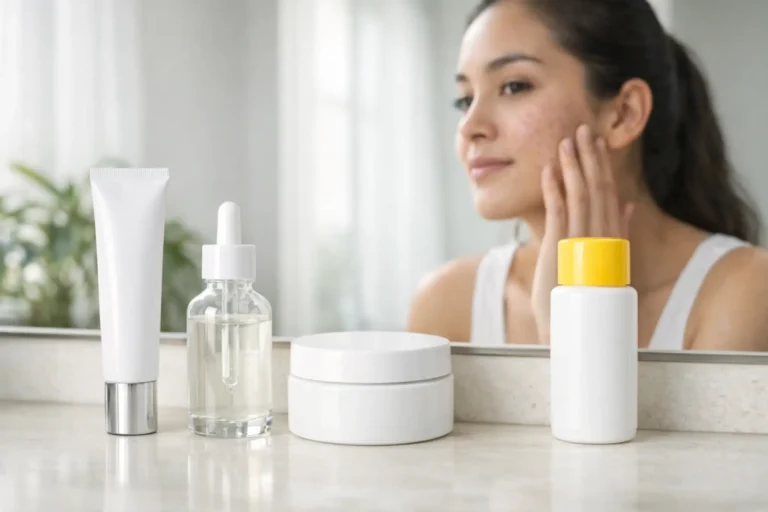
Topical zinc for acne appears in serums, creams, combination medicines, and products whose main job is sun protection. Those products are not interchangeable. The important question is which form of zinc is present, what else is in the formula, and whether evidence supports the finished product for the result you want.
Evidence for zinc applied to the skin is limited and varies by formulation. A study of an antibiotic-plus-zinc medicine does not show that zinc alone clears acne, and results from oral supplements do not establish the benefits of a zinc serum. Zinc-containing cosmetics should not delay effective care for painful or scarring acne.
Table of Contents
Topical zinc for acne: start with the form and the product’s job
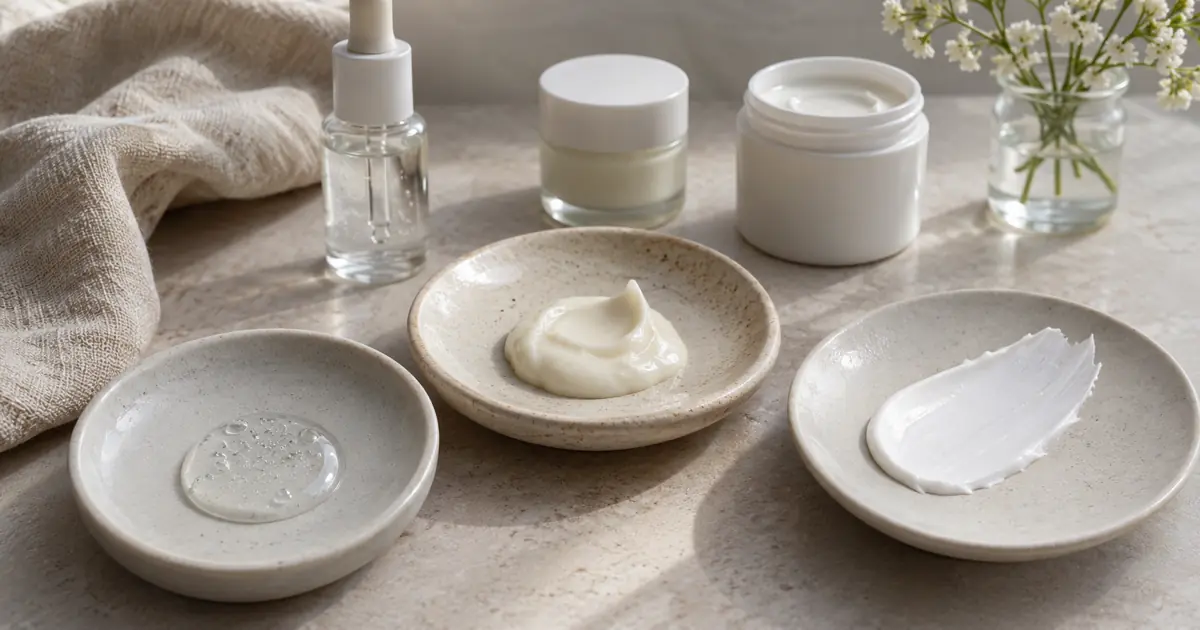
“Zinc” is not one treatment. Zinc PCA, zinc sulfate, and zinc oxide are different compounds used in different formulations. The product’s texture, accompanying ingredients, and labeled purpose can matter as much as the zinc name.
| Form or product type | Useful distinction | What not to assume |
|---|---|---|
| Zinc PCA serum | Often part of a cosmetic formula with other ingredients | That oil-control claims establish acne clearance from zinc alone |
| Zinc sulfate solution | Studied in some older topical acne research | That its results transfer to a different salt, concentration, or cream |
| Zinc oxide sunscreen | Zinc oxide can be a UV-filter active | That an SPF label makes it an acne medication |
| Zinc oxide barrier cream | Designed for a specified protective purpose | That a thick white paste is a universal facial spot treatment |
| Antibiotic-plus-zinc medicine | Contains a separate antimicrobial treatment | That the outcome isolates zinc’s contribution |
For topical zinc for acne, choose the category before judging a benefit claim. “Contains zinc” describes an ingredient, not the strength of the acne evidence or suitability for your skin.
What the evidence for topical zinc for acne actually shows
A Cochrane review of topical acne treatments identified substantial uncertainty about zinc’s effects. The underlying studies differed in treatment, comparison, and outcomes, and limitations reduced confidence in the findings. That is not proof that every zinc formula is ineffective; it means confident general promises are not justified.
One small trial compared a 5% zinc sulfate solution with a 2% tea lotion over two months in people with inflammatory acne. It did not establish zinc sulfate as a reliably effective standard treatment. It also did not test today’s zinc PCA serums or zinc oxide barrier pastes.
Treat that study as narrow evidence about particular preparations, not a recommendation to prepare a solution at home. Mixing zinc powders or other raw ingredients can create an unsuitable product and offers no assurance of stability or safe application.
Be equally careful with reviews that discuss both oral and topical zinc. The route of administration changes the question. Findings about blood zinc levels or supplement treatment cannot establish that applying zinc to a pimple produces the same outcome.
Current American Academy of Dermatology guidance identifies established acne treatment options such as benzoyl peroxide, retinoids, salicylic acid, and azelaic acid. Zinc-containing cosmetics should not be presented as equivalent substitutes merely because their marketing sounds gentler.
Zinc PCA serums: assess the complete formula
A zinc PCA serum may include niacinamide, humectants, preservatives, and other ingredients. If the manufacturer reports an improvement from that serum, the result belongs to the tested formula under its study conditions. It does not show how much benefit zinc contributed by itself.
Also separate outcomes. A reduction in the appearance of shine, a consumer rating of smoother texture, and a measured reduction in acne lesions are different findings. A cosmetic claim about pores or oiliness is not automatically an acne-treatment trial.
When considering topical zinc for acne in a serum, look for the question that was actually tested: who used it, what they applied, for how long, and what was measured. “Clinically tested” without those details cannot establish the result you should expect.
A 2020 randomized trial studied a cream combining zinc PCA, nicotinamide, and an antibacterial adhesive agent as an addition to adapalene. The comparison group also used adapalene. Although some outcomes favored the added combination, the design could not isolate zinc PCA’s contribution or establish that a retail zinc serum would reproduce it. This is useful combination-product evidence, not a zinc-alone result.
A higher percentage is not automatically a better choice. Percentages on the front label may also describe different ingredients rather than comparable amounts of elemental zinc. Avoid ranking unlike products by the largest number on the bottle.
Topical zinc for acne in creams: the base matters too
“Zinc cream” can mean a zinc oxide barrier paste, a cosmetic moisturizer with a zinc salt, or a combination medicine. Those products may have different intended uses, application areas, and instructions. Check which one you are considering before putting it on an inflamed face.
The base affects spreadability, feel, and how the formula fits your existing routine. A rich, occlusive cream may be useful for a labeled protective purpose but uncomfortable or unsuitable for a particular acne-prone area. The word “cream” alone does not establish that it clogs pores, treats acne, or suits sensitive skin.
For topical zinc for acne, evidence from one cream does not transfer to every product containing the same broad ingredient name. A medicine containing an antibiotic plus zinc cannot establish that a zinc-only moisturizer offers the same treatment effect.
Do not repurpose diaper-rash paste as a universal overnight facial mask. Its ability to protect skin in its labeled setting does not demonstrate that it clears blackheads, treats deep nodules, or prevents scarring. More coverage and longer contact are not evidence of better acne treatment.
If you need a moisturizer, you do not have to find one containing zinc. Choose a tolerable product for hydration and use a separate appropriate plan for acne when needed.
Beyond Breakouts may earn a commission from qualifying purchases at no additional cost to you. As an Amazon Associate, we earn from qualifying purchases. These optional products support basic skin care. They are not a three-product zinc treatment program.
⭐ Hydration without a zinc claim
Vanicream Daily Facial Moisturizer, 3 fl oz
You can choose a moisturizer for comfort alone. This ceramide formula contains no acne-treatment promise and need not be replaced by a zinc cream.
Check price on AmazonAffiliate link — see the Amazon Associate disclosure above.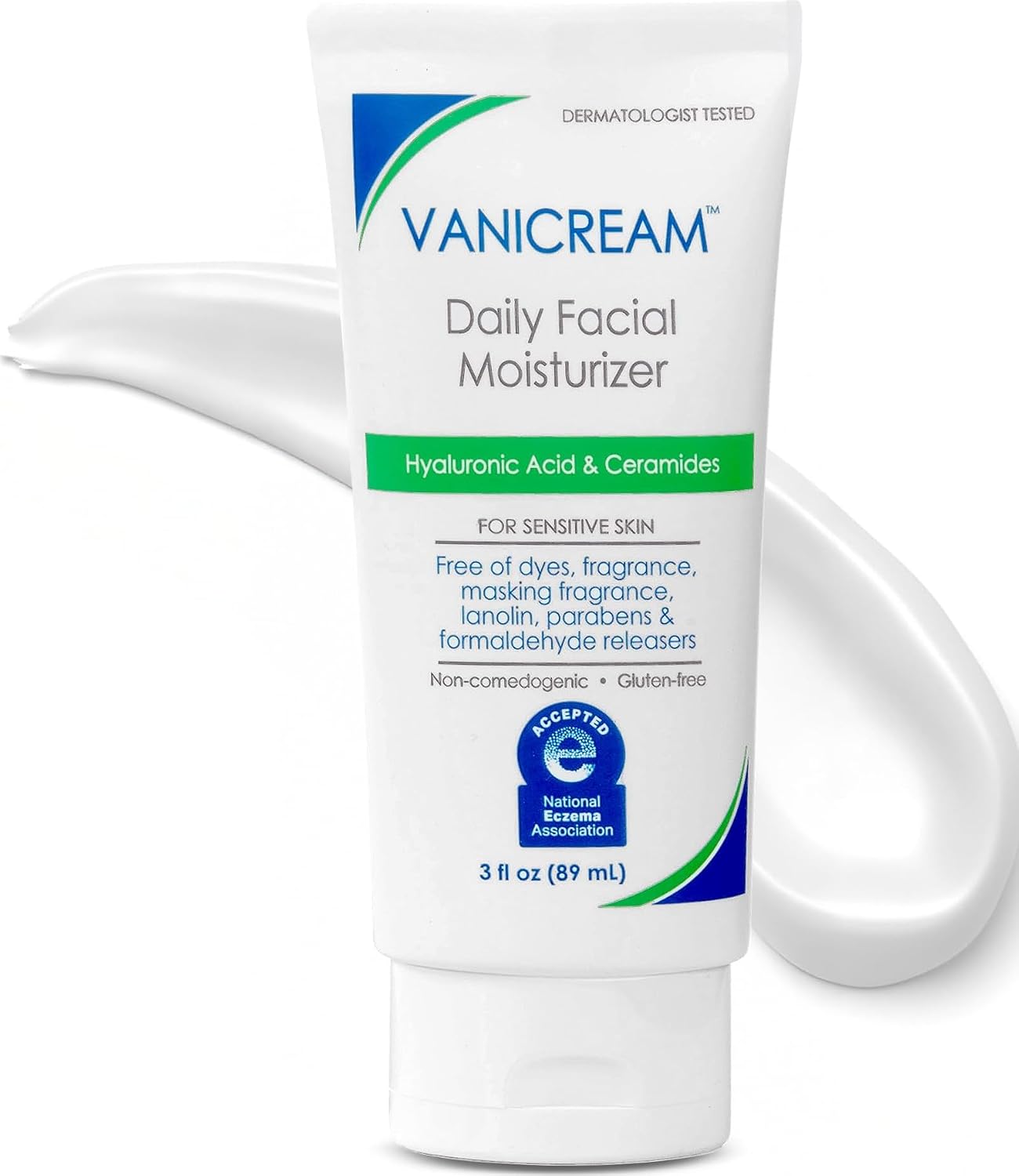
Zinc oxide: sun protection is a separate benefit
Zinc oxide is a mineral sunscreen active when included in an appropriately labeled sunscreen. Broad-spectrum protection helps protect skin from UV exposure; it does not establish an acne-clearing effect. A zinc-containing cream without an SPF label should not be assumed to provide dependable sun protection.
This distinction is useful if you are searching for topical zinc for acne while also worrying about post-breakout marks. Sunscreen can have a sensible role in daily care without being presented as the ingredient that treats the acne itself.
☀️ Zinc oxide for the right purpose
Vanicream Facial Moisturizer Broad Spectrum SPF 30, 2.5 fl oz
This product uses zinc oxide for broad-spectrum SPF 30 protection. That is a sunscreen benefit, not proof of acne clearance; it is not water resistant.
Check price on AmazonAffiliate link — see the Amazon Associate disclosure above.
Use the sunscreen’s directions and combine it with shade and protective clothing. For swimming or sweating, choose a water-resistant product rather than assuming any zinc oxide sunscreen is water resistant.
If the sunscreen feels uncomfortable, you can choose another suitable option. You do not need to tolerate a persistent rash or burning sensation to obtain zinc specifically.
Antibiotic-plus-zinc products are medicines, not ordinary serums
An acne medicine containing an antibiotic and zinc needs to be judged as a combination medicine. Its instructions, availability, and indication can differ by country. Do not buy an unfamiliar imported product on the assumption that an ingredient name makes it equivalent to a US cosmetic.
Antibiotic stewardship also matters. A clinician should decide whether an antibiotic belongs in the plan, how it should be combined with other acne care, and when it should be reviewed. Repeated unsupervised antibiotic use is not a sensible way to test whether zinc suits you.
When discussing topical zinc for acne, identify the antibiotic clearly instead of attributing all benefit to zinc. If a claim does not separate the components’ effects, the reader should not be told that zinc has been proven to deliver the entire result.
How to evaluate a product without overloading your routine
Start with your current goal and current treatment. If an established medicine is helping, adding a zinc cosmetic may bring little practical value. If the routine is already irritating, adding another serum makes the cause harder to identify.
Check the actual label for intended use, application area, directions, and warnings. Keep other products stable when introducing something new. A small-area trial can help identify some reactions but cannot guarantee that repeated full-face application will be tolerated.
A plain cleanser keeps cleansing separate from the treatment experiment. You do not need a cleanser containing zinc simply because you are evaluating a zinc product elsewhere in the routine.
👀 Cleanse without chasing more zinc
Vanicream Gentle Facial Cleanser, 8 fl oz
Your cleanser does not need to repeat the serum’s ingredient story. This gentle wash is a basic-care option, not evidence that zinc treats acne.
Check price on AmazonAffiliate link — see the Amazon Associate disclosure above.
If you decide to try a cosmetic, track a relevant result rather than a sensation. Less shine is different from fewer new inflammatory lesions, and stinging is not proof of either. Stop an irritating addition rather than continuing because an ingredient is described as calming.
There is no well-established universal time-to-clearance for topical zinc for acne. Use the product’s actual instructions and agree on a review point with a clinician when treatment is needed. Do not turn a limited trial into months of delaying care while deep lesions or scars develop.
When to choose professional assessment
Get help for painful deep acne, scarring, widespread worsening, substantial distress, or uncertainty about the diagnosis. Similar-looking bumps may have another cause, so the appearance of “acne” is not enough to choose a zinc product.
If pregnant, planning pregnancy, or treating a child, review the complete formulation and intended use with a qualified professional. A sunscreen ingredient, cosmetic serum, and antibiotic medicine require different questions; zinc alone cannot answer all of them.
For preparation, our adult acne appointment guide explains which product and medication details to bring. Our overview of building an acne-care routine can help you identify unnecessary duplicate steps.
Frequently asked questions
Does topical zinc for acne mean I have a zinc deficiency?
No. Choosing or responding to a skin product does not diagnose a nutritional deficiency. That is a separate medical question, and acne alone is not a reason to start supplements.
Can I crush a zinc tablet into moisturizer?
No. Oral tablets contain ingredients and doses not designed for topical use. A homemade mixture is not equivalent to a formulated, labeled skin product.
Can a zinc serum be useful even if it does not treat acne?
Possibly, if you tolerate it and value a supported cosmetic effect. Keep that purpose separate from acne treatment, and consider whether a product you already use meets the same goal.
Is a white cast proof that a cream has enough SPF?
No. Appearance cannot establish UV protection. Choose a labeled broad-spectrum sunscreen and follow its directions rather than judging by thickness or color.
Should I stop prescribed acne treatment to test a zinc cream?
Discuss changes with the prescriber first. Replacing an effective treatment can lead to a flare and does not provide a useful comparison if several parts of the routine change together.
Match expectations to the formula
For topical zinc for acne, ask what the exact product is designed to do and what evidence supports that use. Keep cosmetic benefits, sun protection, and acne treatment distinct. Choose professional care when acne is painful or scarring, and make an optional zinc product earn its place in your routine.
This article is educational and is not a diagnosis or a substitute for care from a qualified healthcare professional.
References
- Cochrane review — Evidence-based topical treatments for acne
- Randomized trial — Nicotinamide, antibacterial adhesive agents, and zinc PCA as adjunctive acne care
- Topical therapy trial — 2% tea lotion compared with 5% zinc sulfate solution
- American Academy of Dermatology — Acne clinical guideline
- Vanicream — Gentle Facial Cleanser
- Vanicream — Daily Facial Moisturizer
- Vanicream — Facial Moisturizer Broad Spectrum SPF 30