Pimple on Stomach: Causes, Treatment, and When to See a Doctor
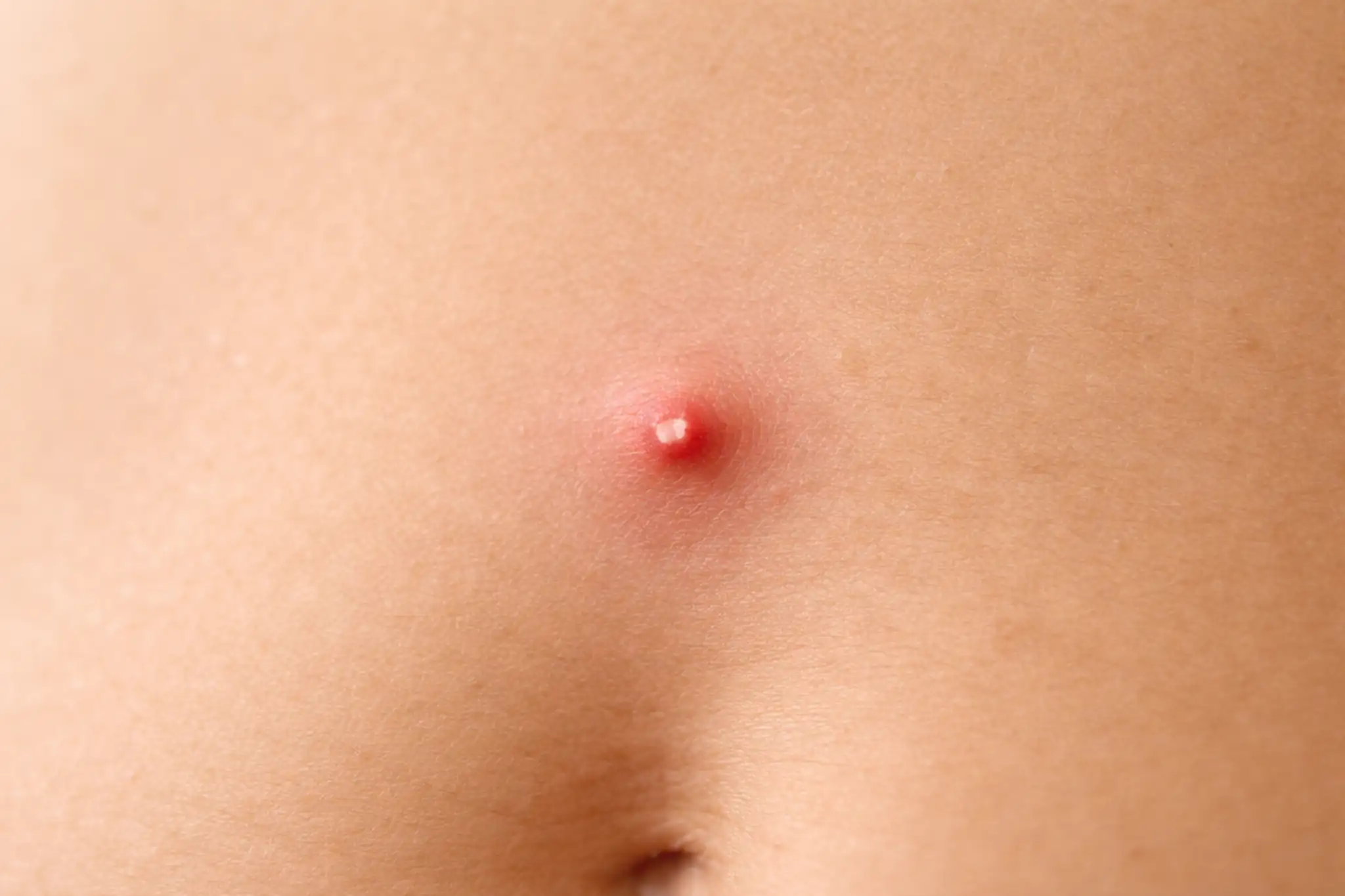
Finding a pimple on stomach skin can be confusing because the abdomen is not the first place most people associate with acne. A small red or pus-filled bump there may be acne, but it can also come from an inflamed hair follicle, an ingrown hair, or a boil. The useful first step is to look at the pattern and recent triggers rather than automatically reaching for the strongest acne treatment.
Quick answer: A pimple-like bump on the stomach can be true acne, but folliculitis, ingrown hairs, and boils are important look-alikes. Avoid squeezing or piercing the bump. Gentle care and reducing friction may be enough for a minor problem, while a worsening, spreading, very painful, recurrent, or uncertain bump deserves medical evaluation.
Table of Contents
Pimple on Stomach: Is It Actually Acne?
A true pimple on stomach skin is possible. Acne develops when hair follicles become clogged and inflamed, and the torso can be affected. Still, the stomach is less typical than oilier acne-prone areas such as the face, chest, shoulders, and back. That makes it especially important not to assume every abdominal bump is acne.
A bump fits acne better when it appears alongside familiar acne lesions such as whiteheads, blackheads, or several inflamed pimples, especially if you also break out on your chest or back. If body breakouts are part of a broader pattern, our guide to common triggers behind back breakouts explains how sweat, friction, oil, and other factors can contribute.
An isolated bump that is centered on a hair, very itchy, closely follows shaving, or becomes unusually deep and painful may point toward another explanation. Appearance alone cannot confirm the cause, so think of these clues as a way to decide what deserves conservative care versus a professional look.
What Else Can Look Like a Pimple on Your Stomach?
Several common skin problems can resemble acne on the abdomen. The differences are not always obvious, but the context around the bump can be useful.
Folliculitis
Folliculitis is inflammation of a hair follicle, often related to infection or irritation. It can appear as small pimple-like bumps around follicles and may itch, burn, or feel tender. The American Academy of Dermatology notes that shaving, tight clothing, repeated rubbing, heat, moisture, and poorly maintained hot tubs can contribute by damaging follicles or increasing exposure to germs.
If several bumps appeared after a sweaty workout, prolonged waistband friction, shaving, waxing, or hot-tub use, folliculitis becomes more relevant to consider. That does not mean you can diagnose it from those clues alone.
Beyond Breakouts also explains how folliculitis and other bumps can resemble body acne. That distinction matters because treating every follicle-centered bump as ordinary acne can lead to unnecessary irritation.
Ingrown Hair
An ingrown hair happens when a hair curves back into the skin or becomes trapped beneath the surface. The resulting inflammation can look much like a red pimple. It is especially worth considering when a pimple on stomach skin appears soon after shaving, waxing, or another form of hair removal.
Avoid digging into the skin with tweezers, needles, or your fingernails. Repeated picking can worsen inflammation, injure the skin, and increase the chance of infection or discoloration.
Boil
A boil is a deeper infection of a hair follicle. It often becomes a hard, painful lump that fills with pus, and it can be more tender and swollen than an ordinary surface pimple. The NHS advises against picking, squeezing, or piercing a boil.
A deep, increasingly painful lump should not be treated as “just a big pimple.” Warm compresses may help some boils, but recurrent boils, persistent lesions, spreading redness, or systemic symptoms need medical attention.
Other Possibilities
Not every abdominal bump fits one of these four categories. Irritant or allergic reactions, cysts, insect bites, and other skin conditions can create red or raised areas. If the lesion looks unusual, keeps returning, changes, or simply does not fit a familiar pattern, an in-person evaluation is more useful than repeatedly trying acne products.
Pimple on Stomach: A Quick Comparison of Common Causes
A pimple on stomach area is easier to think through when you compare patterns rather than focusing on one visual feature.
| Pattern | Typical clues | Common context | Reasonable first step |
|---|---|---|---|
| Acne | Whiteheads, blackheads, or inflamed pimples; may coexist with acne elsewhere | Acne-prone skin, torso breakouts | Gentle acne care if acne seems likely |
| Folliculitis | Follicle-centered bumps; may itch, burn, or feel tender | Sweat, friction, tight clothes, shaving, hot tubs | Reduce the trigger and use gentle care |
| Ingrown hair | Localized inflamed bump, sometimes with a trapped or curved hair | Shaving, waxing, plucking | Stop irritating the area and avoid digging |
| Boil | Deeper, painful, warm, pus-filled lump | Deeper follicular infection | Warm compress; seek care when indicated |
This table is not a diagnostic tool. A single pimple on stomach skin can share features with more than one condition, and a clinician may need to examine the area when the diagnosis is uncertain.
Why You May Get a Pimple on Stomach Skin
The abdomen is exposed to several everyday triggers that can irritate follicles or contribute to acne-like bumps.
Sweat, Heat, and Friction
A waistband, compression garment, tight workout clothing, or repeated rubbing can irritate skin and hair follicles. Heat and moisture add another layer: damp skin under tight clothing is more vulnerable to friction. The AAD specifically identifies tight clothing, rubbing, heat, and moisture as factors that can damage follicles and contribute to folliculitis.
If you notice a pimple on stomach area after workouts, changing out of sweaty clothing promptly and reducing repeated rubbing may help. Sweat itself should not be blamed as a single cause of acne; the more useful issue is the combination of moisture, friction, occlusion, and individual skin tendencies.
Shaving or Hair Removal
Shaving, waxing, and plucking can irritate follicles and encourage ingrown hairs. The AAD lists shaving, plucking, and waxing among common folliculitis triggers.
If bumps repeatedly appear where abdominal hair is removed, pause hair removal over the inflamed area and allow the skin to settle. Repeated passes with a razor over irritated skin can prolong the problem.
Clogged Follicles and Acne
True acne remains possible. Acne is more likely when the pimple on stomach is part of a recognizable acne pattern that includes comedones—blackheads or whiteheads—or other pimples on the torso.
For confirmed mild acne, evidence-based topical options include benzoyl peroxide and salicylic acid. The current American Academy of Dermatology acne guideline supports both ingredients as acne therapies. But these are acne treatments, not universal treatments for every abdominal bump.
Follicle Infection or Inflammation
Folliculitis starts in hair follicles and can be triggered by infection, irritation, or other causes. Mayo Clinic describes folliculitis as inflamed follicles that may first appear as small pimples around the follicle and may itch, burn, or feel tender.
Because acne and folliculitis can look similar, persistent or recurrent follicle-centered bumps are worth discussing with a dermatologist rather than escalating acne products on your own.

How to Treat a Pimple on Stomach Without Making It Worse
When you are not certain what the bump is, start with low-risk steps. The goal is to protect the skin while you watch for clues about whether it is improving, recurring, or becoming more inflamed.
Start With Gentle Care
Wash the area gently rather than scrubbing it. Keep sweaty clothing from sitting against the abdomen for long periods, and choose looser clothing when a waistband or fabric seam is rubbing the spot.
Do not squeeze, puncture, or repeatedly touch a pimple on stomach area. Picking can worsen inflammation and may increase the chance of skin injury, infection, or lingering discoloration.
If shaving or waxing seems to be the trigger, stop hair removal over the irritated area until it has settled. With suspected folliculitis, the AAD advises removing the trigger and notes that many mild cases can clear after the source of follicle damage is stopped.
⭐ Smart Choice for Gentle Cleansing: Vanicream Gentle Body Wash
Want to clean the area without reaching for another harsh scrub? Vanicream Gentle Body Wash keeps things simple with a fragrance-free, soap-free, pH-balanced formula made for sensitive skin.
Its everyday appeal is straightforward: gentle body cleansing without adding an acne medication before you know what the bump actually is. A practical pick if you want to replace a heavily fragranced body wash—not a treatment for boils or infections.
👀 Explore Vanicream & Check Price on Amazon ➜
Dry, Tight Skin After Washing? Keep This Lightweight Option in Mind ⭐
Cleansing should not leave the surrounding skin feeling uncomfortable. CeraVe Daily Moisturizing Lotion combines three essential ceramides with hyaluronic acid in a lightweight, fragrance-free formula that moisturizes and supports the skin barrier.
It is a useful addition when dry, intact skin needs moisture without a heavy-feeling cream. Choose it for hydration—not to treat the bump itself, an open wound, or a suspected infection.
See CeraVe Lotion & Check Today’s Price ➜
Warm Compresses
A clean warm compress can be useful for certain inflamed follicle bumps and boils. The AAD recommends warm compresses for folliculitis, and the NHS recommends holding a clean warm cloth against a boil.
Use comfortably warm—not scalding—water and a clean cloth. If the bump is worsening rather than improving, do not keep relying on home care indefinitely.
When an Acne Treatment May Make Sense
If the bump looks like part of a broader pattern of genuine mild acne, an over-the-counter acne active may be reasonable. Under the FDA’s OTC acne monograph, permitted concentrations include benzoyl peroxide 2.5% to 10% and salicylic acid 0.5% to 2%.
Benzoyl peroxide reduces acne-causing bacteria, while salicylic acid helps unclog pores. Both can dry or irritate the skin, so more product is not necessarily better.
If you are dealing with established body acne rather than an unidentified one-off bump, see our guide to benzoyl peroxide and salicylic acid for body acne.
Do not automatically put benzoyl peroxide, salicylic acid, retinoids, and other strong actives on the same pimple on stomach bump. If you are not reasonably sure it is acne, increasing the number of acne products may only irritate the area and delay a proper diagnosis.
👀 Established Body Acne? Consider PanOxyl Acne Creamy Wash 4%
When the problem is genuinely acne, a cleanser with a verified acne-treatment ingredient may earn its place in your routine. PanOxyl Acne Creamy Wash contains 4% benzoyl peroxide to target acne-causing bacteria in a rinse-off formula.
A standout feature is its lower benzoyl peroxide concentration compared with the brand’s 10% wash—although 4% can still cause dryness and irritation. Follow the label and avoid introducing several acne actives together.
This option is for established acne, not an unidentified stomach bump, suspected boil, or broken skin.
Check PanOxyl 4% Details & Price on Amazon ➜
What Not to Put on an Unidentified Bump
Avoid turning the spot into a home experiment. Do not pierce it with a needle, try to drain it, scrub it with abrasive tools, or repeatedly apply strong acids.
Also avoid using leftover prescription antibiotics, steroid creams, or someone else’s medication. Folliculitis can have different causes, and treatment depends on the type and severity. Mayo Clinic notes that bacterial, fungal, and other forms may require different treatments.
Can You Prevent Another Pimple on Stomach Skin?
Prevention depends on what is actually causing the bumps, but a few habits are broadly useful.
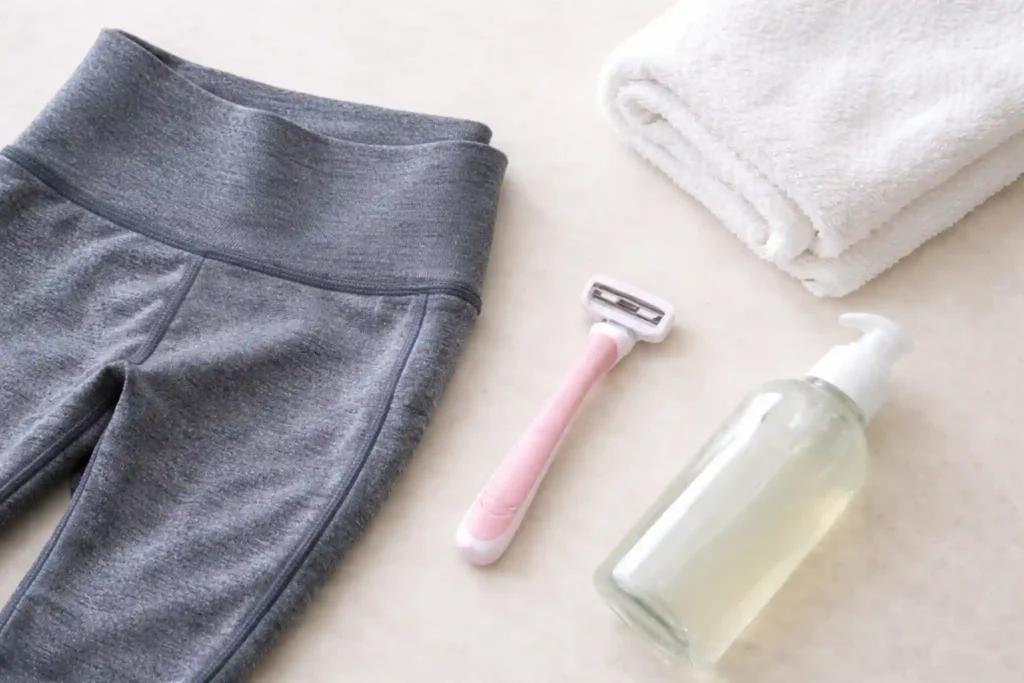
Change out of sweaty clothing after exercise, especially if a tight waistband sits over the problem area. Wash workout clothing before wearing it again, and consider looser fabrics if rubbing seems to trigger the bumps. The AAD recommends changing out of tight workout clothing and showering after exercise to help reduce folliculitis risk.
If shaving is followed by a recurring pimple on stomach pattern, review your shaving technique and avoid repeatedly shaving inflamed skin. If bumps follow hot-tub use, poorly maintained water is another clue worth considering.
For true acne, consistency matters more than aggressively changing products. If the stomach bumps keep returning despite basic measures, the next step should be confirming the diagnosis rather than endlessly rotating acne washes.
When a Pimple on Stomach Needs Medical Attention
Most minor bumps do not require emergency care, but certain patterns deserve professional evaluation.
Make a routine appointment if the pimple on stomach keeps returning, lasts despite reasonable self-care, appears as a widespread cluster, becomes significantly painful, repeatedly drains, or leaves scars. Mayo Clinic advises medical evaluation when folliculitis is widespread or symptoms do not resolve after a week or two of self-care.
Seek more urgent medical care for signs that may suggest a spreading infection, including a sudden increase in redness or pain, fever, chills, or feeling generally unwell. Mayo Clinic specifically lists these as warning signs. For boils, the NHS also advises urgent assessment when surrounding skin is hot, painful, and swollen or when the person feels hot, cold, or shivery.
If you are unsure what the lesion is, uncertainty itself is a reasonable reason to ask a healthcare professional. A photo online or a checklist cannot replace an examination when a bump is persistent, atypical, or worsening.
Frequently Asked Questions
Can acne really appear on your stomach?
Yes. Acne can occur on the torso, so a true abdominal pimple is possible. However, a pimple on stomach skin should not automatically be labeled acne because folliculitis, ingrown hairs, and boils can look similar. Blackheads, whiteheads, or a wider acne pattern elsewhere on the torso can make acne more plausible.
Why does a pimple on my stomach hurt?
Inflammation can make an acne pimple tender, but pain can also occur with folliculitis, an ingrown hair, or a deeper boil. Increasing pain, warmth, swelling, or spreading redness deserves more caution than a small stable blemish.
Can shaving cause a pimple-like bump on the stomach?
Yes. Shaving can irritate hair follicles and can contribute to folliculitis or ingrown hairs. If the bump appeared soon after shaving, stop shaving over the area temporarily and avoid picking or digging at the skin.
Should I use benzoyl peroxide on a pimple on my stomach?
Benzoyl peroxide can help genuine acne, but it is not the right answer for every pimple on stomach bump. If the lesion may be an ingrown hair, folliculitis, boil, or another condition, acne medication may not address the cause. If you are unsure, use gentle care and consider professional advice before escalating treatment.
How can I tell a boil from a stomach pimple?
A boil tends to be a deeper, hard, painful lump that fills with pus, whereas an acne pimple may be smaller and occur with other acne lesions such as blackheads or whiteheads. The distinction is not always obvious. Do not squeeze or pierce a suspected boil, and seek care if it is persistent, worsening, recurrent, or accompanied by infection warning signs.
Conclusion
A pimple on stomach skin is not automatically acne. The bump may reflect acne, folliculitis, an ingrown hair, a boil, or another skin problem, so the safest approach is to identify the pattern before choosing treatment.
Start gently: reduce friction, pause irritating hair removal, keep the area clean, and resist squeezing. If the pimple on stomach keeps returning, becomes more painful, spreads, or comes with fever or chills, get medical advice rather than trying stronger products.
Medical disclaimer: This article is for educational purposes only. It does not diagnose a skin condition or replace evaluation and care from a qualified healthcare professional.
References:
- American Academy of Dermatology — Acne-like breakouts could be folliculitis. AAD folliculitis guidance
- American Academy of Dermatology — Acne clinical guideline. AAD acne guideline
- Mayo Clinic — Folliculitis: Symptoms & causes. Mayo Clinic folliculitis guidance
- Mayo Clinic — Folliculitis: Diagnosis & treatment. Mayo Clinic treatment guidance
- NHS — Boils. NHS boil guidance
- U.S. Food and Drug Administration — OTC Monograph M006: Topical Acne Drug Products for OTC Human Use. FDA OTC acne monograph