Can Salicylic Acid Cause Acne? What You Need to Know
Starting a new acne product is supposed to help, so it can feel frustrating when your skin looks worse instead of better. Maybe you added a cleanser, toner, or serum with salicylic acid and then noticed more bumps, more redness, or a few pimples showing up all at once. That is usually when people start searching can salicylic acid cause acne and wondering if they made a mistake.
The confusing part is that salicylic acid can be helpful and still make your skin look unsettled at first. In some cases, that reaction is temporary. In other cases, it is a sign that the product is too strong, used too often, or just not a good fit for your skin. Knowing the difference can save you from quitting too early or pushing through something that is clearly irritating your face.
Table of Contents
What Is Salicylic Acid and What Does It Do for Skin?
To answer can salicylic acid cause acne, it helps to understand what salicylic acid actually does. Salicylic acid is a beta hydroxy acid, often called a BHA. It is widely used in acne skincare because it helps loosen dead skin cells and oil inside pores.
That makes salicylic acid for skin especially useful for people who deal with:
- Blackheads
- Whiteheads
- Oily skin
- Small clogged bumps
- Rough, uneven texture
Unlike some other exfoliating ingredients, salicylic acid is oil-soluble. That means it can get into oily pores more easily and help clear the buildup that leads to clogged skin. You will often find it in cleansers, toners, serums, spot treatments, and pads.
Because it helps unclog pores, salicylic acid is often used for mild to moderate acne. It can be a very useful ingredient, but it still needs to be used in a way your skin can tolerate.
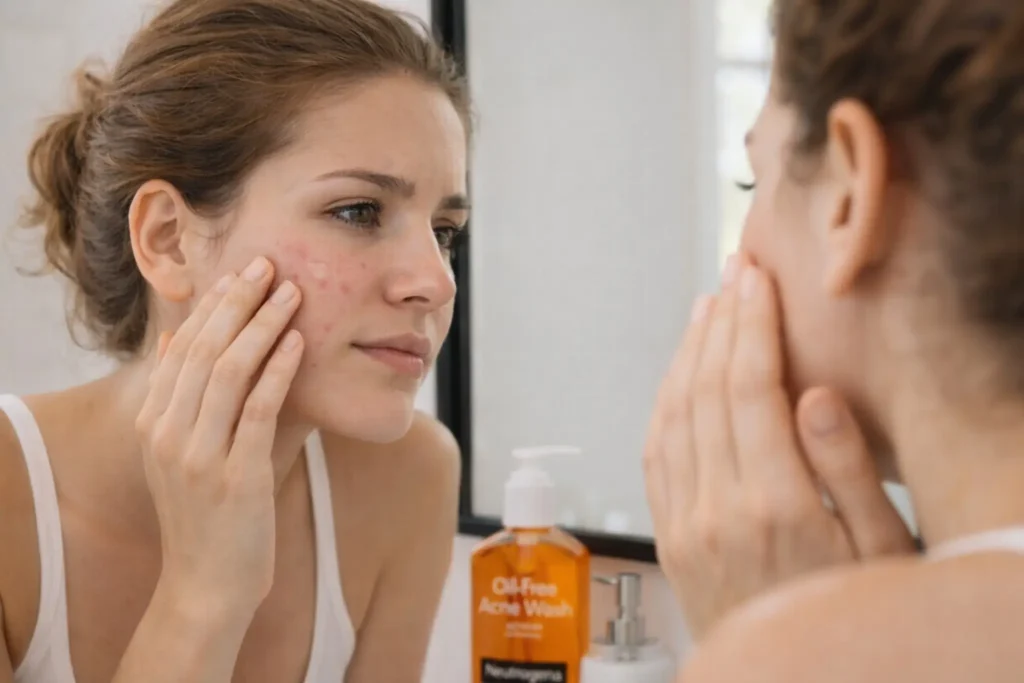
So Can Salicylic Acid Cause Acne or Just Seem Like It?
This is the real question behind can salicylic acid cause acne. In most cases, salicylic acid is not directly creating brand-new acne from nowhere. What usually happens is one of three things:
- Your skin is purging
- Your skin is irritated
- The full product formula is not working for you
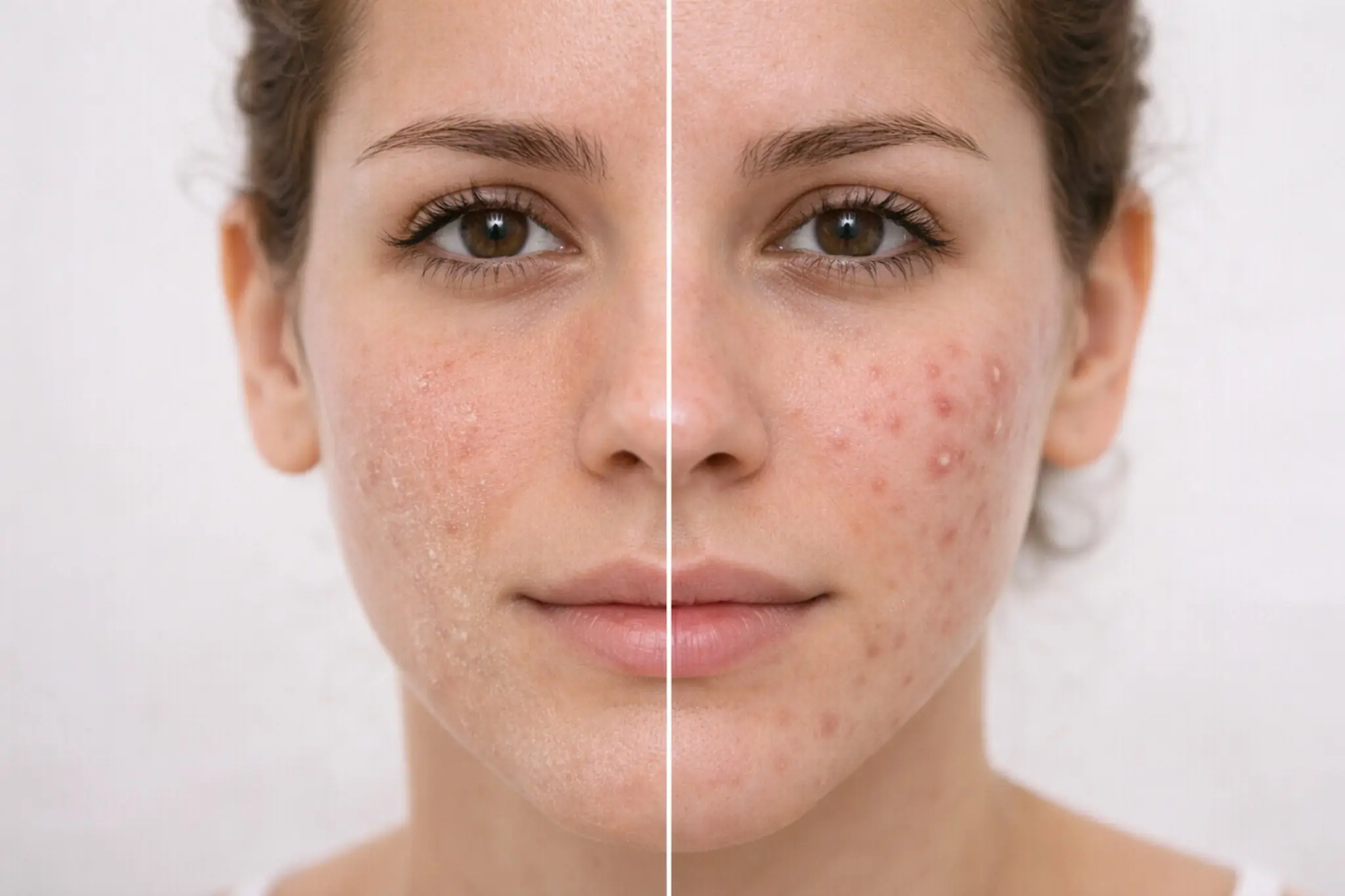
A person may start salicylic acid, then suddenly notice more visible breakouts. That can make it seem like the ingredient caused acne. But often, the ingredient is bringing already-forming clogs to the surface faster, especially in skin that was already congested.
In other cases, the product is simply too harsh. If your skin becomes dry, tight, inflamed, and angry, that irritation can make your face look worse and can trigger more bumps. That does not mean the ingredient is bad for everyone. It means the way it is being used, or the formula it is in, may not be right for you.
So when people ask can salicylic acid cause acne, the honest answer is that it can look that way, but the reason matters.
🔥 The 3 products dermatologists actually recommend (and yes, they work):
Stop guessing and start with what’s proven. La Roche-Posay Effaclar Duo(+) targets breakouts fast, Paula’s Choice 2% BHA Liquid Exfoliant keeps pores clear with daily use, and Hero Cosmetics Mighty Patch is the overnight fix everyone swears by. ✅ No prescription needed ✅ Affordable ✅ Backed by real clinical evidence.
What Is Skin Purging?
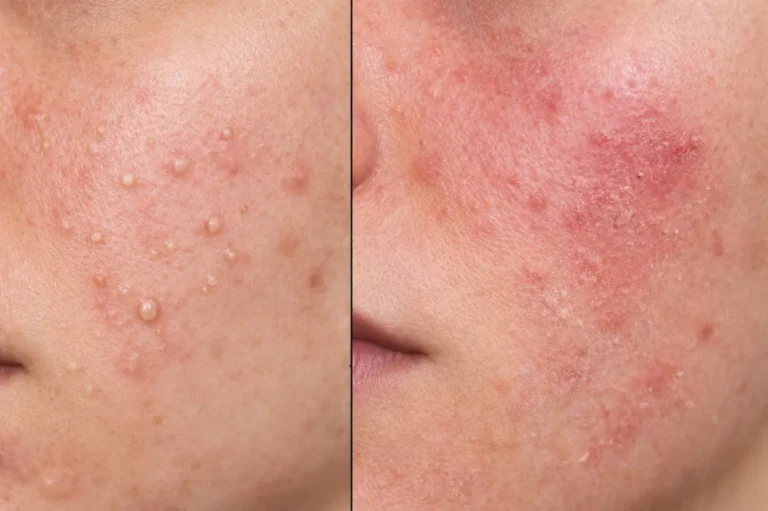
A big part of the confusion around can salicylic acid cause acne comes from skin purging. Purging happens when a product speeds up cell turnover or helps clogged pores come to the surface faster than they would have on their own.
If you already had tiny clogged pores forming under the skin, a product that clears pores more actively may make them appear sooner. That can look like a breakout spike, even though those blemishes were already on the way.
Skin purging usually shows up in areas where you already tend to break out. For example, if your chin, cheeks, or forehead are your usual acne zones, purging often appears there too.
Purging may include:
- Small whiteheads
- Tiny clogged bumps
- A temporary increase in breakouts
- Faster turnover of blemishes than usual
What purging should not look like is a full-face rash, severe burning, or entirely new breakout zones that you never had before.
Does Salicylic Acid Cause Purging?
Yes, does salicylic acid cause purging is a fair question, and the answer is that it can. Salicylic acid may trigger purging in some people because it helps clear out clogged pores and encourages existing congestion to move along faster.
That is one reason can salicylic acid cause acne is such a common search. People often use the word acne when they are really describing a short-term purge.
You may be more likely to notice purging if:
- Your skin is already very congested
- You have lots of small clogged pores
- You start using a leave-on salicylic acid product regularly
- You are using other active ingredients too
Still, not every bad reaction is purging. This is important. Sometimes people keep using a product because they think they should “push through,” when their skin is actually irritated and damaged.
Purging vs Breakout: How to Tell the Difference
If you are asking can salicylic acid cause acne, you are probably trying to figure out whether your skin is purging or whether the product is making things worse.
Signs it may be skin purging
Purging is more likely when:
- Breakouts show up in your usual acne areas
- The bumps are similar to what you normally get
- The reaction started soon after adding the product
- The flare is temporary and gradually settles
- Your skin is not severely burning or swelling
Signs it may be irritation or a regular breakout
It may not be purging if:
- You are breaking out in totally new areas
- The product burns or stings a lot
- Your skin feels tight, shiny, and overly stripped
- You see redness, peeling, or rash-like bumps
- The reaction keeps getting worse week after week
Timing matters too. Purging often happens early. A true bad reaction tends to keep building if you continue using the product.
So, can salicylic acid cause acne? Sometimes what looks like acne is really a purge. Other times it is irritation wearing an acne-like disguise.
Common Reasons Salicylic Acid Seems to Make Acne Worse
There are several practical reasons people end up searching can salicylic acid cause acne after starting a product.
Starting too often
One of the most common mistakes is using salicylic acid every day right away, sometimes twice a day, without giving the skin time to adjust.
Using too much product
More is not better. A thick layer of treatment does not clear pores faster. It often just stresses the skin.
Mixing too many acne products
If you are also using retinoids, benzoyl peroxide, scrubs, or other acids, your skin may be getting hit from too many angles at once.
Weak skin barrier
A damaged skin barrier can turn a useful ingredient into an irritating one. When the barrier is already dry or inflamed, salicylic acid may feel much harsher.
Heavy support products
Sometimes the salicylic acid is not the real issue. A heavy moisturizer, greasy sunscreen, or pore-clogging makeup may be contributing to the problem.
Wrong formula for your skin
A cleanser may work better for one person. A leave-on serum may be too strong for another. The format matters, not just the ingredient.
That is why can salicylic acid cause acne is not always the best question by itself. A better question is why your skin is reacting the way it is.
What Irritation from Salicylic Acid Looks Like
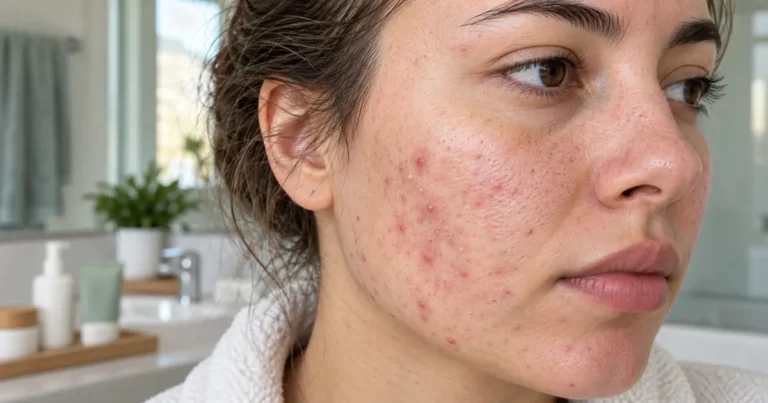
If your skin is irritated, the answer to can salicylic acid cause acne becomes more about inflammation than clogged pores. Irritated skin often looks worse and may develop bumps that feel like acne, even when the main problem is barrier damage.
Common signs of irritation include:
- Redness
- Stinging
- Burning
- Tightness
- Flaking
- Peeling
- A shiny but dehydrated look
- Tender skin that reacts to everything
When the skin barrier is damaged, your face may become inflamed and more reactive. That can make existing acne look worse and can create tiny irritated bumps that are easy to mistake for a breakout.
This is one reason people get confused. They think the product is “bringing out pimples,” when really it is stripping the skin too aggressively.
How to Start Salicylic Acid Without Making Skin Angry
If you want to avoid wondering can salicylic acid cause acne later, the best move is to start slowly. Good acne care is not about being aggressive. It is about being consistent.
Here are safer ways to begin:
- Start with one salicylic acid product, not several
- Use it two or three times a week at first
- Choose a lower-strength or gentler formula if you are sensitive
- Avoid combining it immediately with harsh scrubs or other strong acids
- Follow with moisturizer
- Wear sunscreen during the day
Patch testing also helps. Apply a small amount to one area first and see how your skin responds over a few days. That is not a perfect prediction, but it can still catch obvious irritation early.
A lot of people think strength is the main issue, but frequency matters just as much. Even a reasonable formula can feel terrible if you use it too often too soon.
How Long Should You Keep Using It Before Deciding?
When people ask can salicylic acid cause acne, what they often really want to know is how long they should wait before deciding the product is not working.
A mild adjustment period can happen in the first couple of weeks. If you are purging, the skin may look a little worse before it looks better. But that phase should not drag on endlessly.
A reasonable way to think about it is this:
- A few early breakouts in usual acne areas may be normal
- Mild dryness can happen at first
- Gradual improvement should begin to show with steady, tolerable use
- Ongoing worsening, stronger inflammation, or obvious irritation is a sign to stop or scale back
If the product continues to make your skin redder, more uncomfortable, and more broken out over time, that is not a good sign. Purging should not feel like your whole face is under attack.
So yes, can salicylic acid cause acne can seem true in the short term, but the timeline helps tell you whether it is temporary adjustment or a bad fit.
When Salicylic Acid Is Most Helpful
Salicylic acid is often a great choice when the main issue is clogged pores. If your skin is oily, bumpy, or prone to blackheads, salicylic acid for skin can be a very useful part of a routine.
It tends to work best for:
- Blackheads
- Whiteheads
- Mild acne
- Congested pores
- Oily skin
- Rough texture
- Breakouts made worse by buildup
In those cases, the answer to can salicylic acid cause acne is usually less important than whether the product is being used properly. For the right skin type, salicylic acid can help a lot.
When Salicylic Acid May Not Be the Best Choice
Salicylic acid is not ideal for everyone. If your skin is very dry, highly sensitive, or already irritated, it may be harder to tolerate.
It may also be less helpful when the main acne problem is:
- Deep inflamed pimples
- Painful cysts
- Strong hormonal breakouts
- Severe barrier damage
- Skin that reacts badly to exfoliants
In these situations, another treatment may make more sense. This is where the question can salicylic acid cause acne can lead you in the wrong direction. The real issue might be that salicylic acid is simply not the best match for your type of acne.
Benzoyl Peroxide vs Salicylic Acid: Which One Fits Your Acne?
A lot of people weighing can salicylic acid cause acne are also trying to decide between benzoyl peroxide vs salicylic acid.
Both can help acne, but they do different jobs.
Salicylic acid is often better for:
- Blackheads
- Whiteheads
- Oily skin
- Congested pores
- Mild texture issues
Benzoyl peroxide is often better for:
- Red inflamed pimples
- Active inflammatory acne
- Breakouts that feel swollen or tender
- More obvious acne-causing bacteria involvement
Here is a simple comparison:
| Feature | Salicylic Acid | Benzoyl Peroxide |
|---|---|---|
| Best for | Clogged pores, blackheads, oily skin | Red inflamed pimples |
| Main action | Unclogs pores, exfoliates | Helps reduce acne-causing bacteria and inflammation |
| Skin feel | Can be drying or tingling | Can be drying and may bleach fabric |
| Good for beginners | Often yes, if started slowly | Sometimes, but can feel stronger |
| Best acne type | Mild to moderate comedonal acne | Mild to moderate inflammatory acne |
When thinking about benzoyl peroxide vs salicylic acid, choose based on your acne pattern, not what worked for someone else.
Can You Use Benzoyl Peroxide with Salicylic Acid?
Yes, can you use benzoyl peroxide with salicylic acid is another common question, and the answer is yes, but carefully.
These ingredients can be used in the same overall routine, but for many people the combination is drying. Using both at once is more likely to irritate the skin, especially if you are just starting out.
Safer ways to combine them include:
- Use salicylic acid in a cleanser and benzoyl peroxide as a spot treatment
- Use one in the morning and one at night if your skin tolerates it
- Alternate days instead of layering both together
- Keep the rest of the routine very simple
If your skin is sensitive, do not rush into using both. The fact that can you use benzoyl peroxide with salicylic acid technically has a yes answer does not mean every skin type will like it.
🔥 The 3 products dermatologists actually recommend (and yes, they work):
Stop guessing and start with what’s proven. La Roche-Posay Effaclar Duo(+) targets breakouts fast, Paula’s Choice 2% BHA Liquid Exfoliant keeps pores clear with daily use, and Hero Cosmetics Mighty Patch is the overnight fix everyone swears by. ✅ No prescription needed ✅ Affordable ✅ Backed by real clinical evidence.
Best Ways to Use Salicylic Acid in a Routine
The best routine depends on how reactive your skin is. If you are new to the ingredient and worried about can salicylic acid cause acne, start with the easiest version to tolerate.
Cleanser option
A salicylic acid cleanser can be a gentle starting point because it does not stay on the skin as long as a serum.
Leave-on option
A leave-on treatment may work better for clogged pores, but it is also more likely to irritate if overused.
Morning or night
Many people prefer using salicylic acid at night, especially if they are testing tolerance. If you use it during the day, sunscreen matters even more.
Simple beginner routine
A simple routine may look like this:
Morning
- Gentle cleanser
- Moisturizer
- Sunscreen
Night
- Gentle cleanser
- Salicylic acid product a few nights a week
- Moisturizer
That kind of routine lowers the chance that you will end up asking can salicylic acid cause acne because you overloaded your skin.
Mistakes That Make Salicylic Acid Harder to Tolerate
Some skincare habits make salicylic acid much harder to handle.
Common mistakes include:
- Using physical scrubs alongside it
- Adding multiple acids too quickly
- Skipping moisturizer
- Using strong acne spot treatments at the same time
- Picking at purging skin
- Expecting overnight results
- Applying it to already irritated or broken skin
These mistakes can turn a helpful ingredient into a problem. When that happens, people often blame salicylic acid itself, even though the bigger issue was how the routine was built.
So if you are still wondering can salicylic acid cause acne, look at the full picture. It is often the routine, not just the ingredient.
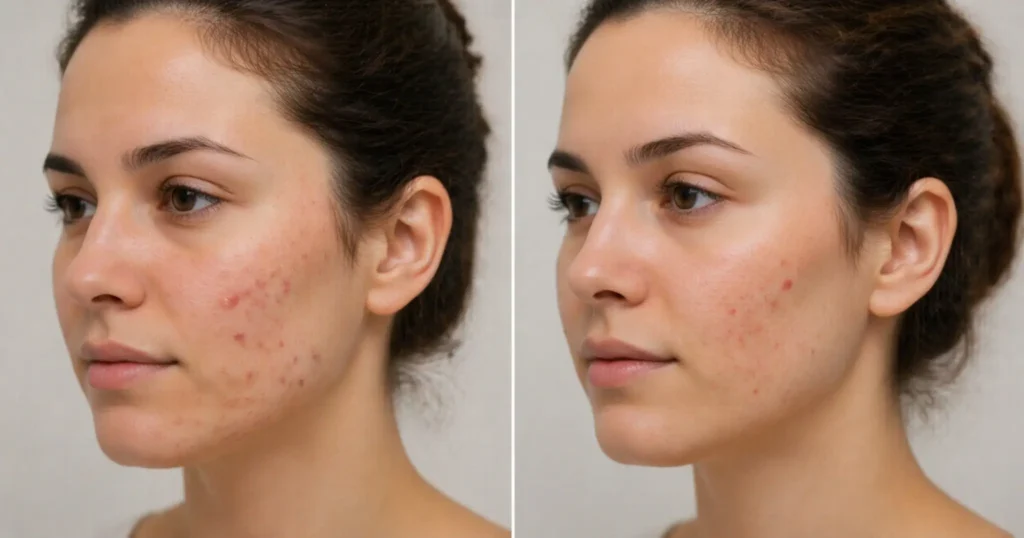
When to Stop Using Salicylic Acid and Get Help
There are times when you should stop trying to “make it work.” If your skin is clearly reacting badly, it is better to pause than to keep pushing through.
Stop and get advice if you notice:
- Severe burning
- Rash-like irritation
- Swelling
- Cracked or raw skin
- Breakouts in unusual areas
- Ongoing worsening with no sign of settling
- Deep painful acne that is not responding
At that point, the question can salicylic acid cause acne is less important than protecting your skin barrier and getting the right treatment plan. A dermatologist can help figure out whether you are dealing with purging, irritation, acne, or another skin issue entirely.
Conclusion
So, can salicylic acid cause acne? Usually, not in the way people first think. Salicylic acid does not normally create acne from scratch, but it can seem to make acne worse when your skin is purging, irritated, or reacting to a product that is too strong for you.
The smartest approach is to go slow, pay attention to where and how your skin reacts, and avoid loading your routine with too many actives at once. If salicylic acid fits your skin, it can be very useful. If it does not, that does not mean you failed. It just means your skin needs a different plan.
FAQ
1. Can salicylic acid cause acne when you first start using it?
Yes, can salicylic acid cause acne can seem true at first because some people experience skin purging. That can bring already-forming clogged pores to the surface faster, especially in areas where you usually break out.
2. How do I know if salicylic acid is purging my skin or just breaking me out?
Purging usually happens in your usual acne areas and settles over time. A bad reaction is more likely if you are breaking out in new places, feeling burning or stinging, or seeing ongoing irritation instead of gradual improvement.
3. Does salicylic acid cause purging for everyone?
No. Does salicylic acid cause purging in some people? Yes. But not everyone will purge. Some people adjust smoothly, while others may get irritation instead, especially if they start too strong or use it too often.
4. Can you use benzoyl peroxide with salicylic acid in the same routine?
Yes, can you use benzoyl peroxide with salicylic acid has a yes answer, but the combination can be drying. Many people do better spacing them out, alternating them, or using one as a cleanser and the other as a spot treatment.
5. When should I stop using salicylic acid?
Stop if your skin is burning, swelling, cracking, or breaking out worse in unusual areas. If the reaction keeps getting stronger instead of settling, the product may be irritating your skin rather than helping it.