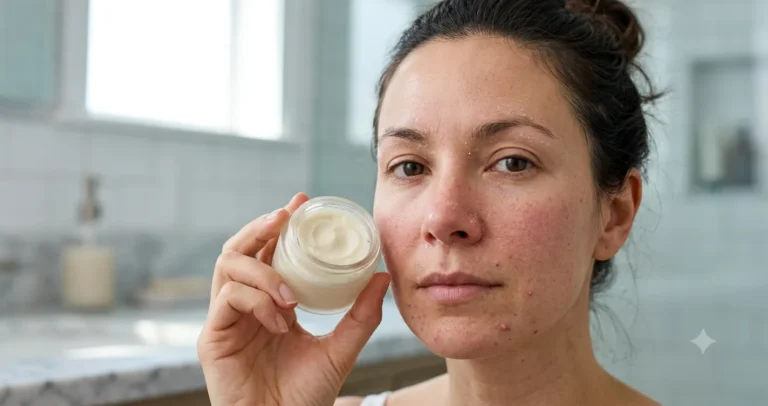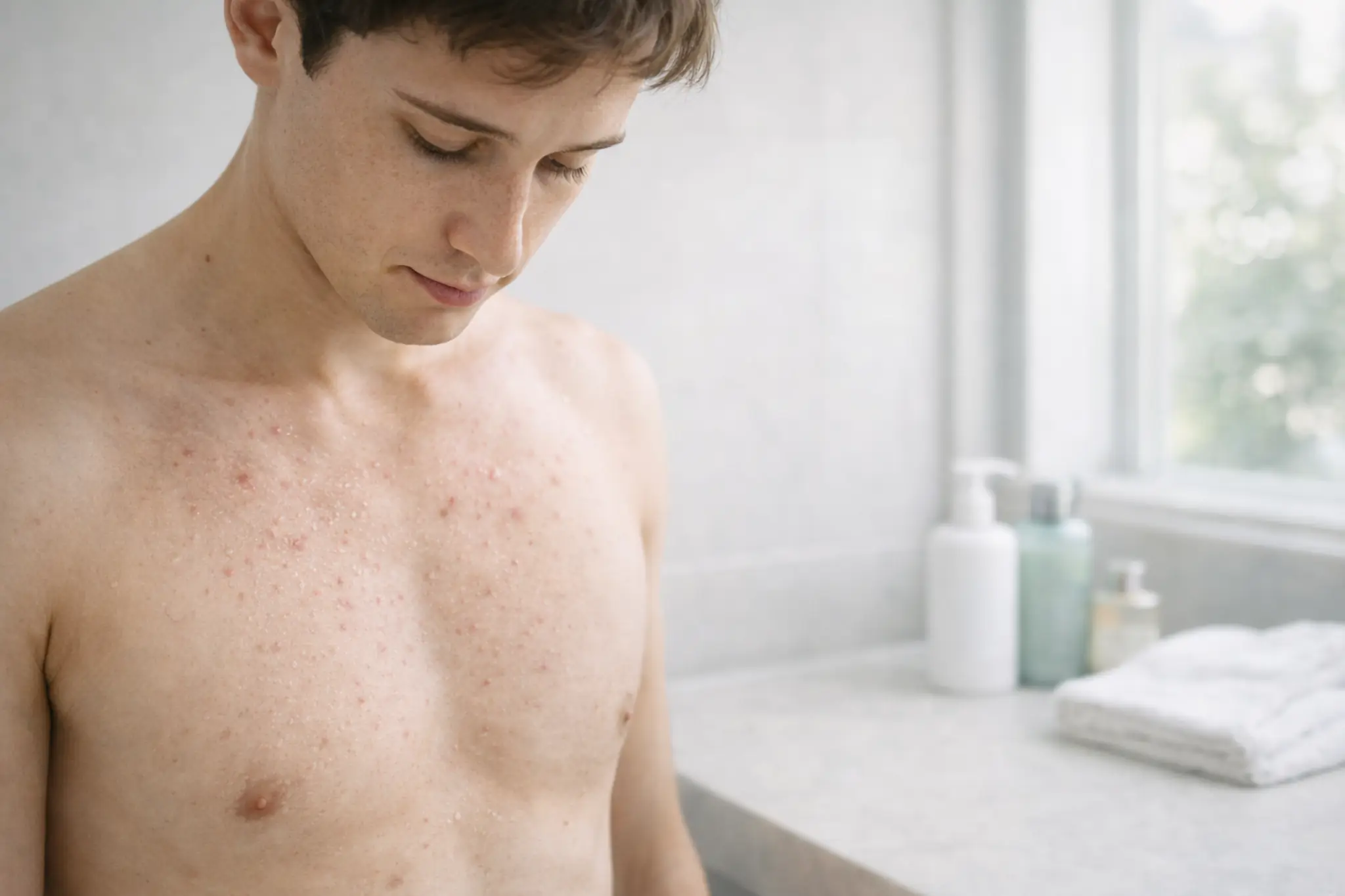
Why is my chest breaking out? explore possible causes and treatment options
Chest breakouts can feel surprisingly stressful. They show up where clothing rubs, where sweat sits, and where you may not expect acne to be a long-term problem. If you have been asking yourself why is my chest breaking out, you are not alone. Acne on the chest is common, and it can happen even if you wash regularly and try to take good care of your skin.
The reason chest acne feels confusing is that it often has more than one trigger. Oil, dead skin cells, sweat, friction, hormones, and product residue can all play a part. On top of that, not every bump on the chest is acne, so the best fix depends on knowing what you are actually dealing with.
If you are wondering why is my chest breaking out, the short answer is this: your pores may be getting blocked and irritated by a mix of oil, sweat, heat, friction, and inflammation. A good treatment plan usually focuses on gentle cleansing, proven acne ingredients, less rubbing from clothing, and figuring out whether the bumps are truly acne or another skin condition.
Table of Contents
What does chest acne look like?
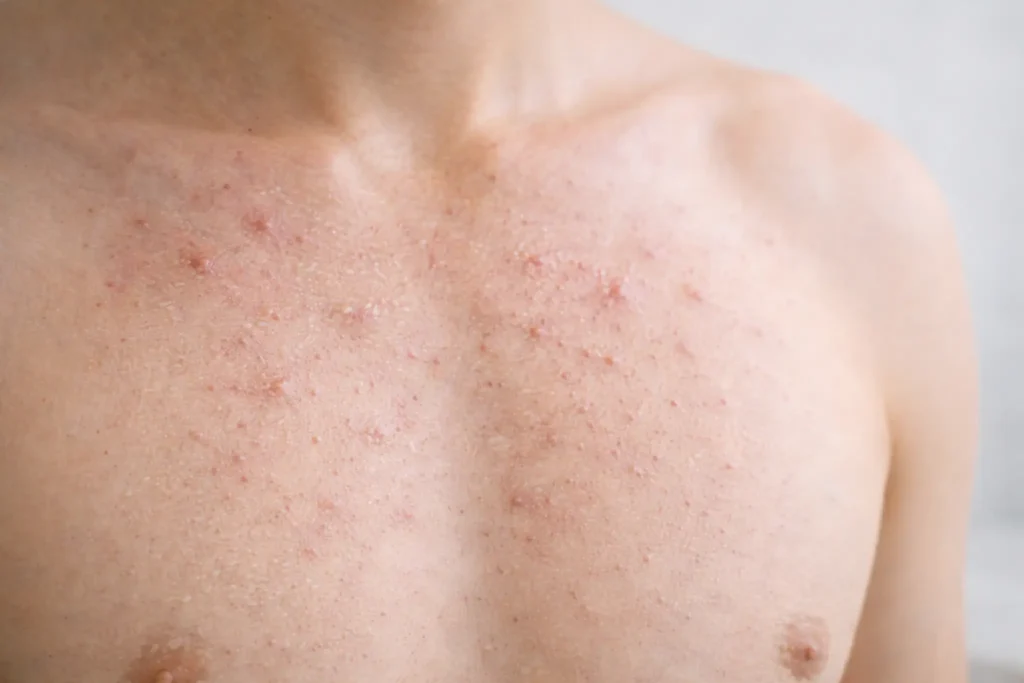
Chest acne can show up in a few different ways. You may see small rough bumps, whiteheads, blackheads, red pimples, or larger inflamed spots that feel sore when clothing brushes against them. Some people mostly get scattered pimples, while others develop more persistent breakouts across the upper chest, collarbone area, or between the breasts.
The type of bump matters. Small clogged pores usually point to milder acne, while deeper painful bumps can suggest more inflammation and a higher chance of marks or scars. If you are asking why is my chest breaking out over and over, notice whether the bumps are occasional or part of a repeating pattern. Acne that keeps returning in the same zones often has ongoing triggers behind it.
Why is my chest breaking out even if I shower every day?
A lot of people assume acne means dirty skin, but acne is not simply a hygiene problem. It happens when hair follicles get plugged with oil and dead skin cells, then become inflamed. Showering helps remove sweat and surface buildup, but it cannot fully stop acne if your pores are still clogging or your skin is getting irritated day after day.
The chest is also an area that stays covered for long stretches of time. Heat, sweat, sports bras, tight shirts, seat belts, and even sunscreen or hair products can sit against the skin for hours. So if you keep asking why is my chest breaking out even though you shower, the answer may be less about washing and more about what stays on your skin between showers.
What causes chest breakouts?
At the center of acne is a clogged follicle. The skin produces oil, dead skin cells collect, the follicle opening gets blocked, and inflammation follows. Once that happens, you can get whiteheads, blackheads, papules, pustules, or deeper nodules. This same process affects the face, back, shoulders, and chest.
If you are trying to answer why is my chest breaking out, the most common causes include:
- Extra oil production
- Dead skin cells that stay trapped in pores
- Sweat and trapped heat
- Friction from bras, tight tops, or straps
- Heavy lotions, sunscreens, or hair products
- Hormonal changes
- Family history and naturally acne-prone skin
Stress can also make acne feel worse in some people, especially if it lines up with hormonal flares or changes in routine. The goal is not to find one perfect cause every time. In many cases, chest acne happens because several smaller triggers are stacking up at the same time.
Can workouts be making your chest break out?
Yes, workouts can absolutely play a role. Exercise itself is not bad for your skin, but the sweat, heat, and friction that come with it can make breakouts more likely. Tight athletic tops, sports bras, and compression clothing hold moisture close to the skin and may rub the same areas repeatedly.
This is one reason some people suddenly start wondering why is my chest breaking out after changing their gym routine. You might be doing everything right for your health and still see more bumps because your skin is spending more time in sweaty, tight fabric. That pattern can also happen with hiking gear, uniform tops, or anything that traps heat and rubs the chest.
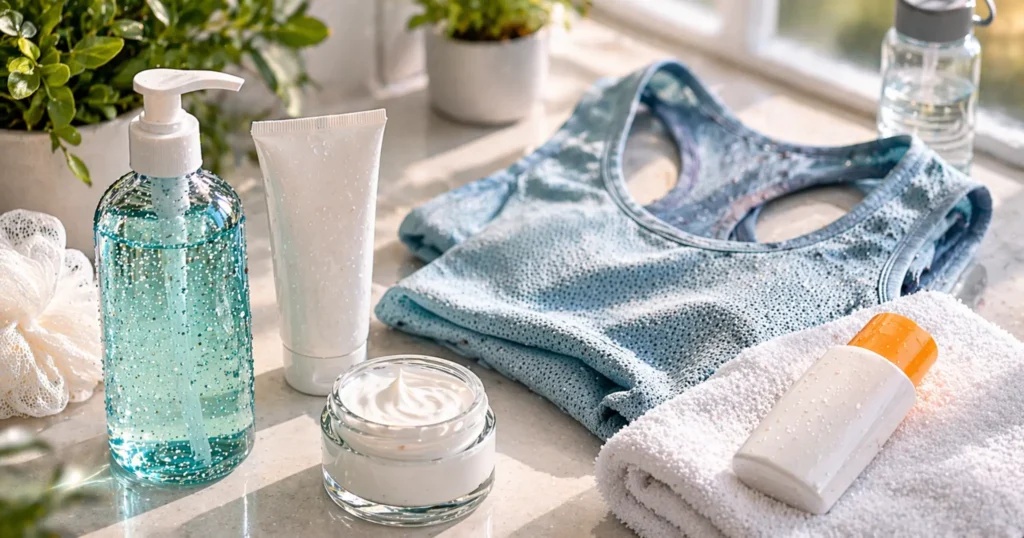
A few simple habits can help. Shower after sweating when you can, change out of damp clothing quickly, and wash workout wear often. If the problem seems linked to friction, looser and more breathable fabrics may help reduce flare-ups.
Why do chest and back breakouts happen together?
The chest and back often break out for the same reasons. Both areas have oil glands, both are usually covered by clothing, and both deal with sweat, heat, and friction more than the face does. That is why people who ask why is my chest breaking out often also ask why do I have back acne at the same time.
Shared triggers include tight workout clothes, delayed showering after exercise, product residue from shampoo or conditioner, heavy body lotions, and naturally oily or acne-prone skin. If your chest and back flare together, it usually points to a broader body acne pattern rather than two separate problems.
This is also where questions like what causes zits on back and chest start to overlap. In real life, the answer is often the same routine problem repeated across two areas: trapped sweat, irritation, or a product that keeps touching both zones. When that is the case, a simple body-acne routine can help both places at once.
🧼 Dealing with red, inflamed chest breakouts?
PanOxyl Acne Creamy Wash contains 4% benzoyl peroxide and can be used on acne-prone areas such as the face, chest, and back.
✅ Helps treat inflamed acne
✅ Creamy 4% benzoyl peroxide formula
✅ Convenient two-pack for regular body use
Benzoyl peroxide may cause dryness and bleach towels or clothing, so follow the directions, rinse thoroughly, and introduce it gradually.
👉 Check the PanOxyl 4% Creamy Wash Two-Pack on Amazon
Chest acne or something else?
Not every chest rash or bump is acne. That matters because the wrong treatment can waste time and irritate your skin more.
Chest acne vs folliculitis
Folliculitis is inflammation of the hair follicles, and it can look a lot like acne at first. The bumps may be more uniform in size, more itchy, or centered around hair follicles. If the bumps are very similar-looking and feel more itchy than sore, folliculitis becomes more likely. This is an inference based on common dermatology descriptions of acne and folliculitis.
Chest acne vs heat rash
Heat rash usually comes on faster and is more tightly linked to hot, humid conditions. It may sting or itch and often shows up after heavy sweating. Acne tends to linger longer, recur in familiar spots, and include true clogged pores like whiteheads or blackheads.
Chest acne vs contact irritation or product reactions
Sometimes the issue is skin irritation from a product rather than acne. Fragrance-heavy lotions, body sprays, laundry products, or certain sunscreens can bother the skin and create small red bumps or irritation. If the timing lines up with a new product, that clue matters.
Why the right diagnosis matters
If you have been treating your skin like acne for weeks and nothing is improving, it is worth stepping back. An accurate diagnosis can save you from over-scrubbing, over-treating, or using strong acne products on something that is not acne at all.
Chest acne treatment options that may help
A good chest acne routine should be simple enough to stick with and gentle enough that your skin does not get angry halfway through.
Gentle cleansing and consistent shower habits
Wash the area gently, especially after sweating. Dermatology guidance generally advises gentle cleansing rather than aggressive scrubbing, because irritation can worsen acne instead of clearing it. A mild cleanser may be enough for some people, while others need an acne wash once daily.
Salicylic acid wash
Salicylic acid can help unclog pores and is often a good option for rough bumps, mild breakouts, and acne-prone skin that does not tolerate stronger routines well. It is especially helpful when clogged pores seem to be a big part of the problem.
Benzoyl peroxide wash or cleanser
Benzoyl peroxide can help with inflamed acne and is commonly used for body acne. It can be effective, but it may also dry or irritate sensitive skin and can bleach fabrics, so you need to use it carefully. People who prefer not to use it can consider alternatives such as salicylic acid, topical retinoids, or azelaic acid.
🎯 Chest breakouts that are difficult to treat evenly?
Murad Clarifying Body Spray makes it easier to reach acne-prone areas across the chest, shoulders, and back.
✅ 0.5% salicylic acid helps clear clogged pores
✅ Glycolic acid helps improve rough, uneven texture
✅ Easy spray format for wider and hard-to-reach areas
Introduce it gradually if your skin is sensitive and follow the product directions.
👉 Check Murad Clarifying Body Spray on Amazon
Adapalene and other leave-on acne treatments
Topical retinoids such as adapalene help unclog pores and can be useful if you keep getting recurring chest breakouts. These treatments usually work better when they are used consistently over the acne-prone area rather than only dabbed on one or two visible pimples.
Light non-comedogenic moisturizer
Many acne treatments are drying. A light moisturizer labeled oil-free or non-comedogenic can help your skin tolerate treatment better. That matters because irritated, peeling skin often leads people to quit before the routine has had a fair chance to work.
Spot treatment for larger inflamed pimples
Spot treatment can help calm a swollen bump, but it should not replace a full routine if your skin breaks out often. If you get deep, painful lesions, that is a sign your treatment may need to be stronger or more targeted than a simple spot product.
How to get rid of chest pimples with a simple daily routine
If you want to know how to get rid of chest pimples, a steady routine usually works better than buying a shelf full of products.
Morning care
Start with a gentle cleanse or a quick rinse if your skin is not oily in the morning. Apply only lightweight, acne-friendly products to the area. If you use sunscreen on your chest, choose one that feels lighter and does not seem to trigger breakouts for you.
Post-workout care
This is often the most important step. Shower after sweating if possible, and change out of damp clothing quickly. If you cannot shower right away, switching into dry, loose clothing can still reduce how long sweat and friction sit on the skin.
☀️ Is your chest exposed during workouts or outdoor activities?
EltaMD UV Sport SPF 50 provides broad-spectrum sun protection for the face and body in an oil-free formula designed for active, outdoor use.
✅ Water- and sweat-resistant for up to 80 minutes
✅ Suitable for the face and body
✅ Non-greasy formula for outdoor activities
Apply generously and reapply according to the product directions. Patch-test first if your skin reacts easily to new sunscreens.
👉 Check EltaMD UV Sport SPF 50 on Amazon
Evening care
Use your active treatment at night if that fits the product directions. This may be a salicylic acid wash, benzoyl peroxide cleanser, or a leave-on retinoid such as adapalene. Keep the routine simple enough that you can repeat it most nights without burning out.
How long to stay consistent before expecting results
This part takes patience. Acne treatment usually needs several weeks before you can judge it fairly, and many plans are assessed over about 12 weeks. If you change products too fast, you may never know what would have worked.
How to remove a pimples on the chest safely
If you are searching how to remove a pimples on the chest, the safest answer is usually not to squeeze them. Popping can increase inflammation, make a bump more noticeable, and raise the risk of infection, discoloration, and scarring.
A better approach is to calm the area, avoid rubbing it, and stay consistent with your treatment plan. If the bump is deep and painful, that is a sign to be more cautious, not more aggressive. Dermatologists can sometimes treat stubborn deep lesions in ways that lower discomfort and reduce the chance of lasting marks.
Habits that may be making chest acne worse
Sometimes the chest keeps breaking out because everyday habits are feeding the problem. Harsh scrubs, rough exfoliating gloves, repeated picking, and constant product switching can all keep the skin irritated. These habits may feel like you are doing more, but they often slow healing.
Wearing sweaty clothes too long is another common issue. So is using thick body products on acne-prone skin or letting conditioner and styling products sit on the chest. If you keep asking why is my chest breaking out, look closely at what physically touches the skin and how long it stays there.
When over-the-counter treatment may be enough
Over-the-counter care may be enough if your chest acne is mild to moderate, not very painful, and not leaving scars. This is especially true if you can clearly identify triggers such as sweaty workout clothes, heavy products, or skipped post-exercise cleansing.
Signs a basic routine may be working include fewer new pimples, less redness, flatter bumps, and a slower rate of flare-ups. Improvement can be gradual, so it helps to judge progress over weeks instead of day to day.
When chest breakouts may need medical care
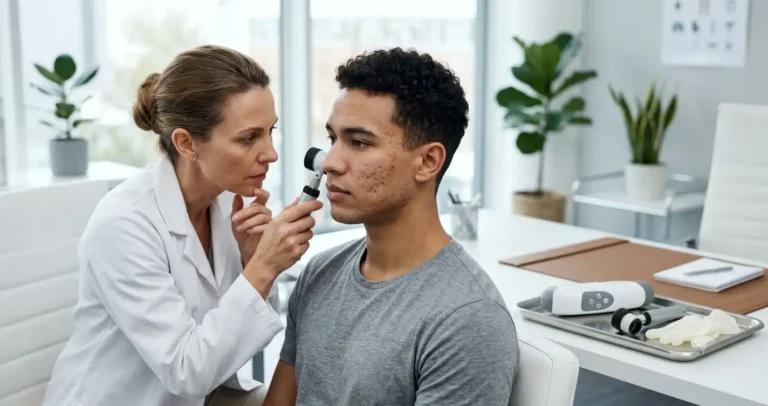
You should think about medical care if your chest breakouts are deep, painful, spreading, leaving marks, or not improving with steady home care. A dermatologist can tell whether it is acne, folliculitis, or another condition, and they can prescribe stronger treatments when needed. Early treatment matters because it can reduce the risk of scars and long-term self-esteem effects.
Professional care also matters if your acne seems linked to hormones, medications, or sudden severe flare-ups. Some people need prescription topical treatment, oral medicine, or a more tailored plan than a store-bought wash can provide.
How to help prevent future chest breakouts
Prevention is a big part of treatment. If you can reduce the triggers that keep causing new bumps, you have a better chance of staying clear.
Helpful long-term habits include:
- Shower after sweating
- Change out of damp bras, sports tops, and workout shirts
- Choose more breathable fabrics when possible
- Use non-comedogenic body products
- Keep heavy hair products off the chest
- Wash towels, bras, and gym wear regularly
- Avoid picking or harsh scrubbing
- Stick with a simple maintenance routine when something works
If you have been asking why is my chest breaking out, prevention is where the answer becomes useful. Once you spot your pattern, you can make focused changes instead of trying random products that do not match the real cause.
Conclusion
Chest breakouts usually do not come from one single cause. They tend to happen when acne-prone skin meets the right mix of oil, sweat, heat, friction, hormones, and product residue. That is why the best approach is usually practical and consistent: gentle cleansing, smart product choices, less rubbing, and enough time for treatment to work.
If you keep wondering why is my chest breaking out, start by looking at your routine, especially workouts, clothing, and products that touch the area every day. If the bumps are painful, itchy, scarring, or not improving after a fair trial of home care, get a dermatologist’s opinion so you can treat the right condition the right way.
FAQ
Why is my chest breaking out all of a sudden?
A sudden flare can happen after a new workout routine, tighter clothing, a new sunscreen or lotion, more sweating, hormone changes, or medication changes. The best clue is often timing, so look at what changed in the last few weeks.
Can sweat cause chest acne?
Sweat is usually not the only cause, but trapped sweat, heat, and friction can make chest acne more likely or make it worse. That is why breakouts often flare after workouts or long hours in tight clothing.
Why is my chest breaking out but not my face?
Your chest is often covered, rubbed by clothing, and exposed to more trapped heat and sweat than your face. Product residue from body care or hair care may also reach your chest more than your face, which can help explain the difference.
Why do I get chest and back acne together?
Chest and back acne often happen together because both areas share the same triggers, including sweat, friction, tight clothing, and heavy products. If both areas flare at once, it often points to a broader body-acne pattern.
When should I see a dermatologist for chest acne?
You should see a dermatologist if the bumps are deep, painful, itchy, spreading, leaving scars, or not improving after several weeks of a steady routine. A dermatologist can also tell whether the bumps are truly acne or another skin condition.