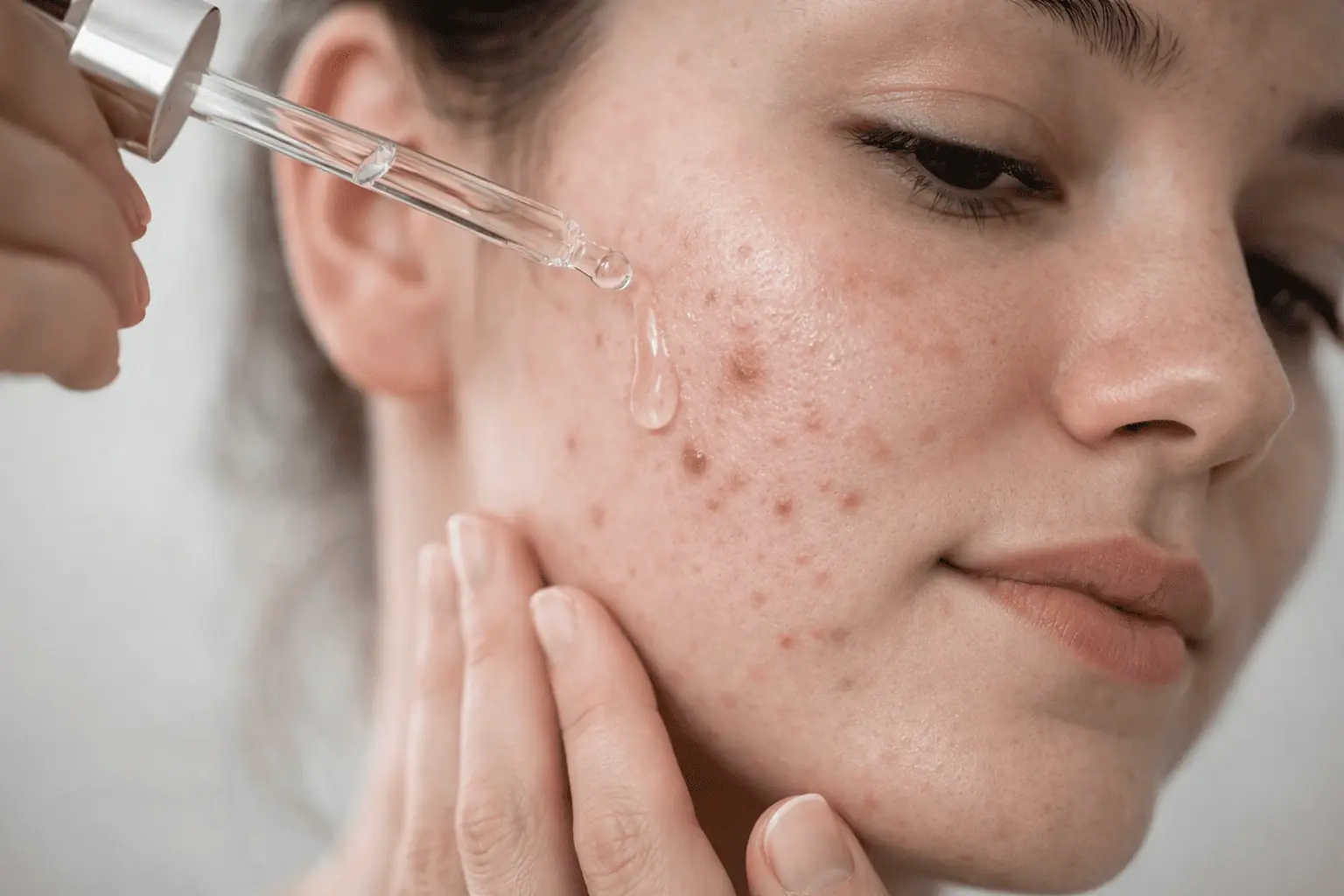
Is Hyaluronic Acid Good for Acne? Benefits, Uses, and What to Expect
If you have acne, you’ve probably been told to “keep your skin hydrated.” But that advice can feel confusing. You might worry that adding moisture will make breakouts worse or clog your pores.
That’s why many people ask: is hyaluronic acid good for acne, or is it just another product that could trigger more problems? The answer is more reassuring than you might expect.
Table of Contents
What Is Hyaluronic Acid and What Does It Do for Skin?
What hyaluronic acid actually is
Hyaluronic acid is a naturally occurring substance in your skin that holds water. Think of it as a moisture magnet. It can attract and retain water, helping your skin stay hydrated and soft.
In skincare, it’s used in serums, gels, and moisturizers to boost hydration without feeling heavy or greasy.
Why acne-prone skin often becomes dehydrated
Even if your skin is oily, it can still be dehydrated. This is especially common if you use acne treatments like:
- Benzoyl peroxide
- Retinoids
- Salicylic acid
- Strong cleansers or exfoliants
These products can strip away moisture, leaving your skin tight, flaky, or irritated.
Why hydration matters when you have acne
Hydration is not the same as adding oil. When your skin is properly hydrated:
- It feels less tight and irritated
- It may look smoother and calmer
- It can tolerate acne treatments better
This is one reason why people researching is hyaluronic acid good for acne often find it helpful as part of a balanced routine.
🔥 The 3 products dermatologists actually recommend (and yes, they work):
Stop guessing and start with what’s proven. La Roche-Posay Effaclar Duo(+) targets breakouts fast, Paula’s Choice 2% BHA Liquid Exfoliant keeps pores clear with daily use, and Hero Cosmetics Mighty Patch is the overnight fix everyone swears by. ✅ No prescription needed ✅ Affordable ✅ Backed by real clinical evidence
Benefits of Hyaluronic Acid for Acne-Prone Skin
Helps reduce dryness from acne treatments
Acne treatments can be effective, but they often come with dryness and peeling. Adding hyaluronic acid can help offset that.
It draws moisture into the skin, making your routine feel more comfortable without interfering with most acne treatments.
Supports the skin barrier
Your skin barrier protects against irritation, bacteria, and water loss. When it’s damaged, you may notice:
- Redness
- Sensitivity
- Increased breakouts
Hydration plays a key role in keeping this barrier healthy. Hyaluronic acid helps maintain moisture, which supports barrier function.
May make active breakouts feel less inflamed
While it doesn’t cure acne, hydrated skin often looks less irritated. Breakouts may appear less dry or flaky, especially if you’re using strong treatments.
Works well for many skin types
One reason people ask is hyaluronic acid good for acne is because they want something lightweight.
The good news is that most hyaluronic acid products are:
- Lightweight
- Non-greasy
- Easy to layer
This makes them suitable for oily, combination, and acne-prone skin.
Is Hyaluronic Acid Good for Acne Scars and Post-Acne Marks?
Difference between acne scars and post-inflammatory marks
It helps to understand the difference:
- Acne scars: Permanent changes in skin texture (like indentations)
- Post-inflammatory marks: Dark or red spots left after pimples heal
What hyaluronic acid can and cannot do
Hyaluronic acid can:
- Improve skin hydration
- Make skin look smoother temporarily
- Help your skin feel more comfortable
But it cannot:
- Remove deep acne scars
- Replace targeted treatments like retinoids or chemical peels
Still, when your skin is hydrated, it often looks healthier overall, which can make marks less noticeable.
Can Hyaluronic Acid Cause Acne?
Can hyaluronic acid cause acne on its own?
In most cases, hyaluronic acid itself does not cause acne. It is generally considered non-comedogenic, meaning it does not block pores.
If you experience breakouts, the cause is often something else in the product.
Can hyaluronic acid cause breakouts because of other ingredients?
Yes, this is possible. Some products labeled with hyaluronic acid may also contain:
- Fragrance
- Heavy oils
- Thick creams
- Pore-clogging ingredients for some individuals
So when people ask can hyaluronic acid cause breakouts, the real answer often depends on the full formula.
Can hyaluronic acid clog pores?
If you’re wondering can hyaluronic acid clog pores, the answer is generally no.
However, the overall product texture matters. A thick or poorly formulated product may not suit every skin type.
Does Hyaluronic Acid Cause Purging?
What purging actually means
Purging happens when certain ingredients speed up skin cell turnover. This can bring hidden clogs to the surface faster.
Common purging ingredients include:
- Retinoids
- Alpha hydroxy acids (AHAs)
- Beta hydroxy acids (BHAs)
Does hyaluronic acid cause purging?
No, hyaluronic acid does not cause purging. It is not an exfoliant and does not increase cell turnover.
If you notice new breakouts after starting a product, it could be due to:
- Another active ingredient
- Irritation
- A formula that doesn’t suit your skin
Why Does Hyaluronic Acid Burn on Some People?
Why does hyaluronic acid burn?
Some people notice stinging and ask, why does hyaluronic acid burn?
This can happen when:
- Your skin barrier is already damaged
- Your skin is extremely dry
- The product contains irritating additives
- You apply it after strong treatments
When burning is a sign to stop using the product
A mild tingle might pass quickly, but you should stop using the product if you notice:
- Persistent burning
- Redness or swelling
- Rash or discomfort
Switching to a simpler, fragrance-free formula often helps.
How to Use Hyaluronic Acid if You Have Acne
Choose the right product type
Look for:
- Lightweight serums or gels
- Fragrance-free formulas
- Products labeled non-comedogenic
Apply it the right way
For best results:
- Apply to slightly damp skin
- Use a small amount
- Follow with a moisturizer
This helps lock in hydration and prevents moisture from evaporating.
Where it fits in an acne routine
A simple routine could look like this:
Morning:
- Gentle cleanser
- Acne treatment (if prescribed)
- Hyaluronic acid serum
- Moisturizer
- Sunscreen
Evening:
- Cleanser
- Treatment (like retinoid or salicylic acid)
- Hyaluronic acid
- Moisturizer
How often should you use it?
You can usually use hyaluronic acid once or twice daily. If your skin is sensitive, start once a day and adjust.
Common Mistakes That Make Hyaluronic Acid Less Helpful for Acne
Using a product with too many irritating extras
Some formulas include unnecessary ingredients that can irritate acne-prone skin. Always check labels.
Applying it but skipping moisturizer
Hyaluronic acid works best when paired with a moisturizer. Without one, hydration may not last as long.
Expecting it to clear acne by itself
If you’re asking is hyaluronic acid good for acne, remember this: it supports your routine, but it’s not a treatment on its own.
Changing too many products at once
Adding multiple new products can make it hard to identify what’s helping or causing issues.
What to Expect After You Start Using Hyaluronic Acid
In the first few days
You may notice:
- Softer skin
- Less tightness
- A smoother feel
After a few weeks
With consistent use:
- Skin may feel more balanced
- Acne treatments may feel less harsh
- Less visible dryness or flaking
What you should not expect
Do not expect:
- Instant acne clearing
- Removal of deep cystic acne
- Complete fading of scars
🔥 The 3 products dermatologists actually recommend (and yes, they work):
Stop guessing and start with what’s proven. La Roche-Posay Effaclar Duo(+) targets breakouts fast, Paula’s Choice 2% BHA Liquid Exfoliant keeps pores clear with daily use, and Hero Cosmetics Mighty Patch is the overnight fix everyone swears by. ✅ No prescription needed ✅ Affordable ✅ Backed by real clinical evidence
When Hyaluronic Acid May Not Be the Best Fit
Situations where caution makes sense
Although many people benefit from it, hyaluronic acid may not be ideal if:
- Your skin reacts with irritation
- The product feels heavy or sticky
- You notice worsening breakouts
In these cases, it may be the formula rather than the ingredient itself.
When to See a Dermatologist
Consider professional help if:
- Acne is severe, painful, or cystic
- Breakouts leave scars
- Your skin is constantly irritated
- Over-the-counter products are not working
A dermatologist can help build a routine that includes hydration without triggering breakouts.
Final Verdict: Is Hyaluronic Acid Good for Acne?
So, is hyaluronic acid good for acne? For most people, yes.
It won’t replace acne treatments, but it plays a valuable supporting role. By keeping your skin hydrated and more balanced, it can make your overall routine more effective and comfortable.
Conclusion
If you have acne, you don’t need to avoid hydration. In fact, your skin likely needs it.
Adding a simple, well-formulated hyaluronic acid product can help your skin feel calmer and more resilient. Start slowly, choose a gentle formula, and pay attention to how your skin responds.
If breakouts continue or worsen, it may be time to adjust your routine or speak with a dermatologist.
FAQ:
1. Is hyaluronic acid good for acne and oily skin?
Yes, hyaluronic acid is good for acne and oily skin because it hydrates without adding oil. Lightweight formulas help balance moisture without making skin feel greasy.
2. Can hyaluronic acid cause breakouts in some people?
It’s unlikely on its own, but certain formulas may lead to issues. If you notice breakouts, check for added ingredients like fragrance or heavy oils.
3. Does hyaluronic acid cause purging like retinol?
No, hyaluronic acid does not cause purging. It doesn’t increase skin cell turnover, so new breakouts are usually due to other factors.
4. Can hyaluronic acid clog pores or make acne worse?
Generally, no. It is considered non-comedogenic. However, the full product formula matters, so choose lightweight, acne-friendly options.
5. Why does hyaluronic acid burn when I apply it?
Burning can happen if your skin barrier is damaged or the formula contains irritating ingredients. Try applying it on damp skin and switching to a gentler product if needed.