Does Coffee Cause Acne? What the Research Says About Breakouts
It is easy to side-eye your coffee cup when your skin is breaking out for no clear reason. If you love coffee but your face feels more oily, irritated, or bumpy than usual, you may start asking, does coffee cause acne?
That question makes sense, but acne is rarely tied to one thing alone. Your skin is affected by hormones, stress, sleep, skincare, diet, and genetics, so coffee usually has to be looked at as part of a bigger picture.
Table of Contents
What acne actually is and why breakouts happen
How acne forms
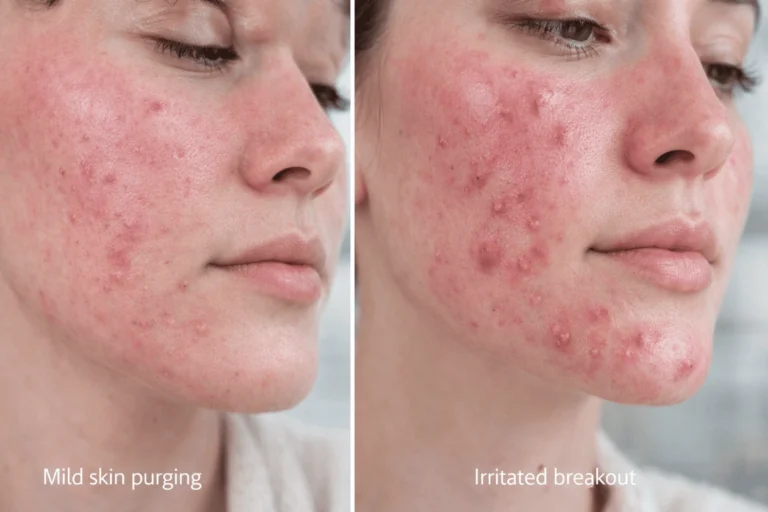
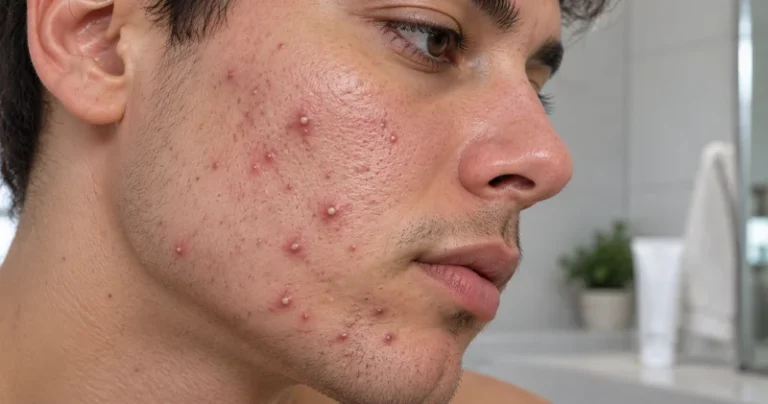
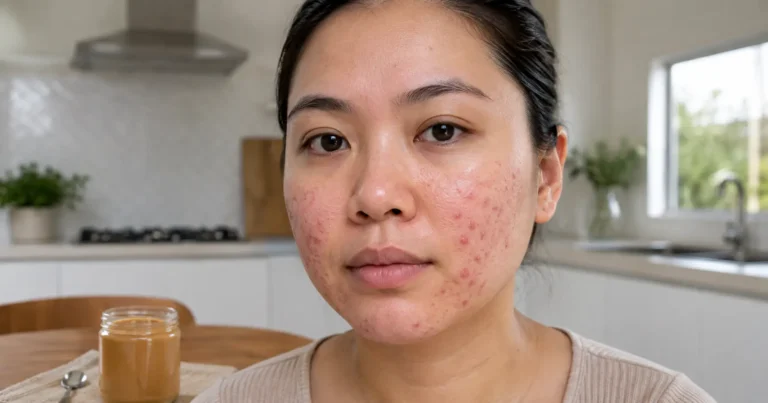
Acne begins when a pore gets clogged with oil, dead skin cells, and debris. If that pore becomes inflamed, it can turn into a blackhead, whitehead, or an angry red pimple.
Several things usually happen at the same time:
- The skin makes extra sebum
- Dead skin cells do not shed normally
- Pores clog more easily
- Inflammation increases
- Acne-causing bacteria grow inside the pore
This is one reason acne can be stubborn. It is not just about what you eat or drink. It is a condition that often builds from multiple triggers working together.
Common acne triggers that can overlap with coffee habits
When people ask whether coffee affects their skin, other factors are often involved too. Common acne triggers include:
- Hormonal changes
- Stress
- Poor sleep
- High-glycemic foods
- Dairy for some people
- Family history of acne
- Heavy or pore-clogging skincare
- Friction from hats, phones, or touching the face
This matters because coffee habits often happen alongside stress, missed sleep, and quick sugary meals. That can make coffee seem like the only issue when it is really part of a bigger pattern.
What the research says about coffee and acne
Is there clear proof that coffee directly causes acne?
Right now, there is no strong proof that plain coffee directly causes acne in most people. That is the most important thing to know before you assume your morning cup is the reason your skin is flaring.
Research on diet and acne has found more consistent links with high-glycemic diets and, for some people, milk consumption than with coffee itself. That does not mean coffee can never affect your skin. It means the direct evidence is not strong enough to say coffee alone is a proven acne cause for most people.
Why the evidence is mixed
The research is mixed because coffee is not just one simple exposure. One person may drink plain black coffee early in the day. Another may drink a large sweet iced coffee with syrup, cream, and whipped topping in the afternoon after sleeping badly the night before. Those are very different situations.
Studies are also limited because people do not always remember their diet habits accurately. It can be hard to separate:
- Coffee from caffeine
- Coffee from sugar
- Coffee from milk or cream
- Coffee from stress and sleep problems
- Coffee habits from other parts of someone’s lifestyle
That is why the answer to does coffee cause acne often depends on what kind of coffee you drink, how much you drink, and how your own body reacts to it.
Coffee vs caffeine: what is the difference for your skin?
Does caffeine cause spots, or is coffee only part of the story?
Coffee is a drink. Caffeine is one of the active compounds inside it. That difference matters because some people may not be reacting to coffee itself as much as they are reacting to caffeine’s effects on the body.
If you are wondering does caffeine cause spots, the answer is not a clean yes. Caffeine is not a proven direct cause of acne, but it can influence things like stress, sleep, and skin balance. If those areas already affect your breakouts, caffeine may indirectly make your skin harder to manage.
Can coffee cause acne if you drink it black?
Plain black coffee is very different from a sweet coffeehouse drink. It has no added sugar, no flavored syrup, and no dairy. That removes some of the common acne-related concerns linked to popular coffee drinks.
For some people, black coffee may not cause any clear skin issue at all. If your skin seems worse after caramel lattes or creamy iced drinks but fine after plain coffee, the problem may be the extras rather than the coffee itself.
Can coffee make you break out because of what you add to it?
Yes, that may be the more realistic concern. When people wonder, can coffee make you break out, it is often worth looking at what is mixed into the cup.
Common add-ins that may matter include:
- Sugar
- Flavored syrups
- Sweetened creamers
- Whipped toppings
- Large amounts of milk
A sugary coffee drink can act more like a dessert than a basic beverage. If your acne seems tied to these drinks, the issue may be the overall formula, not the coffee bean.
How coffee habits may affect breakouts
Can coffee make you break out by affecting stress and hormones?
For some people, coffee changes how they feel physically. It may boost energy, but it can also increase jitteriness, nervousness, or a wired feeling, especially if you are sensitive to caffeine.
That matters because stress can affect acne. When your stress response stays high, it may influence hormones that affect oil production and inflammation. So even if coffee is not directly causing pimples, it may be feeding conditions that make acne-prone skin more reactive.
Does coffee affect sleep, and could that show up on your skin?
Yes, especially if you drink coffee late in the day. Poor sleep is not a direct acne cause on its own, but it can make inflamed skin harder to calm down and can worsen the stress cycle.
This is one reason some people feel confused about coffee and breakouts. The problem may not be the coffee itself, but the way late caffeine affects sleep quality. Over time, that can leave your skin looking more irritated, more dull, and slower to recover after a flare-up.
Is too much caffeine bad for your skin?
If you are asking is too much caffeine bad for your skin, the honest answer is that it can be for some people. A level that feels fine for one person may leave someone else shaky, anxious, or sleep-deprived.
That does not mean caffeine is always harmful. It means your personal tolerance matters. If a lot of caffeine leaves you dehydrated, restless, or tense, your skin may show the effects through more redness, more oil, or slower healing.
Does coffee give you pimples, or does it make existing acne worse?
This difference is important. In many cases, coffee may not create acne from nothing. Instead, it may make your existing breakouts more inflamed, more obvious, or more stubborn.
So if you are asking whether coffee gives you pimples, think about the pattern. Are you seeing completely new breakouts after coffee, or are your usual trouble spots getting angrier after certain drinks, poor sleep, or a stressful week?
Which coffee habits are more likely to be a problem?
Black coffee vs sweet coffee drinks
Black coffee is usually the simpler choice if you are trying to test whether coffee affects your skin. Sweet coffee drinks may bring a much bigger acne question because of the extra sugar and overall high-glycemic load.
Coffee with dairy vs dairy-free options
Milk seems to affect some people’s acne more than others. If your skin tends to flare after lattes, flavored cappuccinos, or creamy iced coffee, a dairy-free version may be worth testing for a few weeks.
Regular coffee vs decaf
If you suspect caffeine is the issue, decaf coffee can be a useful middle step. It still contains a small amount of caffeine, but much less than regular coffee. That can help you test your sensitivity without giving up the habit completely.
Coffee vs energy drinks for acne-prone skin
Energy drinks are often more likely than coffee to go along with breakouts because they may combine very high caffeine with sugar and poor sleep habits. For acne-prone skin, they are usually more concerning than a plain cup of coffee.
Comparison table: how different coffee habits may affect breakouts
| Coffee habit | Possible skin concern | Likely breakout pattern | Who may be more sensitive | Practical takeaway |
|---|---|---|---|---|
| Black coffee | Caffeine sensitivity, sleep disruption if used late | May worsen existing acne in sensitive people | People who feel wired after caffeine | Usually less concerning than sweet coffee drinks |
| Sugary coffee drinks | Sugar load, more inflammation, blood sugar swings | More inflamed or frequent flares | People with acne linked to high-glycemic foods | Often the first habit worth cutting back |
| Coffee with milk | Dairy may worsen acne in some people | Ongoing lower-face breakouts or stubborn flares | People who already suspect milk is a trigger | Try a short dairy-free test |
| Late-day coffee | Poor sleep and higher next-day stress | Slower skin recovery, more reactive skin | Light sleepers and caffeine-sensitive people | Move coffee earlier in the day |
| Decaf coffee | Less caffeine but not zero | Often milder if caffeine is the issue | People testing caffeine tolerance | Good option before quitting coffee |
| Energy drinks | High caffeine plus sugar | Faster flare-ups in acne-prone routines | People under stress or getting little sleep | Often harder on skin habits than coffee |
Why some people notice breakouts after coffee and others do not
Skin type and acne history
If you already have oily skin, sensitive skin, or a history of adult acne, your skin may react more strongly when several triggers pile up. Someone with very resilient skin may not notice much from coffee at all, while someone with acne-prone skin may notice even small changes.
Your genetics matter too. If acne tends to run in your family, coffee may not be the main cause, but it may still be one more factor that makes breakouts harder to control.
Lifestyle factors that may blur the connection
Coffee is easy to blame, but it often travels with habits that can also affect your skin. These include:
- Ongoing stress
- Sleep debt
- Skipping meals
- Sugary snacks with coffee
- Not drinking enough water
- Hormonal flare-ups
That is why one breakout after one coffee does not prove anything. Patterns matter much more than isolated moments.
Coffee trigger vs coincidence: how to tell
If you really want to answer the question does coffee cause acne for your own skin, tracking is more useful than guessing. Look for repeated patterns over time instead of reacting to one bad skin day.
Pay attention to:
- What kind of coffee you drink
- How much caffeine you get
- What time you drink it
- Whether it contains sugar or milk
- How you sleep afterward
- Whether your skin flares 1 to 3 days later
That kind of tracking can help you tell the difference between a real trigger and a random coincidence.
What to do if you think coffee is affecting your skin
Try a short coffee and symptom tracker
A simple tracker can be surprisingly helpful. For 2 to 4 weeks, write down:
- The type of coffee
- The size of the drink
- The time you drink it
- What you add to it
- Your stress level
- Your sleep quality
- New breakouts or worsening acne
This gives you something real to look at instead of relying on memory.
Change one variable at a time
Do not cut out five things at once. If you do, you will not know what actually helped. Change one factor at a time, such as:
- Switch to black coffee
- Reduce sugar
- Try a dairy-free option
- Limit total caffeine
- Avoid coffee late in the day
This slower approach gives you clearer answers and is much easier to stick with.
Build a skin-friendly routine while you test the trigger
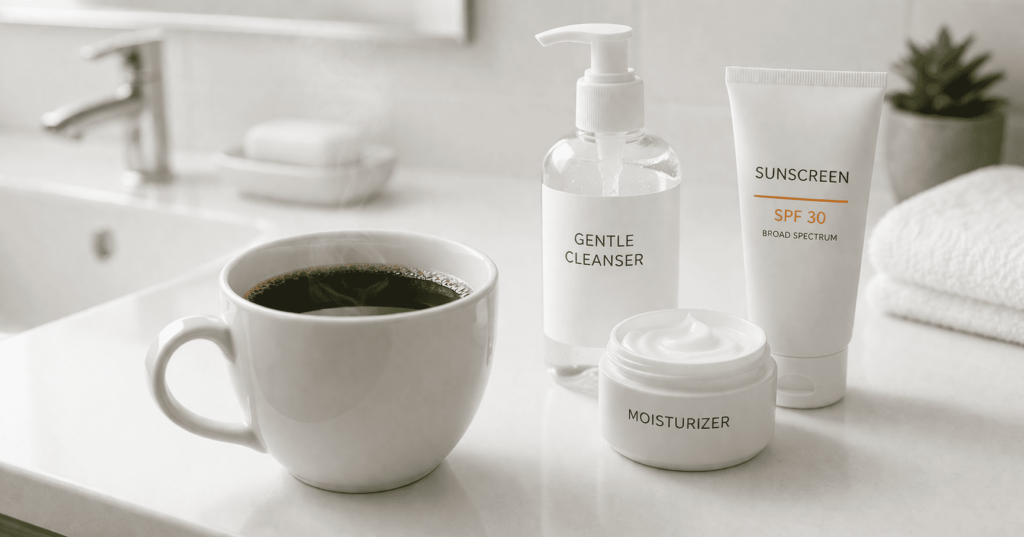
While you are testing your coffee habits, keep your skincare routine simple and steady. A basic routine should include:
- A gentle cleanser
- A non-comedogenic moisturizer
- Daily broad-spectrum sunscreen
- One acne treatment if needed, such as salicylic acid, benzoyl peroxide, or adapalene
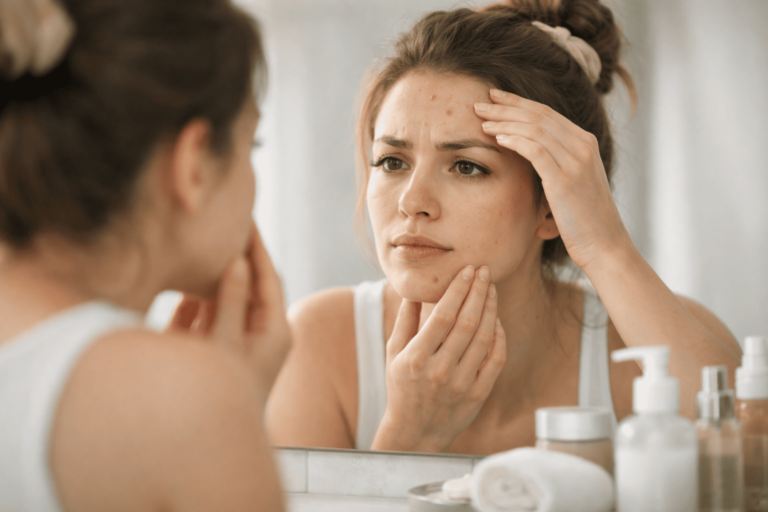
Try not to pile on too many active products at once. Irritated skin can look and feel worse, which makes it harder to judge whether coffee is really the issue.
If sugar may be part of the problem, read our guide on how sugar may affect acne-prone skin. If milk seems more suspicious, check dairy and acne myths vs evidence.
Can home care be enough if coffee seems to worsen breakouts?
When home care may be enough
Home care may be enough when your breakouts are mild and your trigger pattern is fairly obvious. That is often true if you mainly flare after sweet coffee drinks, poor sleep, or heavy caffeine use.
In these cases, simple changes may help:
- Fewer sugary coffee drinks
- Earlier caffeine timing
- Less dairy
- Better sleep
- A consistent skincare routine
When home care may not be enough
Home care may not be enough if your acne is painful, frequent, or starting to scar. That includes:
- Deep cysts
- Ongoing inflamed breakouts
- Dark marks that last a long time
- Acne that has not improved after 8 to 12 weeks
If that sounds familiar, coffee may only be one piece of a larger acne issue. You may also benefit from reading how to build a simple routine for adult acne and getting professional support.

Common mistakes to avoid
A few common mistakes can make this process harder than it needs to be:
- Blaming coffee too quickly without tracking patterns
- Ignoring sugar, syrups, or milk
- Using too many acne products at once
- Cutting out everything at the same time
- Drinking coffee too late and overlooking sleep
- Picking at pimples
The goal is not to build a perfect routine overnight. The goal is to notice what your skin responds to and make realistic changes you can keep up.
When to see a dermatologist
Signs professional help may be appropriate
If you have moderate or severe acne, it is smart to get help instead of trying to solve everything through diet changes alone. A dermatologist visit is a good idea if you have:
- Painful deep breakouts
- Scarring
- Dark marks that linger
- Acne that keeps returning
- Breakouts that do not improve with home care
Sometimes what looks like acne may be something else, such as irritation or folliculitis, so getting the diagnosis right matters.
Treatments a dermatologist may discuss
A dermatologist may recommend treatments such as:
- Adapalene
- Benzoyl peroxide
- Salicylic acid
- Prescription topical treatments
- Oral treatment options when needed
- Help with acne marks and scar prevention
Professional treatment can save time and reduce the risk of long-term scarring, especially if your acne is more than mild.
Bottom line
For most people, the answer to does coffee cause acne is not a simple yes. Plain coffee is not strongly proven to directly cause acne, but coffee habits can still affect your skin through caffeine sensitivity, poor sleep, stress, sugar, and dairy.
If you think coffee may be affecting your skin, do not guess. Track your habits, change one factor at a time, and keep your skincare routine steady while you test what really makes a difference. If your acne is painful, deep, or not improving, keep reading our acne guides and consider getting help from a dermatologist.
FAQ:
- Does coffee cause acne if you only drink one cup a day?
Usually not on its own. One plain cup in the morning may not affect your skin much, especially if you sleep well and do not add lots of sugar or dairy. - Can coffee cause acne or is it usually the extras?
For many people, the extras are more likely to matter. Sugar, flavored syrups, and milk may be more closely tied to breakouts than plain black coffee. - Does caffeine cause spots more than coffee itself?
Sometimes that may be the bigger issue. Caffeine can affect stress and sleep, and those changes may make acne-prone skin harder to manage. - How long should you test coffee before deciding it affects your skin?
Give it 2 to 4 weeks. That gives you enough time to watch for patterns in sleep, stress, and breakouts instead of reacting to one random pimple. - Should you stop coffee completely if you have acne?
Not always. It is usually better to test one change at a time, such as less sugar, less dairy, or earlier caffeine timing, before cutting coffee out completely.