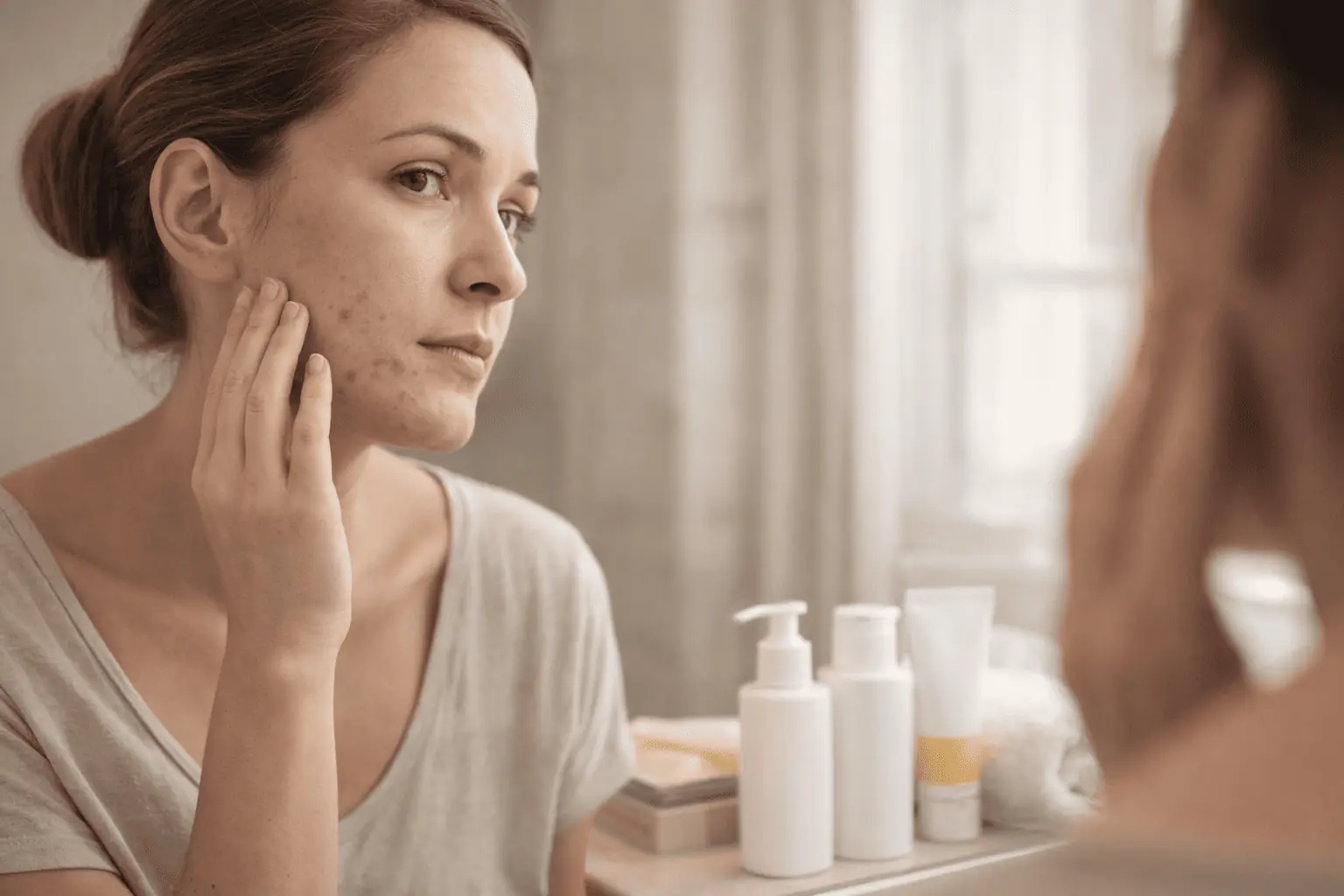
Can Stress Cause Pimples? Why Breakouts Happen During Stressful Times
You may notice it after a rough week, a family problem, exam season, or a long stretch of poor sleep. Your skin suddenly looks more oily, more irritated, and new pimples show up right when you already feel overwhelmed.
Yes, can stress cause pimples is a valid question, and the answer is yes. Stress can trigger breakouts or make existing acne worse by increasing oil, inflammation, and everyday habits that clog pores. It is not always the only cause, but it often helps explain why skin flares during stressful times.
Table of Contents
Can Stress Cause Pimples?
If you keep asking can stress cause pimples, the short answer is yes. Stress can lead to pimples in some people, and it can also make mild acne become more noticeable, more inflamed, and slower to heal.
Still, stress is rarely the full story by itself. Acne usually develops from a mix of excess oil, clogged pores, bacteria, hormones, inflammation, skin products, and genetics. Stress adds to that mix and can push your skin into a breakout more easily.
That is why two people can go through the same stressful week and have very different skin reactions. One person may get a few forehead bumps, while another person gets painful breakouts on the chin, cheeks, or jawline.
If you have ever wondered, can stress cause pimples even when your routine has not changed, it often can. The body’s stress response affects the skin in ways that feel small at first but can add up fast.
Why Does Stress Cause Breakouts?
Many people ask why does stress cause breakouts when stress seems emotional and acne seems physical. The link comes from what stress does inside your body and how that affects your skin.
How the body responds to stress
When you are stressed, your body goes into a higher-alert mode. It releases hormones and chemical messengers that prepare you to react, focus, and keep going through pressure.
That response can be helpful in the short term, but your skin may not love it. Stress can change oil production, inflammation levels, healing, and even the way you treat your skin day to day.
The role of cortisol and other stress hormones
One of the best-known stress hormones is cortisol. Higher cortisol levels may increase oil production and make the skin more reactive. That matters because extra oil and inflammation can make pores clog more easily.
Stress can also affect other hormone signals, which helps explain why can stress cause pimples is not just a myth. The answer is tied to real body changes, not just a feeling that your skin gets worse when life gets hard.
How stress affects pores and inflammation
Acne often starts when pores become clogged with oil and dead skin cells. If inflammation rises at the same time, those clogged pores are more likely to turn into red, swollen pimples.
Stress may contribute to:
- More sebum, which is your skin’s natural oil
- More redness and inflammation around pores
- Slower healing after a breakout begins
- More face touching, picking, or rubbing
- Less sleep, which can worsen skin recovery
- Skipping basic skincare when you feel overwhelmed
This is one reason people keep searching can stress cause pimples and why does stress cause breakouts. The effect is not only internal. Stress also changes habits that can make breakouts worse.
Can Stress Cause Acne or Just Make It Worse?
A lot of people also ask can stress cause acne or whether stress only makes existing acne worse. The most honest answer is that it can do both.
For some people, stress seems to trigger new pimples during hard periods, especially if they already have acne-prone skin. For others, stress does not create acne from nothing, but it makes their usual breakouts more frequent, more inflamed, or slower to calm down.
If you are wondering again, can stress cause pimples on its own, it may in some cases. But often stress works more like a spark that makes other acne causes show up more clearly.
Other common acne causes that may overlap with stress
Hormonal changes
Hormone shifts are a major acne trigger. Periods, puberty, postpartum changes, and hormone-related conditions can overlap with stress and make breakouts more noticeable.
Sweating and friction
Sweat, helmets, hats, workout gear, mask friction, or resting your phone against your face can all irritate pores. During stressful times, you may sweat more or be less consistent about washing up after activity.
Hair and skin products
Heavy oils, greasy styling products, fragranced skincare, and pore-clogging makeup can all add to breakouts. Stress may make you use more dry shampoo, more makeup, or less careful product choices.
Diet patterns during stressful times
Stress can change how and when you eat. Some people skip meals, eat more processed foods, or rely on sugary snacks and energy drinks. Diet is not the only cause of acne, but these patterns may contribute for some people.
Lack of sleep
Poor sleep and stress often go together. Less sleep can affect healing, inflammation, and skin balance, which helps explain why people say, does stress give you pimples right after a rough week.
What Does Stress Acne Look Like?
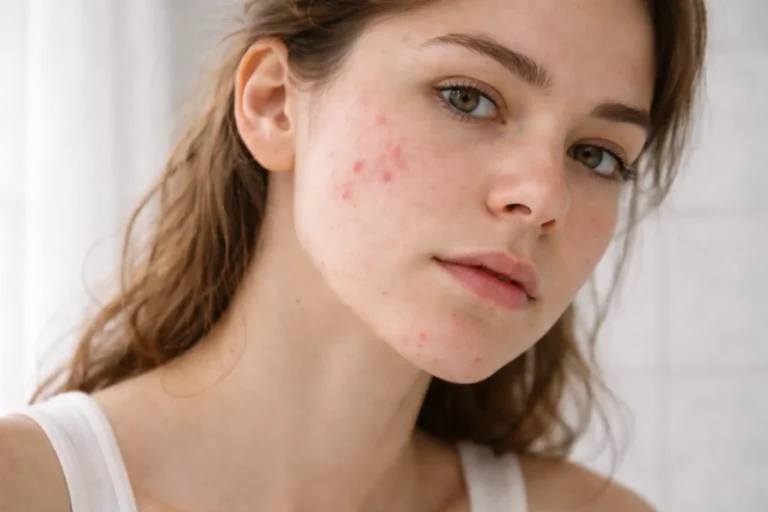
If you are asking can stress cause pimples, you may also want to know what stress acne usually looks like. There is no single perfect pattern, but there are some common signs.
Stress breakouts often appear as:
- Small red inflamed pimples
- Whiteheads and clogged pores
- Tender bumps that show up quickly
- Clusters of breakouts during stressful periods
- Pimples that seem to heal more slowly than usual
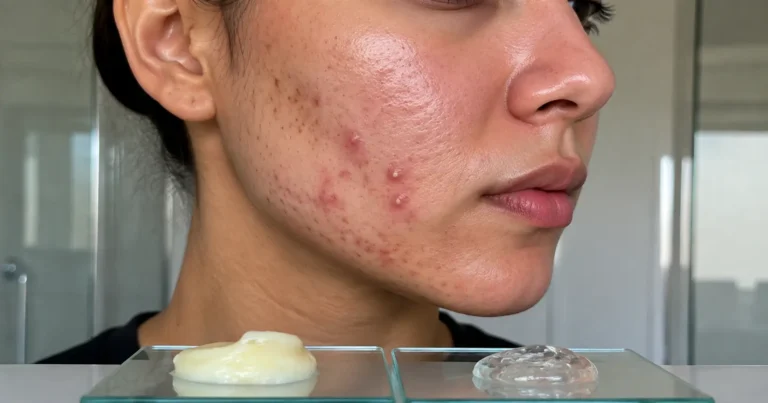
For some people, stress acne stays mild and looks like a few scattered breakouts. For others, it includes deeper, more irritated bumps, especially when stress overlaps with hormones, oily skin, or skin picking.
Stress acne vs hormonal acne
Stress acne and hormonal acne can look similar, which is why people often feel confused. Hormonal acne tends to follow a pattern, such as flaring before a period, and often appears around the chin and jawline.
Stress acne may show up during deadlines, poor sleep, emotional strain, travel, or life changes. But the line is not always sharp. If you are asking can stress cause pimples on your chin or jaw, it can, but hormones may also be involved at the same time.
Stress Acne Areas: Where Do Stress Breakouts Usually Show Up?
When people search stress acne areas, they usually want to know where stress breakouts show up most often. There is no single map, but some spots are more common than others.
Forehead
The forehead is a very common area. Stress-related oil changes, sweat, hair products, hats, and frequent touching can all contribute to pimples here.
Cheeks
Cheek breakouts may be linked to stress, but they can also be affected by pillowcases, makeup brushes, face touching, and phone contact. If your cheeks break out more during high-pressure weeks, stress may be part of the picture.
Jawline and chin
The jawline and chin are classic acne areas, especially with hormone-related flares. Still, people who ask can stress cause pimples often notice these areas worsen during stressful times too.
Around the mouth
Breakouts around the mouth may be linked to irritation, lip products, saliva, skin picking, or hormonal changes. Stress can make these factors worse.
So if you are asking does stress give you pimples in one exact place, the answer is not always simple. Stress acne areas can include the forehead, cheeks, chin, jawline, and around the mouth, but the exact location depends on your skin, habits, hormones, and products.
Stress Acne vs Other Common Skin Problems
Not every bump is acne. That is important because if you mistake another skin problem for acne, the wrong treatment may irritate your skin even more.
If you are still asking can stress cause pimples, it also helps to know how stress acne compares with other common issues.
How to tell the difference between stress acne and regular acne
Regular acne and stress acne can look nearly the same. Timing is often the best clue. If your breakouts get worse during emotional stress, poor sleep, deadlines, conflict, or major life changes, stress may be playing a role.
Stress acne vs hormonal acne
Hormonal acne often follows a repeating cycle and tends to affect the chin, jawline, and lower cheeks. Stress acne can be more tied to specific stressful events and may show up in a wider mix of areas.
Stress acne vs irritation or rash
Irritation often burns, stings, or itches more than acne. It may appear after starting a strong exfoliant, retinoid, scrub, or fragranced product. These bumps can look acne-like but may not come from clogged pores.
Stress acne vs folliculitis
Folliculitis is inflammation of hair follicles. It can cause small, similar-looking bumps and may be related to bacteria, yeast, sweat, or friction. It does not always respond to standard acne products.
Comparison table: stress acne and similar skin issues
| Skin concern | Common cause | Typical appearance | Common areas | Helpful clue |
|---|---|---|---|---|
| Stress acne | Stress plus oil, inflammation, clogged pores | Red pimples, whiteheads, tender bumps | Forehead, cheeks, chin, jawline | Often flares during stressful times |
| Hormonal acne | Hormone shifts | Deeper, more painful bumps | Chin, jawline, lower cheeks | Often follows a monthly pattern |
| Irritation rash | Product reaction or barrier damage | Red, itchy, burning, patchy skin | Anywhere products are used | More sting and dryness than clogged pores |
| Folliculitis | Inflamed hair follicles | Small uniform bumps or pustules | Hair-bearing areas | Bumps often look very similar in size |
How to Treat Stress Acne Safely and Effectively
If you are dealing with breakouts and asking how to treat stress acne, the best plan is usually gentle, steady, and realistic. Harsh routines often make already stressed skin worse.
The basics of how to treat stress acne
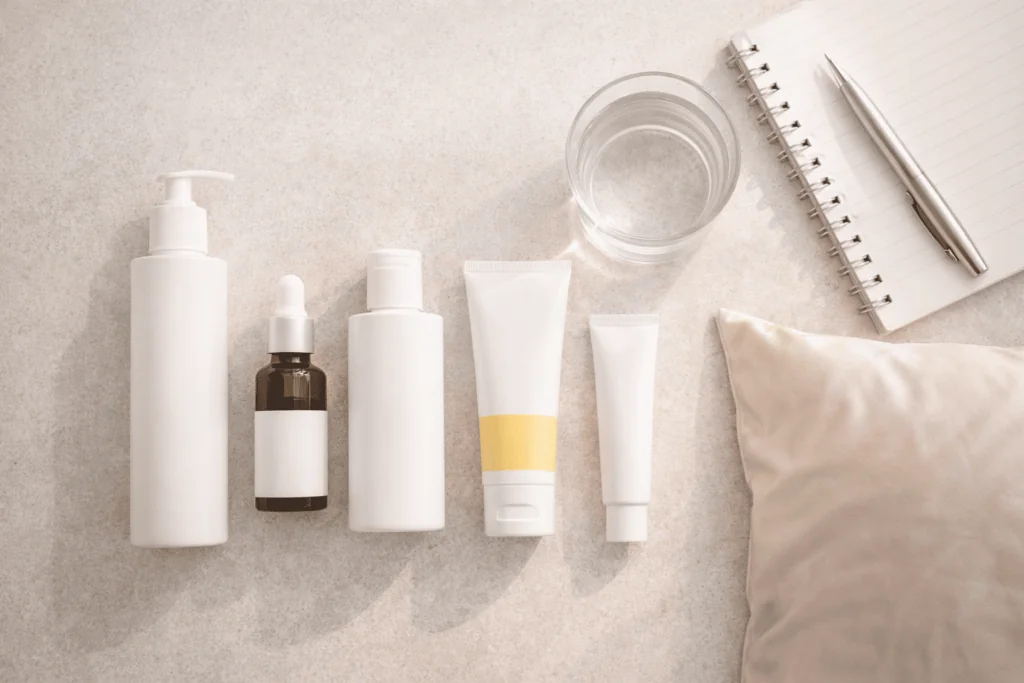
A simple starting routine often works best:
- A gentle cleanser morning and night
- A non-comedogenic moisturizer
- Daily sunscreen
- One main acne treatment, not several strong products layered together
If you keep asking can stress cause pimples, it is worth remembering that the answer leads to both skincare and stress care. Treating the skin matters, but calming the bigger pattern matters too.
Best over-the-counter ingredients to consider
Salicylic acid
This ingredient helps unclog pores and remove dead skin from the surface. It can be useful if your breakouts include whiteheads, blackheads, and oily areas.
Benzoyl peroxide
This helps reduce acne-causing bacteria and lower inflammation. It may work well for red pimples, but it can also be drying, especially if you use too much too fast.
Adapalene
This retinoid helps keep pores clear and supports long-term acne control. It takes time to work and should usually be added slowly, especially if your skin is sensitive.
Niacinamide
This ingredient can help calm redness and support the skin barrier. It is not a cure by itself, but it can be a useful part of a gentle routine.
When to use spot treatments
Spot treatments can help if you have one or two pimples. If you are breaking out across your forehead, cheeks, or jawline, treating the full area lightly may work better than dabbing every bump.
How long improvement can take
A mild flare may settle within several days to two weeks. A full acne plan may need 6 to 12 weeks before you see clear, steady improvement. That is another reason to stay patient if can stress cause pimples keeps coming up during hard seasons of life.
Daily Habits That Help Calm Stress Breakouts
Skincare helps, but it is only part of the answer. If stress is driving the flare, your daily routine matters too.
Better sleep
Poor sleep can worsen inflammation and leave your skin looking more reactive. Even improving your bedtime routine a little may help.
Regular movement
Walking, stretching, or exercise can help lower stress for many people. Just make sure you shower or cleanse gently after sweating.
Breathing exercises or mindfulness
You do not need a perfect wellness routine. A few minutes of slow breathing, journaling, or quiet time can help reset your body during a stressful day.
Balanced meals and hydration
When life gets chaotic, it is easy to run on caffeine and convenience foods. Try to keep meals steady and stay hydrated. Your skin usually does better when your habits are more regular.
If can stress cause pimples is something you deal with often, this is a good place to add an internal link to a related guide on building a simple skincare routine for acne-prone skin.
Home Care Tips During Stressful Times
Stressful times are not the best moment for a harsh new routine. Simple home care is often more helpful.
Gentle cleansing without over-washing
Wash your face morning and night. You can also cleanse after heavy sweating if needed. Over-washing can dry out and irritate the skin.
Choose non-comedogenic moisturizer and sunscreen
Even oily skin needs moisturizer. A lightweight, non-comedogenic formula can help protect your skin barrier without making pores feel heavier.
Daily sunscreen matters too, especially if you use acne treatments that make skin more sensitive. Look for a sunscreen made for acne-prone skin when possible.
Protect the skin barrier
Your skin barrier is the outer layer that helps keep moisture in and irritation out. When it gets damaged, your skin may burn, peel, tighten, or turn red more easily.
Helpful barrier-support habits include:
- Using lukewarm water
- Avoiding harsh scrubs
- Not stacking too many active ingredients
- Moisturizing regularly
- Taking a break from strong products if your skin becomes very irritated
This section naturally supports another internal linking opportunity, such as a guide on how to repair a damaged skin barrier.
Do not pick or pop pimples
Picking makes inflammation worse, increases healing time, and raises the risk of scarring and dark marks. A small breakout can become a much bigger problem when you keep touching it.
Common Mistakes That Can Make Stress Acne Worse
When people feel frustrated, they often do too much. That is one reason can stress cause pimples turns into a longer skin problem than it needed to be.
Over-exfoliating
Using acids, scrubs, brushes, peels, and retinoids all at once can irritate your skin badly. More treatment is not always better treatment.
Using too many products together
Mixing several acne products can cause redness, peeling, burning, and barrier damage. Start with the basics and add products slowly.
Scrubbing the skin
Acne is not caused by dirty skin. Hard scrubbing does not remove pimples. It usually just makes inflammation worse.
Sleeping in makeup
During stressful weeks, it is easier to skip your routine. But sleeping in makeup can trap oil, sweat, and product on your skin longer.
Ignoring sleep and stress patterns
If you only focus on products, you may miss the bigger reason your skin keeps flaring. If you often ask can stress cause pimples, it is worth taking stress and sleep seriously as part of treatment.
This is also a strong internal linking opportunity for a related article on common acne treatment mistakes that keep skin irritated.
When Home Care May Not Be Enough
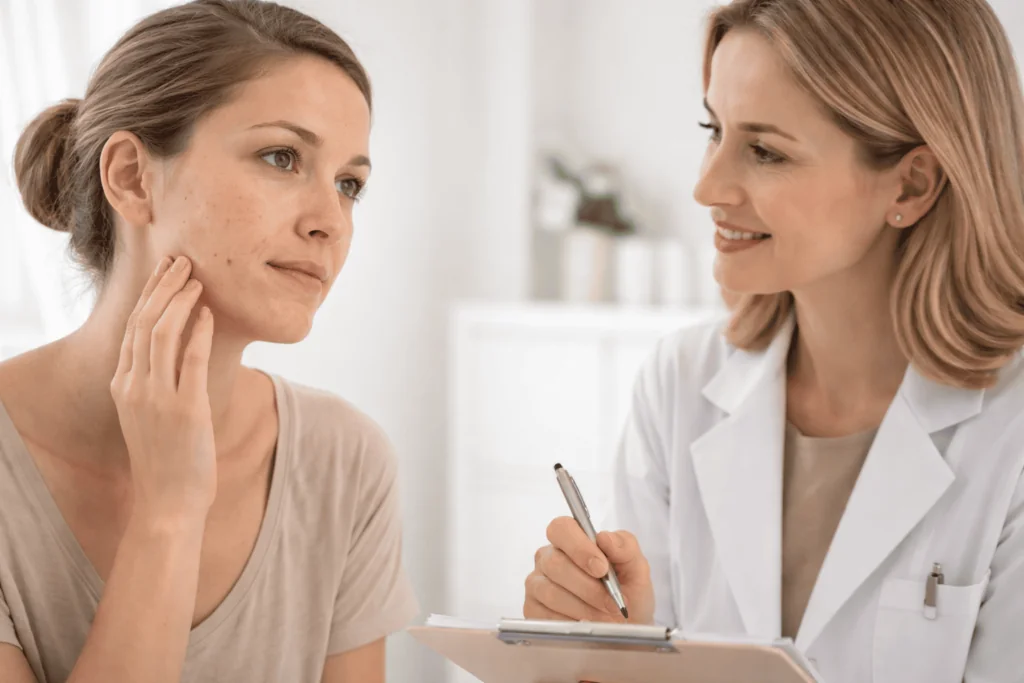
Sometimes home care is enough. Sometimes it is not. If your acne is painful, persistent, or leaving marks, getting help is a smart next step.
Signs it may be time to see a dermatologist
Consider professional evaluation if you have:
- Painful cystic acne
- Breakouts that scar or leave dark marks
- Acne that keeps returning in the same places
- No improvement after a fair trial of home care
- Severe redness, peeling, or stinging from products
- Doubts about whether the bumps are really acne
Treatments a professional may discuss
Prescription topicals
These may include stronger retinoids, antibiotic combinations, or other medicated creams and gels.
Oral medicines
Some people benefit from oral medications for moderate to severe acne, especially when inflamed breakouts keep coming back.
Hormonal treatment in some cases
If your breakouts clearly follow a hormone pattern, a clinician may discuss options that target that cause.
Even though can stress cause pimples is a useful question, it is not the only question that matters. If home care is not working, the next step is not to blame yourself. It is to get expert help.
This article is for education only and is not a diagnosis or a substitute for personal medical advice.
How to Prevent Future Stress Breakouts
If you already know that can stress cause pimples applies to you, prevention becomes very important. The goal is not perfect skin. The goal is fewer flares and faster recovery.
A realistic prevention plan
Try these habits before stressful times build up:
- Keep a gentle routine you can stick to
- Do not stop skincare completely when life gets busy
- Change pillowcases often
- Clean your phone screen regularly
- Avoid picking
- Protect your sleep as much as possible
- Keep one acne treatment on hand instead of buying many products in panic
Skin habits to keep year-round
Steady habits usually beat dramatic fixes. Your skin tends to do better when you use a routine long enough to judge it fairly.
Stress habits to build before breakouts start
Think of stress care as part of skin care. Regular meals, movement, sleep, and small daily reset habits can all help lower the chance of a flare.
Prevention is not about perfection
You can do almost everything right and still break out during a very hard week. That does not mean you failed. It means your skin is responding to real pressure.
Conclusion
So, can stress cause pimples? Yes, it can. Stress can trigger breakouts, worsen existing acne, and slow healing by increasing oil, inflammation, and the daily habits that affect your skin.
The good news is that you can often improve things with gentle skincare, better sleep, lower skin irritation, and simple stress support. If your breakouts are painful, frequent, or leaving marks, it may be time to talk with a dermatologist. For more help, read our related guides on acne-prone skincare, skin barrier repair, and common treatment mistakes that can keep breakouts going.
FAQ
1. Can stress cause pimples even if my skin is usually clear?
Yes. Can stress cause pimples even in people who do not usually break out? It can. Stress may increase oil, inflammation, face touching, and poor sleep, which can all trigger short-term breakouts.
2. How long do stress breakouts usually last?
Mild breakouts may improve within a few days to two weeks. If the acne is more inflamed or your routine is inconsistent, it may last longer. Some treatments need several weeks of regular use before results show.
3. Does stress give you pimples or just make acne worse?
It can do either. For some people, does stress give you pimples is a very real experience during hard periods. For others, stress mainly makes existing acne worse, more inflamed, or slower to heal.
4. What are the most common stress acne areas?
The most common stress acne areas include the forehead, cheeks, chin, jawline, and sometimes around the mouth. The exact location depends on hormones, skin type, sweat, products, and face-touching habits.
5. What is the best way to treat stress acne at home?
The best approach to how to treat stress acne is usually a gentle cleanser, non-comedogenic moisturizer, sunscreen, and one well-chosen acne treatment such as salicylic acid, benzoyl peroxide, or adapalene. Avoid scrubbing, picking, and using too many strong products at once.