Could Dairy Cause Acne? What the Research Says About Breakouts
If you feel like your skin gets worse after pizza night, cereal with milk, or a daily protein shake, you are not imagining things. Many people wonder whether could dairy cause acne is a real question or just another diet myth. The honest answer is not black and white. For some people, dairy seems to make breakouts worse. For others, it does not seem to matter much at all.
What matters most is understanding what the research actually shows, how acne forms, and how to test possible triggers without making your diet overly strict. If you are trying to get clearer skin, this guide will help you make sense of the dairy-acne link and figure out what to do next.
Table of Contents
Why this question matters if you keep breaking out
When acne keeps showing up, it is natural to start looking at everything you eat. Food feels personal and controllable, so many people focus on it first. That makes sense, but it can also become confusing fast.
You may have heard that milk causes pimples, that cheese is harmless, or that chocolate is the real problem. You may also have seen clear-skin diets online that cut out half the foods in your kitchen. The problem is that acne is rarely caused by one single thing.
This article is here to answer the real questions behind the search. Can dairy cause spots? Are some dairy foods worse than others? What are the foods that make you break out? And what are the foods that help spots instead?
What is acne, and why does it happen in the first place?
Acne starts in your pores. A pore can get blocked when dead skin cells and oil build up together. Once that happens, the pore may turn into a whitehead, blackhead, or inflamed pimple.
Several things drive this process:
- Too much oil production
- Sticky dead skin cells that clog pores
- Growth of acne-related bacteria on the skin
- Inflammation inside the pore
Hormones also play a major role. Hormonal shifts can push your oil glands to make more sebum, which raises the chance of clogged pores and inflamed breakouts. That is why acne often gets worse during puberty, around periods, during times of stress, or with certain health conditions.
In other words, acne is not just “dirty skin” or one bad food choice. It is a mix of skin biology, hormones, inflammation, and personal triggers.
Could dairy cause acne?
The short answer is this: dairy may worsen acne in some people, but it does not appear to affect everyone the same way.
Research has found an association between some dairy intake, especially milk, and acne in certain groups. That does not prove dairy is the single cause of acne. It means there may be a connection worth paying attention to, especially if you notice a pattern in your own skin.
This is an important difference. A food can be a trigger without being the root cause. Think of it this way: if you already have acne-prone skin, dairy might turn the volume up. It may not be the reason acne exists in the first place.
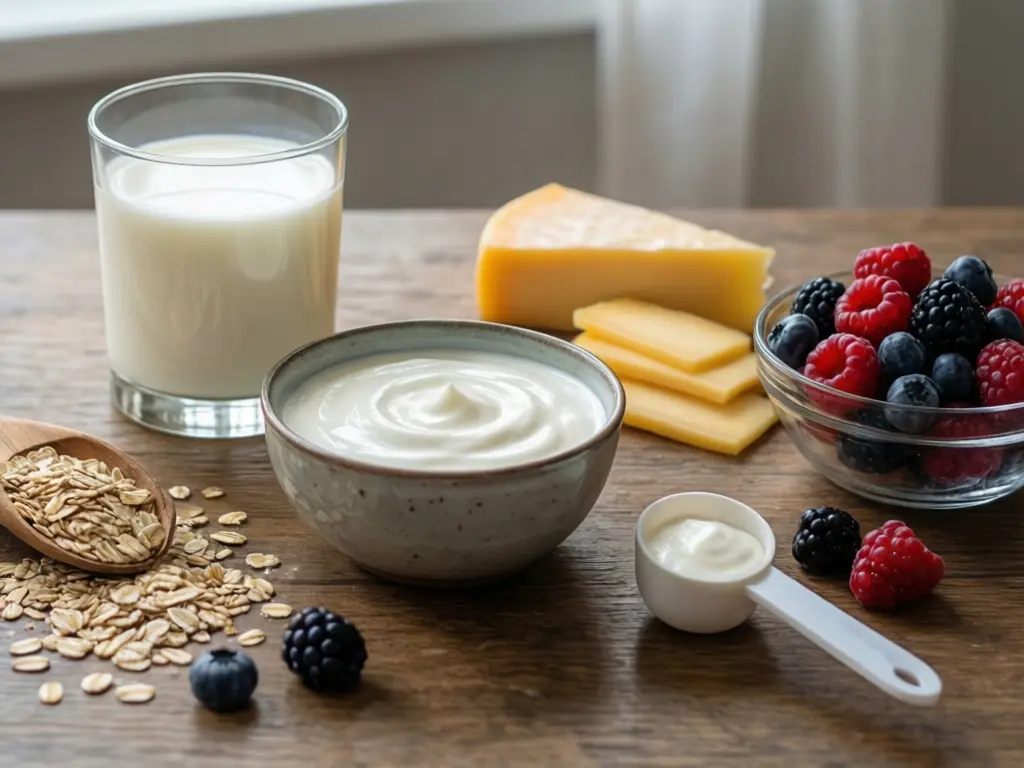
Current evidence suggests that milk is the dairy product most often linked with breakouts. The link seems less clear with foods like yogurt and cheese. That may be because different dairy products affect hormones, insulin response, and digestion in different ways.
So, if you are asking could dairy cause acne, the best answer is that it might contribute to breakouts in some people, especially if you are already acne-prone.
Why might dairy affect your skin?
There are a few reasons researchers think dairy may play a role in acne.
Hormones and growth signals found in milk
Milk is a food designed to support growth. Because of that, it contains naturally occurring compounds that can influence growth-related pathways in the body. One of the pathways often discussed in acne research involves IGF-1, or insulin-like growth factor 1.
Higher activity in this pathway may increase oil production and encourage skin cells inside pores to build up faster. That can create a better environment for acne to form.
Insulin and oil production
Some foods can affect insulin levels, and shifts in insulin can influence hormones linked with sebum production. This is one reason dairy, especially certain milk products, has been studied in relation to acne.
Why skim milk gets mentioned so often
You may have noticed that skim milk comes up often in articles about acne. Researchers are not completely sure why, but some studies have found a stronger link between acne and skim milk than with whole milk. One possible reason is that the protein and hormone-related effects may matter more than the fat content.
That does not mean whole milk is “safe” for everyone. It simply means skim milk has been discussed more often in acne research.
Whey protein may be a hidden trigger
If you use workout supplements, this is worth knowing. Whey protein comes from dairy, and some people report worse acne after starting whey shakes or bars. This may be especially relevant if you suddenly broke out after changing your fitness routine.
If you are drinking whey daily and your acne has increased, that is a clue worth testing.
Are all dairy foods equally likely to trigger breakouts?
No, they probably are not.
Milk vs. yogurt vs. cheese
Milk seems to be the dairy food most often linked with acne. Yogurt and cheese do not show the same consistent pattern in research.
There are a few reasons why:
- Yogurt is fermented, which may change how your body responds to it
- Cheese is processed differently and is usually eaten in smaller amounts than milk
- People often drink milk daily, which can make patterns easier to notice
That said, your skin does not read research papers. It responds to your real habits, your hormones, and your body. One person may tolerate yogurt just fine but break out with milk. Another may notice no difference with any dairy at all.
Fermented dairy may feel different for some people
Some people do better with fermented dairy like plain yogurt or kefir than with regular milk. That does not mean fermented dairy cures acne. It simply may affect digestion and blood sugar response differently in some people.
Frequency matters
A small amount of cheese once in a while is not the same as multiple glasses of milk per day plus whey shakes. Dose and frequency may change how strongly a food affects your skin.
Can dairy cause spots, or could something else be the real trigger?
Yes, can dairy cause spots is a fair question. But it is also possible that dairy is not the only reason your skin is acting up.
Other common acne triggers include:
- Stress
- Poor sleep
- Menstrual cycle changes
- Sweat and friction from hats, helmets, or workout gear
- Heavy or pore-clogging skin care products
- Genetics
- Picking at your skin
- Hormonal changes
Very often, breakouts happen because several triggers overlap at once. For example, you might be stressed, sleeping less, drinking more sugary coffee drinks, and using a new protein powder. In that situation, blaming one slice of cheese pizza will not tell you much.
This is why a calm, structured approach works better than guessing.
What foods make you break out besides dairy?
Dairy is not the only food category linked with acne. If you are looking at foods that make you break out, these are the other big ones to know about.
Does sugar make you break out?
Many people ask, does sugar make you break out? The better question may be whether high-sugar and highly refined foods can worsen acne in some people. The answer appears to be yes.
Foods that quickly raise blood sugar may increase insulin and related hormone activity. That can affect oil production and inflammation, which may make acne worse.
Examples include:
- Sugary drinks
- Candy
- Pastries
- White bread
- Sweetened cereals
- Desserts made with lots of refined sugar
This does not mean one cookie causes a breakout by itself. But a diet built around frequent blood sugar spikes may create a more acne-friendly environment in the body.
Refined carbs and high-glycemic foods
High-glycemic foods are foods that raise blood sugar quickly. These may be more relevant to acne than sugar alone.
Examples include:
- White rice
- White bread
- Chips
- Crackers made from refined flour
- Fast food buns and fries
Fast food and highly processed eating patterns
Research often looks at overall eating patterns, not just single foods. Diets high in ultra-processed foods, fried foods, sugary drinks, and refined carbs may be linked with worse acne in some people.
Protein supplements
Do not forget protein powders. Whey protein is one of the more commonly reported food-related acne triggers, especially among teens and young adults who lift weights.
What are foods that help spots?
If you are focused on foods that help spots, it helps to think less about miracle foods and more about steady eating patterns that support your skin.
Best food for spots
There is no one best food for spots, but there are eating habits that may support clearer skin over time. In general, foods that help keep blood sugar steady and reduce inflammation are the most promising choices.
These include:
- Vegetables
- Fruit
- Beans and lentils
- Oats
- Nuts and seeds
- Fish rich in omega-3 fats
- Whole grains
- Plain yogurt if your skin tolerates it
- Water as your main drink
Foods that help spots by supporting balanced blood sugar
Balanced meals can help you avoid big energy crashes and spikes. A simple way to build meals is to include:
- Protein
- Fiber
- Healthy fat
- A slower-digesting carb
For example, oatmeal with nuts and berries may support your skin better than a sugary pastry. A turkey sandwich on whole grain bread with fruit may be a better choice than chips and soda.
Omega-3s, produce, and fiber
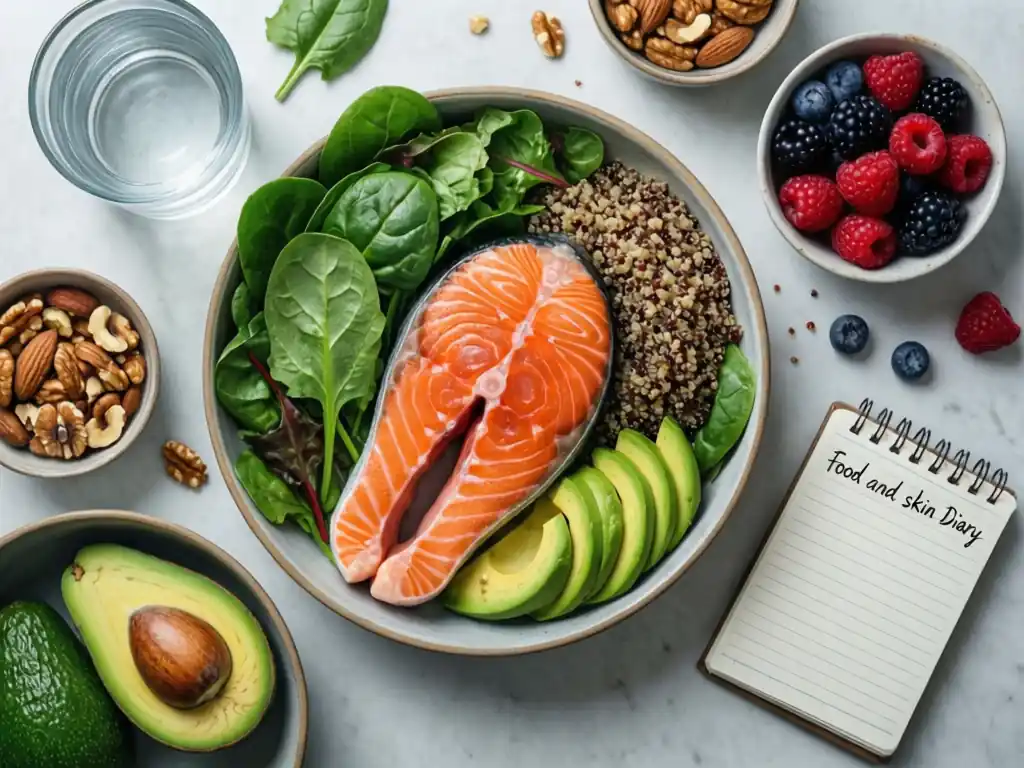
Foods that help spots often include salmon, sardines, walnuts, chia seeds, leafy greens, berries, and colorful vegetables. These foods support overall health and may help calm inflammation.
Hydration still matters
Water will not cure acne, but staying hydrated supports your skin barrier and overall health. It is a simple habit that helps more than many people realize.
Dairy and acne: a simple comparison table
| Food or pattern | More often linked with breakouts | May be more skin-friendly for some people |
|---|---|---|
| Dairy | Milk, especially frequent intake; whey protein | Small amounts of yogurt or cheese may be better tolerated by some |
| Carbs | Sugary drinks, candy, pastries, white bread | Oats, beans, whole grains, higher-fiber carbs |
| Protein choices | Sweetened whey shakes | Eggs, fish, chicken, tofu, beans, unsweetened protein options |
| Fats | Highly processed fried foods | Nuts, seeds, olive oil, avocado, fatty fish |
| Daily pattern | Skipping meals, then overeating processed foods | Balanced meals with protein, fiber, and produce |
This table is not a rulebook. It is a practical starting point.
Should you stop dairy if you have acne?
Not automatically.
Cutting out dairy can help some people, but it is not the first or best step for everyone. Dairy also provides nutrients like protein, calcium, and sometimes vitamin D, so it is not ideal to remove it without a plan.
A short, structured trial may make sense if:
- You notice breakouts after milk or whey
- Your acne has not improved with basic skin care
- You want to test a possible trigger in a realistic way
It may not make sense if:
- You have not noticed any pattern at all
- You are already following a very limited diet
- You plan to replace dairy with highly sugary “healthy” alternatives
If you reduce dairy, make sure you still get enough calcium, vitamin D, and protein from other foods or from fortified alternatives.
How to test whether dairy is affecting your skin
A smart test works better than random food fear.
Keep a simple skin and food diary
For a few weeks, track:
- What dairy foods you eat
- Whether you use whey protein
- When new breakouts appear
- Stress, sleep, and menstrual cycle timing
- New skin care products
This helps you spot patterns you might miss otherwise.
Try a realistic elimination period
If dairy seems suspicious, try reducing or removing the main dairy foods you eat most often for about 4 to 8 weeks. That gives your skin time to respond. Acne does not usually change overnight.
Watch for meaningful changes
Look for fewer new inflamed pimples, less oiliness, or fewer jawline and cheek breakouts. Do not focus on one single blemish. Look at the overall trend.
Reintroduce dairy carefully
If your skin improves, reintroduce one type of dairy at a time. For example, test milk first, then yogurt later. That helps you figure out whether the issue is all dairy or only certain forms like milk or whey.
What else can help if your breakouts are not improving?
Diet is only one piece of acne care. Most people do best when they combine food changes with a simple skin routine.
Helpful habits include:
- Washing your face gently twice a day
- Using non-comedogenic skin care and sunscreen
- Not scrubbing or picking at pimples
- Showering after sweaty workouts
- Keeping hair products off acne-prone skin
Over-the-counter ingredients that may help include benzoyl peroxide, salicylic acid, and adapalene. These can be very effective when used correctly and consistently.
Diet changes also tend to work best when they fit into a bigger plan. You may also want to read our guide to building a simple acne skin care routine and our article on hormonal acne vs. regular acne if you are trying to understand your breakouts more clearly.
Common mistakes to avoid when linking food and acne
It is easy to get frustrated and overcorrect. Try not to make these common mistakes.
Blaming one food for every breakout
Acne takes time to form. A pimple you see today may have started developing days or even weeks ago. That means the most recent thing you ate may not be the whole story.
Cutting out too many foods at once
If you remove dairy, gluten, sugar, soy, eggs, and all processed foods at the same time, you will not know what actually made the difference. You may also make eating much harder than it needs to be.
Expecting results overnight
Skin changes slowly. Even when a trigger is real, it usually takes several weeks to see a clear trend.
Ignoring skin care and hormones
Food matters, but it is not everything. If your breakouts are driven mostly by hormones, stress, or pore-clogging products, diet changes alone may not solve the problem.
Following extreme advice online
Be careful with social media claims that promise perfect skin through one “clean eating” trick. Acne is more complicated than that.
When home care may not be enough
Sometimes home care is not enough, and that is okay.
It may be time to see a dermatologist if:
- Your acne is painful or deep
- You are getting cysts or nodules
- Your skin is scarring or leaving dark marks
- Over-the-counter products are not helping after a few months
- Your acne started suddenly in adulthood
- Your breakouts are affecting your confidence or mental health
A dermatologist can help you figure out whether your acne looks hormonal, inflammatory, medication-related, or connected to another health issue. They can also offer treatments that work much faster and more reliably than diet changes alone.
The bottom line on dairy and breakouts
So, could dairy cause acne? For some people, yes, it may contribute to breakouts, especially milk and whey protein. But dairy is not a universal acne trigger, and it is rarely the full explanation by itself.
The most useful approach is to stay practical. Look for patterns. Test changes one at a time. Focus on the full picture, including skin care, hormones, sleep, stress, and overall diet quality.
If you want to support your skin through food, aim for a steady, balanced eating pattern with fewer high-sugar processed foods and more whole foods that support stable energy and lower inflammation. You may also want to explore our guide to acne-friendly meal ideas for simple ways to put that into practice.
Your skin does not need perfection. It needs consistency, patience, and a plan that actually fits your life.
FAQ:
Could dairy cause acne even if it never bothered me before?
Yes. Your skin can change over time because of hormones, stress, age, medications, or changes in your diet and lifestyle. A food that did not seem to affect you in the past may become more noticeable later, especially if several acne triggers are happening at once.
How long does it take to see if dairy is affecting your skin?
In most cases, give it about 4 to 8 weeks. Acne takes time to form and heal, so you usually will not get a clear answer after just a few days. Track your skin during that period so you can look at the overall pattern, not one breakout.
Can dairy cause spots on the face and body?
It can for some people. If dairy is a trigger for you, it may show up as breakouts on the face, chest, back, or shoulders, especially if you are already acne-prone. Body acne can also be worsened by sweat, tight clothing, and friction.
Does sugar make you break out more than dairy?
That depends on the person. Some people are more affected by high-sugar and high-glycemic foods, while others notice more of a pattern with milk or whey protein. If you are unsure, test one possible trigger at a time instead of changing everything at once.
What is the best food for spots if I want clearer skin?
There is no single best food for spots, but a balanced pattern works best. Meals built around vegetables, fruit, fiber-rich carbs, healthy fats, and steady protein may support clearer skin better than a diet high in sugary drinks, refined carbs, and ultra-processed foods.