Does Creatine Cause Acne? The Truth About Creatine and Breakouts
Does creatine cause acne? This is a common question among people who start taking creatine supplements and notice new pimples or breakouts. Current evidence does not show that creatine directly causes acne, but changes in workouts, diet, sweat, and supplements can affect your skin.
Short answer: Creatine does not appear to directly cause acne for most people. However, changes linked to starting creatine — like harder workouts, sweating, diet changes, or other supplements — may contribute to breakouts.
That said, your skin can still change after you start creatine. The tricky part is that creatine often comes with other changes at the same time, like harder training, more sweating, diet changes, whey shakes, pre-workouts, and less sleep. Any of those can make acne worse. Dermatology guidance also notes that workouts, sweat, friction, and trapped heat can trigger or worsen breakouts.
So before you decide that creatine is the problem, it helps to look at the full picture.
Table of Contents
What creatine actually does in your body
Creatine is a natural compound your body already makes. You also get some from foods like meat and fish. In muscles, it helps your body quickly recycle energy during short, intense efforts like sprinting, lifting, jumping, or repeated hard sets. That is why so many people use it for strength, power, and training performance.
People usually take creatine monohydrate because it is the best-studied form. It is commonly used to support:
- strength and power
- higher-quality training sessions
- lean mass gains over time
- better performance during repeated high-intensity exercise
The side effects people notice most often are not skin-related. Early water retention and stomach upset are more common concerns, especially with large doses. Recent safety reviews also say dehydration claims are not well supported by controlled studies, even though many people still repeat that myth online.
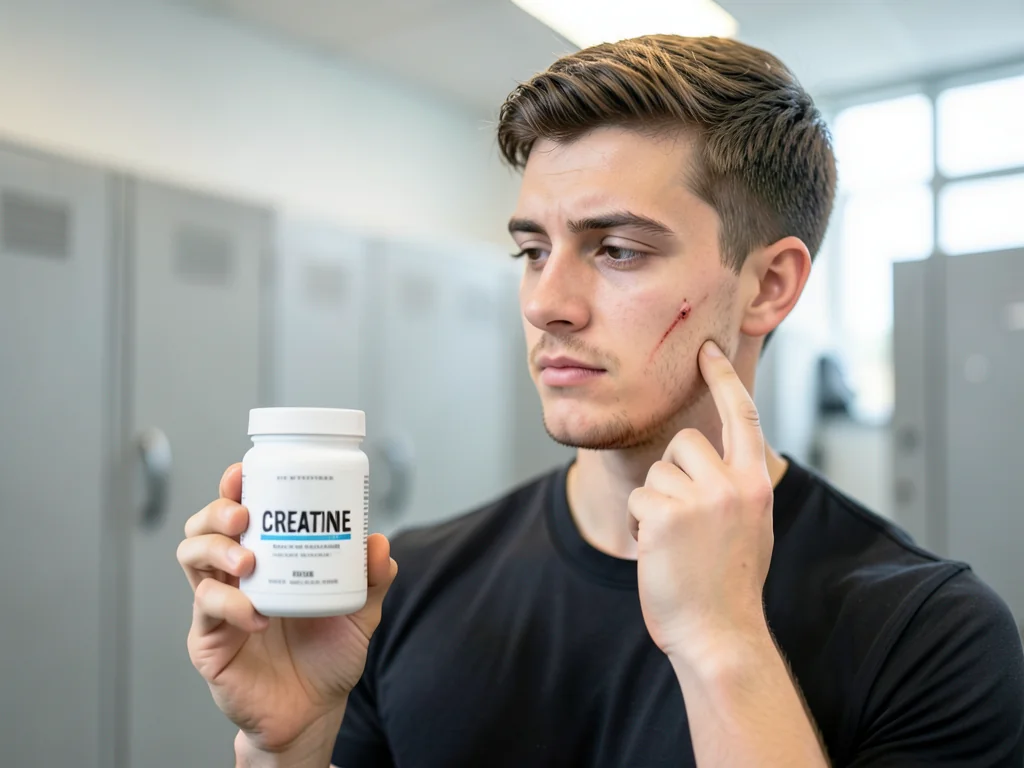
Does creatine cause acne?
Based on current evidence, there is no strong research showing that creatine directly causes acne.
That does not mean your breakout is imaginary. It means the science has not confirmed a direct cause-and-effect link. Large reviews on creatine safety describe it as generally safe and well tolerated, and acne does not stand out as a known, consistent adverse effect.
This is why the honest answer to “does creatine cause acne?” is a little frustrating but still useful: probably not directly for most people, but it may be part of a bigger pattern that affects your skin.
If you noticed breakouts soon after starting creatine, there are a few possible explanations:
- the timing is coincidence
- your training routine changed at the same time
- your diet shifted toward foods that can worsen acne
- your creatine product contains extra ingredients you do not tolerate well
- you already had acne-prone skin, and something in your new routine pushed it over the edge
🔥 The 3 products dermatologists actually recommend (and yes, they work):
Stop guessing and start with what’s proven. La Roche-Posay Effaclar Duo(+) targets breakouts fast, Paula’s Choice 2% BHA Liquid Exfoliant keeps pores clear with daily use, and Hero Cosmetics Mighty Patch is the overnight fix everyone swears by. ✅ No prescription needed ✅ Affordable ✅ Backed by real clinical evidence.
Can creatine cause acne indirectly?
This is where the conversation gets more realistic.
Changes in workout intensity, sweat, and skin friction
When you start creatine, you may train harder, recover better between sets, or spend more time in the gym. That can mean more sweat, tighter clothing, and more friction from straps, helmets, benches, or backpacks.
The American Academy of Dermatology says workouts can contribute to acne because sweat, oil, dirt, and bacteria can build up on the skin. It also describes acne mechanica, which happens when heat, sweat, and friction irritate the skin and lead to breakouts.
So if you are seeing pimples on your forehead under a hat, on your back under a tight shirt, or on your shoulders where straps rub, creatine itself may not be the real issue.
Higher calorie intake, protein shakes, and diet changes that may affect acne
A lot of people do not start creatine in isolation. They also add protein shakes, mass gainers, snack bars, or a bulking diet. That matters because diet can affect acne in some people.
Dermatology guidance suggests that low-glycemic eating patterns may help reduce breakouts, while some studies have also linked cow’s milk with more acne in certain people.
That means your “creatine acne” might actually be related to:
- sweetened shakes
- high-glycemic foods
- frequent dairy-based supplements
- overall calorie surplus choices
Stress, sleep, and gym routines that can make breakouts worse
New fitness goals can come with more stress, less sleep, and more face touching at the gym. Those are not small details. Poor recovery can affect inflammation, skin habits, and hygiene in ways that make breakouts easier to trigger.
Water retention, skin changes, and why they are not the same as acne
Some people confuse puffiness with acne. Creatine can increase total body water, especially early on, but puffiness is not the same as clogged pores, whiteheads, or inflamed pimples. A fuller-looking face does not automatically mean creatine zits are forming.
Can Creatine Affect Hormones and Cause Breakouts?
This is the part that gets the most attention online.
Acne is strongly influenced by oil production, clogged pores, inflammation, and bacteria. Hormones can matter because androgens can increase sebum production, which can make acne worse in some people.
People often worry about testosterone and DHT. That concern comes largely from one small study in college-aged rugby players that reported a rise in DHT after three weeks of creatine supplementation. But that study was small, short, and not designed to measure acne outcomes. It raises a question, not a conclusion. Broader creatine safety reviews still do not show clear evidence that creatine consistently causes hormone-driven acne in the general population.
So can creatine cause acne through hormones? Possibly in theory for some people who are very sensitive to hormonal shifts, but the evidence is too limited to say that creatine reliably causes breakouts this way.
A fair summary is this:
- there is a possible hormonal hypothesis
- the evidence is limited and not definitive
- there is no strong proof that creatine directly causes acne in most users
Creatine zits: what people usually mean
When people say “creatine zits,” they usually mean one of three things:
- new pimples on the face
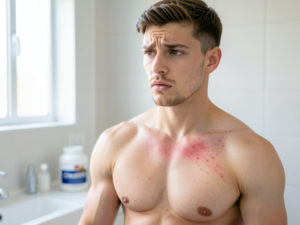
- back or chest breakouts after gym changes
- irritated bumps that are not classic acne at all
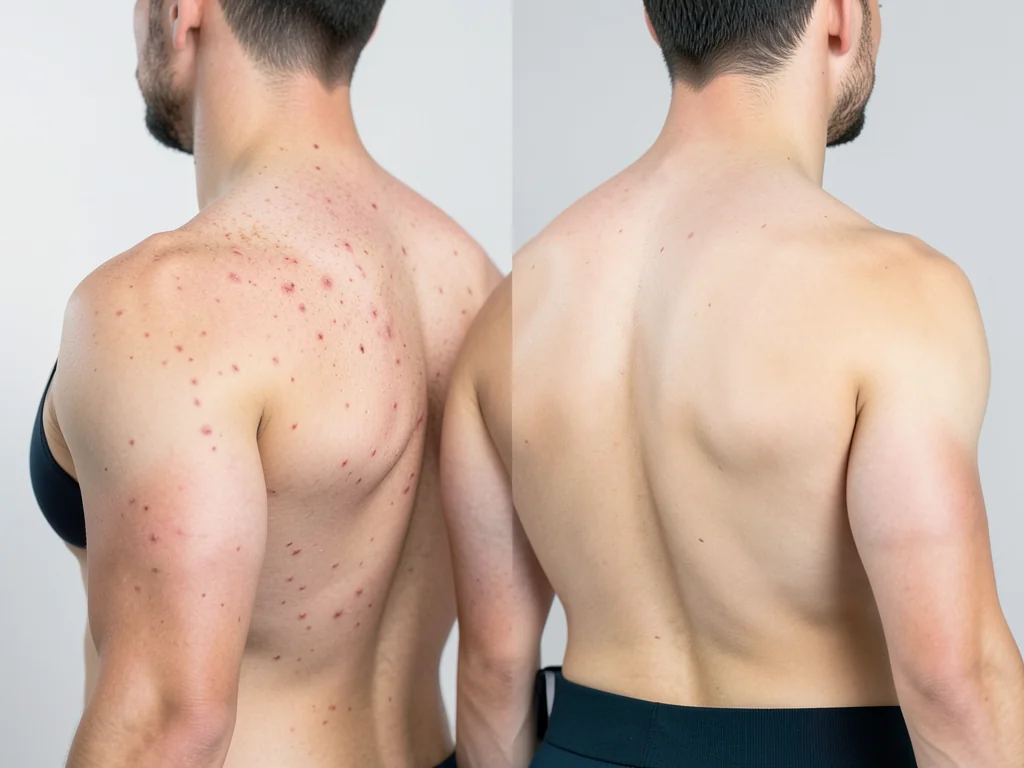
Acne does not only show up on the face. The American Academy of Dermatology notes that acne can also appear on the back, chest, neck, shoulders, and upper arms.
That is why gym-related breakouts often show up in these patterns:
- Face acne: may be linked to sweat, hats, touching your face, or not removing makeup before exercise
- Back acne: often worsened by sweaty shirts, tight clothing, friction, and delayed showering
- Chest acne: may flare with trapped heat, compression wear, or fragranced products
Sometimes “creatine zits” are really acne mechanica. These bumps often show up where something rubs repeatedly and can begin as tiny rough bumps before becoming fuller pimples.
Creatine skin rash and other skin reactions
If you notice itchy, patchy, or widespread skin changes after starting creatine, it may not be acne. Learn more about the signs of a creatine skin rash and how it differs from typical breakouts.
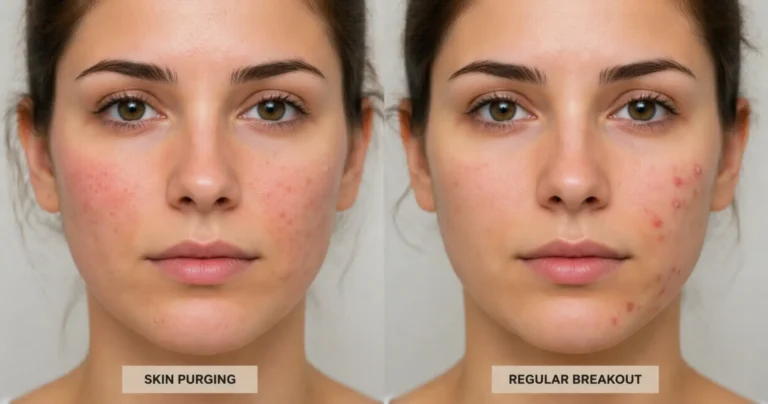
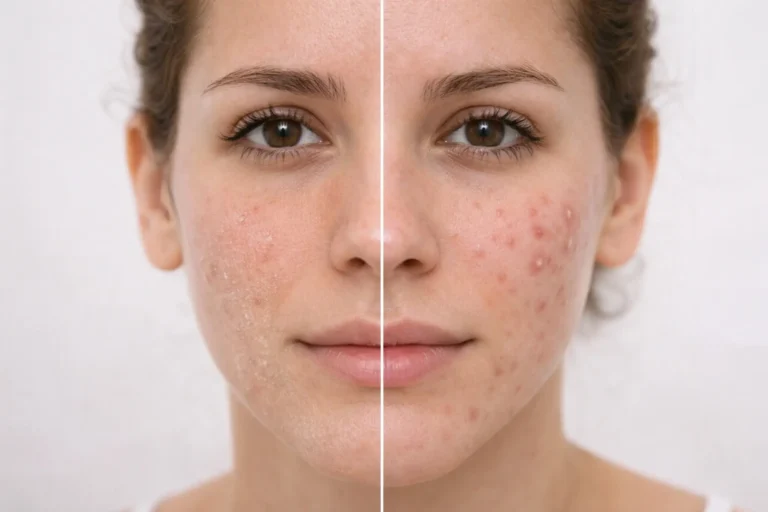
Acne usually involves clogged pores, blackheads, whiteheads, tender red bumps, or deeper cysts. A rash may look flat, patchy, itchy, blotchy, or widespread. It may also burn or sting.
Pure creatine monohydrate is not known as a common rash trigger, but reactions can still happen for a few reasons:
- you are reacting to a flavoring, dye, sweetener, or other additive
- the product is contaminated or poor quality
- you are having irritation or an allergic reaction unrelated to the creatine itself
- the skin problem is actually heat rash, folliculitis, or contact irritation
This is another reason simple creatine monohydrate is usually the better choice than flashy blends with long ingredient lists.
Do not ignore warning signs. A dermatologist-guided overview on rashes says you should seek medical attention for a rash that covers much of the body, blisters, turns into open sores, spreads quickly, is painful, or comes with fever or illness. Rashes involving the eyes, lips, mouth, or genital skin also need medical care.
If you think you have a creatine skin rash, stop the product and get medical advice right away if the rash is severe or rapidly worsening.
Creatine skin effects that are not acne
Not every skin change means creatine is harming your skin.
Puffiness, temporary water retention, and changes in appearance
Creatine can pull more water into muscle tissue, especially when you first start it. Some people feel or look slightly fuller at first. That can change how your face or body looks, but it is not the same thing as acne lesions.
Dry skin, dehydration concerns, and what is often misunderstood
A lot of people assume creatine dries out your skin because they have heard it causes dehydration. Current reviews do not support that as a general rule in healthy users taking it appropriately.
If your skin feels dry, look at the bigger picture:
- are you using harsh acne washes too often?
- are you training in dry air or showering more?
- did you add caffeine-heavy products that make you feel depleted?
- are you simply not moisturizing?
Is creatine good for skin in any way?
This question needs a careful answer. Some older research suggests that topical creatine in skincare products may help improve signs of photoaged skin, such as firmness or wrinkle appearance. But that is topical use on the skin, not taking oral creatine for gym performance.
So is creatine good for skin? Possibly in some topical cosmetic settings, but oral creatine should not be viewed as a skin treatment.
Who may be more likely to break out after starting creatine
Some people may be more likely to notice breakouts around the time they start creatine, even if creatine is not the direct cause.
That includes:
- people with acne-prone or oily skin
- teens and young adults already dealing with hormone-related acne
- anyone starting several products at once
- people adding whey protein, sugary shakes, or high-glycemic foods
- athletes wearing tight gear, helmets, straps, or unwashed gym clothes
If you are already on the edge of a breakout, even small routine changes can be enough to tip your skin in the wrong direction.
How to Know If Creatine Is Causing Your Breakouts
The best way to figure this out is to think like a detective, not like a comment section.
Start with timing. Ask yourself:
- When did the acne begin?
- Did you start creatine alone, or at the same time as a new protein powder or pre-workout?
- Did your training volume go up?
- Did your sleep, stress, or diet change too?
Then look at your full routine. The American Academy of Dermatology recommends simple workout hygiene habits like removing makeup before exercise and wearing clean workout clothes, since dirty clothing can clog pores.
If you want a practical self-check, you can try a pause-and-retry approach:
- Keep the rest of your routine as stable as possible.
- Stop creatine for a few weeks.
- See whether your skin improves.
- If you restart it, use plain creatine monohydrate only.
- Watch whether the same pattern returns.
This is not a perfect experiment, but it can help you spot whether the supplement itself, the product formula, or the overall gym routine seems to matter most.
If your acne is severe, painful, or scarring, skip the trial-and-error game and talk with a dermatologist.
How to take creatine with less risk of skin problems
If you want the performance benefits without making your skin situation worse, keep it simple.
Start with a basic creatine monohydrate product
Choose plain creatine monohydrate from a reputable brand. Fewer ingredients mean fewer chances for irritation or confusion.
Avoid unnecessary blends, sweeteners, or added stimulants if you are sensitive
A product loaded with caffeine, artificial colors, sweeteners, herbs, or mystery “performance” ingredients gives you more possible triggers than you need.
Keep your skin clean after workouts without over-scrubbing
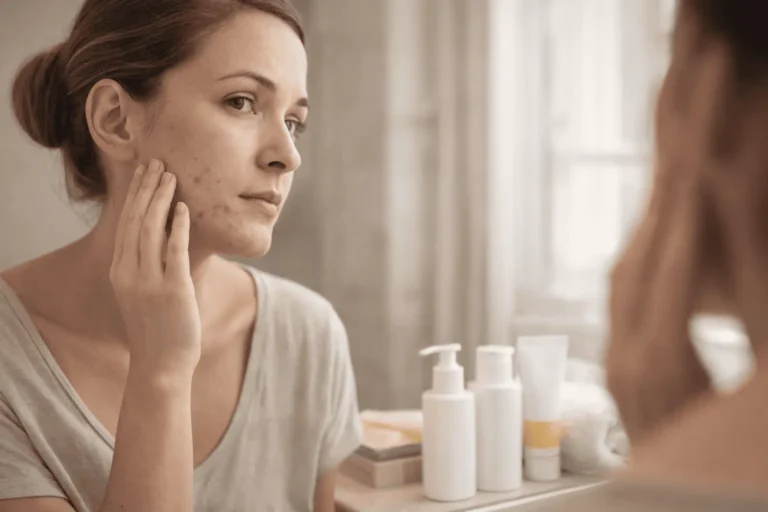
A workout can worsen breakouts, but aggressive scrubbing can also irritate your skin. Cleanse gently after sweating. If body acne is an issue, change out of damp clothes quickly.
Wash gym clothes, towels, and pillowcases regularly
This sounds basic, but it matters. Dermatology guidance points out that unwashed workout clothes can trap the kind of buildup that clogs pores.
Pay attention to diet, hydration, and recovery
Try to keep the rest of your routine steady while you test creatine. If you suddenly add dairy-heavy shakes, very sugary snacks, and poor sleep, it will be hard to know what is causing what.
A quick comparison: acne, rash, or something else?
| Skin issue | What it often looks like | Common clues | What to do |
|---|---|---|---|
| Acne breakout | whiteheads, blackheads, red pimples, deeper bumps | often on face, chest, back, shoulders | review routine, use gentle acne care, consider dermatology visit if severe |
| Acne mechanica | small rough bumps or pimples where gear rubs | heat, sweat, friction, tight clothing, straps, helmets | reduce friction, shower after workouts, wear clean breathable clothing |
| Heat rash | tiny itchy or prickly bumps | hot environments, heavy sweating, trapped heat | cool the skin, wear loose clothing, monitor symptoms |
| Contact irritation | red, itchy, burning patches | new product, detergent, fragrance, fabric, supplement additive | stop suspected trigger and monitor |
| Allergic reaction | itchy rash, hives, swelling | rapid onset after product exposure, may spread | stop product and seek urgent care if severe |
🔥 The 3 products dermatologists actually recommend (and yes, they work):
Stop guessing and start with what’s proven. La Roche-Posay Effaclar Duo(+) targets breakouts fast, Paula’s Choice 2% BHA Liquid Exfoliant keeps pores clear with daily use, and Hero Cosmetics Mighty Patch is the overnight fix everyone swears by. ✅ No prescription needed ✅ Affordable ✅ Backed by real clinical evidence.
When you should stop self-treating and see a doctor
Do not try to tough it out if you have a serious reaction.
Get medical care right away if you have:
- a rash with swelling, trouble breathing, or hives
- blistering or open sores
- fever with a rash
- a rash that spreads quickly
- painful, deep cystic acne
- breakouts that are scarring or not improving
Those warning signs matter more than figuring out whether creatine caused them. Dermatology guidance is clear that certain rash patterns need prompt medical attention.
Does Creatine Cause Acne? Final Answer
If you are asking, “does creatine cause acne?” the most practical answer is this: there is no strong evidence that creatine directly causes acne, but it can show up at the same time as other acne triggers and get blamed for the whole problem.
If you have acne-prone skin, the bigger risks are often the things around creatine, not the creatine itself: harder workouts, sweat, friction, dirty gym gear, whey shakes, high-glycemic eating, and supplement blends with extra ingredients.
The smartest next step is to keep your routine simple, use plain creatine monohydrate, watch your skin closely, and change one variable at a time. If you want a bigger-picture read next, check out our guide to common creatine side effects, our roundup of the best supplements for muscle growth if you have acne-prone skin, and our post-workout skincare routine that helps prevent gym-related breakouts.
If your skin is getting worse instead of better, or if you think you may have a creatine skin rash rather than acne, talk with a healthcare professional or dermatologist so you can get a clear answer and protect your skin early.
FAQ:
Does creatine cause acne in most people?
No. Current evidence does not show that creatine directly causes acne in most people. But some people notice breakouts after starting it because other parts of their routine change at the same time, like diet, sweat, friction, or added supplements.
Can creatine cause acne through hormones?
Possibly in theory, but the evidence is limited. One small study raised questions about DHT, a hormone linked to oil production, but that does not prove creatine causes acne for most users.
What are creatine zits?
What is the difference between acne and a creatine skin rash?
Acne usually looks like clogged pores, pimples, or deeper inflamed bumps. A rash is more likely to be itchy, patchy, flat, or widespread. If you think you have a creatine skin rash, stop the product and get medical advice, especially if it spreads or feels severe.
Is creatine good for skin?
Oral creatine is not a proven skin treatment. Some research suggests that topical creatine in skincare products may help with signs of skin aging, but that is different from taking creatine as a supplement for exercise performance.
Can creatine cause pimples?
Creatine is not proven to directly cause pimples for most people. However, some people notice breakouts after starting creatine because of changes that happen at the same time, such as harder workouts, more sweat, diet changes, or other supplements.