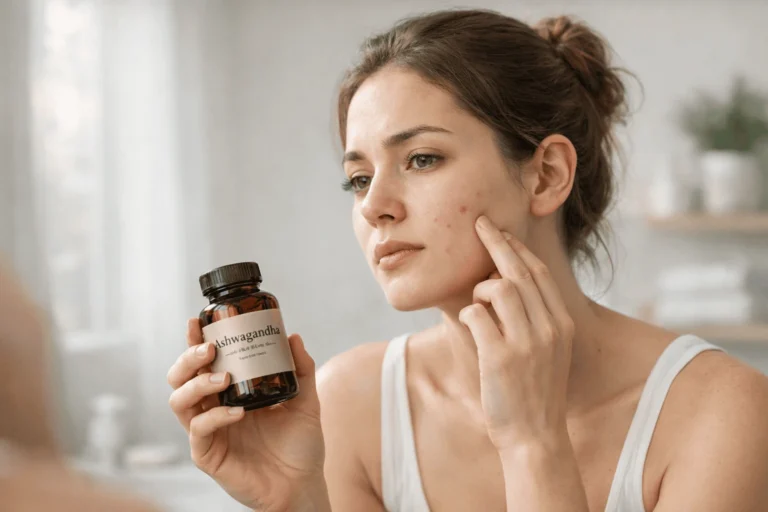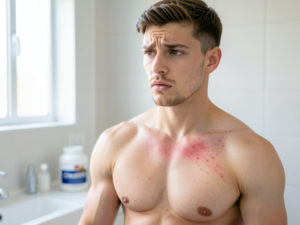
Creatine Skin Rash: Can Creatine Cause a Rash, Itching, or Eczema?
If a creatine skin rash appeared after you started a new powder, gummy, or drink mix, the timing is worth investigating—but it does not prove that creatine itself caused the reaction. Added flavors, colors, sweeteners, another supplement, or workout-related heat, sweat, and friction may also be involved.
This guide will help you compare the symptoms with hives, eczema, contact dermatitis, folliculitis, and acne; check the product label for possible triggers; and decide what to do next.
Get urgent medical help: Seek immediate care if the rash or hives occur with trouble breathing or swallowing, faintness, or swelling of the face, mouth, tongue, or throat.
Table of Contents
Creatine Skin Rash After Starting a Supplement: What to Check First
Before deciding that creatine caused the reaction, work through these four checks:
- Check the timing. Write down when you started the product, when the symptoms first appeared, and how quickly they changed. A reaction that begins after a new supplement deserves attention, but timing alone cannot identify the cause.
- Read the complete label. Check whether the product contains only creatine monohydrate or also includes flavors, colors, sweeteners, preservatives, caffeine, herbal ingredients, or other active compounds.
- Describe the skin reaction. Note whether you have flat red patches, raised hives, small itchy bumps, dryness, burning, swelling, pimples, or pus-filled bumps. These patterns can have different causes and may require different care.
- Review everything else that changed. Consider new protein powders, pre-workouts, medications, foods, skincare products, detergents, workout clothing, or increases in heat, sweating, and friction.
These details cannot confirm the diagnosis on their own, but they can help you and a healthcare professional narrow down whether the reaction may involve the supplement, another exposure, or a separate skin condition.
Creatine Skin Rash Pictures and Symptoms: What It Can Look Like
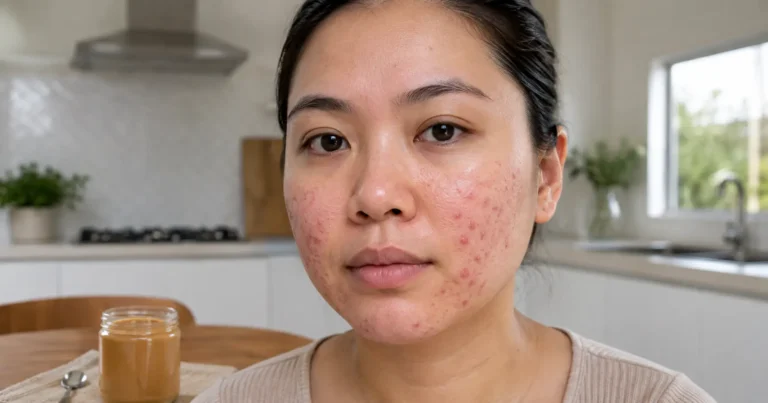
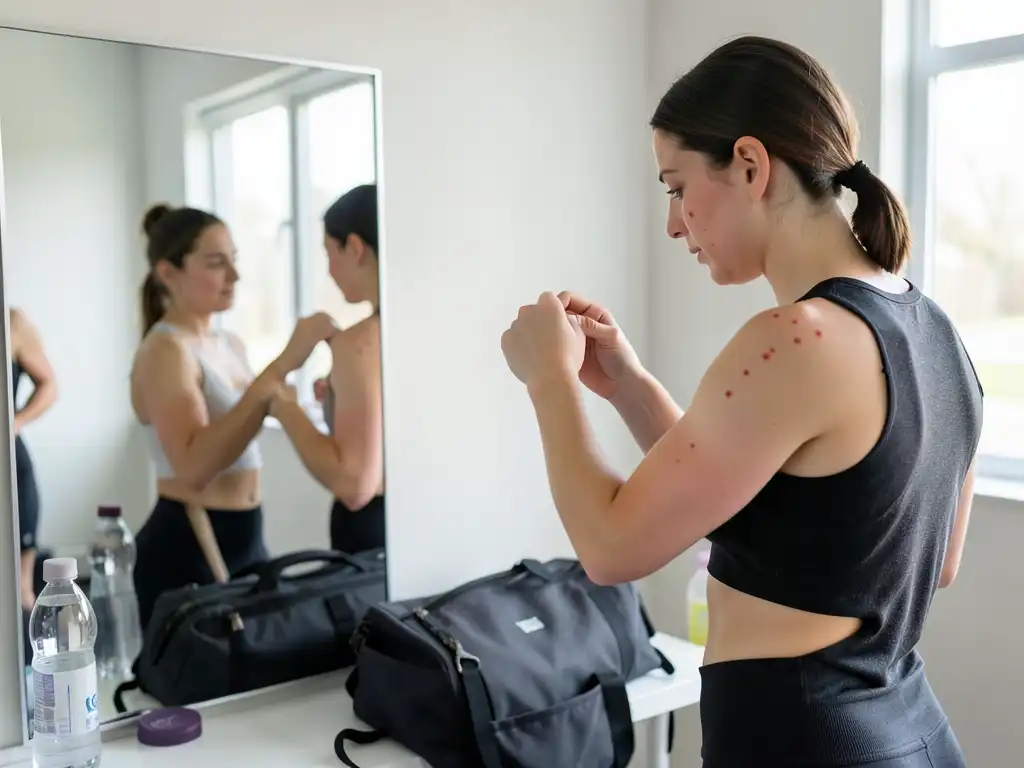
People searching for creatine skin rash pictures are usually trying to determine whether new redness, itching, or bumps look more like hives, eczema, contact dermatitis, heat rash, acne, or folliculitis. However, the appearance of a rash cannot confirm that creatine caused it, and the color may look different depending on your skin tone.
Instead of relying on creatine rash pictures alone, look closely at the pattern:
- Raised, itchy welts or swollen patches: These may resemble hives.
- Dry, scaly, cracked, or burning patches: These may resemble eczema or contact dermatitis.
- Small, itchy or prickly bumps in sweaty areas: These may resemble heat rash.
- Pimple-like bumps around hair follicles: These may resemble folliculitis or acne, especially if they feel itchy or tender.
- Redness, swelling, or irritation in one area: Consider anything that recently touched that part of your skin, including skincare products, detergents, clothing, or workout equipment.
Also note whether the reaction is spreading, becoming painful, developing blisters, or affecting your eyes or mouth. These details are more useful than a picture alone when deciding whether you need medical care.
Creatine Rash on the Face and Body
A creatine rash on the face may look like red spots, small itchy bumps, raised areas, or patches of irritation. On the chest, back, arms, or stomach, it may appear in sweaty areas or places where clothing rubs against the skin.
The location can provide useful clues, but it cannot confirm the cause:
- Face and neck: Consider skincare products, sunscreen, shaving products, sweat, and anything else that recently touched the area.
- Chest and back: Heat, heavy sweating, tight workout clothes, acne, or folliculitis may cause similar-looking bumps.
- Arms, stomach, or waistband area: Friction, fabric, laundry products, or contact irritation may be involved.
Pay attention to whether the rash stays in one area, spreads, becomes intensely itchy, or develops swelling. Take clear photos if its appearance changes over time.
Get urgent medical help if the reaction comes with trouble breathing, dizziness, or swelling of the face, lips, tongue, or throat.
Can Creatine Cause a Skin Rash?
Can creatine cause a skin rash? A rash can appear after you start using a creatine product, but the timing alone cannot tell you whether creatine monohydrate caused it. Another ingredient, a different supplement, medication, skincare product, or workout-related heat, sweat, and friction may also be involved.
If the symptoms started soon after you opened a new product, check the complete label and think about everything else that changed around the same time. Do not intentionally take another dose to test the reaction, especially if you had hives, swelling, or breathing problems.
Creatine Gummies, Flavored Powders, and Added Ingredients
Creatine gummies, flavored powders, and drink mixes usually contain more ingredients than plain creatine monohydrate. A creatine gummies rash could involve a flavor, color, sweetener, preservative, stimulant, or another active ingredient in the product.
If the reaction started after changing brands, flavors, or forms of creatine, compare the old and new ingredient lists. Keep the package and note the product name, flavor, dose, and when you took it. This information may help a healthcare professional evaluate the reaction.
Plain creatine monohydrate gives you fewer ingredients to investigate, but that does not prove it will be safe for someone who has already reacted. Do not retry a suspected product after hives, significant swelling, or breathing problems without medical advice.
Can Creatine Cause Eczema or Make It Flare Up?
Can creatine cause eczema or make eczema worse? There is not enough evidence to show that creatine directly causes eczema or regularly triggers flare-ups. If your skin became dry, itchy, red, or inflamed after starting a creatine product, the timing is worth checking, but it does not prove that creatine was responsible.
The possible link between creatine and eczema can be difficult to judge because several things may change at the same time. Heat, heavy sweating, tight workout clothing, fragranced products, and changes in your skincare routine can all irritate eczema-prone skin. Flavors, colors, sweeteners, or other ingredients in the supplement may also need to be considered.
If an eczema flare-up begins after you start a new creatine product, stop the suspected product for now, review its complete ingredient list, and avoid changing several other products at the same time. Take photos and note whether the rash improves, spreads, or returns.
Speak with a dermatologist if the reaction keeps coming back or you cannot tell whether it is eczema, contact dermatitis, hives, or another skin condition.
Common Causes of a Creatine Skin Rash
A suspected creatine skin rash does not have one single possible cause. The main things to consider are added ingredients in the supplement, heat and sweating, friction from clothing, contact with another product, or a separate condition such as eczema, hives, folliculitis, or acne.
The timing, location, and appearance of the reaction can provide clues, but they cannot confirm the cause on their own.
Added Ingredients That May Trigger a Skin Reaction
If you use creatine gummies, flavored powders, drink mixes, or a multi-ingredient supplement, start by reading the complete label.
Ingredients worth checking include:
- Artificial colors and flavor blends
- Sugar alcohols and other sweeteners
- Preservatives and thickening agents
- Caffeine or other stimulants
- Herbal ingredients or proprietary blends
Finding one of these ingredients does not prove that it caused the rash. Compare the label with products you previously used without a reaction, and keep the packaging in case a healthcare professional needs to review it.
Heat, Sweat, and Friction Can Mimic a Creatine Skin Rash
If you started training harder around the same time you began taking creatine, the supplement may not be the only change affecting your skin. Heat, heavy sweating, tight workout clothing, and repeated friction can cause irritation that looks like a creatine skin rash.
Look at where the reaction appears:
- Chest, back, and shoulders: Trapped sweat and tight workout clothing may contribute to acne-like bumps or folliculitis.
- Underarms, waistband, and inner thighs: Rubbing and trapped moisture may cause chafing or friction irritation.
- Covered or very sweaty areas: Small, itchy, or prickly bumps may look like heat rash.
Change out of damp clothing after exercise and notice whether the irritation improves on rest days or when there is less heat, sweat, and friction. This pattern cannot confirm the cause, but it can help you understand whether your workout routine may be contributing to the reaction.
Can Creatine Cause Dry Skin or Skin Irritation?
Can creatine cause dry skin? There is not enough evidence to show that creatine itself directly dries out the skin. If dryness or skin irritation begins after you start a creatine supplement, other changes may be involved too.
Harder workouts, increased sweating, hot weather, frequent showers, new skincare products, and added ingredients in flavored powders or gummies can all affect the skin.
Dry skin that also becomes red, itchy, flaky, or irritated may look more like eczema or contact dermatitis. Keep your skincare routine simple, change out of sweaty clothing, and note whether the irritation improves when you stop using the suspected product.
If the dry or irritated patches continue, spread, or become painful, talk with a healthcare professional or dermatologist.
Contact Dermatitis or Another Skin Condition
What looks like a creatine skin rash may actually be contact dermatitis or another skin condition that appeared around the same time.
Contact dermatitis usually develops after the skin touches a trigger. It can cause red, itchy, dry, cracked, or irritated patches. Possible triggers include a new cleanser, moisturizer, fragrance, laundry detergent, workout fabric, or spilled supplement powder or drink mix.
Can creatine cause perioral dermatitis? There is not enough evidence to show that creatine directly causes perioral dermatitis. Small red or acne-like bumps around the mouth, nose, or eyes should not automatically be labeled a creatine rash.
Eczema, hives, folliculitis, heat rash, and contact dermatitis can sometimes look similar. The location, timing, and appearance of the reaction can help a dermatologist determine what may be causing it.
Can Creatine Cause Hives or an Allergic Reaction?
A creatine skin rash that includes raised, itchy welts may be hives. The reaction may begin after taking a creatine supplement, but the timing alone cannot confirm a creatine allergy.
Flavors, colors, sweeteners, preservatives, stimulants, or another added ingredient may be responsible. If creatine seems to make you itchy and you also develop raised welts or swelling, stop using the suspected product.
Take photos of the reaction and keep the supplement label. Do not take another dose just to test whether the hives return.
Get urgent medical help if the hives or rash occur with trouble breathing or swallowing, faintness, or swelling of the face, lips, mouth, tongue, or throat. A dermatologist or allergist can help determine whether the reaction was caused by creatine, another ingredient, or something unrelated.
🔥 The 3 products dermatologists actually recommend (and yes, they work):
Stop guessing and start with what’s proven. La Roche-Posay Effaclar Duo(+) targets breakouts fast, Paula’s Choice 2% BHA Liquid Exfoliant keeps pores clear with daily use, and Hero Cosmetics Mighty Patch is the overnight fix everyone swears by. ✅ No prescription needed ✅ Affordable ✅ Backed by real clinical evidence.
When a Creatine Skin Rash Needs Medical Attention
A mild, localized creatine skin rash may improve after you stop using the suspected product. However, a reaction that spreads, becomes painful, or continues getting worse needs medical attention.
Contact a healthcare professional promptly if the rash:
- Spreads quickly or continues getting worse
- Causes severe or persistent itching
- Becomes painful, swollen, or intensely burning
- Develops blisters or peeling skin
- Appears with fever, mouth sores, or eye irritation
- Shows possible signs of infection
- Does not improve after you stop using the suspected product
Get urgent medical help immediately if the creatine rash occurs with:
- Trouble breathing or swallowing
- Chest tightness or wheezing
- Swelling of the face, lips, mouth, tongue, or throat
- Faintness, dizziness, or feeling like you may pass out
- Hives or swelling that worsen rapidly
These symptoms may indicate a serious allergic reaction rather than simple skin irritation. Stop using the suspected supplement and bring its label or packaging with you when seeking medical care.
How to Tell If Creatine Is Causing Your Skin Rash
You cannot confirm the cause of a creatine skin rash from timing alone. However, checking when it started, what else changed, how it looks, and what happens after stopping the suspected product can help narrow down the possibilities.
How Soon Did the Creatine Skin Rash Start?
Write down when you took the first dose and when the rash appeared. Did it begin within a few hours, after several days, or after a week of harder workouts?
A rash that starts soon after a new creatine product deserves attention, but it does not prove that creatine itself caused it. A reaction that develops after increased training may also involve heat, sweat, friction, or tight workout clothing.
What else changed at the same time?
Check for other changes that could be affecting your skin:
- Supplements: Protein powder, pre-workout, electrolyte drinks, or herbal products
- Medications and foods: New medicines, vitamins, or foods
- Skincare products: Soap, body wash, lotion, sunscreen, or acne treatments
- Household products: Laundry detergent or fabric softener
- Workout habits: New gym clothing, increased sweating, heat, or friction
Starting several products at the same time makes it harder to identify the trigger.
What Does a Creatine Skin Rash Look Like?
Write down whether the reaction is itchy, raised, dry, flaky, patchy, burning, or acne-like.
Raised itchy welts may resemble hives, while dry irritated patches may look more like eczema or contact dermatitis. Small bumps in sweaty areas may be heat rash or folliculitis rather than a reaction to creatine.
Photos can help you track changes and show a healthcare professional what the rash looked like before it improved.
Does the Rash Improve After Stopping Creatine?
If the rash improves after you stop the creatine product, something in that product may have contributed. However, this does not prove whether the trigger was creatine itself or an added ingredient.
Do not intentionally restart the product just to see whether the rash returns, especially if the first reaction included hives, swelling, or breathing problems.
Creatine Skin Rash vs Acne: How to Tell the Difference
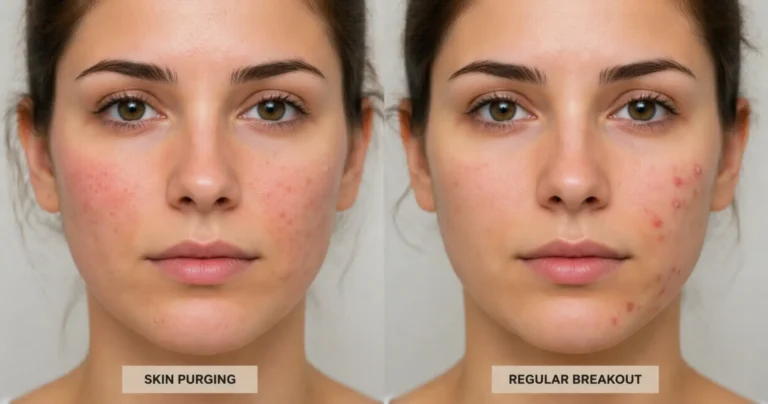
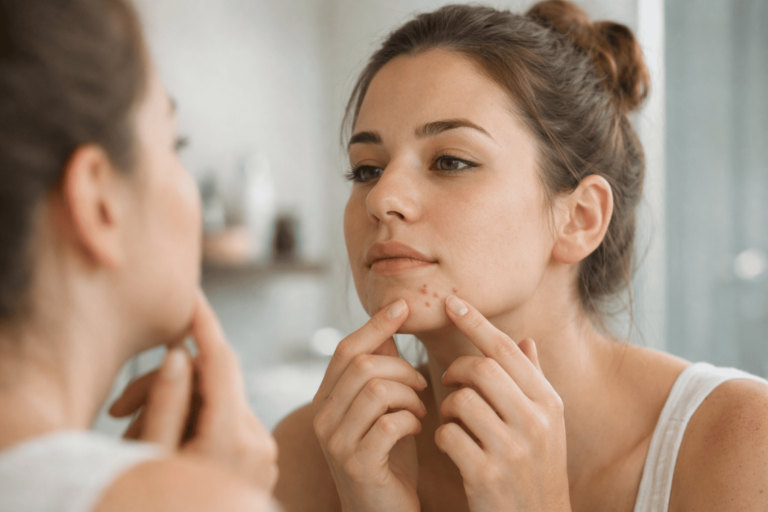
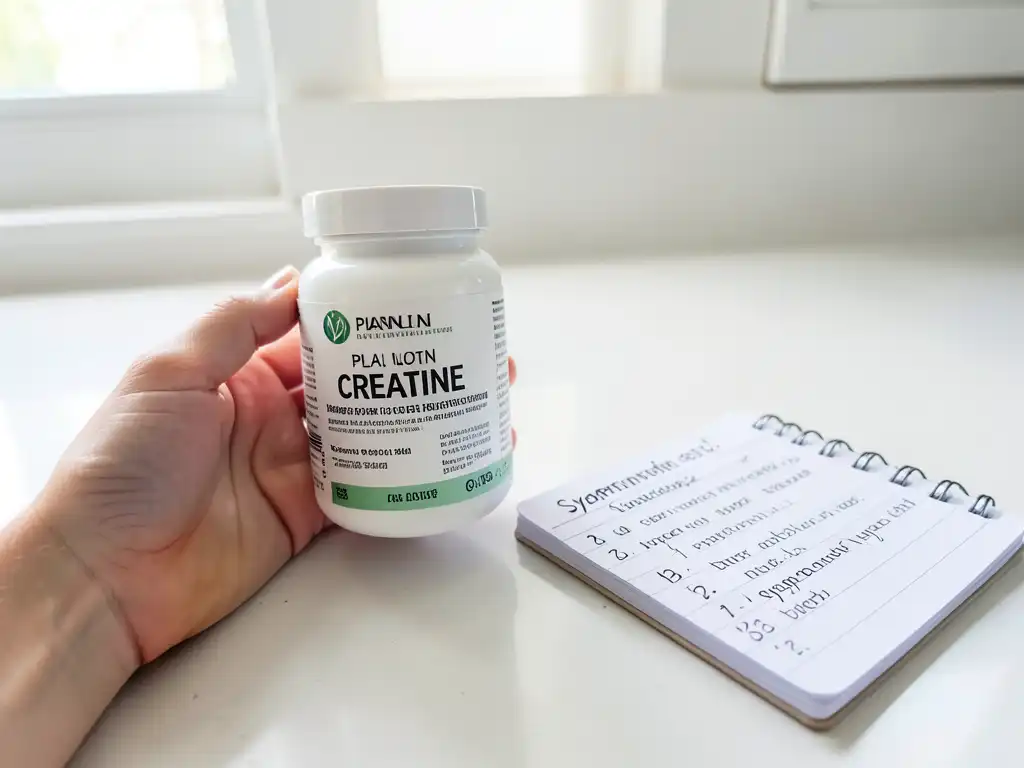
A creatine skin rash and acne may appear around the same time, but they usually look and feel different. Itching, redness, irritated patches, or raised welts point more toward a rash. Blackheads, whiteheads, pimples, or deeper inflamed bumps point more toward acne.
You started other gym products at the same time
Creatine may not be the only new product in your routine. Protein powders, pre-workouts, testosterone boosters, electrolyte drinks, and bulking supplements can contain several added ingredients.
Starting multiple products together makes it difficult to identify which one may be affecting your skin.
Your routine changed
Taking creatine often happens alongside a harder workout routine. This can mean more sweat, tight clothing, friction, shared gym equipment, and more time wearing damp clothes.
These changes can contribute to clogged pores, irritation, and workout-related breakouts, even when creatine itself is not the direct cause.
You may be dealing with folliculitis, not acne
Folliculitis can cause small red or pus-filled bumps that look like acne, especially on the chest, shoulders, back, or other sweaty areas.
Sweat, friction, tight clothing, and irritated hair follicles may contribute. Folliculitis may also feel itchy or tender, which can make it difficult to distinguish from a creatine rash without a medical evaluation.
If the bumps are small, similar in size, itchy, and concentrated on the chest, back, or shoulders, compare the pattern with our guide to pityrosporum folliculitis.
Rash vs acne: how to tell the difference
Look for these basic differences:
- Creatine skin rash: More likely to be itchy, red, patchy, irritated, or widespread
- Hives: Raised, itchy welts that may change shape or location
- Acne: More likely to include blackheads, whiteheads, pimples, or deeper painful bumps
- Folliculitis: Small acne-like bumps centered around hair follicles, often in sweaty areas
If your symptoms mainly involve pimples, breakouts, or creatine zits rather than itching and irritated patches, read our guide: Does Creatine Cause Acne?
Creatine Skin Side Effects: Rash, Itching, Hives, and Dry Skin
Possible creatine skin side effects that people notice or search for include rash, itching, hives, dryness, redness, and skin irritation. These symptoms may begin after starting a creatine product, but the timing alone does not prove that creatine itself caused them.
The appearance of the reaction may offer useful clues:
- Itching with raised welts: May resemble hives or an allergic reaction
- Dry, red, or flaky patches: May look more like eczema or contact dermatitis
- Small bumps in sweaty areas: May involve heat rash, folliculitis, or acne
- Burning or irritation in high-friction areas: May be related to sweat, tight clothing, or chafing
If creatine seems to make you itchy or irritate your skin, check the complete ingredient list. Flavors, colors, sweeteners, preservatives, stimulants, or another added ingredient may be involved.
The pattern can help narrow down the possibilities, but it cannot confirm the cause without a medical evaluation.
Creatine Skin Rash Treatment: What to Do After a Reaction
Creatine skin rash treatment depends on the appearance and severity of the reaction. The first steps are to stop using the suspected product, check its ingredients, document the symptoms, and avoid adding new supplements or skincare products while your skin settles.
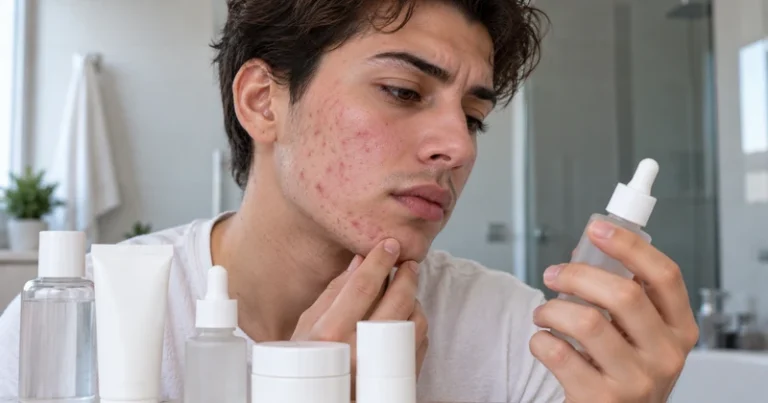
Do not automatically treat an itchy or irritated rash with acne products. Strong acids, scrubs, and other active ingredients may make already irritated skin feel worse.
Stop the Suspected Creatine Product for Now
If a creatine skin rash begins after you start a new supplement, stop using that product for now. Do not continue taking it to see whether the reaction becomes worse or take another dose just to test the connection.
If the reaction includes hives, significant swelling, trouble breathing, or trouble swallowing, seek urgent medical care.
Check the Creatine Supplement Ingredient List
Read the entire ingredient list, not only the amount of creatine. Flavored powders, gummies, drink mixes, and pre-workout blends may also contain:
- Flavors and colors
- Sweeteners and sugar alcohols
- Preservatives and thickening agents
- Caffeine or other stimulants
- Herbal blends and additional supplements
Save the label or packaging and compare it with products you previously used without a reaction.
Take Photos of the Creatine Skin Rash
Take clear photos while the rash is visible, especially if it changes quickly. Record:
- When the rash started
- Where it first appeared
- Whether it itches, burns, or hurts
- Whether it is spreading
- Which supplements, medications, and foods you used that day
- Whether you exercised or became heavily sweaty
This information can help a healthcare professional evaluate the reaction.
Avoid scratching and protect your skin barrier
Avoid scratching, harsh scrubs, strong acids, retinoids, and heavily fragranced products on the irritated area.
Use lukewarm water and gentle, fragrance-free skincare. Wear loose clothing over irritated areas and change out of damp workout clothes as soon as possible.
💧 Dry, Tight Skin? Give Moisture Center Stage.
If your clinician recommends a moisturizer for dry, irritated skin, Vanicream Moisturizing Cream is a strong contender: rich hydration, no added fragrance, and a formula designed for sensitive skin. ✨ A simple choice for keeping dryness under control.
This cream supports moisture—it does not treat a supplement allergy or hives.
Watch for improvement
Check whether the rash begins to settle after you stop using the suspected product. Improvement may suggest that something in the product or routine was involved, but it does not prove that creatine itself caused the reaction.
Keep taking photos and avoid changing several other products at the same time.
When to Contact a Doctor About a Creatine Skin Rash
Contact a healthcare professional if the creatine skin rash:
- Is severe, painful, or difficult to identify
- Continues spreading or getting worse
- Keeps returning
- Does not begin to improve
- Develops blisters, peeling, or signs of infection
- Includes hives or significant swelling
Get urgent medical help for trouble breathing or swallowing, chest tightness, faintness, or swelling of the face, lips, mouth, tongue, or throat.
A clinician can help distinguish a supplement reaction from eczema, contact dermatitis, hives, folliculitis, heat rash, or another skin condition.
Should You Take Creatine Again After a Skin Rash?
Do not rush to restart the same product after a creatine skin rash. First, allow your skin to recover and consider whether the reaction may have involved creatine, an added ingredient, or another change in your routine.
Do not retry the suspected product on your own if the reaction included hives, facial or throat swelling, trouble breathing or swallowing, blistering, peeling skin, or other severe symptoms. Speak with a healthcare professional or allergist first.
If the reaction was mild and a healthcare professional says that trying creatine again is reasonable, the following steps can make the result easier to evaluate.
Wait until your skin is fully clear
Do not introduce another creatine product while the rash is still active. Wait until your skin has returned to its normal baseline and follow any medical advice you received.
Restarting too soon can make it difficult to tell whether the original reaction has returned or never fully cleared.
Choose Plain Creatine Monohydrate With Fewer Additives
If a healthcare professional approves another trial, plain creatine monohydrate with a short ingredient list gives you fewer ingredients to evaluate.
Avoid flavored powders, gummies, pre-workouts, and multi-ingredient blends during the trial. A simpler label does not guarantee that another reaction will not happen.
Start low and go slowly
Only restart creatine if a healthcare professional believes it is appropriate. Follow the dose they recommend and the product instructions.
A smaller dose should not be treated as a safe allergy test. Do not use it to test a product that previously caused hives, swelling, breathing problems, or another severe reaction.
Keep everything else stable
Avoid changing your protein powder, pre-workout, skincare products, body wash, laundry detergent, or workout clothing at the same time.
Keeping the rest of your routine stable makes it easier to identify what may be affecting your skin.
Stop again if symptoms return
If itching, redness, hives, or another rash returns, stop using the product and contact a healthcare professional.
Get urgent medical help if the reaction includes trouble breathing or swallowing, faintness, or swelling of the face, lips, mouth, tongue, or throat.
When to See a Dermatologist or Allergist for a Creatine Skin Rash
Consider seeing a dermatologist or allergist if a creatine skin rash keeps returning, does not improve, or is difficult to identify.
A dermatologist may be helpful when the reaction looks like eczema, contact dermatitis, folliculitis, acne, heat rash, or another skin condition. An allergist may be more appropriate if the reaction includes hives, swelling, or a possible creatine allergy or reaction to another ingredient.
Bring the following information to your appointment:
- The creatine supplement label and packaging
- Photos showing how the rash changed
- When the reaction started
- A list of supplements and medications you use
- New foods, skincare products, or laundry products
- Recent illnesses or other health changes
- Workout habits and changes in sweating
- Where the rash appeared and how it felt
- Any history of eczema, hives, or allergies
Depending on your symptoms and history, the clinician can evaluate whether the reaction may be contact dermatitis, hives, eczema, folliculitis, acne, heat rash, or another condition.
Do not restart the suspected product before the appointment if the reaction was severe. Bring the complete ingredient list so the clinician can also consider whether an added flavor, color, sweetener, preservative, or stimulant may have been involved.
How to Prevent Another Creatine Skin Rash
You may not be able to prevent every creatine skin rash, especially when the original trigger is unclear. However, a simple supplement and workout routine can make reactions easier to track and may reduce exposure to unnecessary added ingredients.
Start one new product at a time
Avoid starting creatine, protein powder, pre-workout, and several skincare products during the same week.
Introduce only one new product at a time. If a skin reaction appears, you will have fewer possible triggers to investigate.
Choose third-party tested supplements
When choosing a supplement, look for testing or certification from a recognized independent organization. Check the certifier’s website when possible instead of relying only on a logo printed on the package.
Third-party testing may provide more information about what the product contains, but it does not guarantee that the product cannot cause a rash or allergic reaction.
Avoid heavily flavored products if you have sensitive skin or allergies
Flavored creatine powders, gummies, and drink mixes may contain colors, sweeteners, preservatives, stimulants, or flavor blends.
A plain creatine monohydrate product has fewer ingredients to evaluate. However, do not switch to another product without medical advice if your previous reaction included hives, swelling, or breathing problems.
Shower after sweating
After a workout, rinse away sweat using lukewarm water and a gentle cleanser. Avoid aggressively scrubbing irritated skin.
This may help reduce sweat-related irritation, clogged pores, folliculitis, and workout-related breakouts that can resemble a creatine skin rash.
Change out of damp clothes quickly
Remove sweaty shirts, leggings, waistbands, and other tight workout clothing as soon as possible.
Trapped moisture and repeated friction can irritate the chest, back, underarms, waistband area, and inner thighs.
Keep a symptom journal
Record the date, supplement name, ingredient list, dose, workout conditions, and skin symptoms.
Note where the rash appeared, how it felt, how long it lasted, and whether it improved after stopping the product. Photos can make the record more useful if the reaction changes quickly.
What to Do Next After a Creatine Skin Rash
If you develop a creatine skin rash, follow these steps:
- Stop using the suspected product: Do not take another dose just to test whether the reaction returns.
- Save the label and packaging: The complete ingredient list may help identify an added ingredient.
- Take photos and record the timing: Note when the rash started, where it appeared, and whether it itched, burned, or spread.
- Keep your routine simple: Avoid adding new supplements, skincare products, or workout products while the reaction settles.
- Watch for warning signs: Get urgent medical help for breathing or swallowing problems, faintness, or swelling of the face, lips, mouth, tongue, or throat.
- Speak with a healthcare professional: Get medical advice if the rash is severe, keeps returning, continues spreading, or is difficult to identify.
If your symptoms mainly involve blackheads, whiteheads, or pimples instead of itching and irritated patches, read our separate guide: Does Creatine Cause Acne?
Creatine Skin Rash FAQ
How Soon Can a Creatine Skin Rash Appear?
A creatine skin rash may appear within hours of taking a new product or develop after several days. The timing can make the product worth investigating, but it does not prove that creatine itself caused the reaction.
Also consider added ingredients, medications, skincare changes, harder workouts, heat, sweat, and friction.
Can Creatine Cause Skin Irritation?
Skin irritation can appear after starting a creatine product, but this does not confirm that creatine caused it. The reaction may include itching, redness, dryness, burning, or sensitive patches.
Added ingredients, sweat, friction, eczema, and contact dermatitis are other possible explanations.
Can Creatine Monohydrate Cause a Skin Rash?
A skin rash can appear after taking a creatine monohydrate product, but the timing alone cannot identify the trigger.
Check whether the product is plain creatine monohydrate or also contains flavors, colors, sweeteners, preservatives, or other ingredients. Stop using the suspected product and get medical advice if the rash is severe, returns, or continues spreading.
Can Creatine Cause Itchy Skin or Make You Itch?
Does creatine make you itchy? Itching can appear after you start a creatine product, but that does not prove that creatine itself is the trigger.
Creatine itself may not be the trigger. Flavors, colors, sweeteners, preservatives, eczema, sweating, and friction may also cause itching. Get urgent help if itching occurs with breathing problems or swelling of the face, mouth, tongue, or throat.
Is Creatine Bad for Your Skin?
Creatine is not automatically bad for your skin. A rash, dryness, or breakouts that begin after a creatine product may involve added ingredients, an existing skin condition, or changes in sweating and workout habits.
Look at the complete pattern before assuming creatine itself is responsible.
Can creatine cause eczema?
There is not enough evidence to show that creatine directly causes eczema. Dry, itchy, red, or inflamed skin after starting a creatine product may instead be eczema, contact dermatitis, or a reaction to another ingredient.
A dermatologist can help identify the condition if the rash continues or keeps returning.
Can Creatine Cause an Eczema Flare-Up?
Creatine has not been clearly established as a direct cause of eczema flare-ups. If you already have eczema, heat, sweating, friction, skincare changes, or an added ingredient in the supplement may contribute to irritated skin.
Stop using the suspected product and speak with a dermatologist if the flare is severe or repeatedly returns.
Creatine Skin Rash: Final Takeaway
A creatine skin rash may appear after starting a supplement, but the timing alone does not prove that creatine itself caused it. Added ingredients, hives, eczema, contact dermatitis, heat, sweat, friction, folliculitis, and acne can sometimes cause similar symptoms.
If a rash appears:
- Stop using the suspected product
- Save the complete ingredient list
- Take photos and record when the reaction started
- Avoid introducing other new supplements or skincare products
- Get medical advice if the rash is severe, spreads, keeps returning, or is difficult to identify
Get urgent medical help if the reaction includes trouble breathing or swallowing, faintness, or swelling of the face, lips, mouth, tongue, or throat.
The safest next step is to identify the type of skin reaction before deciding whether creatine or another supplement should be used again.
Medical note: This article is for general educational purposes and does not provide a diagnosis or replace advice from a qualified healthcare professional.
Medical Sources
The following sources support the general information about creatine supplements, hives, eczema, contact dermatitis, and folliculitis discussed in this article. They do not prove that creatine directly causes every reported skin reaction.
- NIH Office of Dietary Supplements — Dietary Supplements for Exercise and Athletic Performance
- U.S. Food and Drug Administration — How to Report a Problem with Dietary Supplements
- American Academy of Dermatology — Contact Dermatitis: Signs and Symptoms
- American Academy of Dermatology — Hives: Signs and Symptoms
- American Academy of Dermatology — Acne-Like Breakouts Could Be Folliculitis
- American Academy of Dermatology — Managing Eczema in Summertime