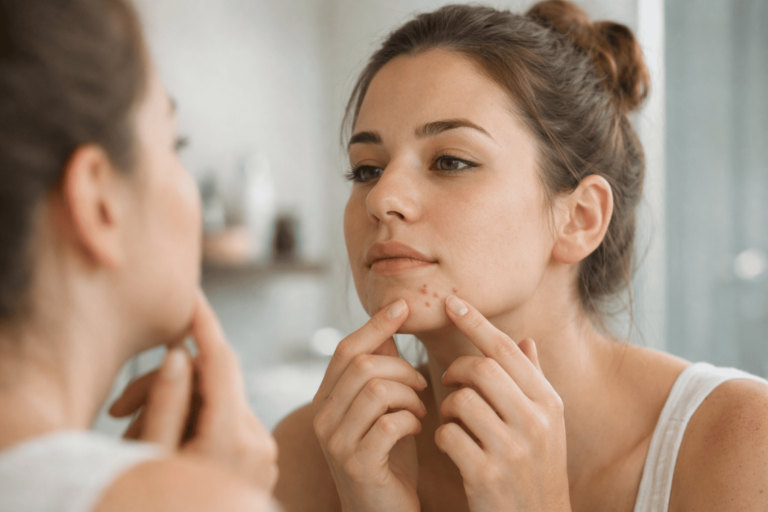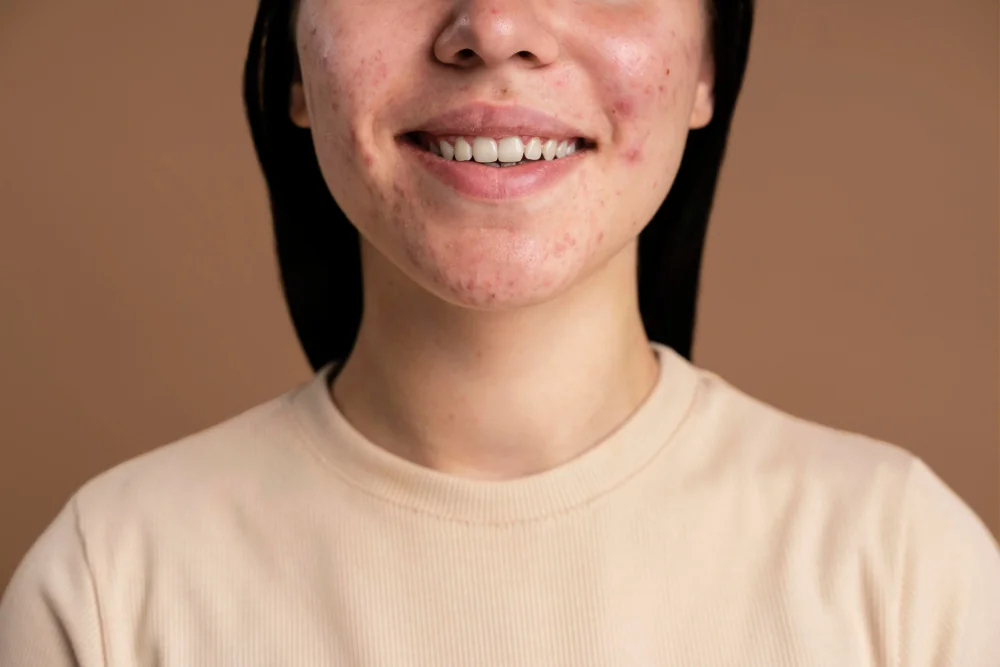
Creatine Zits: Is There Really a Link Between Creatine and Breakouts?
You start creatine because you want better workouts, then a week or two later your skin looks angry. That timing can feel hard to ignore. If you are dealing with “creatine zits,” the good news is that creatine itself is not known as a proven direct cause of acne, but your full routine around it can still affect your skin.
Table of Contents
Why this question comes up so often
The common story: starting creatine, then noticing pimples
A lot of people begin creatine at the same time they start training harder, eating more, changing protein powders, and sweating more often. If breakouts show up during that window, it is easy to blame the newest supplement in the mix. That does not always mean creatine is the real trigger.
Why “creatine zits” can feel convincing even when the cause is unclear
Skin changes often have a delay. A breakout may show up days after the real trigger started. That makes cause and effect messy. Acne can also flare from friction, heat, occlusion, oily skin, hormones, stress, and skin products, so one new supplement can get blamed for a problem that has several causes.
What this article will help you figure out
Below, you will learn what creatine actually does, whether it can cause acne directly or indirectly, how to tell acne from a creatine skin rash, and what steps make the most sense if your skin changed after starting it.
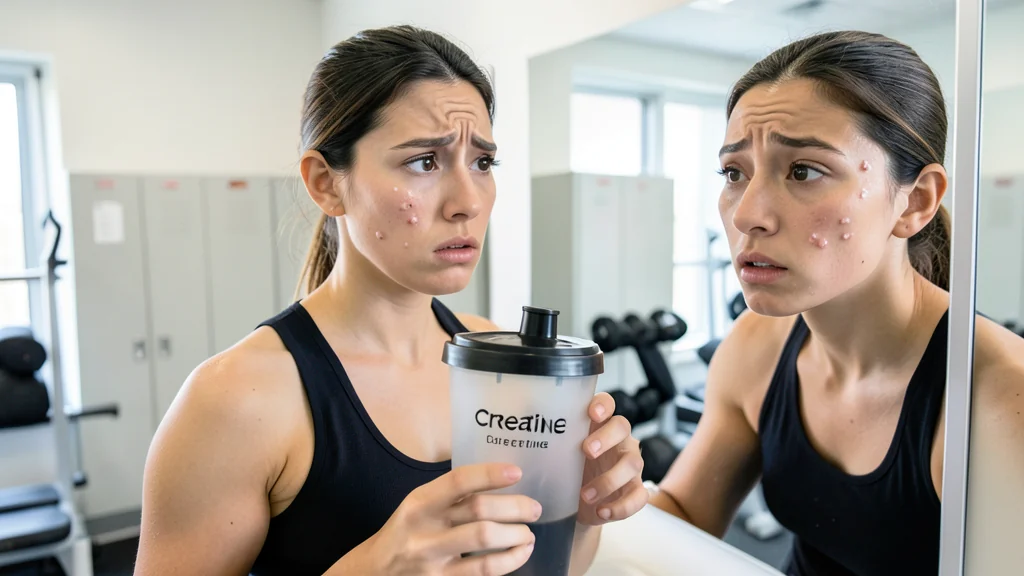
The short answer: does creatine cause acne?
What current evidence suggests
Right now, there is no strong evidence showing that creatine monohydrate directly causes acne in healthy people. Creatine is widely used for exercise performance, and the most commonly discussed side effects are usually things like water retention, stomach upset, or muscle cramping, not acne.
Why creatine is not known as a direct acne trigger
Acne develops when pores get clogged and inflammation builds around oil glands and hair follicles. Creatine does not work like an anabolic steroid, and it is not classified as a steroid. That matters because steroid-related acne is a different issue from using creatine.
Where the confusion usually comes from
Most confusion comes from timing. You start creatine, you change your training habits, and then your skin breaks out. The breakout is real. The cause is just not always what it seems.
What creatine actually does in the body
A simple explanation of how creatine supports muscles and performance
Creatine is a natural compound your body stores mostly in muscle. In supplement form, it helps replenish energy during short bursts of intense activity like lifting, sprinting, or repeated explosive exercise. That is why it is popular with people trying to improve strength and training performance.
Why water shifts and workout changes may happen after starting creatine
When you begin taking creatine, muscle cells can hold more water. You may also be able to train harder or recover enough to push volume higher. Those changes can mean more sweat, more time in tight gym clothes, and more friction on the face, chest, shoulders, or back.
What creatine does not usually do
Creatine is not a magic hormone booster, and it is not the same as performance-enhancing drugs that are well known for causing acne. That distinction is important when people ask, “does creatine cause acne?”
Why you might break out after starting creatine
Harder workouts, more sweat, and more friction on the skin
Sweat alone does not automatically cause acne, but trapped sweat plus rubbing and pressure can make acne worse. The American Academy of Dermatology describes this as acne mechanica, which is common with sports gear, tight clothing, and friction on heated skin.
Protein powders, pre-workouts, and other supplements taken at the same time
Creatine often enters your routine with other products. If you started whey protein, a sweetened pre-workout, or a mass gainer at the same time, the real issue may be the whole stack rather than creatine alone. This is one reason “can creatine cause acne” is hard to answer with a simple yes or no for every person.
Changes in diet, calories, or dairy intake
Some people eat more calories, more processed snacks, or more dairy when they begin bulking. For acne-prone people, those changes may line up with worse skin. Even if creatine came along at the same time, your food pattern may be part of the picture.
Stress, sleep changes, and gym lifestyle habits
Training harder can be great for fitness, but it can also affect your schedule. Less sleep, more stress, and skipping your usual skincare can all show up on your face. When your routine gets chaotic, your skin often notices.
Coincidence: when acne would have flared up anyway
Sometimes the timing is just unlucky. If you are a teen, young adult, or someone who already gets breakouts, your acne may have flared whether or not you started creatine that week.
Can creatine cause acne indirectly?
How indirect triggers are different from a direct cause
A direct cause would mean creatine itself clearly triggers acne through a known acne pathway. An indirect effect is different. It means creatine may sit beside other changes that increase the odds of a breakout, like tougher training, skin friction, or a new supplement routine.
When creatine use may line up with habits that worsen acne
You may notice more breakouts if creatine use comes with:
- Double training sessions
- Sweaty hats or helmets
- Tight compression gear
- Whey shakes after every workout
- Sleeping in gym clothes
- Forgetting to wash your face after training
None of those prove that creatine is the problem, but together they can create a breakout-friendly setup.
Why your full routine matters more than one supplement alone
If you want a real answer, look at the whole pattern. Skin almost never reacts to one factor in isolation.
Creatine skin rash vs acne: how to tell the difference
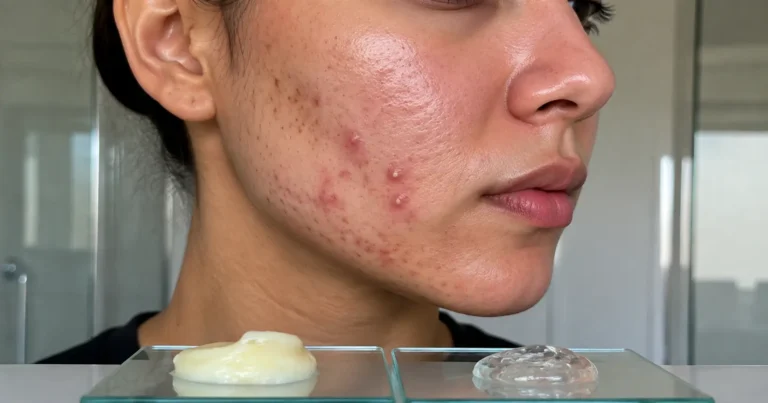
What acne usually looks like
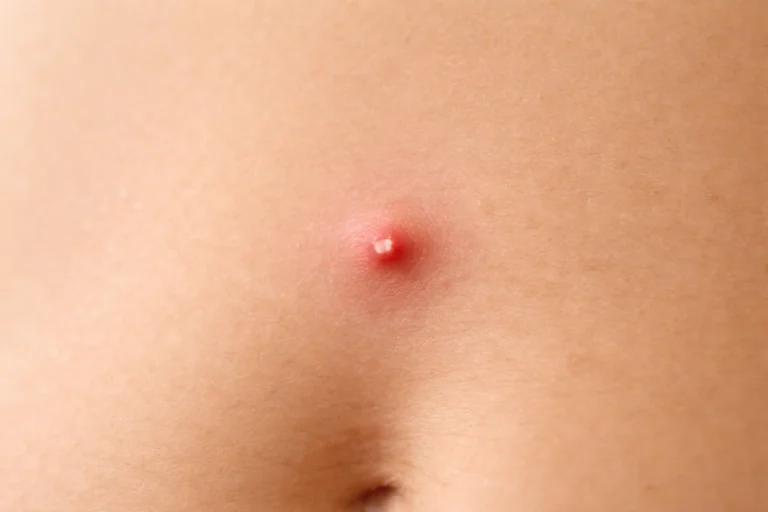
Acne tends to show up as:
- Whiteheads or blackheads
- Red inflamed pimples
- Tender bumps under the skin
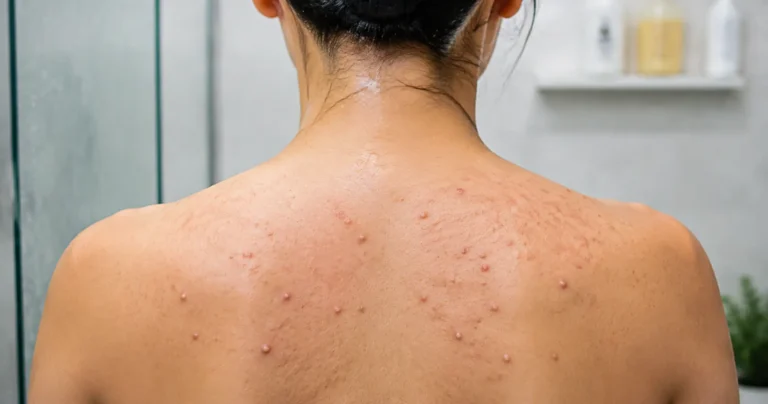
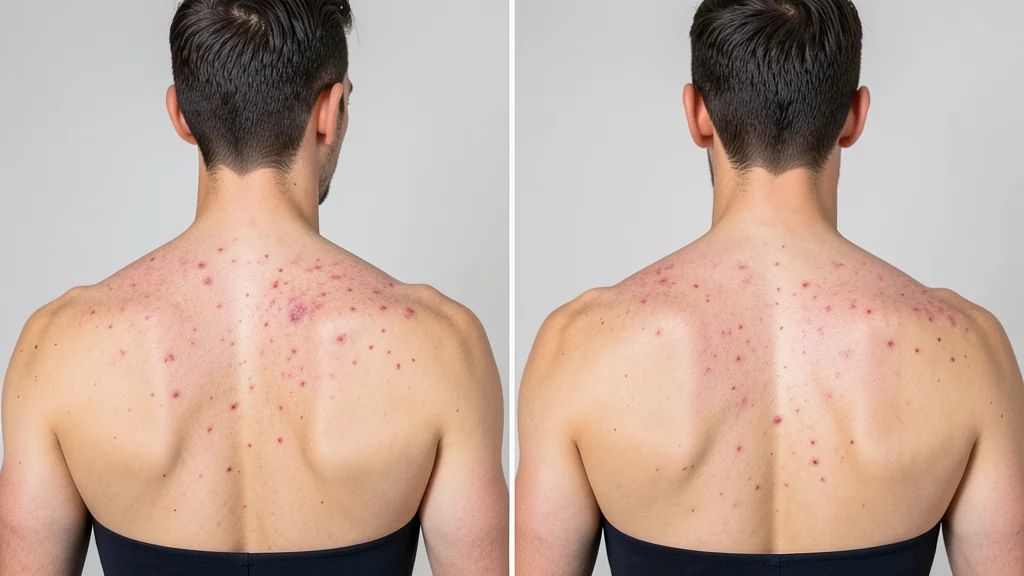
- Breakouts on the face, shoulders, chest, or back
It usually develops over days to weeks instead of appearing all at once.
What a creatine skin rash may look like
A rash is different. A creatine skin rash may be more likely to involve:
- Itching
- Burning or stinging
- Flat red patches
- Hives or welts
- Sudden widespread redness
A rash can point more toward irritation, allergy, or another reaction to an ingredient, flavoring, dye, or additive in a supplement rather than acne.
Signs that point more to irritation or allergy than breakouts
Think rash rather than acne if the spots are very itchy, spread quickly, or come with swelling. That is especially true if the reaction started soon after using a new product.
Quick comparison table: acne, irritation, or rash?
Symptoms
| Skin issue | What it often looks like | Common feeling |
|---|---|---|
| Acne | Whiteheads, blackheads, red pimples, deeper bumps | Tender, sore, oily |
| Irritation | Redness, dry patches, small rough bumps | Burning, stinging |
| Rash or allergy | Itchy patches, hives, blotchy redness, swelling | Itchy, hot, uncomfortable |
Common triggers
| Skin issue | Common triggers |
|---|---|
| Acne | Oil, clogged pores, hormones, friction, sweat plus occlusion |
| Irritation | Harsh skincare, over-washing, rubbing, fragranced products |
| Rash or allergy | Additives, flavorings, dyes, new products, allergic reactions |
What to do next
| Skin issue | Best next step |
|---|---|
| Acne | Review your routine, use gentle acne-friendly skincare, track patterns |
| Irritation | Stop harsh products, simplify skincare, reduce friction |
| Rash or allergy | Stop the new supplement and get medical advice if symptoms are severe |
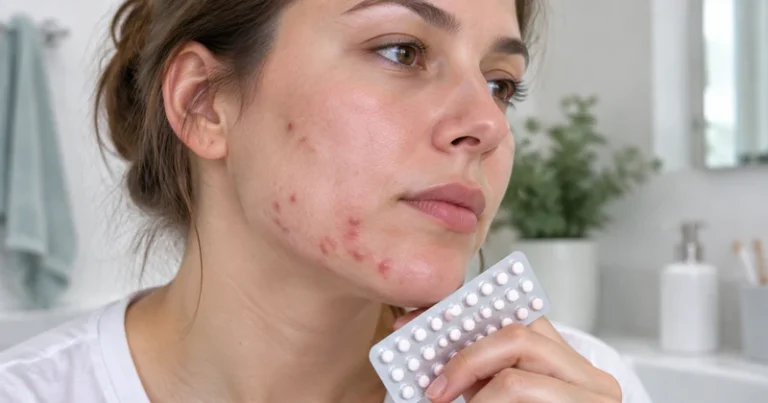
Does creatine affect hormones in a way that causes breakouts?
Why this question keeps coming up
This question usually comes from people mixing up creatine with steroids or hearing claims online that creatine changes hormones enough to trigger acne.
The difference between hormones, oil production, and acne
Hormones can affect oil production, and oil plays a role in acne. But that does not mean every workout supplement changes hormones in a way that causes pimples. The evidence does not support calling creatine a known acne-causing hormone disruptor.
What people often confuse with steroid-related acne
Anabolic steroids are a separate category and are known to cause acne. Creatine is not the same thing. If someone had steroid acne in the past, they may wrongly assume creatine works the same way. It does not.
Creatine skin: is creatine good for skin in any way?
What people mean when they ask about creatine skin
When people search “creatine skin” or “is creatine good for skin,” they are usually asking one of two things: can it damage skin, or could it somehow help skin health?
Possible skin-related benefits being discussed
There is some early interest in creatine in skin care research, especially around skin energy use and barrier support, but that is not the same as saying your gym tub of creatine is a skin treatment. For most readers, the practical takeaway is simple: creatine is mainly used for exercise performance, not for treating acne or improving complexion.
Why skin benefits are not the same as acne treatment
Even if a compound has some skin-related research behind it, that does not make it a proven acne solution. If your goal is clearer skin, use acne-focused habits and treatments instead of expecting creatine to fix it.
Who may be more likely to notice breakouts while using creatine
People with acne-prone or oily skin
If you already break out easily, any change in sweat, friction, or skin care habits can push you over the edge.
Teens and young adults already prone to hormonal acne
This age group already has a higher baseline risk of acne. A supplement may get blamed when the real driver is age, hormones, and routine changes.
Athletes with heavy sweating, tight clothing, or helmet use
Helmets, chin straps, shoulder pads, sports bras, headbands, and compression gear can trap heat and rub the skin. That is a classic setup for acne mechanica.
People using multiple new supplements at once
If you start creatine, whey, pre-workout, and a bulking diet all at once, it becomes much harder to figure out what changed your skin.
What to do if you think creatine is causing breakouts
Step 1: review everything that changed at the same time
Make a simple list:
- When you started creatine
- Any new protein powder or pre-workout
- Workout intensity changes
- Diet changes
- New skincare or body wash
- Any gear that rubs your skin
This gives you a much clearer starting point than guessing.
Step 2: simplify your supplement routine
If several new products started together, pull back to basics. Keeping only one product at a time can help you spot patterns more honestly. This is also smart supplement safety in general.
Step 3: support your skin with basic acne-friendly habits
Use a gentle cleanser after sweaty workouts. Change out of damp clothes. Avoid picking pimples. Choose non-comedogenic products when possible. These boring basics often help more than chasing one dramatic cause.
Step 4: consider a short pause and recheck your skin
If you strongly suspect creatine, you can pause it briefly and watch what happens while keeping the rest of your routine steady. That is not a perfect experiment, but it is more useful than changing five things at once.
Step 5: know when to see a doctor or dermatologist
If your acne is severe, painful, scarring, or emotionally draining, a dermatologist can help. If you are dealing with itching, hives, swelling, or a widespread red eruption, get medical advice sooner because that sounds more like a reaction than standard acne.
Skin-friendly habits that may help while taking creatine
Shower timing after workouts
Try not to sit in sweaty clothes for hours. A quick shower or at least rinsing off after training can reduce the mix of sweat, oil, and friction sitting on your skin.
Clothing, towels, pillowcases, and gym hygiene
Use clean towels, wash pillowcases often, and do not keep reusing sweaty hats or shirts. If you get body breakouts, look closely at whatever touches that area most.
Choosing non-comedogenic skincare
Look for gentle, non-comedogenic moisturizers and sunscreens. If you use acne products, do not overdo them. Scrubbing hard can worsen irritation and make skin look more inflamed.
Staying consistent without over-scrubbing
You do not need an extreme routine. Consistency beats aggression when you are trying to calm breakouts.
When a rash or skin reaction needs medical attention
Warning signs you should not ignore
Get prompt medical help if you notice:
- Swelling of the lips, tongue, or face
- Trouble breathing
- Hives over large areas
- A painful or rapidly spreading rash
- Fever or feeling very sick with the rash
Those symptoms are not typical acne.
When to stop the supplement right away
Stop the supplement and get checked if you think you are having an allergic reaction or another concerning adverse effect. With supplements, the issue may be the active ingredient, but it can also be a flavoring, dye, filler, or contamination problem.
Why a rash is different from a few pimples
A few pimples after gym sessions may be acne. An itchy or sudden rash is a different medical question and should be treated that way.
Common myths about creatine zits
Myth: creatine always causes acne
False. There is no solid evidence that creatine always causes acne, and many people use it without any skin changes.
Myth: every breakout after creatine means the supplement is bad for you
Not necessarily. Timing alone does not prove cause. Your routine, sweat, diet, other supplements, and skin type all matter.
Myth: more water intake alone will stop acne
Hydration matters for general health, but drinking extra water by itself is not a reliable acne treatment. Acne usually needs a more complete skin and lifestyle approach.
Myth: all skin reactions from supplements are acne
Also false. A creatine skin rash can point to irritation or allergy, which is very different from clogged pores and inflamed pimples.
Natural internal linking opportunities
Link to a guide on creatine benefits and side effects
If you are still deciding whether to use creatine, a helpful next read would be a full guide on creatine benefits, side effects, and how to take it safely.
Link to an article on workout supplements that may affect acne
You may also want a breakdown of workout supplements that can make breakouts more likely, especially if you use whey, pre-workouts, or mass gainers.
Link to a beginner skincare routine for acne-prone skin
And if breakouts are your main problem, a simple beginner skincare routine for acne-prone skin can be more useful than changing supplements blindly.
Final takeaway
The bottom line on creatine zits
If you are wondering whether creatine zits are real, the most honest answer is this: creatine is not a proven direct cause of acne, but the habits that often come with creatine use can absolutely line up with more breakouts.
How to make a smart decision without guessing
Look at your whole routine, not just the scoop in your shaker bottle. Track what changed, simplify where you can, and pay attention to whether you are dealing with acne, irritation, or a possible rash.
Encouraging next step for readers who want clearer skin and better workout results
If this sounds familiar, use the checklist above, clean up the variables, and give your skin a fair test. You can support your fitness goals and your skin at the same time. For your next step, read our guide on creatine benefits and side effects or our beginner skincare routine for acne-prone skin so you can build a routine that works from both angles.
FAQ:
Does creatine cause acne directly?
There is no strong proof that creatine directly causes acne. In many cases, breakouts that happen after starting creatine are more likely related to sweat, friction, diet changes, or other supplements started at the same time.
Can creatine cause acne on the back and shoulders?
It may seem that way, but back and shoulder breakouts are often linked to sweaty clothes, friction, tight gear, and acne mechanica. Creatine may be part of the timeline without being the direct cause.
What is the difference between creatine zits and a creatine skin rash?
Creatine zits usually look like pimples, clogged pores, or deeper acne bumps. A creatine skin rash is more likely to itch, sting, spread quickly, or look like red patches or hives.
Is creatine good for skin?
Creatine is mainly used for exercise performance, not as a proven acne or skin treatment. Some skin-related research exists, but that is not the same as saying a sports supplement will improve your complexion.
Should you stop taking creatine if you break out?
If you think creatine is part of the problem, review your whole routine first. If needed, pause it briefly while keeping everything else steady and watch your skin. If you have a rash, hives, swelling, or severe acne, talk with a doctor or dermatologist.