Azelaic Acid Vitamin C: Combined Formulas vs Separate Products
An azelaic acid vitamin C product can look like a convenient way to address uneven tone with fewer steps. Separate products offer more control over what you use and when. The better choice depends on the actual ingredient forms, the evidence for the finished formula, your current treatment, and whether both ingredients serve a useful purpose.
This is a formula-selection decision rather than a reason to automatically add vitamin C to an azelaic routine. A combined product is not guaranteed to work better, while two separate bottles are not automatically more effective or easier to tolerate.
Table of Contents
Azelaic Acid Vitamin C Formulas: What Are You Combining?
Start by separating the ingredient names from their marketing descriptions. Azelaic Acid is a specific ingredient. Potassium Azeloyl Diglycinate is an azelaic acid derivative. A percentage describing a derivative complex should not be read as the same percentage of pure azelaic acid.
Vitamin C also covers different forms. Ascorbic Acid refers to the direct form commonly called L-ascorbic acid. Other formulas use derivatives, such as ethyl ascorbic acid or ascorbyl glucoside. They have different formulation requirements and evidence; the shared vitamin name does not make them equivalent.
An azelaic acid vitamin C label can therefore describe several different pairings. A product containing a derivative of each ingredient is not the same intervention as a prescription azelaic acid gel followed by a direct vitamin C serum.
Read the ingredient list and the brand’s explanation of any percentage. If the amount of a component is not disclosed, leave it unknown. Do not calculate a “combined strength” from front-label numbers referring to different substances.
These distinctions matter most when you want to borrow results from research. The formula, concentration, delivery system, study population, and measured outcome all affect how far the evidence can be applied to a product on your shelf.
Azelaic Acid Vitamin C in One Bottle: Benefits and Trade-Offs
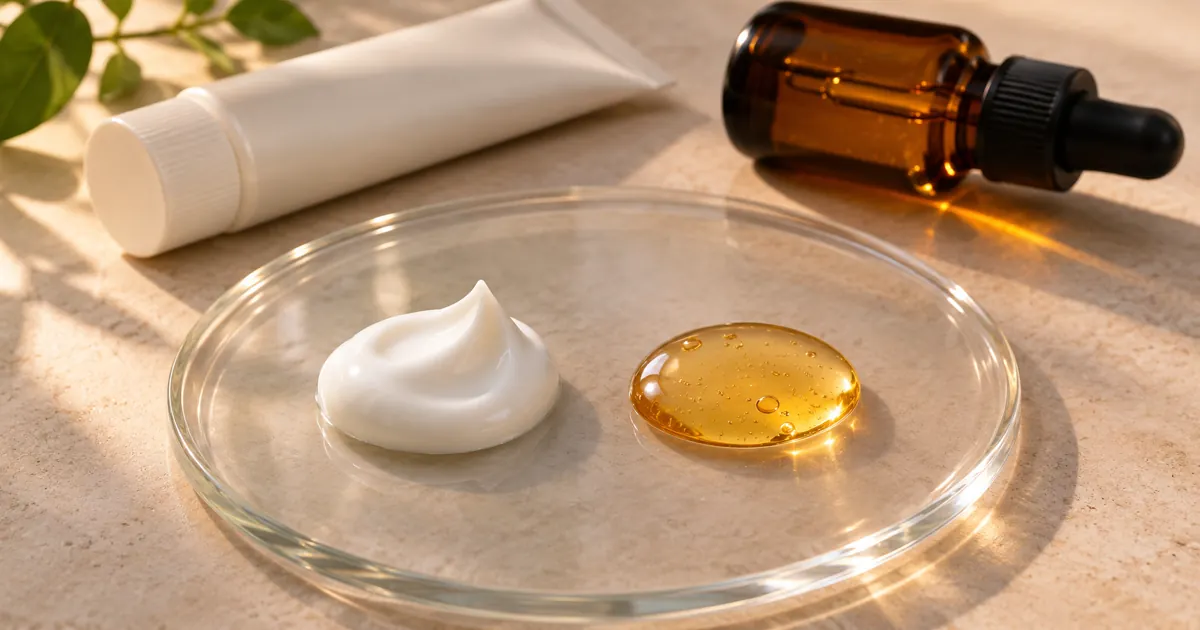
The clearest potential benefit of a combined cosmetic is convenience. One product may reduce steps and make the routine easier to follow. Its manufacturer has developed the ingredients together as a finished formulation rather than asking you to improvise a mixture.
That does not establish superior clinical results. A product can be convenient without being the best treatment for your particular acne or discoloration. It can also contain extra ingredients you would not have chosen separately.
The main trade-off is less control. You cannot use only the vitamin C component on one day or reduce only the azelaic-related component if the formula feels uncomfortable. If you dislike the texture or react to another ingredient, replacing the entire product may be necessary.
An azelaic acid vitamin C formula also makes ingredient attribution difficult. If the appearance of your skin changes, you cannot tell from that observation alone which component contributed. Manufacturer testing may evaluate the whole blend without isolating each ingredient’s effect.
A combined option makes the most sense when you want the complete formula as sold, its directions fit your routine, and you have no need to adjust its components independently. It is a convenience choice with its own evidence requirements, not a shortcut around them.
A Current Example: Read “Derivative Complex” Literally
Naturium’s current US page identifies its product as Azelaic Acid Derivative Complex 10%. The older Azelaic Topical Acid product address redirects to that current page. The brand describes a glycinated azelaic acid complex with niacinamide and vitamin C; the standard bottle is 30 mL.
This is a useful example of why the current name matters. Do not describe that 10% derivative complex as a verified 10% pure azelaic acid treatment. The product’s brightening claims should be attributed to Naturium rather than transferred from prescription-gel research.
For an azelaic acid vitamin C purchase decision, the next questions are whether that specific blend matches your goal and whether the manufacturer provides enough detail about its testing. A statement about an eight-week brand study is not a promise that your own marks will clear in eight weeks.
The current page was checked on November 5, 2026. Read the label on the actual package, particularly when buying from a retailer using an older product name or description. Similar-looking listings can preserve outdated wording.
Beyond Breakouts may earn a commission from qualifying purchases at no additional cost to you. As an Amazon Associate, we earn from qualifying purchases.
🧴 Naturium Azelaic Acid Derivative Complex 10%
This cosmetic blend combines an azelaic acid derivative complex with niacinamide and vitamin C for readers who prefer one formula to extra layers. Its 10% complex is not 10% pure azelaic acid and should not replace a prescribed treatment.
Separate Azelaic Acid Vitamin C Products: More Control, More Checks
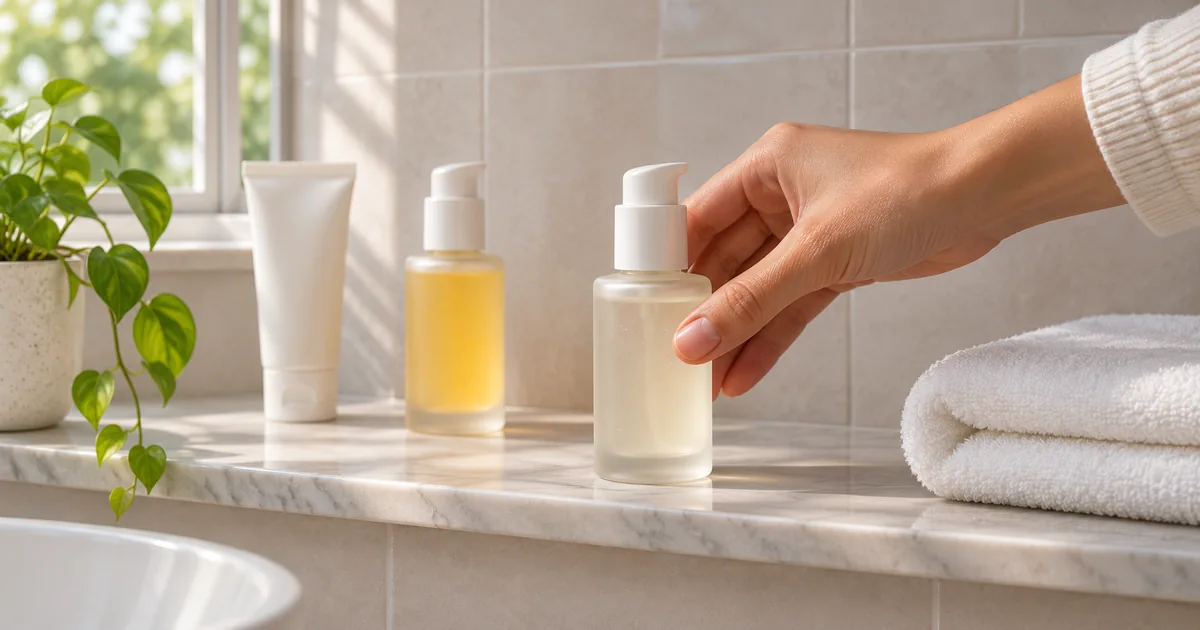
Separate products let you choose each finished formula independently. You can retain an azelaic product that already works comfortably in your routine and evaluate whether a vitamin C product adds anything you need.
🧴 CeraVe Skin Renewing Vitamin C Serum, 1 oz
This serum offers a separate vitamin C option with 10% L-ascorbic acid, ceramides, and hyaluronic acid. Check the azelaic product’s directions before pairing them: The Ordinary’s restriction against direct vitamin C applies to this form of vitamin C.
They also let you identify which new product preceded a problem more easily, provided you introduce only one at a time. This is a practical advantage of controlled changes, not proof that separate application prevents irritation.
The extra responsibility is checking both labels. A general statement that azelaic acid and vitamin C can appear in skincare does not cancel a manufacturer’s product-specific restriction.
For example, The Ordinary’s current US Azelaic Acid Suspension 10% page lists “Direct Vitamin C” under “Do not use with.” Follow that product’s current guidance rather than applying a universal layering rule from a different brand.
🧴 Paula’s Choice 10% Azelaic Acid Booster, 1 fl oz
This gel-cream offers a standalone azelaic option for readers comparing separate products with a combined formula. It also contains 0.5% salicylic acid, so account for existing exfoliants; adding vitamin C does not establish an extra benefit or make another azelaic layer necessary.
That restriction should not be turned into a claim that all azelaic acid with vitamin C is chemically impossible. It is a reminder that formula-specific advice takes precedence over broad ingredient pairing advice. If you use a prescription product, your clinician’s directions take priority.
In an azelaic acid vitamin C routine, choosing separate bottles gives you options, but it does not mean every option should be used in the same session. Nor does it justify changing a prescribed schedule to make room for an optional cosmetic.
How Much Evidence Supports the Pairing?
There is evidence for azelaic acid in appropriate acne-treatment formulations and research on topical vitamin C for several skin concerns. Evidence for each ingredient does not automatically prove added benefit from combining them.
A small published study evaluated a multi-ingredient, layer-by-layer treatment involving azelaic acid, phytic acid, and vitamin C in 20 women with Fitzpatrick skin types II and III. It reported improvements in assessed skin parameters.
That research was not a simple comparison of an everyday two-ingredient serum against two separate home products. It involved a different protocol, additional ingredients, and a limited population. It cannot establish that buying a combined cosmetic will outperform a separate routine for acne marks.
For azelaic acid vitamin C claims, distinguish three questions: Can these ingredients be formulated together? Does a particular finished product improve a measured outcome? Does combining them produce better results than using one appropriate treatment? Evidence answering one question may not answer the other two.
Avoid “guaranteed synergy” language unless a relevant comparison actually supports it. Even a positive finished-product study may not tell you whether both headline ingredients were necessary for the result.
A Practical Method for Reviewing Brightening Skincare Formulas
First, name the concern. Active acne, flat post-acne brown marks, melasma, and indented scars are not interchangeable. If you are unsure what the discoloration represents, seek an assessment before choosing a stronger combination.
Second, inventory what you already use. Include your cleanser, exfoliating products, acne medication, moisturizer, and sunscreen. A new serum may duplicate an existing brightening ingredient or add another potential irritant.
Third, inspect both the headline and the supporting ingredients. Fragrance, additional acids, and other actives can be more relevant to tolerance than the compatibility of azelaic acid and vitamin C alone. More named ingredients do not necessarily create more useful outcomes.
Fourth, compare the amount of control you need. If one component is prescribed or already suits your skin, keeping it separate may preserve that plan. If you want the entire cosmetic blend and simpler application, a combined product may be more convenient.
Fifth, check the directions for the actual products before buying. If they conflict, do not override the warning by waiting an invented number of minutes between layers. Ask the brand or your clinician for product-specific advice.
The azelaic acid vitamin C choice becomes simpler when the decision is tied to one unmet need rather than the promise of a more complete routine. You may decide that your existing treatment already does enough.
Keep Comfort and Sun Protection in the Decision
A convenient formula is not useful if it repeatedly causes burning or peeling. Irritation can complicate uneven-tone care, so stop an irritating cosmetic and seek advice if the reaction persists. Discuss prescription-treatment problems with your prescriber.
A small-area trial of a new cosmetic can reveal some reactions but cannot guarantee future tolerance. Avoid starting several unfamiliar products together, especially when your skin already feels sore or fragile.
Keep appropriate sunscreen in a morning routine. Brightening ingredients do not replace protection from sunlight. Our guide to post-acne marks and structural scars helps set expectations about what topical care can reasonably change.
Our article on niacinamide and azelaic acid in combined or separate products is relevant if your candidate formula includes niacinamide too. Do not add an extra serum solely because an ingredient appears on a trend list.
If acne is painful, severe, worsening, or causing scars or distress, prioritize professional care. An azelaic acid vitamin C cosmetic is not a replacement for evaluating a condition that needs medical treatment.
Frequently Asked Questions
Can I use azelaic acid with vitamin C from different brands?
Brand mixing alone does not determine suitability. Check both finished products’ directions, ingredient forms, and restrictions. Different-brand products still need the same careful review as products sold as a set.
Does one bottle mean the ingredients stay stable forever?
No. Follow storage instructions, the expiration date where provided, and the period-after-opening guidance. Combined formulation does not remove the need for appropriate storage or make an old product usable indefinitely.
Can I mix two serums in my hand to copy a combined formula?
That does not recreate a manufacturer’s tested formulation. Applying products according to compatible labels is different from creating a new blend. Do not store a homemade mixture in a bottle.
Is a derivative-based formula always gentler?
No ingredient name can guarantee that. A derivative may change formulation properties, but the complete blend, your skin, and how you use it still matter. Evaluate the finished product rather than buying on the word “gentle.”
Do I need a vitamin C product if I already like my routine?
Not necessarily. An azelaic acid vitamin C combination is optional. Add a product only if it serves a clear goal and its potential value outweighs the extra complexity, cost, and irritation risk.
Choose the Amount of Control You Need
An azelaic acid vitamin C formula offers convenience; separate products offer flexibility. Check ingredient forms, finished-product evidence, and label restrictions before choosing either. If one existing treatment already meets your needs, keeping the routine steady is a reasonable next step.
This article provides education, not a diagnosis or a substitute for care from a qualified healthcare professional.
References
Naturium: Azelaic Acid Derivative Complex 10%
The Ordinary: Azelaic Acid Suspension 10%
Clinical Evaluation of Combined Azelaic Acid, Phytic Acid, and Vitamin C Applied Layer by Layer
American Academy of Dermatology: Acne Clinical Guideline