Salicylic Acid Uses: Everything You Need to Know in One Place
Salicylic acid uses extend beyond facial acne. Depending on the concentration and formulation, this ingredient can unclog pores, loosen dandruff or psoriasis scale, soften corns and calluses, and gradually remove certain warts. These products are not interchangeable: a wart remover should never become a facial exfoliant, and an acne cleanser is not designed to treat thick foot skin.
The safest approach is to identify the concern, select a product labeled for that condition and body area, and follow its directions. Stronger or more frequent treatment does not automatically work better.
Table of Contents
What Is Salicylic Acid and How Does It Work?
Salicylic acid is a keratolytic, which means it softens and loosens accumulated skin cells. In a pore, this action can help release the mixture of oil and dead cells involved in blackheads and whiteheads. On thickened or scaly skin, it helps layers shed more easily.
That basic action explains several salicylic acid uses, but the intended result changes with the product. A rinse-off acne cleanser, scalp shampoo, psoriasis scale softener, and medicated wart patch can contain the same named ingredient at very different strengths and in different vehicles.
Concentration is only one variable. Contact time, treatment area, frequency, skin condition, and whether the area is covered can alter both effect and absorption. Always use the directions attached to the product in your hand.
Salicylic Acid Uses by Skin Concern
The table summarizes where the ingredient may fit:
| Concern | Common product format | Primary role | Main caution |
|---|---|---|---|
| Acne | Cleanser, liquid, gel, pad, lotion | Unclogs pores and treats certain blemishes | Irritation from overuse or duplicated actives |
| Oily skin | Cleanser or leave-on exfoliant | Removes oil and dead-cell buildup | Does not permanently stop oil production |
| Psoriasis scale | Shampoo, ointment, cream | Softens and removes scale | Large areas and children need professional guidance |
| Dandruff or scalp scale | Medicated shampoo | Loosens adherent flakes | Not every flaky scalp has the same cause |
| Warts | Liquid, gel, pad, patch, or tape | Gradually removes wart tissue | Use only on a suitable, correctly identified wart |
| Corns and calluses | Cream, liquid, or medicated patch | Softens thickened skin | Avoid self-treatment with impaired sensation or circulation |
| Rough body bumps | Cleanser, cream, or lotion | Smooths accumulated surface cells | May increase dryness or irritation |
Acne, blackheads, and whiteheads
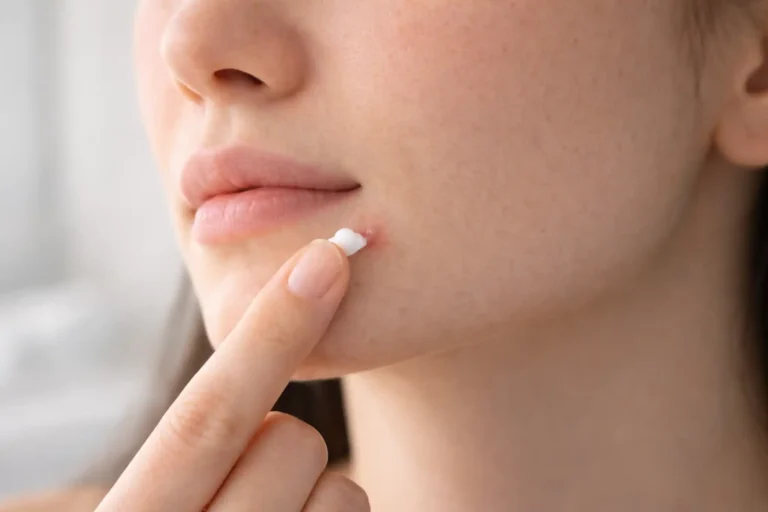
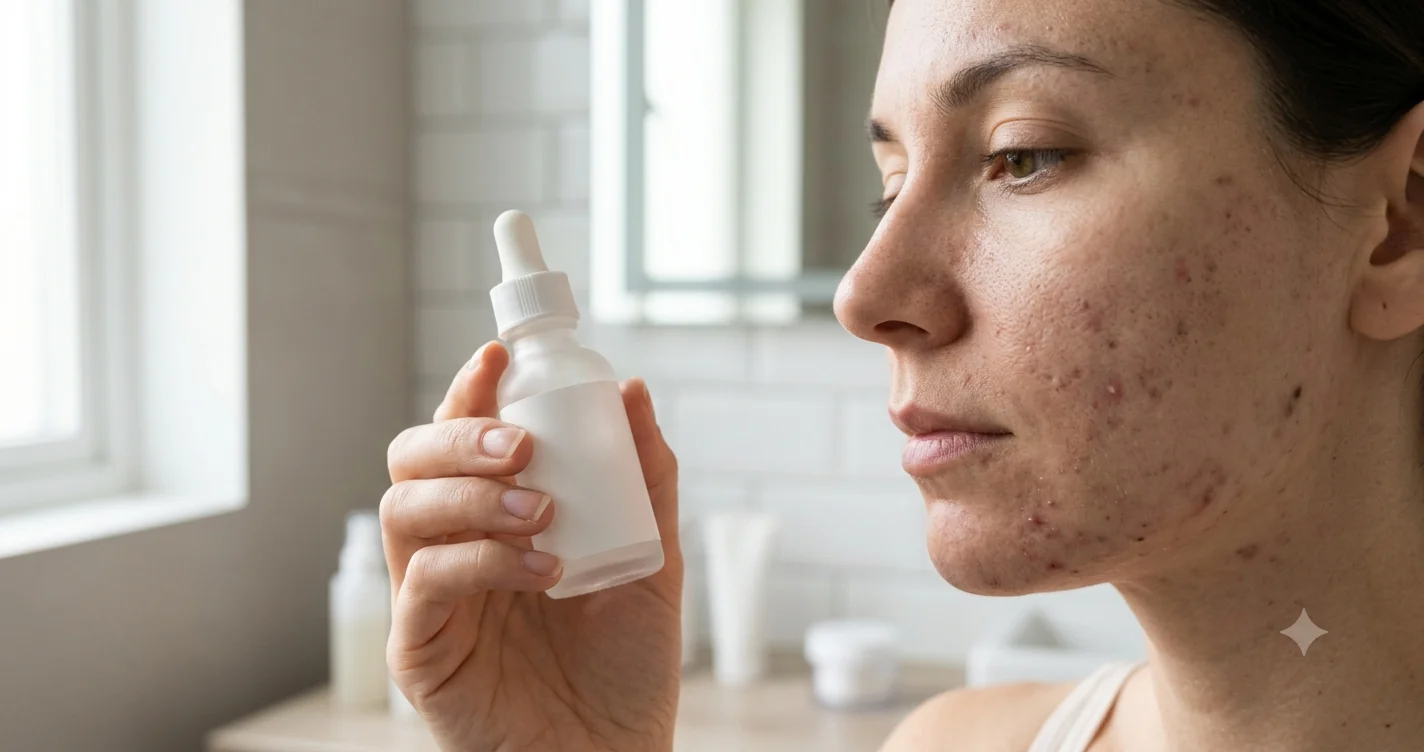
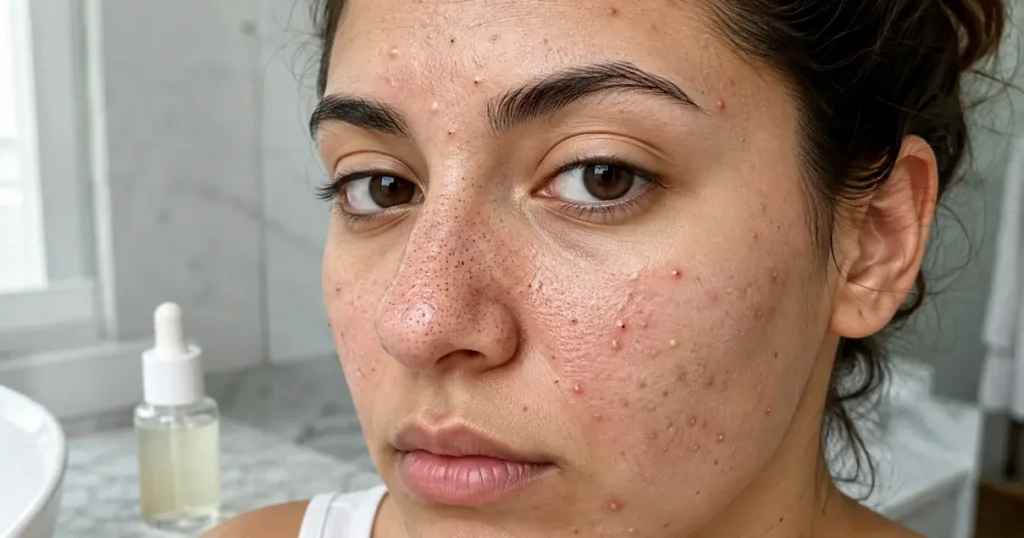
One of the best-established salicylic acid uses is treating acne caused by clogged pores. The American Academy of Dermatology notes that it works especially well on blackheads and whiteheads. It may also help some surface-level pimples, but deep nodules and cysts require more appropriate medical treatment.
In the United States, salicylic acid products marketed under the FDA’s OTC acne monograph contain 0.5% to 2% of the active ingredient. They appear as washes, pads, liquids, gels, creams, lotions, and medicated moisturizers.
A cleanser offers shorter contact because it is rinsed away. A leave-on product remains on the skin and may provide more sustained exposure, but it can also be more irritating. Do not assume a 2% cleanser and a 2% leave-on gel will feel or perform identically.
Oily skin and visible pores
Cosmetic salicylic acid uses include reducing surface oil and clearing material that makes pores look more noticeable. The ingredient does not permanently shrink pores or switch off sebaceous glands. Its effect is better understood as keeping pore openings clearer.
Oily skin can still become dehydrated or irritated. Repeated washing, alcohol-heavy astringents, scrubs, and multiple acids can produce tightness and redness without solving acne. Use a gentle cleanser and an oil-free or noncomedogenic moisturizer when needed.
Psoriasis scale
Among medical salicylic acid uses, softening thick psoriasis scale is especially relevant to the scalp and plaque-type areas. Removing scale may also help another topical medication reach the affected skin more effectively. It does not treat every immune and inflammatory process involved in psoriasis.
These salicylic acid uses require more caution when psoriasis covers a large area. Excessive application can cause dry, red, itchy skin and increase absorption. The AAD advises clinician guidance for treating children, and widespread or difficult psoriasis should not be managed with a scale remover alone.
Salicylic acid can also reduce the effectiveness of UVB phototherapy when applied beforehand. If phototherapy is part of your plan, follow the dermatologist’s instructions about when to stop and restart it.
Dandruff and scaly scalp conditions
Scalp-focused salicylic acid uses include loosening adherent flakes in dandruff, seborrheic dermatitis, and scalp psoriasis products. A medicated shampoo needs to contact the scalp—not only the hair—and remain for the labeled contact time before rinsing.
Flaking does not establish a diagnosis. Pain, pus, bleeding, hair loss, thick plaques, spreading inflammation, or symptoms that do not improve deserve professional evaluation. A dermatologist can distinguish dandruff from psoriasis, eczema, infection, and other scalp conditions.
Common and plantar warts
Wart removal is among recognized salicylic acid uses. The ingredient gradually softens and removes layers of wart tissue, so treatment often requires persistence rather than a single application. Use only a product labeled for the location and type of wart.
Wart-related salicylic acid uses do not include facial or genital growths, moles, birthmarks, or unidentified lesions. MedlinePlus also warns against using it on warts in the nose or mouth or warts with hair growing from them.
Ask a dermatologist before using a wart remover if you have diabetes, neuropathy, or poor circulation. Stop and seek advice if treatment causes marked pain, bleeding, blistering, or severe irritation. A changing or uncertain growth should be diagnosed before you try to remove it.
Corns and calluses
Salicylic acid uses for corns and calluses involve softening skin thickened by repeated pressure or friction. Removing that layer does not correct a tight shoe, altered gait, or another pressure source, which must also be addressed.
High-strength corn and callus products can injure normal surrounding skin. Among these salicylic acid uses, self-treatment is especially risky when circulation or sensation is impaired because damage may go unnoticed. Pain, bleeding, infection, or uncertainty about whether the area is a callus or wart requires professional care.
Keratosis pilaris and rough body skin
Body creams and lotions sometimes include salicylic acid to smooth the small rough bumps associated with keratosis pilaris or other areas of thick texture. Moisturizing ingredients may be added to offset dryness. Improvement is usually gradual, and complete clearing is not guaranteed.
These cosmetic salicylic acid uses are different from applying a medicated wart patch to rough skin. Choose a body product labeled for rough or bumpy skin and stop or reduce use according to the label if it causes persistent stinging, peeling, or redness.
Ichthyosis and other scaling disorders
MedlinePlus lists certain ichthyoses among topical salicylic acid uses. These inherited scaling disorders can affect substantial areas, making absorption, age, strength, and treatment duration important. They should be managed with professional guidance rather than a routine copied from an acne product.
Product Formats Are Not Interchangeable
Products designed for different salicylic acid uses can look deceptively similar. Their labels reveal their actual jobs.
| Format | Intended use | How it behaves |
|---|---|---|
| Facial cleanser | Acne or oily skin | Rinsed off after labeled contact time |
| Leave-on liquid or gel | Acne-prone area or individual spots | Remains on skin and may be more drying |
| Lotion or moisturizer | Acne or rough body texture | Combines treatment with a spreadable base |
| Pad or wipe | Acne or wart treatment, depending on label | Premeasured but condition-specific |
| Shampoo | Dandruff, seborrheic dermatitis, or psoriasis scale | Applied to scalp and rinsed |
| Wart patch or liquid | Suitable hand or foot wart | Often much stronger than facial products |
| Corn or callus patch | Localized thickened foot skin | Can damage healthy skin if misplaced |
| Chemical peel | Controlled professional resurfacing | High injury risk without proper supervision |
The variety of salicylic acid uses is exactly why you cannot borrow directions between products. Never use a wart, corn, or callus remover on facial acne, and never improvise a leave-on treatment from a shampoo or cleanser.
How to Read the Label
Before buying or applying a product:
- Confirm the condition it is intended to treat.
- Find the active ingredient and concentration.
- Check the age range and permitted body area.
- Determine whether it is rinsed off or left on.
- Read the amount, frequency, and maximum duration.
- Check whether covering the area is allowed.
- Review allergy, interaction, pregnancy, and medical-condition warnings.
- Note storage and expiration instructions.
Even products designed for similar salicylic acid uses may have different directions. The package label or prescription instructions take priority over a general routine found online.
What Salicylic Acid Does Not Reliably Treat
Salicylic acid is not an appropriate self-treatment for:
- Deep nodular or cystic acne
- Moles, birthmarks, skin tags, or unidentified growths
- Facial or genital warts
- Skin infections
- Suspected skin cancer or precancerous lesions
- Every cause of scalp flaking
- Deep, structural acne scars
- Permanent pore size or oil production
These limitations keep broad salicylic acid uses from becoming a claim that the ingredient fixes every bump, mark, or rough patch. Delaying appropriate care can allow acne scars, infections, psoriasis, or suspicious growths to worsen.
How to Introduce an Acne Product Safely
For a new topical acne medication, apply a small amount to one or two small affected areas for three days, as recommended by FDA labeling guidance. If no discomfort occurs, proceed according to the product directions. This check cannot rule out a later reaction.
Add one medicated product at a time. Keep it away from the eyes, nose, and mouth, and do not apply it to broken, swollen, infected, sunburned, or severely irritated skin. Do not cover treated skin unless the label or a clinician specifically directs you to do so.
Some acne-focused salicylic acid uses require treatment across the acne-prone area rather than dabbing only visible pimples. Follow the exact label. Applying extra product or replacing a missed application with a double amount raises irritation risk without guaranteeing faster improvement.
Combining Salicylic Acid With Other Ingredients
Benzoyl peroxide, adapalene, prescription retinoids, sulfur, glycolic acid, and other exfoliants can each irritate skin. Clinicians sometimes combine acne treatments because they act on different causes, but an effective combination is not the same as starting several strong products at once.
When combining salicylic acid uses with another active treatment, check for overlapping cleansers, toners, pads, serums, and spot gels. Introduce one change at a time or follow a clinician-designed schedule. Abrasive scrubs and alcohol-heavy astringents can add irritation without adding evidence-supported benefit.
If prescription psoriasis medication or UVB phototherapy is involved, ask the prescriber where salicylic acid belongs in the plan. Its scale-removing effect can change how another treatment reaches the skin.
Side Effects and Signs of Overuse
Across salicylic acid uses, common reactions include dryness, stinging, peeling, redness, and tenderness. These may improve when use is reduced according to the label, but persistent or severe irritation requires stopping the product and seeking advice.
The risk of excessive absorption increases with higher concentrations, large treatment areas, damaged skin, prolonged use, or unapproved covering. This concern is more relevant to widespread or high-strength salicylic acid uses than to a small, correctly treated area.
Call a healthcare professional promptly for confusion, dizziness, unusual weakness, headache, fast breathing, ringing in the ears, hearing changes, nausea, vomiting, or diarrhea. These symptoms can indicate salicylate toxicity and should not be managed by applying less product and waiting.
Rare serious hypersensitivity reactions are also possible with topical acne products. Stop use and seek emergency help for throat tightness, difficulty breathing, faintness, hives, or swelling of the eyes, face, lips, or tongue.
Who Should Ask a Professional Before Use?
Professional advice is important for:
- Pregnancy, planned pregnancy, or breastfeeding
- Children and teenagers, especially with widespread treatment
- Diabetes, neuropathy, or poor circulation
- Kidney, liver, or blood-vessel disease
- Chickenpox or influenza in a child or teenager
- Prescription skin treatment or phototherapy
- Large, broken, infected, or inflamed areas
- An uncertain wart, corn, callus, mole, or other growth
The AAD states that limited topical salicylic acid use is generally considered acceptable during pregnancy, but concentration, area, duration, and the rest of the routine matter. Discuss planned salicylic acid uses with an obstetrician or dermatologist rather than assuming every product is equivalent.
Avoid Unsupervised Chemical Peels
Everyday acne products are not the same as high-concentration chemical peels. The FDA has warned against purchasing and using certain chemical peel products without appropriate professional supervision because they can cause severe burns, wounds, pain, swelling, infection, pigment changes, and disfiguring scars.
Do not experiment with dilution, layers, exposure time, or home neutralization. Chemical peeling is not simply a stronger version of routine salicylic acid uses. A trained professional must decide whether a peel is appropriate and manage the procedure safely.
A Practical Decision Guide
- For blackheads and whiteheads: Choose an acne-labeled cleanser or leave-on product and check the rest of the routine for duplicate actives.
- For oily skin: Choose a product that removes buildup without combining it with harsh scrubbing or repeated washing.
- For scalp scale: Use a shampoo or scale softener labeled for the suspected condition, following its contact time.
- For a hand or foot wart: Use only a wart product when the lesion and location match the label and circulation and sensation are normal.
- For corns or calluses: Address both thick skin and the source of pressure.
- For severe, widespread, painful, infected, bleeding, changing, or uncertain concerns: Seek medical evaluation before treatment.
Frequently Asked Questions
Can salicylic acid be used every day?
Some acne or cosmetic products are labeled for daily use, while other salicylic acid uses require different schedules. Follow the specific product rather than assuming daily application is always appropriate. If dryness or irritation develops, follow its instructions for reducing or stopping use and ask a professional when symptoms persist.
Is a salicylic acid cleanser better than a leave-on product?
Neither is universally better. A cleanser has shorter contact and may be easier for sensitive skin to tolerate. A leave-on product provides longer exposure but can cause more irritation. Concentration, vehicle, the rest of the routine, and your response matter more than the format alone.
Can salicylic acid be combined with benzoyl peroxide or retinol?
These ingredients can appear in carefully planned acne regimens, but combining them may increase dryness, burning, and peeling. Avoid starting several active products simultaneously. Follow a clinician’s plan when prescription retinoids are involved, or ask a dermatologist or pharmacist how to arrange the products.
How long does salicylic acid take to work?
Timing depends on the condition and product. Acne improvement may require several weeks, while wart treatment can take longer. Scalp scale may loosen sooner without resolving its underlying cause. Evaluate progress using the label’s treatment period rather than expecting an overnight result.
Is salicylic acid safe during pregnancy or breastfeeding?
Limited topical use may be acceptable during pregnancy, according to AAD guidance, but not every concentration, area, or product has the same exposure. Ask an obstetrician or dermatologist before use during pregnancy or breastfeeding, particularly for high-strength products, large areas, prolonged treatment, or covered skin.
Conclusion
Legitimate salicylic acid uses range from unclogging acne-prone pores to loosening scalp scale and softening warts, corns, or calluses. Safe use depends on choosing a product intended for the exact concern and body area. Read the complete label, avoid substituting stronger formulas, and seek qualified care for severe, widespread, changing, or uncertain conditions.
This article provides general educational information and is not a diagnosis or a substitute for individualized care from a qualified healthcare professional.
References:
- MedlinePlus. Salicylic Acid Topical.
- American Academy of Dermatology. Acne: Diagnosis and Treatment.
- American Academy of Dermatology. How to Control Oily Skin.
- American Academy of Dermatology. Warts: Dermatologists’ Tips for At-Home Treatment.
- American Academy of Dermatology. What Psoriasis Treatments Are Available Without a Prescription?.
- American Academy of Dermatology. How to Treat Corns and Calluses.
- American Academy of Dermatology. Is Any Acne Treatment Safe to Use During Pregnancy?.
- U.S. Food and Drug Administration. Topical Acne Drug Products for Over-the-Counter Human Use.
- U.S. Food and Drug Administration. FDA Warns Against Purchasing or Using Chemical Peel Skin Products Without Professional Supervision.