Can Ashwagandha Cause Acne? What to Know About Breakouts and Skin Changes
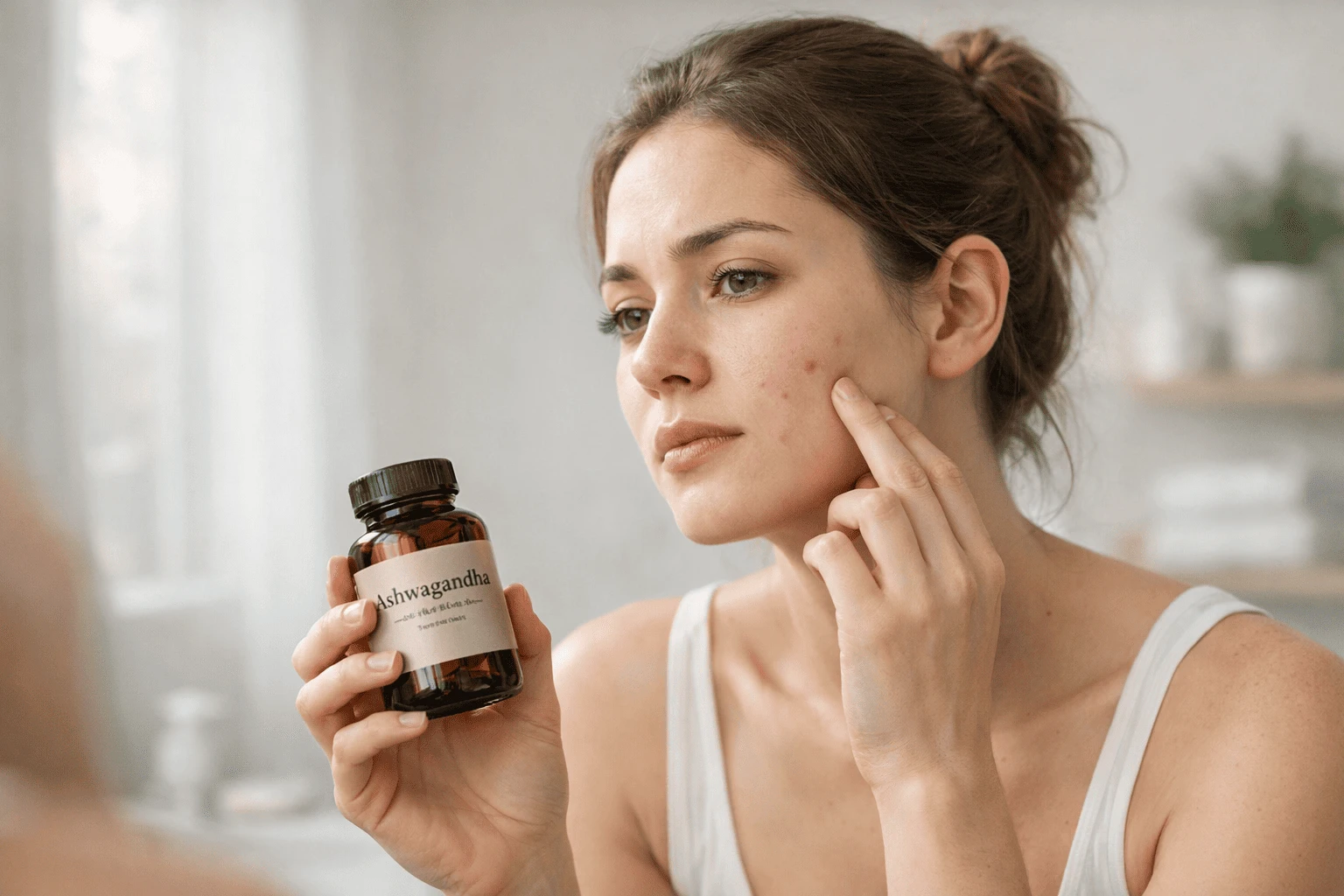
You start taking ashwagandha to feel calmer, sleep better, or support your overall routine. Then a week or two later, your skin looks different. A few new bumps show up on your chin, your forehead feels oilier, or your usual breakouts seem harder to calm down. It is normal to wonder whether the supplement is part of the problem.
If you have been asking can ashwagandha cause acne, the honest answer is not a simple yes or no. There is no strong proof that ashwagandha directly causes acne in everyone, but some people may notice breakouts or other skin changes after starting it. The reason may involve hormones, stress changes, product ingredients, skin type, or something else happening at the same time.
Direct answer: Can ashwagandha cause acne? Possibly, in some people, but it is not a known or proven acne trigger for everyone. Ashwagandha may affect stress pathways and may increase testosterone in some cases, while acne itself is driven by oil, clogged pores, inflammation, bacteria, and hormone sensitivity. That means the connection can be real for one person and absent for another.
Table of Contents
What is ashwagandha and why do people take it?
Ashwagandha is an herbal supplement made from Withania somnifera, a plant used in traditional Ayurvedic medicine for a very long time. Today, people most often take it for stress, sleep, athletic performance, mood support, or general wellness. Some supplements use the root only, while others use root and leaf extracts, and products can vary a lot from one brand to another.
That product variation matters more than many people realize. Supplements are not approved by the FDA in the same way prescription drugs are before they are sold, and formulas can differ in extract type, dose, added flavors, sweeteners, or other compounds. So when readers ask can ashwagandha cause acne, the real question is sometimes bigger: is it the herb, the dose, the full formula, or the timing?
Why acne can flare after starting a new supplement
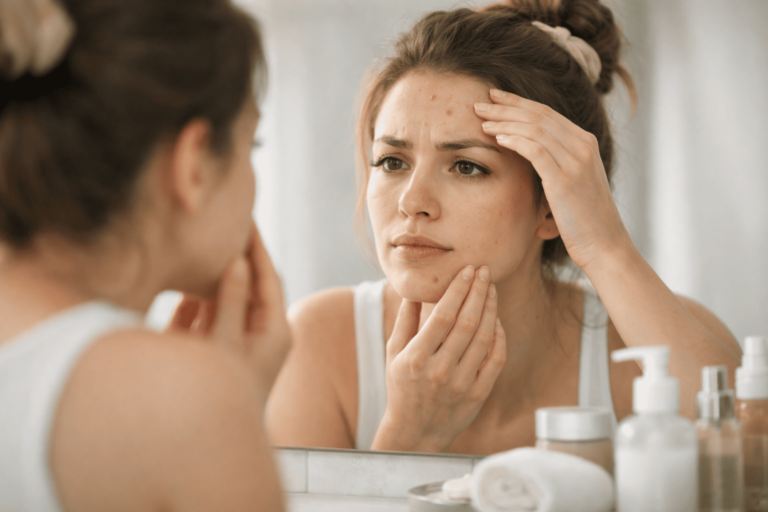
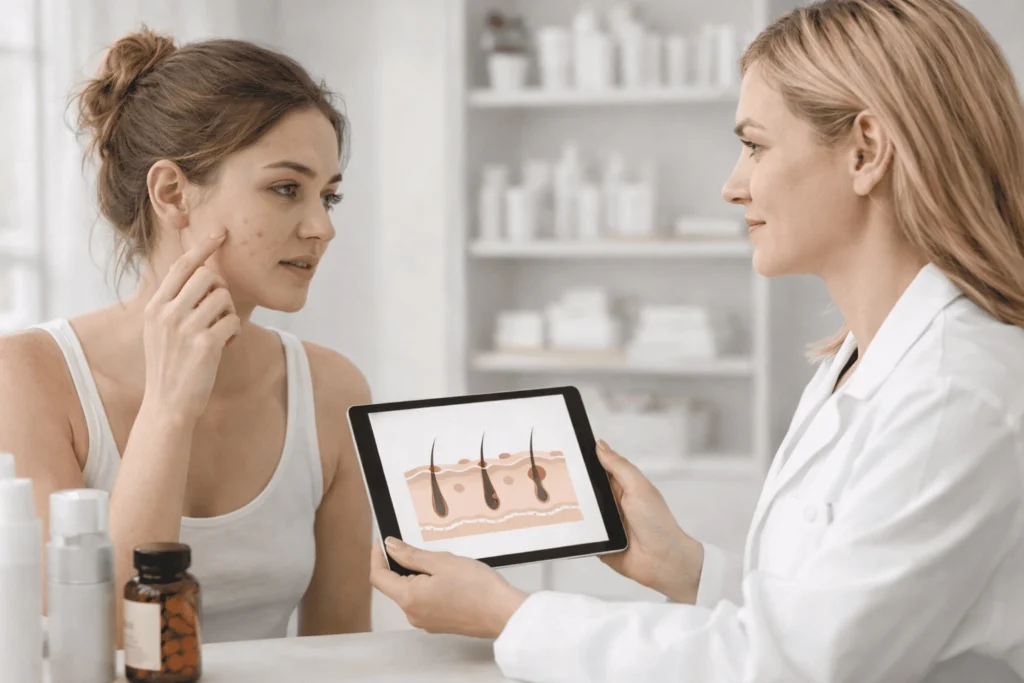
Acne forms when pores get clogged with oil and dead skin cells. That clogging can then support bacterial growth and inflammation, which leads to whiteheads, blackheads, red bumps, pustules, or deeper painful lesions. Acne can show up on the face, but it can also appear on the chest, back, and shoulders.
Because acne is already influenced by several factors, it can be hard to pin a breakout on one change. Hormones, stress, menstrual cycles, family history, new skin care products, certain medicines, and oily skin can all play a role. That is why a breakout that appears after a new supplement does not automatically prove the supplement caused it.
Still, timing matters. If your skin was steady, you started ashwagandha, and then you noticed more clogged pores or inflamed breakouts within the next days or weeks, it makes sense to look at the connection closely. Asking can ashwagandha cause acne is reasonable, especially if the pattern repeats when you stop and restart it.
🔥 The 3 products dermatologists actually recommend (and yes, they work):
Stop guessing and start with what’s proven. La Roche-Posay Effaclar Duo(+) targets breakouts fast, Paula’s Choice 2% BHA Liquid Exfoliant keeps pores clear with daily use, and Hero Cosmetics Mighty Patch is the overnight fix everyone swears by. ✅ No prescription needed ✅ Affordable ✅ Backed by real clinical evidence.
Can ashwagandha cause acne through hormonal changes?
This is one of the main reasons people suspect a link between ashwagandha and acne. Some research suggests certain ashwagandha preparations may increase testosterone levels, especially in some men and in specific study settings. At the same time, acne is strongly influenced by androgens, the group of hormones that includes testosterone. These hormones stimulate the oil glands and hair follicles in the skin, and that can lead to more breakouts in people who are prone to acne.
That does not mean ashwagandha works like a guaranteed acne trigger. Hormones are not the only piece of acne, and the way your skin responds depends on sensitivity, not just lab numbers. Some people can have acne even without clearly high androgen levels, while others may have hormone shifts without any visible skin changes. So if you are wondering does ashwagandha cause acne, the most accurate answer is that it may contribute to breakouts in some acne-prone people, but the effect is not universal or predictable.
Stress also complicates the picture. The American Academy of Dermatology notes that stress can increase androgen production, which then stimulates the oil glands and hair follicles in the skin. In theory, lowering stress might help some people’s skin. But your body can respond to stress reduction, sleep changes, workout changes, or new supplements in ways that do not look the same from person to person. That is part of why can ashwagandha cause acne gets such mixed real-world answers.
Possible reasons ashwagandha might be linked to breakouts
1. You may be sensitive to hormonal shifts
If your acne usually flares around your period, during stressful weeks, or when you use anything that seems to affect hormones, you may be more likely to notice skin changes with ashwagandha. Adult acne is often tied to fluctuating hormone levels, and the chin and jawline are common areas for those breakouts.
2. Your product may not be simple
One brand might contain plain capsules. Another might include sweeteners, flavoring, gummy bases, blends for stress, or added botanicals. Since supplement formulas vary widely, two people can both say they took ashwagandha but actually took very different products. When someone says ashwagandha acne got worse, the full label matters.
3. You started too many things at once
A new supplement, a new protein powder, a richer moisturizer, and a stressful month can all overlap. If you change four things together, it becomes much harder to know which one affected your skin. That is one reason the question does ashwagandha cause acne is tricky in real life.
4. Stress may still be the bigger trigger
Sometimes a person starts ashwagandha during a tough stretch, which is exactly when stress breakouts are already more likely. In that situation, the supplement and the acne show up together, but stress may be doing more of the work. The AAD notes a clear relationship between stress and acne flare-ups.
5. You already have acne-prone skin
If your pores clog easily or you have a strong family history of acne, smaller triggers may show up more clearly on your skin. Acne risk is higher in people with oily skin and a family history, and adult acne is especially common in women.
Does ashwagandha cause acne or is it something else?
Before you blame the herb, look at the full picture. Ask yourself these questions:
- Did you start ashwagandha in the same week as a new skin care product?
- Did your cycle, stress level, sleep, or diet also change?
- Did you begin a medication or stop one, such as birth control?
- Did the breakout happen once, or did it happen again after restarting the supplement?
- Are the bumps true acne, or could they be irritation or an allergic reaction?
This matters because acne is not the only skin issue that can happen after trying something new. Acne usually looks like clogged pores, whiteheads, blackheads, papules, pustules, or deeper painful nodules. Irritation may look more like redness, burning, or tiny rough bumps. An allergy may involve itching, hives, swelling, or rash rather than classic pimples. If you are asking can ashwagandha cause acne, first make sure it is actually acne.
What does the skin reaction usually look like?
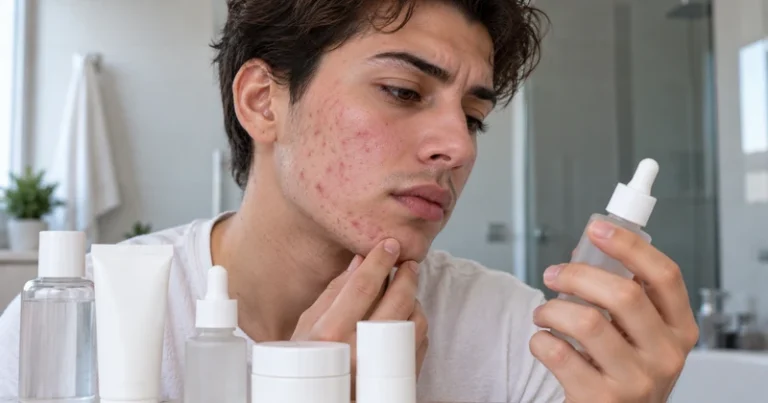
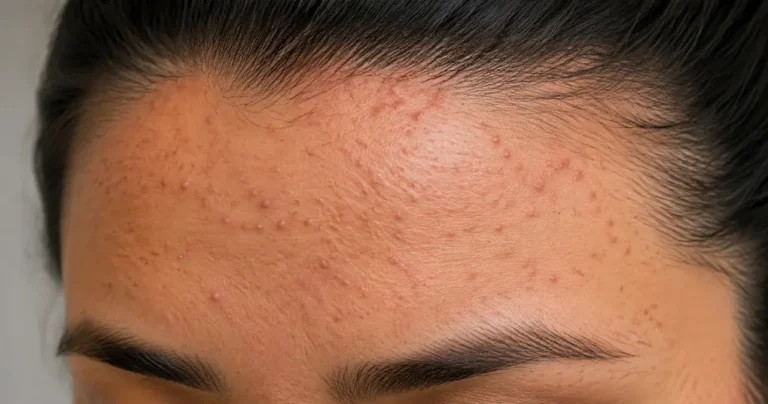
When people think they are dealing with ashwagandha and acne, the breakout often looks like one of these patterns:
- More clogged pores on the forehead or cheeks
- New inflamed pimples on the chin or jawline
- A flare of usual hormonal acne
- Extra oiliness followed by more frequent pimples
- Body breakouts on the chest, shoulders, or upper back
These patterns are not unique to ashwagandha, which is important to remember. They are simply common acne patterns. The usual acne lesion types include whiteheads, blackheads, papules, pustules, nodules, and deeper severe lesions.
A sudden severe rash, facial swelling, trouble breathing, or widespread itching is different. That is not the typical picture of acne and needs prompt medical attention.
Ashwagandha acne vs purging: are they the same?
No. Skin purging is usually a term used for topical skin care products that increase cell turnover, such as retinoids or chemical exfoliants. A supplement does not usually cause purging in that classic sense.
So if you start ashwagandha and your skin gets worse, it is better to think in terms of a possible trigger, sensitivity, or coincidence rather than purging. That makes the question can ashwagandha cause acne easier to handle practically. You are not supposed to “push through” a supplement breakout the way some people do with an acne medication. Instead, you should evaluate the pattern carefully.
Could ashwagandha actually help some people’s skin?
Possibly, but not as a proven acne treatment. Ashwagandha has been studied mainly for stress and sleep, and the strongest evidence is still in those areas rather than acne care or skin treatment. There is also a current clinical trial looking at hair and skin health, and the study listing itself notes that scientific evidence for those traditional skin claims is still limited.
This is where ashwagandha benefits for skin often get overstated online. A calmer stress response might help someone whose acne flares during stressful periods. Lower stress can matter because the AAD notes that stress can drive androgen-related acne flare-ups. But that does not mean does ashwagandha help acne has a simple yes answer. It may help indirectly for some people, do nothing for others, and possibly worsen breakouts in a smaller group.
So yes, there may be ashwagandha benefits for skin in a broader wellness sense for some users, especially if sleep and stress improve. But as of now, it should not be treated like a reliable acne fix.
Who might be more likely to notice breakouts?
You may be more likely to notice a change if you:
- Already have hormonal acne
- Tend to get breakouts along the chin and jawline
- Have oily or acne-prone skin
- Started several supplements together
- Are going through a stressful or hormonal transition
- Use products that clog pores
- Have had acne side effects from hormones or medications before
Adult acne is common, and the AAD points to fluctuating hormones, stress, family history, skin care products, and medication side effects as major reasons it can show up or stick around. That is why can ashwagandha cause acne is usually a question about your full acne pattern, not the herb alone.
How long does it take to notice a skin change?
There is no exact universal timeline, but many people who connect a supplement to acne notice changes within several days to a few weeks. One random pimple the next morning is usually not enough evidence. A repeat pattern over one to four weeks is more useful.
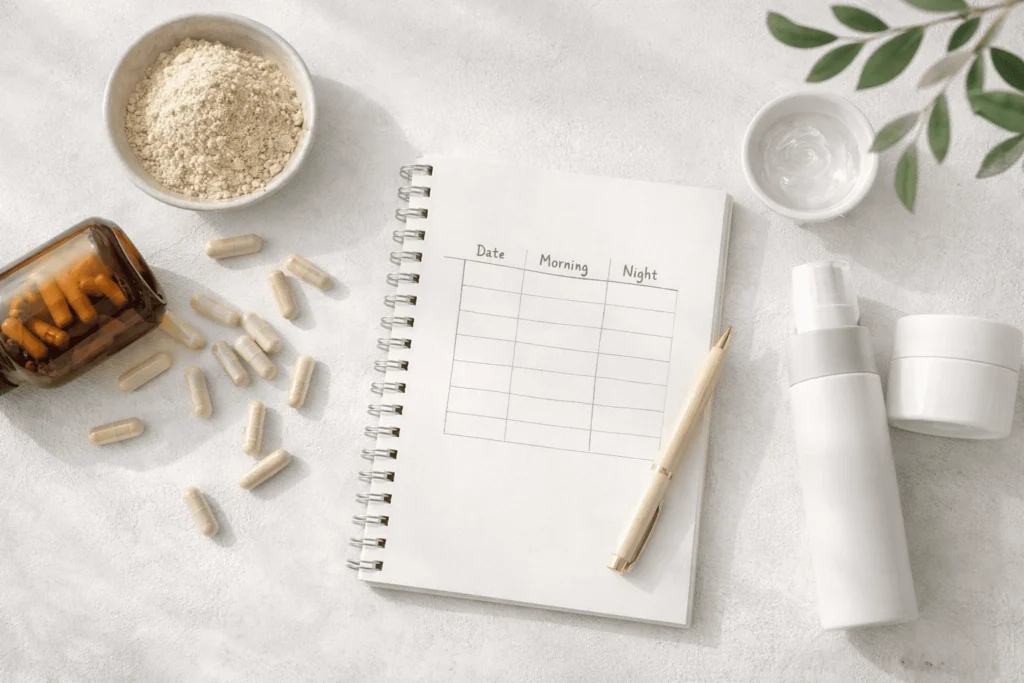
Try tracking:
- Start date
- Brand and dose
- Where the breakout appears
- Whether it is clogged pores or inflamed pimples
- Other routine changes
- Whether things improve after stopping
If you are seriously asking does ashwagandha cause acne for your skin, this kind of short log is often more helpful than guessing.
What to do if you think ashwagandha is breaking you out
Pause and simplify
If the timing looks suspicious, stop the supplement for a short period and keep the rest of your routine as steady as possible. That gives you a cleaner view of what your skin does without it. If you keep changing everything, you will not learn much.
Check the full ingredient list
Look beyond the word ashwagandha. Is it root-only? A blend? A gummy with other extras? Are there multiple adaptogens? Is the dose much higher than you expected? Product details matter because formulas vary so much.
Keep skin care gentle
When people panic about a breakout, they often overdo acne products. That can make the skin barrier angry and make the whole face look worse. Stick with a gentle cleanser, a non-comedogenic moisturizer, and basic acne care if you already tolerate it well. The AAD specifically recommends choosing products labeled non-comedogenic, non-acnegenic, oil-free, or “won’t clog pores.”
Do not assume it is purging
If the supplement seems to line up with a breakout, you do not have to force yourself to continue just to “see if it passes.” Since this is not classic purging, it is reasonable to pause and reassess.
Reintroduce only if you have a good reason
If you want to test the connection, reintroduce a simple product at a lower dose only after your skin settles. Do not do that if you had a severe reaction. If the same breakout pattern returns, your answer becomes clearer.
🔥 The 3 products dermatologists actually recommend (and yes, they work):
Stop guessing and start with what’s proven. La Roche-Posay Effaclar Duo(+) targets breakouts fast, Paula’s Choice 2% BHA Liquid Exfoliant keeps pores clear with daily use, and Hero Cosmetics Mighty Patch is the overnight fix everyone swears by. ✅ No prescription needed ✅ Affordable ✅ Backed by real clinical evidence.
Simple skin-friendly steps while you figure it out
While sorting out ashwagandha acne concerns, keep your routine calm and boring in the best way:
- Wash gently twice a day, not more.
- Use a light moisturizer that will not clog pores.
- Avoid harsh scrubs and picking.
- Keep makeup and sunscreen non-comedogenic.
- Get enough sleep and manage stress in other ways too.
- Give your skin time before judging every single bump.
That approach helps because acne is inflammatory, and irritated skin is harder to read. The less chaos in your routine, the easier it is to see whether can ashwagandha cause acne applies to you personally.
Common mistakes people make
One mistake is assuming ashwagandha is always the cause. Another is ignoring the rest of the label and focusing only on the herb name. A third is stopping and restarting several times without changing anything else, which creates confusion instead of answers.
People also often expect instant improvement after stopping. Acne lesions do not vanish overnight. Even if the supplement played a role, your skin may still need a few weeks to settle.
When should you stop taking it and get medical advice?
Stop and get medical guidance sooner if:
- You develop severe or painful acne very quickly
- You notice rash, hives, swelling, or trouble breathing
- You have stomach upset, vomiting, or other concerning side effects
- You take thyroid medicine, sedatives, diabetes medicine, blood pressure medicine, or immunosuppressants
- You are pregnant, breastfeeding, or have thyroid or autoimmune conditions
NCCIH says ashwagandha may cause drowsiness, stomach upset, diarrhea, and vomiting in some people, and it may interact with several medications. It is also not recommended in pregnancy, breastfeeding, or certain thyroid and autoimmune situations.
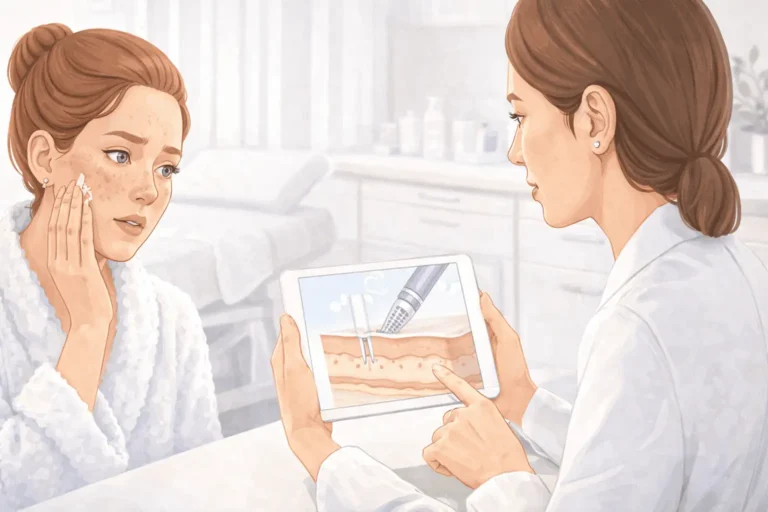
See a dermatologist if your acne becomes deep, painful, scarring, emotionally distressing, or simply does not improve. The AAD notes that effective treatment is available and many adults need more than one treatment approach.
How to choose a better ashwagandha product if you want to try again
If you still want to use it, keep the retry as simple as possible:
- Choose a straightforward formula
- Avoid unnecessary blends at first
- Double-check the serving size
- Start low instead of jumping to a high dose
- Give it time before adding anything else
- Watch your skin and overall symptoms together
This does not guarantee you will avoid breakouts, but it improves your odds of learning what your body tolerates. And if you keep coming back to the same question, can ashwagandha cause acne, a simple product is much easier to evaluate than a complicated one.
Final verdict on can ashwagandha cause acne
So, can ashwagandha cause acne? It can be linked to breakouts for some people, but it is not a proven universal acne trigger. The most balanced view is this: ashwagandha may affect hormones and stress pathways, acne is strongly shaped by hormones and oil production, and supplement formulas vary widely. That combination makes a skin reaction plausible in certain people, even though the evidence is not strong enough to say it will happen broadly.
If your skin changed after starting it, your experience is still valid. Track the timing, simplify your routine, read the label carefully, and get medical help if the breakout is severe or the reaction seems like more than acne.
Conclusion:
If you have been asking can ashwagandha cause acne, the smartest next step is not panic. It is observation. Look at your dose, your product, your skin pattern, and everything else that changed around the same time. If the connection keeps showing up, trust the pattern and talk with a dermatologist or clinician before trying it again.
FAQ:
1. Can ashwagandha cause acne right away?
It is possible to notice a skin change within days, but one pimple right after starting it does not prove much. When people ask can ashwagandha cause acne, a more convincing pattern is a steady flare over several days or weeks, especially if the breakout improves after stopping and returns after restarting.
2. Does ashwagandha cause acne in everyone?
No. There is no good evidence that does ashwagandha cause acne has a yes answer for everyone. Many people take it without noticing skin problems. Others may be more sensitive because of hormones, oily skin, product formula differences, or other acne triggers happening at the same time.
3. Can ashwagandha help acne caused by stress?
It might help indirectly in some people if stress is a major trigger, because ashwagandha has some evidence for stress and sleep support. But does ashwagandha help acne is still not a proven acne treatment claim. It may help some, do nothing for others, and possibly worsen breakouts in a smaller group.
4. How long should I stop ashwagandha to see if my skin improves?
There is no perfect rule, but many people watch for improvement over a few weeks rather than a few days. Acne takes time to calm down. If you are trying to answer can ashwagandha cause acne for yourself, keep the rest of your skin care and supplement routine stable so you can judge the result more clearly.
5. What is the difference between ashwagandha acne and a normal breakout?
Most of the time, ashwagandha acne looks like normal acne, which is why the question is hard. The difference is timing and pattern. If your usual acne changes soon after starting the supplement, that is a clue. If you have itching, hives, swelling, or a rash instead of pimples, think beyond acne and get medical advice sooner.