Azelaic Acid and Salicylic Acid: Do You Need Both in Your Routine?
Azelaic acid and salicylic acid can appear in the same skin-care routine, but that does not mean you need both. The useful decision is whether a second active addresses a remaining problem without making the routine harder to tolerate. First check the product format and whether your azelaic formula already includes salicylic acid.
There is no universal schedule, mandatory morning-and-evening split, or fixed waiting period for this pairing. Some people can use both; others do better with one. Evidence supporting either ingredient for acne does not prove that layering any two retail products gives better results than a well-chosen single treatment.
This is a combination guide. It is not a ranking of which acid is best, and it does not provide instructions for chemical peels.
Table of Contents
Azelaic acid and salicylic acid: define the job before adding a step
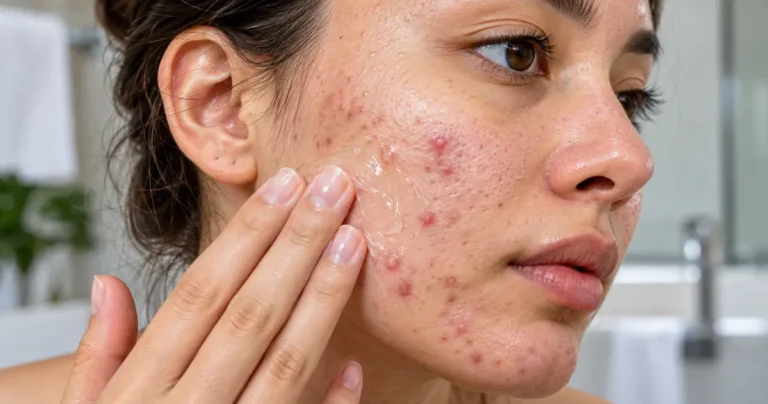
Azelaic acid is used in acne treatment and may also be relevant when uneven pigmentation follows breakouts. Salicylic acid helps clear clogged pores through its effects on accumulated skin cells. These roles can overlap. An ingredient’s different mechanism is a reason to consider it, not proof that your current routine needs another product.
Write down one specific remaining concern. “My routine needs more actives” is not an outcome. Fewer recurring clogged pores, better tolerance, or help with flat dark marks gives you something meaningful to assess.
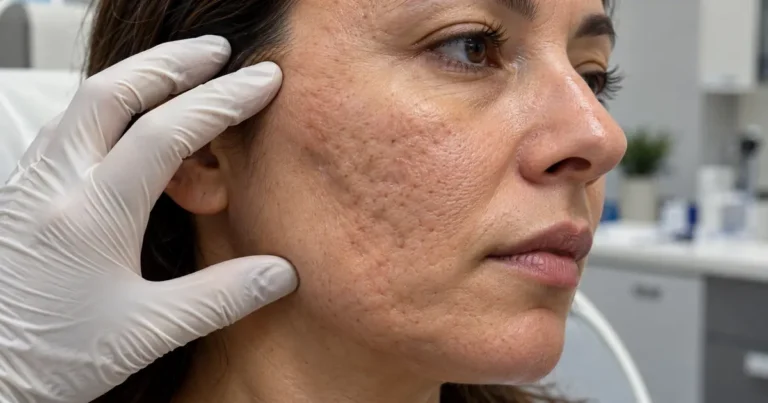
Distinguish active lesions from marks and structural scars. A flat brown spot after a pimple is a different target from a deep indentation. Adding azelaic acid and salicylic acid will not reliably remodel established depressed scars.
If your main concern is discoloration, our guide to using salicylic acid for acne marks explains the limits of exfoliation and why controlling new acne matters.
Azelaic acid and salicylic acid: cleanser versus leave-on BHA
A salicylic cleanser is rinsed away; a leave-on BHA remains on the skin. That difference affects exposure and can change tolerance, even when the percentage looks similar. Neither concentration nor “wash-off” alone predicts how a complete formula will behave on your face.
| Salicylic format | What to check before pairing |
|---|---|
| Rinse-off cleanser | Whether cleansing already leaves tightness or stinging, and the label’s contact instructions |
| Leave-on toner or serum | Frequency, other exfoliants, and whether the azelaic product already duplicates BHA |
| Spot treatment | The treated area and overlap with another active on that same area |
| Combined formula | Directions for the finished product, rather than a homemade schedule for its separate ingredients |
Our guide to salicylic acid uses and formats gives more context for these product differences.
Do not leave a wash on for longer to make it act like a serum. Do not dilute, mix, or decant separate acids to imitate a formulated combination. Products are assessed and labeled as complete formulas, not simply as a list of percentages.
For example, a routine with an acid cleanser, exfoliating toner, azelaic treatment, and occasional peel contains more potential irritants than the two ingredient names suggest. Review that full exposure before adding anything.
Check whether your azelaic product already contains BHA
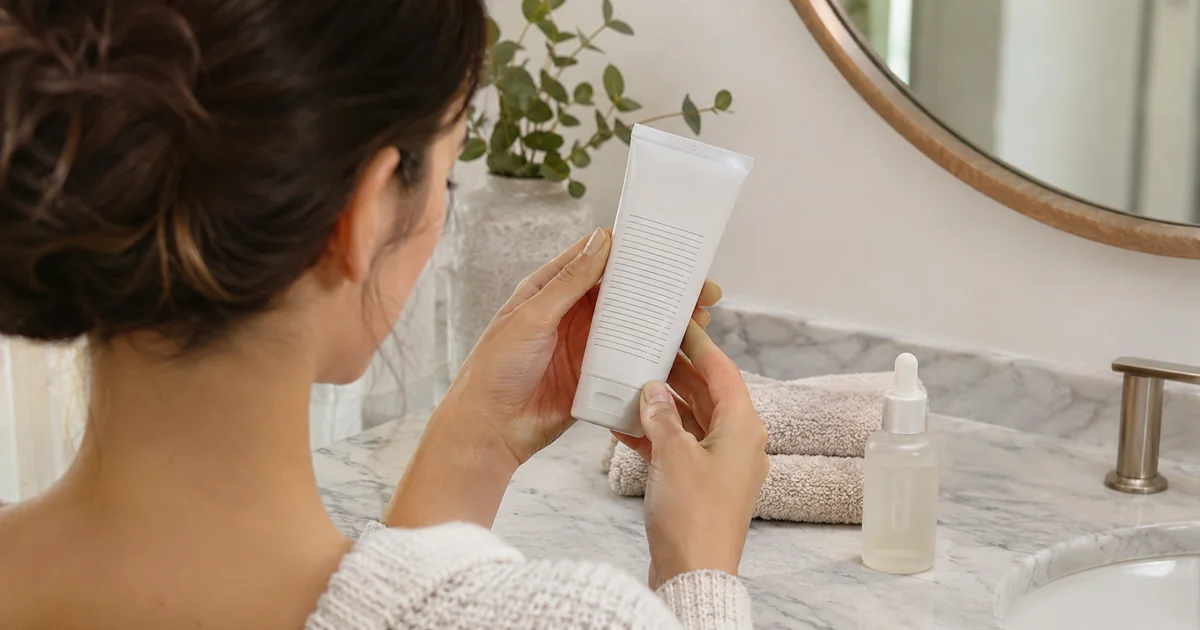
Read the ingredient list and any Drug Facts panel, not only the front label. Salicylic acid may be present in a product primarily advertised for azelaic acid, brightness, or uneven texture. A second BHA product can therefore duplicate an ingredient without adding a clearly different purpose.
For azelaic acid and salicylic acid in one finished formula, follow that product’s instructions. A combined formula is not automatically gentler or stronger than separate products; the vehicle, concentrations, frequency, and your response all matter.
Also confirm the exact market and version. Ingredient lists may differ between countries or change over time. The label on the product you own is more relevant than a screenshot of a different version.
Make the inventory concrete: write the full product name, format, active ingredients, frequency, and what you expect it to do. If two entries have the same job, consider whether both are necessary.
What does the evidence establish?
The American Academy of Dermatology’s acne guidance includes azelaic acid and salicylic acid as treatment options. It also supports combining appropriate topical therapies with different mechanisms. That broad approach does not establish one ideal schedule for this particular pair of cosmetic products.
A Cochrane review found limitations and uncertainty across several topical acne ingredients. Its findings should not be used to claim that any over-the-counter percentage is interchangeable with a studied prescription formulation, or that a combination always improves outcomes.
One frequently cited trial, indexed as PMID 29862871, studied a professional peel combining 20% salicylic acid with 20% azelaic acid against a 25% trichloroacetic acid peel. It was not a trial of ordinary home cleanser-and-serum use.
That distinction matters: the professional procedure, concentrations, setting, and comparator differ. Its results cannot establish that layering a retail azelaic serum and BHA toner is effective or safe for you. Do not recreate the peel at home.
For azelaic acid and salicylic acid, the honest evidence-based answer is therefore conditional. Both have recognized uses, while the added value of your exact pairing requires a more specific assessment than ingredient-level claims.
Decide whether to keep one treatment or consider both
Your current routine is working
Keep it stable. There is no need to add an ingredient because it is described as “complementary.” Every additional step adds cost, application time, and another possible source of irritation.
You have a remaining concern and comfortable skin
Review whether the current product has had an appropriate label-consistent trial and whether the concern is actually within its scope. If a second product is reasonable, change one thing at a time so you can assess its contribution.
Your skin is already uncomfortable
Address the irritation first. Azelaic acid and salicylic acid are not a useful experiment on raw, persistently stinging skin. Another active can make it harder to identify what caused the problem.
You use prescription treatment
Ask the prescriber how an addition fits. Do not independently stack acids onto a regimen containing a retinoid or other potentially irritating medicine, and do not replace necessary treatment because a combination serum seems simpler.
Keep cleansing simple while evaluating a treatment
A plain cleanser can make an active routine easier to interpret. It removes a source of duplicated exfoliation while letting you keep the treatment you are actually trying to assess. This is especially useful if your salicylic wash leaves tightness.
Beyond Breakouts may earn a commission from qualifying purchases at no additional cost to you. As an Amazon Associate, we earn from qualifying purchases. These optional basics support routine comfort and protection; none is a required partner for an acid treatment.
👀 Reduce duplicated exfoliation
Vanicream Gentle Facial Cleanser, 8 fl oz
Assess your chosen acid without another medicated cleansing step. This plain cleanser supports washing, not a stronger combination treatment.
Check price on AmazonAffiliate link — see the Amazon Associate disclosure above.
You can also keep a cleanser you already tolerate. Replacing all the basics at once makes it harder to tell whether a new active or an unfamiliar base formula caused a reaction.
Azelaic acid and salicylic acid: moisturizer, order, and frequency
Use the directions for the actual products. Some treatments specify dry skin or a particular place in the routine. Texture-based layering advice can help products spread, but “thinnest first” is not a medical rule that overrides a label.
There is no evidence-based universal countdown between azelaic acid and salicylic acid. A timer does not neutralize cumulative irritation. Likewise, separating morning and night may be convenient but does not guarantee that total daily exposure is tolerable.
A familiar moisturizer can help with dryness. Do not interpret smoother application as proof that two actives are safe together, or mix products in your palm unless their directions allow it.
⭐ A practical hydration option
Vanicream Daily Facial Moisturizer, 3 fl oz
Keep moisturizer’s job focused on comfort. This fragrance-free formula does not make an otherwise irritating acid combination safe.
Check price on AmazonAffiliate link — see the Amazon Associate disclosure above.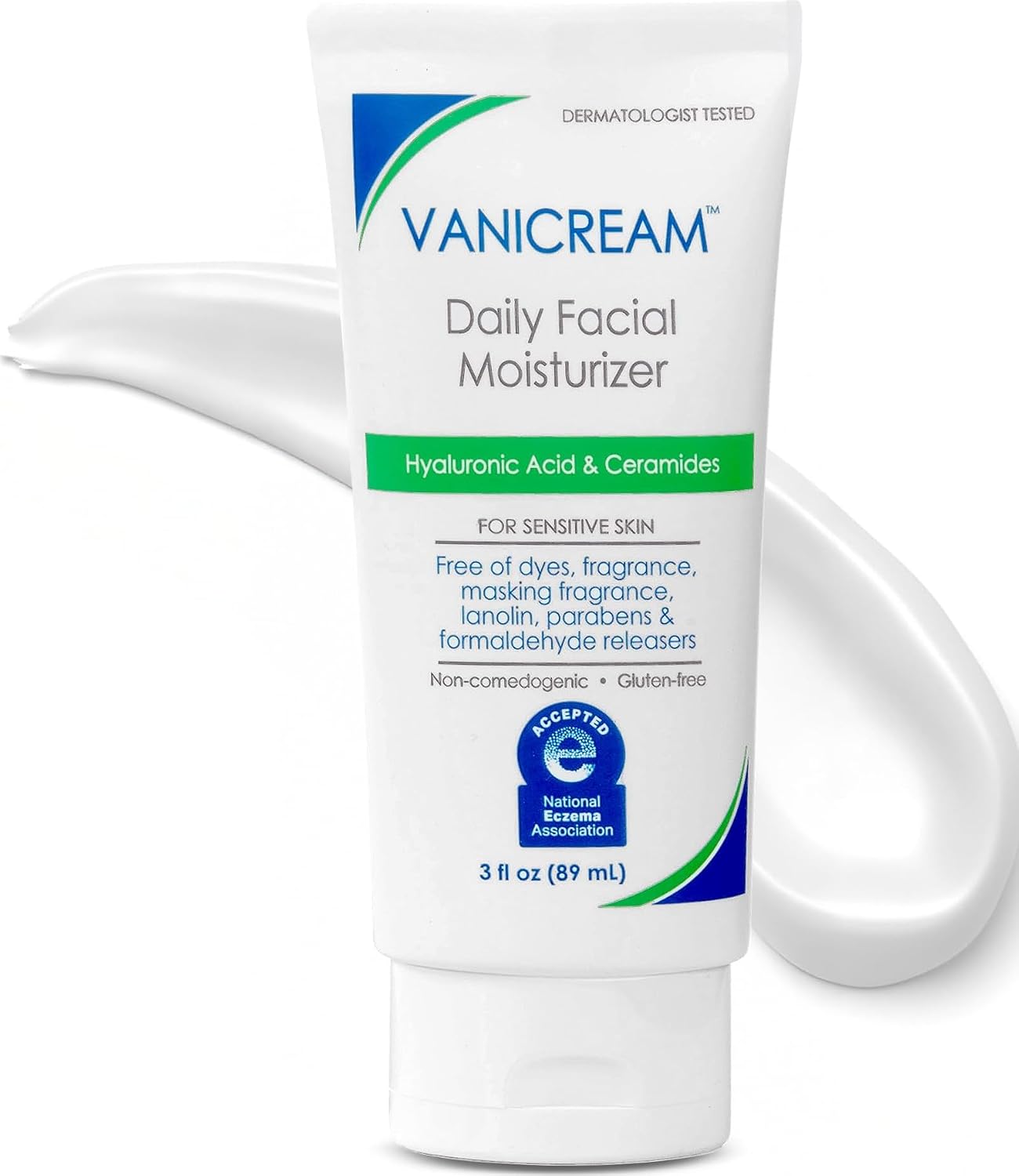
Choose the least complicated label-consistent approach that addresses your goal. If maintaining that plan requires repeatedly taking breaks because of irritation, reassess the ingredients and frequency instead of simply trying harder to “build tolerance.”
Protect skin and recognize reasons to stop experimenting
Use broad-spectrum SPF 30 or higher and other sun protection measures. This is particularly relevant when you are concerned about lingering marks. Sunscreen cannot repair an overly irritating routine or make aggressive exfoliation appropriate.
☀️ Give sun protection its own job
Vanicream Facial Moisturizer Broad Spectrum SPF 30, 2.5 fl oz
Consider this mineral broad-spectrum SPF 30 for exposed skin. It supports UV protection rather than acid performance; use a water-resistant option for swimming or sweating.
Check price on AmazonAffiliate link — see the Amazon Associate disclosure above.
Persistent burning, peeling, itching, swelling, or a rash calls for reassessment. A brief sensation is not evidence of effectiveness, and worsening bumps are not automatically purging. Stop irritating nonprescription additions and seek advice if symptoms are substantial or do not settle.
Seek professional care for painful deep acne, scarring, significant distress, or uncertain diagnosis. If pregnant or planning pregnancy, review the entire formula and treatment plan with your obstetrician or dermatologist; ingredient names alone do not establish suitability for every product or application area.
Frequently asked questions
Can one combination tube be easier than separate bottles?
It may simplify application, but simplicity does not guarantee tolerability. Check its actual ingredients and directions, and avoid automatically adding another exfoliant to it.
Do azelaic acid and salicylic acid cancel each other out?
Do not assume they cancel each other or that they must be layered for a chemical synergy. The practical concerns are formulation, useful purpose, and irritation, rather than an unsupported rule about ingredient names.
Can I compare the percentages directly?
No. Different ingredients, vehicles, and contact times cannot be ranked by percentage alone. A larger number is not a reliable measure of which product will meet your goal.
Is more pilling a sign of a harmful interaction?
Pilling describes products rolling or collecting on the skin. It can reflect texture and application issues; it is not by itself proof of a dangerous reaction or successful absorption. Burning or a rash is a separate concern.
What should I tell my dermatologist if the pairing fails?
Bring the exact labels, frequency, start dates, and a description of the reaction. “I used two acids” leaves out the details needed to decide whether the issue was treatment choice, formulation, or use.
Make the second step earn its place
Use azelaic acid and salicylic acid together only when each has a useful role in a tolerable plan. Start by checking for hidden duplication and choosing one clear goal. If one treatment already works, keeping it simple is a valid decision.
This article is educational and is not a diagnosis or a substitute for care from a qualified healthcare professional.
References
- American Academy of Dermatology — Acne clinical guideline
- Cochrane review — Evidence-based topical treatments for acne
- Professional peel trial — Combined salicylic acid 20% and azelaic acid 20% versus TCA 25%
- American Academy of Dermatology — Is any acne treatment safe to use during pregnancy?
- Vanicream — Gentle Facial Cleanser
- Vanicream — Daily Facial Moisturizer
- Vanicream — Facial Moisturizer Broad Spectrum SPF 30