Why Am I Breaking Out on My Cheek? Common Causes and What to Do
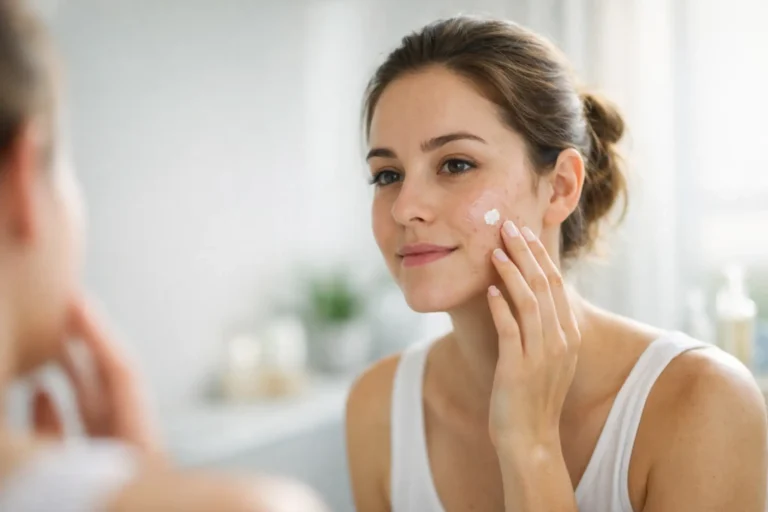
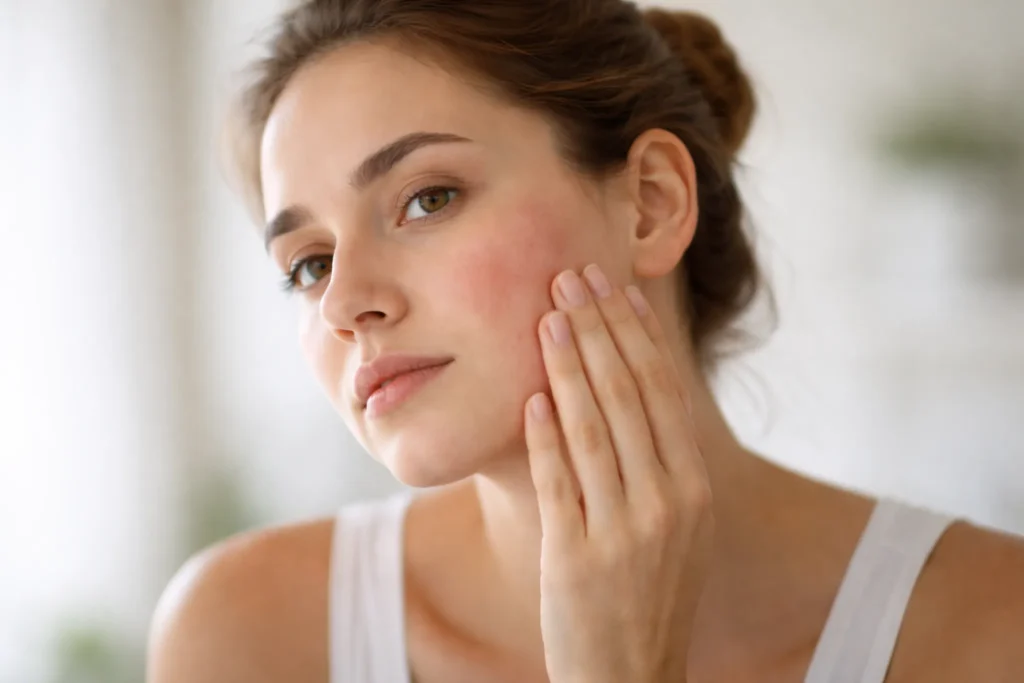
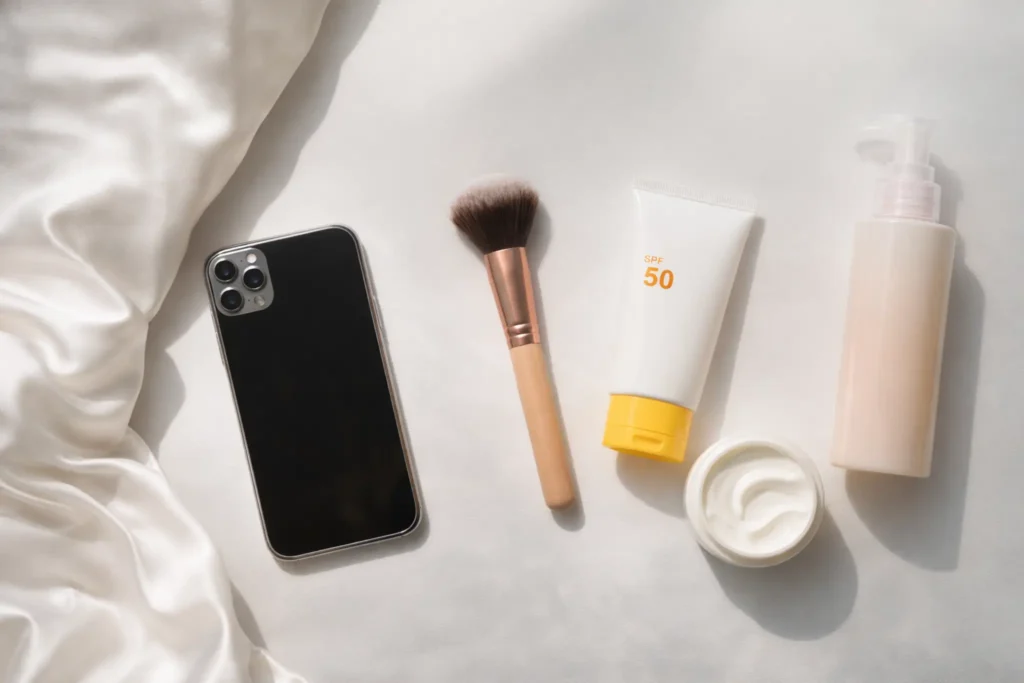
Cheek breakouts are often linked to repeated contact, pore-clogging products, sweat, friction, or incomplete cleansing. If you are asking, “Why am I breaking out on my cheek?” start by checking what touches that area every day—especially your phone, pillowcase, hands, makeup, sunscreen, and hair products.
One-sided breakouts may point to a local contact or friction trigger, while acne on both cheeks can involve a broader skin care, hormonal, or lifestyle pattern. Location alone cannot confirm the cause, but the nine checks below can help you narrow it down without over-treating your skin.
Table of Contents
Why Cheek Breakouts Happen So Often
The cheeks go through more daily contact than most people realize. They touch your pillow for hours at night. They come into contact with towels, brushes, sunscreen, foundation, hair, and sometimes your phone several times a day. That repeated contact is one reason so many people ask, why am i breaking out on my cheek, especially when the rest of the face looks calmer.
Your cheeks can also hold onto product buildup more easily than you might expect. Makeup and sunscreen often sit there all day, and if they are not fully removed at night, pores can stay clogged. If you then add sweat, stress, or face touching, breakouts can build up faster.
Cheek acne can also behave differently from acne on other parts of the face. Forehead acne may be more connected to hair products or oil in the T-zone. Chin acne often raises more questions about hormones. The cheeks are often linked to daily contact and routine habits, though hormones and stress can still play a role.
That is why the best way to answer why am i breaking out on my cheek is to look closely at what keeps touching that area and what recently changed.
9 Common Reasons You May Be Breaking Out on Your Cheek
There is no single answer for everyone, but these are some of the most common reasons cheek breakouts happen.
1. Your phone is touching the same side of your face
If one cheek breaks out more than the other, your phone may be part of the reason. Phone screens collect oil, bacteria, makeup, and residue from your hands. When you hold the screen against your face again and again, that contact can irritate the skin and worsen clogged pores.
This is one of the first things to check if you keep asking, why am i breaking out on my cheek on only one side.
2. Your pillowcase or towel is not as clean as it should be
Pillowcases collect sweat, oil, hair products, and bacteria over time. Towels can do the same, especially if you use the same one for too many days. Since your cheeks press against these fabrics often, they can become a repeating trigger.
This is a small habit, but it can have a real effect when the same area keeps breaking out.
3. Your makeup, sunscreen, or moisturizer may be clogging pores
Some products are simply too heavy for certain skin types. Foundation, cream blush, sunscreen, rich moisturizer, and concealer can all contribute to clogged pores if they do not suit your skin well.
Sometimes the issue is not one product alone. It is the full routine of multiple layers staying on the skin day after day.
4. You are not fully removing products at night
Even good products can become a problem if they stay on your skin too long. Makeup, sunscreen, and sweat can build up across the cheeks and increase the chance of clogged pores.
If you are asking, why am i breaking out on my cheek even though you use “good” skincare, incomplete cleansing may be part of the answer.
5. Hair products are reaching your cheeks
Leave-in conditioner, hair oils, styling cream, and spray can transfer from your hair to your skin. This is especially common if your hair brushes your cheeks during the day or while you sleep.
A lot of people miss this because they focus only on face products. But sometimes the real issue is coming from your hair.
6. You touch or lean on your face often
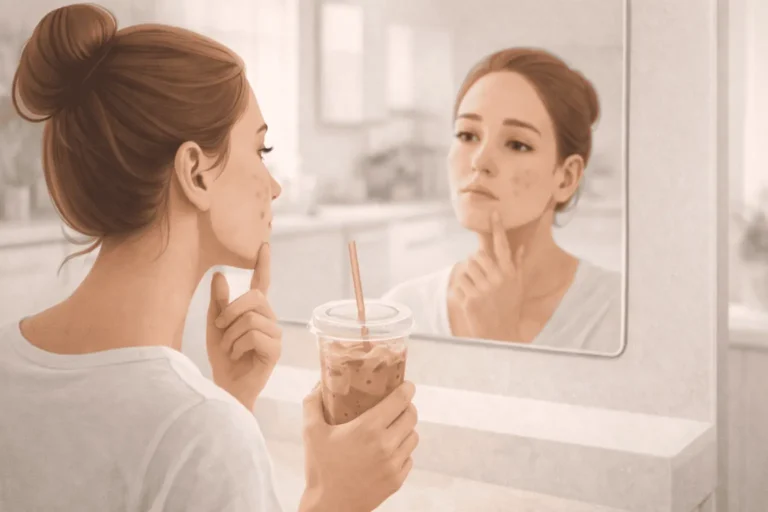
Resting your cheek in your hand, leaning on your face at a desk, or touching your skin throughout the day can transfer oil, dirt, and irritation. It can also make small clogged pores more inflamed.
If one side is worse than the other, pay attention to your habits. They often explain more than you think.
7. Stress and poor sleep are making your skin more reactive
Stress does not always create a breakout on its own, but it can make acne-prone skin harder to manage. Poor sleep can also affect recovery, inflammation, and routine consistency.
If you keep asking, why am i breaking out on my cheek during stressful weeks, that pattern is worth taking seriously.
8. Hormonal shifts are adding to the problem
Hormones are often linked more strongly with chin and jawline acne, but they can still affect the cheeks too. If your breakouts flare around your period, during stressful times, or after changes in birth control, hormones may be making your skin more reactive overall.
That does not mean hormones are the only reason. It just means they may be part of the bigger picture.
9. Sweat, heat, and friction are irritating the area
Masks, helmet straps, sports gear, hot weather, and sweaty skin can all create more rubbing and trapped moisture on the cheeks. That can lead to irritation and make clogged pores more likely to become inflamed.
If your cheeks get worse after workouts or long days in gear, friction may be one of the clearest triggers.
Why Am I Breaking Out on My Cheek on One Side?
One-sided breakouts can be especially helpful because they often give clearer clues. If only one cheek keeps flaring, the cause is often something that touches that side more than the other.
Common one-sided triggers include:
- Holding your phone on the same side
- Sleeping mostly on one side
- Resting one cheek on your hand
- Hair falling against one side more often
- Using a dirty pillowcase or towel repeatedly
This is why why am i breaking out on my cheek on one side is often easier to solve than breakouts on both cheeks. The skin is giving you a more specific clue.
If both cheeks are breaking out at the same time, the issue may be broader. In that case, think more about makeup, skincare, sunscreen, hormones, stress, sweat, or product buildup.
Why Am I Breaking Out Suddenly?
If your skin has been relatively calm and then suddenly gets worse, it helps to look at recent changes. When people ask, why am i breaking out suddenly, the answer is often found in the last few days or weeks.
Ask yourself:
- Did you start a new product?
- Have you been more stressed than usual?
- Are you sleeping less?
- Did you travel recently?
- Has the weather changed?
- Are you sweating more?
- Have you changed your makeup or sunscreen?
- Have you been cleaning pillowcases less often?
Sudden cheek breakouts are not always a sign of a major new skin problem. Sometimes they come from irritation, product overload, or more friction than usual. Looking at timing is one of the best ways to answer why am i breaking out on my cheek without guessing blindly.
Types of Cheek Breakouts and What They May Mean
Not all cheek breakouts look the same. The kind of bump you have can help you understand what may be going on.
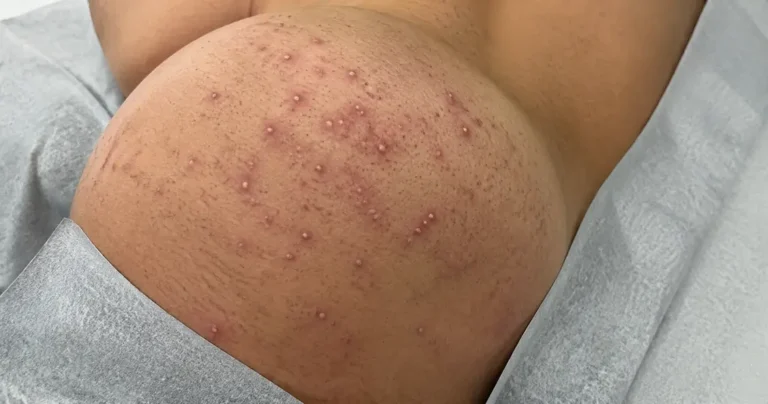
Whiteheads and clogged pores
These small closed bumps often point to congestion, slower pore turnover, or buildup from products. They may be more common if you wear makeup often or use heavier skincare.
Red inflamed pimples
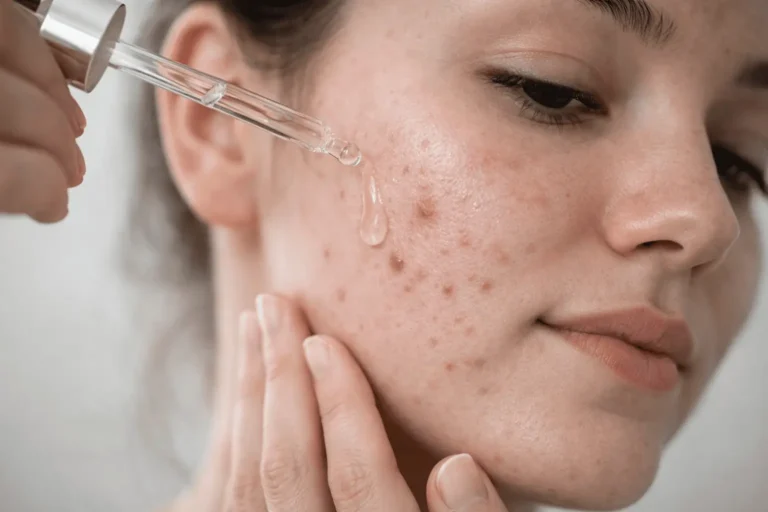
These are the classic red bumps many people picture first. They often show up when clogged pores become inflamed. Stress, irritation, hormones, and picking can all make them worse.
Deep sore bumps
These breakouts sit under the skin and can feel tender or painful. They often take longer to go away and may point more toward inflammation or hormonal influence.
Tiny uniform bumps
If your cheek bumps are all small and look similar, irritation or follicle-related issues may be part of the problem. Sometimes what looks like acne is not traditional acne at all.
Bumps that may not be acne
Not every cheek bump is acne. Folliculitis, perioral dermatitis, rosacea, or a product reaction can all look similar. If your skin is not responding to acne care, it may be time to question the diagnosis instead of adding more products.
What to Do About Cheek Breakouts
Once you have a better sense of the likely trigger, treatment becomes easier. The goal is not to attack your skin from every angle. The goal is to calm inflammation, reduce clogged pores, and stop repeating the same trigger.
Simplify your routine first
A crowded skincare routine can make it harder to see what is helping and what is irritating your skin. Start by removing extras and keeping only the basics: a gentle cleanser, a moisturizer that suits your skin, sunscreen, and one acne treatment if needed.
Cleanse gently and remove products properly
Make sure you cleanse well enough to remove makeup, sunscreen, and the day’s buildup without scrubbing harshly. Rough cleansing often makes cheeks more irritated, not clearer.
Affiliate disclosure: This article contains affiliate links. If you buy through them, we may earn a commission at no extra cost to you. As an Amazon Associate, we earn from qualifying purchases.
👀 Wearing Long-Wear Makeup? Consider DHC Deep Cleansing Oil
Removing makeup shouldn’t mean repeatedly rubbing your cheeks. DHC Deep Cleansing Oil dissolves makeup and emulsifies with water, making it a practical first cleansing step for regular makeup wearers.
Choose the 6.7 fl oz bottle if you want a dedicated makeup remover without adding another exfoliating acid. Follow the label and use a gentle cleanser afterward if needed. If your existing cleanser removes everything comfortably, an extra cleansing step may be unnecessary.
Explore DHC Deep Cleansing Oil & Check Price ➜
Use proven acne ingredients
Salicylic acid can help unclog pores. Benzoyl peroxide can help reduce acne-causing bacteria and calm inflamed spots. Adapalene may help if breakouts are recurring and clogged pores keep returning.
You do not need all of them at once. Start slow and give your skin time to respond.
⭐ Standout Pick for Clogged Cheek Pores: Paula’s Choice 2% BHA
Whiteheads and rough, congested cheeks? If clogged pores are behind your breakouts, Paula’s Choice Skin Perfecting 2% BHA Liquid Exfoliant offers a targeted exfoliating step.
Its 2% salicylic acid formula helps unclog pores and remove built-up dead skin without abrasive scrubbing. The 4 fl oz bottle is an option for readers looking for a full-size leave-on exfoliant.
Introduce it gradually according to the label, and avoid adding several strong acne products at once. If your cheeks are already burning, peeling, or developing rash-like bumps, address the irritation before adding an exfoliant.
👀 See Paula’s Choice 2% BHA & Check Price ➜
Think about prevention, not just speed
A lot of people search how to remove pimples fast or how can i get rid of pimples because they want one spot gone right away. A spot treatment or pimple patch may help a single breakout look calmer. But if you want real improvement, preventing the next breakout matters more than fixing one emergency.
Avoid over-treating the cheeks
The cheeks can get irritated easily. Too many strong products, too much exfoliation, or repeated spot treatment can leave your skin dry, red, and more reactive.
Dry, Tight Cheeks? Make Moisture a Priority 💧
When acne products leave your cheeks feeling tight, a straightforward moisturizer can be a useful addition. La Roche-Posay Toleriane Double Repair Face Moisturizer combines glycerin, niacinamide, and ceramide-3 in a fragrance-free, oil-free formula.
The 3.38 oz non-SPF version is a smart choice to consider for hydration and moisture-barrier support without another exfoliating active.
Apply it as your moisturizing step. If burning or peeling persists, reduce irritating treatments instead of relying on moisturizer alone to cover the discomfort.
Shop Toleriane Double Repair & Check Price ➜
Daily Habits That Help Stop Cheek Breakouts
Small daily habits often make a bigger difference than people expect. This is especially true when your cheeks are breaking out because of repeated contact.
Helpful habits include:
- Clean your phone screen often
- Change pillowcases regularly
- Use clean face towels
- Wash makeup brushes and sponges
- Keep hair and hair products off your face
- Avoid leaning on your hands
- Remove makeup and sunscreen every night
- Choose non-comedogenic products
- Cleanse after heavy sweating
- Avoid picking at bumps
These steps matter because they reduce the everyday triggers that keep asking your skin to react.
Common Mistakes That Keep Cheek Acne Going
Some habits make cheek breakouts last longer, even when you are trying to fix them.
Trying too many products at once
It is tempting to use acids, masks, scrubs, spot treatments, and serums all together. But that usually creates irritation and confusion instead of results.
Sleeping in makeup or sunscreen
This is one of the most obvious routine mistakes. Leaving product on overnight makes clogged pores more likely, especially on the cheeks.
Over-exfoliating
People often think rough skin needs more exfoliation, but cheeks usually do worse when the skin barrier gets damaged. Over-exfoliation can increase redness and make breakouts harder to calm.
Ignoring one-sided contact triggers
If one cheek keeps breaking out, but you never clean your phone or change the way you sleep, the same flare-up may keep returning.
Chasing quick fixes
DIY hacks and harsh treatments often create more irritation than improvement. Slow, steady care usually works better than trying to force instant results.
When to See a Dermatologist
Sometimes a simple routine is enough. Sometimes it is not. You should consider seeing a dermatologist if your cheek breakouts are painful, deep, frequent, leaving marks, or starting to scar.
You should also get help if:
- Over-the-counter products are not helping
- Your skin is getting more irritated instead of clearer
- The bumps do not seem like typical acne
- You suspect folliculitis, rosacea, or another skin condition
- The breakouts are affecting your confidence or daily life
If you have been asking why am i breaking out on my cheek for a long time and nothing is improving, it may be time to get a professional opinion. A dermatologist can help figure out whether it is acne, irritation, folliculitis, or another issue that needs a different plan.
Conclusion
If you keep asking, why am i breaking out on my cheek, the answer usually becomes clearer once you look at your habits. Phones, pillowcases, hair products, makeup, incomplete cleansing, stress, sweat, and friction are all common reasons cheek breakouts keep happening.
The good news is that cheek acne often improves when you simplify your routine and reduce repeated triggers. Start by looking at what touches your skin every day, keep your routine gentle, and use proven acne treatments carefully. If the breakouts keep returning or do not respond to basic care, a dermatologist can help you move forward with a plan that actually fits your skin.
FAQ
1. Why am I breaking out on my cheek only on one side?
If you are asking why am i breaking out on my cheek only on one side, the most common reasons are your phone, pillowcase, sleep position, hand contact, or hair touching that side more often. One-sided breakouts usually point to a repeated contact habit.
2. Why am I breaking out suddenly on my cheek?
If you are wondering why am i breaking out suddenly, look for recent changes such as a new skincare product, more stress, less sleep, travel, weather changes, extra sweating, or dirtier pillowcases. Sudden breakouts are often linked to something that shifted in your routine.
3. How can I get rid of pimples on my cheek fast?
If you are wondering how can i get rid of pimples on your cheek fast, gentle cleansing, a targeted acne treatment, and avoiding picking are the safest first steps. A pimple patch may help some surface spots. But long-term improvement comes from preventing new breakouts, not just treating one spot.
4. Can my phone or pillowcase cause cheek breakouts?
Yes, they can contribute. Phones and pillowcases can hold oil, sweat, product residue, and bacteria. If they touch your cheek often, they may help explain why am i breaking out on my cheek, especially if one side is worse.
5. When should I worry about recurring cheek acne?
You should pay more attention if the breakouts are painful, deep, frequent, leaving dark marks, or starting to scar. If a simple routine is not helping, or if the bumps may not be acne at all, it is a good idea to see a dermatologist.