Can Hyaluronic Acid Cause Acne? What to Know About Breakouts and Skin Balance
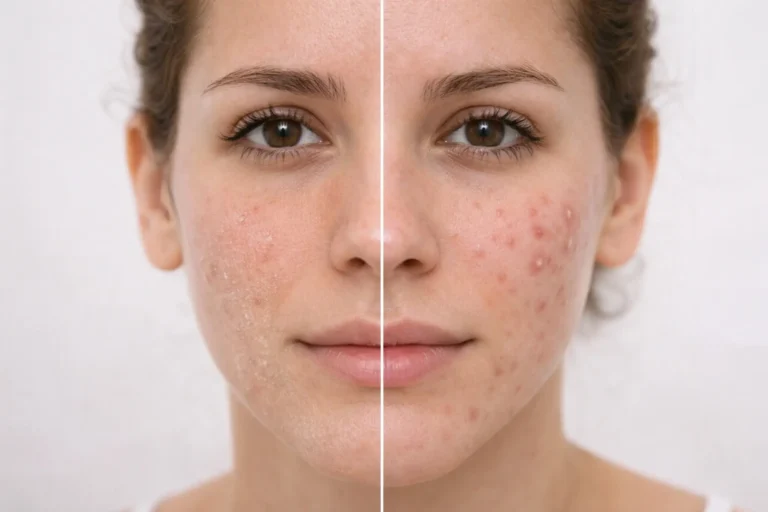
You buy a hydrating serum because your skin feels tight, rough, or irritated. A few days later, you notice new bumps on your chin or forehead and start asking the question many people ask: can hyaluronic acid cause acne?
It’s a reasonable concern. Hyaluronic acid is often described as gentle, lightweight, and safe for almost every skin type. So when breakouts show up after you start using it, the ingredient gets blamed first.
The problem is that skin reactions are not always simple. A product can contain hyaluronic acid and still trigger irritation, clogged pores, or a flare-up for reasons that have little to do with the hyaluronic acid itself. Your skin barrier, the rest of the formula, and the way you use the product all matter.
If you have acne-prone, oily, or sensitive skin, it helps to look at the full picture. That is the best way to understand whether can hyaluronic acid cause acne is really the right question, or whether something else in your routine is causing the problem.
Table of Contents
The Short Answer: Can Hyaluronic Acid Cause Acne?
In most cases, hyaluronic acid does not cause acne. On its own, it is not known as a pore-clogging ingredient, and it does not work like an exfoliating acid that pushes clogged pores to the surface.
Still, some people notice pimples, redness, stinging, or tiny bumps after starting a hyaluronic acid product. When that happens, the issue is usually the full formula, the skin barrier, or the way the product is layered with the rest of your routine.
So if you are wondering can hyaluronic acid cause acne, the most accurate answer is this: usually no, but a product containing hyaluronic acid can sometimes lead to breakouts or irritation for other reasons.
What Hyaluronic Acid Actually Does for Your Skin
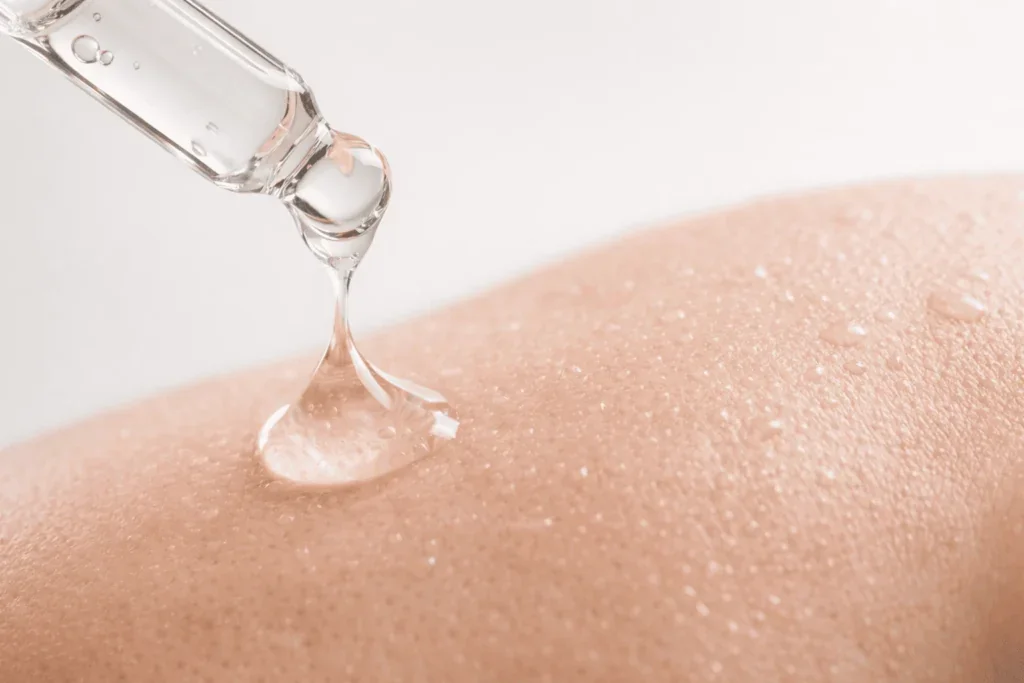
Hyaluronic acid is a substance your body naturally makes. In the skin, it helps hold water and supports hydration. In skincare, it is used as a humectant, which means it helps attract water to the skin’s surface.
That sounds simple, but it matters a lot for skin health. When your skin has enough water, it often feels softer, smoother, and less tight. A well-hydrated skin barrier also tends to be less reactive.
This is why hyaluronic acid is so common in:
- Serums
- Gel moisturizers
- Barrier repair creams
- Soothing products for sensitive skin
For many people, it can make skin feel more comfortable without the heavy feel of thick oils or rich balms.
Is hyaluronic acid good for acne?
Often, yes. Is hyaluronic acid good for acne is a smart question because acne-prone skin is not always oily in a healthy way. Many people with acne actually have dehydrated skin, especially if they use strong treatments like benzoyl peroxide, salicylic acid, adapalene, tretinoin, or exfoliating acids.
When skin is dehydrated, it may:
- Feel tight after washing
- Look dull or rough
- Produce extra oil
- Become more irritated by acne products
That is where hyaluronic acid can help. By improving hydration, it may help your skin tolerate acne treatments better and reduce the cycle of dryness followed by excess oil. It does not treat acne the way salicylic acid or retinoids do, but it can support healthier skin balance.
🔥 The 3 products dermatologists actually recommend (and yes, they work):
Stop guessing and start with what’s proven. La Roche-Posay Effaclar Duo(+) targets breakouts fast, Paula’s Choice 2% BHA Liquid Exfoliant keeps pores clear with daily use, and Hero Cosmetics Mighty Patch is the overnight fix everyone swears by. ✅ No prescription needed ✅ Affordable ✅ Backed by real clinical evidence.
Why You Might Break Out After Using Hyaluronic Acid
If your skin gets worse after starting a new serum or moisturizer, it is easy to assume the main ingredient is the problem. That is why people search can hyaluronic acid cause breakouts after trying a new product.
But breakouts can happen for several reasons at once. Sometimes the timing makes hyaluronic acid look guilty when it is not.
Here are some common explanations:
Your product contains more than hyaluronic acid
Many “hyaluronic acid” products also contain silicones, plant extracts, fragrance, emollients, preservatives, or occlusive ingredients. Any of those may irritate your skin or feel too heavy for your pores.
You added several new products at the same time
If you started a cleanser, serum, moisturizer, and spot treatment together, it becomes very hard to tell which one is causing trouble. The hyaluronic acid product may only be one piece of the picture.
Your skin barrier was already stressed
Skin that is over-exfoliated or irritated can react badly to products that would normally feel fine. In that case, even a gentle serum may sting or seem to worsen bumps.
What looks like acne may not be classic acne
Tiny rough bumps can come from irritation, allergic contact dermatitis, heat, product buildup, or clogged pores. Not every reaction is the same as acne vulgaris.
So when people ask can hyaluronic acid cause breakouts, the answer is often more about the product and skin condition than the ingredient itself.
Is It the Hyaluronic Acid or the Product Around It?
This is one of the most important parts of the discussion. A product can be marketed around one star ingredient, but your skin reacts to the full formula.
For example, a hyaluronic acid serum may also contain:
- Fragrance
- Essential oils
- Alcohol
- Thick emollients
- Waxes
- Coconut-derived ingredients
- Rich botanical blends
Any of these may be fine for some people and a problem for others.
A lightweight, fragrance-free serum may work beautifully on acne-prone skin, while a richer cream with hyaluronic acid might lead to congestion. That does not mean hyaluronic acid is the cause. It means the formula as a whole is not a good fit.
This is why label reading matters. If you keep asking can hyaluronic acid cause acne, take a step back and compare products:
- Was the texture very thick?
- Did it contain fragrance?
- Did it leave a sticky film?
- Did you start using it with several actives?
- Did it make your skin feel hot or itchy?
Those clues often point to the real issue faster than focusing only on hyaluronic acid.
Can Hyaluronic Acid Clog Pores?
Many people want a direct answer to can hyaluronic acid clog pores. In general, pure hyaluronic acid is not considered comedogenic. That means it is not known for clogging pores.
It is usually lightweight and water-based, especially in serums. That is one reason it is often recommended for oily and acne-prone skin.
Still, the full product can be a different story. A formula may feel too heavy if it includes ingredients that trap oil, sweat, or dead skin on the surface. This does not happen to everyone, but some skin types are more prone to congestion.
If you break out easily, look for products that are:
- Lightweight
- Fragrance-free
- Non-comedogenic
- Designed for oily or acne-prone skin
And be careful with products that feel greasy, waxy, or overly rich, especially in hot weather or humid conditions.
So, can hyaluronic acid clog pores? Usually no. But the product around it can still create a pore-clogging situation if the texture or supporting ingredients do not suit your skin.
Does Hyaluronic Acid Cause Purging?
This is another common point of confusion. Does hyaluronic acid cause purging? No. Hyaluronic acid does not cause purging because it does not speed up skin cell turnover.
Purging usually happens with ingredients such as:
- Retinoids
- Salicylic acid
- Glycolic acid
- Lactic acid
- Other exfoliating acids
These ingredients can bring microcomedones to the surface faster, which may temporarily look like worse acne before things improve.
Hyaluronic acid works differently. It hydrates. It does not exfoliate. It does not push clogged pores out faster. So if you break out after using a hyaluronic acid product, calling it purging is usually not accurate.
That distinction matters. If you think a breakout is “just purging,” you may keep using a product that is actually irritating your skin or clogging your pores. If the bumps are new, itchy, widespread, or do not show up in your usual acne zones, it is less likely to be purging and more likely a reaction.
Why Does Hyaluronic Acid Burn?
A surprising number of people ask, why does hyaluronic acid burn, especially when they try a serum that is supposed to be soothing.
The burning sensation is usually not because hyaluronic acid is harsh. It is more often a sign that your skin barrier is damaged, inflamed, or already irritated.
Possible reasons include:
Overuse of acne treatments
If you use benzoyl peroxide, retinoids, salicylic acid, or exfoliating pads too often, your skin may become raw. When that happens, even gentle products can sting.
Damaged skin barrier
A healthy skin barrier keeps irritants out and water in. When it is weakened, products that normally feel mild can suddenly burn.
Other irritating ingredients in the formula
The hyaluronic acid product may also contain fragrance, acids, preservatives, or plant extracts that bother sensitive skin.
Application on freshly exfoliated or broken skin
Applying any active or even basic hydrating product right after scrubbing, peeling, or picking at your skin can cause burning.
If you keep asking why does hyaluronic acid burn, it is worth viewing that feeling as a warning sign. Stinging once in a while may happen on very dry skin, but ongoing burning means your routine likely needs to be simplified.
Skin Barrier, Dehydration, and Acne: The Missing Link
One reason the question can hyaluronic acid cause acne gets confusing is that many people do not realize how closely hydration and acne are connected.
Acne-prone skin is often treated aggressively. You may wash too often, use strong spot treatments, layer acids, or rely on drying cleansers. At first, that can seem helpful because the skin feels less oily. But over time, the barrier can become weak and dehydrated.
When that happens, your skin may:
- Produce more oil
- Feel both dry and greasy
- Become red or sensitive
- Break out more easily
- Heal more slowly
This creates a frustrating cycle. You treat acne harder, your skin gets more irritated, and then the irritation leads to more imbalance.
Hyaluronic acid can be helpful in this situation because it adds hydration without being heavy. But it works best when used as part of a barrier-friendly routine, not as a fix for an already overwhelmed face full of harsh actives.
That is why the answer to can hyaluronic acid cause acne may sometimes be “not directly, but your skin is so out of balance that almost anything feels like a problem right now.”
🔥 The 3 products dermatologists actually recommend (and yes, they work):
Stop guessing and start with what’s proven. La Roche-Posay Effaclar Duo(+) targets breakouts fast, Paula’s Choice 2% BHA Liquid Exfoliant keeps pores clear with daily use, and Hero Cosmetics Mighty Patch is the overnight fix everyone swears by. ✅ No prescription needed ✅ Affordable ✅ Backed by real clinical evidence.
Who Is Most Likely to React Poorly to Hyaluronic Acid Products?
Most people tolerate hyaluronic acid well, but a few groups are more likely to have issues with products that contain it.
Very sensitive skin
If your skin reacts to fragrance, preservatives, or botanical extracts, the supporting ingredients in the product may be the trigger.
People using strong acne treatments
Retinoids, benzoyl peroxide, exfoliating acids, and prescription products can make skin more reactive. Even a simple hydrating serum may sting if your barrier is stressed.
Rosacea-prone or barrier-damaged skin
If your skin flushes easily, burns often, or stays irritated for long periods, you may need extra caution with any new product.
People in very dry environments
In dry indoor air or low-humidity climates, a humectant-only product may not feel comfortable unless you follow it with a moisturizer that helps seal hydration in.
So even though can hyaluronic acid cause acne is not usually the right answer, some people do need to be picky about the formula and the way they use it.
How to Use Hyaluronic Acid Without Triggering Problems
If you want the benefits without the confusion, simple use matters a lot. Here is how to give your skin the best chance of tolerating it well.
Apply to slightly damp skin
Hyaluronic acid performs best when there is some water available. Apply it after cleansing when your skin is slightly damp, not bone dry.
Seal it in with a moisturizer
This step is easy to miss. If you apply a humectant and stop there, your skin may still feel tight. A moisturizer helps reduce water loss and makes the serum more effective.
Start with a simple formula
Choose products with short ingredient lists when possible. This makes it easier to avoid extra irritants and easier to identify what caused a reaction if one happens.
Patch test first
Try the product on a small area for a few days before using it all over your face. This is especially helpful if your skin is sensitive or acne-prone.
Do not add too many new products at once
When several new products enter your routine together, it becomes almost impossible to know which one is helping and which one is hurting.
These steps can reduce the odds that you will end up searching can hyaluronic acid cause acne after a bad skincare week.
Best Product Types for Acne-Prone Skin
If your skin breaks out easily, the type of product matters just as much as the ingredient list.
The best choices are often:
- Lightweight serums
- Gel moisturizers
- Fragrance-free formulas
- Products labeled non-comedogenic
- Minimalist formulas with fewer extras
These are often easier for oily or acne-prone skin to tolerate.
Products that may be harder for some people include:
- Heavy night creams
- Thick balms
- Rich moisturizers with lots of oils and butters
- Strongly fragranced products
That does not mean all rich products are bad. It just means acne-prone skin often does better with a lighter touch.
If you want hydration and break out easily, look for a product designed specifically for sensitive or blemish-prone skin rather than the richest option on the shelf.
Common Mistakes That Can Make Skin Worse
Sometimes the ingredient gets blamed when the bigger problem is routine mistakes. These are some of the most common ones.
Using hyaluronic acid on very dry skin and stopping there
A hyaluronic acid serum is not always enough by itself. Without a moisturizer on top, some people end up feeling tighter instead of more hydrated.
Pairing it with too many harsh actives
Even though hyaluronic acid is gentle, it cannot fully protect skin from the effects of overdoing exfoliants or acne treatments.
Assuming every bump is acne
Tiny bumps may be irritation, clogged pores, folliculitis, or a sensitivity reaction. Looking closely at the pattern can help.
Continuing a product that stings or burns
If a product consistently burns, that is a sign to stop. Pushing through often makes things worse.
Choosing a product based only on one star ingredient
A front label that says “hyaluronic acid” tells you very little about how the formula will feel on your skin.
These mistakes are a big reason people end up asking can hyaluronic acid cause acne when the real problem is somewhere else in the routine.
When to Stop Using It and When to See a Dermatologist
You do not need to panic over one pimple. But you also do not need to force your skin to “adjust” to a product that clearly is not working.
Stop using the product if you notice:
- Repeated stinging or burning
- Ongoing redness
- Itching
- New breakouts that keep getting worse
- Clusters of tiny bumps after each use
You should consider seeing a dermatologist if:
- Your acne is painful, cystic, or leaving marks
- You cannot tell whether you have acne or irritation
- Your skin burns with many products
- Your routine keeps making things worse
- Home care is not helping after several weeks
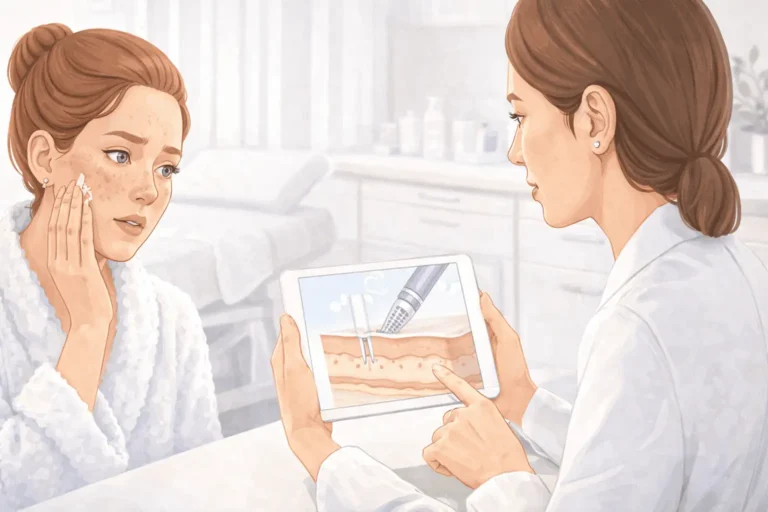
A dermatologist can help you figure out whether the issue is true acne, a damaged barrier, contact irritation, or another skin condition that looks similar.
Final Thoughts on Can Hyaluronic Acid Cause Acne
So, can hyaluronic acid cause acne? For most people, no. Hyaluronic acid itself is generally a gentle, non-pore-clogging ingredient that supports hydration and skin balance.
When breakouts happen after using a hyaluronic acid product, the cause is more often the full formula, product texture, barrier damage, or the rest of the routine. That is why it helps to look beyond the ingredient name on the front of the bottle.
If your skin is acne-prone, choose a lightweight formula, keep the rest of your routine simple, and watch how your skin responds over one to two weeks. If something burns, clogs, or keeps causing bumps, stop using it and reassess.
The goal is not just to ask can hyaluronic acid cause acne, but to understand what your skin is really reacting to. When you do that, it becomes much easier to build a routine that keeps your skin calm, hydrated, and clearer over time.
If your skin still feels confusing, take a closer look at the full ingredient list and the way your products work together. A small routine change may do more for your skin than cutting out one gentle ingredient.
FAQ:
1. Can hyaluronic acid cause acne if you already have oily skin?
Usually no. Hyaluronic acid is generally lightweight and non-comedogenic, so oily skin can often tolerate it well. In fact, hydrated oily skin may feel more balanced and may produce less excess oil over time. If breakouts happen, the full product formula is usually the more likely reason.
2. How long should you test a hyaluronic acid product before deciding it breaks you out?
A fair trial is often about one to two weeks, especially if the rest of your routine stays the same. If you notice repeated breakouts, burning, itching, or congestion during that time, the product may not be a good fit. Since hyaluronic acid does not cause purging, ongoing bumps are not something you should assume will pass.
3. Can you use hyaluronic acid with salicylic acid or retinol?
Yes, many people do. Hyaluronic acid can help offset dryness from salicylic acid, retinol, or prescription acne treatments. A common approach is to apply your treatment first if needed, then use hyaluronic acid on slightly damp skin or use it in a moisturizer step, depending on the product instructions and your skin’s tolerance.
4. Why does my skin feel tight after using hyaluronic acid?
This can happen when you apply it to dry skin or skip moisturizer afterward. Hyaluronic acid works best when there is water available and when you seal hydration in with a cream or lotion. Tightness can also be a sign your skin barrier is already dry or irritated.
5. What should you do if a hyaluronic acid serum causes small bumps?
Stop using it for a few days and see whether the bumps improve. Then check the full ingredient list for fragrance, heavy emollients, or other ingredients your skin may not like. If the bumps return every time you use it, the product may be causing congestion or irritation, even if hyaluronic acid itself is not the true problem.